Medical / OEM
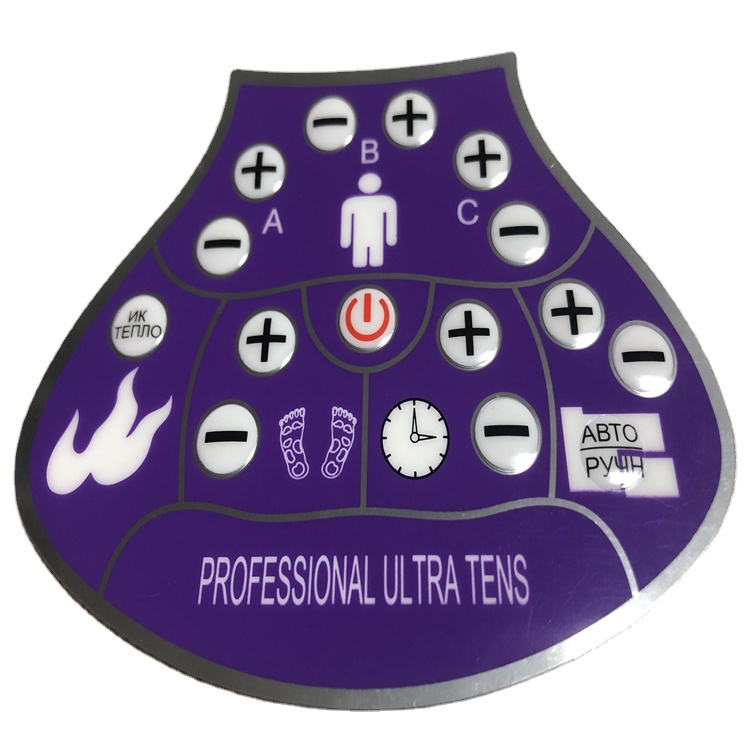
OEM Silk Screen Graphic Overlay Membrane Switch Keypad
- Subsurface screen-printed PET / PC film
- Autotex textured antimicrobial overlay
- Selective adhesive zones with 3M 467MP
 EN
 DE
 FR
 ES
 RU
 JA
Explore production-grade Human-Machine Interface constructions trusted by tier-1 original equipment manufacturers, test and measurement laboratories, and high-reliability systems integrators across the Greater San Jose region.
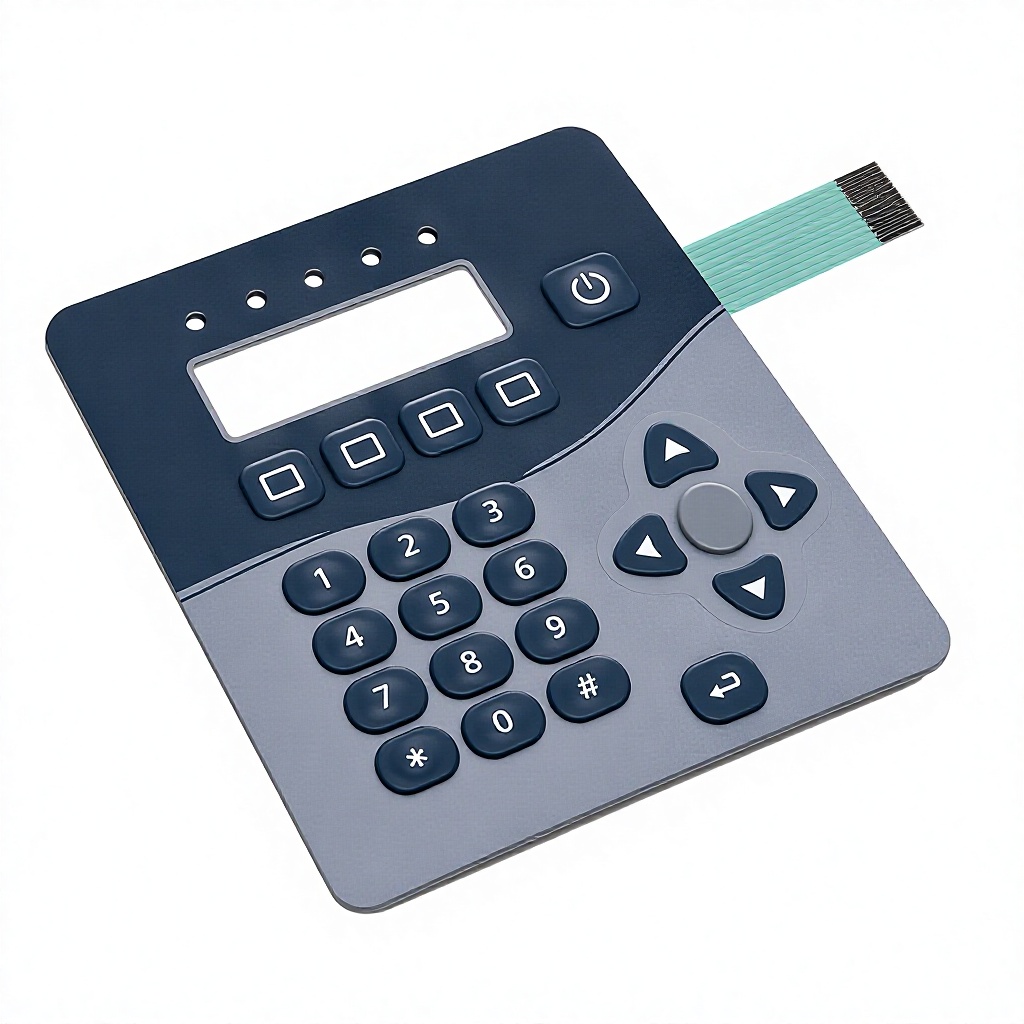
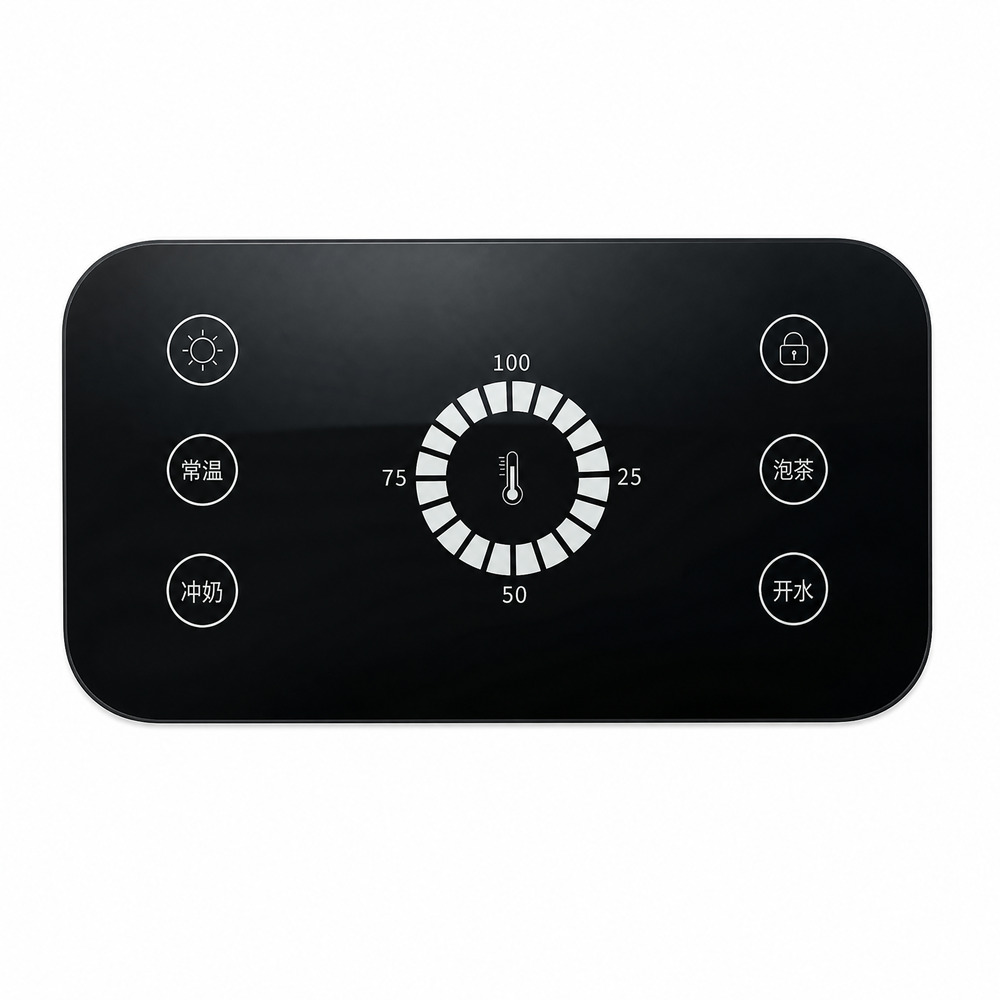
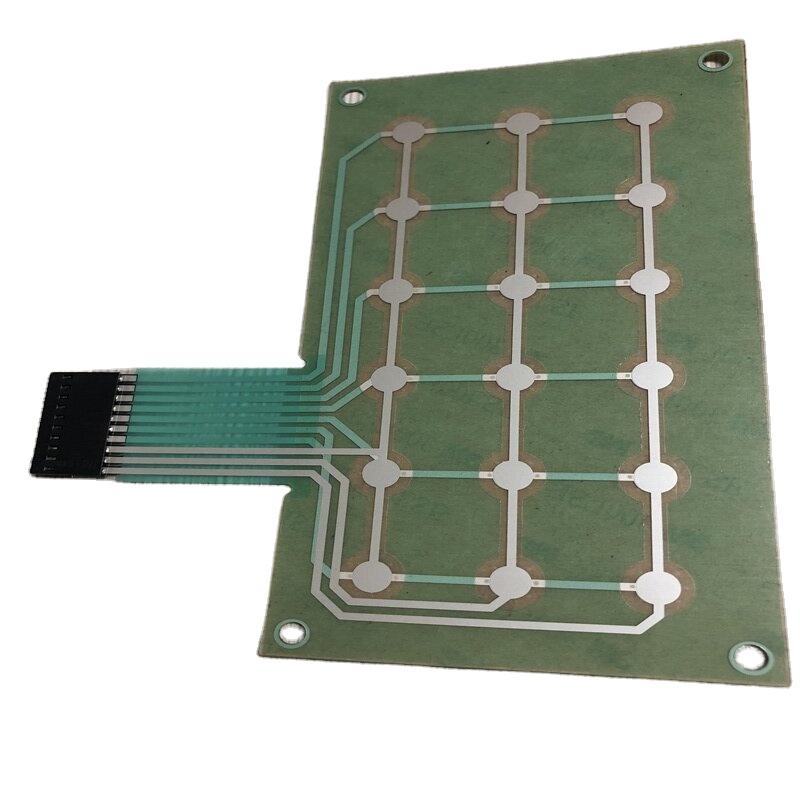
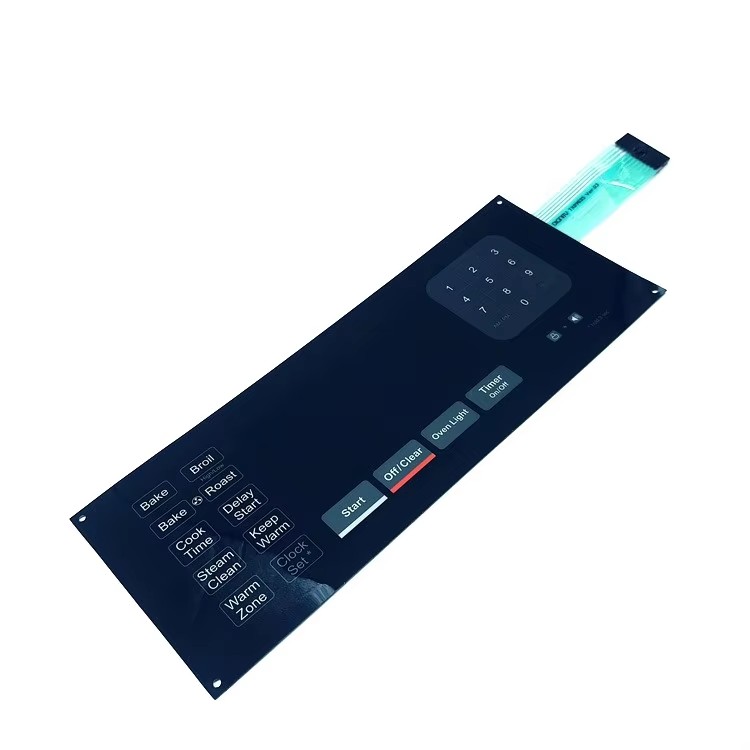
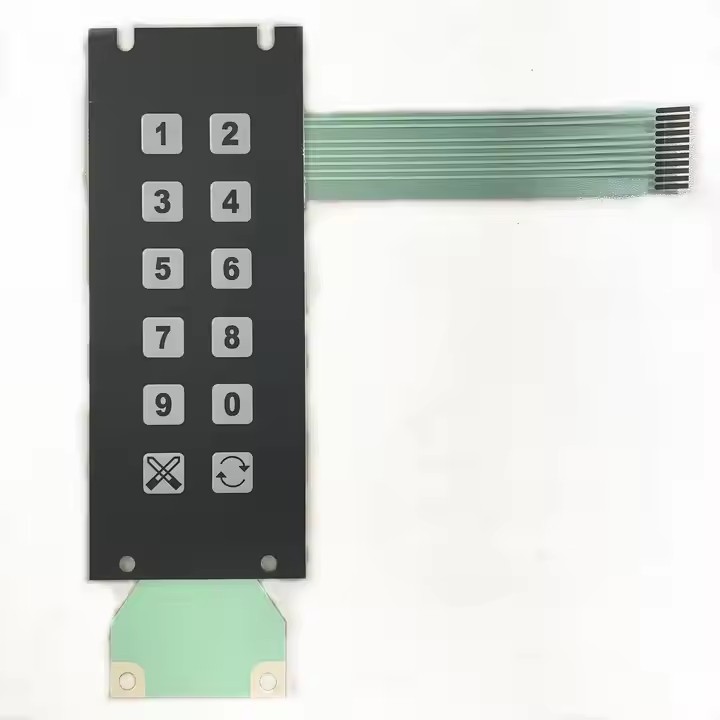
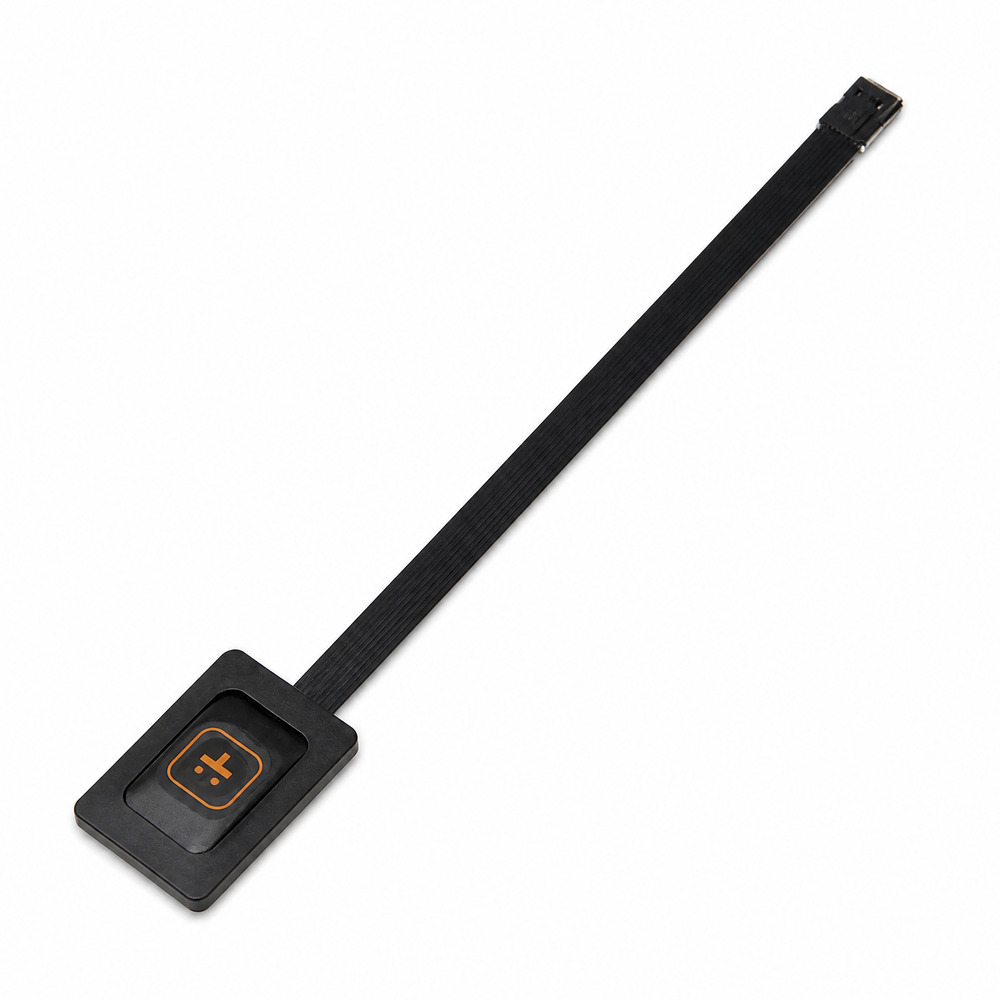
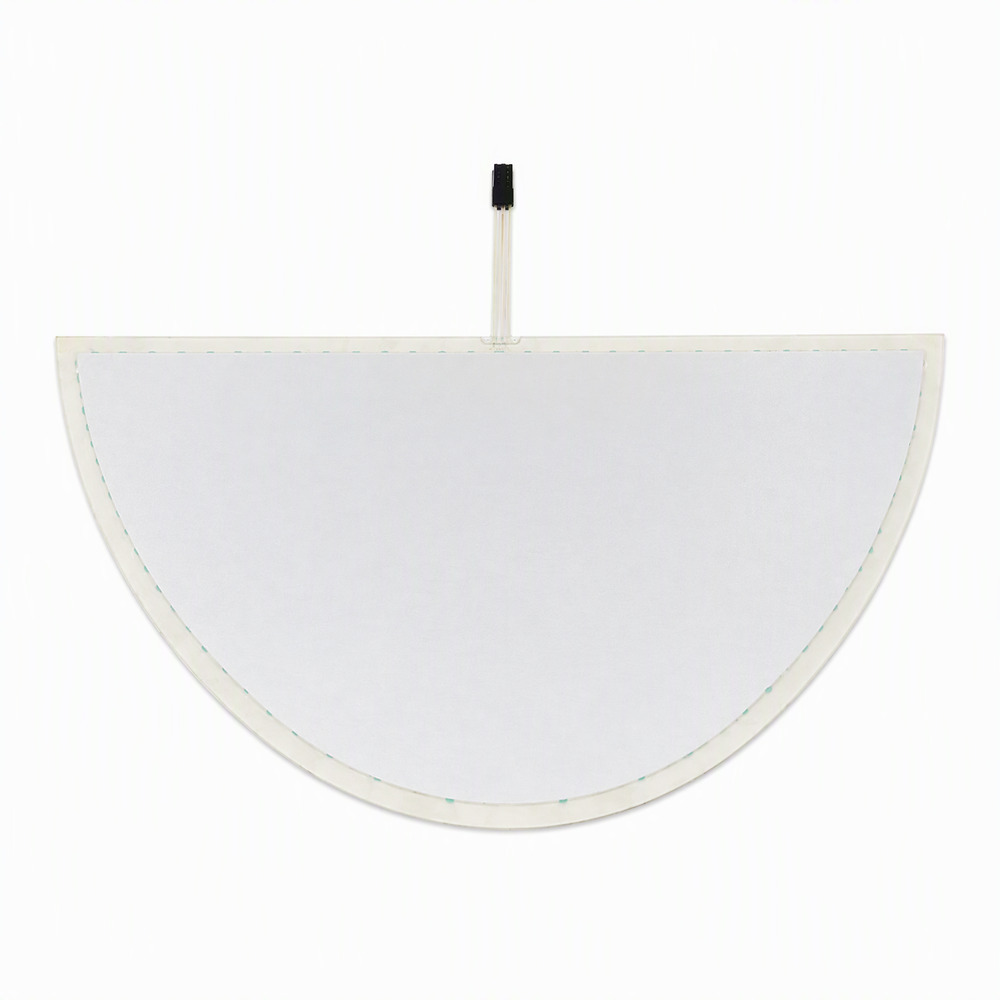
The San Jose metropolitan area, anchored in Santa Clara County, represents the epicentre of precision hardware innovation in North America. Unlike commodity consumer electronics, hardware conceived along the Highway 101 and I-880 technology corridors—spanning San Jose, Sunnyvale, Santa Clara, Milpitas, and Fremont—demands human-machine interface (HMI) front panels that withstand rigorous mechanical stress, severe chemical exposure, rigorous electromagnetic interference (EMI), and cleanroom sanitation protocols.
Modern engineering teams in San Jose face a critical challenge: transitioning rapid architectural iterations at the New Product Introduction (NPI) phase into volume production without sacrificing tight dimensional tolerances or tactile consistency. Whether delivering operator consoles for multi-axis semiconductor wafer processing equipment, hermetically sealed user panels for surgical robotics, or ruggedized control surfaces for autonomous mobile robots (AMRs) deployed in smart fulfillment centers, an HMI panel is not merely a graphic skin. It is a mission-critical sub-assembly combining precision silkscreen printing, micro-gap spatial lamination, conductive silver/carbon traces, and tailored tactile feedback mechanisms.
As leading HMI front panel manufacturers and suppliers serving San Jose, Dongguan Ravo Electronics bridges the gap between Silicon Valley design agility and scalable, vertically integrated production. By consolidating optical-grade substrate selection, internal tooling formulation, Class 1,000 cleanroom printing, and rigorous automated DFM (Design for Manufacturability) verification, we ensure our assemblies exceed stringent US military, medical, and industrial standards.
From cleanroom semiconductor fabs in North San Jose to medtech testing labs in Cupertino and robotics incubators in South Bay, HMI panels must be engineered for highly distinct environmental and operational profiles.
Wafer etch, physical vapor deposition (PVD), and metrology systems require front panels compliant with ISO Class 3/4 cleanroom outgassing restrictions. Our assemblies utilize low-outgassing acrylic adhesives (such as 3M 467MP/468MP), chemical-resistant Autotex PET overlays, and full perimeter barrier seals to withstand aggressive cleanroom wipe-downs using isopropyl alcohol (IPA) and deionized chemical solutions.
Medical hardware pioneers across Silicon Valley require continuous wipe-down sterilization compatibility with hydrogen peroxide vapor, bleach, and quaternary ammonium compounds. We engineer completely flush, non-porous graphic overlays with integrated anti-microbial treatments, IP67 ingress protection, and tactile metal dome keypads engineered for crisp tactile confirmation through heavy sterile surgical gloves.
Fleet dispatch consoles, AGV teach pendants, and battery swap stations demand high impact resistance and vibration damping. We incorporate heavy-gauge polycarbonate backers (0.5mm to 2.0mm), stainless steel snap domes rated to over 1,000,000 actuation cycles, and aluminum support plates that resist torsional flex and high drop loads in high-velocity warehouse operations.
Outdoor power distribution in the Bay Area requires UV stability under intense sunlight and wide operating thermal swings (-30°C to +85°C). Utilizing UV-stabilized XE-grade polyester, selective anti-glare coatings, and dead-front backlighting matrices, our panels maintain pristine contrast without delamination, yellowing, or embrittlement over a 10-year field lifespan.
High-speed optical switches, spectrum analyzers, and cryo-cooler controllers demand superior EMI/RFI shielding. We deposit continuous aluminum foil or selective vacuum-sputtered conductive silver grid shielding layers directly into the HMI membrane stack, eliminating stray capacitive coupling and preventing electromagnetic emission breaches.
Custom flight-line ground support panels and ruggedized military display interfaces require compliance with strict shock, vibration, and flame-retardant parameters. We integrate UL94-V0 rated fire-retardant polycarbonates and specialized silicone elastomeric keypads with laser-etched backlit legends for Night Vision Imaging System (NVIS) operational compatibility.
The human-machine interface paradigm in Silicon Valley is experiencing a profound transition driven by artificial intelligence at the edge, IoT telematics, and operator safety analytics. As devices handle higher data densities, engineering teams in San Jose are departing from generic off-the-shelf capacitive monitors and returning to hybrid, high-reliability HMI control panels:
1. The Rise of Hybrid Tactile-Capacitive Architectures: Pure touchscreens present severe operational risks in mission-critical environments—operators cannot receive positive tactile feedback without looking away from monitors, and false actuations occur when liquids splash on capacitive screens. Silicon Valley industrial designers increasingly specify hybrid panels: a primary high-definition central display flanked by precision tactile metal dome membrane switches or capacitive touch buttons with selective haptic vibration and acoustic confirmation.
2. Optical Bonding & Dead-Front Dynamic Illumination: Industrial panels increasingly incorporate "dead-front" graphic overlay printing. Icons and caution indicators remain completely invisible until energized by internal SMD LEDs. Combined with index-matched optical bonding of scratch-resistant PMMA or chemically strengthened Corning Gorilla glass windows, these interfaces prevent internal reflection, eliminate fogging, and dramatically improve sunlight readability.
3. Migration to Flexible Printed Circuits (FPC) and Rigid-Flex Backers: While traditional silver-ink circuits remain cost-effective for standard matrices, San Jose engineering builds are rapidly pivoting to copper-clad polyimide FPCs. Copper conductors handle tighter routing pitch (≤0.5mm), support soldered micro-components (resistors, microcontrollers, bi-color LEDs), and eliminate silver migration concerns caused by sustained DC bias voltages in humid environments.
To assist San Jose mechanical and hardware design engineers during early-stage component selection, the table below provides empirical physical, thermal, and chemical performance data for primary HMI front panel constructions.
| Material / Metric | Biaxially Oriented PET (Autotex) | Polycarbonate (Lexan 8010) | Cast PMMA Acrylic | FPC / Copper Polyimide |
|---|---|---|---|---|
| Primary Application | High-cycle industrial switches, medical panels | Nameplates, high-impact display bezels | Rigid optical windows, touch overlays | High-density circuit layers, fine-pitch ZIF |
| Flex Life (Actuations) | >5,000,000 cycles without fatigue | Approx. 100,000 cycles (embossed) | Rigid (non-flexing) | >10,000,000 cycles (dynamic flex) |
| Operating Temperature | -40°C to +105°C (-40°F to 221°F) | -40°C to +130°C (-40°F to 266°F) | -20°C to +80°C (-4°F to 176°F) | -40°C to +150°C (-40°F to 302°F) |
| Chemical Resistance | Superior (Alcohols, acetone, mild acids) | Moderate (Vulnerable to aromatic solvents) | High optical clarity; fair solvent resist | Exceptional (Immune to all fab cleaners) |
| Optical Transmission | 88% to 92% (depending on texture) | 89% to 91% (Water-clear option) | >92% (Highest optical transmission) | Opaque (Amber/Yellow dielectric base) |
| Recommended Adhesives | 3M 467MP, 468MP, 200MP family | 3M 9472LE (for low surface energy ABS) | VHB Structural acrylic transfer tape | Thermosetting conductive ACF or epoxy |
Since 2003, Dongguan Ravo Electronics Co., Ltd. has served as the core OEM/ODM contract manufacturing partner for high-reliability human-machine interface assemblies globally. Here is how our production infrastructure accelerates your product roadmap.
By eliminating domestic broker markups and middleman engineering firms, San Jose purchasing managers unlock 30% to 50% tooling and unit-cost savings while collaborating directly with the factory's senior silkscreen and assembly engineers.
We understand the pace of Silicon Valley hardware sprints. We support prototype batches starting from 1 to 5 pieces for rapid EVT/DVT testing, with custom laser-cut overlay and digital-printed prototypes shipping in as fast as 5 business days.
Every single membrane switch sub-assembly undergoes rigorous automated electrical testing for contact resistance (≤100Ω), short circuits, open circuits, insulation resistance (>100MΩ at 100V DC), and snap ratio verification on automated force-displacement testers.
From in-house precision steel mold CNC machining, embossing tool dies, and semi-automatic silkscreen lines to cleanroom SMD LED placement and adhesive laminations, all operations remain under our direct ISO 9001:2015 controlled roof.
Full regulatory documentation packages are provided with every shipment. Inks, transparent film substrates, stainless steel snap domes, and pressure-sensitive transfer adhesives comply strictly with RoHS, REACH, and California Proposition 65 requirements.
Our dedicated North American export engineering desk provides continuous overlapping coverage during Pacific Standard Time (PST), ensuring your DFM inquiries, artwork color checks (Pantone/RAL), and technical revisions are answered in under 2 hours.
Clear, definitive answers to the most common questions raised by hardware engineering directors, NPI procurement managers, and quality assurance leads in the Silicon Valley ecosystem.
For standard membrane switch and graphic overlay prototypes, tooling and first-article samples ship within 5 to 7 working days following mechanical and artwork sign-off. If rapid laser cutting without hard tooling is selected for EVT phase verification, parts can ship in as fast as 3 business days. Production volume orders (1,000 to 50,000+ units) typically ship within 12 to 18 business days. We utilize priority air freight (FedEx/DHL) directly to Mineta San Jose International Airport (SJC) or San Francisco International Airport (SFO), ensuring doorstep delivery within 3 to 4 transit days.
Liquid ingress protection is achieved through a multi-layered sealing strategy: 1) A continuous outer perimeter acrylic adhesive ring (minimum 3.0mm width) utilizing high-cohesion 3M 200MP/300LSE adhesive; 2) A completely sealed tail exit utilizing specialized liquid potting or a secondary cross-over spacer layer that prevents capillary moisture migration; 3) Embossed key edges that channel surface condensation away from switch contacts; and 4) Subsurface printing on non-porous Autotex polyester. Every IP-rated batch can be verified with pressure-differential air leak testing upon request.
To deliver a thorough DFM and layer stack recommendation within our 2-hour target, please provide: 1) A 2D mechanical drawing in DXF, DWG, or vector PDF format with complete dimensional tolerances, key embossing profiles, window cutouts, and tail exit location; 2) Vector graphic artwork in Adobe Illustrator (.AI), CorelDraw (.CDR), or high-resolution PDF with specified Pantone Matching System (PMS) or RAL color codes; 3) Circuit schematic or netlist showing pinout matrix, common bus connections, and embedded LED anode/cathode orientations; and 4) Anticipated annual volume and operating environment notes.
Yes. Many San Jose medical device and semiconductor equipment clients require a completely self-supporting, drop-in HMI module rather than a flexible sticker. We routinely bond our membrane switch assemblies to precision CNC-machined, anodized aluminum plates (with PEM mounting studs or countersunk holes), stainless steel bezels, acrylic panels, or rigid FR-4 printed circuit boards carrying SMD components, microcontrollers, and board-to-board headers.
We incorporate dedicated ESD/RFI shielding layers directly beneath the graphic overlay. This can be configured as a continuous aluminum foil shield, a vacuum-metalized polyester barrier, or a screen-printed conductive silver/carbon grid connected directly to earth ground through a dedicated pin on the flex tail. Our shielding architectures regularly dissipate electrostatic discharges of up to 15kV (per IEC 61000-4-2 standards), preventing latch-up or damage to underlying digital logic boards.
Standard acrylic adhesives (such as 3M 467MP) adhere exceptionally well to bare metals but struggle on low surface energy (LSE) materials, including textured powder-coated cast aluminum and molded ABS/polycarbonate plastics. For these demanding Bay Area industrial applications, we specify 3M 300LSE series adhesives (such as 3M 9471LE or 3M 9472LE). These modified acrylic adhesives provide exceptional ultimate bond strength, resist edge peeling under thermal expansion stresses, and tolerate environmental thermal cycling from -40°C to +150°C.
Stainless steel metal domes (four-leg, round, or oblong) provide a sharp, crisp tactile snap ratio (40% to 65%), an audible feedback click, and an operational lifespan exceeding 1,000,000 to 5,000,000 cycles across extreme temperatures. Polydomes (thermoformed directly into the PET graphic overlay or spacer) offer a quieter, softer tactile feel at lower manufacturing cost, but are typically rated for 100,000 to 500,000 cycles. For medical devices, robotics pendants, and industrial tooling in San Jose, stainless steel metal domes with gold or nickel plating are almost universally preferred.
Silver migration occurs when moisture combines with a sustained DC electric potential, causing silver ions to precipitate across circuit tracks and create dendritic short circuits. To eliminate this phenomenon, our engineering standard includes printing an impermeable conductive carbon paste overcoat across all silver conductive contact pads and sensitive traces. For ultra-critical or high-density layouts (≤0.5mm pitch), we recommend transitioning to copper-clad polyimide FPC circuits, which are completely immune to electrochemical silver migration.
Connect directly with Ravo's senior HMI applications engineering team. Submit your CAD files, mechanical schematics, or target specifications for a comprehensive DFM manufacturability evaluation and immediate quotation within 2 hours.
