 EN
 DE
 FR
 ES
 RU
 JA EN DE FR ES RU JA
Engineered with custom layer stack-ups, high-end dielectric films, silver-conductive carbon paste, and medical-grade 3M adhesive backings tailored for Oklahoma City equipment manufacturers.
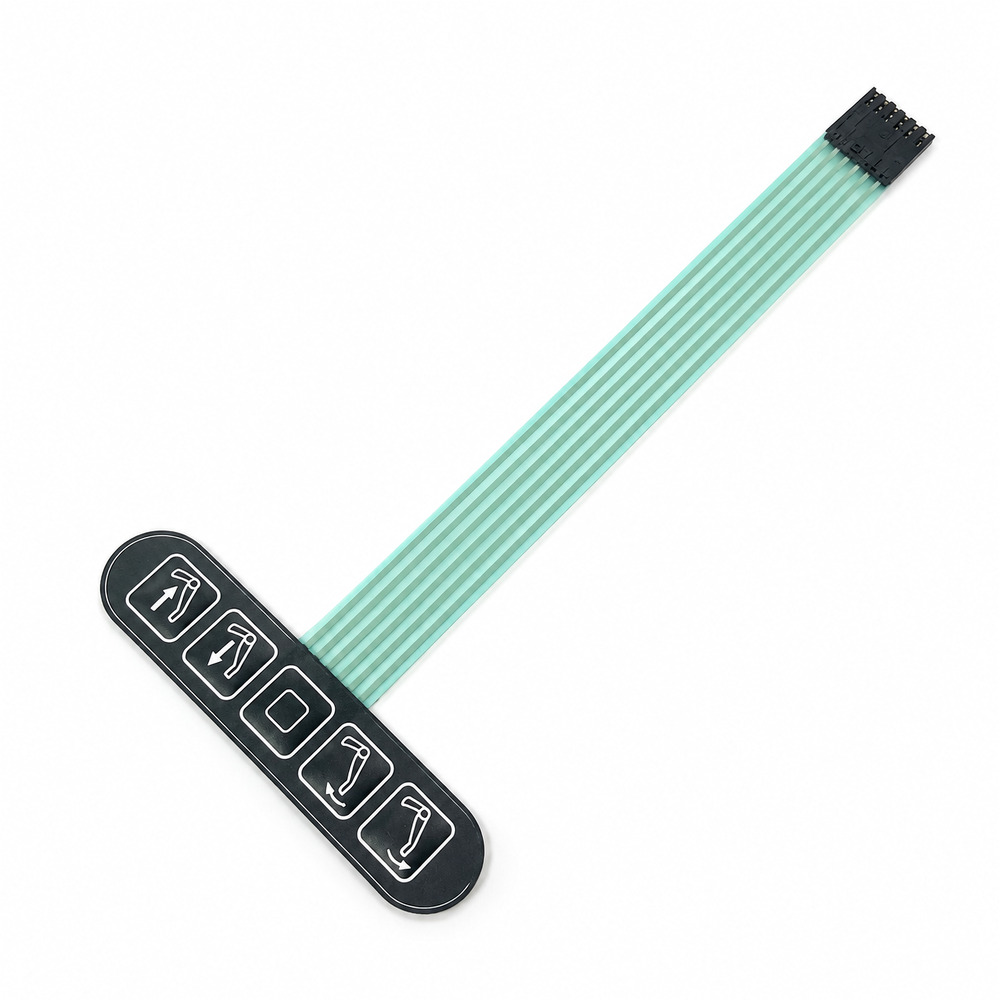
High-precision overlay featuring selective textures, snap-action metal domes, and moisture-sealed perimeter adhesive for harsh environments.
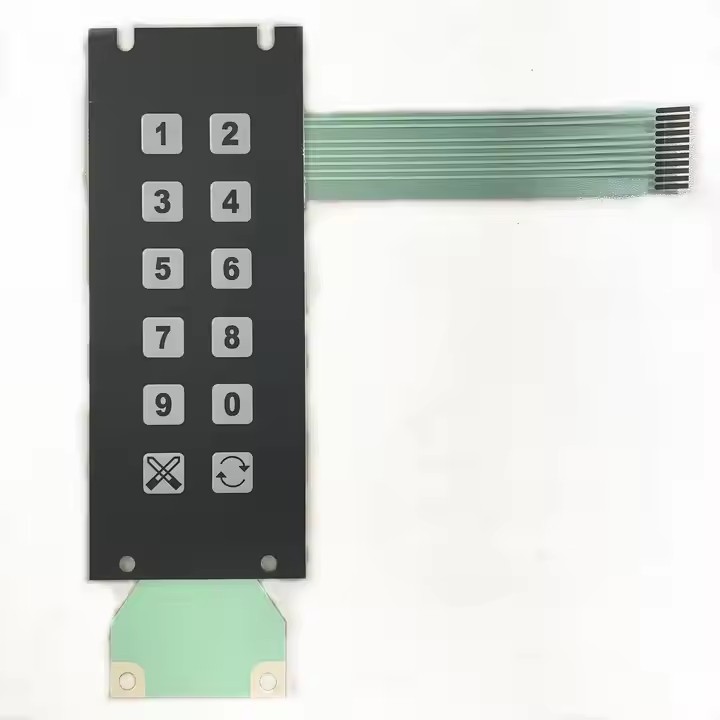
Heavy-duty non-tactile fuel dispenser keypad engineered with chemical-resistant Autotex PET and UV-stable screen-printed graphics.
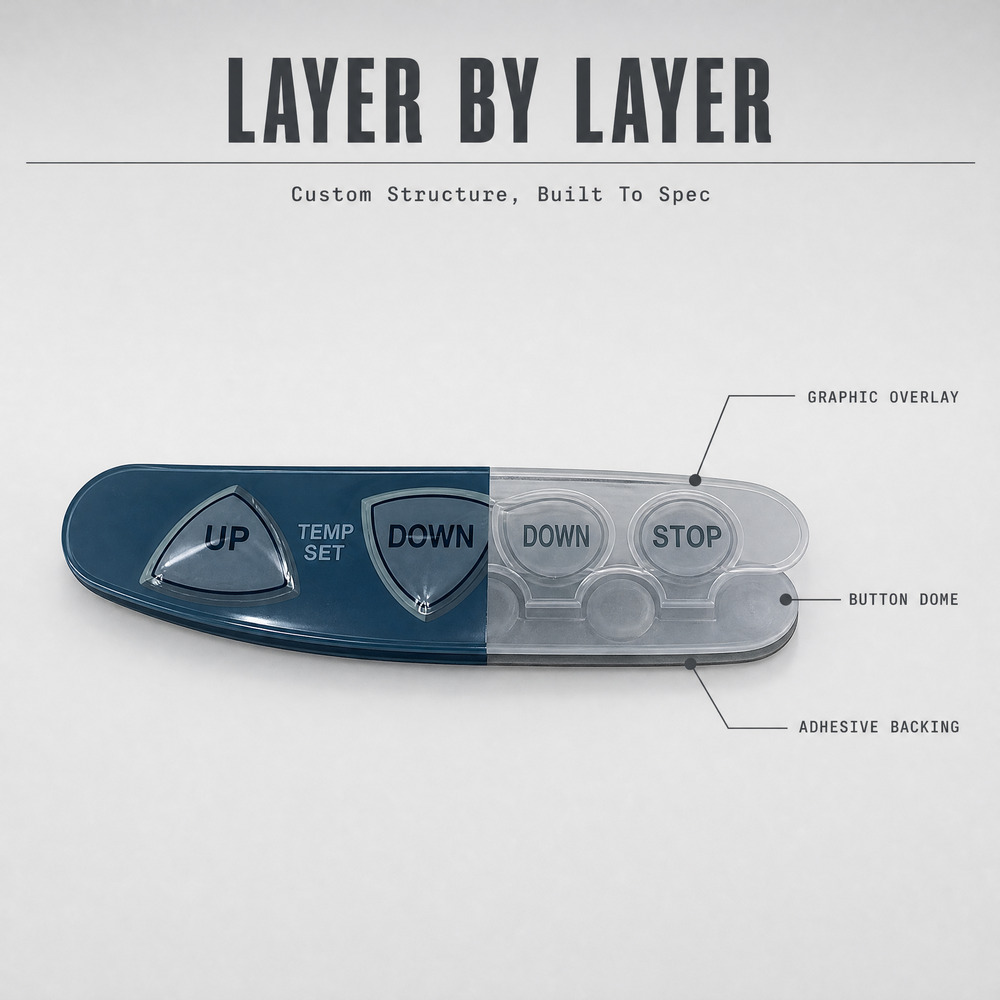
Compression-molded silicone rubber surface featuring conductive carbon pill contacts, laser etching, and ISO9001 quality compliance.
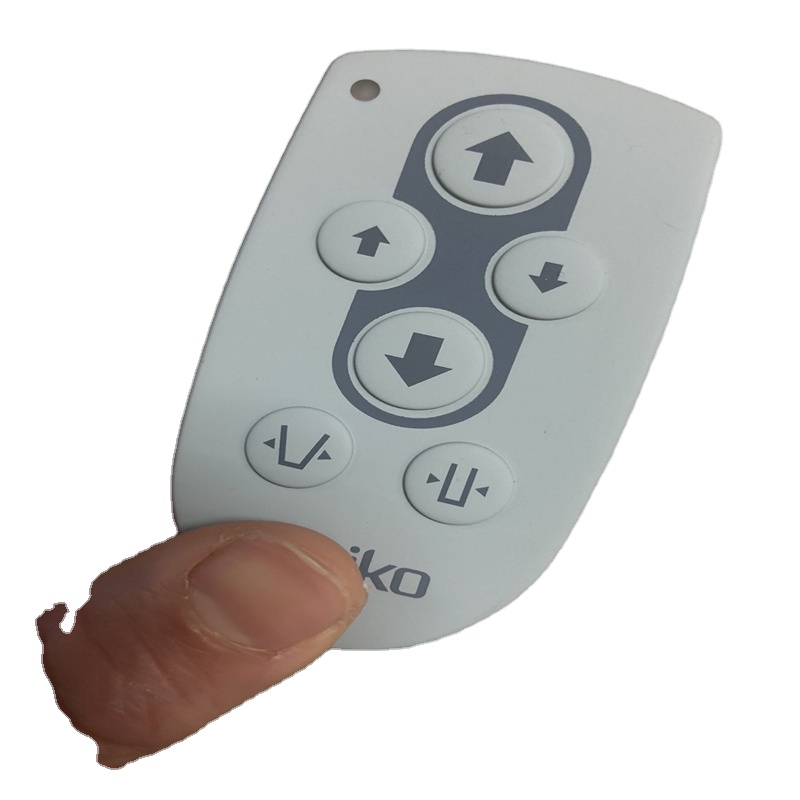
Integrated SMT light guides and responsive metal domes designed specifically for clinical diagnostic and patient monitoring systems.
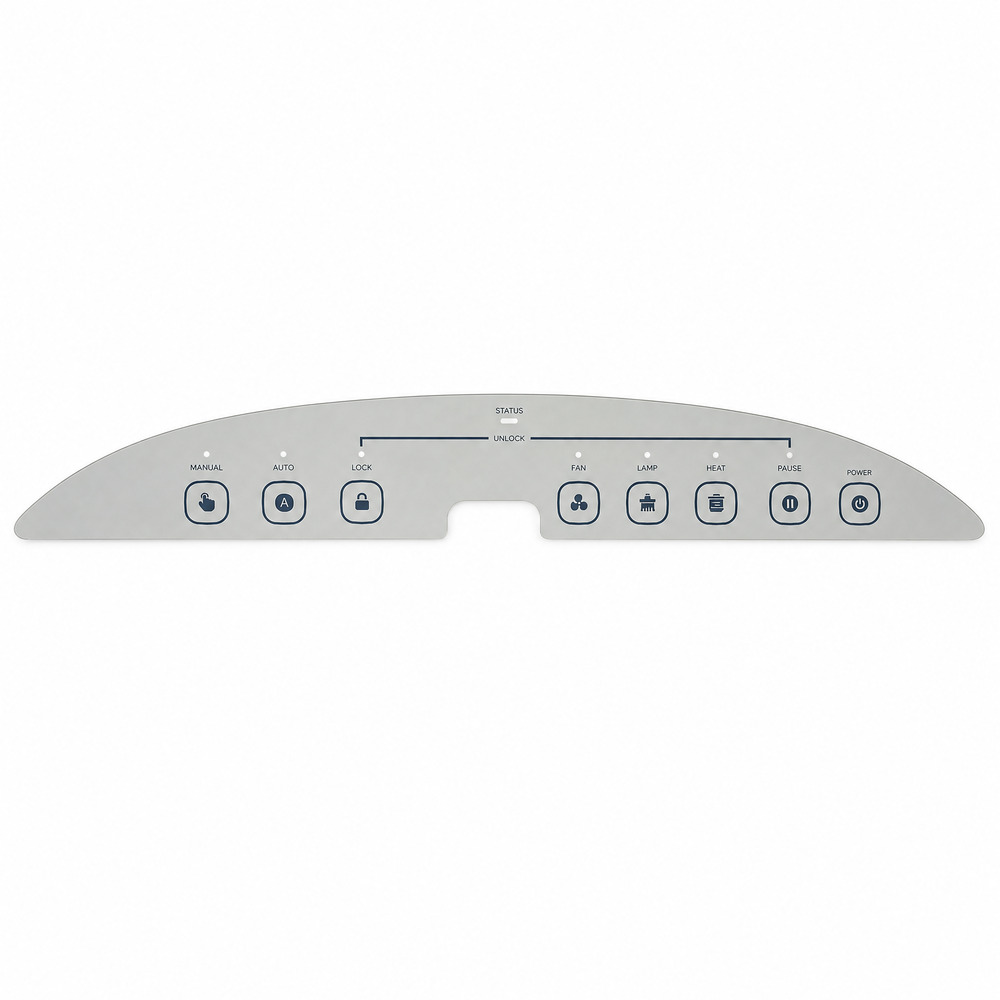
Sub-surface printed Lexan polycarbonate faceplate offering complete resistance against alcohol sanitization, abrasive dust, and thermal cycling.
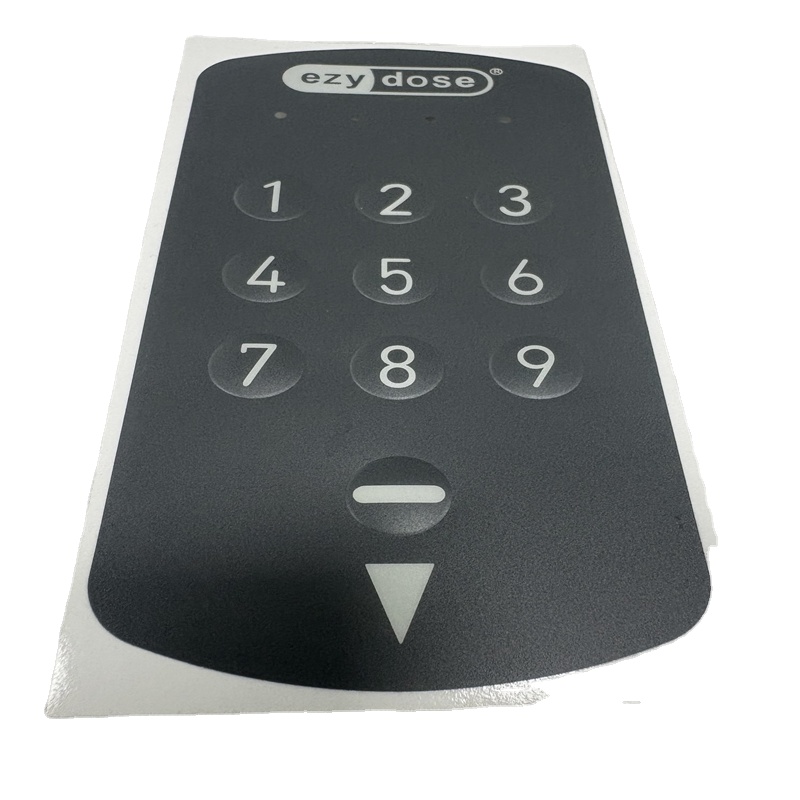
Anti-glare textured velvet finish with custom display windows and high-tack 3M 467MP adhesive backing for electronic enclosures.
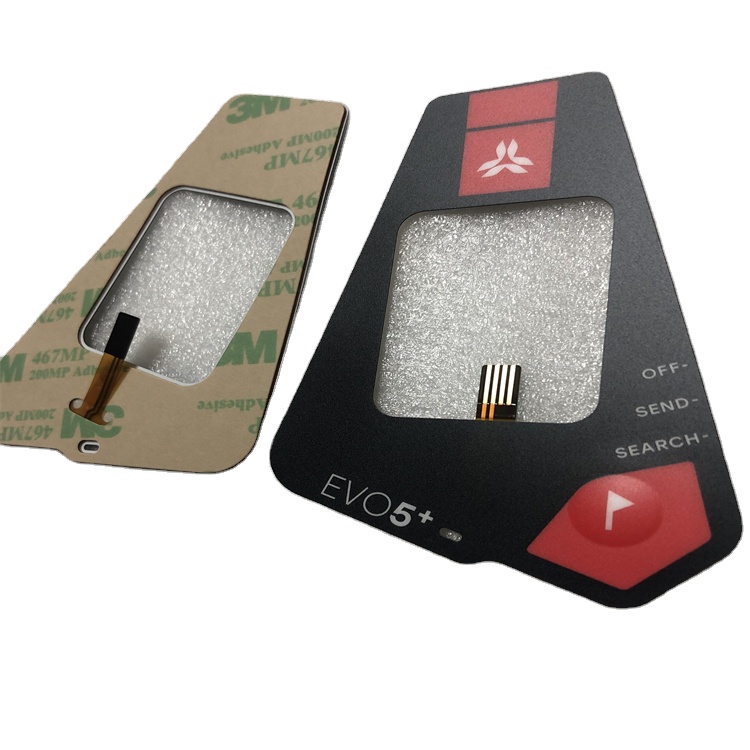
Features rim embossing, copper flex (FPC) tail termination, and complete IP67 waterproof perimeter barriers for mission-critical remote controls.
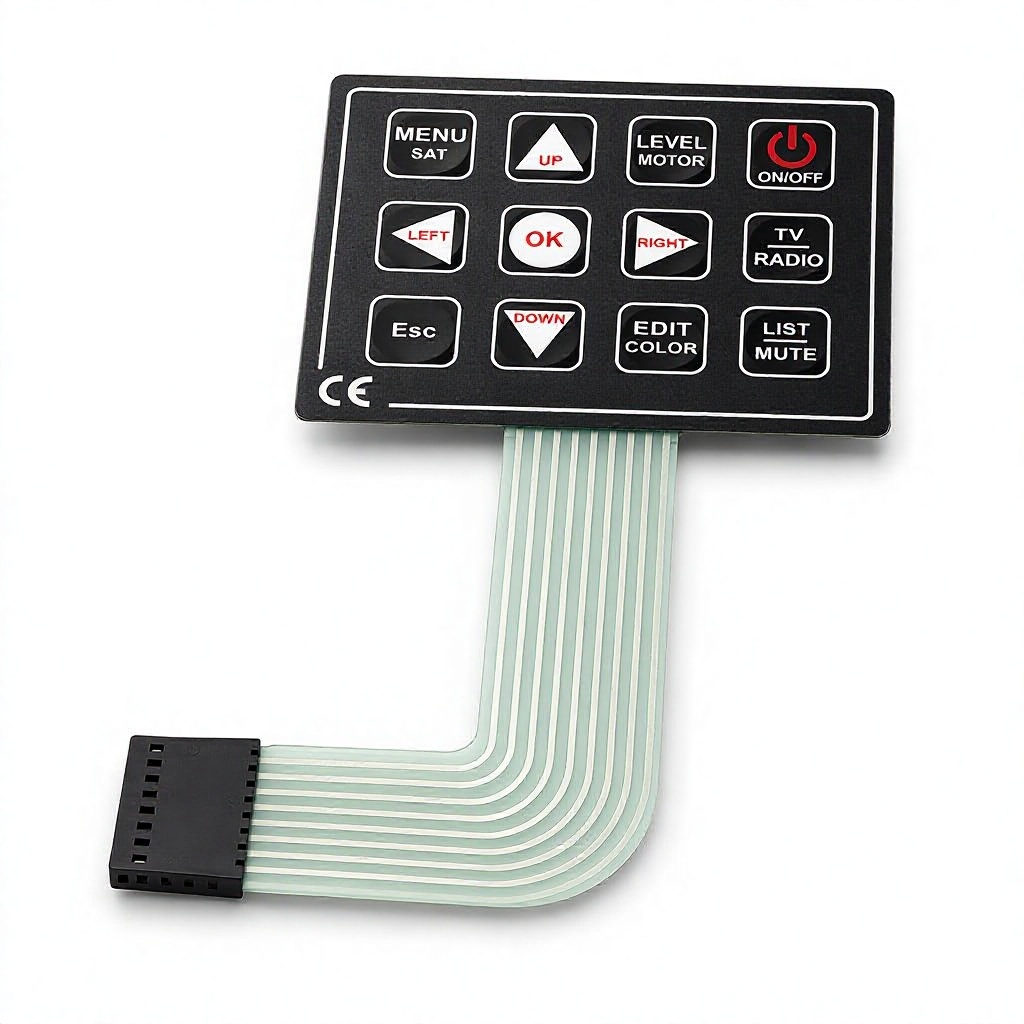
Standard X-Y conductive matrix layout with 2.54mm pitch FCI/Nicomatic connector pins designed for process automation controllers.
A comprehensive technical breakdown of thin-film sensor matrices, polymer thick film (PTF) inks, and signal conditioning for biometric, orthotic, and dynamic gait measurement systems.
"Plantar pressure distribution measurement requires sensor arrays that achieve high spatial resolution without introducing mechanical rigidity into the shoe-sole interface. Our carbon-paste and silver-nanoparticle thin-film sensors maintain an ultrathin footprint (<0.25mm) while guaranteeing exceptional dynamic linearity across 10 kPa to 1200 kPa pressure spectra."
Micro-screened conductive silver interdigitated electrode traces deposited onto premium optical-grade Mylar PET substrate. Each node exhibits an inverse logarithmic resistance drop upon vertical compressive load, ensuring pinpoint spatial isolation and low crosstalk.
Formulated with colloidal carbon black, nano-graphite flakes, and flexible polymer matrices. Engineered specifically to mitigate creep and hysteresis (<6.5%), preserving baseline electrical stability across repetitive 1,000,000+ cycle heel-strike impact regimes.
Integrated 3M 467MP modified acrylic bonding layers seal against moisture, sweat, and corrosive environmental ingress. Built with an internal air venting channel network designed to equalize internal chamber pressure during explosive foot deceleration.
Oklahoma City stands at the forefront of clinical health sciences, aerospace engineering, energy sector operations, and high-performance collegiate athletics. Our foot pressure sensors integrate seamlessly into OKC's key technological clusters.
Serving laboratories and prosthetic clinics around the University of Oklahoma Health Sciences Center and Oklahoma Medical Research Foundation (OMRF).
Supporting human factor engineering teams, defense avionics contractors, and aeronautical training researchers across the OKC aerospace corridor.
Custom sensor matrices tailored for oil & gas drilling contractors, field machinery operators, and industrial logistics facilities across Oklahoma.
Precision dynamic pedobarography solutions for biomechanics departments, sports medicine centers, and high-performance training camps.
A detailed engineering reference comparing our custom force-sensing resistor arrays to conventional load cells, piezoelectric films, and optical platforms.
| Performance Parameter | Ravo Piezoresistive FSR Matrix | Piezoelectric PVDF Film | Capacitive Insole Array | Rigid Strain Gauge Cell |
|---|---|---|---|---|
| Sensor Profile / Thickness | 0.15 mm – 0.28 mm (Ultra-Flexible) | 0.08 mm – 0.20 mm (Flexible) | 0.45 mm – 0.90 mm (Moderate) | 12.0 mm – 45.0 mm (Rigid Block) |
| Pressure Sensitivity Range | 10 kPa to 1,500 kPa (Selectable) | Dynamic only (No static hold) | 20 kPa to 600 kPa | 50 kPa to 5,000 kPa |
| Static Pressure Measurement | Stable DC readout with low drift | Unusable (Charges decay quickly) | High accuracy, static drift | Extremely stable static load |
| Spatial Resolution (Pitch) | Up to 16 nodes/cm² (Fully customizable) | Single node to moderate matrix | Low-to-medium array density | Point load only (Discrete unit) |
| Environmental Resistance | IP67 Sealed, sweat & grease proof | Susceptible to pyroelectric heat | High stray capacitance drift | IP65 to IP68 sealed metal |
| Circuit Drive Complexity | Simple voltage divider / Op-amp ADC | High-impedance charge amplifier | Precision capacitance-to-digital IC | Wheatstone bridge + Instrumentation amp |
| Cost Profile (Tooling & Unit) | Extremely cost-effective for mass scaling | Moderate tooling / High raw film cost | High tooling and MCU decoding cost | High machining and assembly cost |
Analyzing procurement transformations across Central Oklahoma’s engineering labs, clinical institutions, and defense industrial base.
Traditional clinical gait labs at research facilities have long relied on stationary Bertec or Kistler force plates bolted to the floor. While accurate, these platforms constrain the patient to unnatural single-step strikes. Oklahoma City orthopedic specialists and athletic biomechanists are increasingly specifying untethered insole arrays that incorporate Ravo thin-film FSR matrices coupled with ultra-low-power BLE (Bluetooth Low Energy) microcontrollers. This allows real-world, natural gait measurement on outdoor running tracks, hospital corridors, and industrial assembly lines.
Oklahoma City experiences severe weather extremes, with summer temperatures routinely surpassing 100°F (38°C) accompanied by high humidity, followed by sub-freezing winter storms. Standard consumer grade sensor films warp, delaminate, or suffer severe resistance value drift under such conditions. OKC hardware procurement teams demand automotive-grade DuPont Teijin PET or Kapton polyimide substrates, combined with thermal-stabilized conductive inks that retain baseline calibration from -20°C to +85°C.
With Tinker Air Force Base hosting the Oklahoma City Air Logistics Complex (OC-ALC) and the Navy's Strategic Communications Wing One, aerospace HMI components sourced into the region require documented traceability. Sensor arrays integrated into flight control surfaces, pedal systems, or aircrew load-bearing boots must satisfy strict flammability ratings, outgassing thresholds, and electrostatic discharge (ESD) shielding standards.
OEM engineering cycles in Oklahoma City operate on agile development sprints. Waiting months for tooling iterations is no longer acceptable. Procurement managers actively seek offshore manufacturing partners who possess vertically integrated facilities—where tooling, screen fabrication, circuit printing, and laser die-cutting happen under one roof—enabling prototype batches to be air-shipped to OKC within 7 to 10 business days.
Founded in 2003 in Fenggang Town, Dongguan—the epicenter of global electronics manufacturing—Dongguan Ravo Electronics Co., Ltd. has grown from an agile team of technical specialists into a vertically integrated 12,000 square meter advanced production facility. We engineer and manufacture custom membrane switches, graphic overlays, flexible printed circuits, and thin-film force-sensing resistor (FSR) foot pressure sensor matrices for high-reliability applications worldwide.
Our facility operates strictly under ISO 9001:2015 quality management procedures, maintaining cleanroom screen-printing lines, precision CNC laser cutting stations, automatic surface-mount component placement, and comprehensive electrical testing arrays. Every sensor batch engineered for our Oklahoma City clients undergoes 100% electrical continuity verification, contact resistance validation, and cyclic load endurance testing.
Clear, direct answers regarding custom geometries, spatial resolutions, signal conditioning, prototyping lead times, and customs clearance for Oklahoma City shipments.
Yes. Every foot pressure sensor we manufacture is custom-built to your exact 2D/3D CAD geometry (DXF, DWG, or Gerber format). We adapt the sensor array outline to match standard US shoe sizing (Men's, Women's, Pediatric), clinical orthotic casts, or industrial safety work boots, including contour relief notches for natural foot flexing without trace shearing.
Our piezoresistive sensor elements act as pressure-dependent variable resistors. For row-column (X-Y) multiplexed matrices, you can drive the rows with analog multiplexers (e.g., CD74HC4067) and read columns through a multi-channel operational amplifier transimpedance circuit. We provide recommended reference schematics, output resistance curves, and FPC connector pinout assignments.
We provide printed silver-conductive tails terminating in standard 2.54mm pitch female crimp housings (Berg/Clincher connectors) or 1.0mm/0.5mm pitch ZIF (Zero Insertion Force) contacts with polyimide stiffeners. For applications demanding tight bend radii and extreme flex endurance, we laminate the matrix to a copper Flexible Printed Circuit (FPC) tail.
We utilize edge-sealing perimeter gaskets made from closed-cell acrylic transfer adhesives (3M 467MP or 3M 9448A). The active sensing nodes and conductive routing traces remain hermetically isolated against moisture, perspiration salts, and alcohol wipe-downs, meeting ingress protection ratings of IP65 to IP67.
For custom prototype iterations, our MOQ starts at just 1 to 10 units. Following DFM approval and receipt of CAD vector art, prototypes typically ship within 7 to 12 working days. High-volume manufacturing batches typically scale from 500 to 50,000+ units with tiered volume discounting.
We provide full export clearance and can ship under Incoterms EXW, FOB, or DDP (Delivered Duty Paid). Via air express couriers (FedEx, DHL, UPS Air Priority), consignments clear US Customs smoothly and arrive at your Oklahoma City facility, Norman campus, or Tinker AFB area facility within 3 to 5 transit days.
Depending on the formulation of our piezoresistive carbon paste and screen-mesh thickness, we calibrate sensor nodes for light biomechanical contact (10 kPa to 200 kPa for diabetic foot monitoring) or heavy industrial/aerospace impacts (200 kPa to 1,500+ kPa for athletic sprinting or structural boot testing).
Absolutely. As an integrated membrane switch and flexible sensor manufacturer, we can integrate tactile metal snap domes, SMD status LEDs, capacitive touch sliders, and graphic front overlays directly into the same unified multilayer assembly, significantly reducing cable clutter and assembly labor for your device.
Whether you are developing next-generation clinical gait diagnostics, aerospace cockpit human-factor systems, or smart footwear for industrial ergonomics, our engineering team is ready to analyze your drawings and return a comprehensive DFM review within 2 hours.
