EN
 DE
 FR
 ES
 RU
 JA EN DE FR ES RU JA
Explore production-grade membrane assemblies, flat switches, and dynamic sensory arrays built for harsh thermal environments and high duty cycles.
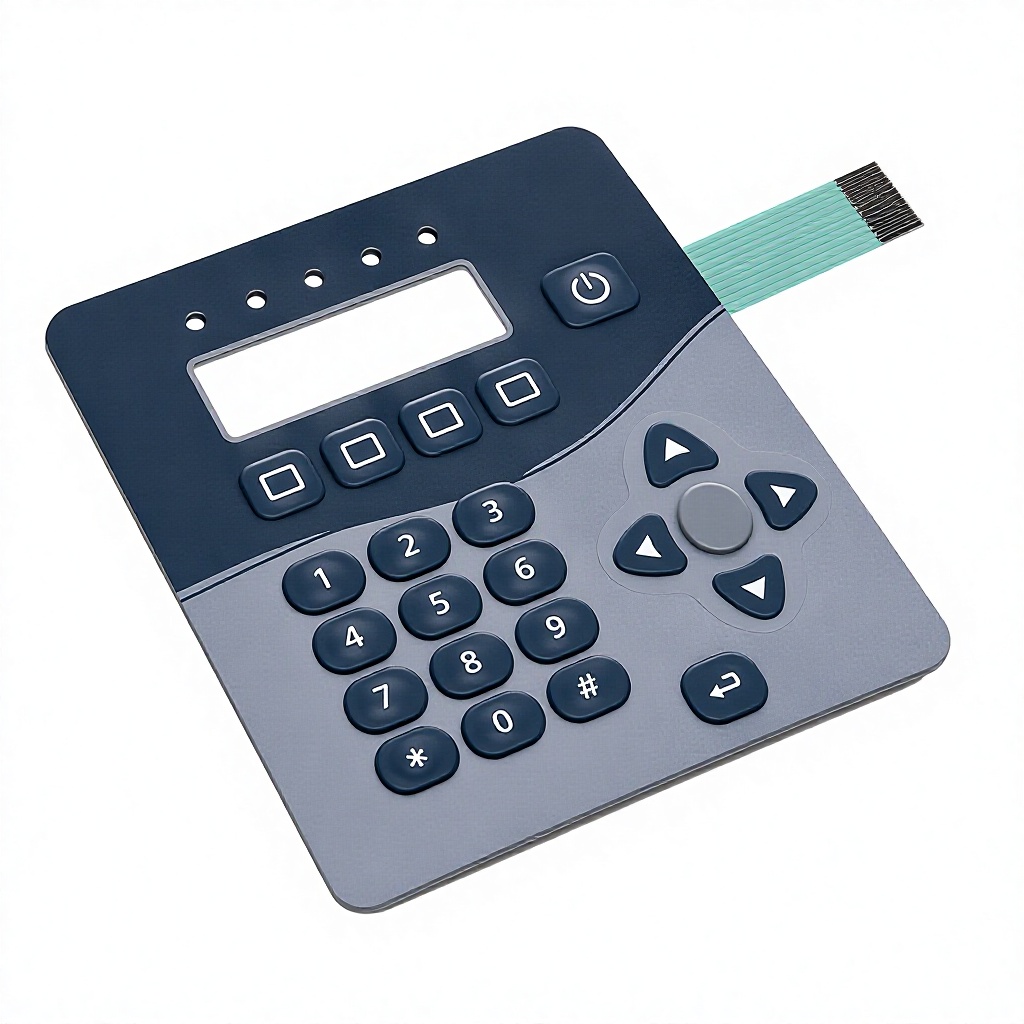
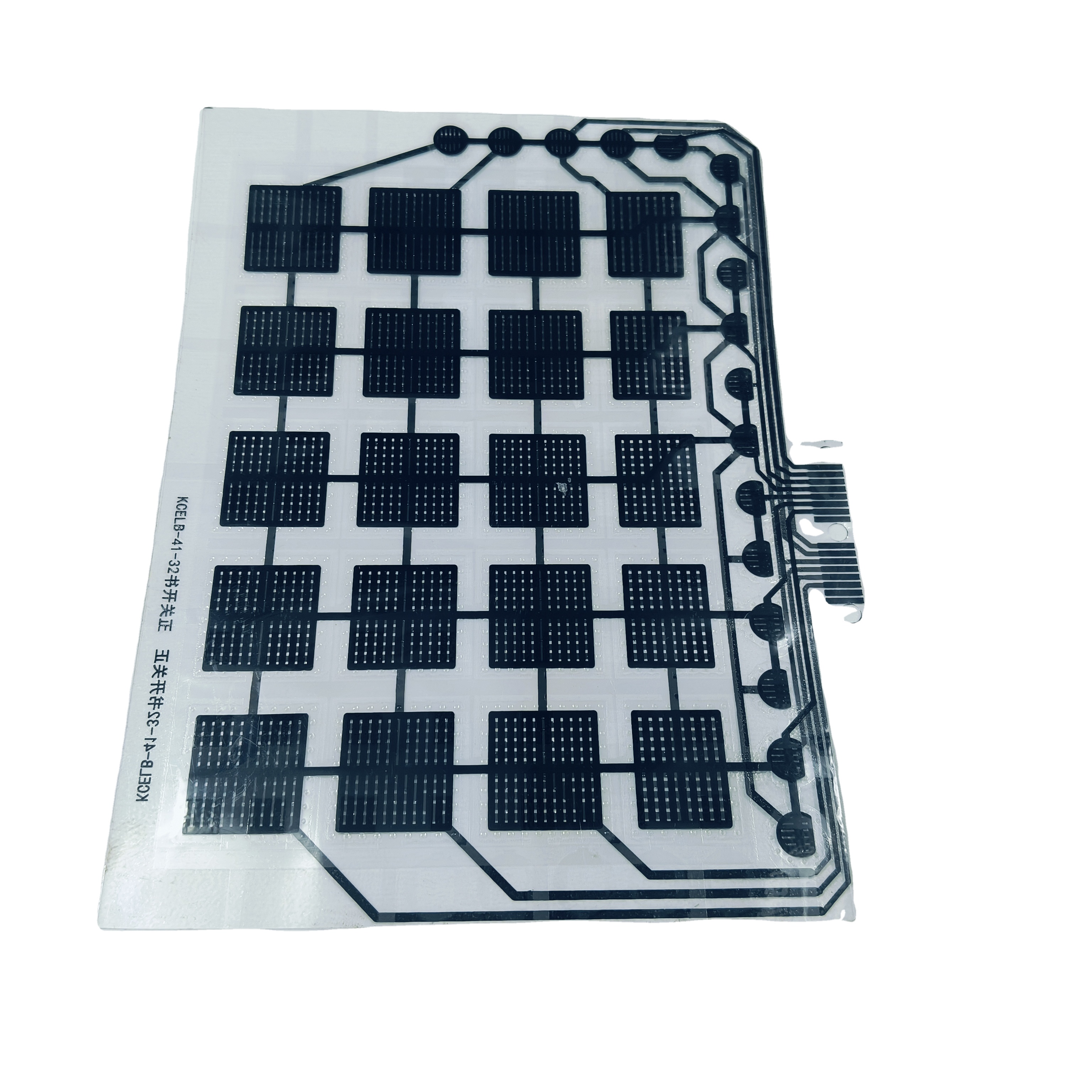
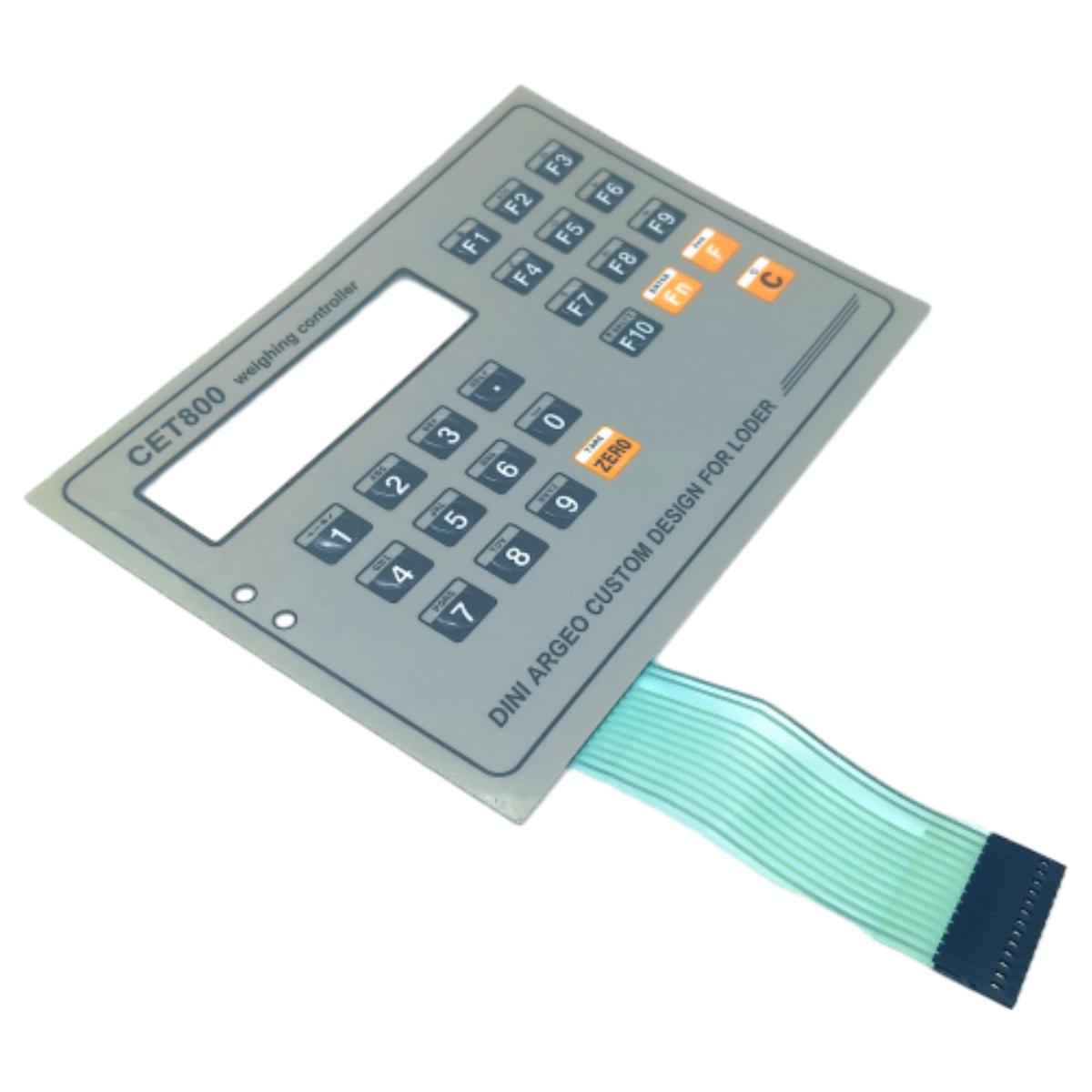
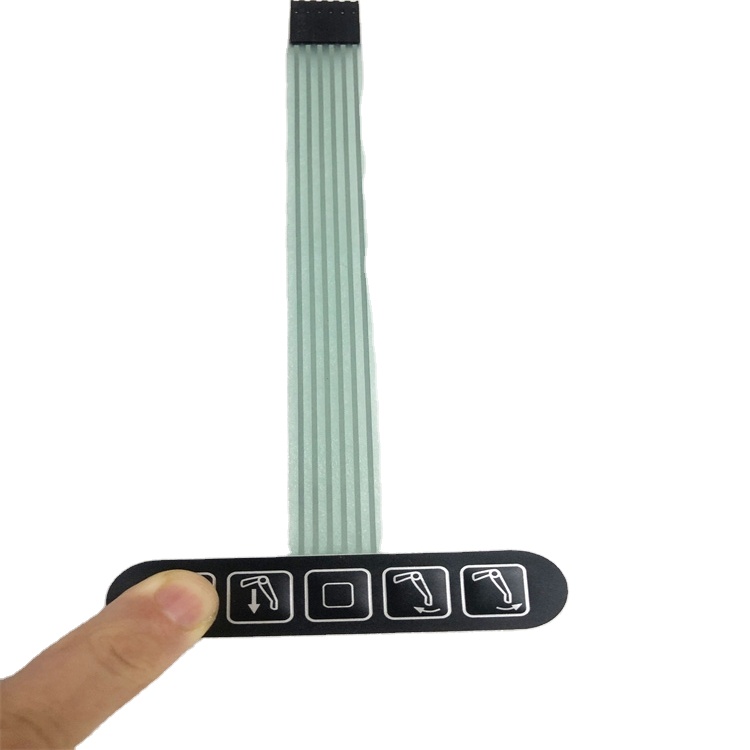
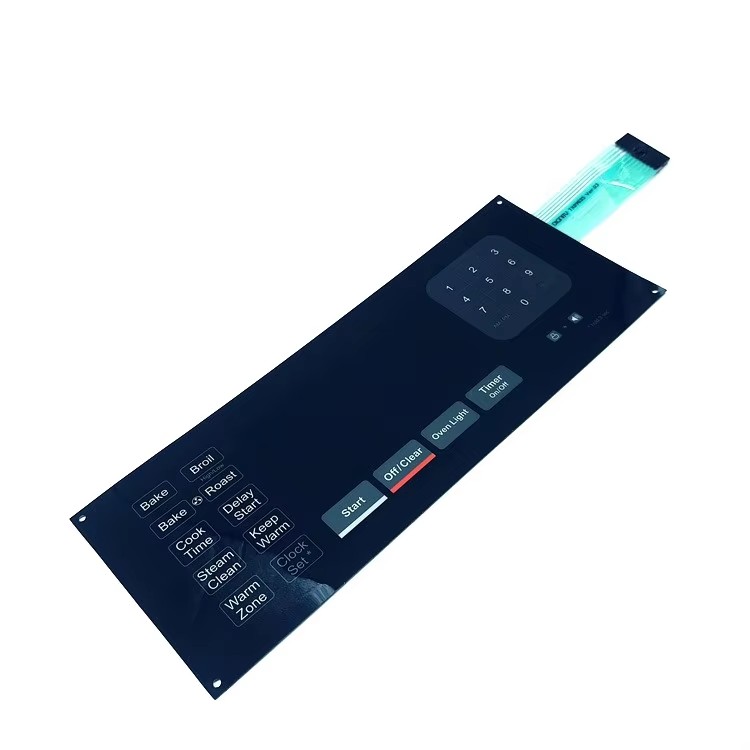
Founded in 2003, Dongguan Ravo Electronics Co., Ltd. provides advanced, end-to-end original equipment manufacturing (OEM) and custom original design manufacturing (ODM) for critical human-machine interface assemblies. Operating from our expansive 12,000-square-meter campus with over 300 experienced technical specialists, our production facility unifies silk-screen line printing, digital micro-registration printing, class-1000 cleanroom mechanical assembly, precision laser etching, and high-tonnage thermal stamping under an audited ISO 9001 quality management architecture.
Unlike standard brokers, our engineering core works directly from schematic DXF, DWG, Step, and Gerber files, providing thorough Design for Manufacturability (DFM) analyses within 2 hours. Our direct fabrication line spans high-durability polyester (Autotype PET) graphic overlays, polycarbonate control panels, flexible printed circuits (FPC), silver paste printed electronics, FR-4 PCB backers, silicone elastomer push-buttons, and force-sensing resistor (FSR) matrices. Because our tooling, precision laser cutting, and embossing processes are maintained completely in-house, prototype validation cycles are reduced to days rather than weeks.
Analyzing physical interface challenges within the Salt River Valley’s specialized tech corridors: from Chandler's semiconductor foundries to Mesa's aerospace hubs.
The Phoenix East Valley—home to massive silicon manufacturing clusters across Chandler and North Phoenix—demands flat membrane switches that emit zero volatile organic compounds (VOCs) and offer anti-static cleanroom resilience. Flat non-tactile switches and flush capacitive surfaces eradicate particle traps, resisting aggressive solvent wipes like isopropyl alcohol (IPA) without degrading visual readouts.
Mesa and Scottsdale defense contractors require switches built to survive heavy shock, mechanical vibration, and electromagnetic interference (EMI). Integrating aluminum/copper shielding foils, solid ground planes, and ruggedized tactile metal domes guarantees positive tactile switching actuation through military-grade gloved hands during high-vibration airborne and ground station testing.
Extreme desert heat and intense solar ultraviolet (UV) radiation across Maricopa County rapidly degrade conventional plastic panels. We formulate outdoor solar inverter panels with XE-rated, UV-stabilized hard-coated polyesters and 3M 467MP high-cohesion acrylic adhesives, preventing yellowing, edge-peeling, and delamination in continuous ambient temperatures surpassing 115°F (46°C).
Modern industrial equipment designers in the Phoenix market face a convergence of aggressive thermal expansion gradients, intense solar radiation, and demanding hygiene requirements. A membrane switch cannot be treated merely as a decorative front graphic; it serves as the first mechanical seal protecting sensitive internal electronics from atmospheric ingress.
1. Mitigating Thermal Stress and Coefficient of Thermal Expansion (CTE) Mismatches:
In standard environments, thermal differentials are negligible. However, desert industrial panels placed outdoors or adjacent to power electronics cycle through internal operating temperatures exceeding 80°C down to near-freezing desert nights. When pairing a rigid substrate (such as aluminum, steel, or thick FR-4) with flexible circuit films (polyethylene terephthalate, or PET), differing CTE properties exert severe shear forces on adhesive bonds. If low-surface-energy (LSE) materials are not treated correctly, trace breakage occurs at conductive crossover intersections. We eliminate adhesive shear failure by specifying cross-linked high-performance acrylic transfer tapes (e.g., 3M 200MP / 467MP / 468MP) and designing intentional stress-relief cuts around trace boundaries.
2. Ingress Protection (IP67 / NEMA 4X) Boundary Sealing:
Flat, non-tactile switches provide a distinct mechanical advantage over mechanical push-buttons due to their completely unified, unbroken front surface. By utilizing continuous perimeter adhesive ring barriers that fully encircle the active key matrix and venting traces inward (or downward through the tail conduit into the sealed enclosure), our membrane panels achieve rigorous IP65 to IP67 ratings. This seals the device against driving monsoon rains, blowing fine particulate desert dust (haboobs), and high-pressure chemical washdowns common in Arizona's pharmaceutical and food packaging industries.
3. Conductive Carbon Pastes vs. Silver Migration Protection:
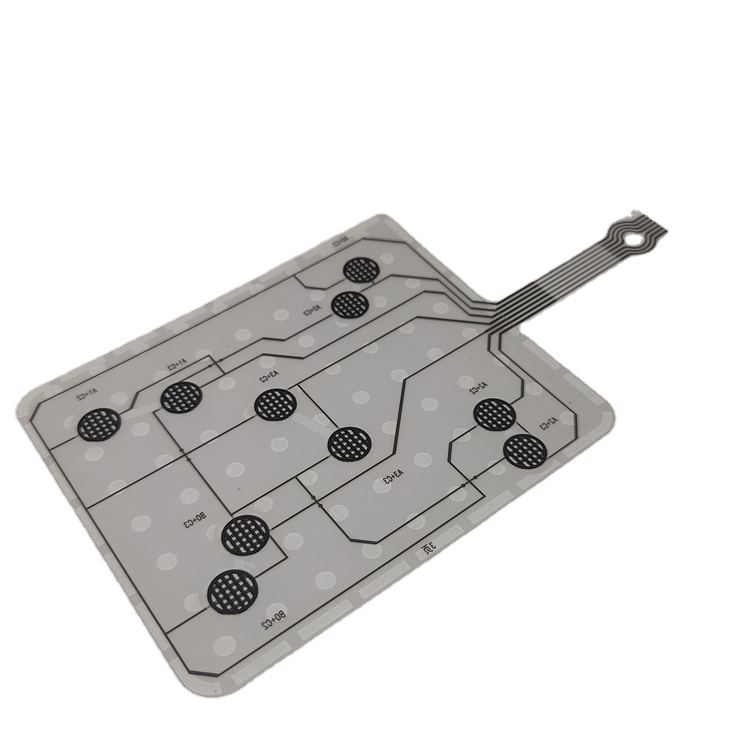
Under high operational humidity combined with electrical potential bias, microscopic silver dendrites can migrate across traces, triggering electrical shorts. To prevent silver migration, our screen-printed circuits incorporate a 100% dielectric protective overcoat, coupled with carbon paste bridging at critical interconnection junctures. This multi-pass conductive printing process retains electrical continuity ratings across 1,000,000 to 5,000,000 operations without contact resistance escalation.
Direct technical answers addressing lead times, environmental validation, prototyping, and tooling specifications for Phoenix hardware developers.
We build our outdoor overlays utilizing Autotype Autoflex or XE-grade textured polyesters formulated specifically to resist high-intensity UV exposure without embrittlement or yellowing. Combined with 3M 467MP adhesive backing rated up to 400°F (204°C) short-term heat resistance, our stacks prevent bubble lift and adhesive liquefaction during desert summers.
Yes. We leverage high-speed digital UV printing and precision digital plot cutting for initial prototype lots (1 to 10 pieces). This completely eliminates dedicated steel die tooling expenses during your proof-of-concept phase, letting your hardware team finalize switch layouts before committing to hard-tooled mass production.
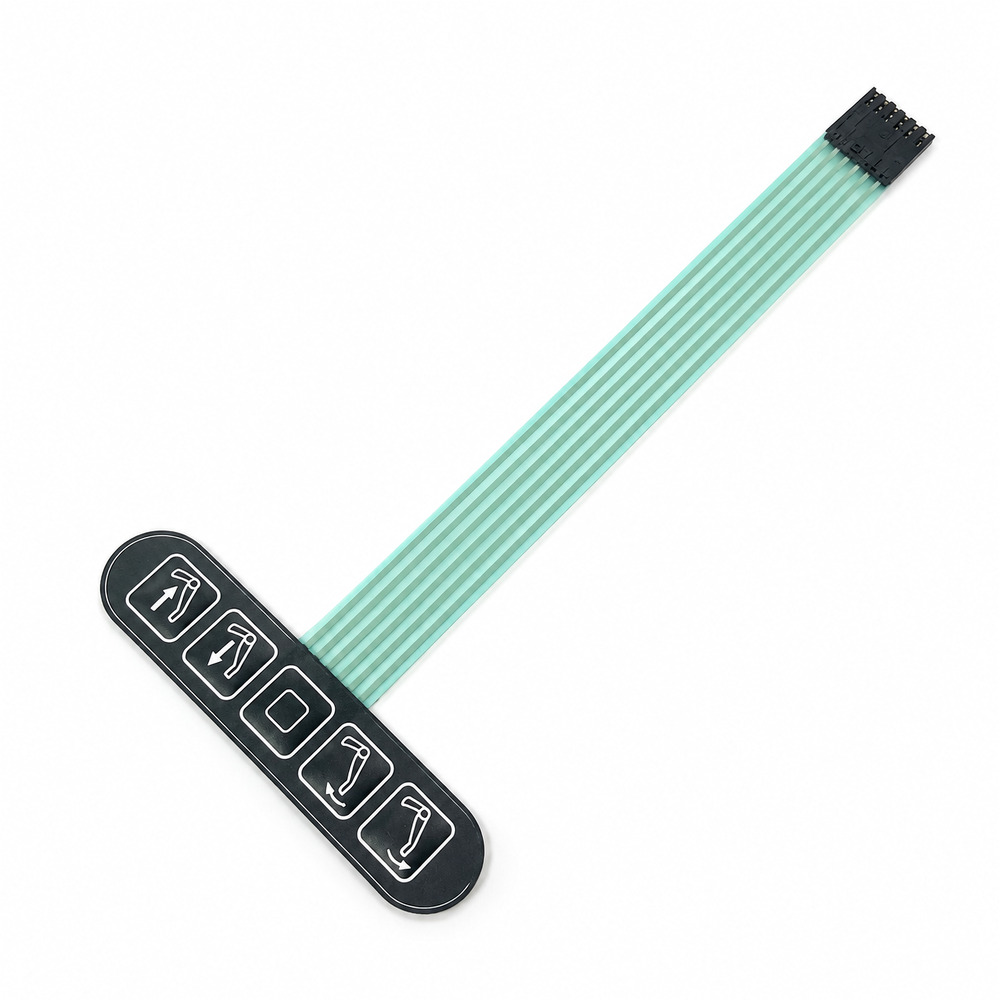
We provide standard 2.54mm and 1.0mm/1.27mm pitch silver-printed ribbon tails compatible with female housing connectors (Nicomatic, FCI, Berg, or Amphenol), bare ZIF contacts reinforced with stiffener backers, or custom copper-etched polyimide FPC tails for soldering directly to motherboards.
Following final digital Gerber/DFM approval, prototype manufacturing takes approximately 7 to 10 working days. Shipments to Phoenix Sky Harbor (PHX) or local logistics warehouses via express air freight (DHL/FedEx/UPS) typically clear customs and deliver within 3 to 5 business days.
Upload your mechanical schematics, Gerber files, or overlay artwork for an immediate, comprehensive DFM review from our senior application engineers.
Inquire Now