EN
 DE
 FR
 ES
 RU
 JA EN DE FR ES RU JA
Explore our custom manufactured membrane keypads, graphic foil stickers, silicone overlays, and thin-film pressure sensors built for industrial, medical, and commercial applications.
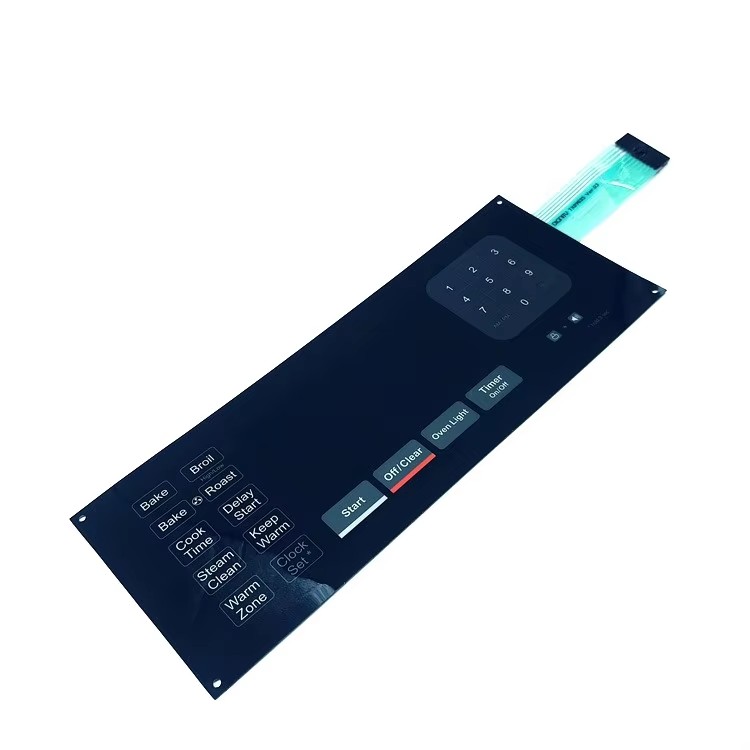
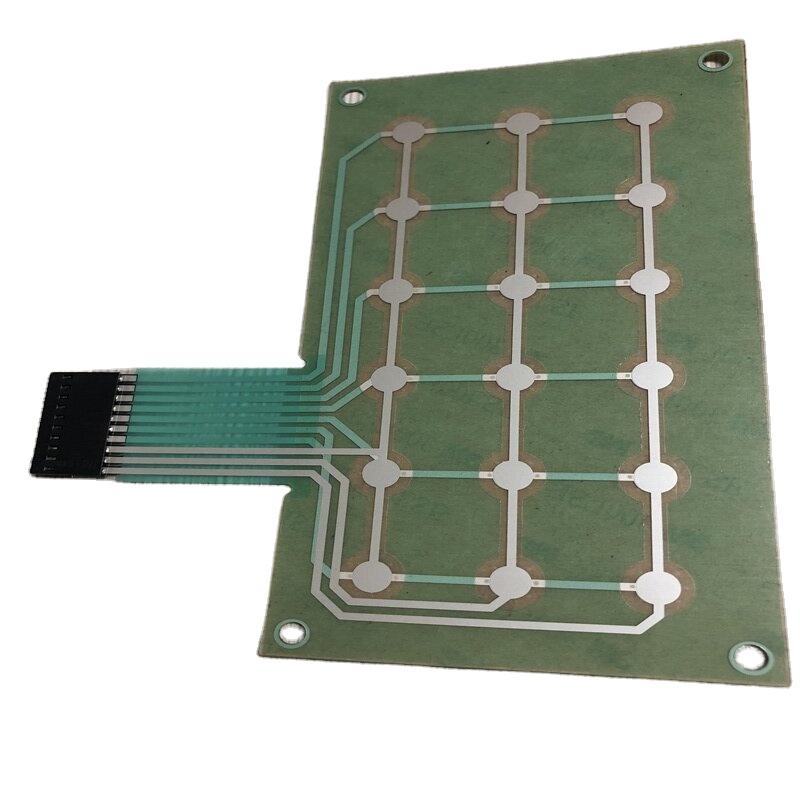
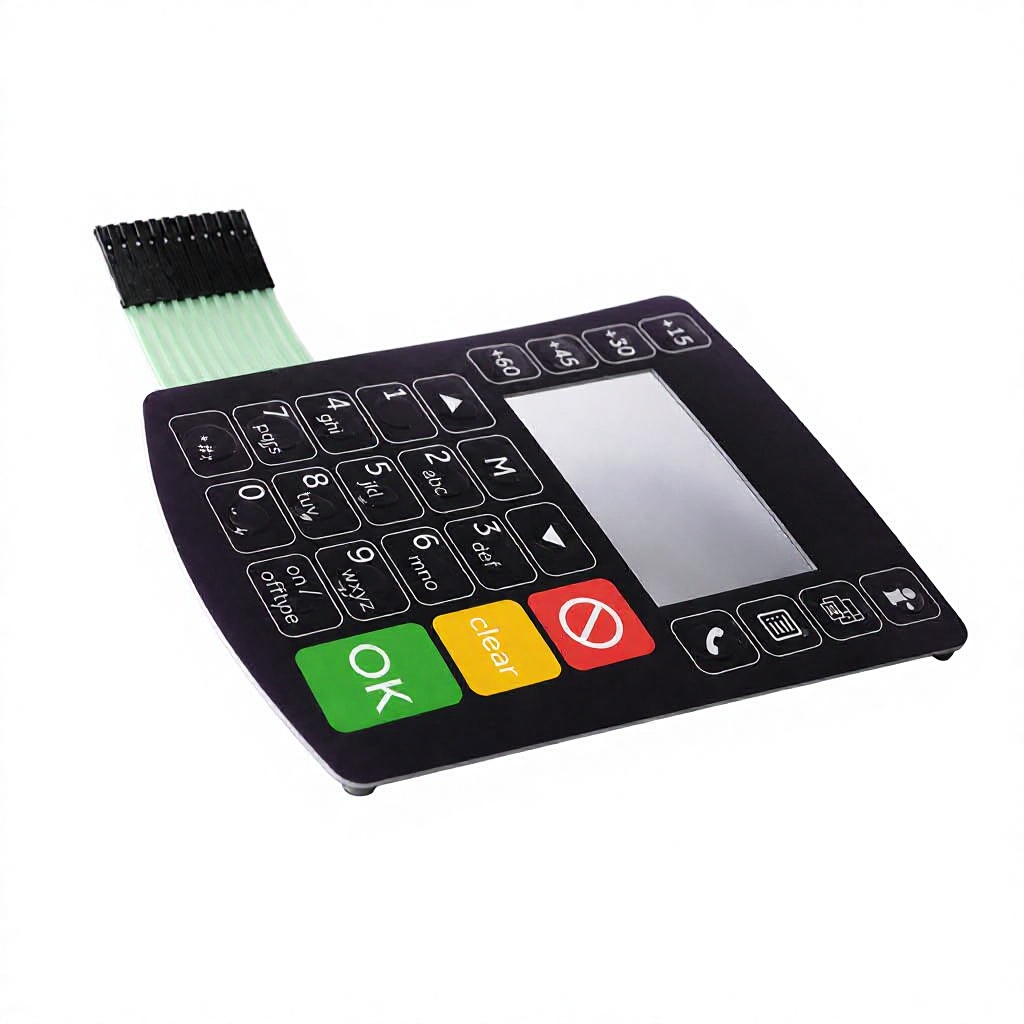
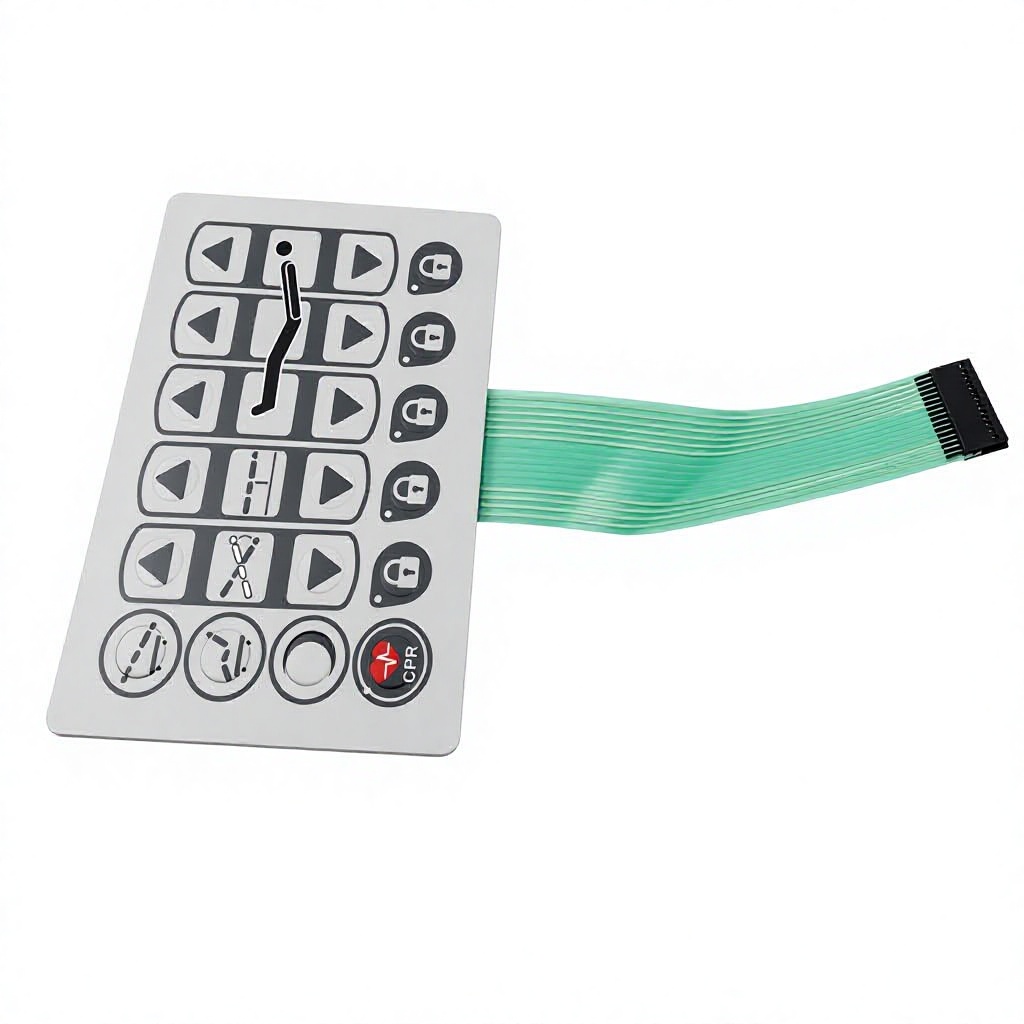
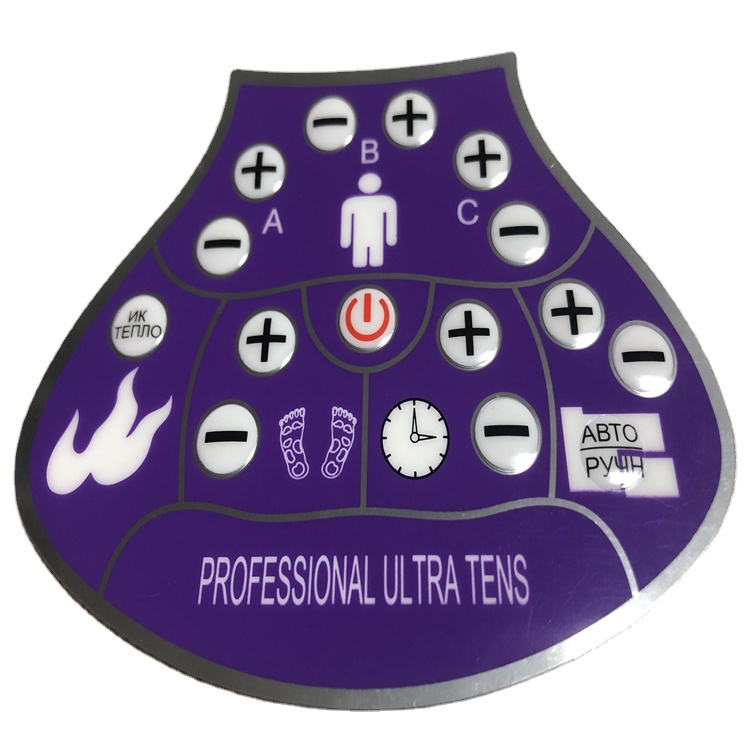
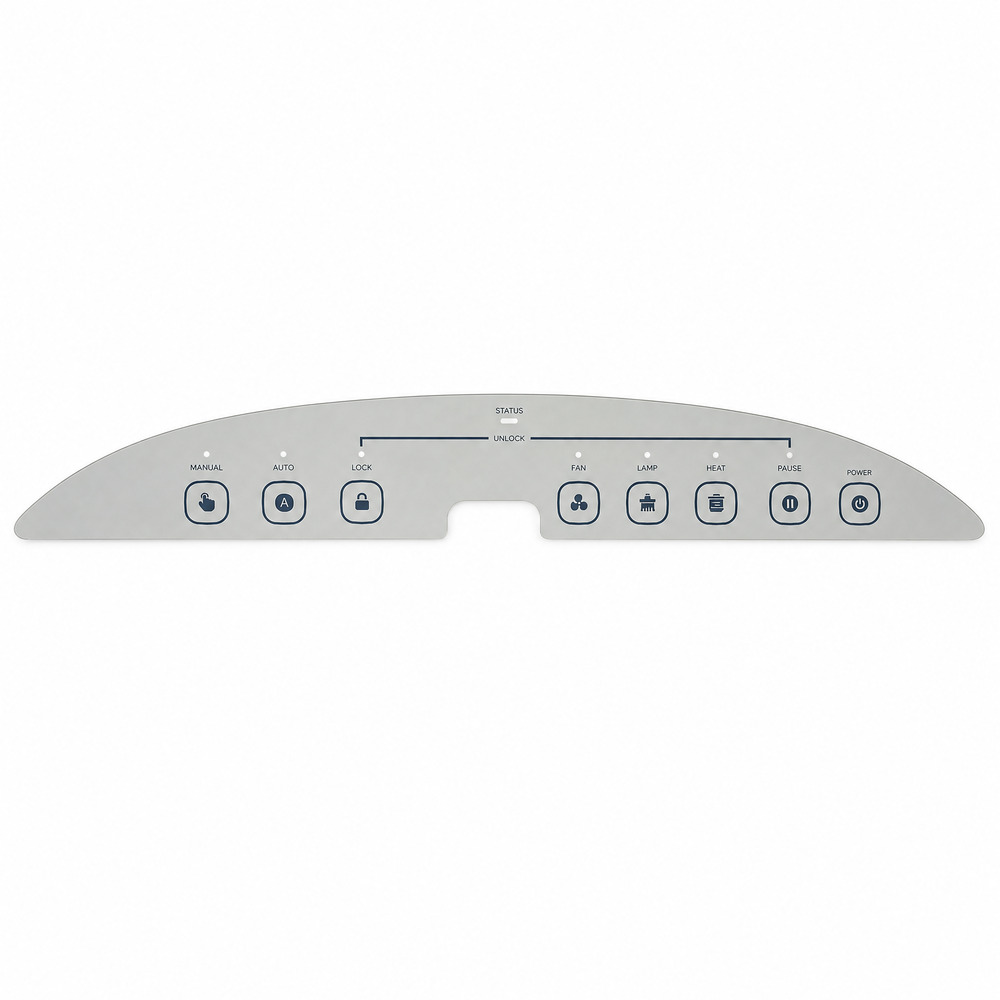
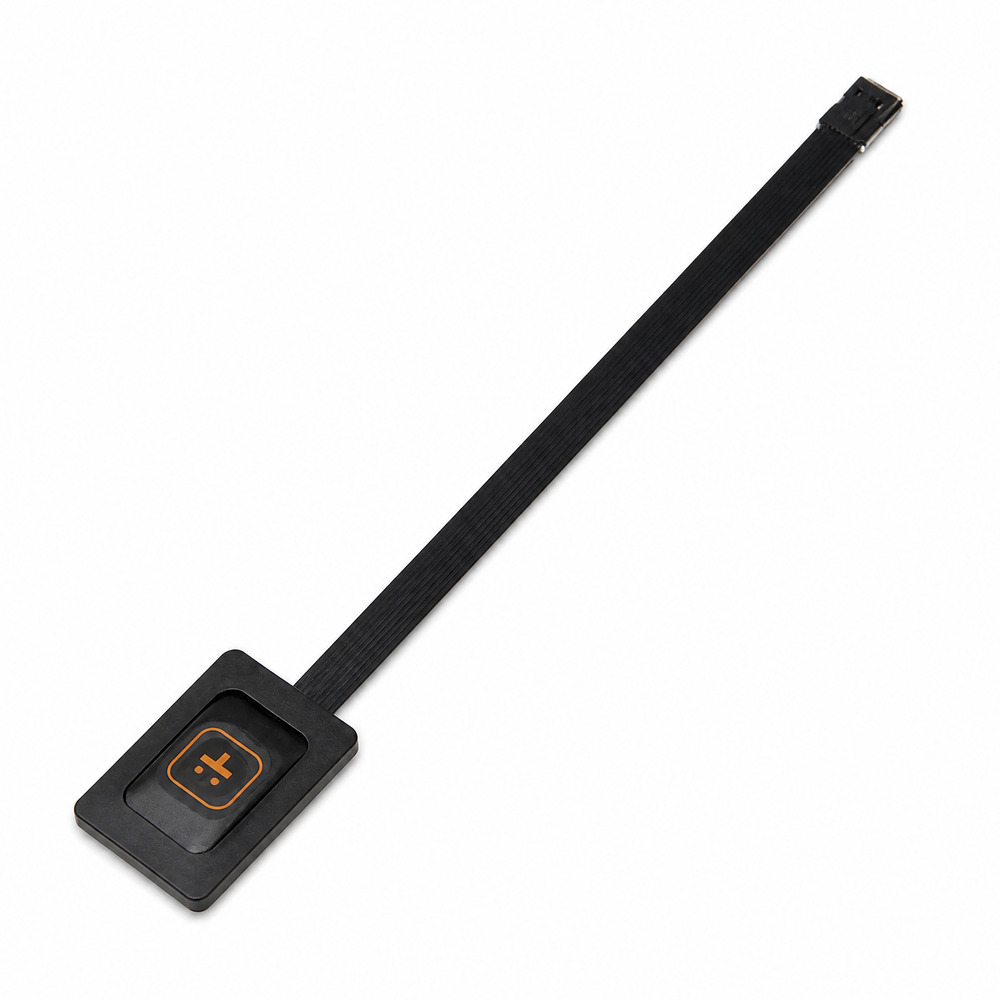
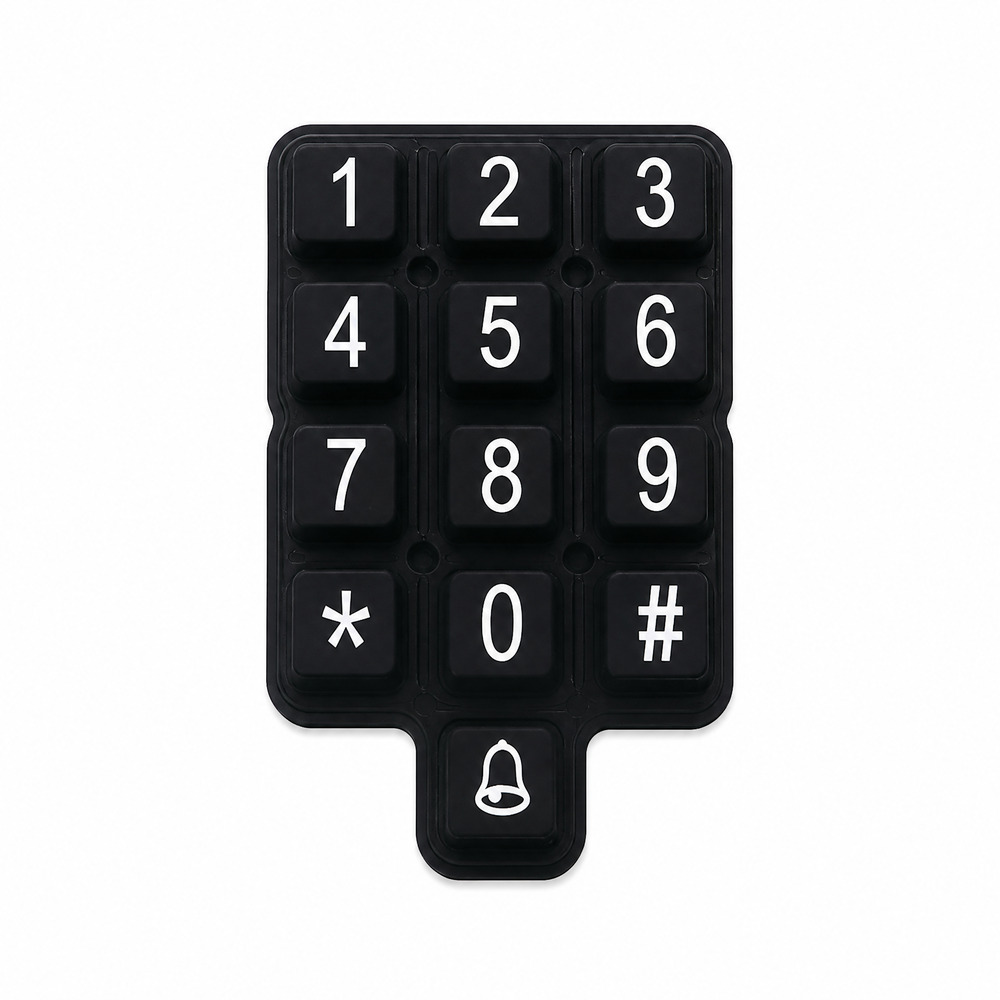
In modern electronic product design, the human-machine interface (HMI) serves as both the critical functional point of contact and the primary aesthetic indicator of quality. Graphic overlays—often referred to as faceplates, control panels, or custom membrane foils—are reverse-printed flexible polymer layers engineered to seal, protect, and brand control assemblies across demanding industrial, commercial, and medical equipment environments.
For OEM engineers, system integrators, and procurement directors sourcing high-precision components in Bolans and across international trade corridors, choosing the right material stack, optical clarity treatment, tactile embossing geometry, and pressure-sensitive adhesive (PSA) backing is vital to ensuring long-term field reliability under severe mechanical, thermal, and chemical stress.
Core Engineering Principle: Reverse-screen or sub-surface digital printing onto transparent substrates guarantees that graphics, brand typography, LED display dead-fronts, and button indicators remain completely impervious to surface abrasion, chemical cleaning agents, UV exposure, and environmental humidity.
Selecting the optimal front-layer substrate dictates the chemical resistance, flexural life, clarity, and temperature tolerance of the control faceplate. Below is a rigorous physical material evaluation commonly utilized during our Design for Manufacturability (DFM) review phase:
| Material Substrate | Flexural Life (Actuations) | Chemical & Solvent Resistance | Hardness & Scratch Resistance | Optimal Application Scenarios |
|---|---|---|---|---|
| Autotex Polyester (PET) | > 5,000,000 cycles | Exceptional (Alcohols, Esters, Acids, Oils) | Hardcoated (3H to 7H) | Tactile membrane switches, medical keypads, outdoor equipment |
| Lexan Polycarbonate (PC) | < 100,000 cycles | Moderate (Vulnerable to aromatic hydrocarbons) | Uncoated (1H), Hardcoated (up to 3H) | Flat static graphic overlays, high-impact display windows |
| Acrylic / PMMA | Non-flexible (Rigid) | Good (Resists weathering and UV yellowing) | High optical clarity, pencil hardness up to 5H | Thick display lenses, capacitive touch panels, luxury HMI frames |
| Silicone Rubber Overlay | > 1,000,000 cycles | High thermal stability (-50°C to +200°C) | Pliable (Shore A 30 to 70 durometer) | Waterproof IP67/IP68 sealed keypads, backlit elastomeric buttons |
Achieving superior ergonomic responsiveness and optical functionality requires specialized surface treatment processes during OEM fabrication:
Every custom overlay and membrane switch is constructed with multi-layer precision lamination designed to withstand extreme environments.
Engineered with perimeter seal adhesives (such as 3M 200MP / 300LSE) and sealed flex tails to prevent fluid ingress, saline aerosol corrosion, and chemical contamination.
Integrated printed silver grid layers, aluminum foil, or ITO conductive films effectively dissipate electrostatic discharges up to 15kV, shielding sensitive microcontrollers.
Ultra-thin surface-mount LEDs soldered onto FPC or printed directly onto silver PET circuits provide uniform icon illumination and discrete status indication.
Support for copper polyimide (FPC) flex cables and rigid FR4 PCB backing panels allows dense component mounting and robust direct-connector assembly.
Utilizing state-of-the-art spectrophotometers, graphics are screen-printed to match Pantone, RAL, and custom OEM spectrophotometer color standards with ΔE < 1.0.
Laminated with genuine 3M 467MP, 3M 468MP, or high-tack 3M 9448A tapes to guarantee permanent bond strength across painted metal, ABS, and textured powder coats.
Bolans, located in the vibrant southwestern region of Antigua and Barbuda, represents a vital hub for marine services, luxury hospitality resort infrastructure, commercial desalination systems, and expanding local manufacturing assembly. Equipment operating in this unique Caribbean maritime microclimate faces aggressive exposure factors—including relentless salt spray aerosol, elevated relative humidity, intense UV irradiation, and tropical thermal fluctuations.
Custom OEM graphic overlays and membrane keypads supplied to local integrators and global exporters shipping equipment into Bolans must be custom-formulated to survive these environmental hazards without delaminating, yellowing, or suffering electrical short-circuits.
Yachts, charter vessels, and commercial fishing fleets docked along Bolans' coastal anchorages rely on custom graphic overlays for dashboard instruments, bilge pump controllers, autopilot interfaces, and radar displays. By utilizing UV-stabilized Autotex XE polyester combined with closed-cell 3M VHB perimeter gaskets, our marine-grade overlays achieve IP67/IP68 watertight integrity, resisting continuous salt fog immersion and high solar UV indices.
Luxury resort developments and municipal utility installations in Bolans depend on seamless, wipe-clean control panels. Touchless capacitive touch membrane switches and sealed overlay foil panels are widely deployed in commercial kitchen equipment, climate control HVAC units, swimming pool automation, and reverse-osmosis (RO) desalination plants. The non-porous PET surface prevents bacterial growth and resists harsh chemical sanitizers like chlorine, isopropyl alcohol, and commercial detergents.
As the West Indies accelerates solar energy adoption, local renewable power installations utilize our heavy-duty control panels for solar charge controllers, battery storage management units, and power distribution switchgear. Hardcoated polycarbonate overlays with dead-front LED indicator windows ensure clear readout visibility under bright sunlight while preventing dust and humidity ingress.
Over recent years, several key macro-trends have reshaped procurement intent for industrial control faceplates across the Caribbean and North American export markets:
1. Transition from Mechanical Switches to Capacitive Touch: OEM equipment manufacturers are rapidly replacing traditional mechanical push-buttons with sleek, flat capacitive touch overlay panels featuring glass or PMMA front covers for high aesthetic appeal and zero moving parts.
2. Retrofit Modernization of Legacy Industrial Machinery: Local factory operators and utility managers in Bolans are upgrading aging equipment control interfaces by applying custom-engineered graphic overlays directly over existing metal enclosures, significantly extending machine service life at a fraction of full replacement costs.
3. Demand for Low-Volume Rapid Prototyping: Regional OEM exporters increasingly require small-batch production runs (1 to 50 pieces) for field testing before committing to large-scale mold tooling. Our digital laser-cutting and direct-to-substrate printing workflows eliminate expensive die tooling fees for early-stage prototypes.
From initial CAD review to international export packaging, our vertically integrated plant ensures absolute precision at every phase.
Engineering evaluation of artwork vector files, layer stack-up, and tail tolerances.
Precision screen fabrication, steel-rule die creation, and embossing mold machining.
Sub-surface printing with optical inks, conductive silver paste, and selective textures.
Multi-layer alignment with metal domes, LEDs, ESD shields, and 3M adhesive tapes.
Automated optical inspection, electrical continuity testing, and key force measurement.
Anti-static vacuum packaging and expedited air express delivery to Bolans and worldwide.
Founded in 2003 and headquartered in Fenggang Town, Dongguan, China—the epicenter of South China's high-tech electronics manufacturing corridor—Dongguan Ravo Electronics Co., Ltd. has grown over two decades from a specialized silk-screen studio into a premier 12,000 m² vertically integrated HMI manufacturing enterprise. We employ over 300 skilled technicians and engineers dedicated exclusively to custom membrane switch and graphic overlay production.
By keeping artwork preparation, screen making, digital laser cutting, automatic screen printing, CNC embossing, cleanroom assembly, and 100% electrical testing completely under one roof, we eliminate intermediate vendor markups and guarantee seamless control over product quality and delivery lead times.
Our dedicated engineering desk reviews your 2D/3D CAD drawings (DXF, DWG, AI, PDF) and returns comprehensive Design for Manufacturability (DFM) suggestions within 2 hours during business operation, recommending cost-effective material stack-ups and tolerance optimizations.
Operating under a fully certified ISO 9001:2015 quality management system, all our raw materials—including raw PET/PC films, conductive silver pastes, UV inks, and 3M adhesives—are fully compliant with EU RoHS and REACH environmental directives.
Whether you require a single 1-piece prototype for urgent engineering validation or volume mass production exceeding 500,000 units per year, our scalable production lines cater seamlessly to projects of all sizes without rigid minimum order quantity barriers.
With over 14 years of direct export history serving equipment manufacturers across North America, Western Europe, Australia, and the Caribbean, our bilingual project managers provide smooth communication, DDP shipping, and comprehensive export documentation.
Get expert answers to common technical and logistical queries when ordering custom graphic overlays and keypads.
To provide an accurate engineering quote and DFM review, we require your graphic artwork file (Vector formats such as Adobe Illustrator .AI, PDF, or .EPS with Pantone or RAL color references) and dimensional 2D engineering drawings (.DXF or .DWG) detailing outline dimensions, window locations, embossing zones, key layouts, and pinout pinouts for tail connectors.
For marine and high-humidity applications, we specify UV-stabilized Autotex XE polyester substrates that prevent UV yellowing and embrittlement. Furthermore, sub-surface screen printing protects the graphics under the film layer, and closed-cell 3M 300LSE/VHB perimeter adhesive gaskets seal the internal circuitry against salt fog spray and water ingress to achieve IP67/IP68 ratings.
Polycarbonate (PC) is highly impact-resistant and easy to form, making it ideal for flat static overlays and display lenses. However, Polyester (PET) offers superior flexural fatigue life (>5 million switch actuations vs. <100k for PC) and vastly superior chemical resistance against solvents, fuels, and industrial cleaners. For tactile keypads with embossed buttons, PET is universally recommended.
Yes. We regularly manufacture overlays with dead-front tint printing, allowing LED indicator icons or display text to remain hidden until illuminated from behind. We also integrate ultra-thin surface-mount (SMD) LEDs directly onto underlying FPC circuits or light-guide films (LGF) to illuminate individual keys uniformly.
We supply genuine 3M adhesives tailored to your mounting substrate. 3M 467MP (2 mil) is ideal for smooth metal and high-surface-energy plastics. 3M 468MP (5 mil) is used for textured or powder-coated surfaces. For low-surface-energy (LSE) plastics such as polypropylene or ABS, we utilize 3M 300LSE high-tack adhesive transfer tape.
Upon final approval of engineering drawings and artwork proofs, rapid laser-cut prototypes for standard non-embossed graphic overlays can ship in as little as 3 to 5 working days. Custom embossed tactile prototypes requiring tooling generally ship within 7 to 12 working days. Express international air freight delivers directly to Bolans within 4 to 7 days.
We utilize precision X-Rite spectrophotometers to measure color density and chromaticity coordinates during production. Ink mixing recipes are archived digitally per customer drawing number, ensuring consistent batch-to-batch color matching within tight ΔE < 1.0 tolerances.
Yes. We manufacture custom force-sensitive resistors (FSR) using carbon paste and silver conductive ink layers printed on thin PET or FPC substrates. These are widely used in medical bed patient monitoring, automotive seat occupancy detection, industrial grip handle sensors, and smart foot pressure analysis systems.
Upload your drawings today and receive a detailed DFM engineering review and competitive direct-factory quotation within 2 hours.