 EN
 DE
 FR
 ES
 RU
 JA EN DE FR ES RU JA
Custom compression-molded elastomeric keypads, graphic overlays, and hybrid membrane switches configured for Amsterdam equipment builders and industrial design firms.
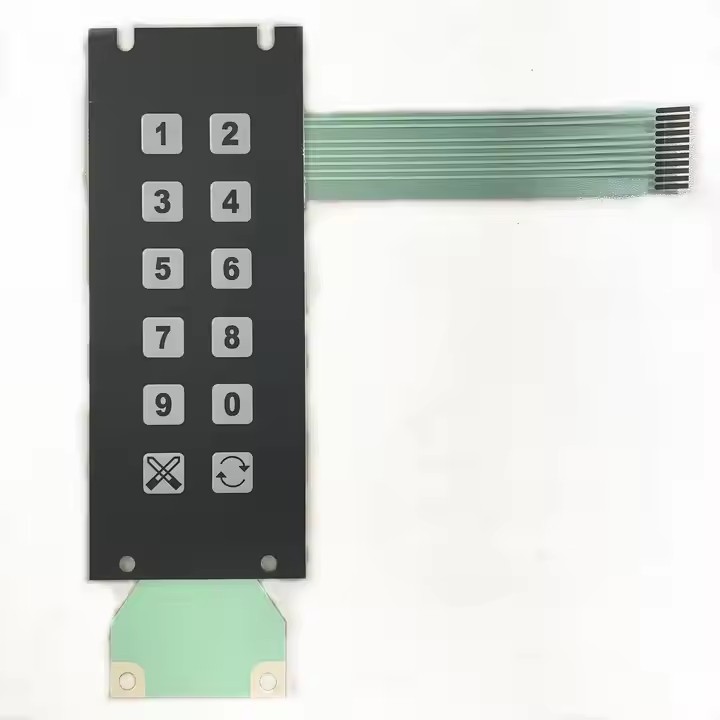
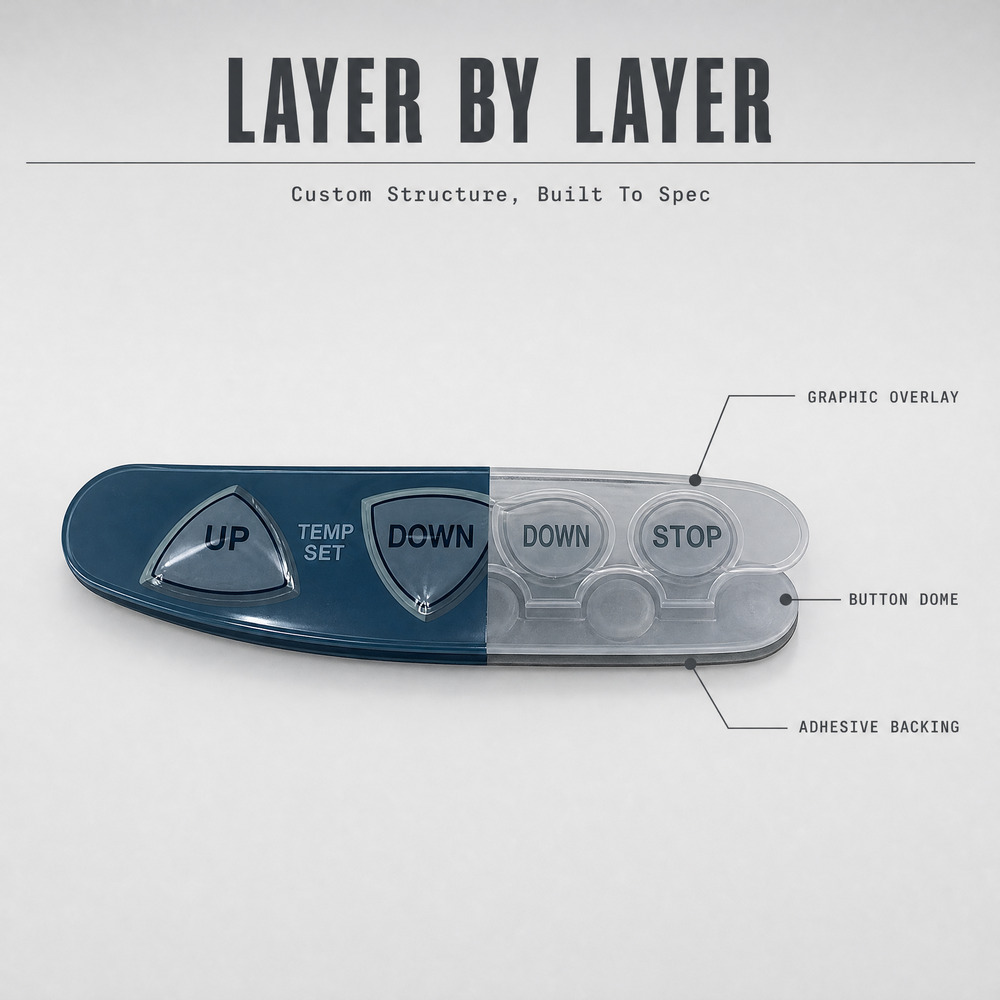
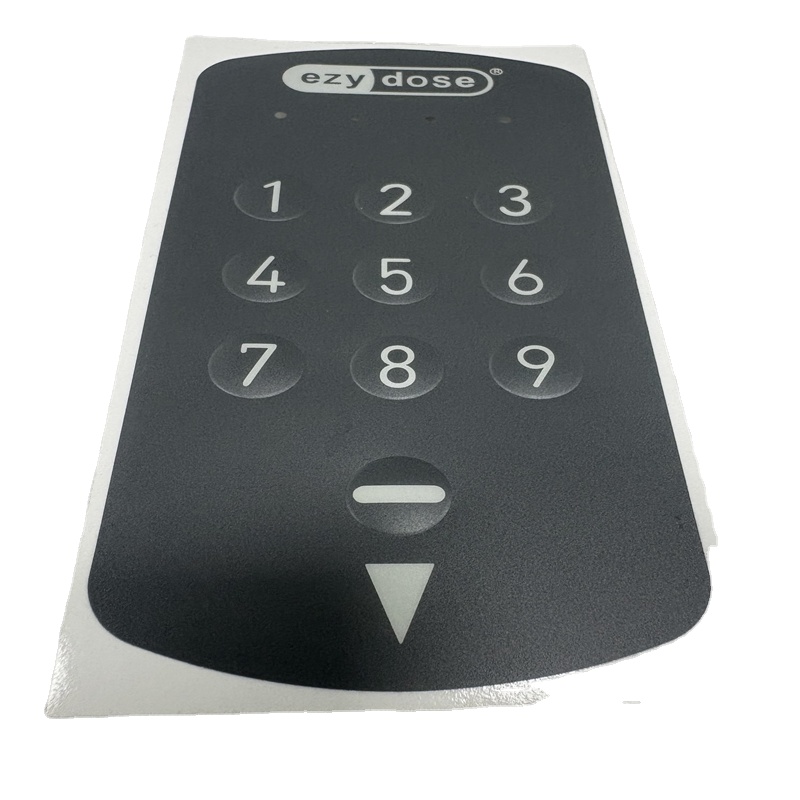
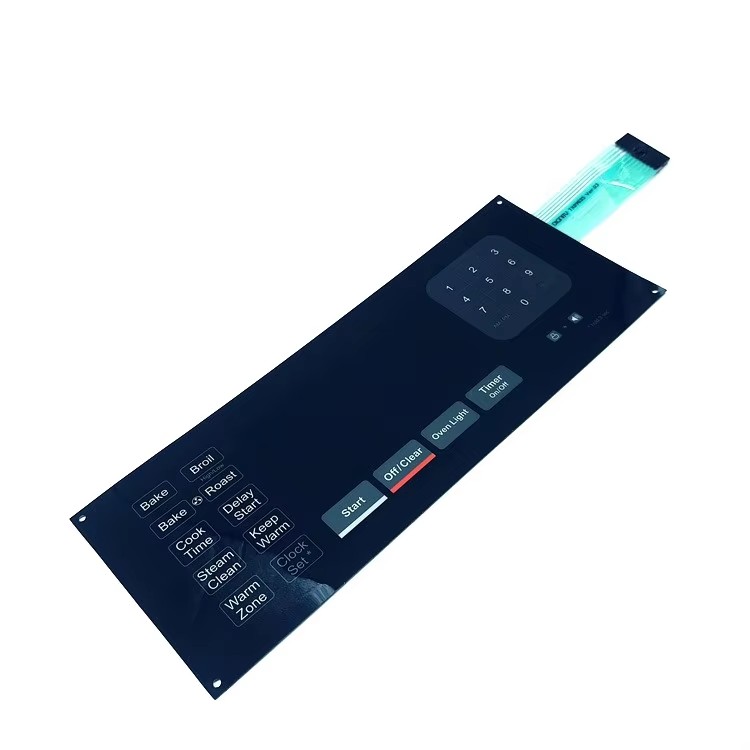
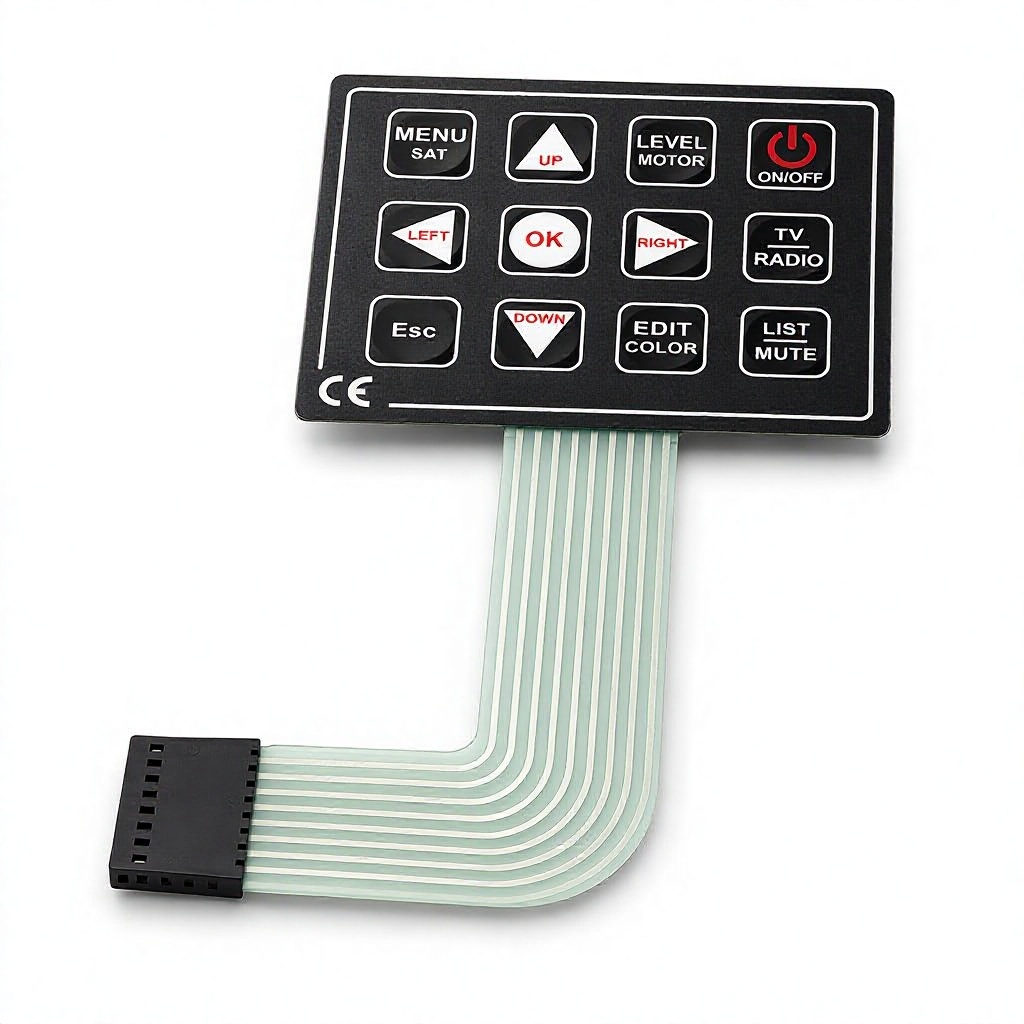
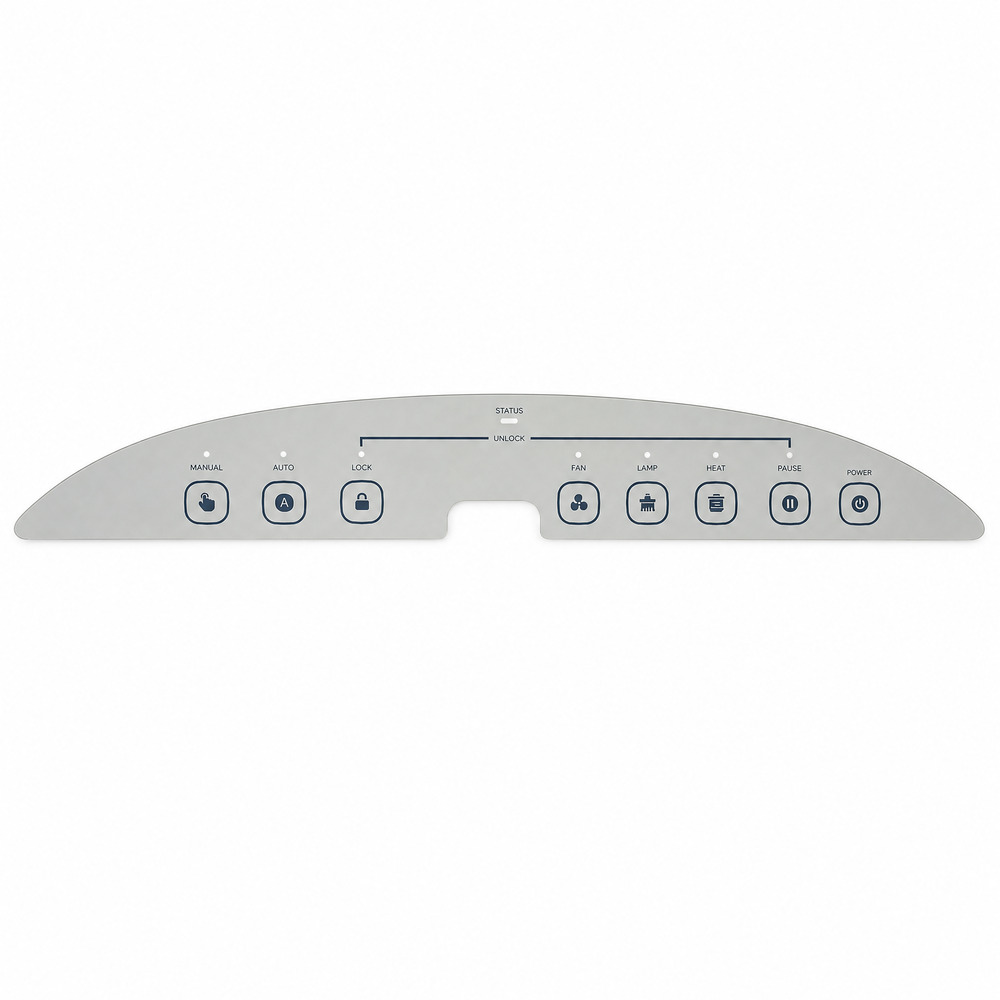
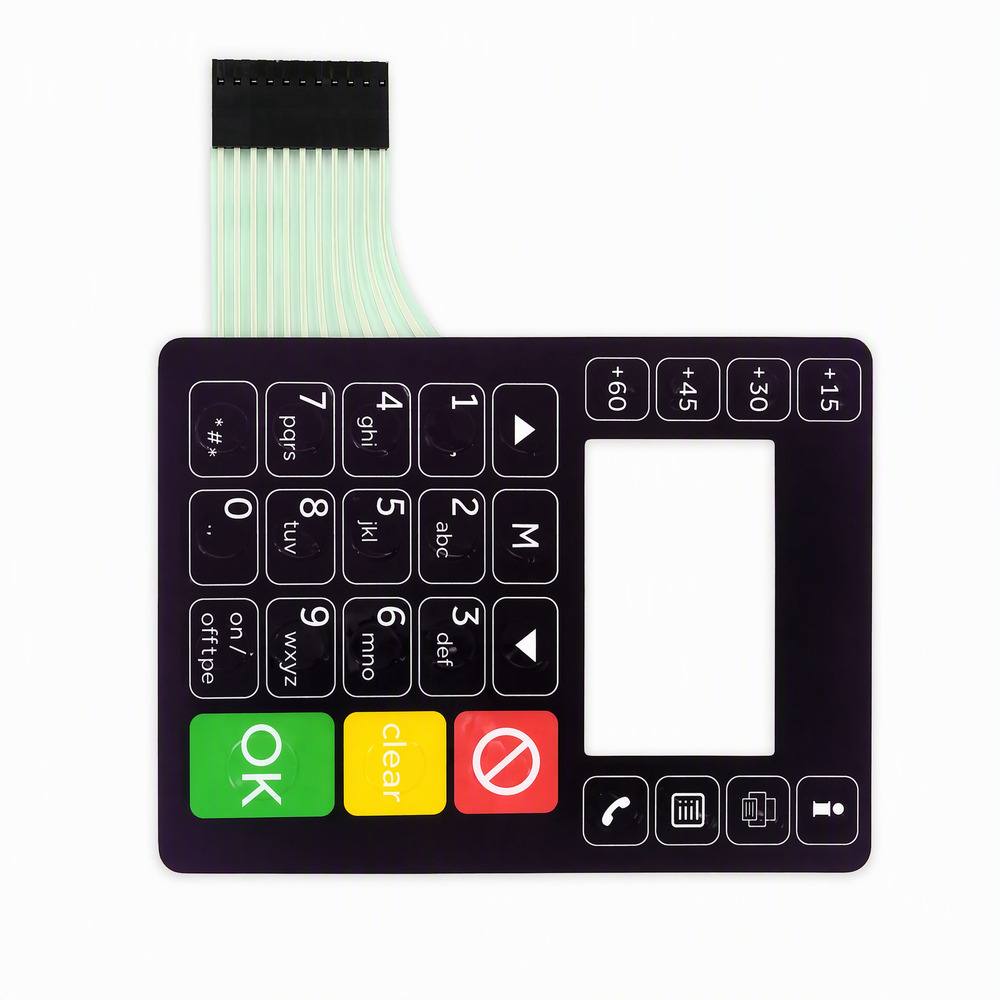
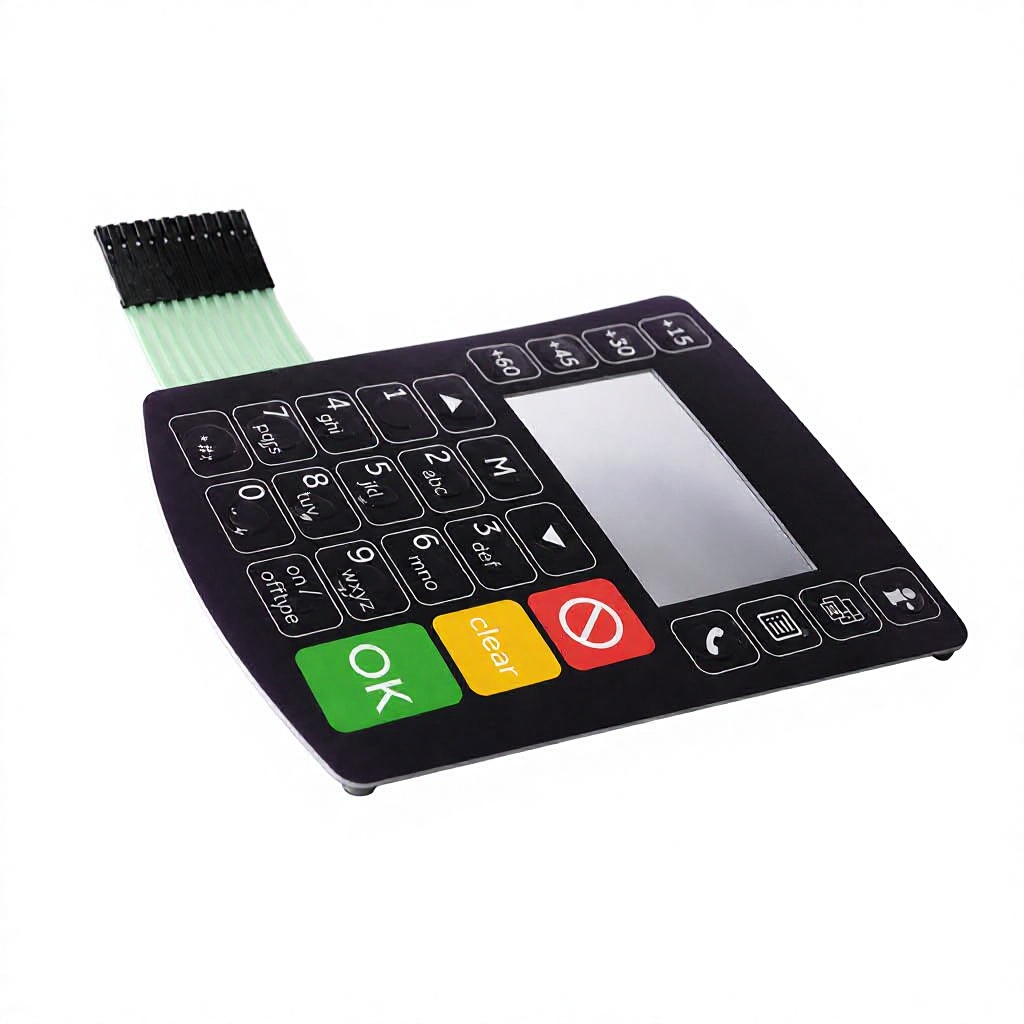
Material science, contact physics, and environmental resistance criteria for original equipment manufacturers designing for harsh industrial and clinical environments.
| Engineering Parameter | Standard Specification | High-Reliability / Maritime Option | Quality & Testing Methodology |
|---|---|---|---|
| Elastomeric Base Material | Polydimethylsiloxane (Shore A 40° - 70°) | Medical-Grade LSR / Low-outgassing FDA Silicone | ASTM D2240 Durometer Calibration |
| Actuation Force (Snap Ratio) | 120g – 300g (±20g), 40% – 60% Snap Ratio | Heavy tactile 450g – 600g (Glove-operated) | Load-displacement curve automated testers |
| Contact Physics & Resistance | Conductive Carbon Pill (<100 Ω initial) | Gold-plated metal pill / Nickel dome (<0.5 Ω) | Four-wire Kelvin resistance measurement |
| Surface Protective Treatments | Smooth Polyurethane (PU) Matte Coating | Parylene coating / Antibacterial UV hard-coat | RCA Tape Abrasion Test (ASTM F2357, >300 cycles) |
| Operating Temperature Window | -30°C to +85°C continuous | -45°C to +150°C intermittent extreme | IEC 60068-2-1 / IEC 60068-2-2 thermal cycling |
| Ingress Protection & Environmental | IP65 Perimeter gasket compression | IP67 – IP68 Hermetically vulcanized seal | IEC 60529 vacuum chamber immersion testing |
| Regulatory Declarations | RoHS (2011/65/EU), REACH (EC 1907/2006) | UL94 V-0 flame retardant, ISO 10993 cytotoxicity | SGS / TÜV Rheinland independent analytical reports |
Bridging Chinese precision toolmaking with the engineering demands of the North Holland industrial, maritime, and technological ecosystem.
Operating along the North Sea Canal and IJmuiden marine corridor, commercial ships, dredging vessels, and harbor tugs demand push buttons immune to saline fog, hydrostatic spray, and hydrocarbon solvents. Our vulcanized silicone keypads incorporate molded perimeter drip-lips and IP67/IP68 sealing baffles, ensuring flawless tactile feedback for navigation winches, propulsion control units, and crane remotes operated by gloved maritime personnel in sub-zero Dutch winter conditions.
Across the Amsterdam UMC academic cluster and nearby Leiden Bio Science Park, analytical laboratory instrumentation, surgical monitors, and intensive care pumps require interfaces with zero seams to prevent bacterial colonization. We formulate biocompatible medical-grade liquid silicone rubber (LSR) push-button assemblies with antimicrobial coatings capable of enduring daily wipe-downs with quaternary ammonium, isopropyl alcohol, and sodium hypochlorite hospital disinfectants.
As one of Europe's premier multimodal hubs, the Amsterdam Airport Schiphol corridor relies extensively on automated guided vehicles (AGVs), sorting conveyors, and barcode inspection terminals. High-throughput logistics hardware requires elastomeric push-button panels with over one million continuous actuation cycles. Our laser-etched silicone interfaces with translucent backlighting ensure error-free nighttime operation inside cavernous warehouse environments.
The Netherlands possesses Europe's densest electric vehicle charging network. Public outdoor charging stations across Amsterdam require human-machine interfaces that withstand vandalism, intense UV solar degradation, and persistent rain. Our silicone push button systems feature UV-stabilized silicone compounds, IK08 impact ratings, and integrated metal dome snap discs that deliver unmistakable tactile confirmation even when the driver is wearing heavy winter gloves.
Surrounding the Randstad conurbation, the world's most advanced automated greenhouse clusters cultivate produce under precisely regulated environments. The controllers regulating fertigation, supplemental LED lighting, and thermal screens face elevated humidity (up to 95% RH) and airborne agrochemical vapors. Our fully sealed elastomeric keypads guarantee zero corrosion across circuit tracks, protecting internal electronics from condensing humidity.
Dutch industrial designers strongly prioritize modularity and end-of-life recyclability. Our silicone keypads are engineered for mechanical retention without toxic glues, utilizing interference-fit bosses and captive mounting rims. This architecture allows swift disassembly, refurbishment, and material sorting, harmonizing with circular procurement frameworks mandated by major Dutch engineering enterprises.
How stringent EU regulatory shifts, ergonomic science, and optoelectronic integration are redefining procurement decisions for Dutch hardware developers.
The European Chemicals Agency (ECHA), based nearby in Helsinki and strictly enforced by Dutch environmental authorities (ILnT), has placed heightened scrutiny on hazardous additives. Sourcing from Dongguan Ravo guarantees all silicone elastomers, pigment masterbatches, and conductive inks are rigorously tested and certified free from restricted phthalates, polycyclic aromatic hydrocarbons (PAHs), and PFAS chemicals, furnishing full SVHC compliance dossiers for CE technical construction files.
Modern HMI designs in Amsterdam emphasize minimalist aesthetics and dead-front styling. Using ultra-precise CNC spray coating followed by fiber-laser ablation, we produce keycaps with crisp legends down to 0.15mm stroke widths. Integrating Light Guide Films (LGF) underneath the silicone webbing enables uniform, color-balanced illumination using a fraction of the SMD LEDs required by older direct-illumination methods, slashing device thermal signatures and power draw.
The transition from mechanical rocker switches to sealed elastomeric keypads can sometimes risk loss of tactile feedback if poorly designed. For operators in North Sea logistics and maritime navigation, tactile confirmation is safety-critical. We employ proprietary FEA non-linear simulation to model the silicone actuation web thickness and travel angle, guaranteeing a steep snap ratio (>50%) and distinct audible snap even at sub-zero temperatures where silicone typically stiffens.
Direct-from-factory engineering support eliminating broker margins, providing Dutch enterprises with unmatched speed, transparency, and technical depth.
Established in 2003 in Fenggang Town, Dongguan, our state-of-the-art facility integrates compression molding, liquid silicone injection, automated cleanroom screen-printing, CNC laser etching, and SMT circuit placement under one roof. No outsourcing means zero quality leaks and direct accountability from raw silicone mixing to final export packaging.
Dutch hardware development moves swiftly. Our dedicated senior engineering team reviews STEP, DXF, and Gerber files within two hours during production shifts. We deliver comprehensive Design for Manufacturability (DFM) reports analyzing draft angles, silicone wall thickness, snap ratios, and conductive pill alignments before steel is cut.
Every single membrane switch and elastomeric keypad undergoes automated optical inspection (AOI) for graphic registration followed by 100% automated electrical continuity and isolation testing. Life-cycle pneumatic endurance rigs cycle keys past 1,000,000 actuations to ensure contact resistance remains strictly under specification.
Direct, transparent insights covering international logistics, EU customs clearance, prototyping budgets, and toolmaking precision.
We routinely ship to Dutch clients via express air freight (DHL, FedEx, UPS) directly landed at Amsterdam Airport Schiphol (AMS), achieving door-to-door transit times of 3 to 5 business days. For volume manufacturing batches, consolidated sea-freight shipments are routed directly to the Port of Rotterdam (RTM), accompanied by full commercial invoices, packing lists, HS Code 8537.10 designations, and EUR-origin declarations for seamless Dutch Customs (Douane) clearance.
Yes. We understand that Dutch design agencies and industrial equipment makers require physical validation prior to high-volume capital commitments. We offer rapid 3D-printed or CNC-milled prototype tooling capable of producing 1 to 10 fully functional silicone samples in custom Shore A durometers, complete with laser-etched markings and conductive ink contacts, delivered within 7 working days.
For deck-mounted maritime and canal equipment, we recommend VMQ silicone compounded with anti-UV stabilizers and flame-retardant additives compliant with UL94 V-0. When bonded over an FPC or PCB base using marine-grade 3M 300LSE or 3M VHB adhesives, the resulting assembly delivers IP67/IP68 water ingress protection and passes ASTM B117 salt spray exposure tests exceeding 1,000 hours without degradation.
We utilize computerized color spectrophotometers (X-Rite Ci64) to cross-verify both screen-printed graphic overlays and bulk-pigmented silicone batches against specified Pantone Matching System (PMS) and RAL color swatches. Color tolerance delta-E (ΔE) is held strictly under 1.0, ensuring flawless visual cohesion between the elastomeric push buttons and your injection-molded device enclosure.
Conductive carbon pills are low-cost, virtually wear-free disks molded directly into the rubber, typically exhibiting 50 to 150 Ohms resistance. Gold-plated metal pills offer ultra-low contact resistance (<0.5 Ohms) suitable for low-voltage digital logic. Stainless steel metal domes placed under the silicone actuator provide a pronounced mechanical snap and tactile confirmation (>50% snap ratio), highly favored in mission-critical medical and industrial remotes.
Yes. For medical customers supplying devices throughout the European Union under MDR (EU) 2017/745, our production incorporates Class 100,000 cleanroom molding and secondary ultrasonic washing. The silicone elastomer is platinum-cured, odorless, non-cytotoxic, and fully compliant with ISO 10993 biological evaluation criteria, offering chemical immunity against hospital detergents.
Compression mold tooling charges for silicone keypads are modest compared to plastic injection molds, generally ranging from $600 to $1,800 depending on cavity count and key complexity. Tooling ownership remains 100% with the client, maintained free of charge in our Dongguan facility for the lifetime of your product. For volume procurement contracts, we frequently offer complete tooling cost rebates upon reaching agreed quantity thresholds.
Absolutely. We are an integrated human-machine interface manufacturer. We design and fabricate the underlying silver-paste PET membrane switch, Flexible Printed Circuit (FPC), or rigid FR-4 PCB. We ensure optimal layout of interdigitated contact fingers, ESD shielding layers, and connector pitch (such as 1.0mm, 1.27mm, or 2.54mm standard headers) matching your mainboard socket.
We offer three tiers of surface protection: standard anti-dust silicone oil spray, clear matte Polyurethane (PU) coating, and high-durability epoxy resin caps. For high-wear applications such as fuel dispensers, medical touchpads, and POS terminals, our PU coating survives over 300 cycles on standard Norman RCA abrasion testers without graphic breakdown.
To provide a rapid, fully costed DFM review, we require your 3D CAD files (.STEP, .IGES, or .SLDPRT) detailing keycap travel and housing cutouts, 2D engineering drawings (.PDF or .DWG) with tolerances and critical dimensions, and vector graphic artwork (.AI, .CorelDraw, or .PDF) indicating color separations and legend positions.
Accelerate your next product iteration with Dongguan Ravo Electronics. Whether you are validating a single prototype or scaling to hundreds of thousands of certified silicone push button assemblies, our engineers in Dongguan are ready to provide thorough DFM insights within 2 hours.
