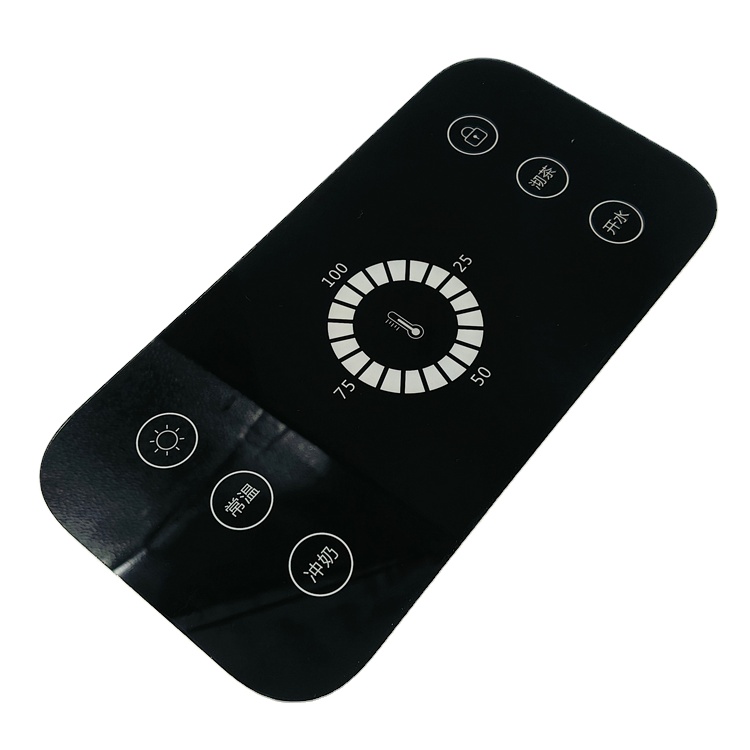
Consumer Electronics Adhesive Front Plastic Keypad PET/PC Panels
Waterproof graphic overlay with customized dimensions, ideal for cleanroom control and smart home appliance user interfaces.
Inquire Now EN
 DE
 FR
 ES
 RU
 JA
Custom-manufactured silicone keypads, durable graphic overlays, and membrane sensors engineered in Dongguan to meet European CE, RoHS, and REACH industrial deployment standards.
Waterproof graphic overlay with customized dimensions, ideal for cleanroom control and smart home appliance user interfaces.
Inquire Now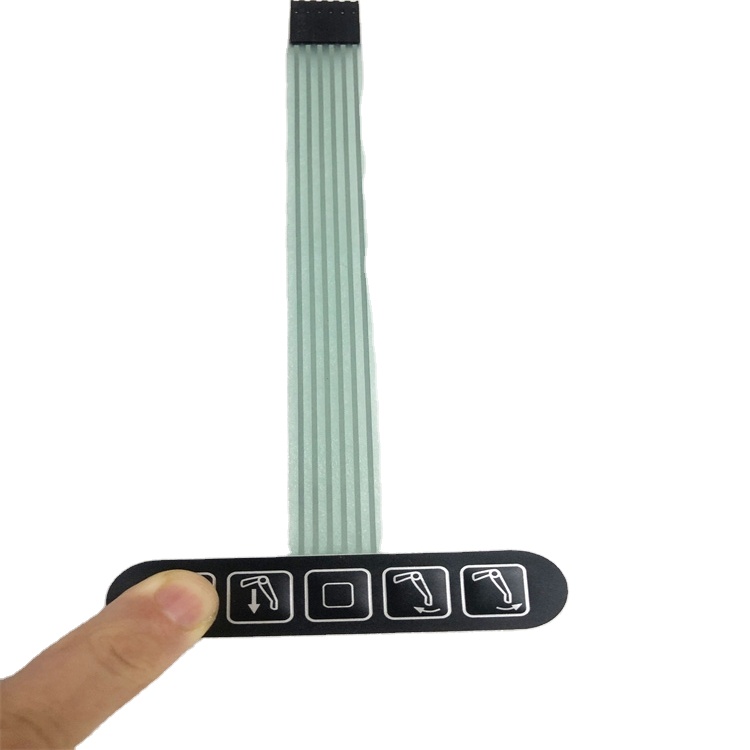
Stainless steel metal dome array integrated beneath a sealed environmental skin for heavy machinery and shop-floor terminals.
Inquire Now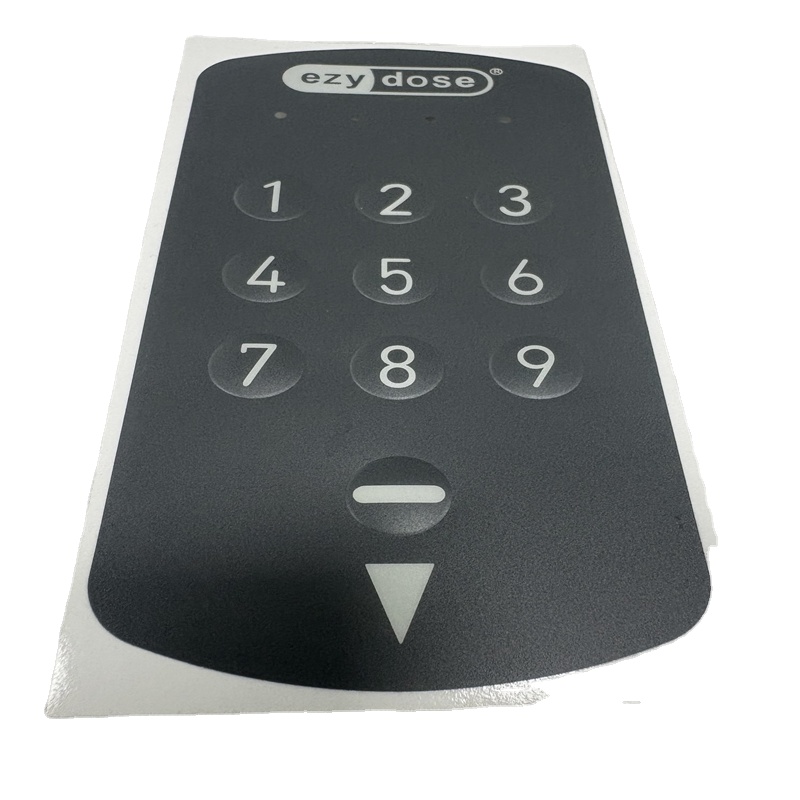
Sub-surface printed Lexan/polycarbonate film providing permanent scratch resistance and chemical barrier protections.
Inquire Now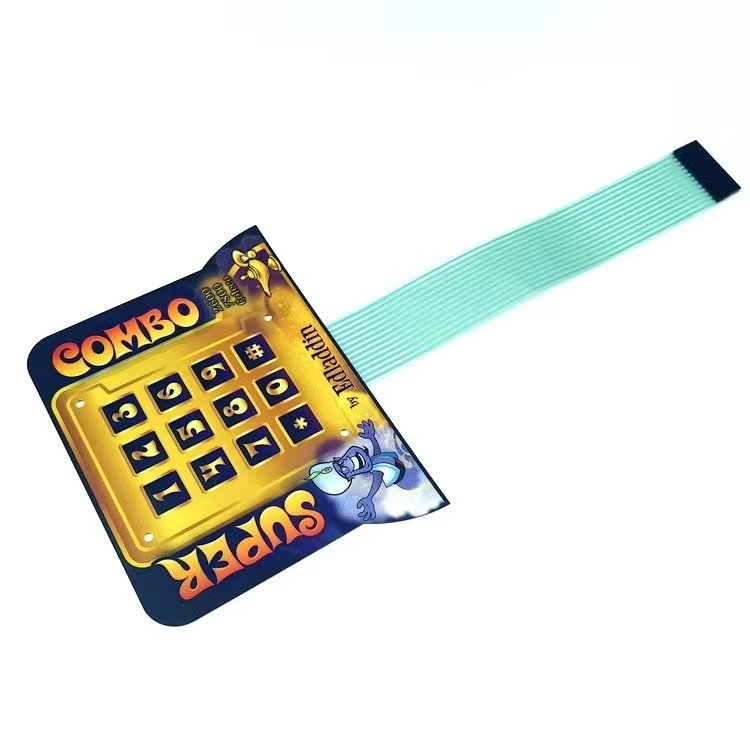
Hybrid interface integration fusing compression-molded silicone rubber keys with multi-layer printed flexible circuits.
Inquire Now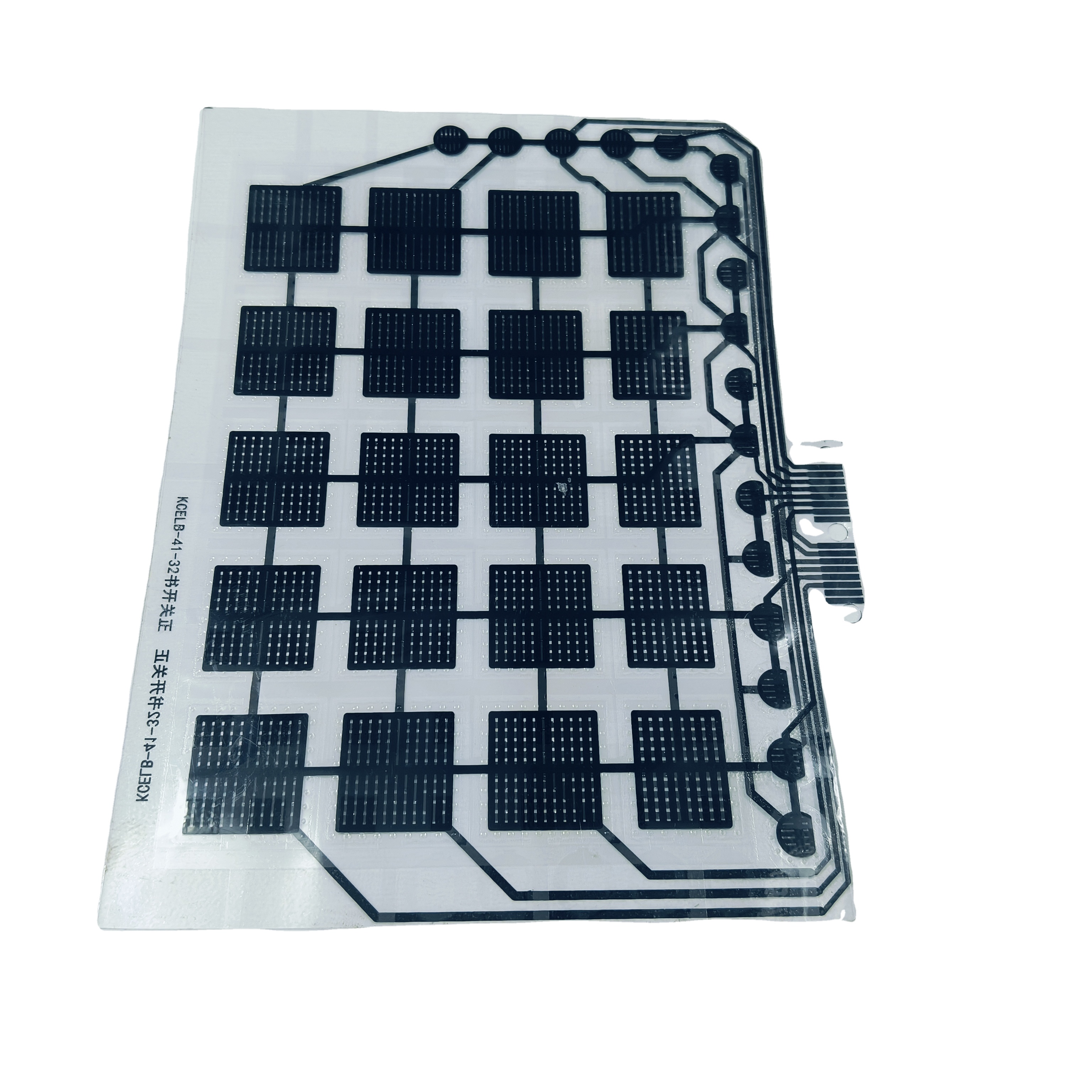
Solid-state capacitive matrix rated up to 5 million actuations, suited for medical monitors, retail kiosks, and educational hardware.
Inquire Now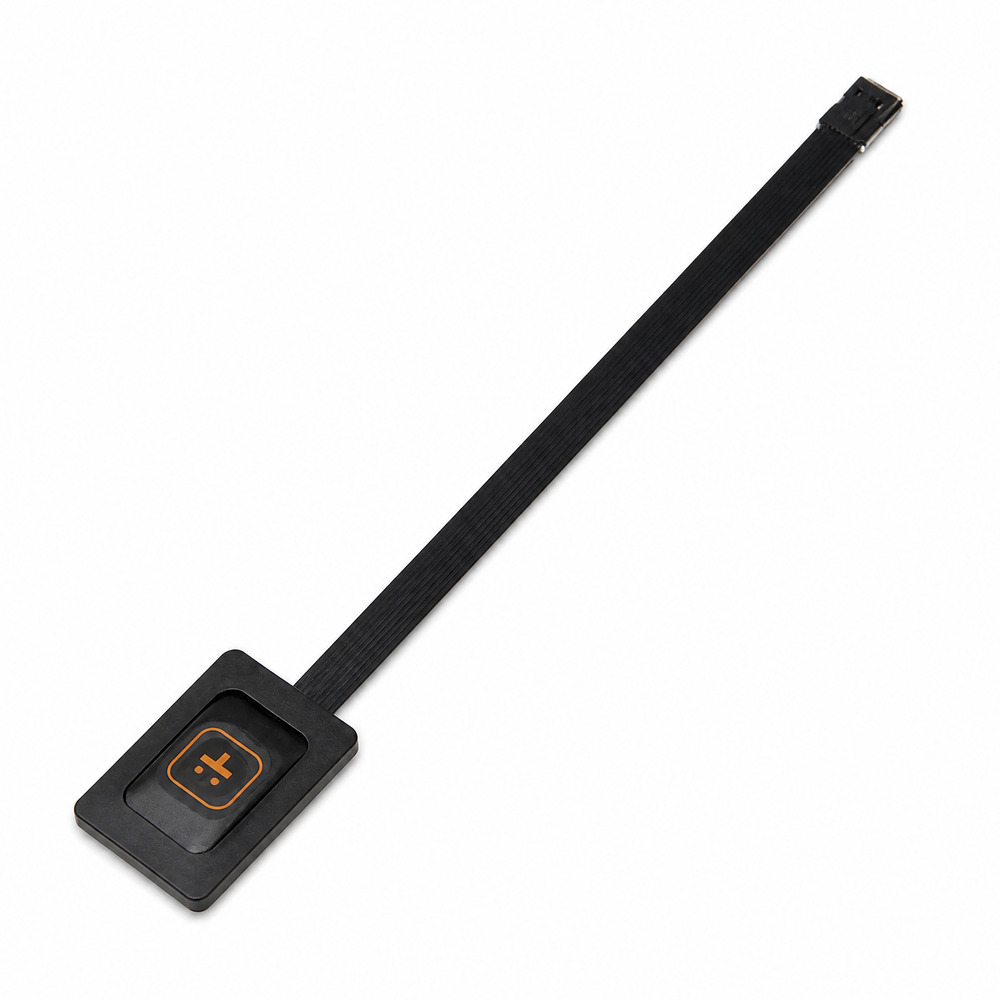
Cross-key reinforced base construction designed specifically for ergonomic handheld controllers and industrial pendant stations.
Inquire Now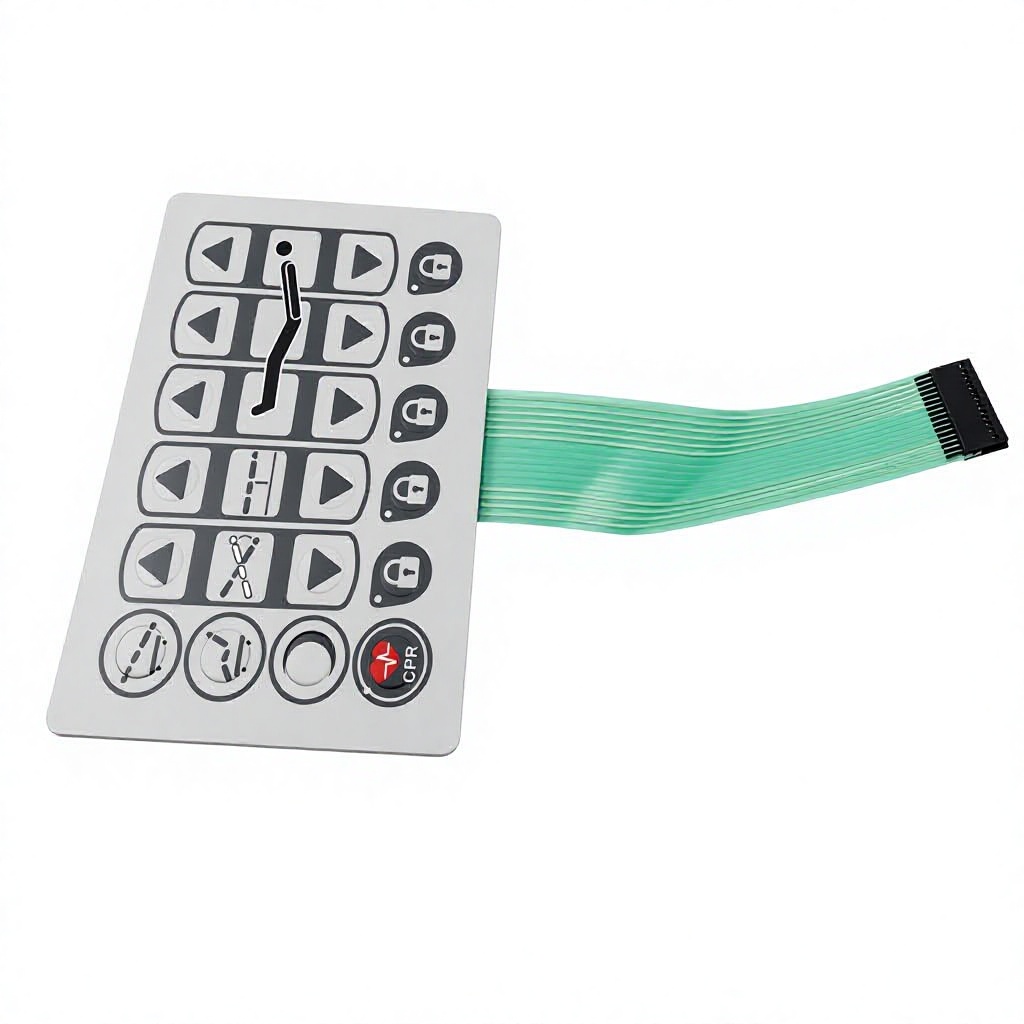
Anti-microbial surface treatment, hermetically sealed perimeter, and tactile snap action for clinical bed lifters and surgical tables.
Inquire Now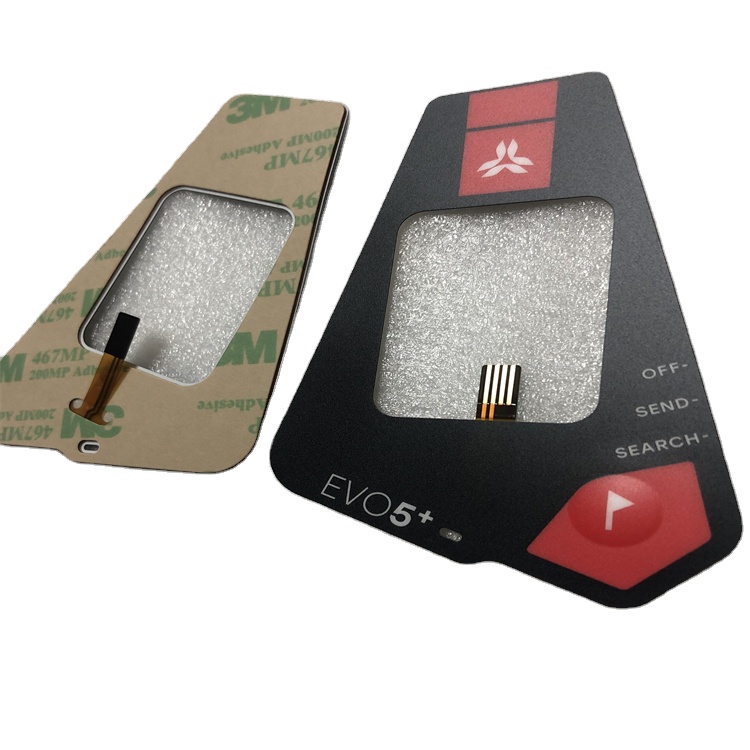
Hydrophobic PET front panel with high-density polyimide FPC tail designed for robust remote controls operating outdoors.
Inquire NowThe Małopolska region, centered around Kraków, has rapidly transformed into one of Central and Eastern Europe’s premier hubs for advanced electronic manufacturing services (EMS), industrial automation, medical device design, and green-energy engineering. As Western tier-one contract manufacturers and domestic engineering firms expand operations along the Kraków Technology Park corridors and nearby industrial clusters in Skawina, Niepołomice, and Tarnów, the imperative for highly reliable, custom-engineered Human-Machine Interfaces (HMI) has surged.
Dongguan Ravo Electronics Co., Ltd. serves this exact procurement nexus. By pairing southern China’s deep supply chain agility in precision tooling, high-consistency silicone rubber molding, and cleanroom screen-printing with strict European engineering standards, we eliminate the friction typically associated with cross-border custom component manufacturing. Whether your engineering team requires an ultra-tactile silicone keypad assembly with laser-etched backlighting or an IP67-rated sealed membrane control surface for clinical environments, understanding the structural trade-offs of elastomeric and membrane engineering is crucial to securing operational resilience.
Modern HMI design rarely relies on a "one size fits all" switch technology. When choosing between elastomeric silicone rubber keypads and multi-layer polyester (PET) or polycarbonate (PC) membrane switches, engineering procurement teams in Kraków consistently evaluate tactile profile, operating temperature boundaries, chemical ingress risks, and lifecycle endurance.
| Evaluation Parameter | Compression-Molded Silicone Keypads | Multi-Layer Tactile Membrane Switches | Hybrid Silicone-Over-Membrane Modules |
|---|---|---|---|
| Tactile Ratio & Feel | Elastomeric web provides a smooth snap (40%–60% snap ratio), soft stop. | Sharp, distinct metallic click utilizing stainless steel snap domes. | Ergonomic molded rubber keys driving underlying metal dome feedback. |
| Operating Temperature | Extreme resilience: -40°C to +200°C continuous operation. | Standard range: -20°C to +65°C (specialized up to +85°C). | Combines rubber external stability with rated interior circuit stack. |
| Sealing Rating (Ingress) | Inherently IP68 capable when designed with an integrated perimeter gasket. | IP65 to IP67 when built with continuous 3M adhesive gaskets and sealed tail. | Superior environmental isolation for exterior and washdown setups. |
| Life Expectancy | 1 to 5 million cycles depending on durometer and silicone grade. | 1 million cycles minimum (governed by metal dome mechanical fatigue). | 2 to 5 million actuations under continuous duty cycles. |
Sourcing silicone keypads and membrane switch arrays for the Kraków market is driven by specific vertical sector demands:
Direct from our 12,000 m² Fenggang facility: engineered switch constructions tailored to your specific mechanical housing and PCB layout.
Translucent silicone molded with opaque spray coats, precisely laser-ablated to illuminate sharp legends via surface-mount LEDs on underlying FPC or rigid PCBs.
Selective deposition of conductive silver grid, aluminum foil, or ITO layers connected to a dedicated ground trace, isolating internal controllers up to 15kV electrostatic discharge.
Polyimide base with etched copper conductors supporting tight pitch connectors down to 0.5 mm, fine-pitch surface-mount passives, and superior dynamic flex lifespans.
European supply chain dynamics have undergone profound structural changes. OEMs and contract electronics assemblers across Kraków, Wrocław, and Katowice are optimizing their procurement models to mitigate supply chain disruptions while controlling bill-of-materials (BOM) costs. Several prevailing engineering patterns shape procurement behavior in 2025 and beyond:
While final box-build, Surface Mount Technology (SMT), and testing are increasingly localized within Poland’s special economic zones, fabricating high-precision tooling for silicone compression molds and cleanroom printing remains heavily weighted toward established industrial hubs. Polish procurement directors routinely bypass domestic brokers to partner directly with verified source manufacturers like Ravo in Dongguan. This direct pipeline guarantees ≤2-hour rapid engineering feedback, immediate CAD/CAM DFM reviews, and tooling savings exceeding 45% compared to Western European custom mold tooling rates.
Driven by strict workplace hygiene protocols and medical equipment mandates across the EU, open mechanical pushbuttons are steadily giving way to flush-surface capacitive switches and continuous elastomeric membranes. A single monolithic keypad eliminates crevice dirt traps, allowing rapid, non-corrosive chemical wipedowns—a baseline requirement for clinical hardware engineered in Kraków’s medical research facilities.
Hardware iteration speed dictates market leadership. Polish industrial startups and prototyping labs cannot afford standard 5,000-piece minimum order constraints when proving initial concepts. Ravo breaks industry conventions by offering prototypes from 1 piece, allowing local engineering teams to test mechanical tolerances, key travel, and backlighting uniformity prior to capital tooling expenditure.
Vertically integrated operations, complete control over design-to-delivery workflows, and strict compliance with global industrial norms.
Operating continuously since 2003, our engineering and tooling veterans have solved complex interface challenges for leading global brands across industrial, automotive, and consumer sectors.
Certified ISO 9001 quality systems govern all stages: raw material spectrometry, computerized color matching via Pantone standards, automated 100% electrical continuity verification, and actuation life tests.
Encompassing 12,000 m² of cleanroom silkscreen printing, precision CNC die-cutting, silicone compression vulcanization, laser engraving, and clean assembly lines under one roof.
Direct answers addressing the logistical, compliance, and engineering queries of purchasing managers in Kraków and the wider Polish market.
We routinely support international delivery terms including EXW, FOB Shenzhen/Hong Kong, and DAP/DDP directly to customer facilities across Poland. Shipments can be expedited via priority air couriers (DHL, FedEx, UPS) arriving at Kraków John Paul II Airport (KRK) or Katowice Airport (KTW) within 4 to 6 business days. For volume manufacturing runs, multimodal rail transport (China-Europe Railway Express via Małaszewicze) offers an economical, environmentally responsible alternative with 14–18 day terminal transits. Full commercial invoices, packing lists with accurate HS codes (typically 8537.10 or 8471.60), and certificates of origin are provided to ensure seamless clearance with Polish customs.
Yes. Every batch of base silicone, conductive carbon paste, polyester/polycarbonate film, and mounting adhesive (typically genuine 3M formulations such as 3M 467MP, 468MP, or 9448A) comes with verifiable RoHS and REACH chemical compliance declarations. Third-party testing documentation (e.g., SGS testing reports) is provided alongside first-article inspection reports (FAIR) to simplify your internal compliance audits.
To deliver an accurate quote and Design for Manufacturability (DFM) feedback within 2 hours, we prefer:
1. Mechanical Drawing: 2D vector files (DXF, DWG, PDF) defining exact outer dimensions, key travel profiles, cutouts, and tail exit locations.
2. 3D CAD: STEP or IGES files for silicone keypads to inspect key top geometry, undercuts, and stroke ribs.
3. Graphic Artwork: Adobe Illustrator (.AI) or vector PDF files with distinct layers, specifying Pantone Matching System (PMS) color references.
4. Schematic & Pinout: Circuit trace layout, connector pitch (e.g., standard 2.54 mm or 1.0 mm ZIF pitch), and dome type requirements.
Absolutely. We operate advanced computerized spectrophotometers to assess every ink batch against the Pantone Formula Guide or your supplied physical color target swatch. Our printing environment adheres to strict ΔE (Delta E) < 1.0 color tolerance thresholds, preventing visual discrepancies across different production runs—vital for client-facing medical and professional gear.
High-consistency silicone rubber retains its elastic modulus and tactile rebound across temperatures as low as -40°C, whereas mechanical microswitches can suffer from internal condensation freezing and spring fatigue. When integrated with carbon pills or gold-plated domes and bonded with a continuous adhesive gasket, the keypad acts as a hermetic barrier preventing ice, rain, and road-salt mist from reaching the underlying control circuitry.
Connect directly with Dongguan Ravo's senior HMI engineering team. Upload your 2D/3D design files today for a confidential review, free material stack-up consultation, and an official quotation delivered in under two hours.
Inquire Now