 EN
 DE
 FR
 ES
 RU
 JA EN DE FR ES RU JA
Precision-screen printed overlays and tactile membrane assemblies built to rigorous industrial standards, serving Mexican electronics assembly corridors from Monterrey to Baja California.
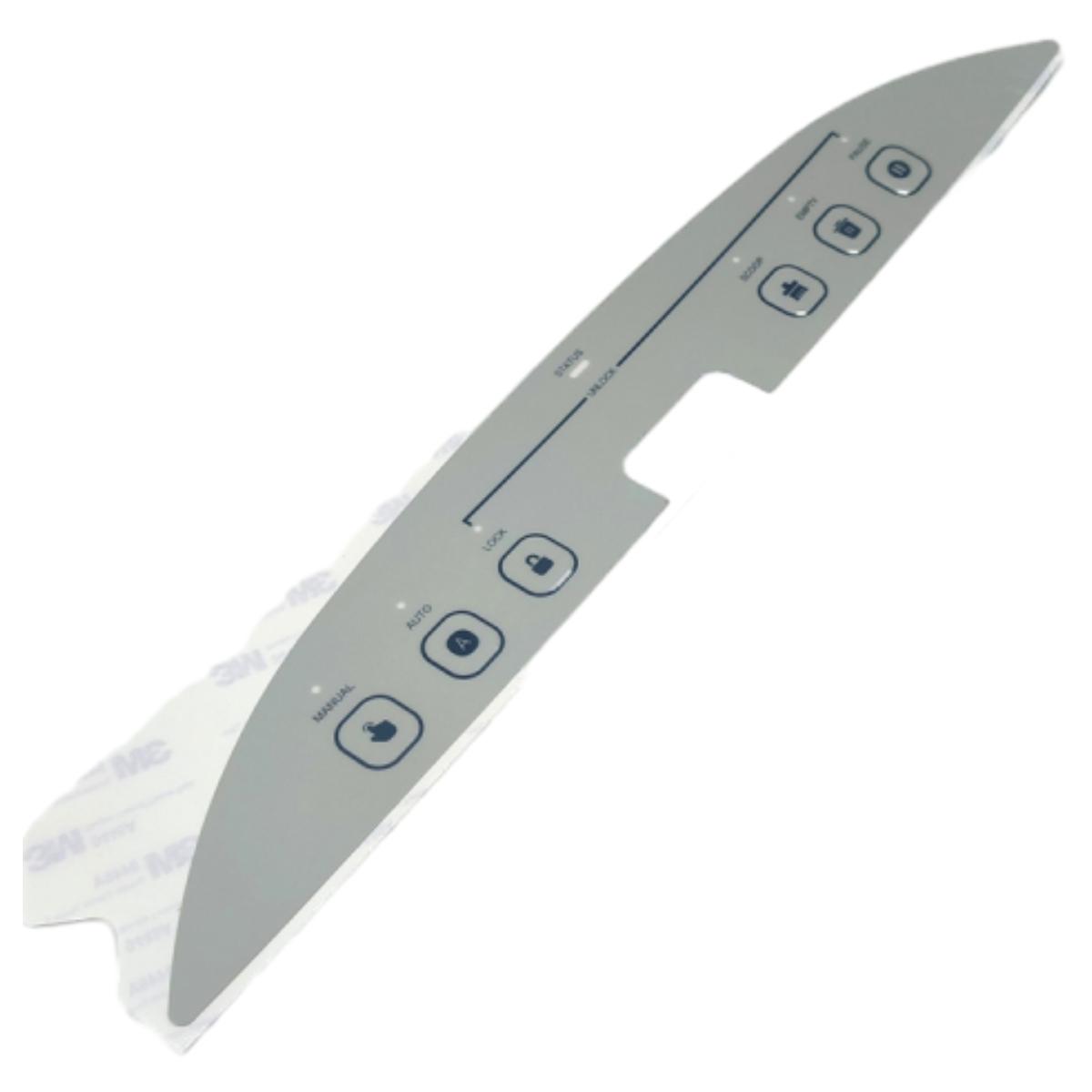
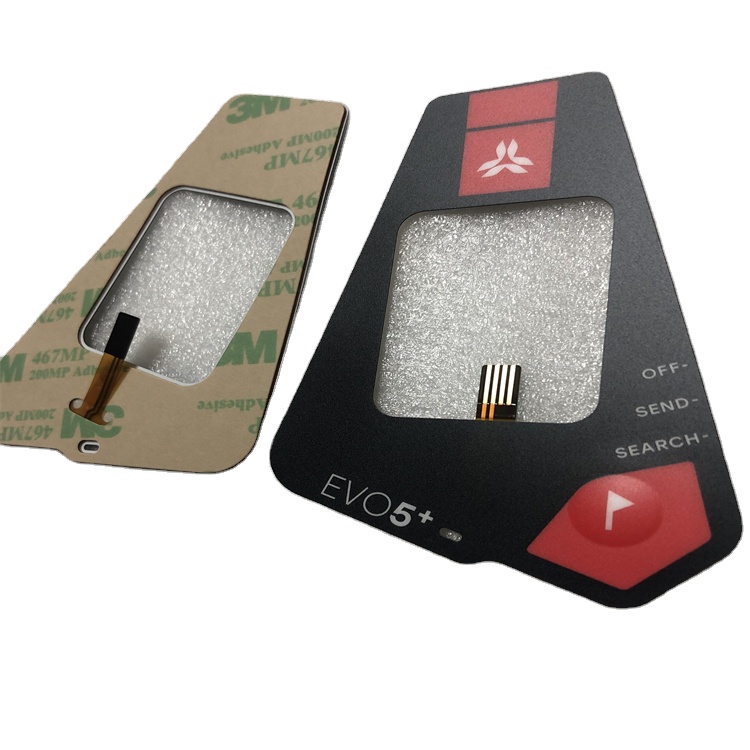
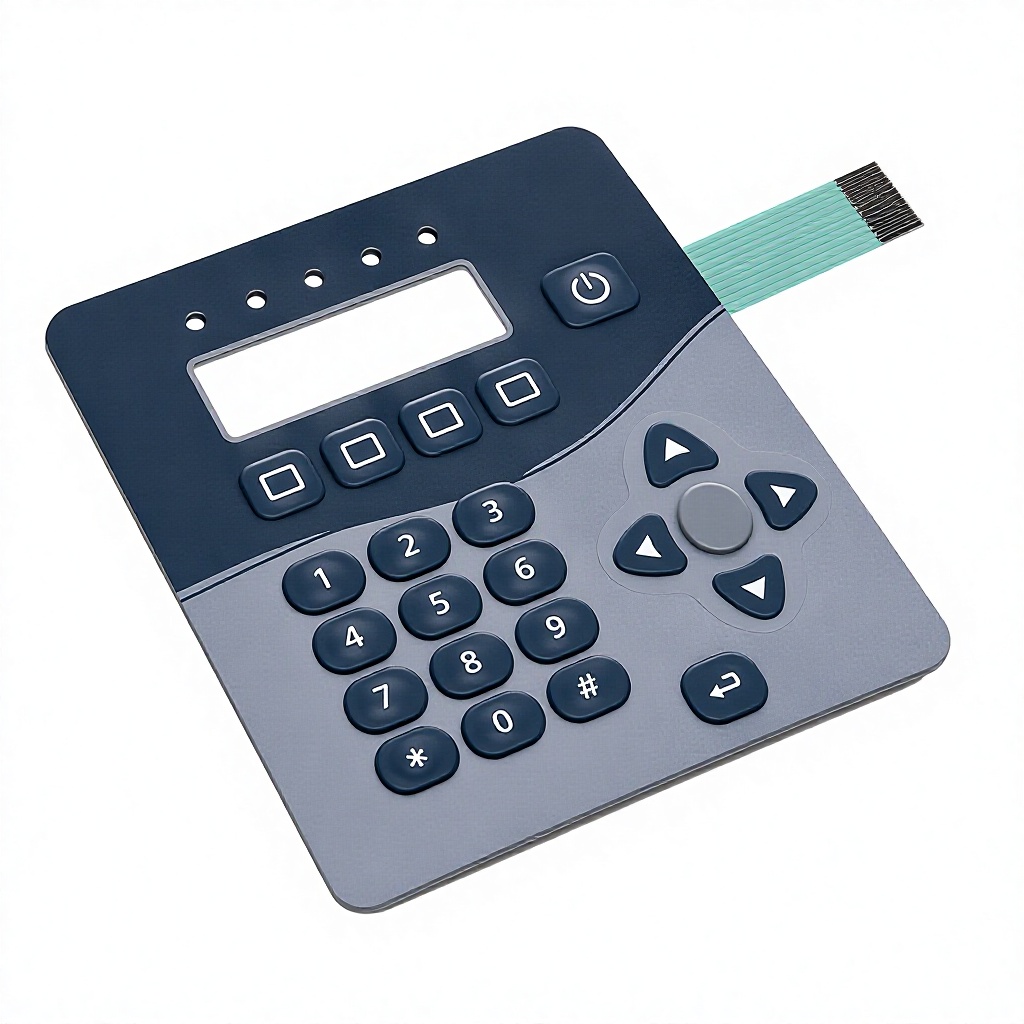
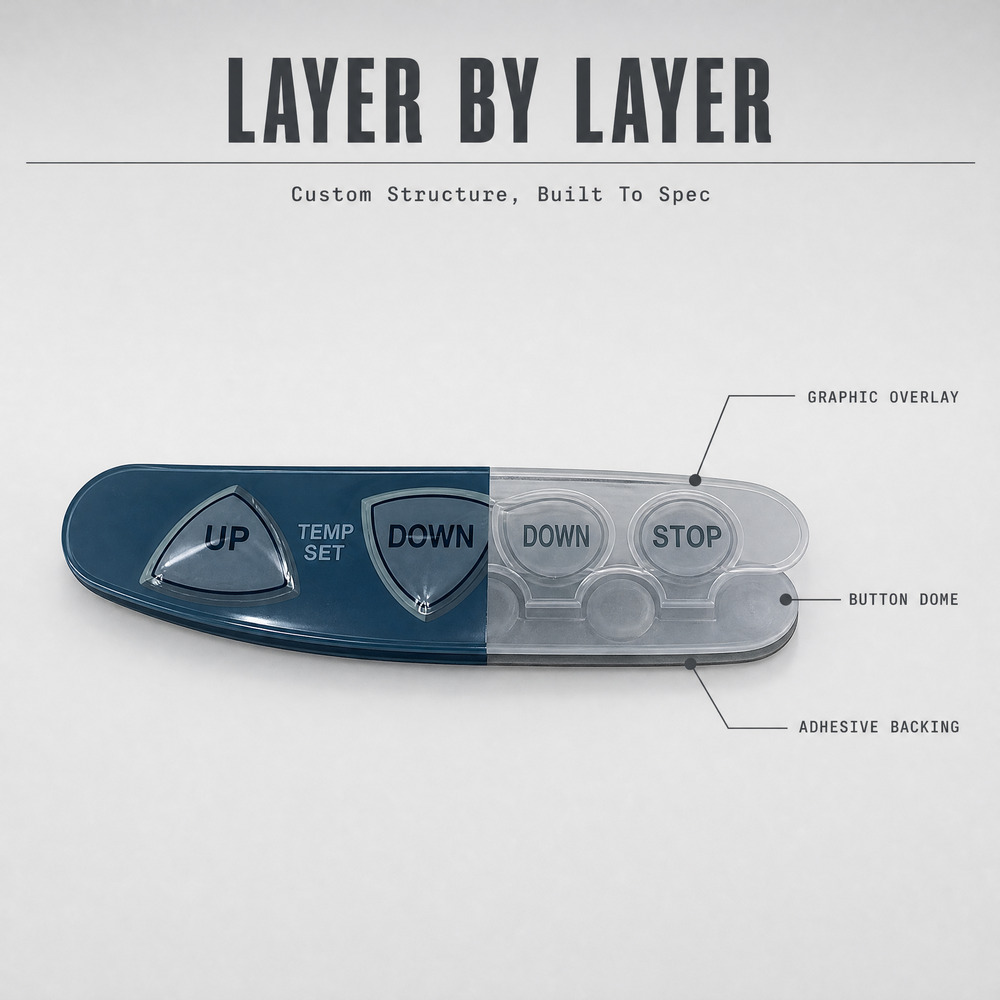
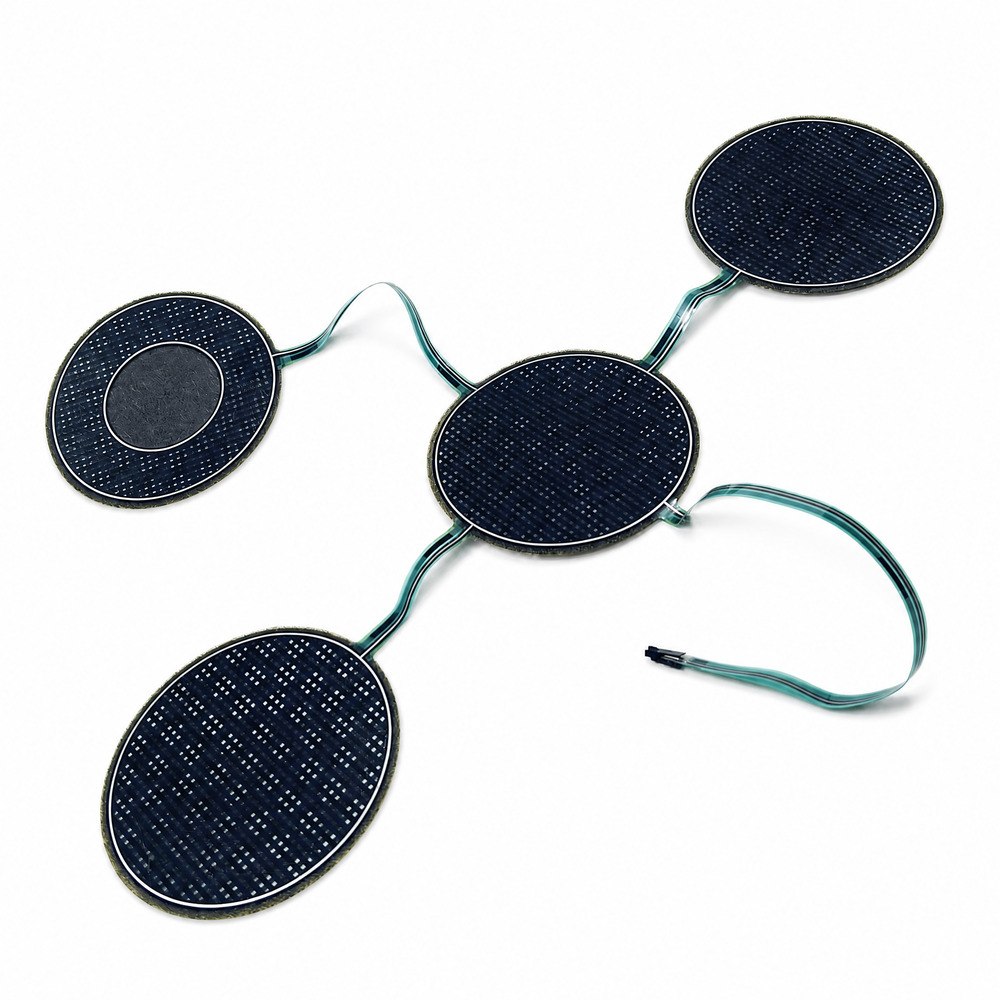
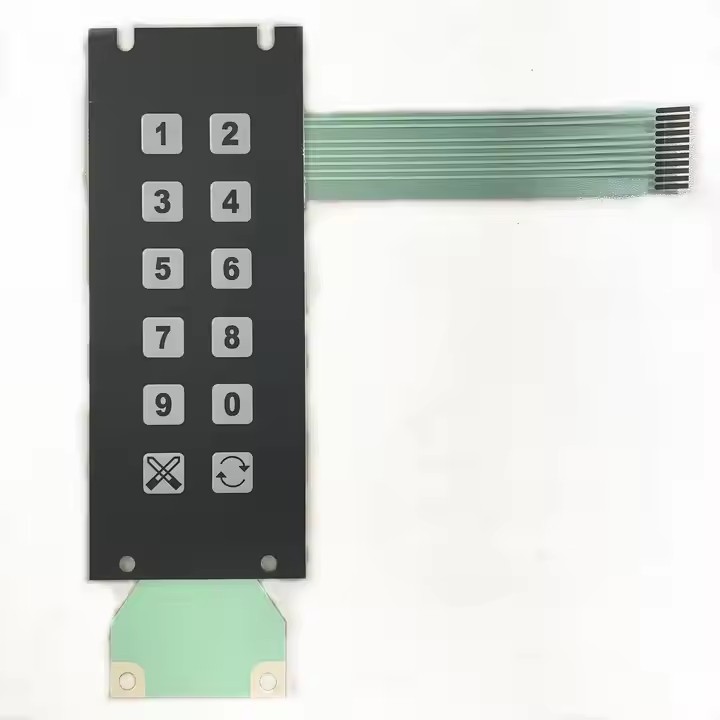
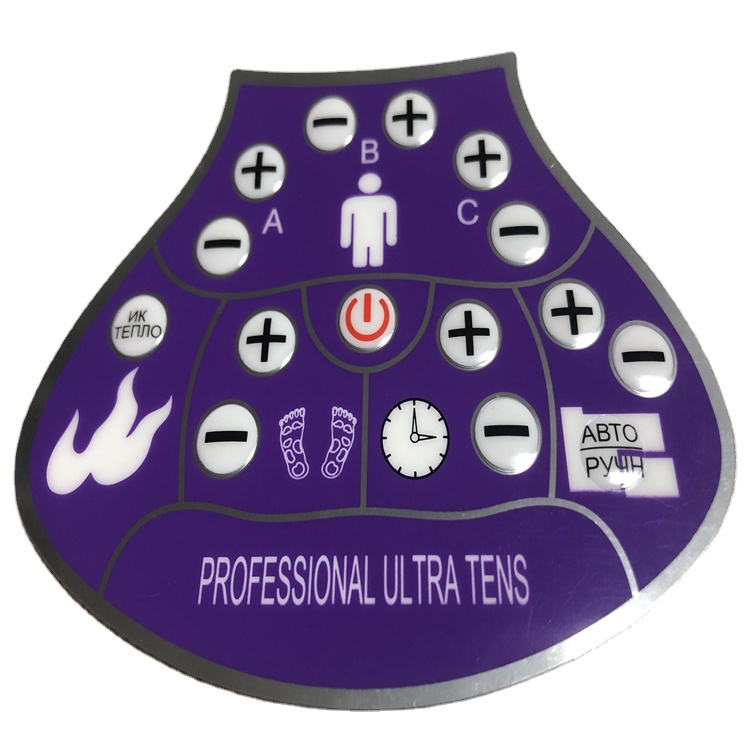
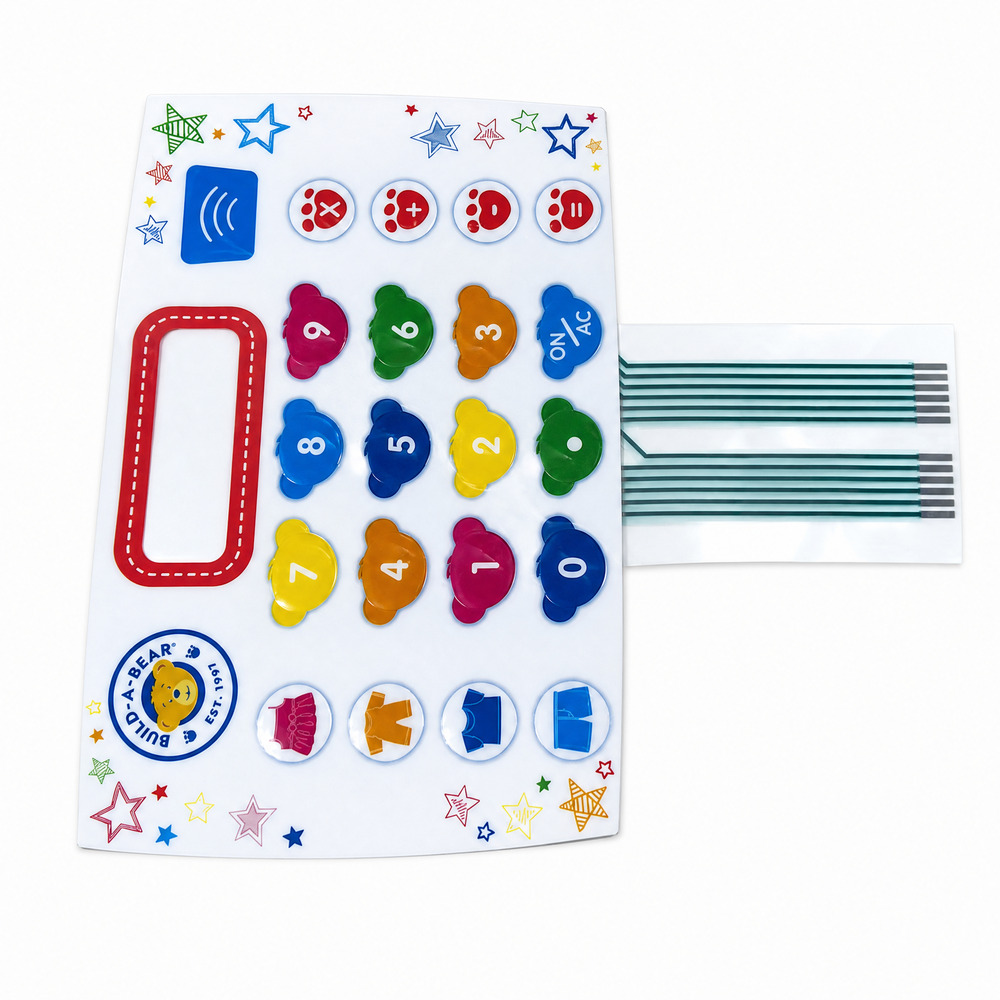
The manufacturing landscape in Mexico has undergone a historic transformation under the United States-Mexico-Canada Agreement (USMCA / T-MEC). As North American Tier-1 OEMs accelerate nearshoring initiatives to establish resilient supply chains, Mexico's advanced industrial corridors—stretching from the northern automotive clusters of Monterrey, Saltillo, and Ciudad Juárez to the medical electronics epicenters in Tijuana and the Bajío region—demand precision components that reconcile strict technical compliance with rapid prototype development. Polycarbonate graphic overlays and membrane switch interfaces serve as the critical human-machine interface (HMI) for these devices, necessitating material integrity that resists rigorous cleaning chemicals, mechanical abrasion, extreme thermal swings, and high UV indices.
Technical Information Gain: For industrial procurement teams operating under IMMEX programs, sourcing polycarbonate overlays directly from Dongguan Ravo Electronics bridges the gap between precision high-mix, low-to-high volume manufacturing in China and final assembly lines in Mexico. With our rapid design-for-manufacturability (DFM) reviews completed within ≤ 2 hours, Mexican engineering units compress their new product introduction (NPI) cycles by weeks while securing certified sub-surface printed panels ready for automated pick-and-place or manual chassis integration.
Polycarbonate (PC) is an amorphous thermoplastic resin known for outstanding dimensional stability, high impact resistance (virtually unbreakable in standard industrial gauges from 0.125 mm to 0.5 mm), and exceptional optical transmission up to 88%–90%. For Mexican manufacturing plants operating in rugged industrial environments—such as Monterrey's steel processing lines, San Luis Potosí's automotive assembly cells, and Sonora's solar inversion sites—polycarbonate overlays offer specific engineering superiorities:
1. Thermal Deflection & Flammability Resistance: Polycarbonate retains structural stability under continuous operating temperatures ranging from -40°C to +125°C. Film grades like Sabic Lexan™ 8010 and flame-retardant Makrofol® FR formulations meet UL 94 V-0 and V-2 standards, making them mandatory for high-voltage industrial inverters, switchgear panels, and commercial cooking consoles produced across Querétaro.
2. Optical Clarity for Digital Readouts: Polycarbonate can be precisely printed with selective textures (velvet, suede, or matte finishes) while leaving display areas optically water-clear for seven-segment LED readouts, TFT-LCD screens, and touch monitors. Transparent color tinting (smoke grey, ruby red, green) prevents glare and improves the contrast ratio of embedded indicators.
3. Deep Embossing and Tactile Formability: Unlike crystalline polyester which has a higher elastic modulus, polycarbonate allows for crisp cold and hydro-forming embossing techniques. Whether configuring rim embossing for tactile blind-key location or creating pillow-domed button geometries over metal snap domes, PC materials maintain defined tactile borders without film micro-fracturing.
Selecting the optimal front-panel substrate requires balancing environmental exposure against mechanical flex requirements. The following matrix illustrates the performance trade-offs evaluated by our engineering teams during DFM analysis:
| Performance Metric | Polycarbonate (PC - Lexan™) | Autotype Polyester (PET) | Polymethyl Methacrylate (PMMA) | Molded Silicone Rubber |
|---|---|---|---|---|
| Mechanical Actuation Life | 100,000 to 500,000 cycles | > 5,000,000 flex cycles | Rigid (Not suitable for tactile flex) | > 1,000,000 cycles |
| Chemical / Solvent Resistance | Moderate (Attacked by aromatic hydrocarbons) | Exceptional (Resists fuels, IPA, bleach) | Moderate to High (Rigid panel shield) | High (Inert to most common fluids) |
| Impact & Shatter Resistance | Highest (Virtually unbreakable) | High (Tear resistant) | Moderate (Can chip under heavy strike) | Exceptional (Elastomeric absorption) |
| Max Continuous Temperature | -40°C to +125°C | -40°C to +85°C (Special grades to 105°C) | -20°C to +80°C | -50°C to +180°C |
| Die-Cutting & Embossing | Superior deep-draw embossing definition | Requires precise thermal embossing dies | CNC routing or laser cutting required | Compression tooling required |
| Primary Mexico Applications | Industrial HMIs, EV chargers, Inverters | Membrane switches, fuel pumps, medical panels | Protective display lenses, heavy kiosks | Outdoor remotes, military rugged devices |
A frequent root cause of front panel failure in Mexican maquiladoras is adhesive delamination triggered by thermal cycling and plasticizer migration. Mexico experiences severe climate variations—from the dry, scorching summer heat of Mexicali and Ciudad Juárez (>45°C) to the high-humidity maritime atmospheres along the Gulf of Mexico (Veracruz, Tampico). Dongguan Ravo Electronics integrates genuine 3M™ pressure-sensitive adhesives (PSA) specifically selected for the target substrate:
• 3M 467MP (2.3 mil): The industry standard for smooth bare metal surfaces, brushed stainless steel, and high surface energy (HSE) plastics like polycarbonate and ABS chassis. Exceptional shear strength and solvent resistance.
• 3M 468MP (5.2 mil): Features a thicker adhesive layer designed to absorb surface irregularities on lightly textured powder coatings, painted cast aluminum enclosures, and structural foam components.
• 3M 300LSE / 9471LE: Mandatory when mounting overlays onto low surface energy (LSE) materials, such as polypropylene (PP), polyethylene (PE), or heavily textured ABS moldings common in consumer electronics and outdoor power tool enclosures.
How our custom polycarbonate overlays and membrane switches integrate into Mexico's regional Tier-1 and Tier-2 specialized production ecosystems.
Dashboards, HVAC control clusters, electronic gear selectors, and telematics panels. Overlays are sub-surface printed to resist cabin plasticizer off-gassing and intense solar UV radiation across northern Mexico.
The Bajío & Saltillo Auto CorridorsPatient vital signs monitors, infusion pump keypads, and surgical laser controls. Engineered with sealed IP67 perimeter borders, micro-textured non-glare windows, and antibacterial surface chemistry resistant to harsh hospital germicides.
Tijuana & Ciudad Juárez MedTechVariable frequency drive (VFD) covers, CNC consoles, robotic teach pendants, and heavy machinery interfaces. Features embossed tactile metal dome keys with crisp snapping feedback operable with thick leather work gloves.
Monterrey & Querétaro IndustrialPetrol fuel dispensers, ATM cash machines, EV charging stations, and public access transit ticketing. Flat non-tactile surfaces eliminate crevices, providing anti-vandal shatter resistance and continuous hydrocarbon splash tolerance.
Nationwide Mexican Smart InfrastructureProcurement directors and design engineers in Mexican maquiladoras are navigating a rapidly shifting technological and trade environment. Three prominent macro trends govern purchasing strategies:
While the final assembly of electronic products takes place in Mexico to capture preferential USMCA duty exemptions into the United States and Canada, the localized ecosystem for specialized printed electronics, high-tolerance silk-screening, and precision die-cutting tooling remains heavily reliant on established supply chain clusters like Dongguan, China. Progressive Mexican manufacturers utilize dual-pipeline sourcing: procuring specialized custom components—such as screen-printed polycarbonate graphic overlays and FPC membrane circuits—from Dongguan Ravo Electronics, which maintains sub-tier raw material relationships with global resin leaders (Sabic, Covestro, Teijin). This enables Tier-1 maquiladoras in Nuevo León and Tamaulipas to avoid high domestic capital tooling expenditures while preserving unmatched unit-cost economics.
Consumer expectations driven by smartphone interfaces have accelerated demand for flat, modern, wipe-clean surfaces on commercial appliances and industrial machinery. "Dead-front" illumination—where icons, cautionary warnings, and numerical legends remain invisible until backlit by discrete surface-mounted LEDs—is now a standard specification for premium appliances built in Querétaro and San Luis Potosí. Dongguan Ravo Electronics utilizes high-opacity semi-translucent inks layered behind polycarbonate films to achieve pitch-black or brushed-metallic unlit appearances, ensuring pinpoint light transmission and zero bleed-through when illuminated.
Mexican assembly facilities frequently design equipment for harsh outdoor deployments, including mining telematics in Sonora, oil and gas monitoring across the Gulf of Campeche, and agricultural processing controls in Sinaloa. Traditional mechanical push-buttons present continuous maintenance headaches due to particulate ingress, salt spray, and moisture corrosion. Fully laminated polycarbonate and polyester membrane overlays eliminate mechanical gaps. By implementing continuous perimeter acrylic gasket channels and sealed flexible circuit tails, Ravo achieves verified IP65 through IP67 ingress protection ratings, protecting sensitive internal PCBA electronics from external atmospheric hazards.
Operating since 2003 in Fenggang Town, Dongguan, Ravo combines vertical production integration, rigorous laboratory testing, and bilingual engineering agility to support North American contract manufacturers.
Our dedicated bilingual overseas engineering team responds to drawings (DXF, DWG, AI, Gerber) within 2 hours. We align with Mexico Central Standard Time (CST), eliminating communication lag and providing instant stack-up and tooling guidance.
From in-house stencil fabrication, automated roll-to-roll screen printing, and hydraulic tactile embossing to Class 1,000 dust-free cleanroom laminating and precision laser cutting—all manufacturing stages take place under one roof in Dongguan.
Every production batch undergoes 100% automated electrical continuity testing, contact resistance verification, actuation force profiling, and spectrophotometer color matching (Delta E < 1.0) against physical Pantone/RAL standards.
Support your NPI phase without high risk. We provide low-cost, quick-turn physical prototypes starting from 1 to 10 pieces via digital flatbed cutting before committing capital to hardened high-speed stamping dies.
We source authentic films and adhesives from industry leaders: Sabic Lexan™, Covestro Makrofol®, MacDermid Autotype, and genuine 3M™ transfer tapes. Full RoHS, REACH, and flammability compliance certificates are included with shipments.
14 years of direct export experience. We handle DDP air freight directly to Mexico City (MEX), Guadalajara (GDL), and Monterrey (MTY) airports, as well as consolidated maritime cargo to Manzanillo and Lázaro Cárdenas, backed by complete pedimento documents.
Clear, direct technical and commercial answers tailored for purchasing managers, quality assurance engineers, and plant directors in Mexico.
Send your 2D CAD files, graphic vector artwork, or BOM requirements to our senior engineering team today. We provide comprehensive DFM analysis, material stack-up proposals, and competitive factory-direct manufacturing quotes within 2 hours.
