EN
 DE
 FR
 ES
 RU
 JA EN DE FR ES RU JA
Custom-engineered screen-printed conductive paths on premium polyester (PET) and polycarbonate substrates, featuring verified electrical resistance tolerances and robust environmental barriers.
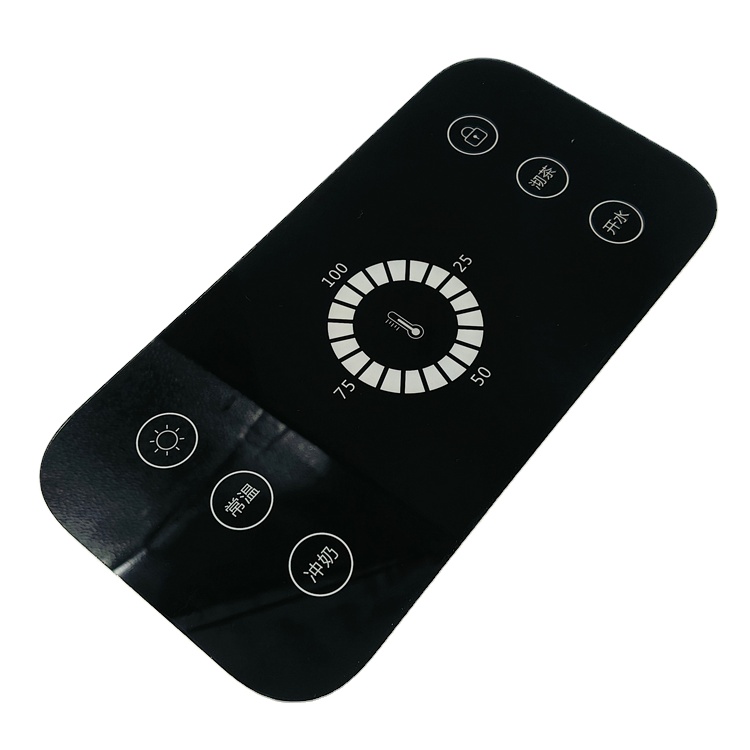
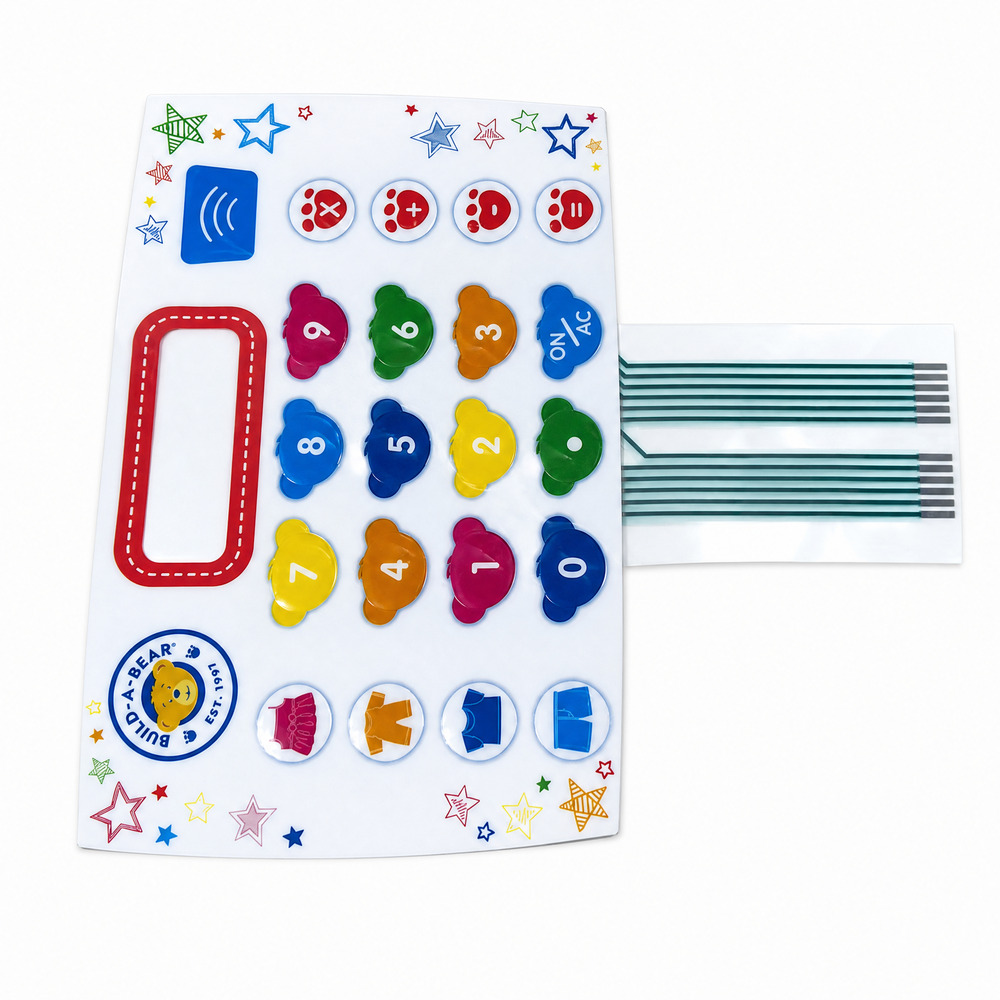
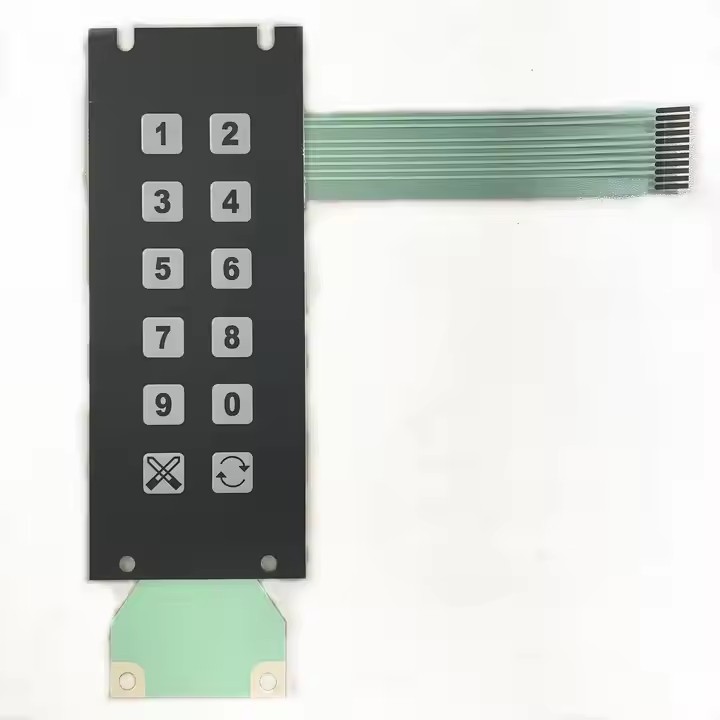
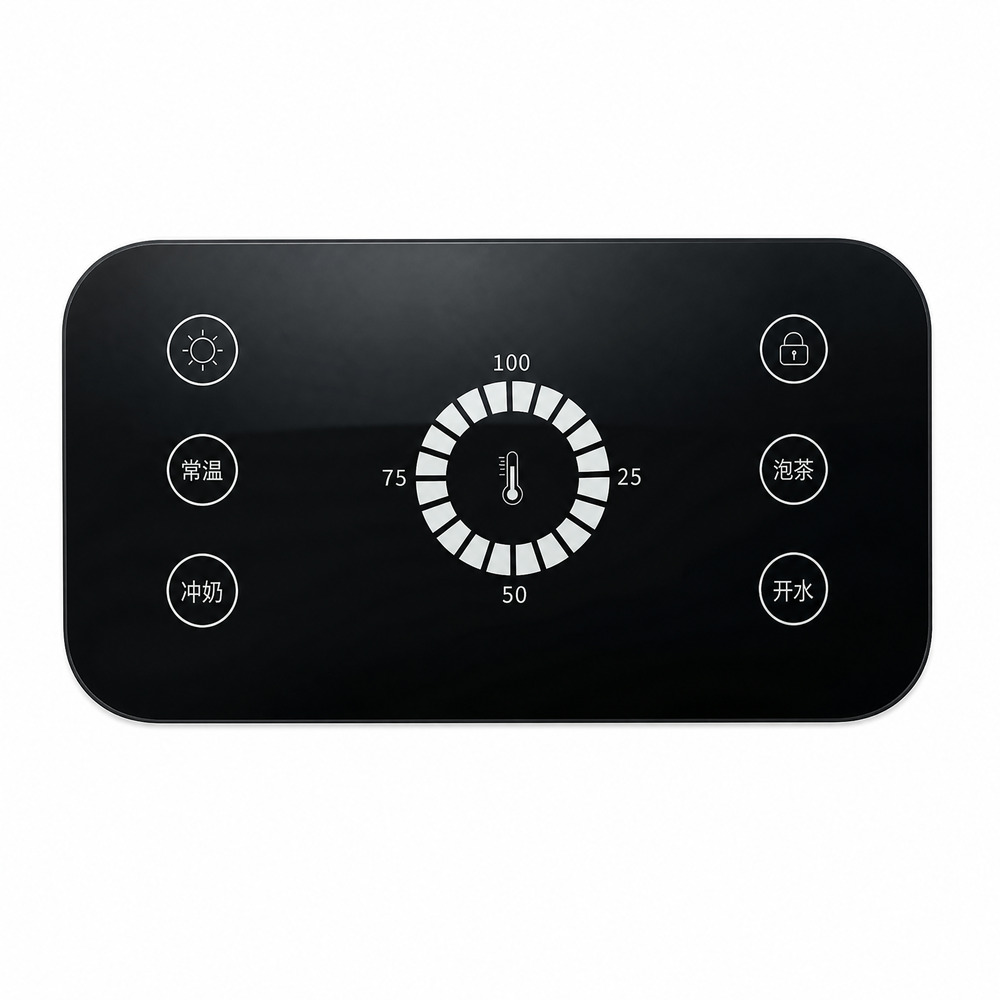
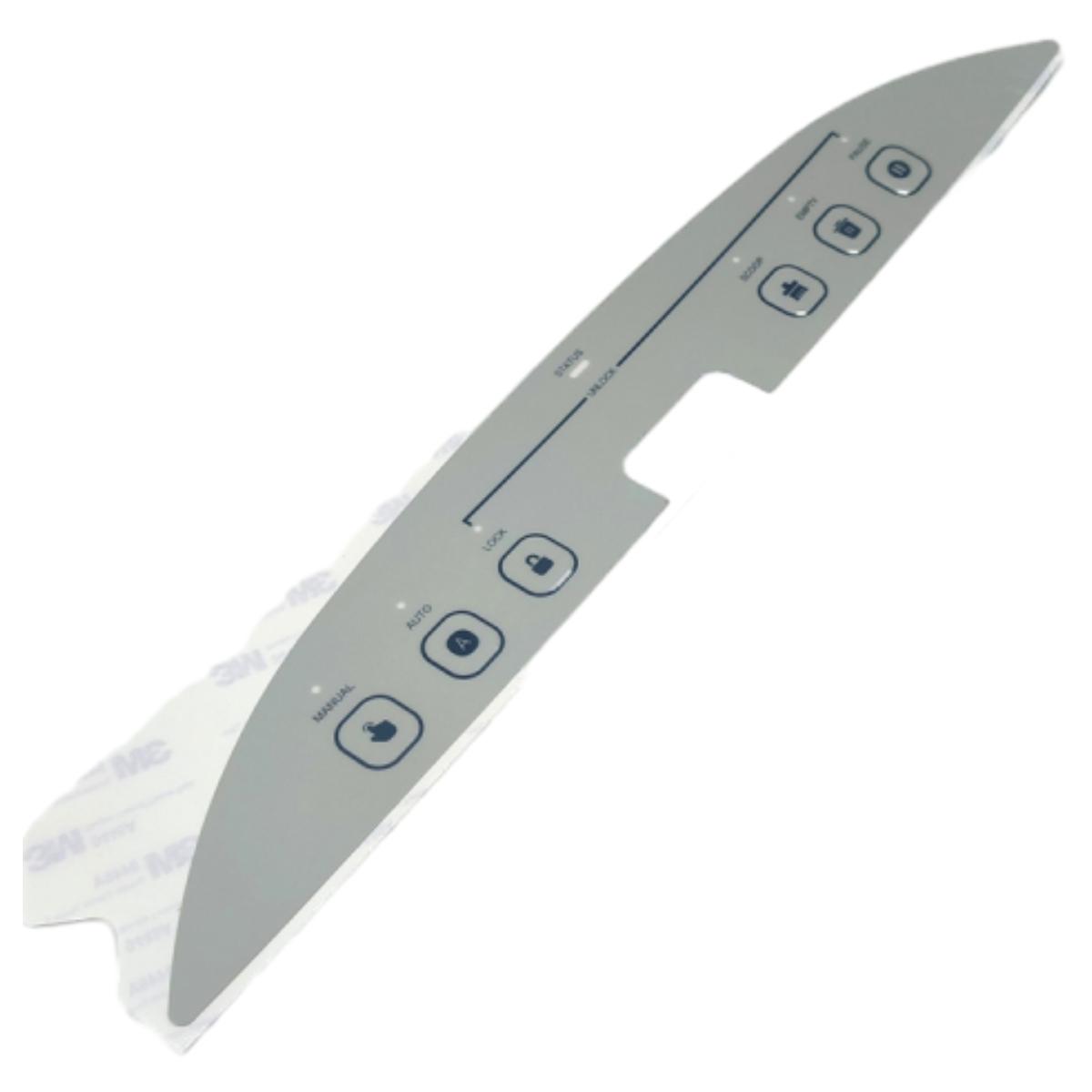
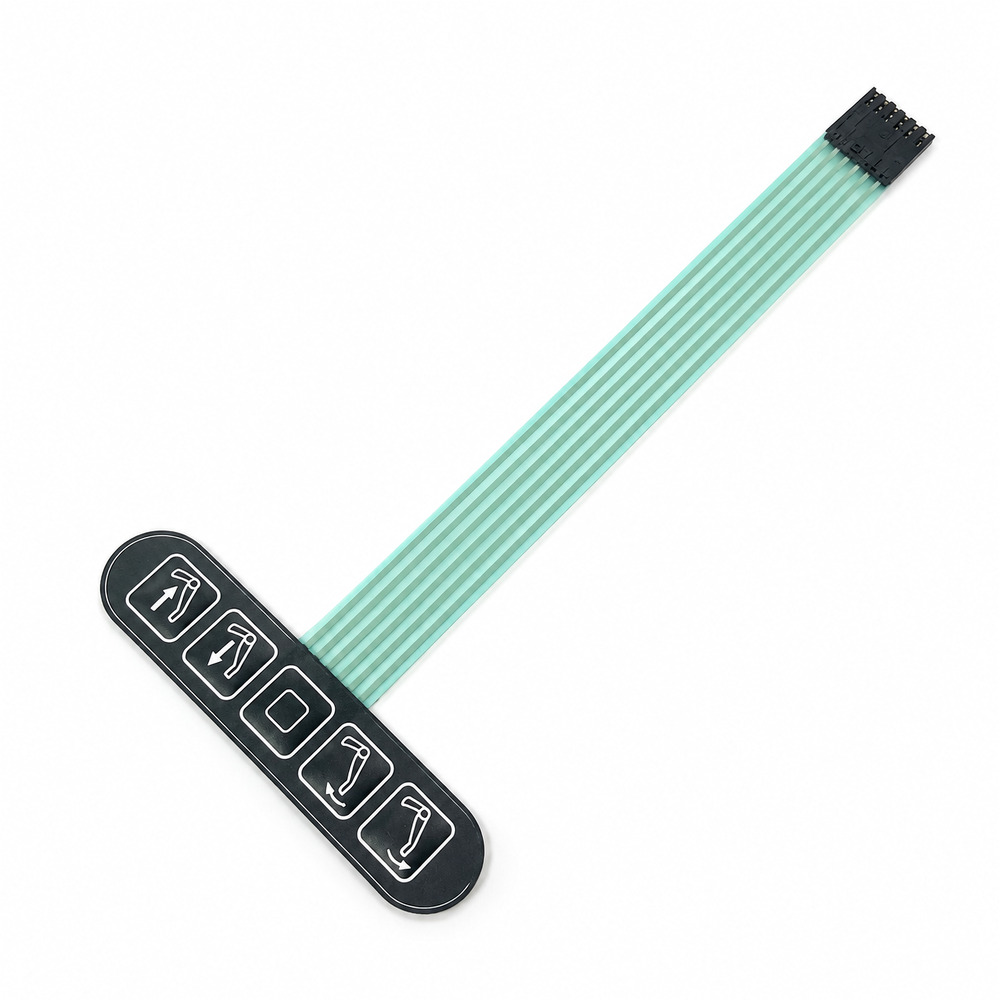
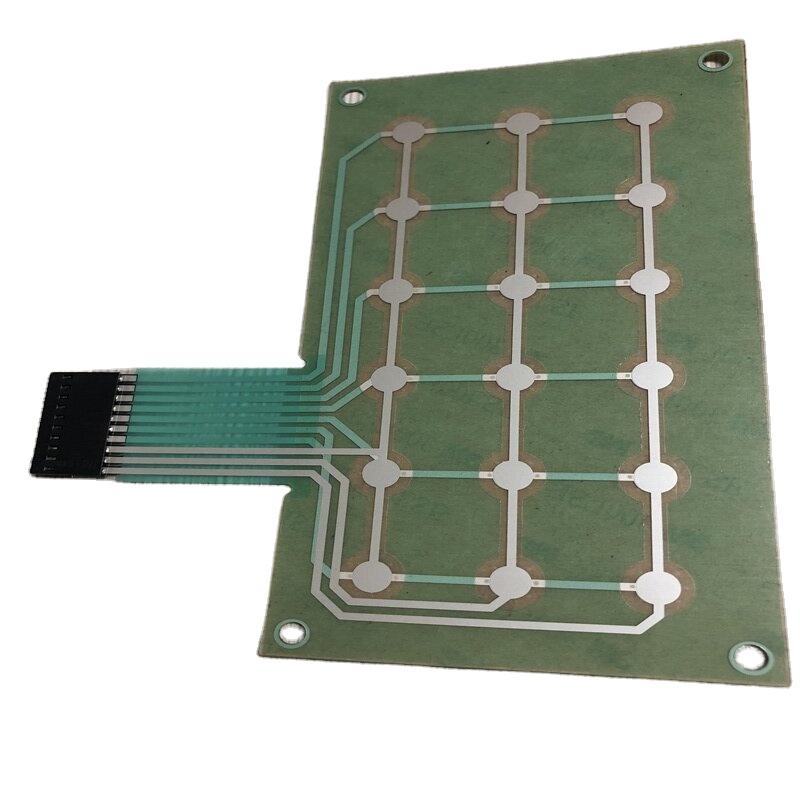
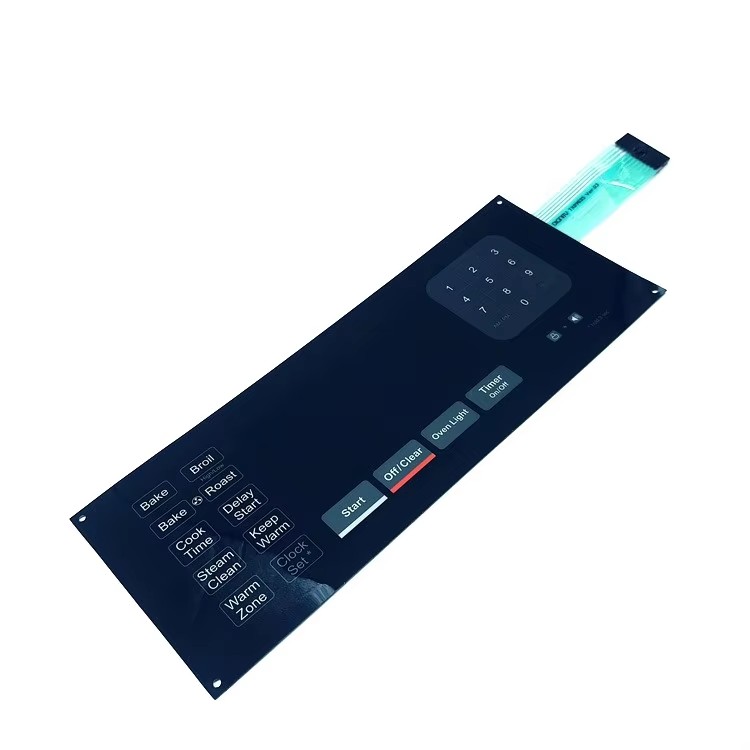
In electronic packaging and electromechanical systems, conductive silver traces act as the critical nervous system of modern flexible human-machine interfaces (HMIs). Precision screen-printed utilizing thermoplastic polymer thick film (PTF) inks loaded with micro-engineered metallic silver flakes, these conductive circuits provide exceptionally low electrical resistance (≤ 0.05 Ω/sq/mil) combined with the mechanical elasticity required for cyclic flexural operation. For hardware designers, biomedical developers, and OEM system integrators across New South Wales and the greater Sydney metropolitan industrial corridor, sourcing CE Certified conductive silver traces from an ISO 9001-certified manufacturer guarantees unyielding compliance with European electromagnetic compatibility (EMC) regulations, low-voltage directives (LVD), and RoHS/REACH environmental substance directives.
Unlike rigid FR-4 copper etched boards, silver ink traces printed onto heat-stabilized, biaxially-oriented Polyethylene Terephthalate (PET) film deliver an ultra-slender profile (often sub-0.125mm thickness), unmatched weight optimization, and versatile form factors that conform effortlessly within curved plastic housings and hermetically enclosed front panels. However, achieving industrial-grade reliability demands rigorous physical-chemical precision during processing: maintaining fine line-space geometries (down to 0.25mm / 0.25mm), ensuring trace thickness uniformity across large-format automated printing beds, and applying formulated carbon-paste overcoats to thoroughly mitigate electrochemical silver migration under prolonged electric field exposure in humid oceanic operational atmospheres.
| Technical Characteristic | Conductive Silver PET Circuitry | Flexible Copper Circuits (FPC) | Rigid Backer FR-4 Printed Boards |
|---|---|---|---|
| Substrate Base Film | High-grade, pre-shrunk optical/matte PET (0.075 - 0.188 mm) | Polyimide (Kapton) Base (0.025 - 0.050 mm) | Woven Glass Reinforced Epoxy Resin (FR-4) |
| Sheet Resistivity Range | < 0.05 Ω / sq / 25μm thickness | < 0.0005 Ω / sq (bulk copper) | Extremely low (< 0.0003 Ω / sq) |
| Switch Actuation Life | > 1,000,000 continuous contact cycles | > 3,000,000 actuation cycles | > 5,000,000 cycles (dome on contact pads) |
| Bending Resilience | High flexibility; tight bending radii with silver encapsulation | Exceptional multi-layer dynamic flexing | Rigid; stationary mounting only |
| Tooling & Prototyping Lead | Rapid screen manufacture (Prototypes from 1 piece; 3–5 days) | Chemical etching tooling (7–12 days) | Photolithography & drill routing (7–14 days) |
| Moisture / Anti-Migration Barriers | Double dielectric insulation & conductive carbon overcoat | Polyimide coverlay with acrylic/epoxy adhesive | Soldermask, conformal dip or potting enclosure |
Sydney's progressive tech clusters—ranging from high-end medical manufacturing in Macquarie Park to industrial automation centers in Western Sydney—demand ruggedized, localized performance.
Industrial telemetry, rail signaling interfaces, and heavy industrial instrumentation located in the Western Sydney industrial basin require sealed membrane matrices. Utilizing 3M 467MP/468MP high-performance transfer adhesives alongside IP67-rated perimeter border sealing, our conductive silver arrays remain impervious to airborne dust, engine particulate, hydraulic grease, and broad ambient thermal swings.
In biomedical corridors such as Macquarie Park and Camperdown, clinical monitors and sterilization diagnostic setups necessitate completely flat, chemical-resistant interfaces. Non-tactile silver circuits laminated under antimicrobial textured polycarbonate overlays permit aggressive washdowns with hospital-grade solvents without liquid ingress or circuit degradation.
Sydney Harbour and Port Botany operations present extreme challenges due to heavy salt spray and sustained relative humidity. We implement secondary conductive carbon printing over exposed silver junctions, shielding the traces against electrochemical dendrite formation, galvanic corrosion, and circuit bridging caused by coastal saline air.
As Australia aggressively deploys decentralized renewable energy infrastructure, localized charging kiosks and off-grid power inverters demand UV-stabilized front panels with embedded LED status illumination. Integrated conductive silver arrays supply power directly to SMD LEDs soldered via conductive anisotropic epoxy, eliminating thick internal wiring bundles within sleek charging totems.
Anticipating structural market evolutions enables engineering departments to build future-proof hardware solutions.
Modern Australian commercial appliances and intelligent smart-building controllers are shifting away from mechanical button depressions toward unbroken glass or acrylic capacitive surfaces. Screen-printed silver electrode geometries serve as high-sensitivity capacitive charge sensors, functioning smoothly through front lenses up to 5mm thick without mechanical wear.
The integration of variable pressure-sensing layers—combining conductive silver trace runners with piezoresistive carbon formulations—is expanding into smart logistics, seat occupancy detection in transport systems, and athletic gait diagnostic systems manufactured by emerging Australian health-tech innovators.
Stricter domestic and export sustainability targets encourage OEM brands in Australia to specify halogen-free, RoHS-certified, and REACH-compliant materials. Utilizing bio-stable polyester carrier films and energy-efficient roll-to-roll curing reduces systemic embodied emissions over traditional subtractive chemical-etch manufacturing cycles.
Founded in 2003, Ravo has scaled from a dedicated 8-person technical workshop to a vertically integrated 12,000 m² advanced manufacturing facility in Fenggang Town, Dongguan, South China.
We craft our own printing screens, steel embossing dies, and high-precision CNC steel cutting dies in-house. This internal workflow enables us to complete DFM feedback within ≤ 2 hours and ship rapid functional prototypes within 3 to 5 business days.
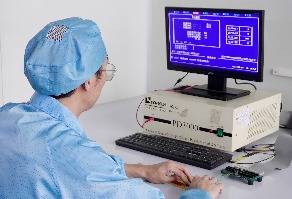
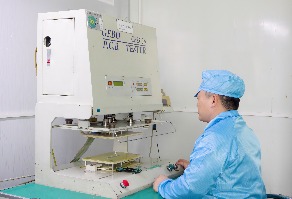
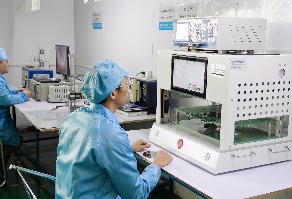
Every single circuit batch undergoes automated multi-point resistance testing, open/short detection, contact chatter analysis, and insulation resistance measurement up to 100MΩ at 100V DC prior to final lamination and packaging.
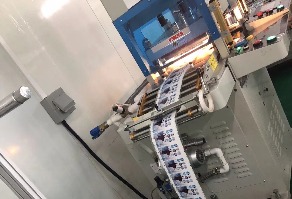
Operated in continuous dust-free cleanrooms, our high-precision visual alignment screen printing machines maintain layer-to-layer registration accuracy within ±0.05 mm, completely eliminating pitch misalignment along high-density connector tails.
We source structural and adhesive supplies exclusively from internationally proven suppliers: Autotype MacDermid PET, SABIC Lexan PC films, and genuine 3M 467MP, 468MP, and 300LSE adhesive transfer tapes for extreme mechanical adhesion.
We mount sub-miniature SMD LEDs, phototransistors, and passive filtering components directly onto flexible silver-ink PET film using low-temperature conductive anisotropic pastes, delivering fully integrated illuminated panels.
We offer seamless customs documentation, export-grade vacuum anti-static packaging, and express direct freight transit into Sydney Kingsford Smith Airport and Port Botany, ensuring uninterrupted supply chain continuity for Australian assembly lines.
Clear, direct answers regarding specifications, MOQ limits, oceanic shipping, and CE compliance verification.
We actively support Australian engineering startups and custom equipment builds with prototype batches starting from 1 to 5 pieces. For ongoing commercial production, flexible MOQ tiers start at 100 to 500 pieces depending on tooling geometry and component complexity.
Our raw polyester substrates, high-purity silver inks, and conductive adhesives comply with EU Directive 2011/65/EU (RoHS) and REACH chemical limits. Circuit layer stack-ups conform to low-voltage insulation standards and exhibit exceptional EMC shielding performance when paired with our printed conductive silver/carbon grid grounding planes.
Silver migration happens when electrical bias and moisture induce dendrite growth across adjacent tracks. We counter this by maintaining optimal conductor spacing (≥ 0.5mm where space allows), capping exposed conductive silver paths with an impenetrable conductive carbon overcoat, and applying high-solid dielectric barrier masks.
Please share vector 2D mechanical outlines (CAD files in .DXF or .DWG) alongside graphic artwork (.AI, .EPS, or vectorized .PDF) indicating key dimensions, Pantone color codes, circuit schematic nets, contact travel requirements, and selected tail pitch (such as standard 2.54mm or 1.0mm ZIF).
Yes. Utilizing state-of-the-art pick-and-place automated dispensing, we bond low-profile surface-mount components (SMD LEDs, current-limiting resistors, diodes) directly onto flexible silver-ink PET pads using isotropically conductive adhesives cured under rigorous thermal profiles.
Upon digital CAD proof approval, functional prototype assemblies are produced in 5 to 7 business days. Bulk orders are completed within 12 to 18 business days. Air express shipments (via DHL, FedEx, or air cargo) land directly in Sydney within 3 to 5 business days.
Connect directly with our engineering team for a professional DFM manufacturability review, material recommendations, and competitive direct-factory pricing within 2 hours.