 EN
 DE
 FR
 ES
 RU
 JA EN DE FR ES RU JA
Explore our precision-engineered tactile and solid-state touch interface solutions. Manufactured under strict ISO 9001 standards, every assembly is customizable for layer stackup, actuation force, backlighting, and environmental sealing to support Melbourne’s diverse manufacturing sector.
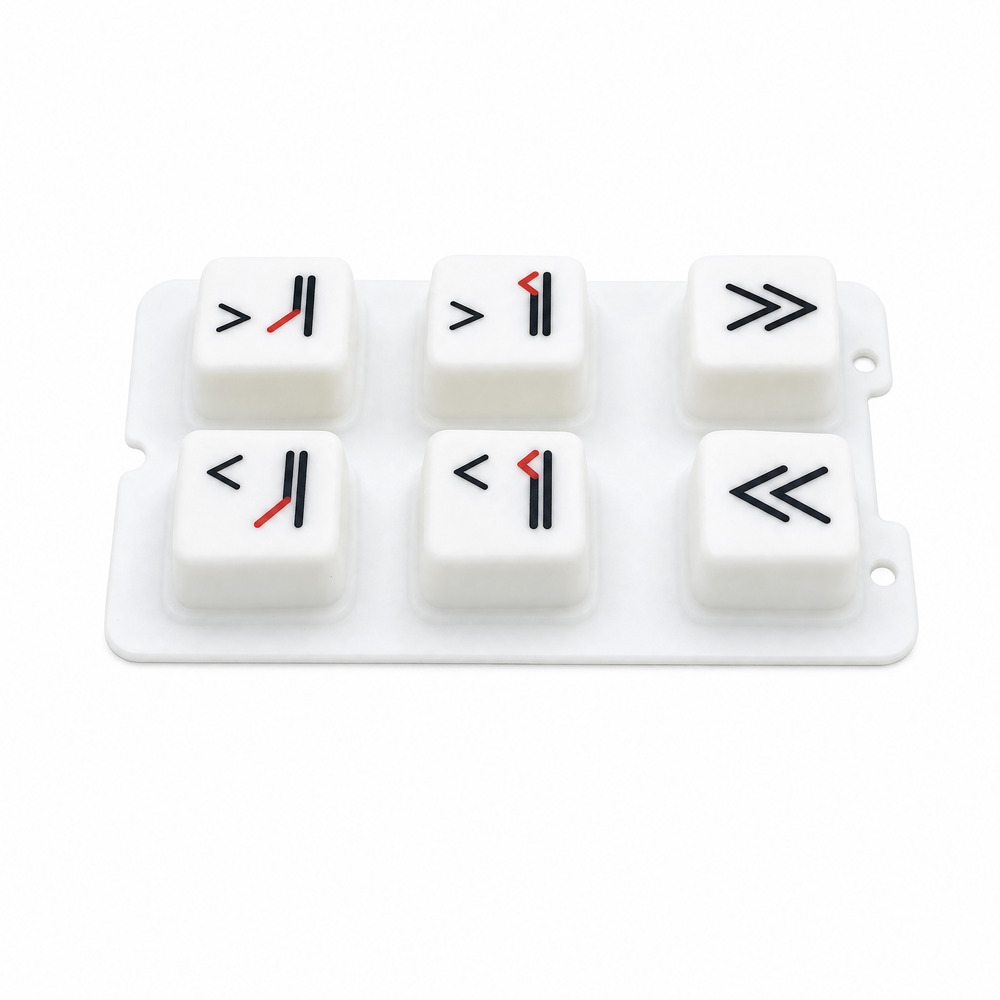
Tactile silicone keypad covers integrated with graphic panels. Engineered with laser etching, PU coating, and carbon pills for high-cycle industrial control interfaces.
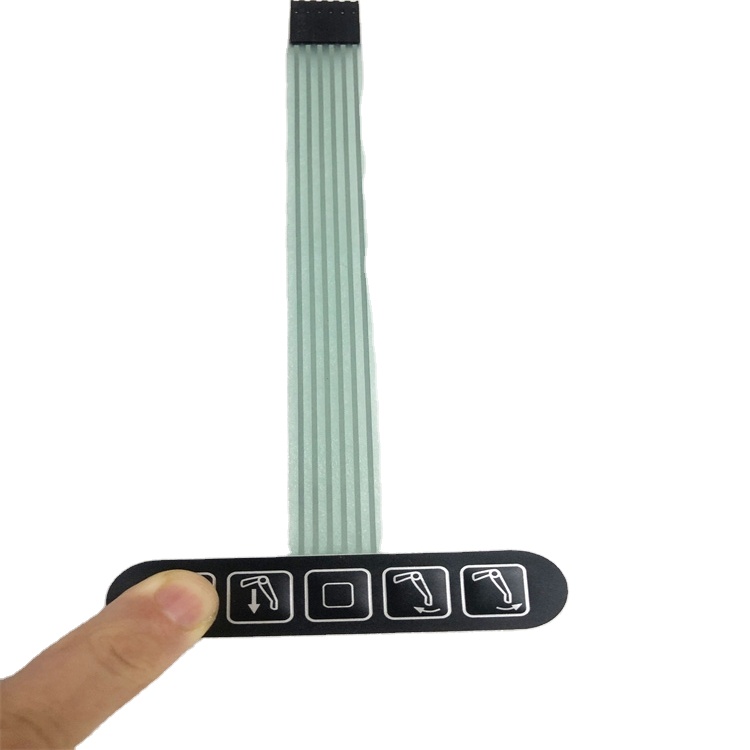
IP67 sealed industrial membrane keyboard with stainless steel metal domes. Provides crisp tactile snap feedback and superior resistance to chemical ingress.
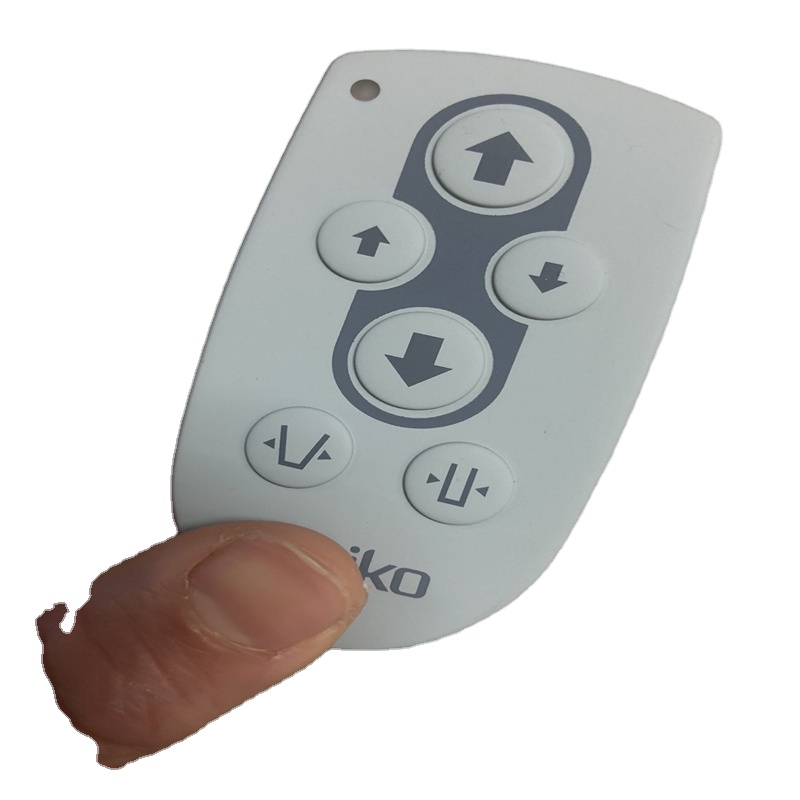
Integrated SMD LED backlight keypad paired with silicone rubber overlay. Designed for bio-medical diagnostic equipment requiring wipe-clean anti-microbial surfaces.
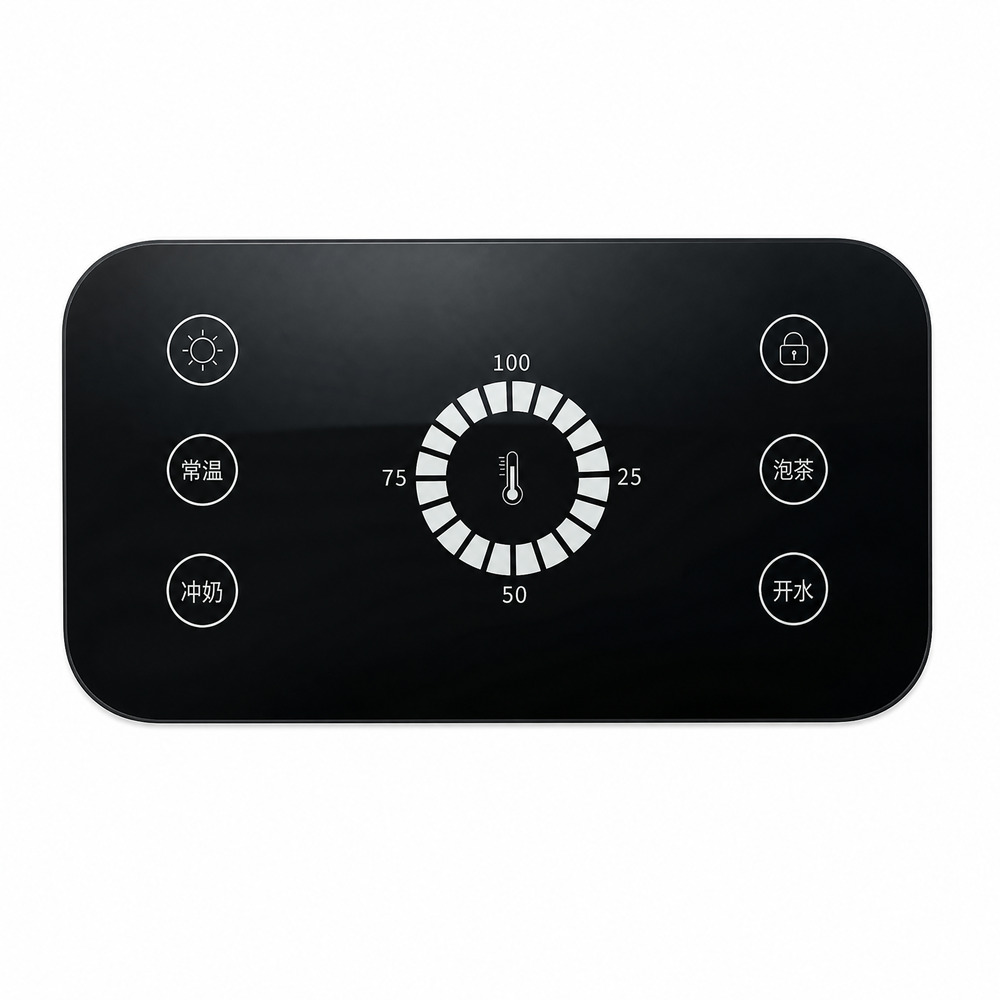
Transparent display windows with selectively textured Autotex PET overlay. Ideal for commercial beverage dispensers and hygienic kitchen automation units.
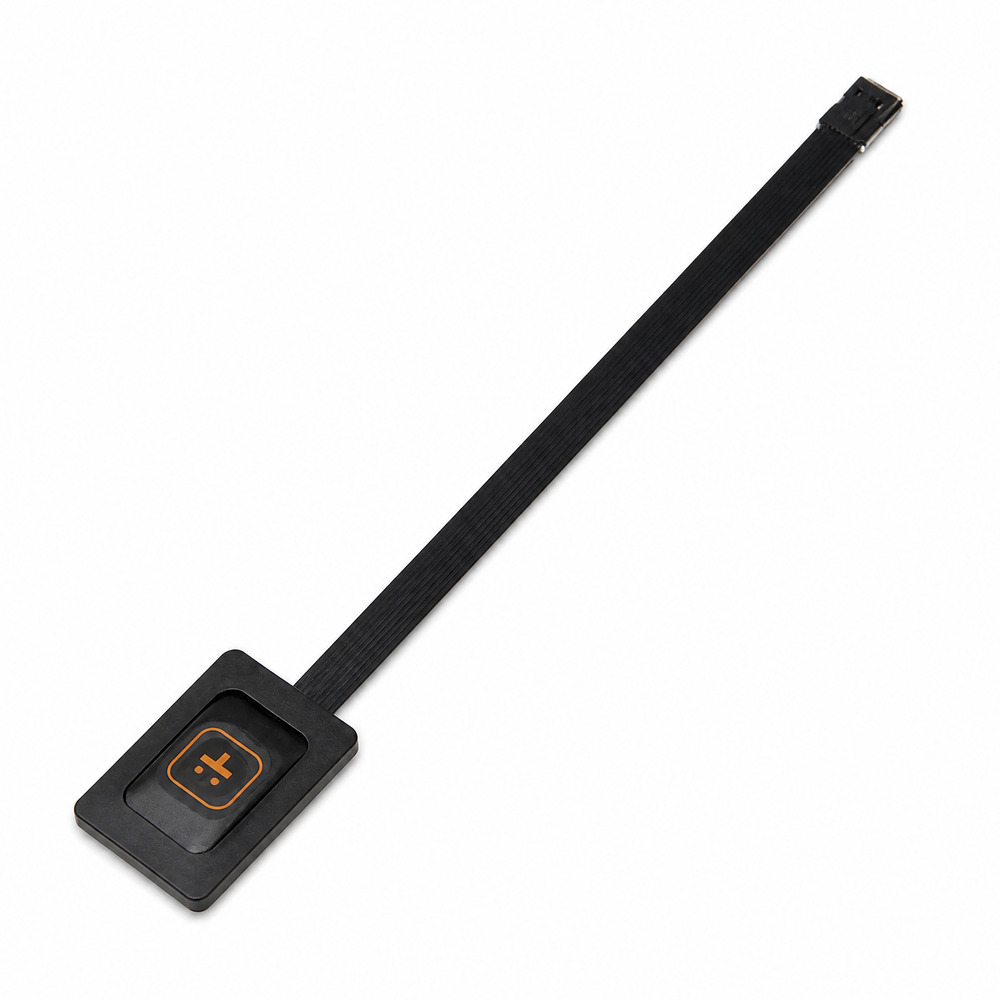
Heavy-duty directional joystick base sensor with flexible circuit tail. Built for crane controllers, agricultural machinery, and heavy industrial handles.
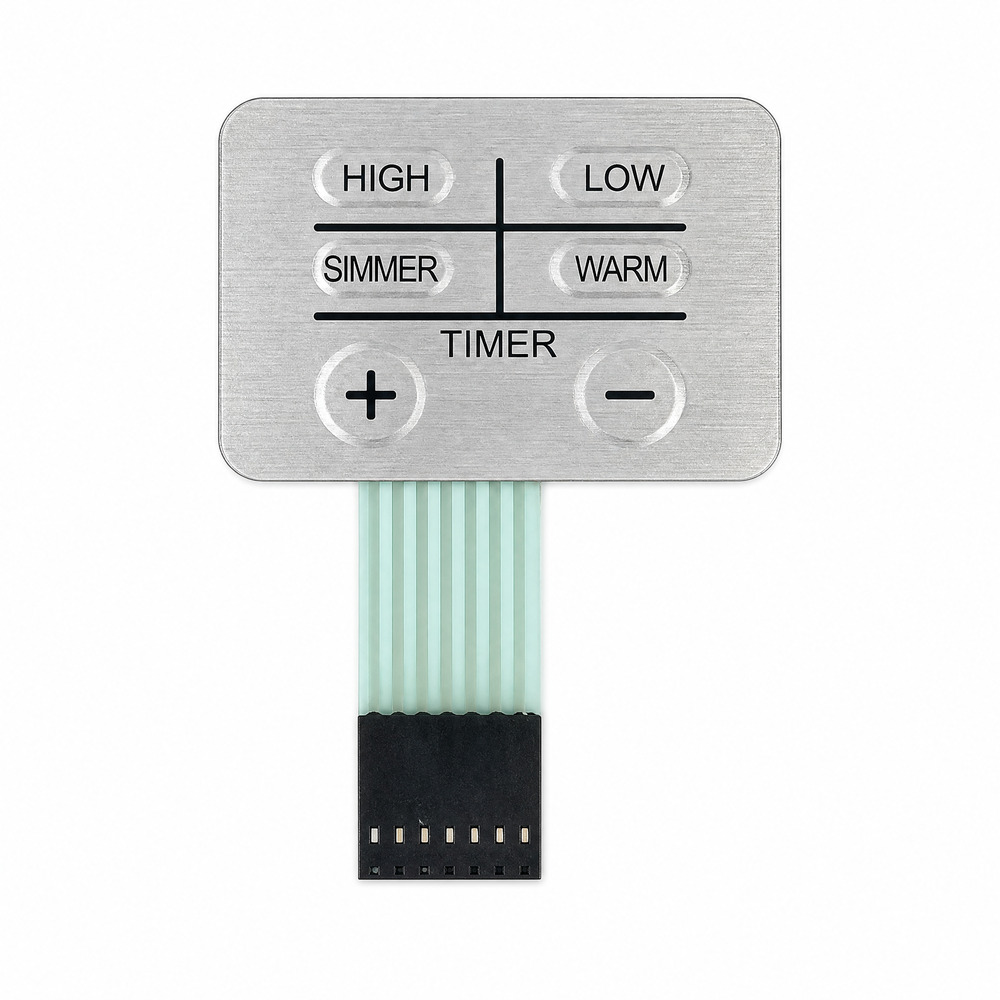
Thermal-stable PET membrane stack engineered to withstand elevated working temperatures up to +85°C. Features flame-retardant 3M adhesive backing.
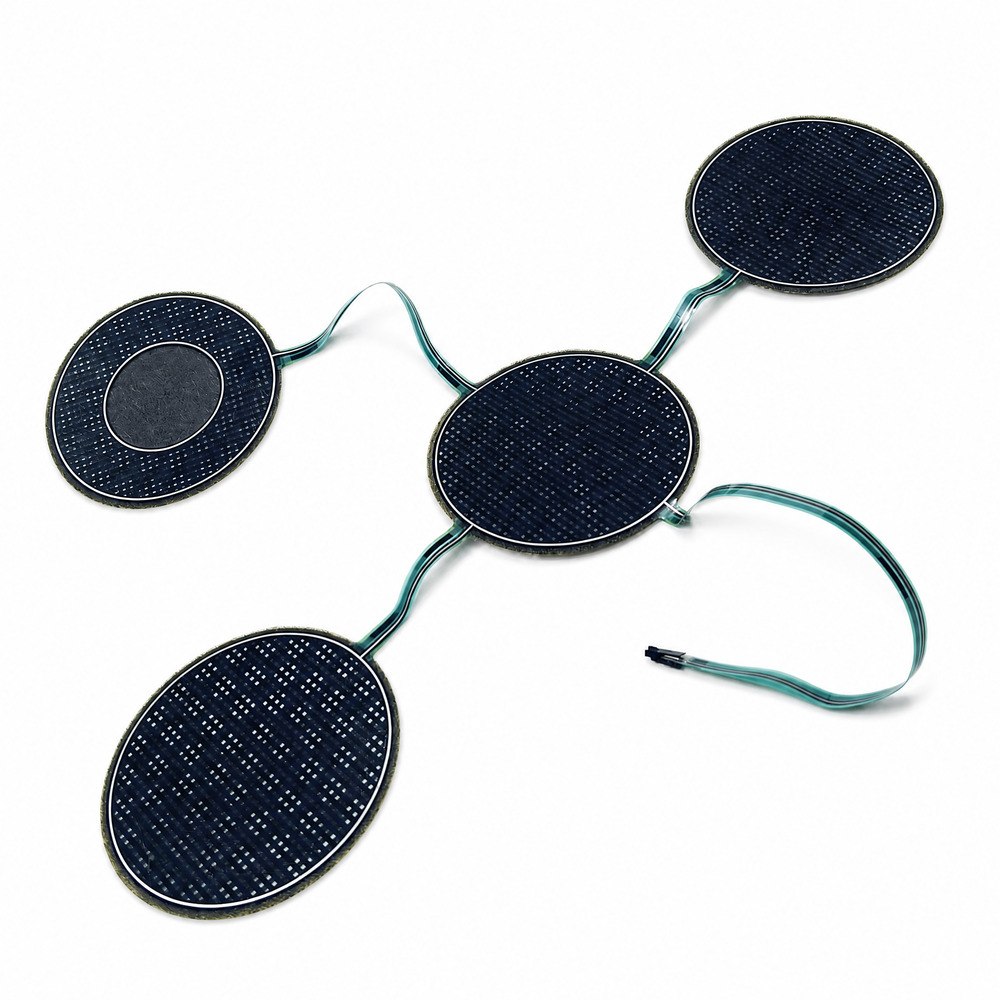
Ultra-low profile 4-key directional keypad designed for hand-held remote controls, handheld telemetry units, and compact medical monitors.
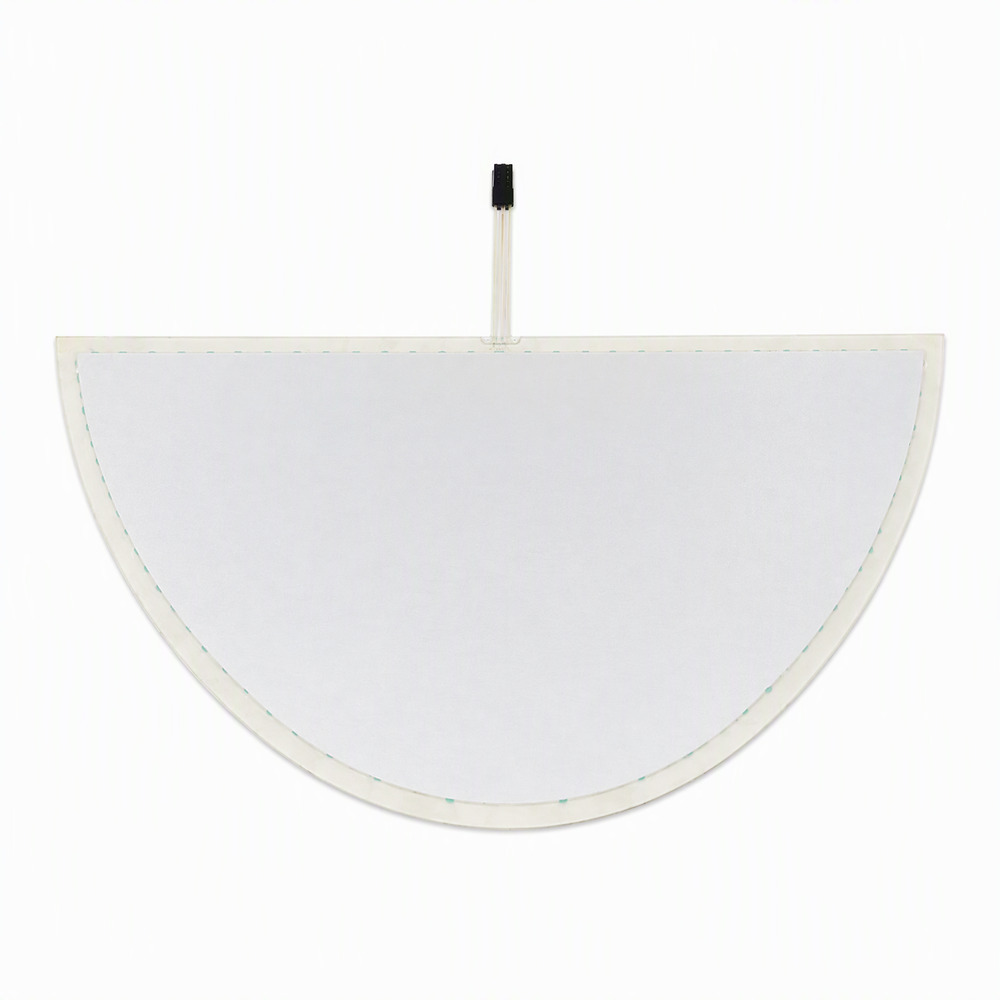
Complete end-to-end custom production from CAD design review, precision tooling, screen printing, conductive silver layout, to 100% electrical inspection.
Melbourne has evolved into Australia's primary hub for high-value advanced manufacturing, biomedical engineering, defense technology, and smart transport infrastructure. Industrial precincts spanning from the Monash Precision Technology Corridor in Clayton to manufacturing hubs in Dandenong South, Campbellfield, and Bayswater demand electronic user interfaces that surpass traditional mechanical switches in durability, hygiene, and design versatility.
As a leading global manufacturer and direct exporter of custom Capacitive Touch Sensors and Membrane Switches, Dongguan Ravo Electronics Co., Ltd. provides local Victorian original equipment manufacturers (OEMs), systems integrators, and electronic contract manufacturers (EMS) with solid-state touch interfaces designed to meet rigorous Australian standards (AS/NZS EMC directives). By replacing wear-prone mechanical push buttons with solid-state printed capacitive touch arrays, engineering teams in Melbourne can achieve zero-maintenance, completely sealed, and aesthetically sophisticated control panels.
Unlike electromechanical membrane switches that require physical deformation of a metal dome or polydome to bridge conductive traces, capacitive touch sensors function by monitoring changes in electrostatic capacitance. A micro-patterned conductive layer—printed using high-conductivity silver ink, transparent Indium Tin Oxide (ITO), or conductive polymer (PEDOT:PSS) on flexible Polyester (PET) or Polyimide (FPC) substrates—creates a continuous electrostatic field.
When a human finger (a conductive dielectric mass) approaches the touch zone through a non-conductive overlay (glass, acrylic, or polycarbonate), it alters the local mutual or self-capacitance. Advanced microcontrollers (such as Microchip CapTIvate™, Cypress CapSense™, or STMicroelectronics touch ICs) process this capacitance shift ($\Delta C$) and trigger a digital signal.
With no moving mechanical parts, metal domes, or tactile membranes to experience fatigue, capacitive sensors deliver virtually infinite actuation cycles (>10 million touches), making them immune to mechanical wear in heavy-use environments.
Sensors are mounted behind a continuous, non-porous front overlay (glass, PMMA, or Autotex PET). This provides total protection against liquid spills, caustic cleaning solvents, grease, and particulate contamination.
Custom screen-printed active shield rings and ground planes suppress Electromagnetic Interference (EMI) and false triggers caused by standing water droplets or condensation on outdoor equipment.
Custom capacitive touch sensors manufactured by Ravo Electronics are actively integrated across several key industrial sectors in Victoria:
Melbourne’s world-renowned biotechnology corridor requires medical control panels that can withstand hospital-grade disinfectants (Isopropanol, Bleach, Hydrogen Peroxide) without clouding or seal failure. Ravo manufactures capacitive touch sensors laminated behind chemically toughened Gorilla® Glass or anti-microbial PET overlays. The seamless flat surface eliminates crevices where bacteria accumulate, enabling effortless wipe-clean sanitization in clinical environments.
In Victoria’s heavy industrial sectors, factory equipment controls operate under harsh environmental stress including oil mist, airborne metal filings, and intense mechanical vibration. Our capacitive sensors utilize thick-dielectric tuning, allowing machine operators to actuate controls reliable even while wearing heavy industrial safety gloves. Solid-state design prevents contact chatter and premature switch failure caused by machinery vibration.
Melbourne is famous for experiencing "four seasons in one day," presenting extreme challenges for outdoor touch interfaces: rapid ambient temperature fluctuations, high humidity, driven rain, and intense UV exposure. Ravo’s touch sensors incorporate UV-stabilized polycarbonate/PMMA overlays with optical clear adhesives (OCA) and custom water-rejection firmware tuning, ensuring zero phantom touches during heavy rain downpours at public transport terminals or EV charging stations.
Equipment designed in Melbourne and deployed across regional Victoria or remote Australian mining sites requires extreme thermal tolerance (-20°C to +85°C) and robust electrostatic discharge (ESD) shielding. We print integrated silver-grid ESD grounding planes behind the sensor array capable of passing 15kV air discharge tests (IEC 61000-4-2), protecting sensitive onboard controllers from static build-up in dry, dusty field operations.
Procurement managers and lead systems engineers in Melbourne are shifting away from off-the-shelf mechanical switches toward fully integrated custom HMI modules. Four key macro trends are shaping this transition:
Industrial controllers are increasingly built with thin-profile enclosures. Capacitive sensors manufactured on flexible PET or Polyimide (FPC) substrates feature total thickness profiles under 0.8mm, allowing seamless integration into space-constrained IoT enclosures.
To overcome the loss of physical snap inherent to mechanical switches, modern Melbourne OEM designs combine capacitive touch arrays with embedded surface-mount LEDs (side-lit or back-lit) and piezo-haptic feedback drivers for clear tactile and visual confirmation.
Victorian technology developers require agile prototyping before scaling to high-volume production. Ravo supports local engineers with initial prototype runs from as few as 1–10 pieces and provides detailed DFM review within 2 hours of drawing submission.
This technical comparison matrix assists Victorian design engineers in evaluating touch switch architectures during early-stage Design for Manufacturability (DFM) reviews:
| Design Specification | Capacitive Touch Sensor Array | Tactile Metal Dome Switch | Non-Tactile Flat Membrane |
|---|---|---|---|
| Operating Life (Actuations) | > 10,000,000 (Infinite, solid state) | 1,000,000 – 3,000,000 | 5,000,000 |
| Front Overlay Material Options | Tempered Glass, PMMA, Autotex PET, PC | Autotex Polyester, Polycarbonate | Polyester, Polycarbonate |
| Maximum Overlay Thickness | Up to 3.0mm Glass / 1.5mm Acrylic | 0.125mm – 0.25mm | 0.125mm – 0.25mm |
| Glove Operation Capability | Yes (Tuned sensitivity for thin/thick gloves) | Yes (Physical snap) | Limited tactile confirmation |
| Water & Fluid Suppression | Excellent (Active shield tuning required) | Good (Internal dome pocket sealing) | Good (Perimeter adhesive seal) |
| Ingress Protection Rating | IP67 / IP68 / NEMA 4X seamless | IP65 / IP67 | IP65 |
| ESD Protection Capability | Up to 15kV (Integrated silver printed grid) | Up to 10kV (Internal foil shield) | Up to 8kV |
| Illumination Options | SMD LED Backlighting, Light Guide Film (LGF) | Selective LED Windows, Fiber Optics | Selective LED Windows |
Since 2003, Dongguan Ravo Electronics Co., Ltd. has operated as a vertically integrated custom HMI design and manufacturing enterprise. Situated in Dongguan, China, our 12,000 square meter ISO 9001:2015 certified production plant houses modern dust-free screen printing workshops, automated laser die-cutting machinery, high-precision lamination lines, and advanced electrical testing laboratories.
We bridge the gap between initial Australian R&D prototyping and mass manufacturing. Prototype quantities are available from 1 to 10 units, allowing Melbourne design houses to validate mechanical fit and firmware sensitivity before committing to production tooling.
Our specialized HMI engineering team evaluates your Gerber files, 2D DXF/DWG drawings, and artwork layouts. We return full Design for Manufacturability reports—including layer stackup recommendations and circuit trace optimization—typically within two hours.
All raw materials—including Autotex® PET films, 3M® high-performance acrylic adhesives (3M 467MP, 3M 9448A), conductive silver pastes, and silicone rubbers—comply strictly with global RoHS and REACH chemical safety directives required for export to Australia.
We regularly export to Melbourne, Sydney, and Adelaide via express air freight (DHL, FedEx, UPS) and sea freight directly to the Port of Melbourne. Express air transit time from our Dongguan facility to Melbourne addresses typically takes 3 to 5 business days. We provide complete export documentation, including commercial invoices, packing lists, HS codes, and Certificate of Origin (COO) under the China-Australia Free Trade Agreement (ChAFTA) to minimize local customs tariffs.
Yes. Our conductive silver traces can be configured and tuned to detect capacitance shifts through non-conductive dielectric overlays up to 3.0mm thick in tempered glass, or up to 1.5mm–2.0mm in acrylic (PMMA) or polycarbonate. During the initial DFM stage, our engineers calculate the required electrode pad surface area based on your specified overlay material and thickness ($\epsilon_r$ dielectric constant).
To generate a precise quotation and technical DFM analysis, please supply: (1) Vector graphic artwork for the overlay (Adobe Illustrator, PDF, or EPS with Pantone color specifications), (2) 2D mechanical dimensional drawing (DXF or DWG showing tail location, cutouts, and overall geometry), and (3) Circuit schematic or pinout definition specifying tail connector pitch (e.g., 2.54mm or 1.0mm ZIF) and electrical parameters.
We utilize driven shield ring patterns screen-printed directly around the primary touch electrodes. Combined with mutual-capacitance sensing layouts and water-rejection firmware algorithms on your host microcontroller, the touch panel differentiates between a localized finger touch and continuous water film or rain droplets, making it ideal for outdoor Australian field equipment.
Need custom capacitive touch sensors, backlit silicone keypads, or waterproof membrane switches for your next manufacturing run? Contact our HMI engineering team today for immediate DFM review and factory-direct pricing.
