 EN
 DE
 FR
 ES
 RU
 JA
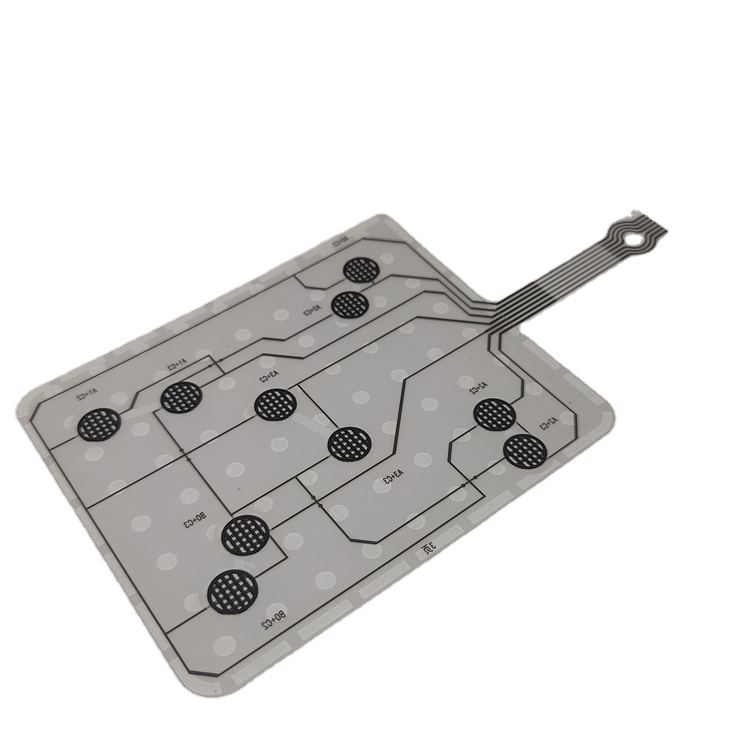
Engineered Acrylic Faceplates & HMI Assemblies
Industrial-grade acrylic panels, optical display overlays, capacitive control stations, and tactile interface solutions certified for harsh operational environments across Europe.
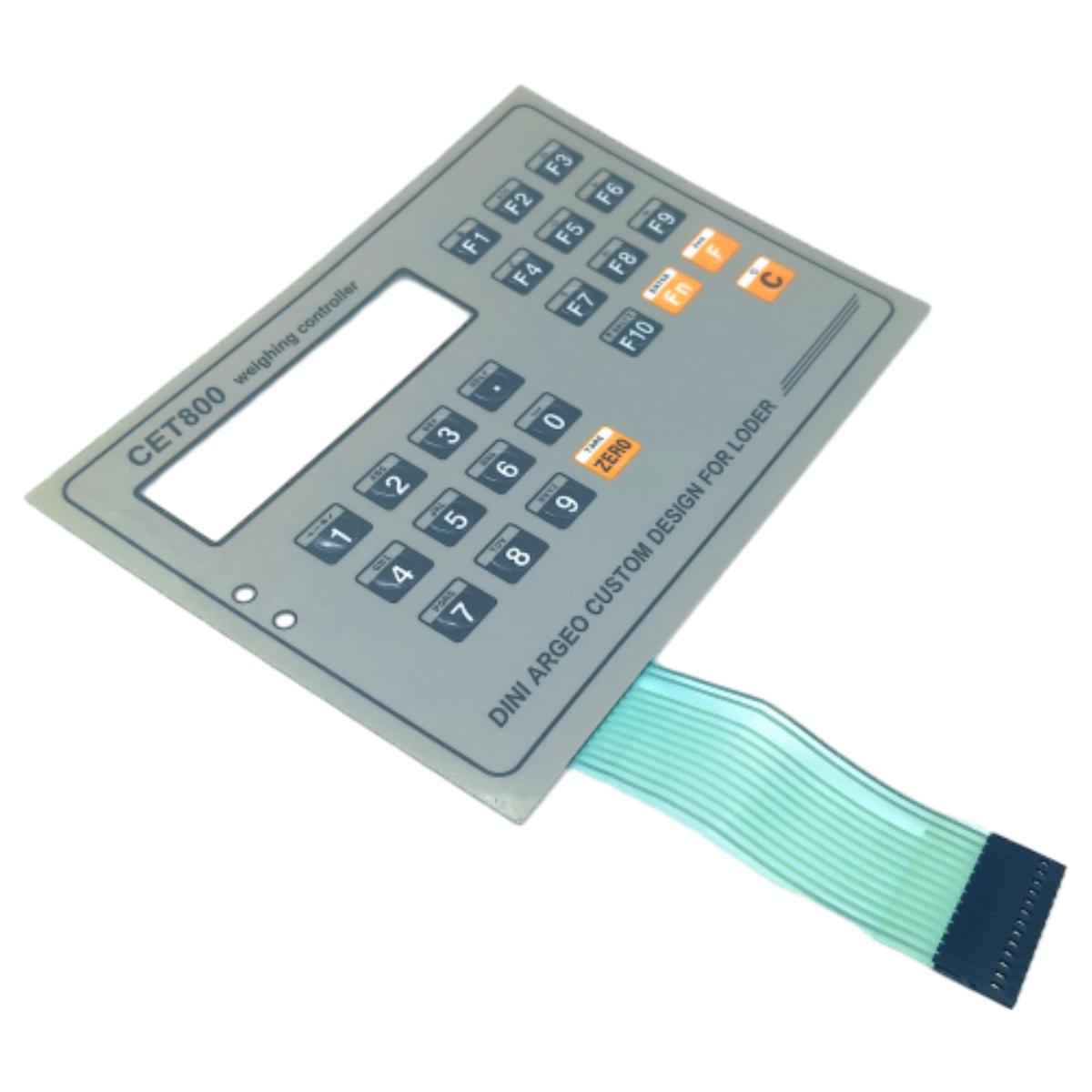
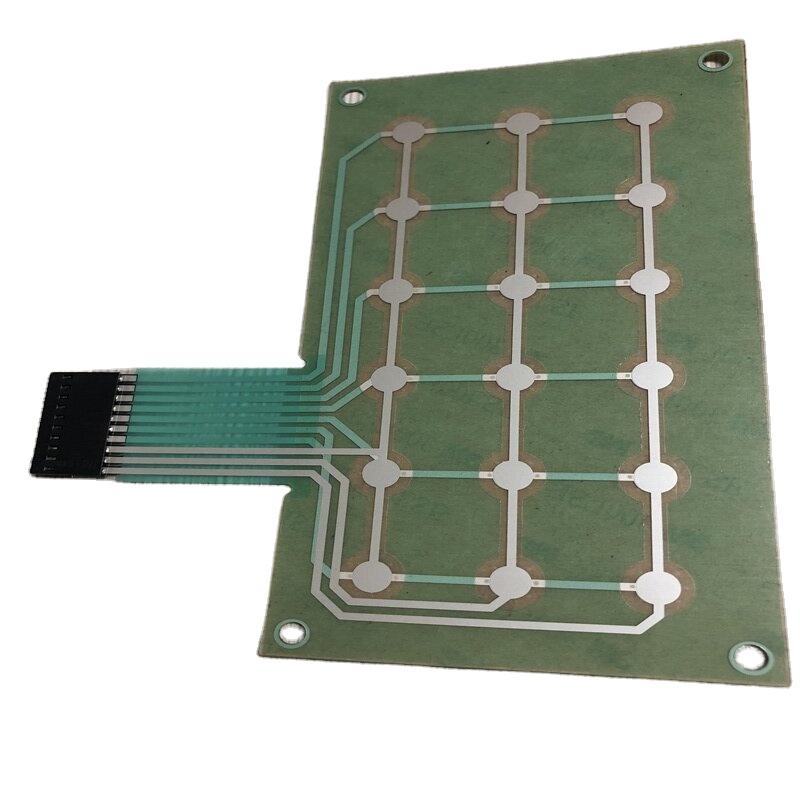
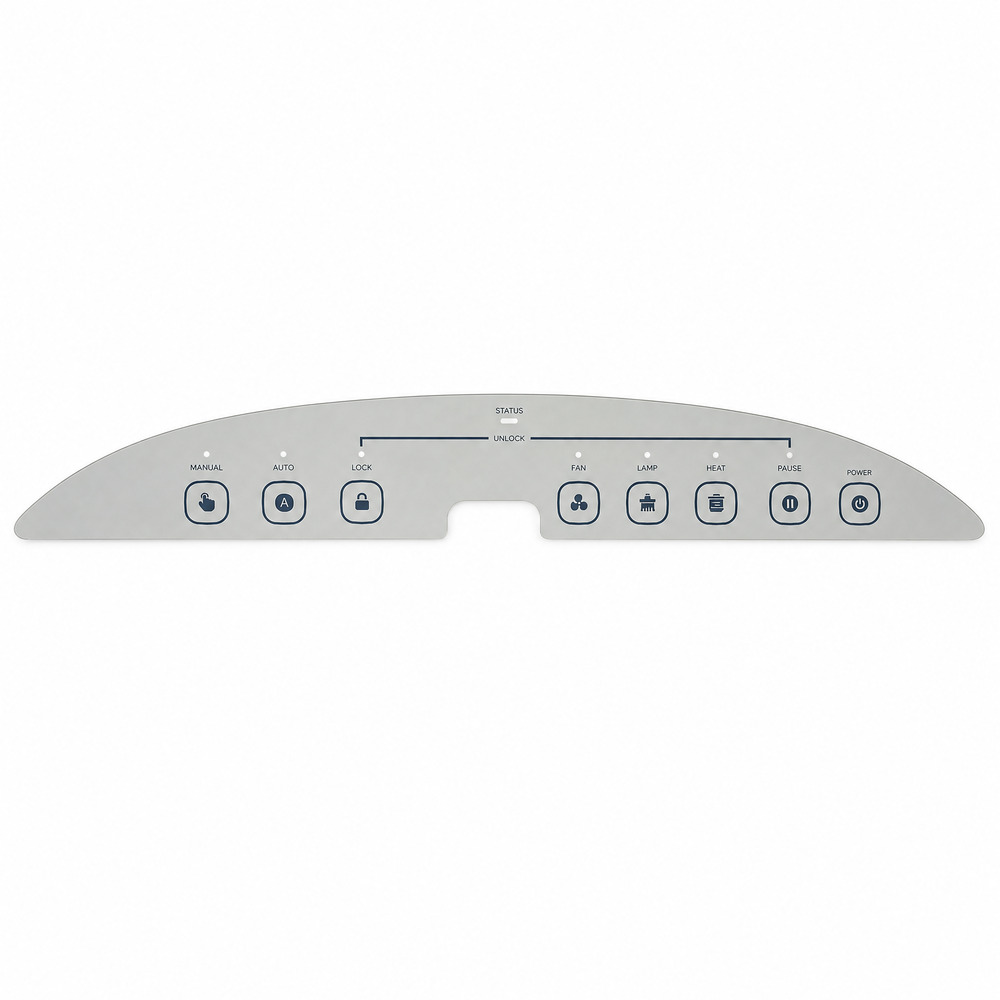
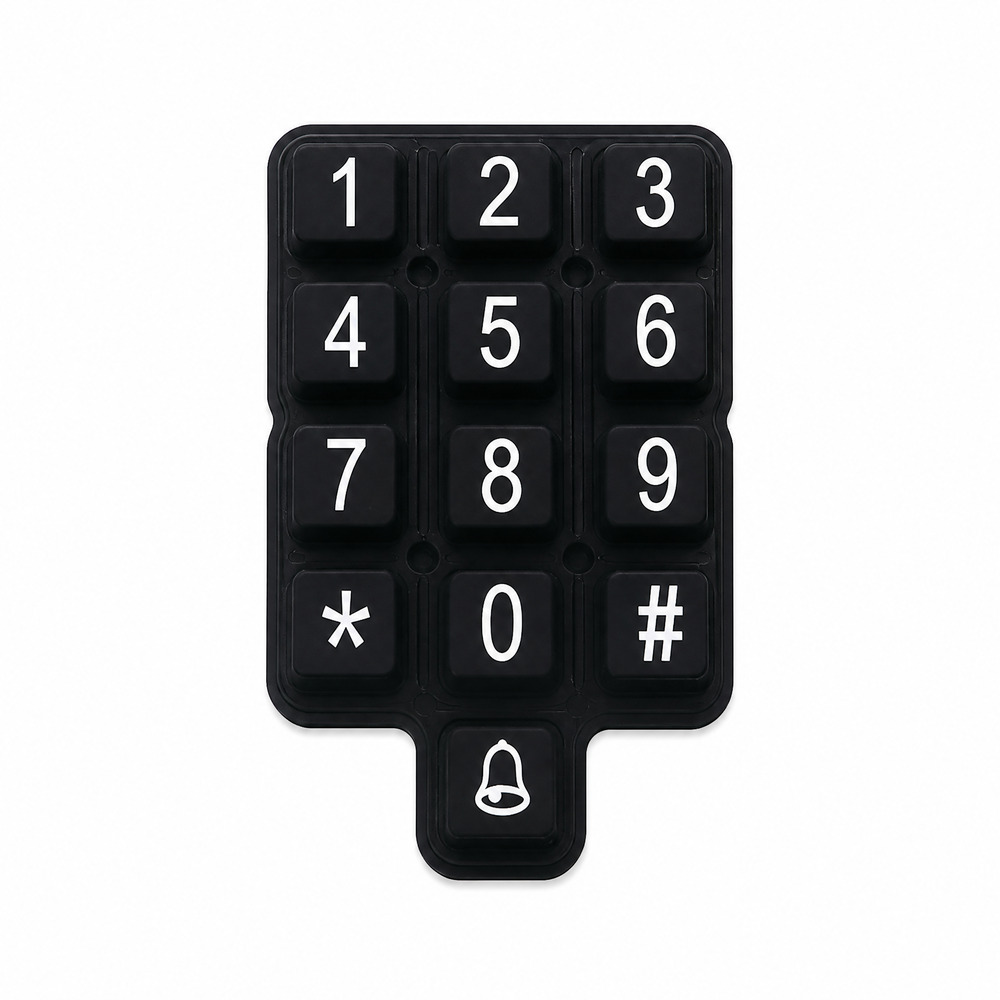
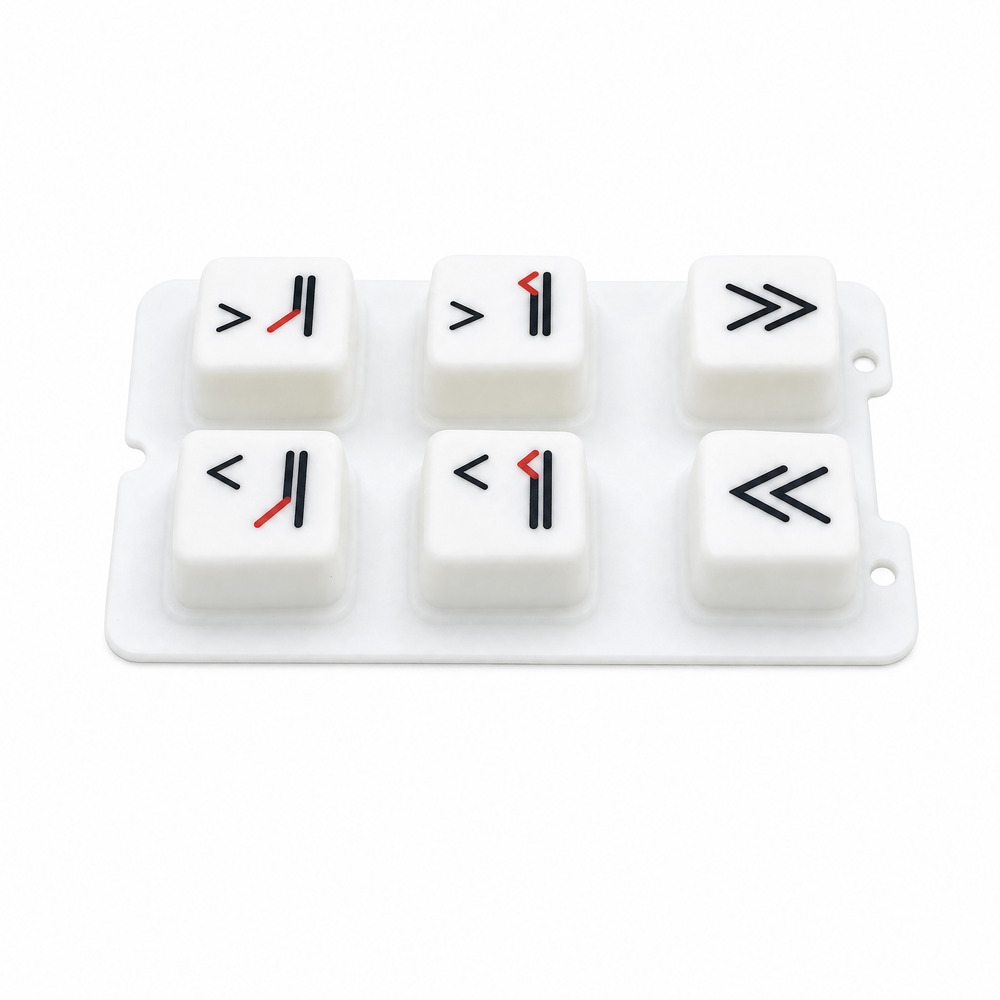

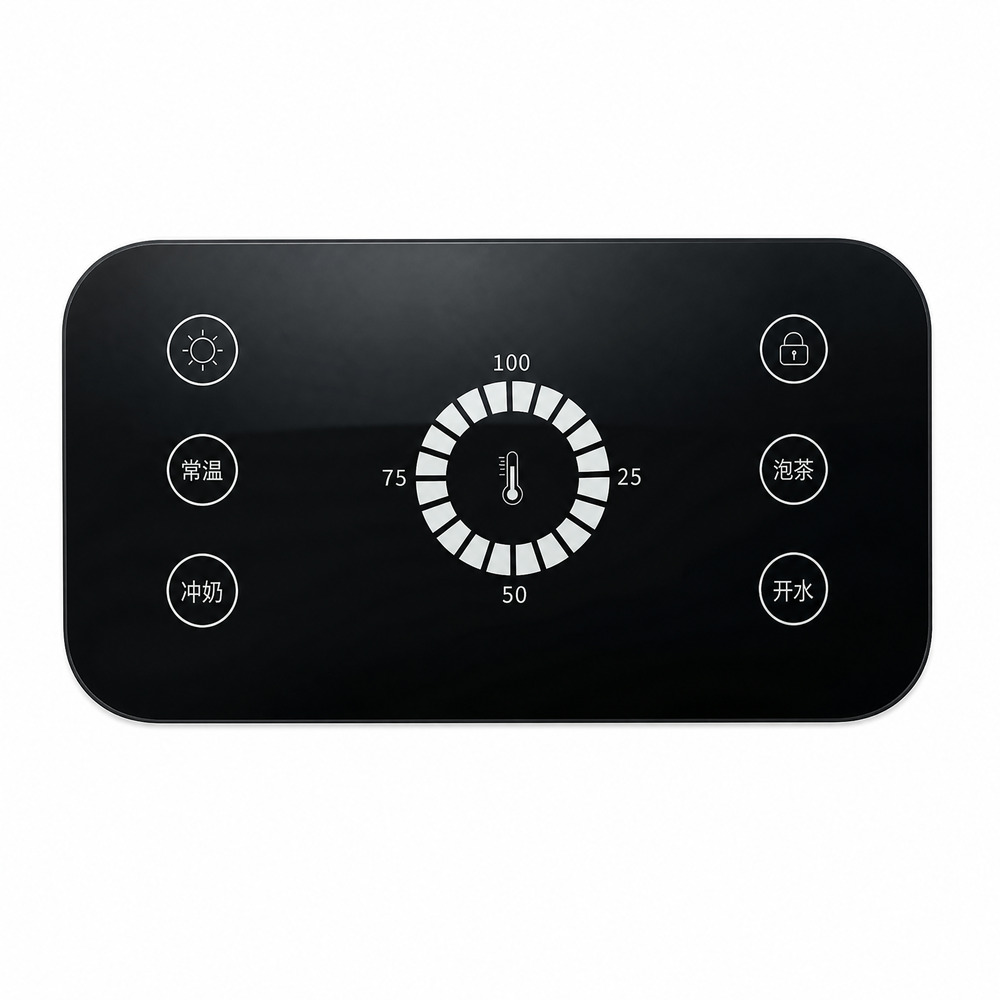
Engineering Acrylic (PMMA) Faceplates for Spanish Manufacturing Excellence
A comprehensive technical evaluation of optical properties, CNC profiling, and environmental durability requirements under Southern European operating conditions.
In the rapidly modernizing industrial landscape of Spain—stretching from the automotive manufacturing belts of Catalonia (Barcelona) and Valencia to the renewable energy, aerospace, and machine-tool clusters of the Basque Country (País Vasco) and Madrid—the demand for robust Human-Machine Interface (HMI) front panels has undergone a structural transition. Industrial designers and electronic procurement teams increasingly specify acrylic faceplates (Polymethyl Methacrylate or PMMA) over conventional polycarbonate (PC) and polyester (PET) films when superior optical clarity, scratch immunity, dimensional stiffness, and premium consumer-grade aesthetics are paramount.
Unlike thin graphic membrane films which typically measure between 0.125mm and 0.25mm, optical acrylic faceplates manufactured for industrial duty feature rigid structural profiles ranging from 1.0mm up to 6.0mm in overall substrate thickness. This physical thickness provides self-supporting structural integrity that allows Spanish instrument makers to eliminate supplemental aluminum or sheet-metal chassis backplates. By applying reverse second-surface silkscreen printing paired with sub-surface optical bonding, the cosmetic graphics, corporate branding, indicator apertures, and capacitive electrode paths are permanently shielded from superficial scuffing, chemical washdowns, and continuous operator abrasion.
| Performance Characteristic | Cast Optical Acrylic (PMMA) | Polycarbonate (PC) | Polyester (PET) Overlays |
|---|---|---|---|
| Luminous Transmittance (DIN 5036) | 92% – 93% (Crystal Clear) | 86% – 89% | 88% – 90% |
| Surface Hardness (Pencil Scale) | 3H to 5H (Up to 9H with ceramic anti-scratch) | HB to 1H (Requires hard-coating) | 2H to 3H |
| UV Radiation Degradation (Southern Spain) | Inherently stable; no yellowing >10 years | Susceptible to UV degradation without additives | Moderate; brittle failure under high UV |
| Structural Load Bearing | Self-supporting (1.0mm – 6.0mm rigid core) | Flexible or semi-rigid sheet | Flexible film only (≤0.25mm) |
| Machining Tolerances (CNC Milling) | ±0.05 mm polished chamfers and bevels | ±0.10 mm (Risk of micro-burring) | Die-cut stamping only (±0.15 mm) |
Localized Applications Across Key Spanish Industrial Sectors
Targeted HMI faceplate configurations engineered to solve operational friction in Spain's premier manufacturing and public-infrastructure hubs.
Electric Vehicle (EV) Chargers & Smart Grid Infrastructure
Spain's ambitious nationwide rollout of public DC ultra-fast charging networks (spanning Madrid, Seville, and transit corridors to France) requires acrylic faceplates engineered with exceptional UV-resistant stabilization. Outdoor charging stations demand high-impact resistance, anti-glare anti-reflective (AG/AR) chemical etching for readability under the intense Iberian sun (over 3,000 sun-hours annually), and IP67 waterproof perimeter gaskets utilizing 3M 468MP adhesives to withstand coastal salt air in regions like Galicia and Valencia.
Commercial Food Processing & Viticulture Equipment
From the automated olive oil processing mills of Andalusia to the high-tech wineries of La Rioja and Ribera del Duero, food-grade processing machinery requires front panels that withstand caustic washdown chemicals, organic acids, and extreme pressure cleaning. Acrylic faceplates with sealed dead-front LED alerts and seamless capacitive sensing keys prevent moisture ingress, eliminate microbial harbor points, and comply with strict European EC 1935/2004 food contact safety standards.
Medical Diagnostic & Laboratory Instrumentation
Biomedical engineering hubs situated around Barcelona's Biocat ecosystem and Madrid require laboratory diagnostic faceplates that survive rigorous daily sterilization protocols. Utilizing sub-surface printed PMMA panels with optical bonding for 7-inch to 15.6-inch TFT LCDs guarantees zero parallax error, crisp touch sensitivity for glove-wearing operators, and absolute immunity against isopropyl alcohol (IPA), hydrogen peroxide vapor, and hospital disinfectants.
Iberian Market Trends & Sourcing Transformations (2025–2030)
Key regulatory shifts and technological evolutions governing how Spanish enterprises select their HMI manufacturing partners.
1. The Transition to Capacitive Touch Under Thick Acrylic (Up to 4mm)
Spanish machinery manufacturers are deliberately migrating away from standard mechanical pushbuttons that suffer mechanical wear and dust clogging. Instead, industrial HMI designs now integrate Capacitive Touch Under Thick Acrylic. Engineering this setup requires meticulous control over dielectric constants: our silver conductive traces and capacitive sensor pads are calibrated precisely for PMMA substrates up to 4.0mm thick, ensuring responsive single-touch, multi-touch, and gesture actuation even when technicians operate the equipment wearing thick leather or nitrile work gloves.
2. Dead-Front Display Windows & Variable Transmittance Tinting
Modern European aesthetic requirements dictate sleek, uninterrupted "black-panel" architecture when equipment is in standby mode. By deploying precision-calibrated translucent neutral-density (ND) ink formulations during sub-surface screen-printing, our acrylic faceplates hide OLED, LED, and segment displays completely beneath the panel until illuminated. This creates a homogeneous, high-end facade favored by Spanish manufacturers of high-end consumer appliances, building automation controllers, and specialized marine navigation consoles.
3. Supply Chain Nearshoring Synergy: Hybrid Prototype-to-Mass-Production Models
While domestic Spanish plastic converters excel at rapid prototyping and low-volume laser cutting, local tooling expenses for custom injection molding, multi-cavity cleanroom embossing, and complex high-density conductive printing can become prohibitively expensive for mid-to-high volume series. Leading Spanish OEMs capitalize on a dual-sourcing model: conducting local architectural R&D while partnering with vertically integrated manufacturing facilities like Ravo Electronics to manufacture precision-machined, optically bonded acrylic faceplates with complete DFM audits and RoHS/REACH compliance.
Why Tier-1 Spanish OEMs Partner with Ravo Electronics
Combining two decades of specialized HMI engineering with cleanroom fabrication rigor and rapid international logistics.
≤2-Hour DFM Technical Response
Our bilingual European support engineering team analyzes your 2D/3D CAD drawings (STEP, DWG, DXF, AI) and provides Design for Manufacturability (DFM) feedback, material recommendations, and tolerance risk analysis within 2 hours during active business hours, drastically compressing your project's time-to-market.
100% In-House Cleanroom Production
Operating a 12,000m² manufacturing facility equipped with Class 1,000 cleanrooms, semi-automatic screen-printing beds, high-speed multi-axis CNC routing equipment, and optical laminators. We execute every step—from raw cast PMMA cutting to final adhesive assembly—under unified ISO 9001 quality supervision.
Stringent European Regulatory Compliance
All raw materials—including optical PMMA sheets, UV-cured screen printing inks, silver paste conductive pathways, and mounting adhesives (such as 3M 467MP, 468MP, and 300LSE)—are certified fully compliant with EU RoHS Directive 2011/65/EU and REACH (EC 1907/2006) regulations, with full COC and testing records available.
Frequently Asked Questions | Acrylic Faceplate Sourcing in Spain
Addressing the technical, logistics, and quality assurance questions most frequently raised by Spanish engineering teams and procurement directors.
What are the key advantages of acrylic (PMMA) over polycarbonate for faceplates in Spain?
Acrylic offers superior optical clarity (92% light transmittance compared to ~88% for PC) and natural UV resistance without requiring UV-stabilizing surface lacquers. In sunny regions of Spain like Andalusia, Madrid, and Murcia, untreated polycarbonate turns yellow and becomes brittle over time under intense solar radiation. Furthermore, PMMA possesses higher inherent surface hardness (3H–5H vs. HB–1H for PC), making it significantly more resistant to scratching in self-service terminals, ticketing kiosks, and medical control consoles.
How do you achieve crisp, bubble-free optical bonding over LCD display cutouts?
We utilize Optically Clear Adhesives (OCA) or liquid optical resin bonding (LOCA) applied in certified Class 1,000 cleanroom environments. This process eliminates the air gap between the acrylic faceplate display window and the underlying LCD/OLED module. By matching refractive indices, optical bonding prevents internal reflections, boosts contrast by up to 400% in bright outdoor sunlight, and completely eliminates moisture condensation or dust penetration between the display and the protective acrylic window.
Can capacitive touch sensors function reliably through thick (3mm–5mm) acrylic faceplates?
Yes. Our engineering team optimizes the surface area, layout, and dielectric spacing of printed conductive silver or copper FPC sensor pads according to the exact thickness and dielectric constant of the acrylic substrate (PMMA dielectric constant ~3.2–3.4). We help clients tune capacitive IC sensitivity thresholds to ensure fault-free touch recognition, rejection of false moisture triggers, and smooth operation even when users wear latex, nitrile, or heavy industrial work gloves.
Which mounting adhesive backing is best suited for powder-coated industrial enclosures?
For low surface energy (LSE) substrates—such as textured powder-coated steel cabinets, ABS, or polypropylene enclosures commonly deployed in Spanish automation projects—we strongly recommend high-tack adhesives like 3M 300LSE or 3M 9472LE. For smooth, high surface energy metals (aluminum or stainless steel), 3M 467MP (200MP family) or 3M 468MP provides permanent bonding strength with extreme resistance to thermal cycling and solvent exposure.
What is the minimum prototype order quantity, and what are typical lead times to Spain?
We support rapid prototyping from as few as 1 to 5 pieces using laser-cutting and high-definition flatbed digital printing to validate fit, form, and ergonomics without upfront hard tooling. Production prototypes typically ship within 7–10 working days following DFM approval. Mass production orders (typically 200 to 10,000+ units) dispatch within 2–3 weeks, with priority express air courier shipping directly to Madrid, Barcelona, Bilbao, or Valencia within 3 to 5 business days.
What CNC edge finishing options can be applied to custom acrylic faceplates?
We offer diverse multi-axis CNC milling capabilities including diamond-polished high-gloss edges, 45-degree chamfers, stepped rebated perimeters for flush-fit enclosure mounting, machined blind counter-bores, and precision bevels. Diamond-milled and flame-polished beveling delivers an elegant, high-end look while removing micro-stress fractures that might otherwise compromise structural durability under repeated mechanical impact.
Accelerate Your Acrylic Faceplate Project for the Spanish Market
Upload your 2D engineering drawings, graphic artwork, or product concepts today. Receive a comprehensive DFM manufacturability evaluation, layer stack analysis, and volume quote in less than 2 hours.
