EN
 DE
 FR
 ES
 RU
 JA EN DE FR ES RU JA
Explore our benchmark human-machine interface assemblies. Designed with tight tolerance registration, customized tactile travel, and industrial-grade dielectric sealing.
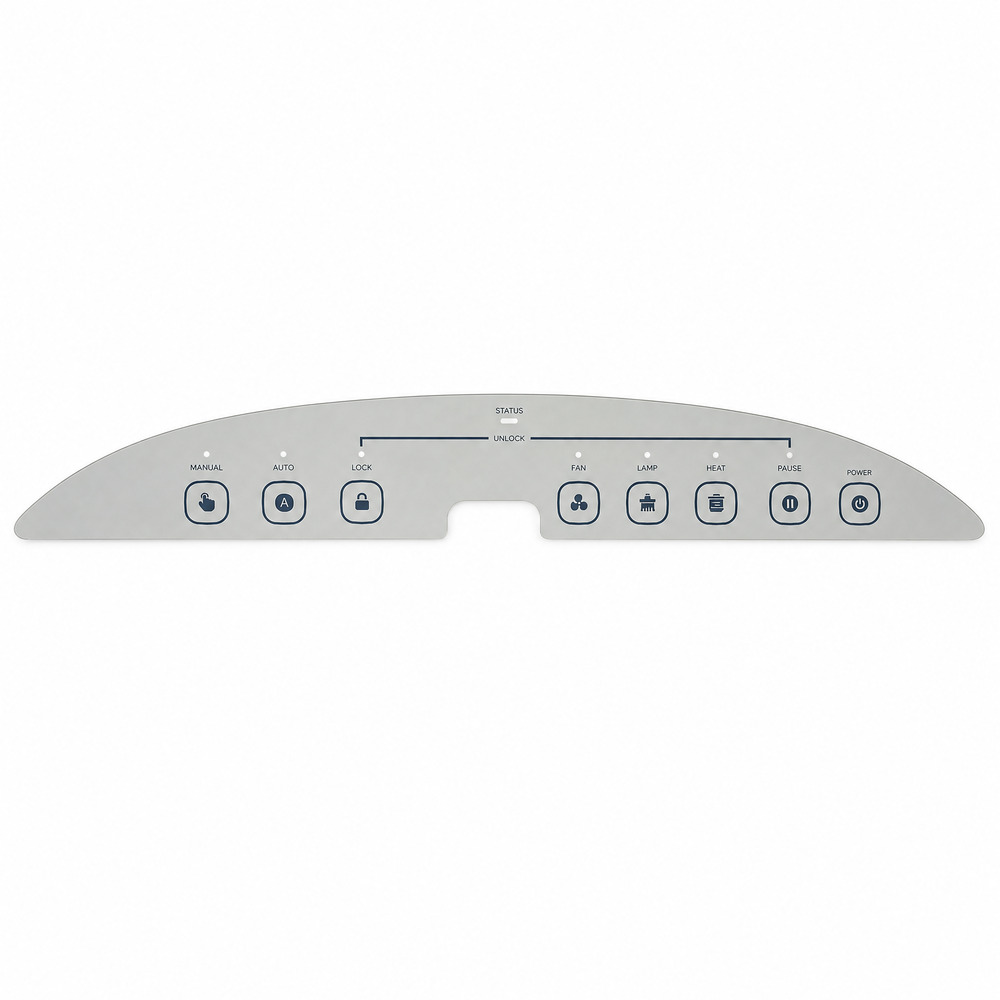
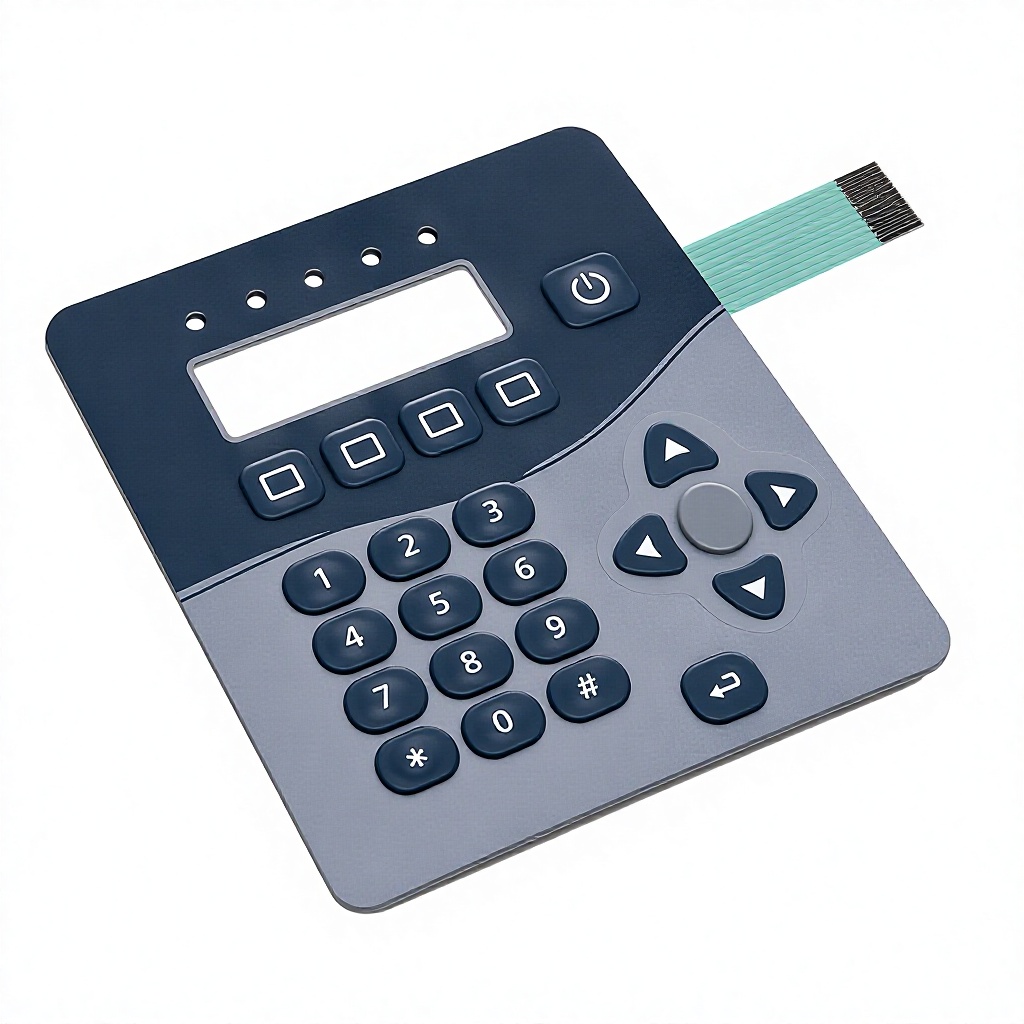
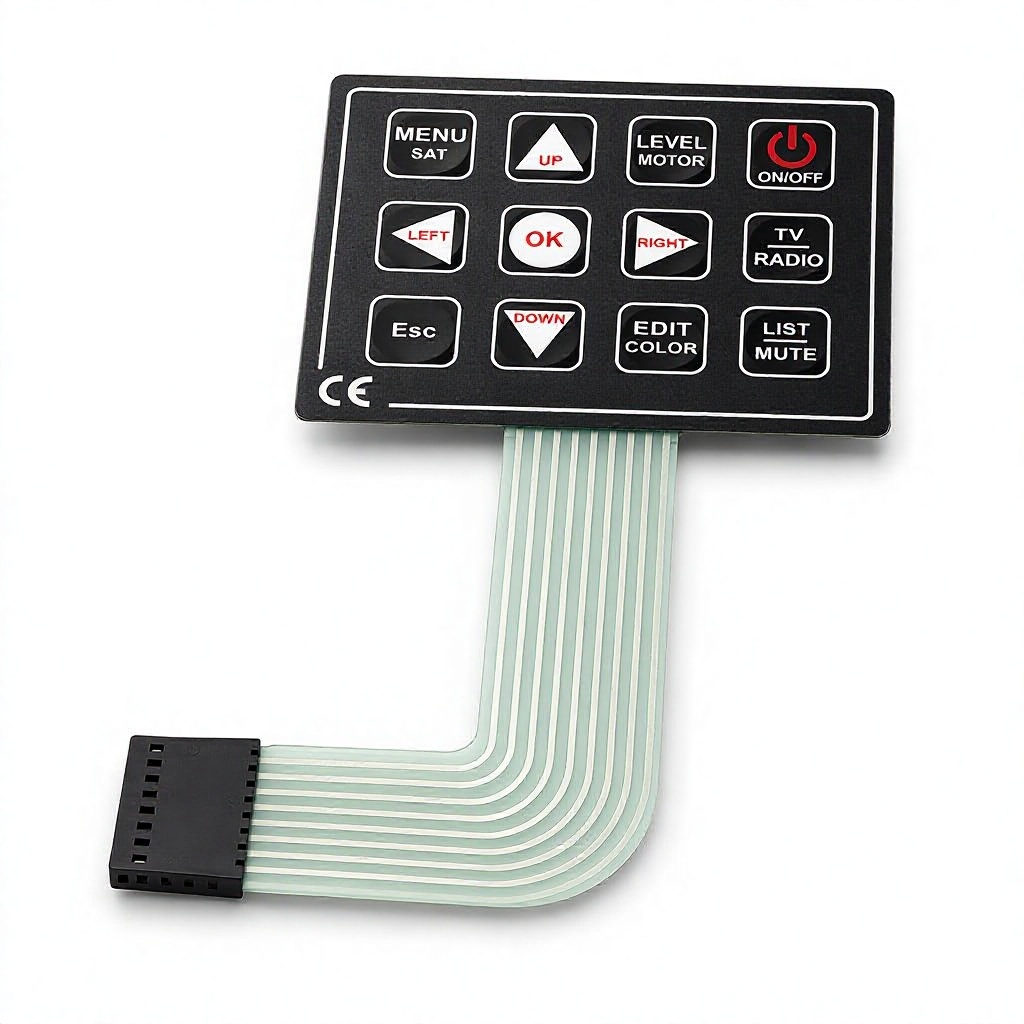
A membrane control panel is not merely a cosmetic cover—it is a mission-critical electromechanical assembly operating in harsh industrial environments.
Modern electronic hardware engineering demands rigorous attention to layered polymer stack-ups. In high-duty industrial equipment, commercial appliances, and diagnostic medical electronics, the Membrane Control Panel interfaces direct operator commands into sensitive microcontrollers. Achieving high tactile consistency, environmental hermeticity (IP65 to IP67 ingress protection), and zero signal degradation necessitates an uncompromising approach to substrate selection and conductor integrity.
At Dongguan Ravo Electronics Co., Ltd., our engineering methodology evaluates thermal delta parameters, chemical wash-down vulnerability, and actuation fatigue before cutting a single production die. Whether utilizing biaxially oriented polyethylene terephthalate (PET) or flame-retardant polycarbonate (PC), each layer serves a distinct functional discipline.
We utilize sub-surface printed Autotype fine/velvet textured PET films, preventing graphic abrasion from harsh chemical cleansers (bleach, MEK, IPA) and securing long-term UV resistance.
Printed silver-conductive ink lines reinforced with anti-migration carbon overcoats prevent trace bridging and oxidation under high humidity, maintaining trace resistance below 100Ω.
Utilizing genuine 3M 467MP, 468MP, and 3M VHB transfer tapes ensures permanent bond shear strength across powder-coated metals, ABS enclosures, and brushed aluminum frames.
| Substrate / Layer Type | Operating Temperature Range | Tensile Strength & Flex Life | Chemical & Environmental Resilience | Primary Engineering Use-Case |
|---|---|---|---|---|
| Polyester (PET - XE/Autoflex) | -40°C to +85°C | High (>5,000,000 actuations) | Exceptional resistance to solvents, alcohols, wiping acids | Medical devices, industrial robotics, outdoor panels |
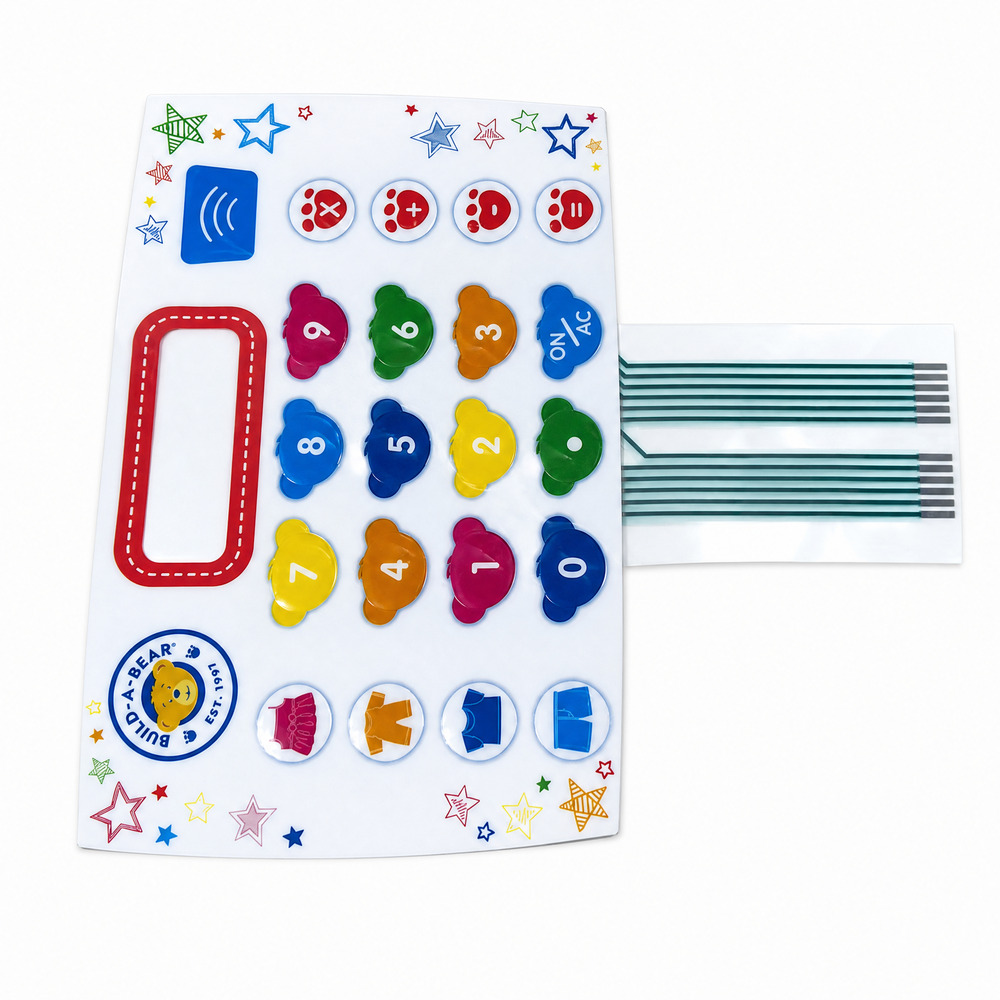
| Polycarbonate (PC - Lexan) | -30°C to +75°C | Moderate (<100,000 actuations) | Subject to micro-cracking with aromatic hydrocarbons | Indoor appliances, flat fascia overlays, toy panels |
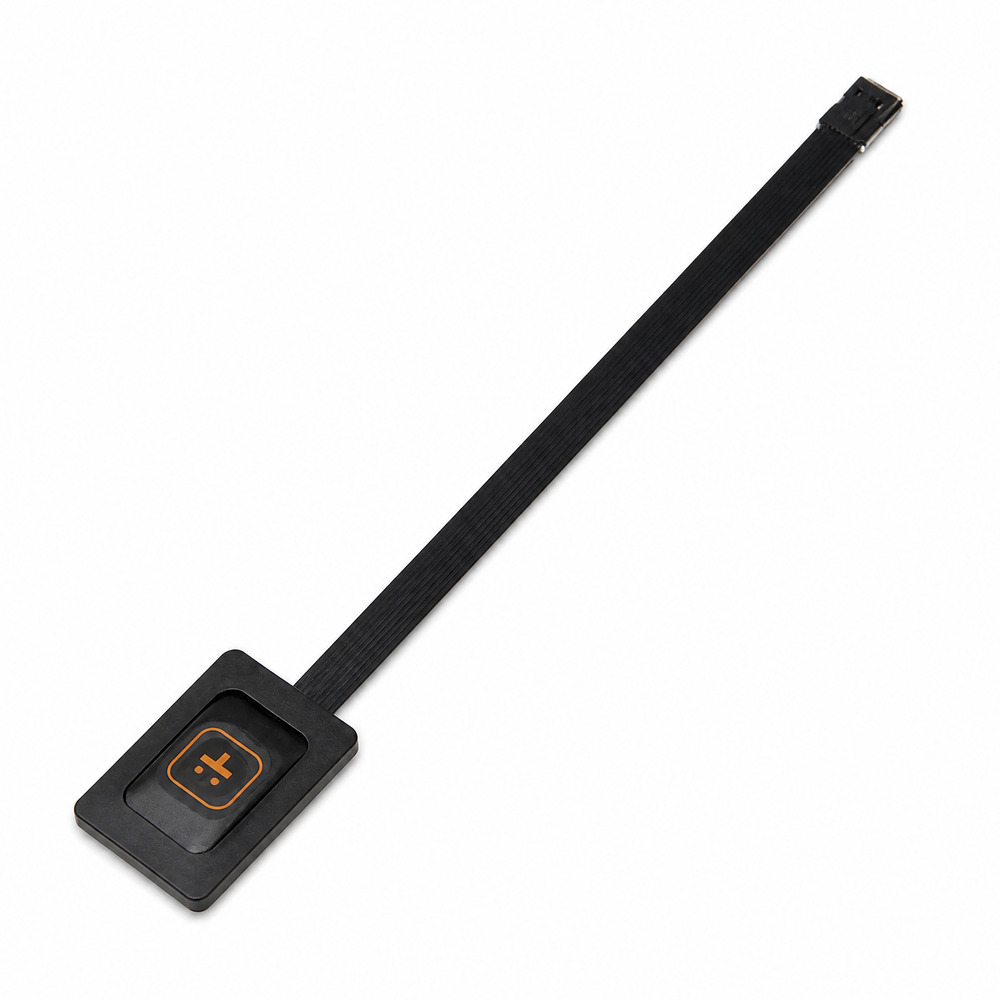
| Polyimide (Kapton FPC) | -40°C to +105°C | Extremely High (Pitch <0.5mm possible) | Full industrial tolerance, solderable components | High-density LED backlit arrays, mission-critical Mil-Spec |
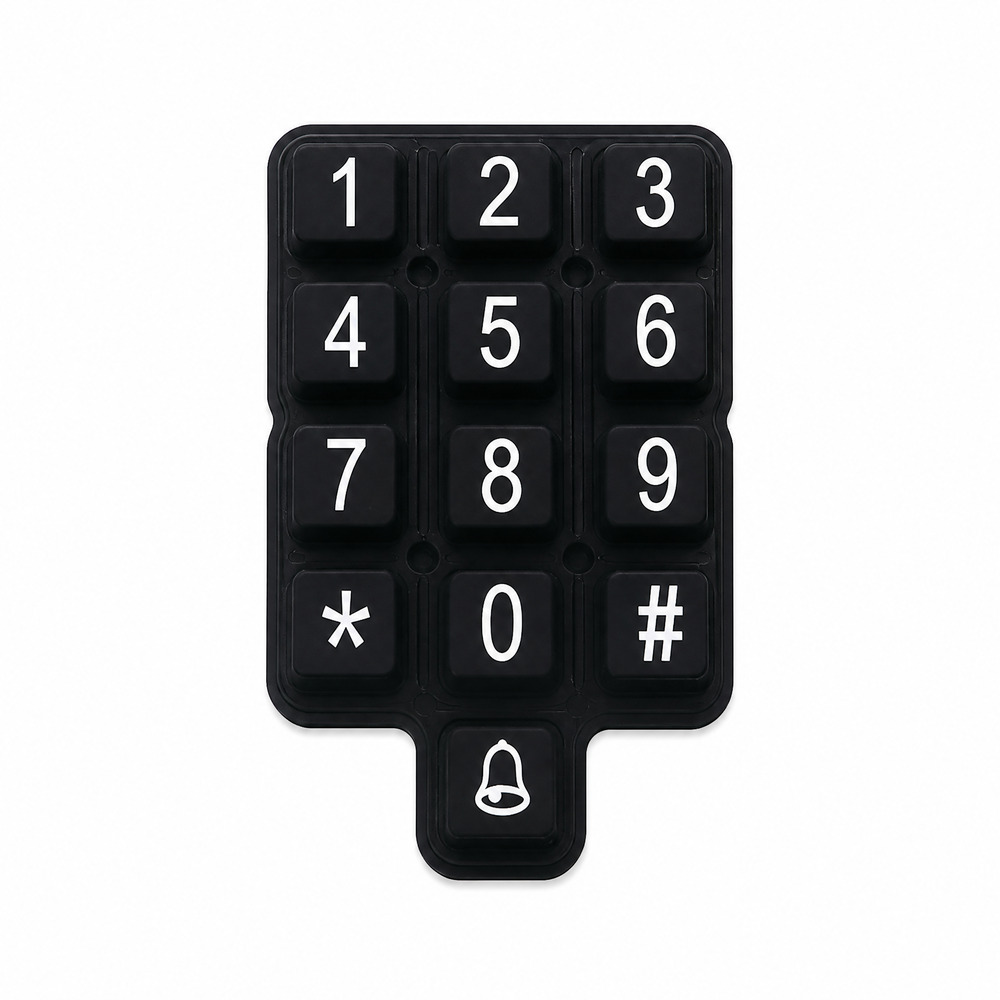
| Liquid Silicone Rubber (LSR) | -50°C to +180°C | High elastic travel (1.0mm - 2.5mm) | Inherent IP68 sealing capability, hydrophobic surface | Heavy machinery, ruggedized field tablets, marine controllers |
How Tier-1 procurement teams and hardware architects are optimizing total cost of ownership (TCO) and interface intelligence for 2025–2030.
Moving away from discrete switches to fully integrated PCB-backer assemblies where microcontrollers, passive passives, and surface-mount display windows reside on a single plug-and-play submodule.
Blending non-tactile touch surfaces with haptic feedback modules and dead-front display illumination allows completely smooth, wipe-down panels required by sanitary food and medical directives.
Printed thin-film piezoresistive arrays are increasingly embedded within membrane stacks to enable variable speed control, pinch-detection, and structural occupancy sensing without mechanical weight.
Direct-to-substrate flatbed digital printing paired with dynamic CNC laser cutting enables true 1-to-5 piece functional prototyping with identical thermal performance to hard-tooled volume production.
Direct manufacturing sovereignty from Shenzhen and Dongguan’s electronics manufacturing epicenter.
Since our inception in 2003, Dongguan Ravo Electronics Co., Ltd. has scaled from an agile precision printing workshop into a vertically integrated 12,000 square meter advanced HMI manufacturing facility. We engineer out common failure points—such as silver migration, delamination under high humidity, and tactile inconsistency—by managing screen tensioning, clean-room lamination, SMD soldering, and automated continuity testing entirely in-house.
Our facility operates under strict ISO 9001:2015 quality frameworks, executing 100% electrical open/short screening on computerized testers for every single circuit tail prior to vacuum-sealed packaging. With over 14 years of direct export excellence serving OEMs in Germany, the United States, Japan, and the United Kingdom, our bilingual application engineers deliver complete DFM (Design for Manufacturability) analysis within 2 hours of drawing receipt.
Technical clarifications addressing real-world concerns regarding lifecycle durability, environmental sealing, and qualification cycles.
We support rapid new product introduction (NPI) with prototype runs starting from just 1 to 10 pieces utilizing digital prepress tooling. Production runs typically scale at 100 to 500 units minimum, customized according to layer complexity and custom connector requirements.
Ingress protection is achieved via continuous perimeter gasket bonding using closed-cell acrylic foam adhesives (such as 3M 200MP series), hermetically sealed tail exits with internal gas relief routing, and hydrophobic overlay membranes that exclude liquid penetration.
Silver conductive ink printed on PET is highly cost-effective and ideal for low-voltage, matrix-switched signals. Flexible Printed Circuits (copper on polyimide) support fine-pitch traces down to 0.5mm, reflow soldering of ultra-miniature 0402 SMDs, and provide extreme mechanical fatigue resistance.
We employ screen-printed dielectric isolation layers alongside carbon-protective masks directly above silver circuit fingers. Additionally, high-grade nickel- or gold-plated stainless steel metal domes are specified to preserve bounce rates under 5 milliseconds across 1,000,000 cycles.
Yes. We incorporate ultra-thin surface-mount LEDs embedded directly within embossed spacer layers. Display windows can be specified with crystal-clear high-gloss windows, anti-glare matte treatments, or color-tinted transparent filters matched to LCD, OLED, or seven-segment readouts.
We accept CAD vector formats including DWG, DXF, and STEP for physical dimensions, and vector graphic files (Adobe Illustrator .AI, PDF, EPS) with specified Pantone (PMS) or RAL color codes. Schematic pinout diagrams ensure rapid verification of circuit netlists.