EN
 DE
 FR
 ES
 RU
 JA EN DE FR ES RU JA
Engineered for harsh operating environments, extended actuation life cycles (>1,000,000 cycles), and rigorous DFM standards. Explore our field-tested interface solutions manufactured directly at our Dongguan production facility.
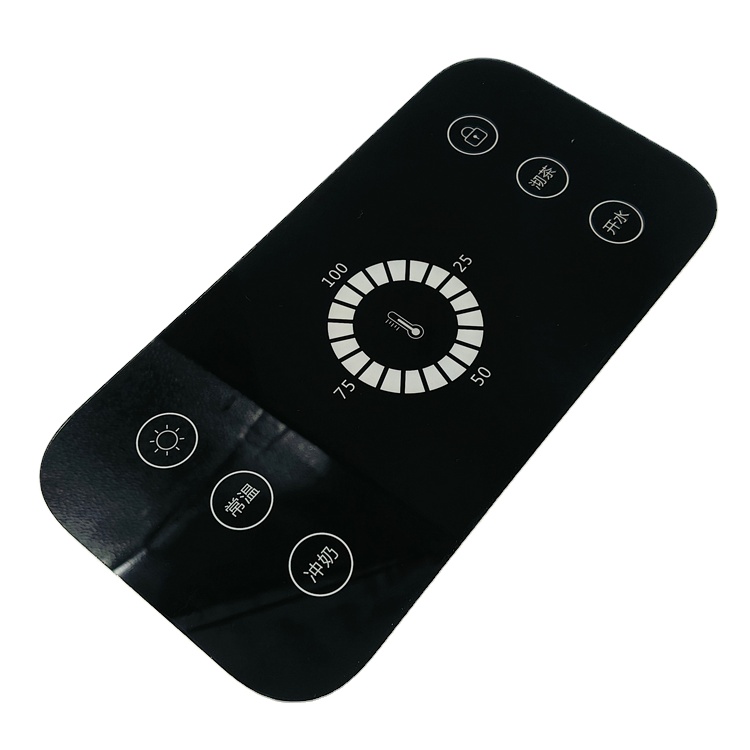
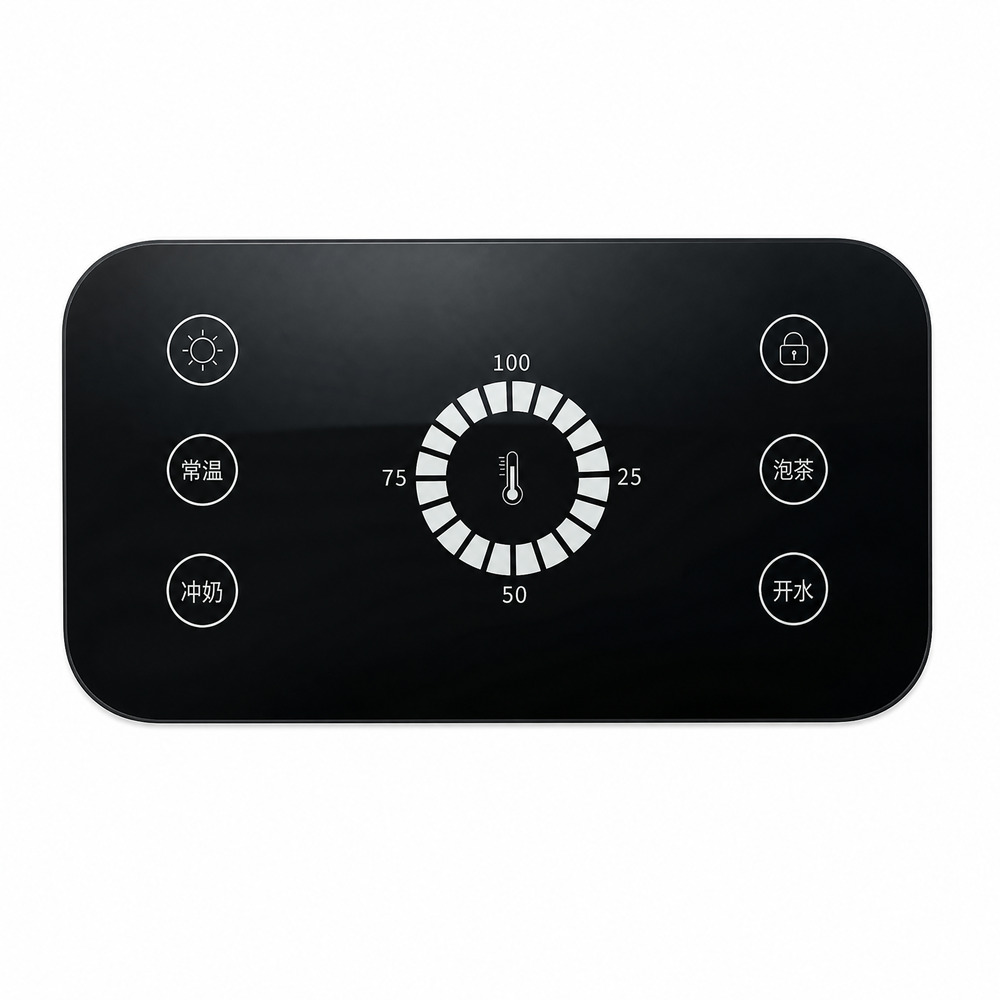
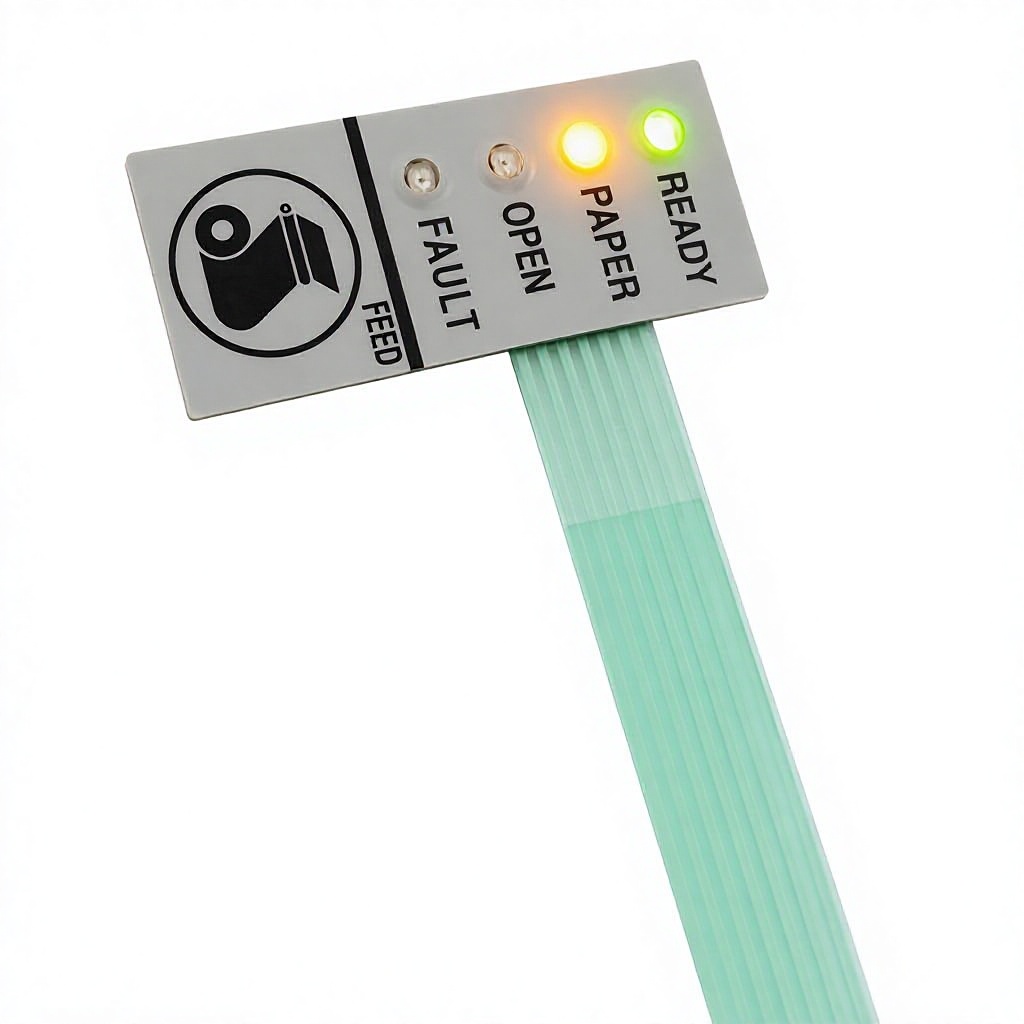
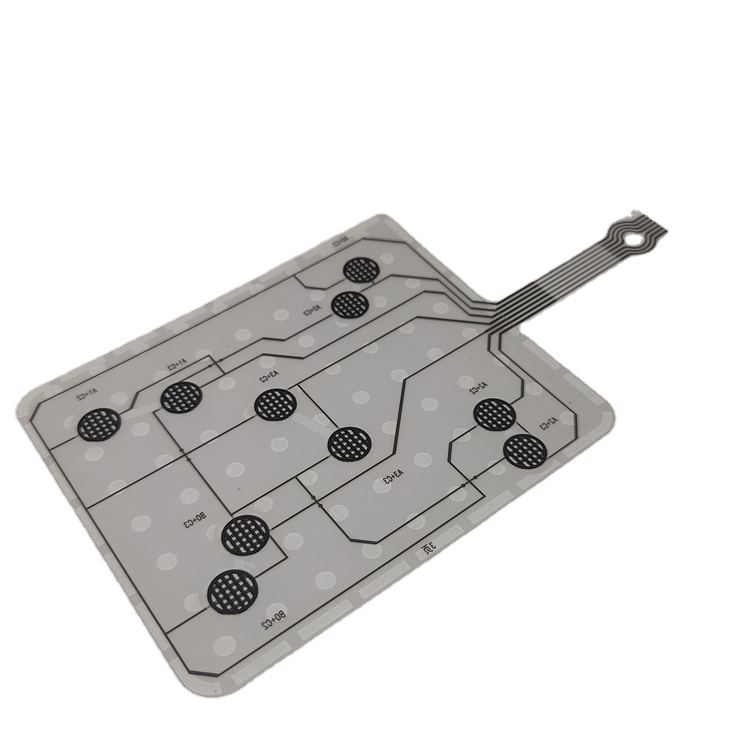
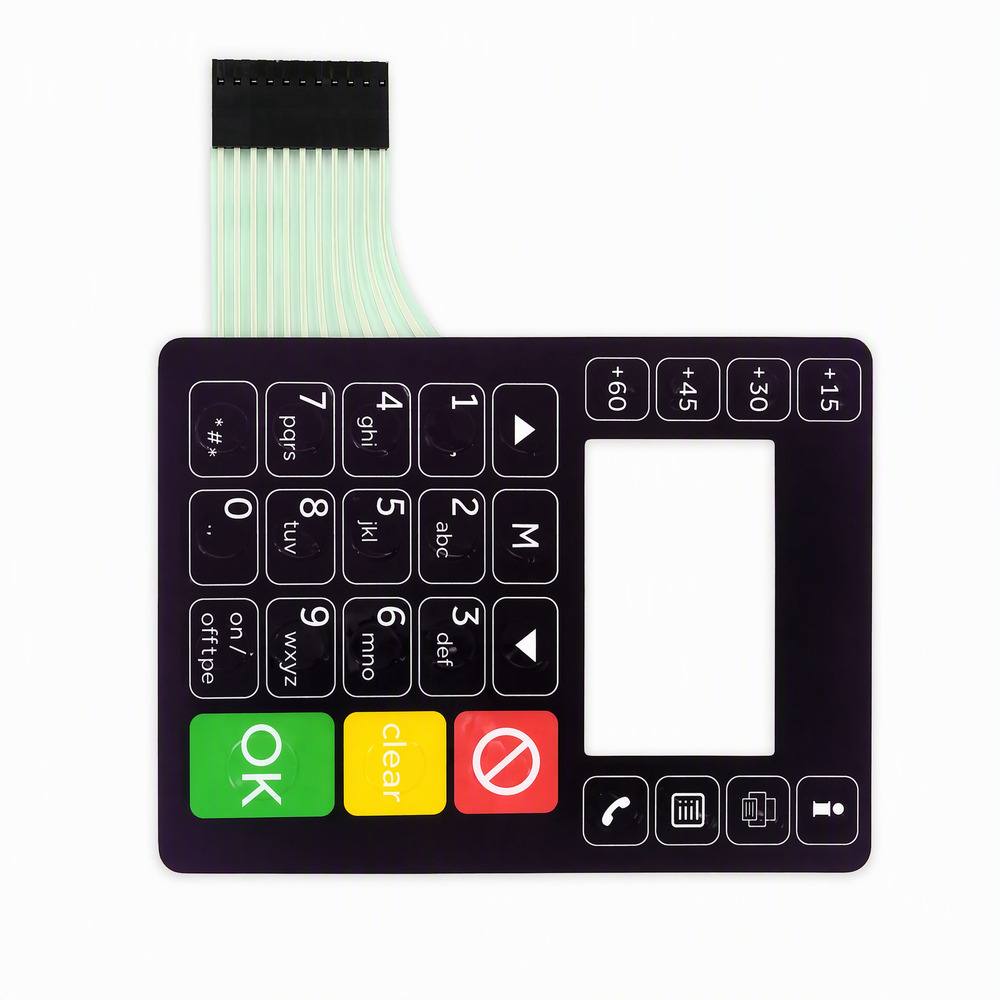
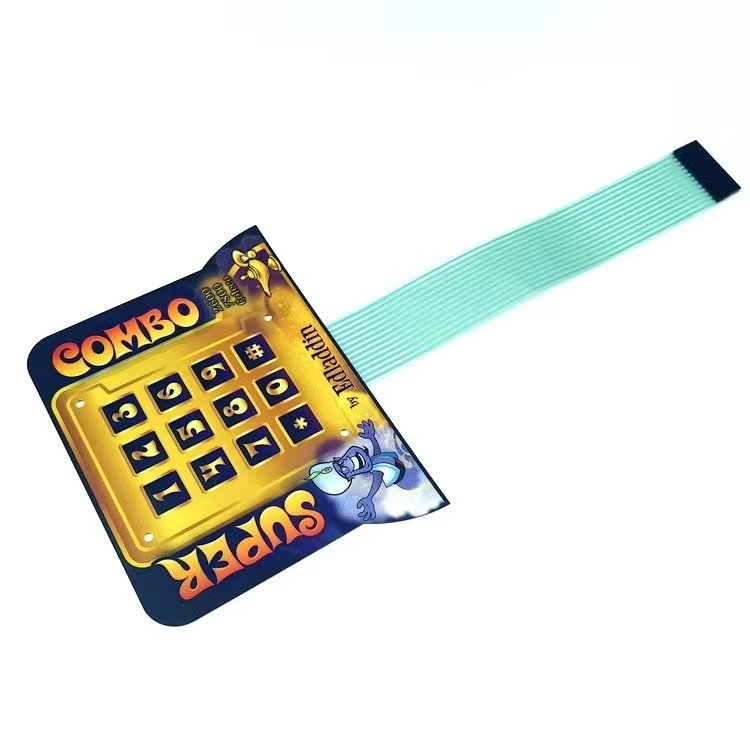
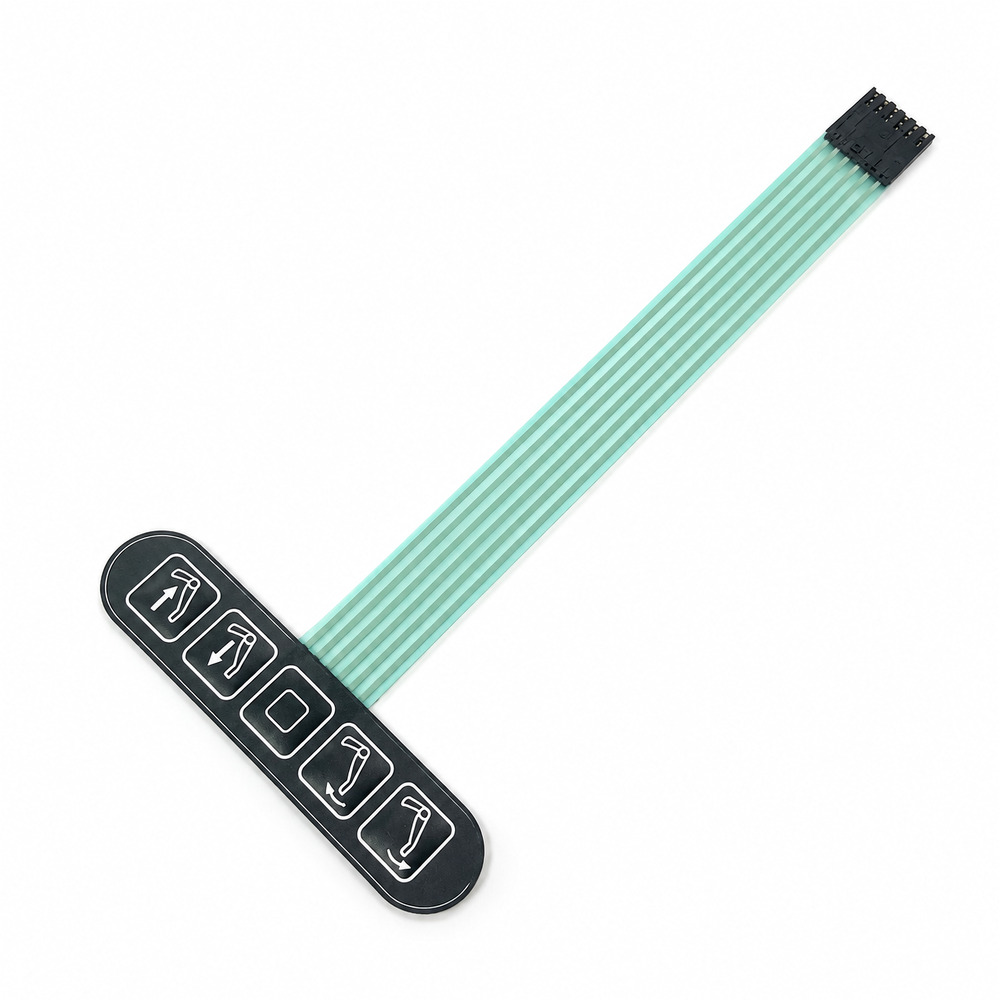
In precision Human-Machine Interface (HMI) design, the metal dome array switch stands as the quintessential bridge between mechanical tactile affirmation and electronic actuation. A metal dome array—frequently designated as a tactile peel-and-place sheet or dome carrier—consists of pre-spaced, pre-oriented stainless-steel tactile snap domes adhered onto a pressure-sensitive polyester carrier film. When deployed over printed circuit boards (FR-4 PCB) or flexible polyester circuits (PET/FPC), dome arrays eliminate hand-placement bottlenecks during high-volume assembly, enforce exact tactile uniformity across multicavity matrices, and preserve low contact resistance under prolonged mechanical cycling.
For global procurement specialists, OEM system architects, and electrical engineers, selecting a reliable dome array switch factory and exporter is fundamentally a calculation of metallurgical integrity, cleanroom environmental control, registration tolerance, and adhesive longevity. Substandard manufacturing yields devastating field failures: premature dome collapse, intermittent signal chatter, contact migration under high humidity, and adhesive delamination across thermal shock extremes.
Industrial-grade tactile dome arrays manufactured by Dongguan Ravo Electronics utilize an optimized seven-layer or five-layer laminate topology engineered to balance venting, moisture resistance, and crisp tactile deflection (click ratio ≥ 45%–60%):
| Layer Index | Structural Element | Material Engineering Grade | Critical Functional Role |
|---|---|---|---|
| Layer 1 | Graphic Overlay | Autotex PET / Lexan HP92S PC (0.125mm–0.25mm) | Chemical barrier, UV resistance, customized reverse silk-screen or digital printing. |
| Layer 2 | Overlay Adhesive | 3M 467MP / 3M 9448A / Crown PSA | Laminates graphic face to dome retainer layer; die-cut to prevent key binding. |
| Layer 3 | Dome Retainer Sheet | Optical PET Film (0.05mm–0.075mm) + Acrylic PSA | Suspends and secures metal domes in strict Cartesian coordinate alignment. |
| Layer 4 | Tactile Contact Core | SUS301 Stainless Steel (Nickel or Gold Plated) | Four-leg, cross, triangle, or round tactile domes delivering tactile feedback and switch closure. |
| Layer 5 | Spacer & Venting Channel | Bi-axially Oriented PET + Precision Channeling | Provides internal air evacuation paths during depression to eliminate hydrostatic resistance. |
| Layer 6 | Circuit Conductor | Silver Ink Conductive PET / Cu Polyimide FPC / FR-4 | Carries dynamic logic circuitry, interdigitating finger contacts, and tail exit tracks. |
| Layer 7 | Substrate Mounting Adhesive | 3M 468MP / 3M 300LSE / High-Tack Rubber PSA | Mounts entire assembly hermetically onto aluminum, steel, or low-surface-energy (LSE) plastic enclosures. |
Dongguan Ravo Electronics Co., Ltd. (established in 2003 in Fenggang Town, Dongguan, Guangdong, China) has evolved over two decades from a specialized tool-and-die workshop into a comprehensive HMI and sensor manufacturing powerhouse. Our facility operates over 12,000 square meters of high-cleanliness production workshops, staffed by over 300 experienced technicians, screen printers, CAD/CAM specialists, and IPC-certified quality engineers during peak operations.
Unlike assemblers reliant on third-party tooling, Ravo manufactures silk screens, precision steel embossing dies, laser-cut stencils, and die-cutting molds internally. This ensures sub-millimeter registration tolerance (±0.05mm) and enables true prototyping starting from 1 piece.
Engineering response time is critical for accelerated NPI cycles. Our dedicated English-proficient DFM team evaluates client DXF/Gerber/AI files within 2 hours, analyzing vent channel dynamics, actuation stroke interference, tail pinouts, and ESD protection topologies.
Every single production switch undergoes rigorous automated pin-to-pin open/short continuity verification, insulation resistance testing (>100MΩ at 100V DC), contact bounce profiling, and batch-wise load-displacement testing on automated curve analyzers.
Raw materials are sourced directly from verified world-class suppliers (3M, MacDermid Autotype, DuPont, Acheson, Sabic). All assemblies comply with RoHS 3, REACH 233, and UL 94-V2/V0 standards, supported by full material declaration records.
Beyond standalone metal dome arrays, Ravo seamlessly combines surface-mount 0603/0805 LEDs, light guide films (LGF), silicone elastomeric keypads, FSR pressure-sensing circuits, and capacitive touch sensors onto one cohesive sub-assembly.
With 14+ years of verified international trade history, our products are shipped worldwide to Tier-1 industrial, automotive, and medical OEMs throughout Germany, the USA, the UK, Japan, and Scandinavia under vacuum ESD packaging.
Procuring the optimal metal dome array switch requires matching the geometric and metallurgical properties of the dome to the electrical environment and human factor constraints of the target product. Below is the recommendation matrix applied by Ravo application engineers:
Diameter: 6.0mm – 20.0mm
Force Range: 180g – 500g
Best For: PCB integration where low profile and positive mechanical grounding are paramount. The four legs permit layout routing underneath the dome void, maximizing PCB trace density in industrial handhelds.
Diameter: 3.0mm – 12.0mm
Force Range: 120g – 350g
Best For: High-density switch clusters in ultra-compact designs such as surgical devices and handheld avionics. Allows narrow key pitch (down to 5mm center-to-center) without lateral binding.
Dimensions: 4x7mm – 8x14mm
Force Range: 200g – 400g
Best For: Elongated push-button switches, rocker toggles, and directional D-pads on medical patient monitors, automotive gear consoles, and industrial machine remote transmitters.
Diameter: 5.0mm – 12.0mm
Force Range: 220g – 600g
Best For: Severe industrial environments where extreme actuation forces (>450g) and distinct tactile clicks are required to overcome operator numbness or heavy safety gloves.
Nickel Plating: The industry standard for cost-effective switches. Provides excellent oxidation resistance and typical contact resistance <1.0Ω across standard 5V–24V DC logic switching currents.
Gold Plating: Mandated for mission-critical medical diagnostics, defense electronics, and low-voltage/micro-ampere circuits (sub-1V logic). Eliminates micro-fretting corrosion and guarantees ultra-low contact resistance (<0.1Ω) over temperature fluctuations (-40°C to +105°C).
Bare Stainless Steel: Reserved for low-cost, short-lifecycle consumer toys where economic efficiency supersedes long-term contact resistance stability.
The international supply chain for tactile interfaces is undergoing structural transformation. Procurement departments at leading OEM/EMS corporations no longer purchase standalone discrete components; they demand pre-validated, surface-mountable electro-mechanical systems. Four dominant procurement vectors are defining the coming decade:
Procuring loose domes for manual pick-and-place is rapidly being phased out due to yield variance and secondary labor expenses. Modern procurement contracts specify 100% pre-vented, multi-position adhesive arrays packaged in tape-and-reel or custom-cut registration carriers designed for robotic auto-placement lines.
Driven by European corporate sustainability mandates (CSRD), buyers require documented life-cycle assessments (LCA) for PET carrier films and release liners. Solvent-free water-based adhesives and halogen-free spacer materials are becoming primary selection criteria during supplier audits.
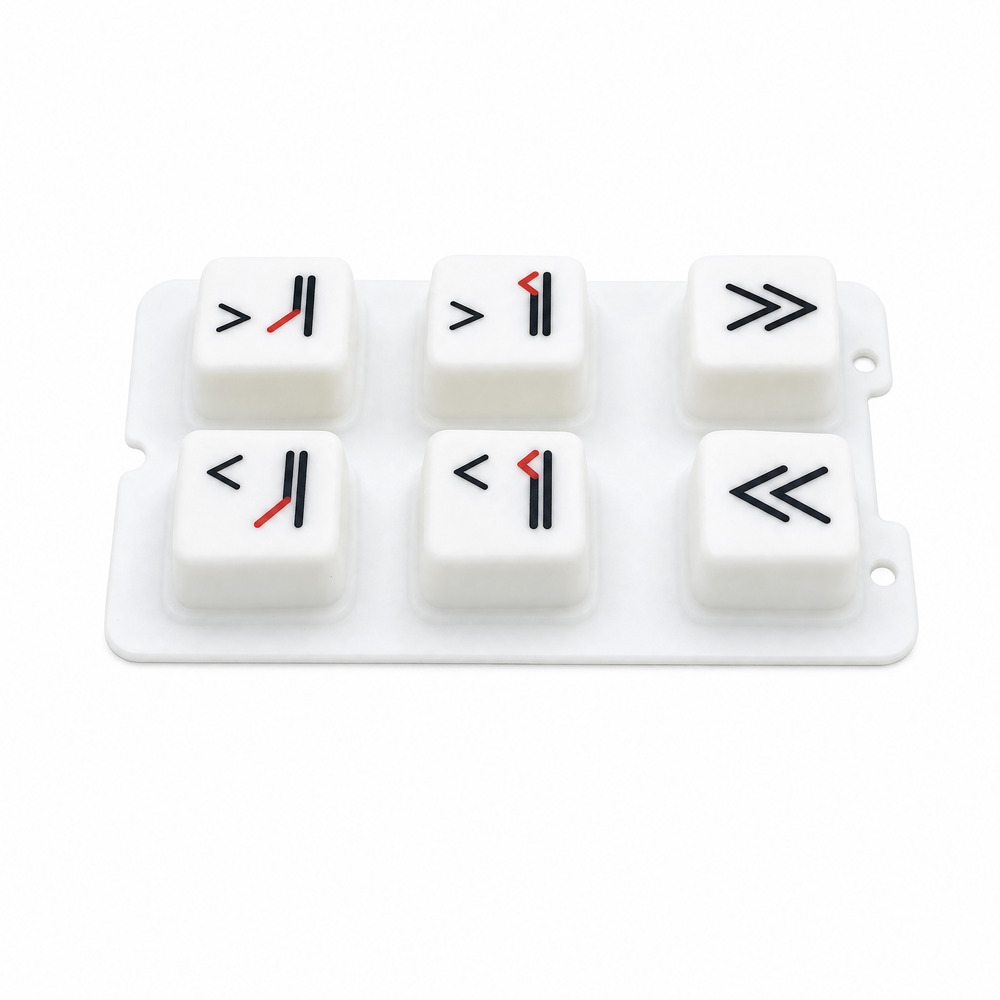
Instead of sourcing silicone rubber keypads, metal dome arrays, and PCB motherboards from separate vendors, procurement teams are utilizing single-source turnkey manufacturers like Ravo to procure complete assembled and tested modules, reducing BOM complexity and incoming inspection costs.
As equipment users demand sleeker form factors and intuitive feedback, metal dome array switches are integrating advanced technologies at the material and circuit level:
Traditional membrane switches relied on bulky discrete LEDs that created hot-spots. Emerging dome array assemblies embed 0.125mm optical polycarbonate LGF layers directly over the metal domes. Side-firing 0402 LEDs diffuse light homogeneously across legends without compromising the tactile snap feel.
Hybrid interfaces combine capacitive slider/rotary sensors with tactile metal dome arrays on the same flexible substrate. Operators receive the speed of touch-gesture navigation alongside the fail-safe physical confirmation of a metal snap dome for critical safety functions (e.g., Emergency Stop, Power, Confirm).
By printing semi-conductive piezoresistive carbon inks directly beneath the dome contact perimeter, next-generation switches deliver dual-action feedback: a physical tactile snap at an initial force threshold, followed by variable analog resistance proportional to continued operator pressure.
Critical technical queries addressed by Dongguan Ravo Electronics' senior engineering staff to streamline your design and procurement process:
Metal domes require a finite volume of air to displace when depressed. In unvented or improperly vented designs, the entrapped air compresses, creating a spongy actuation feel, dampening the crisp click ratio, and increasing contact resistance. More critically, repeated depression creates backpressure that delaminates the polyester carrier tape. Ravo utilizes precision laser micro-channeling between dome cavities, either venting into internal non-functional chambers or through filtered environmental breathable membranes.
Actuation force (Trip Force, Fmax) is the peak load required to collapse the metal dome, typically between 160g and 500g. The tactile ratio is computed as ((Fmax - Fmin) / Fmax) * 100%, where Fmin is the bottom contact resistance point. A click ratio of 50% to 65% is optimal for industrial and medical equipment, providing clear cognitive feedback even when operators wear heavy nitrile or leather protective gloves.
Yes. While the metal dome itself is mechanical, sealing is achieved through the adhesive stack-up and overlay encapsulation. By implementing continuous perimeter 3M 300LSE adhesive gaskets (minimum 3.0mm width), hydrophobic vent filters, and continuous bezel framing, our switch assemblies prevent moisture ingress from high-pressure cleaning, alcohol disinfections, and marine salt spray.
Silver migration occurs when moisture and DC electrical bias cause silver ions to migrate across circuit traces. Ravo mitigates this completely by printing a high-density, carbon-paste conductive overcoat over all silver contact fingers. Alternatively, for extreme high-humidity environments, we manufacture the circuit substrate on copper-clad Polyimide FPC with nickel-gold immersion plating (ENIG).
Our on-site QA laboratory utilizes pneumatic and servo-driven multi-station life-cycle endurance testers. Domes are depressed at a frequency of 3 to 5 Hz with a regulated silicone actuator tip to simulate human finger actuation. We continuously log contact resistance, actuation force degradation, and mechanical return height through 1,000,000 to 5,000,000 cycles to certify zero dome cracking or inversion fatigue.
To deliver a comprehensive DFM and rapid quotation within 2 hours, we require: 1) Vector artwork for graphics (AI, EPS, or PDF with Pantone solid coated color codes), 2) Mechanical 1:1 scale drawings showing outline dimensions, dome centers, LED positions, and tail length (DXF, DWG, or STEP), and 3) Electrical schematic or circuit routing netlist with pinout designations.
Connect directly with our senior application engineering team in Dongguan. Whether you require rapid prototype samples (from 1 pc), a comprehensive DFM manufacturability audit, or high-volume automated production quotations, we deliver reliable solutions backed by 20+ years of manufacturing expertise.
Send an Inquiry