ISO 9001:2015 Certified OEM/ODM Factory

Top China Matrix Pressure Sensor Factory & Suppliers

Precision Piezoresistive Tactile Arrays, Flexible FSR Films & Human-Machine Interface Solutions Engineered in Dongguan Since 2003 with ≤2-Hour DFM Technical Response.

Verified Production Portfolio

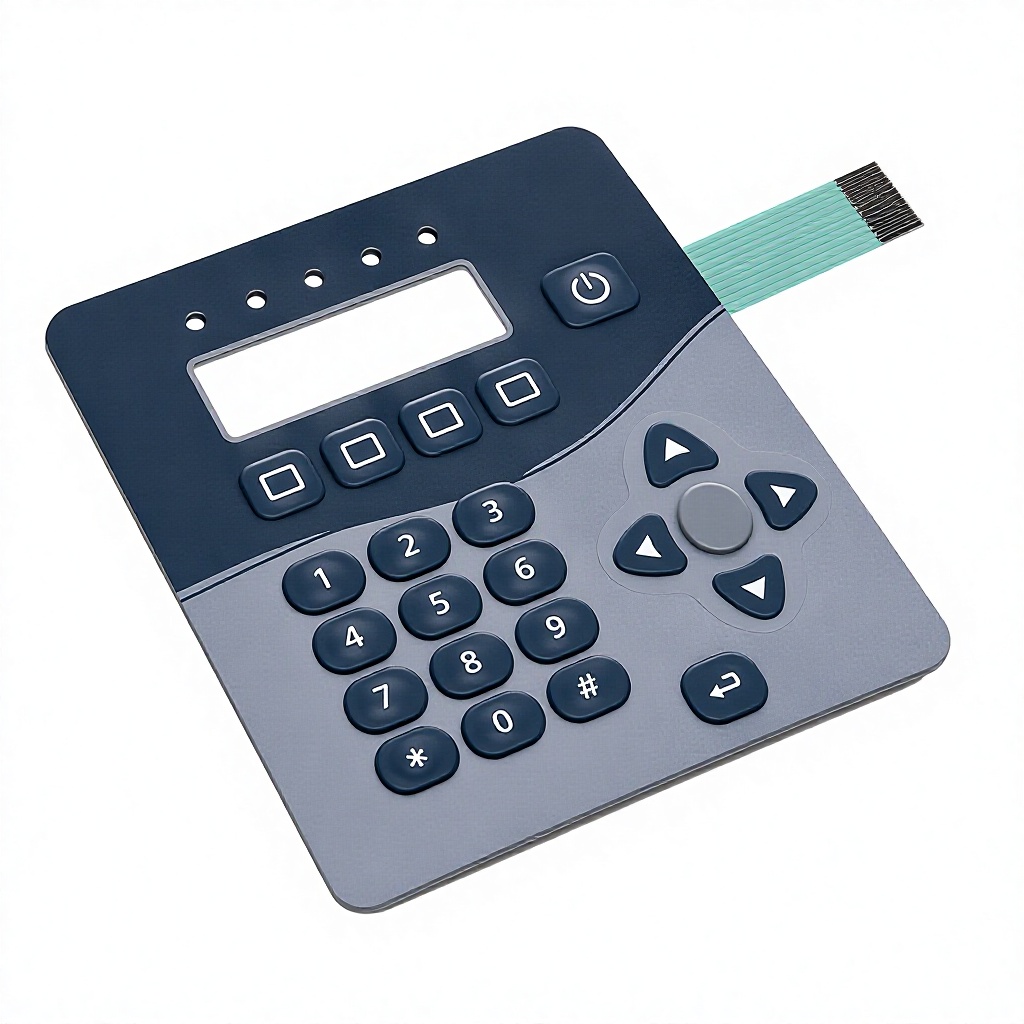
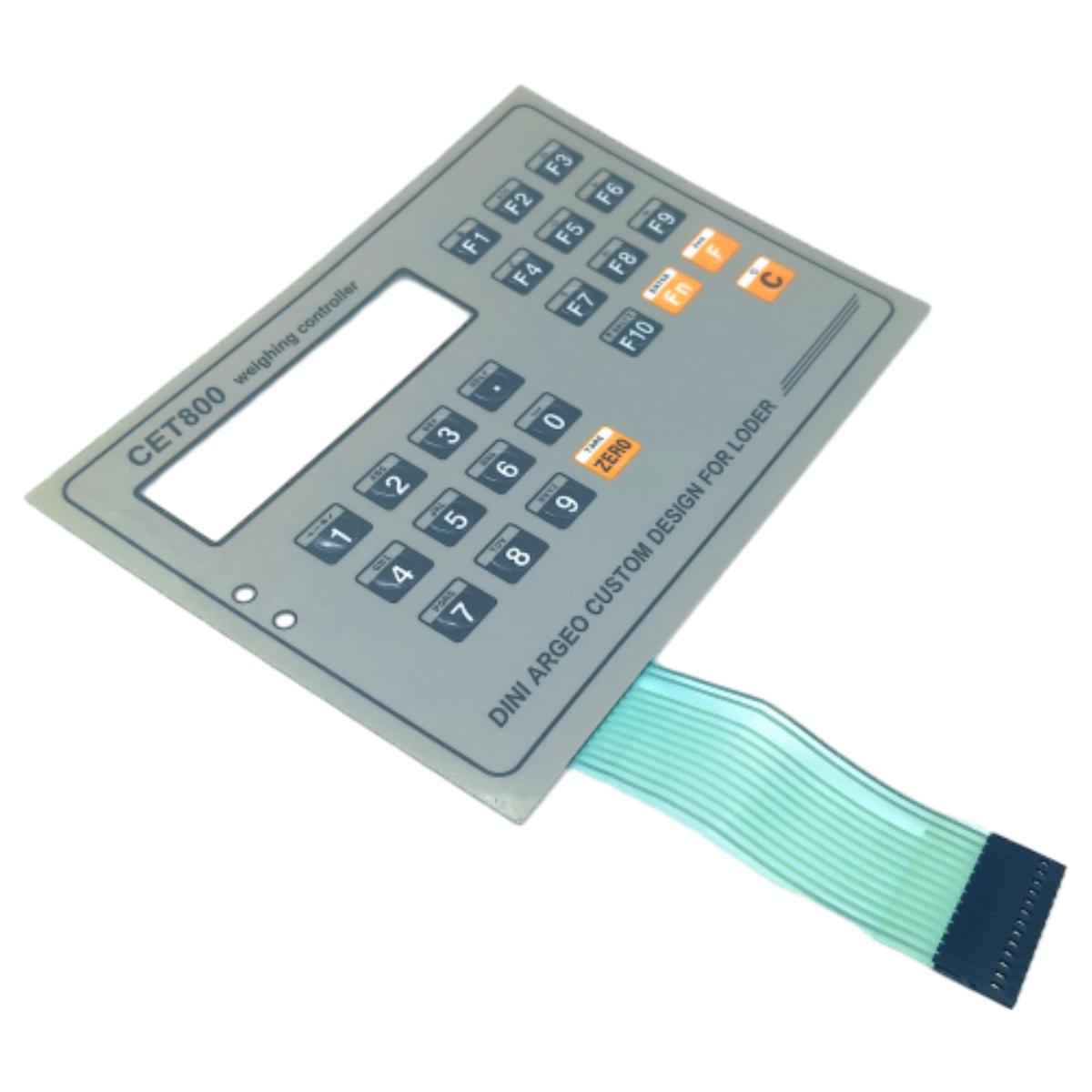
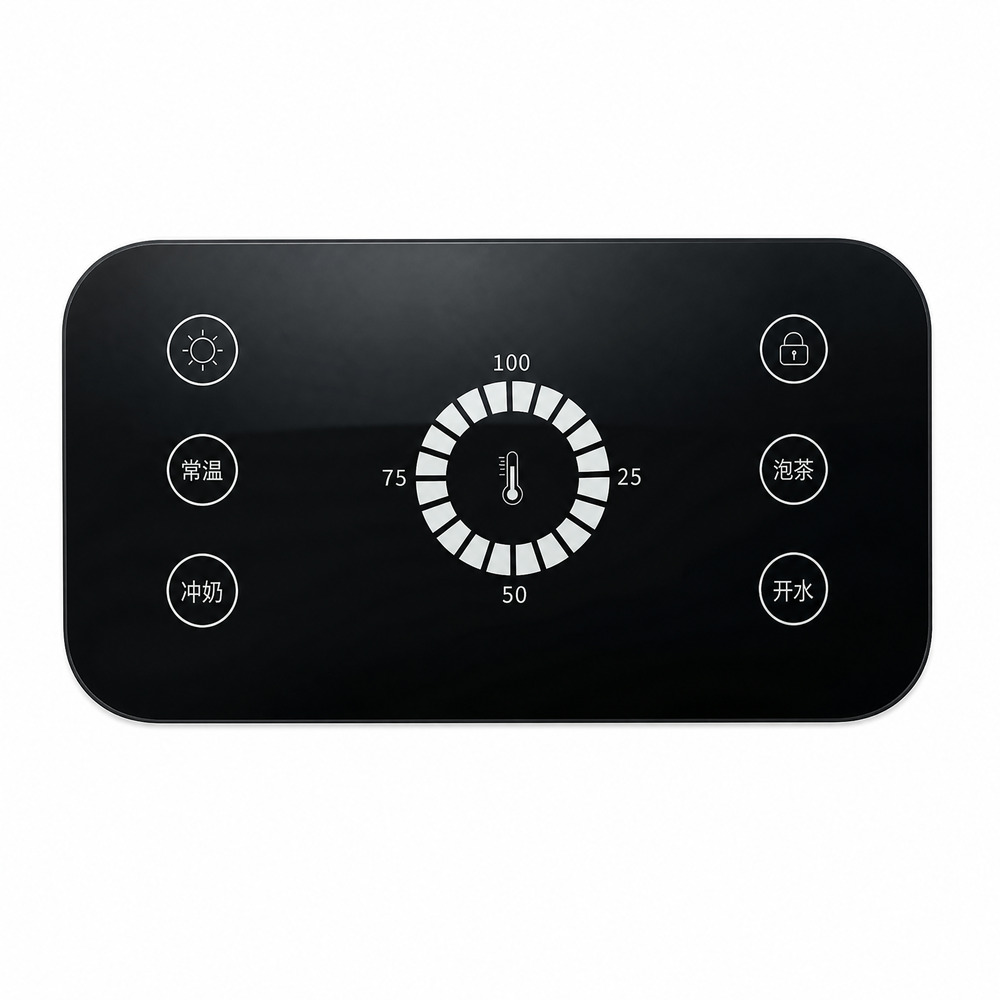
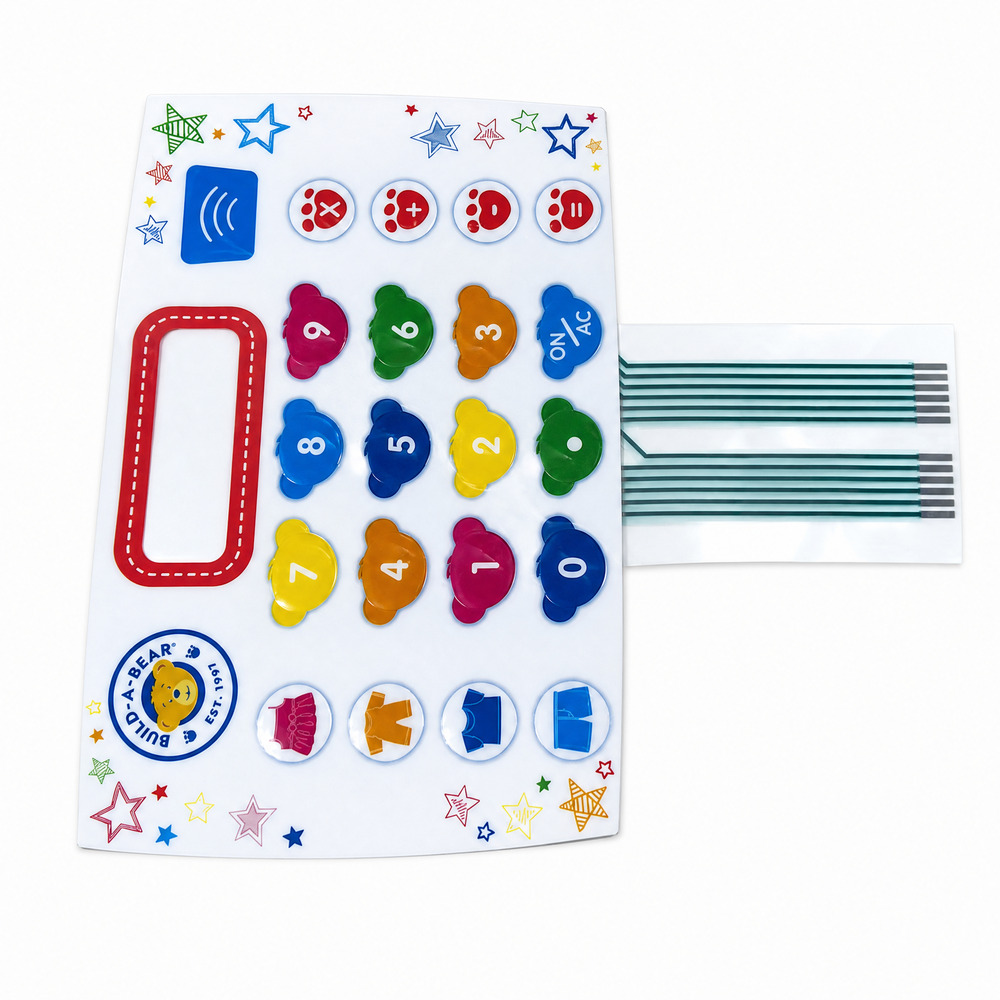
Precision Matrix & Tactile Membrane Switch Products

Explore our high-reliability tactile and thin-film matrix interface configurations. Every assembly is custom manufactured to your mechanical CAD schematics, connector requirements, and environmental specifications.

2003
Established in Dongguan
12,000 m²
Modern Production Plant
≤ 2 Hours
DFM Engineering Response
1 Piece
Prototype MOQ Capability
Engineering White Paper

The Next Horizon in Tactile Intelligence: Thin-Film Matrix Pressure Sensors

In the contemporary landscape of human-machine interfaces (HMI), smart robotics, and biomechanical monitoring, the transition from discrete, single-point electromechanical switching to continuous distributed matrix pressure sensing represents a fundamental engineering evolution. A matrix pressure sensor comprises an orthogonal grid of conductive drive lines (rows) and sense lines (columns) sandwiching a micro-structured functional piezoresistive material or quantum-tunneling carbon composite ink. When external compressive force is exerted upon any intersection—termed a tactel (tactile pixel)—the local electrical resistance decreases in calibrated inverse proportion to the applied force.

Dongguan Ravo Electronics Co., Ltd. has stood at the leading edge of printed electronics and tactile membrane technology for over two decades. Originating in Fenggang Town, Dongguan—the epicenter of precision electronics manufacturing in Southern China—Ravo has engineered custom tactile solutions ranging from low-profile industrial keypads to multi-thousand-point high-density pressure mapping matrices. By integrating state-of-the-art semi-automatic screen-printing suites within Class 1,000 and Class 10,000 cleanroom environments, we achieve trace line-widths down to 0.15 mm and positional layer-to-layer registration accuracy within ±0.05 mm.

For international tier-1 OEMs and device engineers, sourcing matrix pressure sensors from China demands rigorous scrutiny across three cardinal axes: cross-talk suppression, piezoresistive ink stability, and dynamic repeatability. Unlike commodity membrane keypads that operate in binary open/closed states, pressure distribution mapping requires analog precision. Our in-house research laboratory formulates proprietary carbon-silver polymer pastes engineered to eliminate conductive particle migration, mitigate mechanical hysteresis below 7%, and withstand more than five million continuous pressure cycles without functional degradation.

Ravo Manufacturing Facilities and Engineering Capabilities

Tactile Sensing Technologies: Architecture & Performance Benchmark

A systematic technical evaluation designed to assist systems architects and hardware engineers in selecting the optimal matrix architecture for industrial, medical, and consumer platforms.

Architecture Type Sensing Mechanism Tactel Density Range Actuation Force Span Cross-Talk Mitigation Primary Industrial Use-Cases
Shunt-Mode Matrix (Piezoresistive) Dual-interdigitated silver electrodes contacted by top carbon FSR layer 4 to 64 tactels/cm² 0.1 N to 50 N per tactel Zero-potential virtual ground scanning or diode isolation Automotive seat occupancy, gait insoles, smart beds, warehouse shelving
Thru-Mode Matrix (Sandwich) Orthogonal Row (Top) and Column (Bottom) traces sandwiching solid FSR ink 16 to 256 tactels/cm² 0.05 N to 100 N per tactel Synchronous matrix multiplexing with active op-amp feedback Robotic tactile fingertips, medical diagnostic pads, dynamic tire footprint test
Capacitive Pressure Array Deformable micro-cellular dielectric elastomer altering capacitance 1 to 16 tactels/cm² 0.01 N to 10 N per tactel Immune to DC resistive ghosting; susceptible to EMI interference Consumer touchpads, soft wearable interfaces, sterile clinical monitors
Tactile Dome Matrix (Hybrid) Discrete stainless-steel metal domes arranged in multiplexed row/col layout Mechanical spacing (min. 6mm pitch) 1.2 N to 5.0 N snap force Naturally decoupled binary contacts; no analog ghosting Ruggedized military hand terminals, explosion-proof inverters, avionics HMIs
Market Intelligence

Future Procurement Trends in Matrix Pressure Sensors (2025–2030)

Strategic purchasing demands anticipating systemic shifts in material science, system integration, and global supply chain resilience. Here is what leading procurement officers are preparing for.

Shift to Turnkey Embedded Modules

Global procurement teams are transitioning away from buying bare film sensor tails that require complex custom analog front-end (AFE) design. Sourcing contracts increasingly demand integrated FPC/PCB assemblies with factory-calibrated microcontrollers offering direct I²C, SPI, or CAN-bus digital outputs.

Demand for Extreme Dynamic Range

Traditional FSR films exhibited narrow saturation thresholds. Procurement specifications now routinely require linear sensitivity extending from ultra-light feather touch (10 grams) to high load capacity (50 kg/cm²), accelerating adoption of proprietary multi-layered and hybrid nano-composite formulations.

Biocompatible & Washable Substrates

With smart healthcare mattresses, surgical robotic grippers, and athletic wearable gait monitors proliferating, buyers require ISO 10993 biocompatibility and IP67/IP68 hermetic sealing capable of enduring ultrasonic hospital cleaning or repeated laundering cycles without sensor degradation.

Supply Chain Decoupling & Traceability

Tier-1 automotive and medical device manufacturers are auditing China suppliers for raw material origin tracing. Standard operating procedures now necessitate lot-level traceability of raw PET films (Toray, DuPont Teijin), structural adhesives (3M 467MP/468MP), and conductive inks (Henkel, Acheson).

Technological Roadmap

Key Engineering Vectors in Matrix Sensor R&D

How cutting-edge materials science, printed electronics topologies, and digital signal processing algorithms are redefining matrix pressure sensitivity.

Graphene & Carbon Nanotube (CNT) Hybrids

Traditional carbon-black polymer thick-film inks exhibit micro-fractures under continuous cyclic deformation. Ravo's engineering unit is pioneering hybrid CNT and graphene nanoplatelet dopants that increase inter-particle conductive continuity, diminishing baseline resistance drift over 100,000 flexing cycles to below 2.5%.

Anti-Ghosting Zero-Potential Drive Topologies

When multiple tactels are simultaneously compressed in a passive multiplexed grid, parasitic electrical pathways cause "ghosting" artifacts. We co-engineer custom hardware scanning architectures utilizing high-speed analog multiplexers paired with operational amplifiers that hold unselected drive lines at virtual ground, achieving scan rates up to 1,000 frames/sec.

Multi-Modal Sensor Fusion (Force + Temp + Proximity)

Next-generation automotive cockpit controls and smart appliance interfaces require seamless multi-functional integration. Our hybrid stack-ups integrate capacitive hover/touch detection, thin-film matrix force response, and surface NTC thermistors into an ultra-thin laminate measuring less than 0.8 mm in overall cross-section.

Manufacturing Credentials

Why Tier-1 Engineers Partner with Dongguan Ravo Electronics

From early concept DFM consulting to zero-defect volume manufacturing, discover the institutional strengths built over twenty years of South China manufacturing leadership.

≤2-Hour DFM Engineering Response

Our dedicated bilingual team of mechanical and electrical engineers evaluates your DXF/Gerber files, stack-up requirements, and connector constraints within two hours, offering actionable Design for Manufacturability insights.

100% Automated AOI & Electrical Continuity

Every individual circuit trace, tactel resistance threshold, and LED component is 100% electrically validated on custom computer-controlled test fixtures before lamination, completely preventing open or short-circuit escapes.

Prototypes in 7–10 Days, MOQ from 1 Pc

Accelerate your NPI timeline. We maintain in-house laser cutting, digital proofing, and rapid tooling creation, enabling functional matrix pressure sensor prototypes to ship within 7 to 10 working days with zero minimum lot constraints.

ISO 9001:2015 & Cleanroom Facilities

Our 12,000 square-meter Dongguan manufacturing campus incorporates dedicated Class 1,000 and Class 10,000 dust-free workshops to guarantee microscopic debris is eliminated during conductive ink deposit and optic lamination.

Certified Tier-1 Raw Material Supply

We source exclusively from certified chemical and polymer manufacturers: Autotype MacDermid and Toray PET substrates, 3M 467MP/468MP adhesives, Nicomatic connectors, and Acheson/Henkel functional silver and carbon pastes.

Export-Grade Packing & Global Logistics

With 14+ years of verified international export history across Europe, North America, Japan, and Oceania, our products are vacuum-sealed in anti-static ESD packaging with full customs declaration and rapid air-express dispatch.

Procurement Knowledge Base

Frequently Asked Questions: Matrix Pressure Sensor Sourcing

Authoritative technical answers to common queries submitted by procurement specialists, mechanical leads, and embedded firmware engineers.

What is the typical production MOQ for custom matrix pressure sensors?

For custom engineering prototypes and preliminary verification batches, our MOQ is as low as 1 to 5 pieces. For mass manufacturing runs, commercial production volume typically begins at 100 to 500 units, depending on the dimensional surface area, layer complexity, and connector choices.

How do you address sensor drift and mechanical hysteresis?

Sensor drift and hysteresis are primarily governed by ink chemistry and polymer substrate elasticity. We employ heat-stabilized polyester (PET) or polyimide (Kapton) films alongside proprietary modified carbon polymer thick film pastes, constraining cyclic hysteresis below 6–8% and baseline drift to under 3% over 24-hour constant loading.

Can your matrix pressure sensors be manufactured with IP67 waterproofing?

Yes. By utilizing continuous perimeter adhesive gaskets (such as 3M 200MP/300LSE transfer tapes), blind-sealed edge lamination, and hermetically sealed tail escape transitions, we routinely certify finished assemblies to IP65, IP66, and IP67 ingress protection standards suitable for outdoor and medical environments.

What tail interface and connector options are available?

We provide standard 2.54 mm and 1.00 mm pitch crimped female housing connectors (FCI, Amphenol, Nicomatic), solderable gold-plated solder tabs, bare tails engineered for Zero Insertion Force (ZIF) socket insertion with integrated backing stiffeners, and direct hot-bar soldered flexible printed circuit (FPC) jumpers.

What files are required to initiate a preliminary quote and DFM review?

To produce a firm quotation and formal DFM review within 2 hours, please supply your 2D mechanical layout (DXF, DWG, or PDF), schematic routing (Gerber or CAD), target force sensitivity range (in grams, Newtons, or PSI), estimated annual quantity, and operational temperature envelope.

Can you integrate tactile metal domes directly above matrix pressure tactels?

Absolutely. We specialize in hybrid tactile stacks. By placing stainless-steel metal domes (with actuation forces ranging from 180g to 500g) directly over matrix contact nodes, operators receive an unmistakable crisp mechanical click while the underlying circuit simultaneously records analog compression magnitude.

Launch Your Custom Matrix Pressure Sensor Project

Connect directly with our senior application engineering team in Dongguan. Submit your preliminary mechanical drawings or performance specifications today for a confidential review and quotation within 2 business hours.