EN
 DE
 FR
 ES
 RU
 JA EN DE FR ES RU JA
Precision-engineered human-machine interface solutions built for medical devices, commercial automation, POS terminals, and extreme operating environments.
A comprehensive engineering assessment comparing manufacturing capabilities, qualification standards, circuit architectures, and strategic strengths across leading global HMI suppliers.
| Manufacturer / Exporter | Headquarters & Footprint | Core Technological Specialization | Circuit Technologies | Prototyping Lead Time | Target Quality Standard |
|---|---|---|---|---|---|
|
Dongguan Ravo Electronics
Featured Global Exporter
|
Dongguan, China (12,000 m² Plant) | High-mix, rapid custom membrane switches, FSR pressure sensors & silicone keypads | Silver PET, Polyimide FPC, Rigid FR-4 PCB | 3 – 7 Working Days (1 pc MOQ) | ISO 9001:2015, RoHS, REACH, IP67 |
| Molex LLC | Lisle, Illinois, USA (Global Plants) | Automotive, medical grade electronic interconnects and complex assemblies | Copper Flex, Etched Polyimide, Silver Ink | 3 – 5 Weeks (Tier-1 NRE) | IATF 16949, ISO 13485, AS9100 |
| XYMOX Technologies, Inc. | Milwaukee, Wisconsin, USA | Printed electronics, capacitive sensors, and transparent conductive films | Screen-Printed Conductive Inks, PEDOT | 2 – 4 Weeks | ISO 9001:2015 Registered |
| Epec Engineered Technologies | New Bedford, Massachusetts, USA | Custom build-to-print human-machine interface and PCB backer integration | FR4 Multilayer PCB, Flexible Circuits | 2 – 3 Weeks | ISO 9001, AS9100, ITAR Compliant |
| Nelson-Miller, Inc. | Los Angeles, California, USA | Industrial control panels, metal nameplates, and backlighting modules | Silver Flake PET, Rigid-Flex Hybrid | 3 – 4 Weeks | ISO 9001, ISO 13485, AS9100D |
| Knitter-switch | Gauting, Germany (European Distribution) | Precision European industrial pushbuttons, subminiature & tactile switches | Standardized Tactile & Custom Panels | Stock to 3 Weeks | ISO 9001, CE, RoHS Compliant |
| Douglas Electronics | Birmingham, United Kingdom | Ruggedized industrial keyboard panels for hazardous area automation | Embossed PET, Metal Substrates | 2 – 4 Weeks | ISO 9001:2015 Accredited |
| Hoffmann + Krippner | Buchen, Germany / Georgia, USA | High-precision automotive touch sensors and potentiometric membrane sensors | Polymer Thick Film (PTF), Hybrids | 3 – 5 Weeks | ISO 9001:2015, DIN EN ISO 13485 |
| Dyna-Graphics Corporation | Reno, Nevada, USA | Commercial membrane keypads with embedded rubber key arrays | Screen Printed Silver Circuitry | 2 – 3 Weeks | ISO 9001:2015 Certified |
| Lustre-Cal Corporation | Lodi, California, USA | Custom front panel graphic overlays, labels, and membrane switch interfaces | Polyester & Polycarbonate Substrates | 10 – 15 Business Days | ISO 9001, MIL-Spec Compliant |
The matrix membrane switch sector has transitioned from simple mechanical contact arrays to highly integrated electro-mechanical sub-assemblies. While Tier-1 North American and European manufacturers excel at defense-restricted contracts requiring ITAR compliance, high-capacity Asian manufacturers like Dongguan Ravo Electronics provide substantial total cost of ownership (TCO) advantages for mid-to-high volume industrial, medical, and appliance deployments.
By housing tool-making, screen fabrication, cleanroom printing, and surface-mount component pick-and-place under one roof, modern exporters can compress engineering prototype turnarounds to under seven days while eliminating multi-tiered supply markups.
A matrix membrane switch organizes electrical contact points into an intersecting grid of rows (X-axis) and columns (Y-axis). In a direct-drive configuration, an array of 16 individual switches requires 17 distinct circuit traces (1 common ground + 16 individual signal leads). In stark contrast, a 4×4 matrix configuration drives those exact same 16 keys utilizing merely 8 circuit lines (4 rows + 4 columns).
This layout exponentially shrinks tail ribbon width, reduces connector pin count, eliminates tail routing congestion, and optimizes microcontroller I/O pin allocation, lowering overall Bill of Materials (BOM) complexity across modern embedded PCB assemblies.
Analyzing the interior mechanical construction of matrix switches to balance actuation crispness, operational lifespan, and harsh environment resistance.
Utilizing precision stainless-steel metal domes (typically nickel-plated or gold-plated, 6mm to 12mm diameter), this construction provides distinct, snap-action sensory feedback that operators can clearly feel through heavy industrial gloves.
Actuation Force: 250g to 500g.
Tactile Ratio: 40% – 60% snap ratio.
Durability: Rated for over 1,000,000 to 5,000,000 actuations.
Ideal Applications: Diagnostic medical analyzers, CNC operator panels, industrial robotics, and aerospace ground control.
Polydomes eliminate loose metal components by thermoforming tactile bubbles directly into the polyester (PET) graphic overlay or spacer layer via high-precision heated tooling dies. The dome itself acts as the spring return mechanism.
Actuation Force: 180g to 350g.
Tactile Ratio: Softer acoustic snap, reduced mechanical noise.
Durability: Typically rated for 500,000 to 1,000,000 cycles.
Ideal Applications: Smart consumer appliances, commercial microwaves, electronic learning tablets, and gaming consoles.
Constructed without metal or formed domes, non-tactile switches rely on thin dielectric spacer openings (0.075mm to 0.125mm) allowing direct contact between top and bottom conductive traces when depressed. Sensory confirmation is handled by audio beeps or visual LED indicators.
Actuation Force: 50g to 150g (minimal travel).
Stack Profile: Extremely thin (<0.5mm total thickness).
Durability: Exceeds 5,000,000 actuations.
Ideal Applications: Fuel dispensing terminals, electronic dartboards, high-cycle membrane keyboards, and space-constrained handheld monitors.
How advanced material science, thin-film sensor integration, and optical engineering are shaping next-generation human-machine interfaces.
Modern HMI designs are actively combining capacitive slider controls and touch zones with tactile metal dome matrices on a single substrate. Capacitive touch surfaces provide sleek, seamless wipe-down aesthetics for primary navigation, while mechanical matrix keys maintain tactile safety cutoffs and critical confirmation functions where accidental touches must be physically prevented.
Traditional electroluminescent (EL) backlighting suffers from high voltage inverter requirements and half-life degradation. The industry has decisively migrated toward ultra-thin 0.125mm Light Guide Film (LGF) arrays paired with side-firing SMD LEDs. Micro-etched dots across the optical film direct light upward evenly through specific graphic legends, achieving high-uniformity luminance without hot spots or thermal dissipation issues.
The convergence of membrane printing and piezoresistive sensor technology allows matrix switch assemblies to detect not just ON/OFF contact closure, but the dynamic magnitude of applied mechanical pressure. Using specialty semi-conductive carbon pastes, manufacturers print matrix pressure sensor films used widely in automotive seat occupancy detection, smart hospital beds, and industrial speed throttles.
With industrial machinery subject to high-pressure wash-down and medical gear undergoing aggressive chemical sterilization (glutaraldehyde, isopropyl alcohol, bleach), advanced matrix switches employ specialized 3M 300LSE adhesive perimeter dams, hydrophobic breathable vent membranes (Gore-Tex vents), and anti-microbial textured hard-coated polyester films to prevent fluid capillary ingress and internal condensation.
Key supply chain strategies, total cost of ownership models, and risk mitigation methodologies every engineering procurement manager should know.
Historically, custom membrane switch tooling entailed high Non-Recurring Engineering (NRE) charges, making small prototyping runs economically unviable. Today, advanced digital cutting plotters, laser ablation systems, and direct-to-substrate digital UV printers allow manufacturers to produce functional prototypes and pilot runs from 1 to 50 pieces without hard steel tooling.
Procurement teams increasingly partner with factories capable of hybrid scaling: digital prototyping during the pilot validation phase, switching seamlessly to high-speed hardened steel dies for volume mass production.
Silver paste represents a volatile component of raw material BOM costs due to precious metal commodity pricing swings. Sophisticated B2B buyers now scrutinize circuit design trace widths and ink formulations.
Specifying carbon overcoat layers across silver contact fingers not only guards against silver electrochemical electromigration under humid bias conditions, but also allows thinner silver trace deposition, protecting project budgets against raw material price shocks over multi-year production lifecycles.
Procuring raw membrane switches, sending them to a third-party molding shop for bezel housing, and relying on another contract manufacturer for final board testing introduces substantial assembly defect finger-pointing. Leading OEMs now mandate fully integrated sub-assemblies.
Exporters now supply the entire front-panel cassette: the membrane matrix switch laminated directly onto an aluminum/plastic backer, pre-populated with surface-mount LEDs, optical display windows, integrated EMI shielding, and tested cable harnesses ready for instant drop-in installation on the final device line.
Established in 2003 in Fenggang Town, Dongguan, Ravo Electronics operates 12,000 square meters of class-10,000 cleanroom assembly and advanced screen printing infrastructure.
Complete control over silkscreen tensioning, photo-emulsion exposure, precision laser die-making, and thermoforming mold CNC machining ensures engineering revisions execute within 24 to 48 hours.
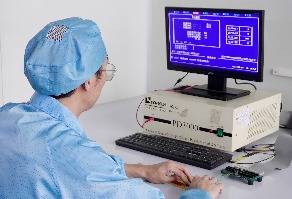
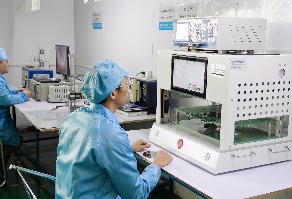
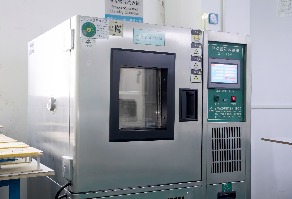
Every single manufactured switch matrix undergoes computerized continuity probing, contact resistance verification (<100Ω), insulation resistance validation (>100MΩ at 100V DC), and dome force-displacement curve analysis.
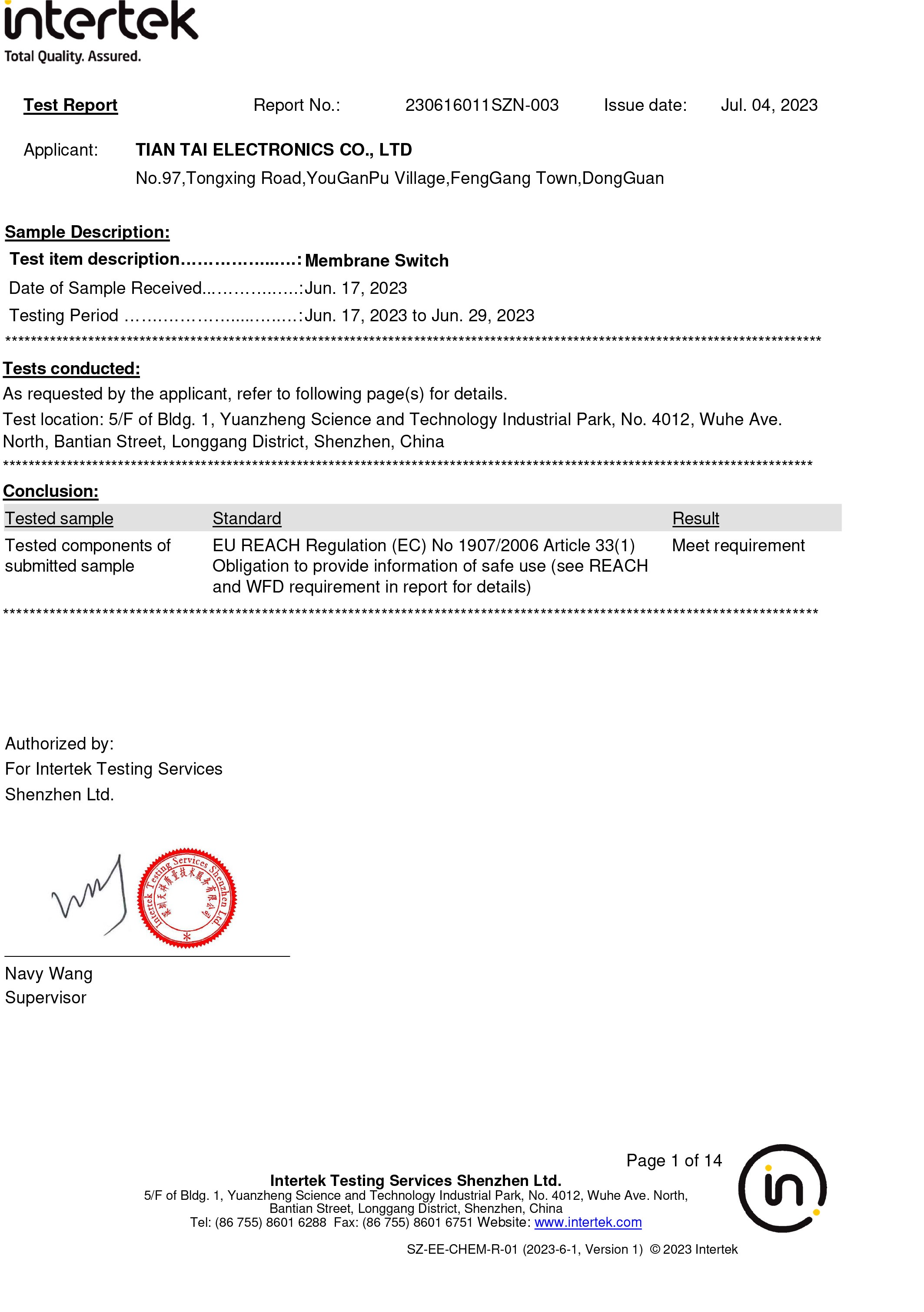
Supplying Fortune 500 OEMs and engineering firms across Germany, the UK, the United States, and Japan with ISO 9001 certified documentation, complete RoHS 3 & REACH chemical compliance, and anti-static ESD export packaging.
Detailed answers to critical engineering inquiries regarding matrix membrane switch design, ghosting mitigation, adhesive selection, and ingress protection.
"Ghosting" occurs in a matrix keypad when an operator presses three keys simultaneously in a rectangular geometric configuration, forming an unintended closed circuit bridge. The microcontroller's scanning algorithm mistakenly detects a fourth "phantom" key press at the intersecting row and column.
To eliminate ghosting, engineers can integrate surface-mount isolation diodes in series with each matrix intersection, preventing current backflow. Alternatively, for cost-sensitive PET printed circuits where soldering diodes is complex, software debouncing with N-key rollover logic or strategic schematic remapping can isolate non-concurrent keystroke combinations.
Silver migration happens when silver ions migrate across dielectric spaces between adjacent conductive traces under the combined influence of moisture, ionic contamination, and continuous DC voltage bias, creating dendrite shorts.
We prevent silver migration through two critical engineering standards: first, printing a protective carbon paste overcoat directly over all exposed silver switch contacts and trace terminations; second, strictly maintaining minimum trace spacing requirements (≥0.5mm standard, ≥1.0mm in wet environments) paired with UV-cured dielectric insulation layers that seal the silver against ambient atmospheric humidity.
Adhesive selection depends heavily on the surface energy of your device housing:
Screen-Printed PET (Polyester): The most economical and widely utilized construction. Conductive traces are screen-printed with silver and carbon pastes. Ideal for flat or tactile switches with standard 2.54mm pitch connectors.
Polyimide FPC (Flexible Printed Circuit): Copper-clad polyimide etched circuit with coverlay. Allows ultra-fine pitch routing (<0.5mm ZIF tails), high-density component soldering (micro-diodes, resistors, bi-color LEDs), and tight bend radii without trace fatigue.
Rigid FR-4 PCB Backer: Combines the graphic overlay and domes directly onto a rigid printed circuit board. Acts as a self-supporting structural panel, eliminates separate mounting plates, and can accommodate full display drivers, terminal blocks, and heavy interconnect headers.
The primary failure point for ingress in low-cost membrane switches is the ribbon tail egress area. To achieve true IP67 immersion sealing, our engineers utilize an unbroken, continuous perimeter adhesive border around the entire active switch area.
The tail does not exit laterally between layers where capillary leakage can occur; instead, the tail routes through an internal bottom vent or utilizes a hermetically molded silicone jacket with epoxy potting around the tail exit conduit. This guarantees zero fluid breach during pressurized water spray or immersion tests.
Polyester (PET, e.g., MacDermid Autotex): Significantly superior flex life (withstands >5,000,000 switch actuations without micro-cracking), exceptional chemical resistance to harsh medical detergents and industrial solvents, and excellent resistance to environmental yellowing under UV exposure. Mandatory for embossed tactile keypads.
Polycarbonate (PC, e.g., Covestro Makrofol): More economical, flame retardant (UL94 V-0 ratings available), and easier to thermoform into deep 3D contours. However, it exhibits poor solvent resistance (vulnerable to acetone and aromatic hydrocarbons) and lower flex fatigue life (<100,000 actuations before embrittlement). Best suited for flat non-tactile panels or display window lenses.
Submit your CAD layout, schematic pinout, or concept sketch. Our senior engineering team provides comprehensive Design for Manufacturability (DFM) reviews, layer stack-up proposals, and formal volume quotations within two business hours.