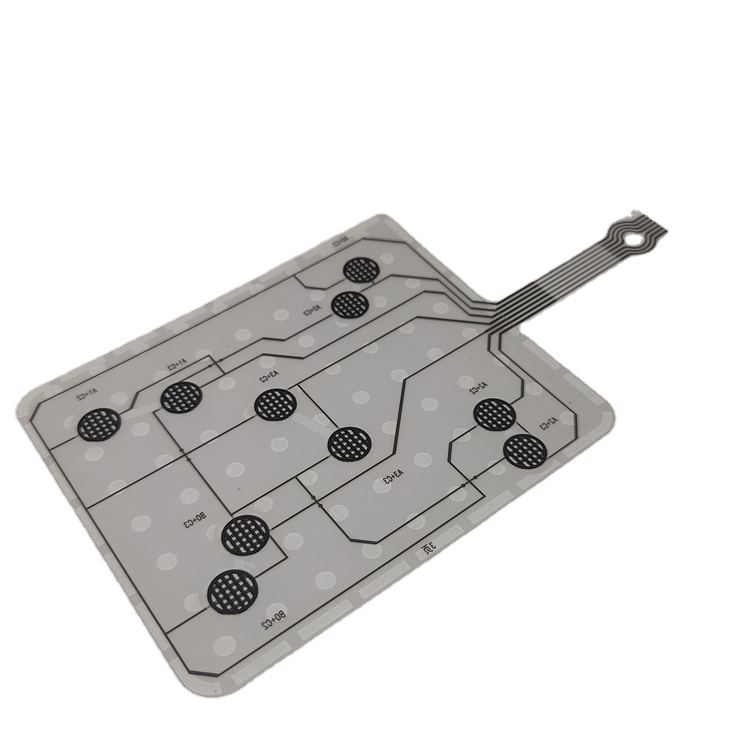
Flexible Silver Ink Printed Thin-Film FSR Pressure Sensor
- Silver-carbon conductive matrix
- Dynamic force range: 20g to 10kg
- Sub-millisecond response curve
 EN
 DE
 FR
 ES
 RU
 JA
From micro-ampere logic circuits to heavy-duty tactile arrays, our factory provides end-to-end design-for-manufacturability (DFM) support for mission-critical medical, industrial, military, and consumer applications.
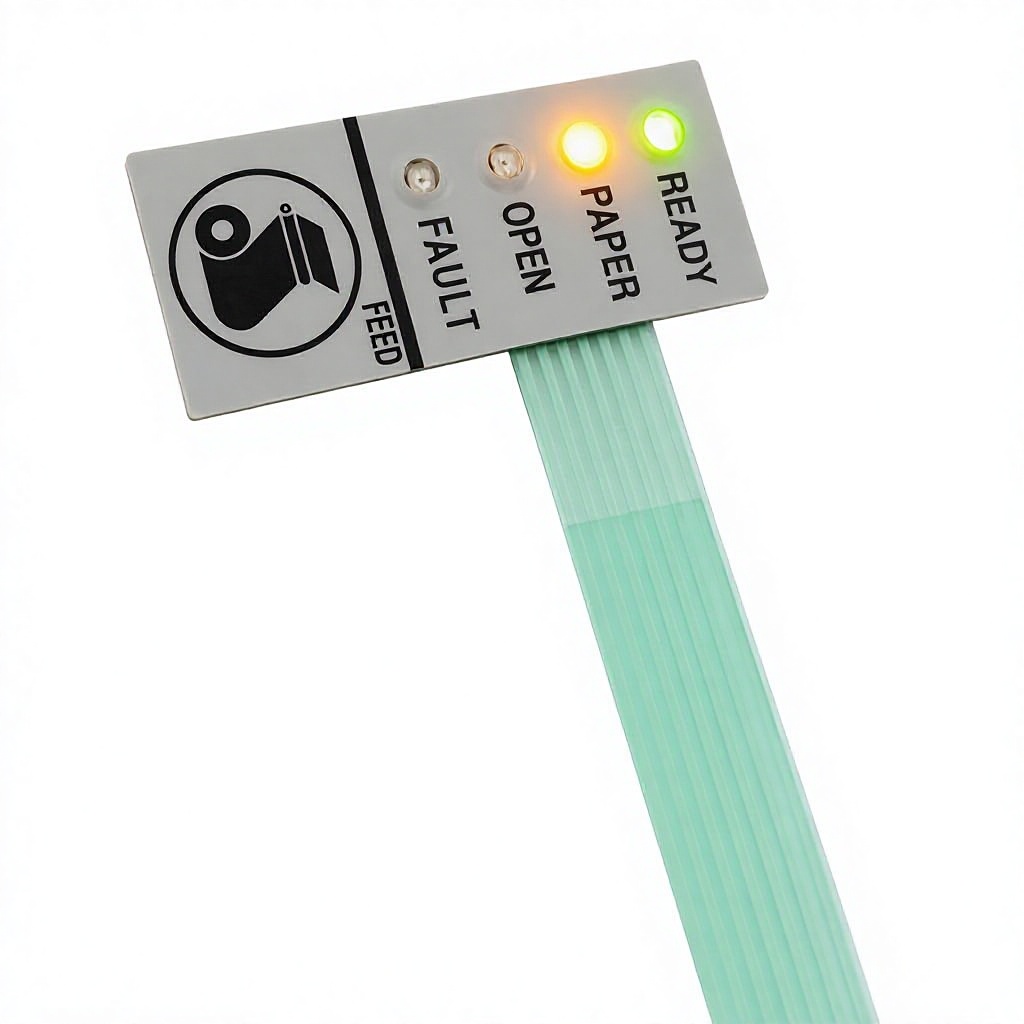
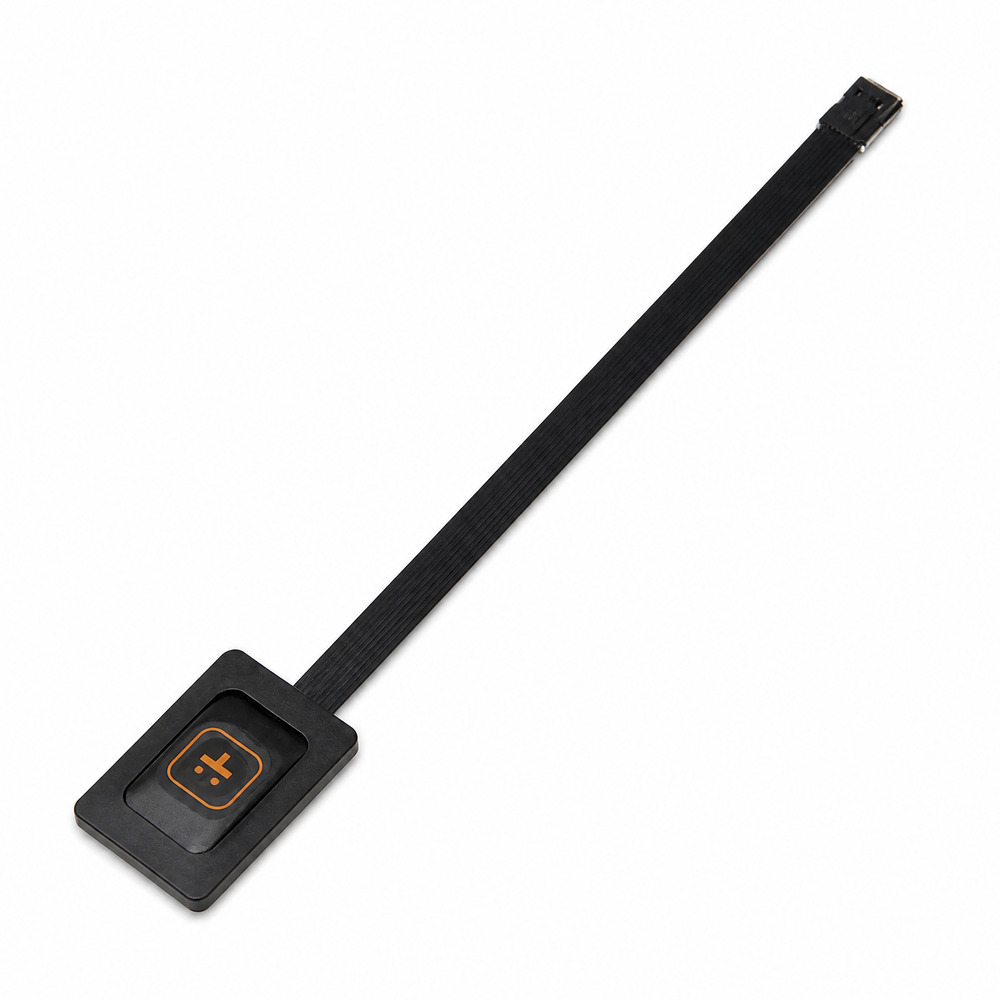
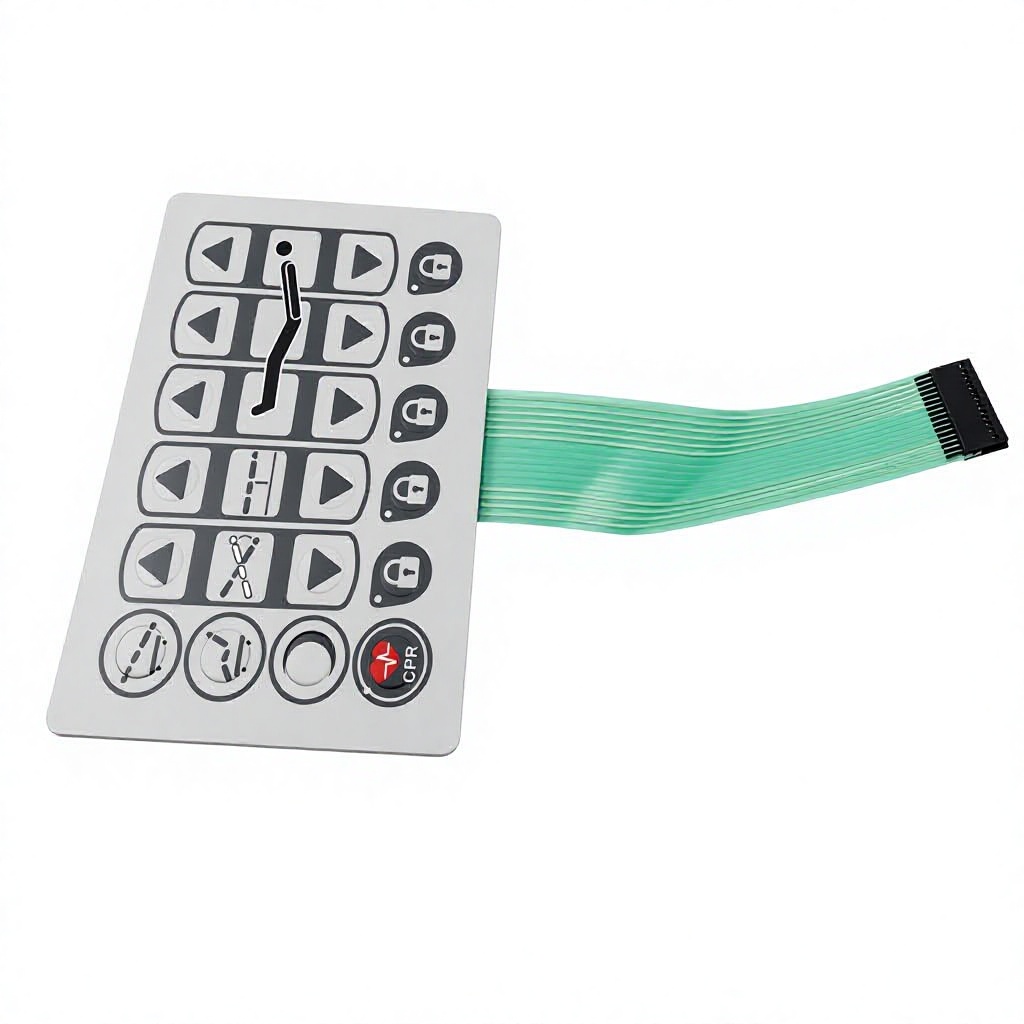
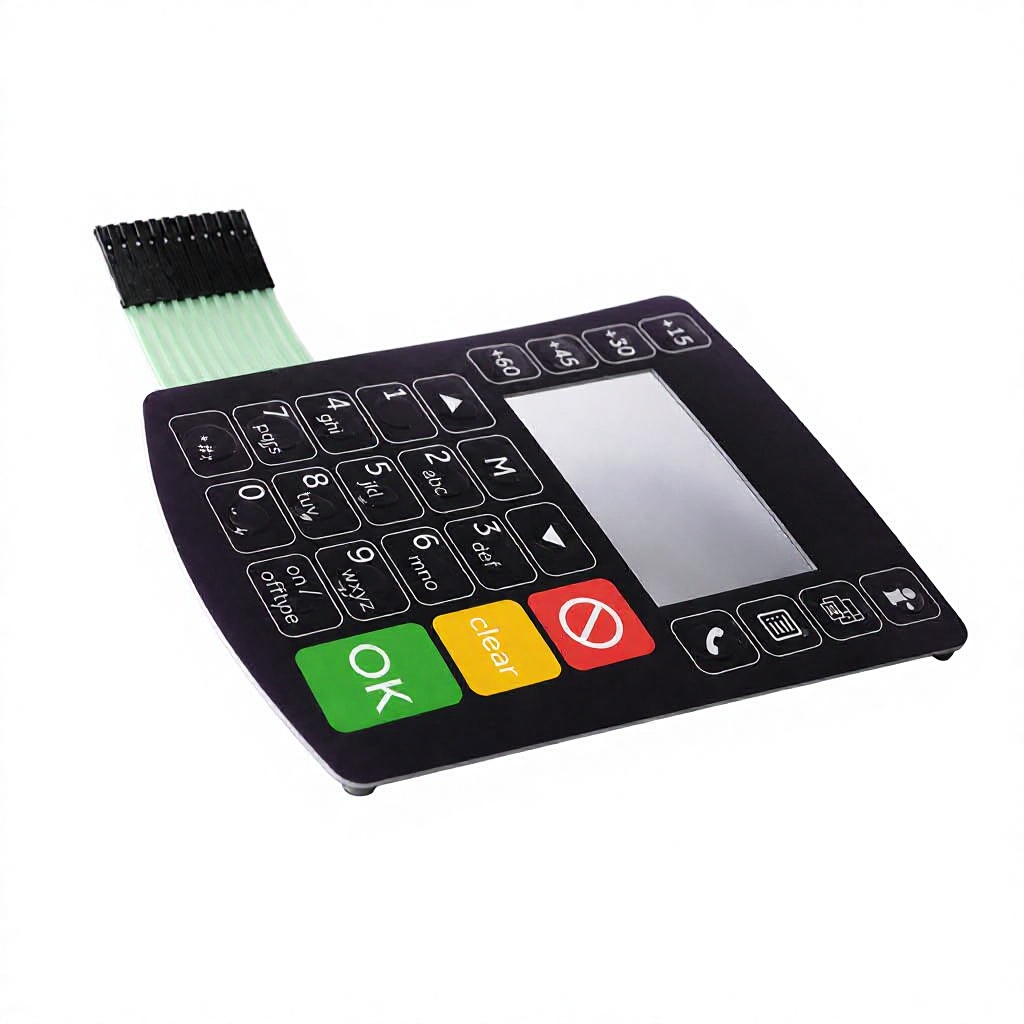
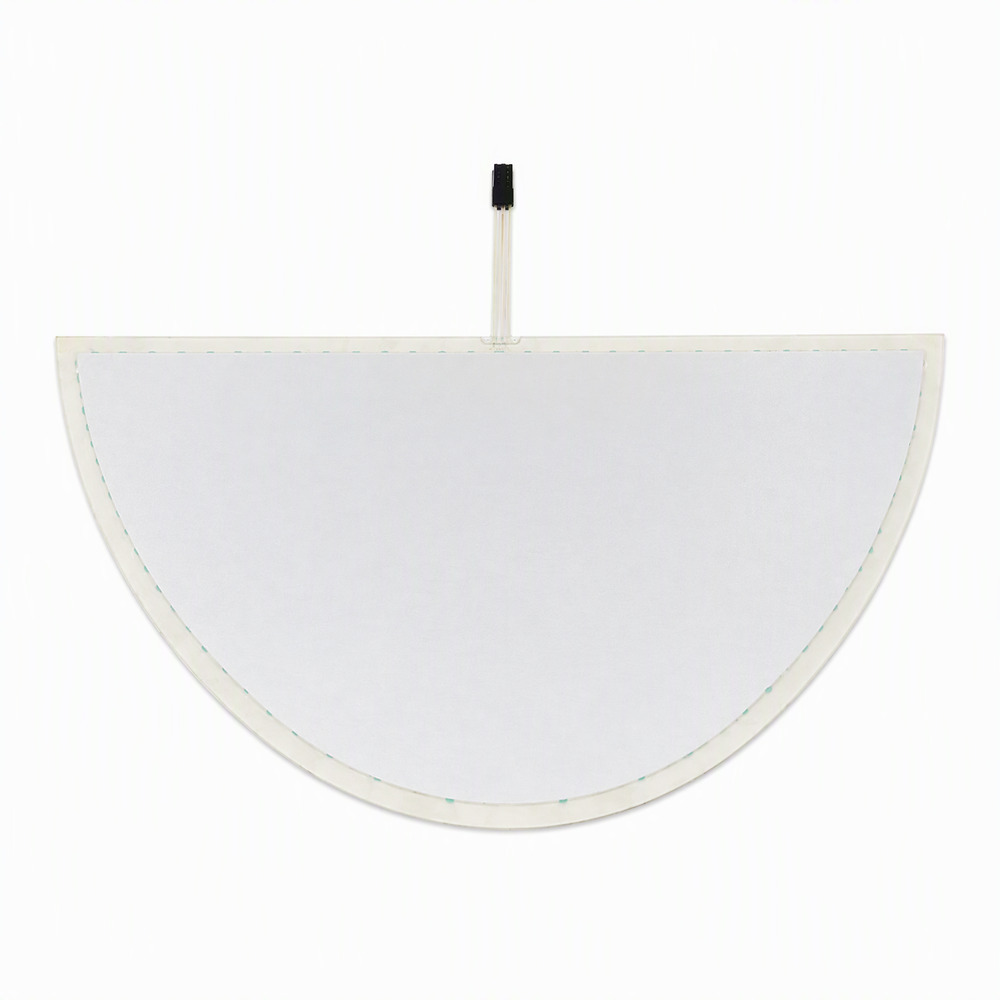
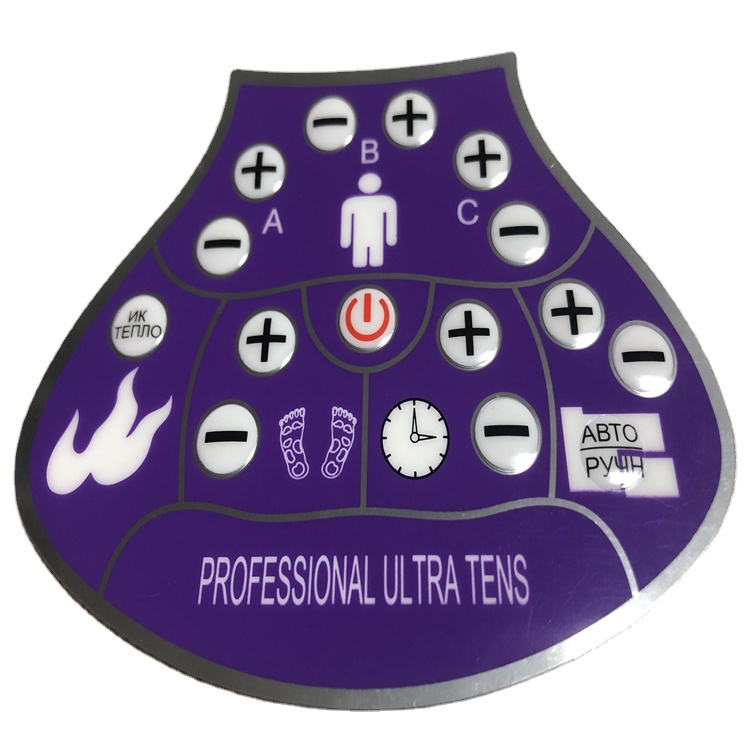
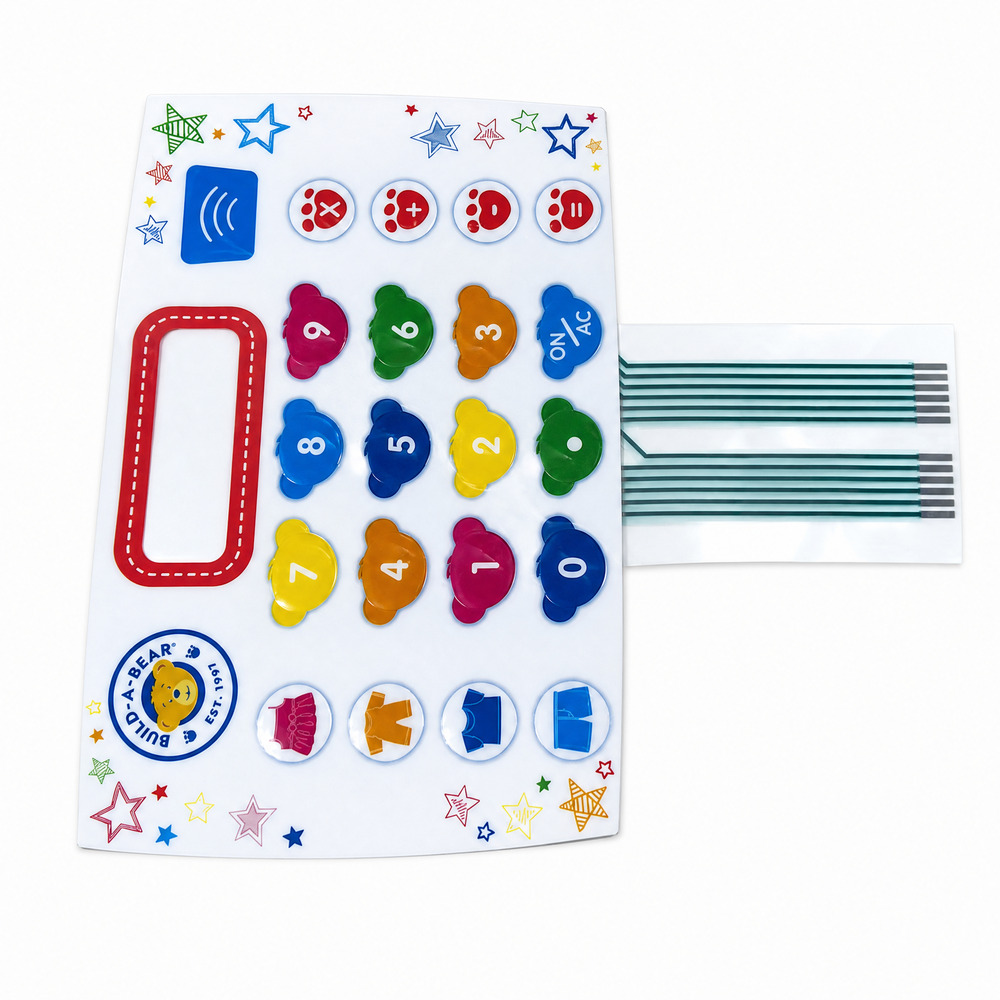
Established in 2003 in Fenggang Town, Dongguan, Ravo Electronics operates an advanced 12,000 m² vertical manufacturing facility. We eliminate middlemen by consolidating in-house silk-screen printing, precision tooling, cleanroom assembly, and 100% electrical inspection under one roof.
Rapid prototyping capability starting from 1 single piece. Seamless scale transition from pilot production batches to millions of units with automated multi-color reel-to-reel printing.
Every circuit layer is subjected to automated optical testing (AOI), actuation lifecycle tests, circuit insulation breakdown checks, and 100% loop resistance verification before packaging.
We maintain direct Tier-1 vendor accounts with 3M, Henkel Acheson, Toray, MacDermid Autotype, and Sabic Lexan. Comprehensive RoHS, REACH, and UL material certificates accompany all shipments.
A membrane switch is a complex precision multi-layer electrical assembly. Selecting the right combination of graphic substrates, tactile domes, adhesives, and circuit carriers is fundamental to ensuring decades of field reliability.
Sub-surface screen or digital printed polyester (Autotex PET) or polycarbonate (Lexan PC). Offers scratch, chemical, and UV weathering resistance with tailored embossing.
High-performance acrylic adhesive (e.g., 3M 467MP, 200MP) that permanently bonds the graphic layer to the mechanical spacer without trapping air pockets or outgassing.
Precision die-cut polyester layer with vented chambers that position stainless steel metal domes firmly while managing internal air pressure during actuation.
Printed conductive silver ink on heat-stabilized PET or etched copper on polyimide (FPC), anchored with heavy-duty 3M 468MP or 300LSE adhesive for low-energy enclosures.
| Interface Type | Actuation Force | Lifespan (Cycles) | Contact Resistance | Environmental Ingress | Primary Industrial Use Case |
|---|---|---|---|---|---|
| Tactile Metal Dome | 180g – 450g (Crisp Snap) | > 1,000,000 | < 1.0 Ω (Gold/Nickel) | IP65 – IP67 (Gasketed) | Medical instruments, industrial controllers, handheld devices |
| Polydome (Formed PET) | 200g – 350g (Soft Snap) | > 500,000 | < 50 Ω (Silver Trace) | IP64 – IP65 | Commercial electronics, kitchen appliances, fitness gear |
| Non-Tactile Flat Switch | 50g – 150g (Zero Click) | > 5,000,000 | < 100 Ω (Silver Ink) | IP67 – IP68 | Gas station fuel pumps, high-traffic keypads, interactive toys |
| Capacitive Touch HMI | 0g (Proximity Sensing) | Solid-State (> 10M) | N/A (Electrostatic) | IP68 / Hermetic Seal | Cleanroom monitors, luxury smart appliances, automotive dash |
| FPC / Rigid-Flex Backer | 220g – 500g (Supported) | > 3,000,000 | < 0.1 Ω (Pure Copper) | IP67 – IP69K capable | Defense avionics, heavy agricultural machinery, robotics |
Hardware purchasing directors and supply chain engineers face shifting cost structures, rising technical demands, and stringent regulatory frameworks. Discover the primary macro trends driving procurement decisions over the next five years.
B2B procurement is transitioning away from buying raw switch foils toward turnkey "HMI Box-Builds". Buyers now require membrane switches pre-laminated onto aluminum backer plates, plastic molded bezels, integrated with LCD/OLED optical displays, and terminated with board-to-board PCB headers to compress assembly labor by up to 40%.
Silver electromigration under high humidity and bias voltage remains an engineering hurdle. Progressive procurement contracts mandate high-purity silver-chloride conductive inks overprinted with full-coverage carbon resistor layers to prevent dendrite growth and open-circuit failures under tropical or industrial operating conditions.
With the European Union tightening RoHS, REACH, and PFAS containment directives, industrial buyers require transparent supply chain certifications. Modern membrane switches increasingly deploy solvent-free UV-curing inks, halogen-free dielectric spacer tapes, and recyclable PET film matrices to satisfy corporate sustainability mandates.
The interface landscape is evolving rapidly from traditional discrete push-buttons toward hybrid, intelligent, and seamless sensing surfaces. Here is how advanced manufacturing is redefining user interaction.
Integrating Force Sensitive Resistors (FSR) directly onto the membrane substrate allows analog force detection. Used extensively in intelligent medical beds to detect patient shifts, industrial equipment pressure triggers, and automotive seat occupancy safety systems.
Traditional EL lamps decay, and standard LEDs create harsh hot spots. Modern LGF technology uses ultra-thin (0.125mm) micro-etched optical films fed by side-firing edge LEDs, delivering flawless, razor-sharp, uniform light distribution across keys and logos with minimal power consumption.
Modern polyester overlays (such as Autotex AM) incorporate silver-ion antimicrobial agents within the coating structure, inhibiting 99.9% of bacterial colonization. These surfaces withstand harsh hospital disinfectants (bleach, IPA, quats) without clouding, cracking, or degrading.
The next horizon merges functional printed circuitry with 3D thermoforming and injection molding. IME eliminates separate brackets and mechanical switches, creating ultra-sleek, water-tight, single-piece curved control surfaces with integrated touch and illumination.
Clear, direct engineering answers addressing design validation, layer stackups, testing parameters, and lead-time optimization for technical sourcing managers.
Polyester (PET) is the superior material for demanding industrial and medical environments. It provides exceptional flexural fatigue resistance (capable of exceeding 5 million switch actuations without micro-cracking), along with remarkable resistance to harsh chemicals, industrial oils, and cleaning solvents. It is the mandatory choice for tactile embossed domes.
Polycarbonate (PC) is more economical and offers outstanding optical clarity and flame retardance (UL94 V-0 ratings available). However, PC exhibits poor resistance to aromatic hydrocarbons, degrades faster under repeated cyclic flexing, and is prone to micro-fissuring over time when embossed. We typically recommend PC for static flat overlays, non-flexing display bezels, and cost-sensitive consumer equipment.
True IP67/IP68 ingress protection requires a complete barrier engineering approach rather than standard face lamination. Our engineering approach includes:
To deliver a full Design-for-Manufacturability (DFM) review and tooling quote within our standard 2-hour window, our engineering team prefers:
Silver migration is an electrolytic process where silver ions travel between biased conductive traces in the presence of atmospheric humidity, leading to parasitic leakage and short circuits. At Ravo Electronics, we eliminate this risk through three strict measures:
Metal Domes: Stainless steel (nickel or gold-plated) domes offer a sharp, crisp tactile snap ratio (typically 40%–60%), uniform actuation forces ranging from 180g to 500g, and an operating temperature envelope spanning -40°C to +85°C. They are rated for 1 to 5 million cycles and are indispensable for mission-critical medical, field-service, and gloved industrial operations.
Polydomes: Embossed directly into the PET graphic or spacer film, polydomes generate a softer tactile click. While their production requires less tooling complexity and enables lower stack heights, their actuation force can drift over wide temperature swings, and mechanical fatigue typically limits their rated life to 500,000 actuations.
Standard acrylic transfer adhesives (such as 3M 467MP) perform exceptionally well on high-surface-energy (HSE) substrates like stainless steel, bare aluminum, and smooth ABS. However, modern enclosures molded from polypropylene (PP), polyethylene (PE), or powder-coated cast metals represent low-surface-energy (LSE) conditions where standard tapes peel under peel stresses.
For these substrates, our DFM team recommends high-tack modified acrylics such as 3M 300LSE or 3M 9472LE. These adhesives wet-out quickly across microscopic plastic textures, achieving peel adhesion values > 60 oz/inch even on difficult plastics.
Our ISO 9001 certified quality protocol enforces 100% electrical parameter testing on 100% of finished assemblies. Utilizing custom pneumatic bed-of-nails testers and automated cable analyzers, we verify:
Because Ravo houses laser-cutting, CNC plotters, film development, and screen generation under one roof, our turnaround windows lead the industry:
Work directly with Ravo's Dongguan engineering facility. Upload your 2D/3D CAD drawings or vector artwork today for a complete manufacturability audit, layer stack recommendation, and transparent volume quotation within two hours.
