EN
 DE
 FR
 ES
 RU
 JA EN DE FR ES RU JA
Manufactured in Dongguan Ravo's 12,000 m² cleanroom environment. Every unit undergoes 100% optical alignment, trace continuity, and actuation life testing before export packaging.
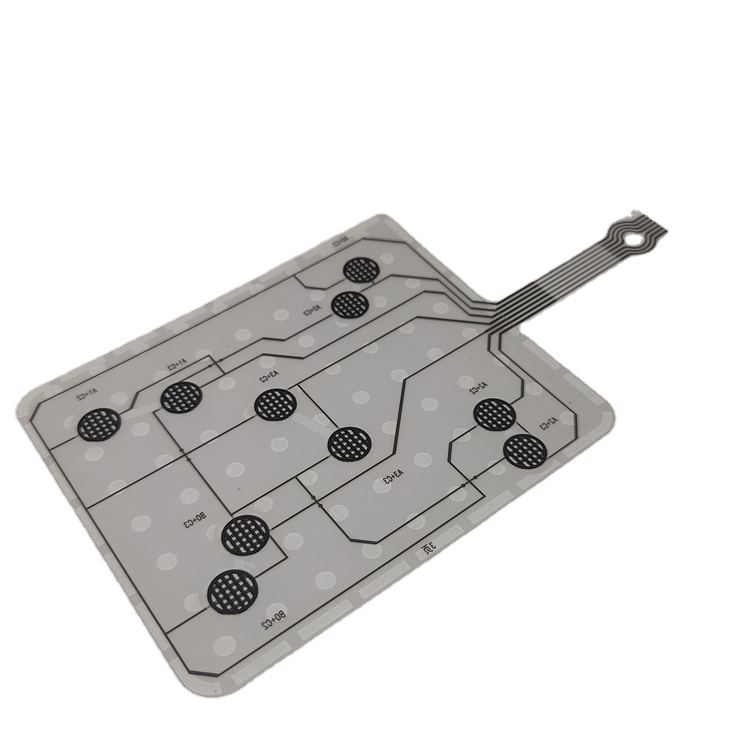
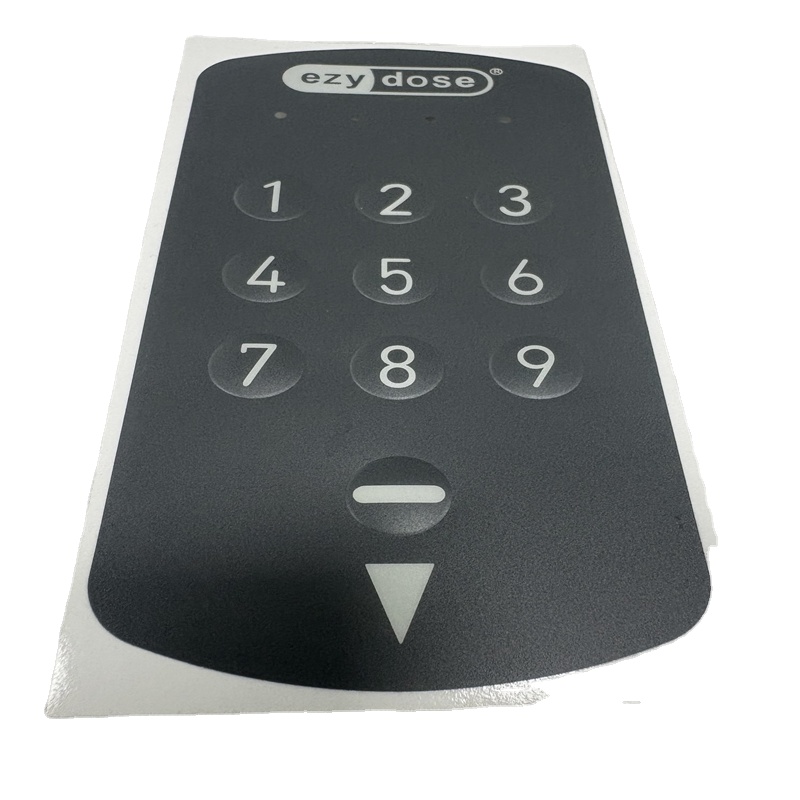
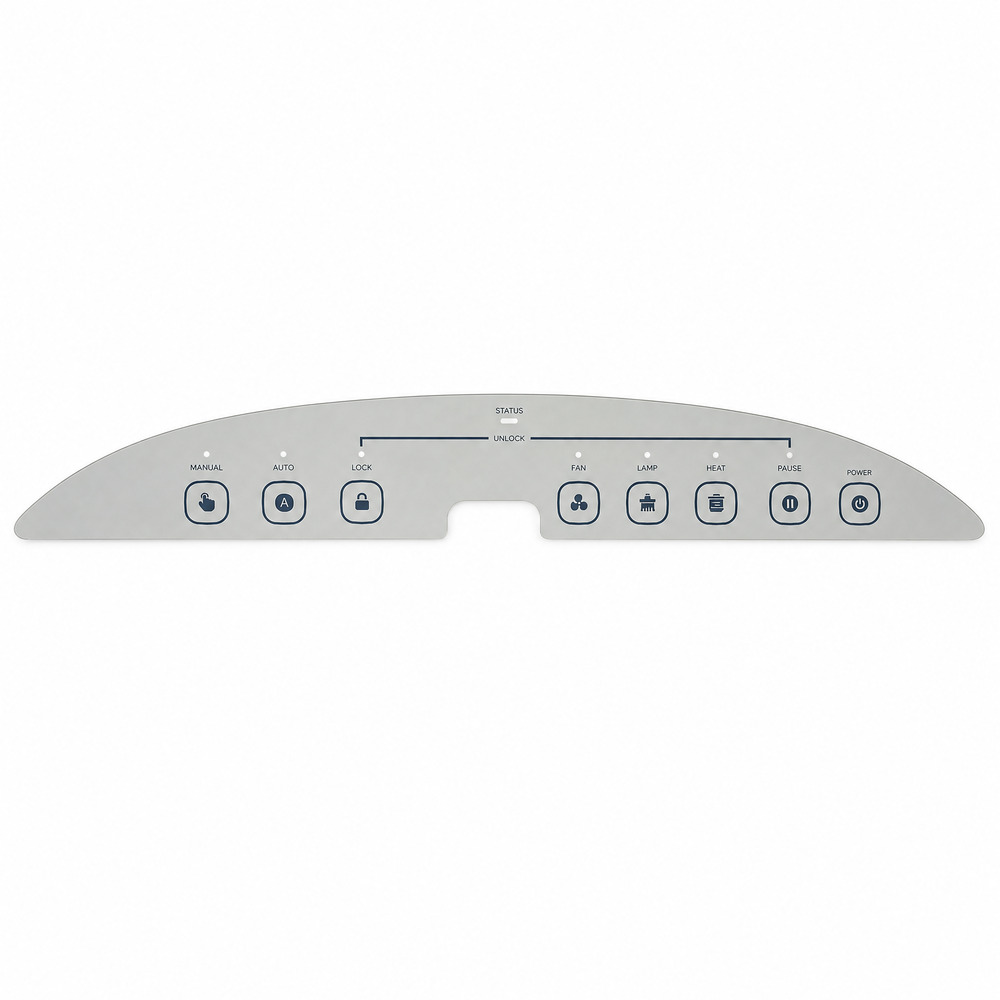
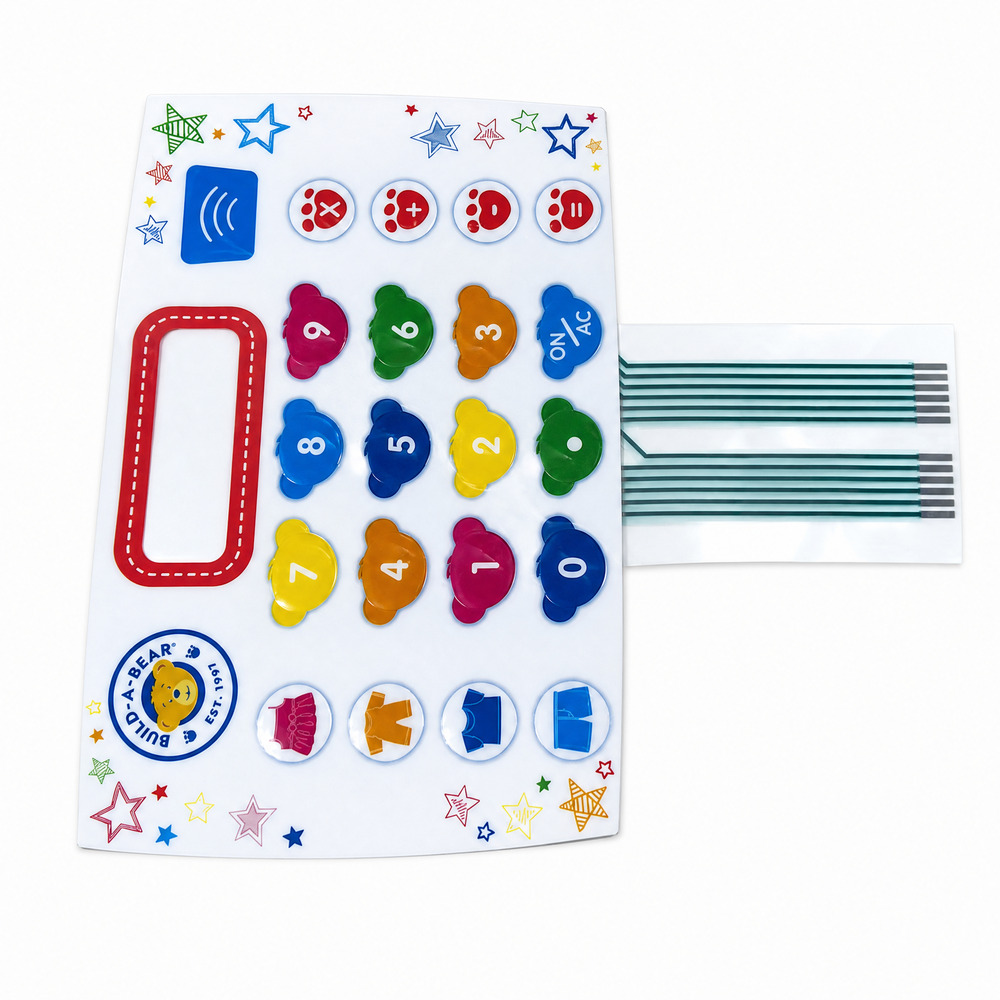
A custom graphic overlay serves as the definitive human-machine interface (HMI) faceplate for modern electronic architecture. Serving both aesthetic branding purposes and vital environmental shielding functions, graphic overlays safeguard internal circuitry from chemical splash, ultraviolet radiation, fluid ingress, mechanical abrasion, and electrostatic discharge (ESD). At Dongguan Ravo Electronics Co., Ltd., every overlay is reverse-screen printed or hybrid-digitally printed on the underside of transparent filmic substrates. This ensures that graphics, legends, and brand colors remain completely impervious to mechanical scratch, surface friction, and routine sterilizing wipe-downs throughout the lifespan of the equipment.
Designing an industrial-grade or medical-compliant graphic overlay requires strict balance between chemical resistance, mechanical flexural endurance, tactile feedback demands, optical transparency for LCD/LED readouts, and surface energy matching for pressure-sensitive adhesives (PSAs). Sourcing engineers must evaluate the operational envelope of the host device—including extreme thermal cycles, indoor vs. outdoor UV exposure, aggressive hydrocarbon solvent contact, and electromagnetic environments—prior to establishing a manufacturing bill of materials (BOM).
Readily thermoformable, high impact resistance, dimensional stability up to 125°C. Economical choice for flat front bezels, instruments, and indoor devices.
Unmatched flexural fatigue life exceeding 5,000,000 switch cycles. Exceptional chemical inertness against MEK, isopropyl alcohol, fuels, and industrial detergents.
Superb optical clarity, high surface pencil hardness (up to 4H-6H), and exceptional scratch resistance. Ideal for display windows requiring dead-front backlighting.
Molded three-dimensional key ergonomics, environmental seal rings, laser-etched backlit alphanumeric keys with durable polyurethane or parylene protective coatings.
| Substrate Parameter | Polycarbonate (e.g., SABIC Lexan) | Polyester (e.g., MacDermid Autotex) | PMMA Acrylic |
|---|---|---|---|
| Flexural Fatigue Life | Moderate (~100,000 actuations) | Exceptional (>5,000,000 actuations) | Rigid / Non-Flexing |
| Chemical / Solvent Resistance | Susceptible to aromatic hydrocarbons | Immune to alcohols, acids, alkalis & solvents | Moderate (Attacked by ketones & esters) |
| Heat Deflection Temperature | 130°C to 140°C | 150°C continuous, 200°C short-term | 85°C to 100°C |
| Optical Clarity / Transmission | 88% – 90% | 89% – 91% (Fine / Velvet textured) | 92% – 94% (Highest Optical Index) |
| Embossing Retention | Good under heat / Moderate recovery | Outstanding crispness & memory retention | Not formable via cold/heat embossing |
How global OEMs are transforming passive front panels into intelligent, hygienic, and dynamically illuminated mechatronic assemblies.
Procurement teams are rapidly shifting away from mechanical contacts toward seamless solid-state capacitive touch panels. By eliminating physical switch apertures, equipment builders achieve true IP68 hermetic barriers that prevent hospital pathogens, water, or oil from settling in recesses. Combined with printed silver capacitive sensor matrices, these overlays support clean-in-place (CIP) protocols across automated food processing and surgical suites.
Modern industrial design demands "dead-front" optics: indicators, hazard warnings, and hidden function keys remain completely invisible until illuminated from behind. Using micro-diffusing light guide films (LGF) and selective multi-pass opacity printing, Dongguan Ravo engineers control light bleed to within 0.05 mm, giving industrial control consoles and high-end consumer appliances an automotive-grade aesthetic.
Post-pandemic procurement standards mandate that graphic overlays deployed in clinics and public kiosks feature silver-ion antimicrobial coatings that actively eradicate 99.9% of bacterial growth (ISO 22196 compliant). Concurrently, solar-exposed agricultural and mining consoles increasingly demand modified outdoor-grade fluoropolymer hard-coats that inhibit yellowing, micro-cracking, and gloss degradation under 10+ years of UV exposure.
In addition to surface treatments, sustainable and circular procurement has emerged as a key criterion for tier-one European and North American buyers. Supply chain managers are actively seeking manufacturers that utilize bio-based polyester substrates, non-toxic water-washable screen emulsions, and solvent-free UV-curable dielectric inks. Dongguan Ravo’s continuous investments in green chemical compliance guarantee that our export shipments comply fully with EU RoHS Directives 2011/65/EU and 2015/863, as well as REACH Regulation (EC) No 1907/2006, protecting clients from import delays and border customs holds.
From single-piece rapid functional prototypes to automated high-volume roll-to-roll container shipments.
Our dedicated engineering group evaluates your CAD, Gerber, and AI vector artwork within 2 hours, checking layer clearances, tail exit geometry, and die lines.
By producing CNC steel dies, precision embossing plates, and high-tension mesh screens internally, we cut tooling cycles to 3–5 working days with zero tooling markups.
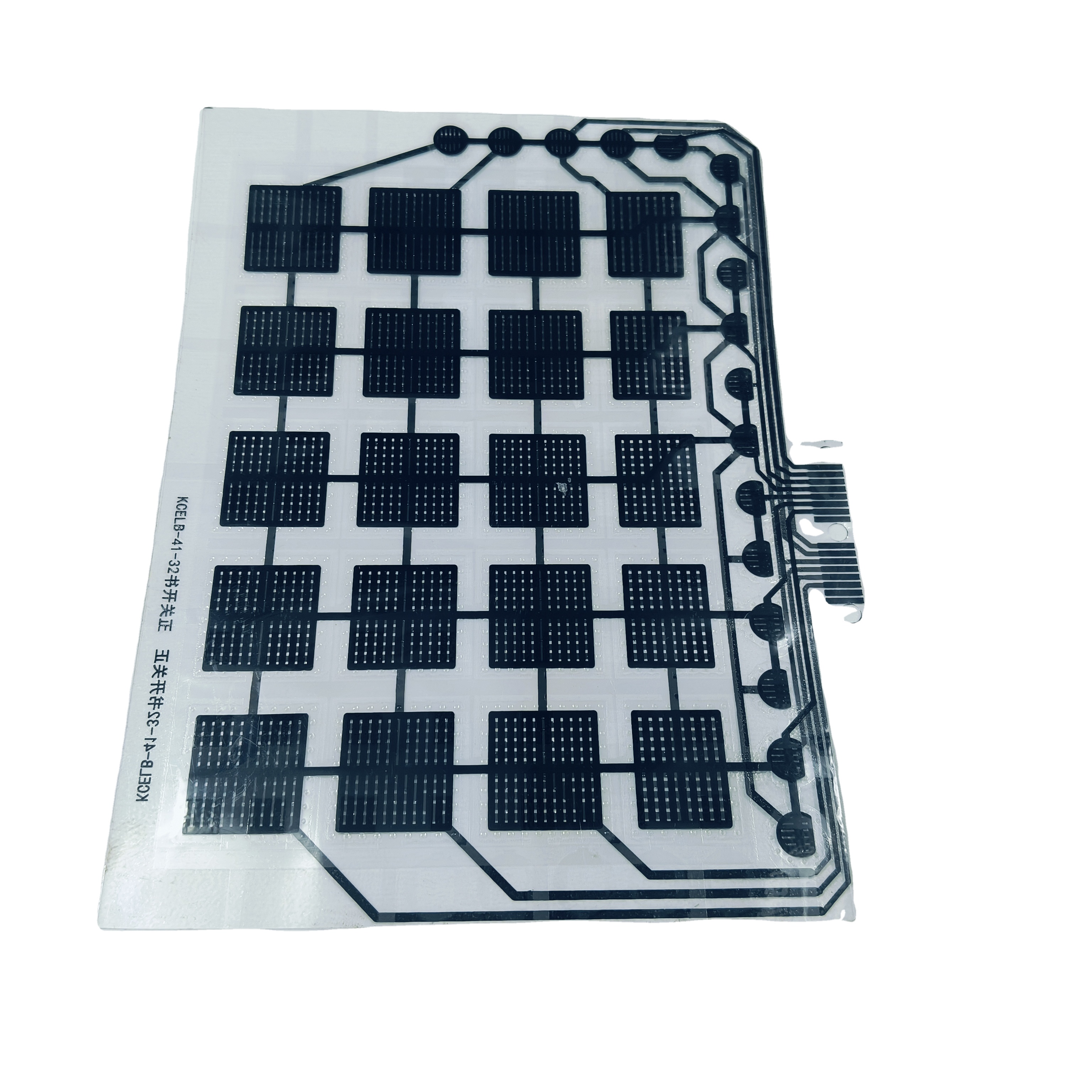
Every switch circuit is tested on automated wire testers for contact bounce (<5ms), loop resistance (<100Ω), isolation (>100MΩ at 100V DC), and tactile trip force.
14+ years of verified international supply track record. Anti-static moisture-barrier packaging, direct air/sea customs clearing, and English-speaking project engineers.
Founded in 2003 in Fenggang Town, Dongguan, Guangdong, China, Dongguan Ravo Electronics Co., Ltd. has grown from a specialized print workshop into an expansive 12,000 m² cleanroom manufacturing enterprise. Housing over 300 experienced technical operators, precision automatic silk-screen lines, laser cutting tables, high-speed rotary die-cutters, and thermal forming presses, we operate as a single-source OEM/ODM supplier. Our production encompasses complete HMI builds: from decorative graphic overlays and flexible printed circuits (FPC) to rigid PCB backers, embedded SMD LEDs, EMI/RFI shielding grids, and integrated silicone rubber keypads. This internal vertical integration eliminates external vendor margins, cuts shipping delays, and gives overseas procurement teams direct accountability from first prototype to high-volume manufacturing runs.
Clear, engineering-backed answers addressing tooling, adhesives, tolerances, environmental sealing, and delivery timelines.
Send your drawings, BOM requirements, or sample specs directly to Dongguan Ravo’s engineering team. Receive a comprehensive DFM assessment and formal export quotation within 2 business hours.
Get a Quote