 EN
 DE
 FR
 ES
 RU
 JA EN DE FR ES RU JA
Direct from our Dongguan cleanroom plant: precision-printed silver circuitry, high-durability polyester substrate layering, tactile feedback integration, and harsh-environment IP67 sealing for global industrial and electronic OEM projects.
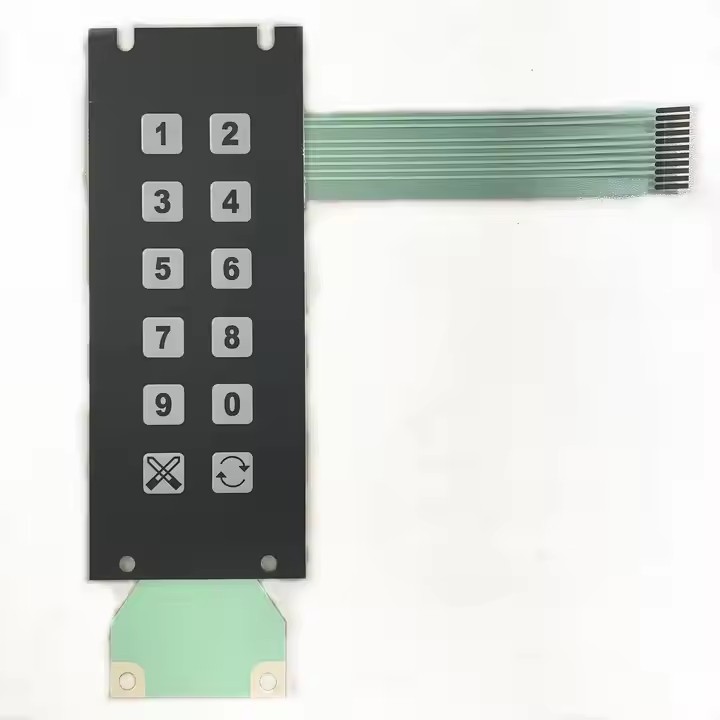
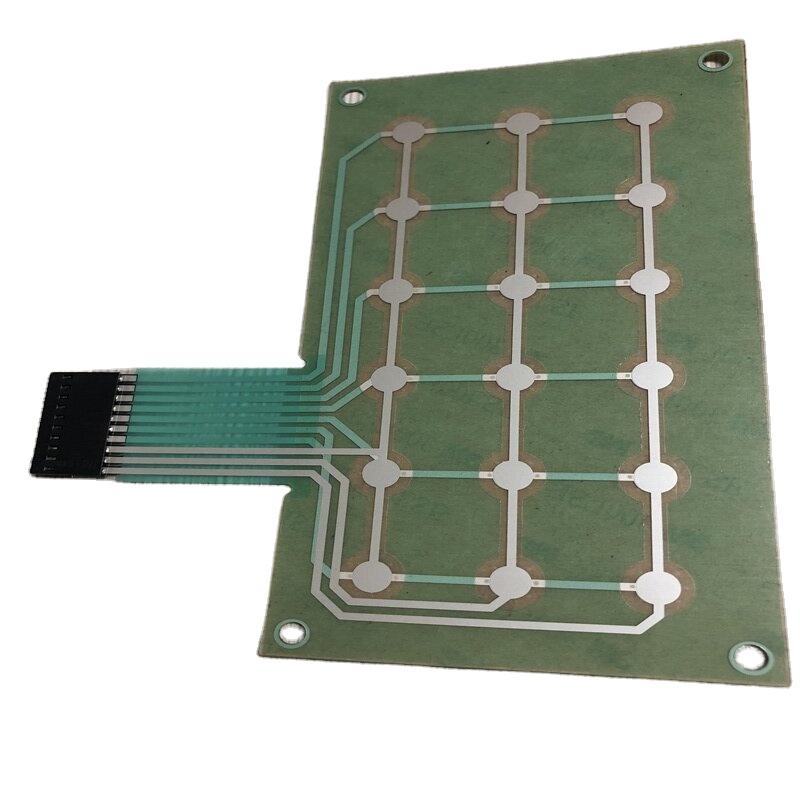
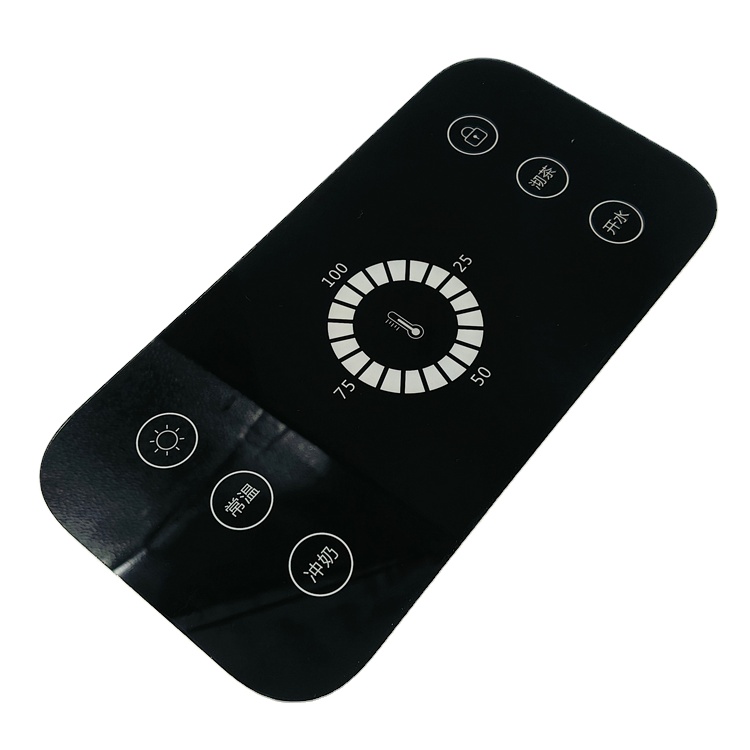
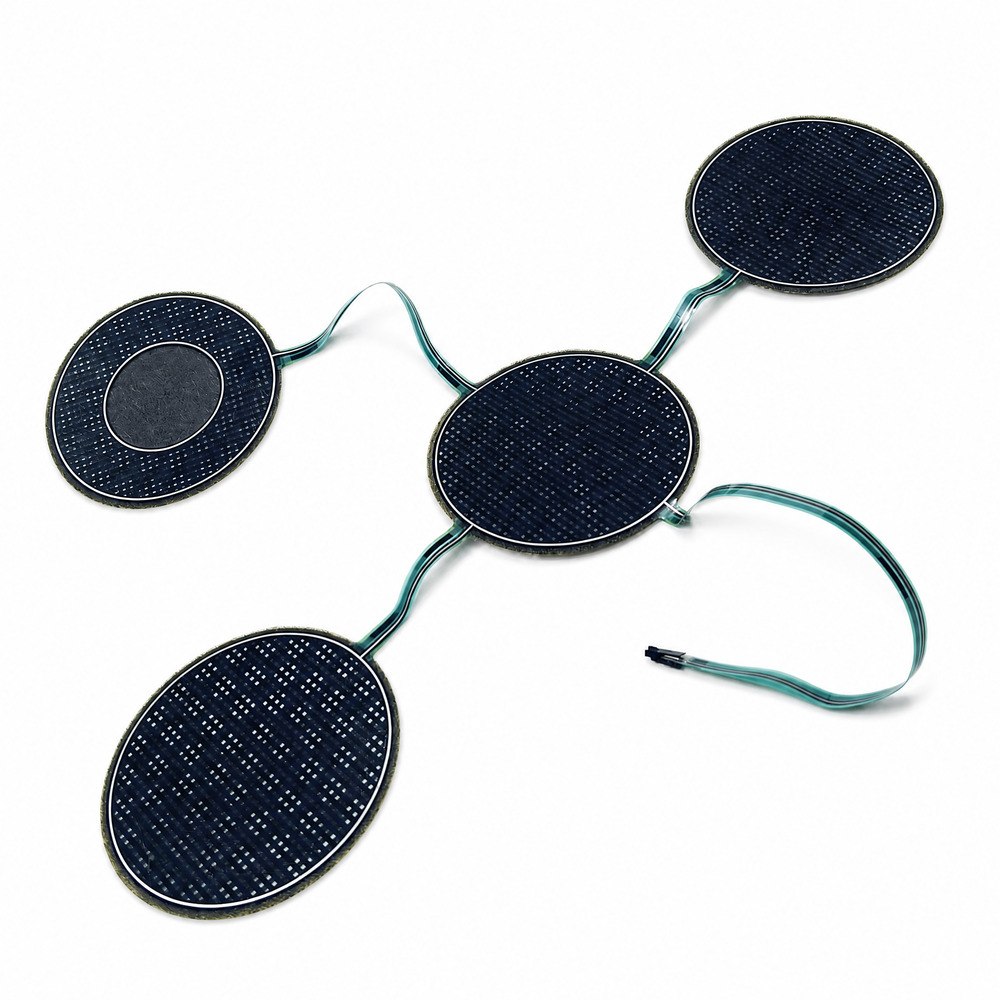
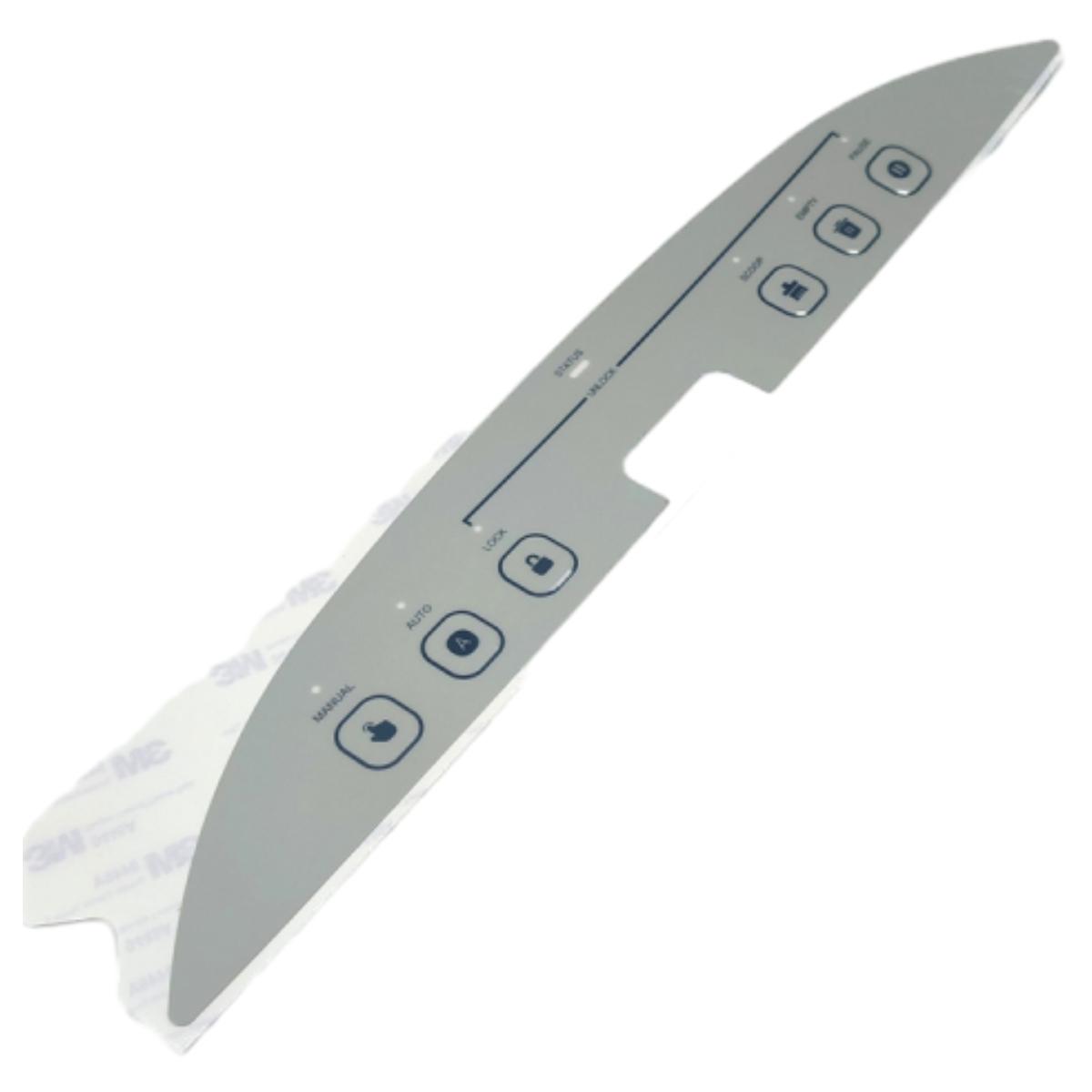
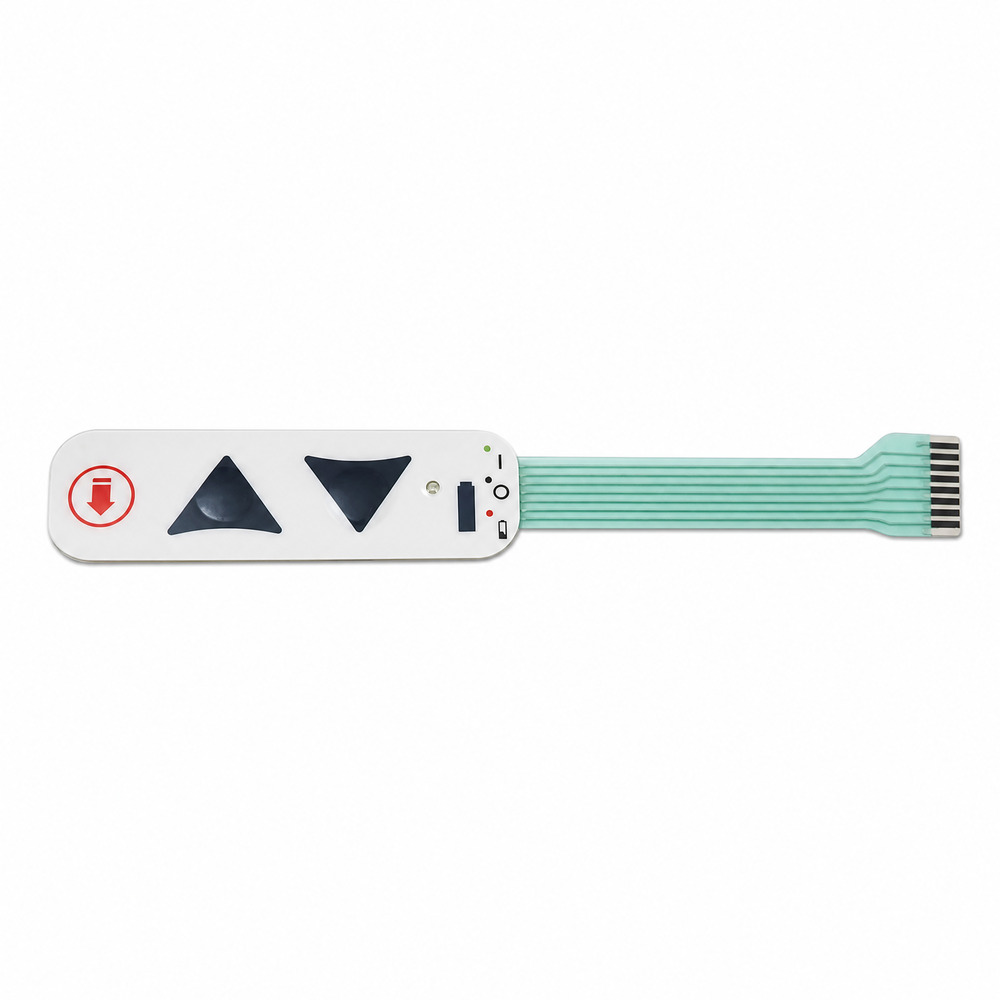
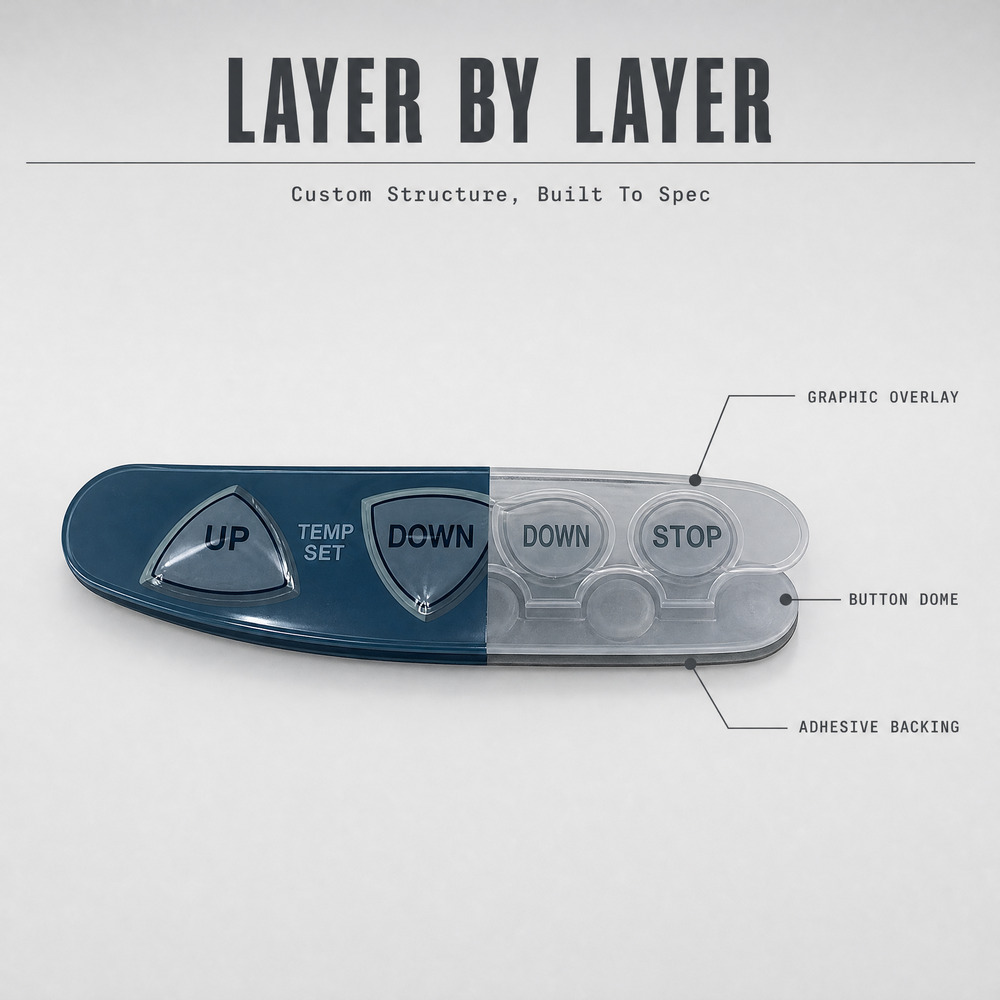
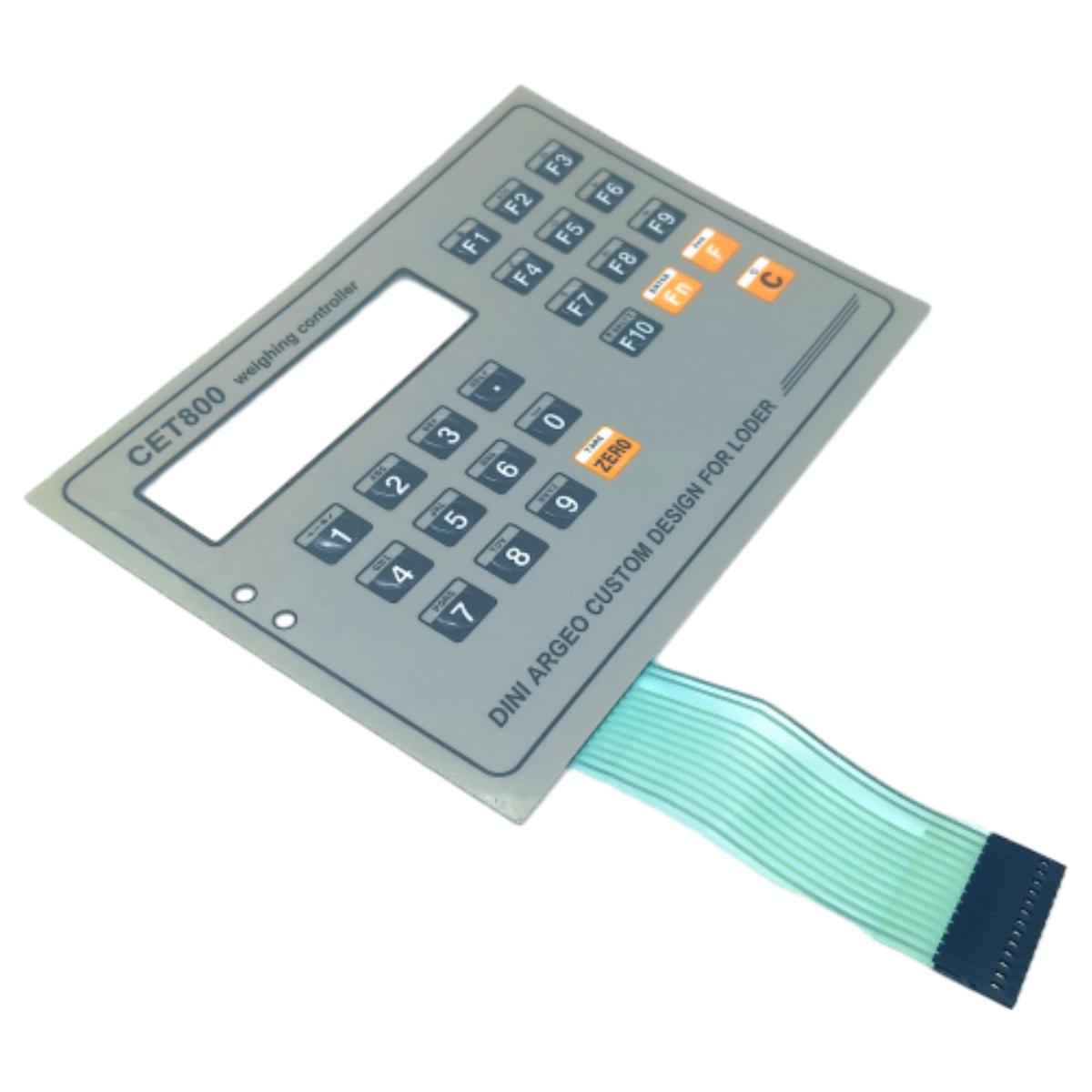
For modern electromechanical systems, the membrane switch is not simply an aesthetic exterior cover—it is an intricate, multi-layer dynamic circuit assembly engineered to withstand millions of flexural cycles, aggressive atmospheric contaminants, chemical cleaning agents, and wide thermal fluctuations.
At Dongguan Ravo Electronics, every membrane switch is engineered around strict Design for Manufacturability (DFM) guidelines. A standard industrial tactile switch comprises six fundamental layers: the reverse-printed graphic overlay (Autotex PET or Lexan Polycarbonate), overlay adhesive, tactile metal dome retention layer, dielectric circuit spacer, screen-printed conductive circuit (silver paste with protective carbon overcoat or flexible copper polyimide FPC), and rear mounting adhesive (such as 3M 467MP, 468MP, or 3M 9448A).
By controlling ink rheology, sintering profiles in atmospheric conveyor ovens, and dome venting geometries in-house, our engineering division eliminates silver migration risks, contact bounce instabilities, and moisture entrapment, ensuring critical HMI reliability across aerospace, medical, automotive, and factory automation applications.

While Polycarbonate (PC) offers exceptional initial optical transparency and ease of thermoforming for display windows, Polyester (PET, notably MacDermid Autotex) provides vastly superior flexural fatigue life (>5,000,000 actuations without stress crazing), chemical resistance against fuels, oils, and isopropyl sanitizers, and superior thermal stability. For mission-critical environments, Ravo standardizes on premium biaxially oriented PET film with selective UV-curable texture varnishes.
Selecting the optimal conductor architecture and switch tactile profile directly influences bill-of-materials cost, tooling investment, and operating lifespan.
| Circuit / Actuation Architecture | Actuation Force (Nominal) | Rated Electrical Life | Trace Resistance | Environmental Ingress Potential | Primary Industrial Sector |
|---|---|---|---|---|---|
| Tactile Stainless Steel Dome (PET Circuit) | 220g – 450g (±30g) | > 1,000,000 cycles | < 50 Ω (depending on trace run) | IP65 to IP67 with perimeter perimeter ring | Medical instruments, CNC machinery, Test equipment |
| Thermoformed Polydome (PET Circuit) | 150g – 300g (±40g) | > 500,000 cycles | < 50 Ω | IP65 (Moderate moisture barrier) | White goods, Consumer electronics, Dispensing units |
| Non-Tactile Flush Surface (PET Circuit) | 50g – 120g (Flat surface) | > 5,000,000 cycles | < 30 Ω | IP67 to IP68 submersible capable | Gas station pumps, Cleanroom terminals, Gaming toys |
| Flexible Printed Circuit (FPC / Copper-Kapton) | 220g – 400g (With metal dome) | > 3,000,000 cycles | < 2 Ω (Ultra-low trace loss) | IP67 hermetically bondable | Military avionics, High-density automotive controllers |
| Rigid PCB-Backed Module (FR-4 Glass-Epoxy) | Custom configured | > 2,000,000 cycles | < 1 Ω (Direct SMT pads) | IP66 with mechanical chassis bezels | Power inverters, Variable frequency drives, Robotics |
Serving world-class OEMs across Europe, North America, and the Asia-Pacific since 2003 with integrated R&D, rapid cleanroom prototyping, in-house screen fabrication, and precision automated testing.
Accelerate your engineering cycle with prototype builds from just 1 piece. Our bilingual engineering team conducts complete Design for Manufacturability (DFM) audits with initial technical feedback delivered within ≤2 hours.
From high-precision semi-automatic silk screen presses and computerized laser die-cutting to cleanroom lamination and environmental aging chambers, every critical manufacturing stage is monitored under one roof in Fenggang, Dongguan.
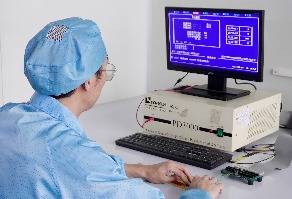
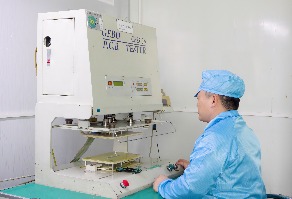
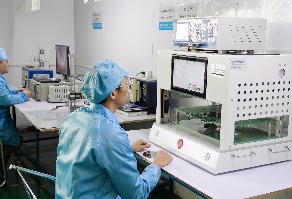
Zero defective parts policy: Every single switch passes automatic continuity, short-circuit, trace resistance, and insulation dielectric breakdown tests prior to packaging, supported by ASTM-calibrated tactile snap and stroke testers.
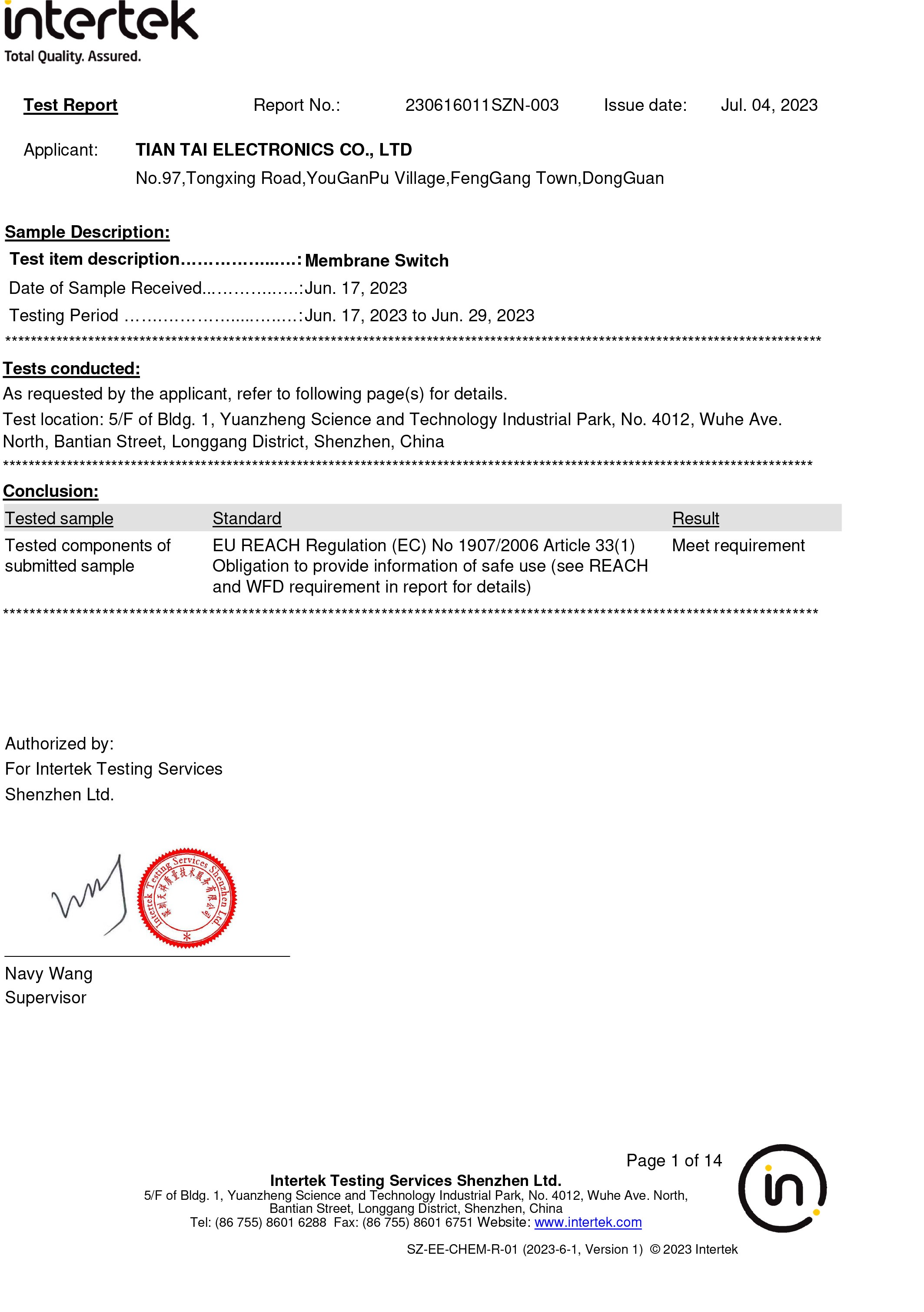
Exporting to over 45 countries with tailored anti-static vacuum packaging, humidity indicators, and full RoHS, REACH, and UL94 compliance documentation for effortless customs clearance and seamless regulatory audits.
A glimpse into our production, screen preparation, precision lamination, and quality assurance divisions.
The transition from discrete mechanical pushbuttons to integrated smart surfaces is driving rapid technological advancement in membrane switch design. Sourcing directors must anticipate these emerging architectural paradigms.
Replacing bulky, power-hungry incandescent indicators and non-uniform electroluminescent (EL) foils, contemporary HMI assemblies employ ultra-thin (0.125mm - 0.25mm) micro-etched Light Guide Films (LGF). Illuminated by side-firing edge SMD LEDs, LGF distributes lumens evenly across complex legends and dead-front iconography with zero hot-spots.
Bridging traditional tactile snap switches with modern capacitive touch surfaces. By screen-printing indium tin oxide (ITO) or specialized silver electrode patterns beneath continuous glass, PMMA, or Autotex overlays, OEMs attain sleek, crevice-free wipe-down surfaces that support proximity detection, slider controls, and haptic feedback.
HMI controls are no longer strictly binary (ON/OFF). By formulating proprietary carbon micro-particle conductive paste geometries, Ravo fabricates flexible pressure sensor matrices. These determine variable physical force for speed controllers, automotive seat occupancy detection, and orthopedic biomechanical analytics.
Electromagnetic compatibility (EMC) is critical. Modern membrane switch layouts embed continuous grid patterns of aluminum foil or printed carbon shields coupled directly to a designated chassis ground pin. This shunts static discharges up to 15kV away from sensitive microcontrollers while meeting stringent IP67 and NEMA 4X standards.
Purchasing managers, EMS supply chain leads, and contract manufacturing buyers are evolving their qualification frameworks. Understanding these strategic purchasing patterns ensures a competitive, disruption-proof supply pipeline.
Global procurement teams are shifting away from evaluating suppliers purely on base unit price. High scrap rates during final integration, poor tail adhesive release, inconsistent connector crimps, and field switch failures quickly erode initial savings. OEM buyers prioritize vendors demonstrating low ppm field defect histories, automated AOI inspection, and certified adhesive authenticity (genuine 3M, Nitto, or Lohmann converters).
Procuring raw overlays, discrete metal domes, circuit tails, and plastic backplates from fragmented suppliers creates assembly bottlenecks and disputed RMA accountability. The modern procurement standard mandates sourcing fully unified assemblies: a single pre-tested HMI module complete with daughterboards, integrated connectors, display lens bonding, and threaded rear studs ready for single-step chassis drop-in.
Regulatory scrutiny across Europe and North America demands total supply chain transparency. Sourcing engineers must verify non-hazardous chemical usage, Halogen-Free flame retardant substrates (UL94-V0), RoHS III directive adherence, and SVHC candidate lists under REACH. Ravo provides comprehensive raw material declarations and certified IMDS reporting for automotive tier suppliers.
Direct technical answers to common queries submitted by mechanical designers, hardware project managers, and global procurement specialists.
Partner with Dongguan Ravo Electronics. Submit your design drawings, Gerber files, or interface concepts for a detailed DFM manufacturability review and competitive factory direct quotation within 2 hours.
