ISO 9001 Certified OEM/ODM Interface Factory

Custom OEM HMI Keypad Panel Manufacturers & Suppliers

Engineering high-durability membrane switches, tactile silicone elastomeric keypads, capacitive touch interfaces, and intelligent thin-film pressure sensor assemblies for mission-critical industrial, medical, and commercial electronics.

Production-Grade Interface Builds

Engineered OEM Keypad Assemblies & Graphic Overlays

Manufactured to withstand aggressive chemical sterilization, repetitive high-cycle tactile actuation, UV exposure, and ingress up to IP67. Explore standard builds or configure custom stack-ups to your mechanical CAD drawings.
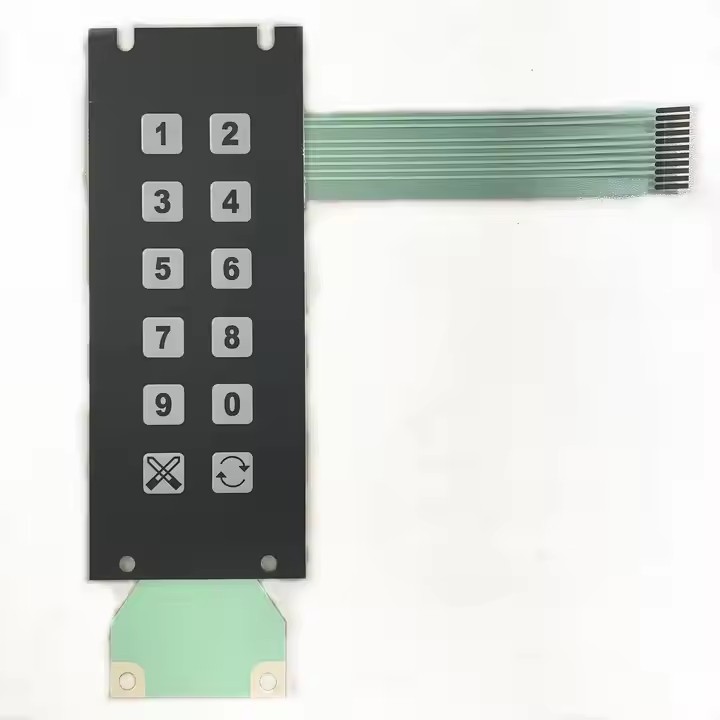
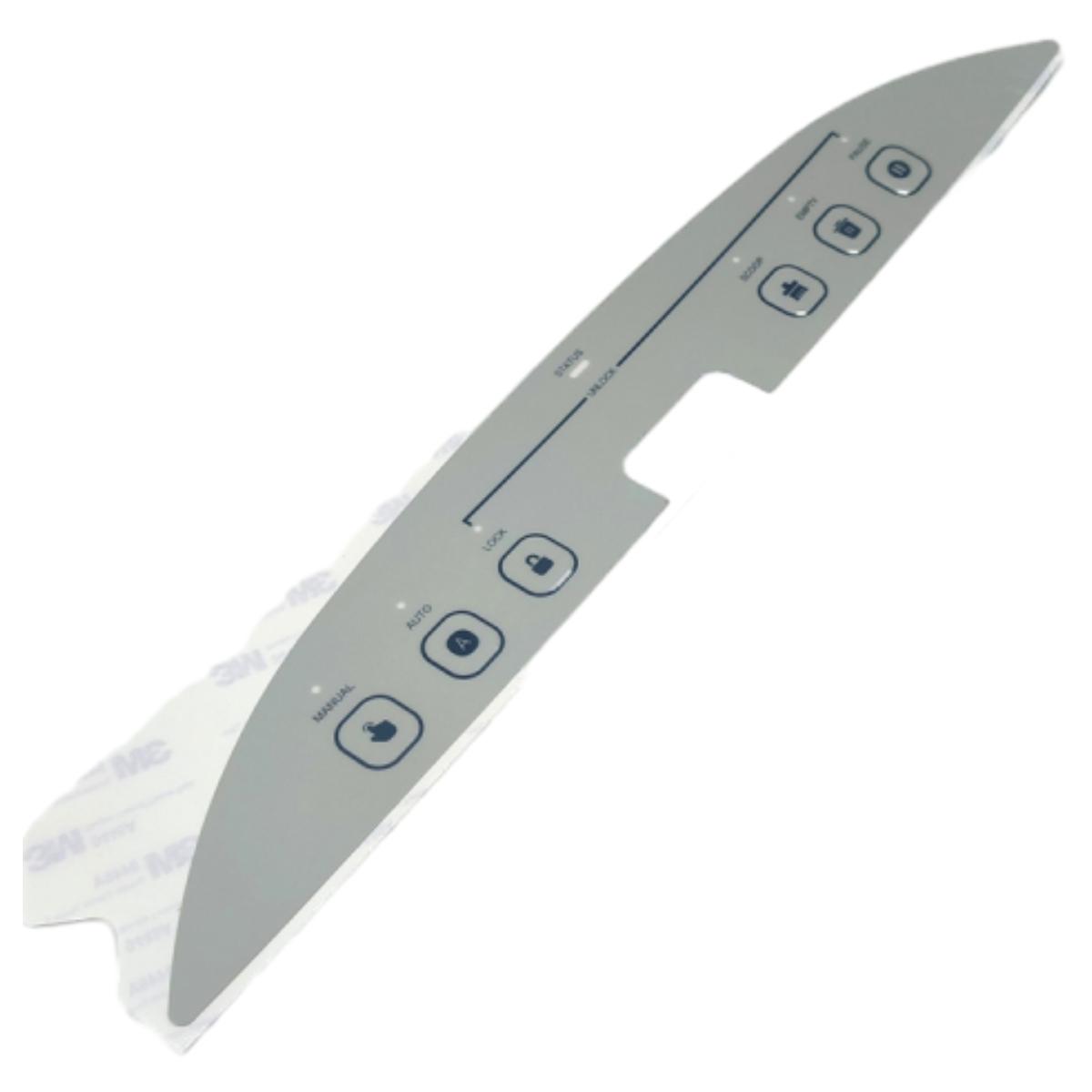
Fuel & Outdoor Factory Custom Silk Screen Membrane Switch Non-tactile Keyboard With Adhesive for Fuel Dispenser Panel

Silk Screen Membrane Switch Non-Tactile Keyboard for Fuel Dispenser Panels

  • Flat non-tactile PET layout with UV protective coat
  • High-tack 3M solvent-resistant adhesive backing
  • Engineered for harsh petrochemical outdoor exposure
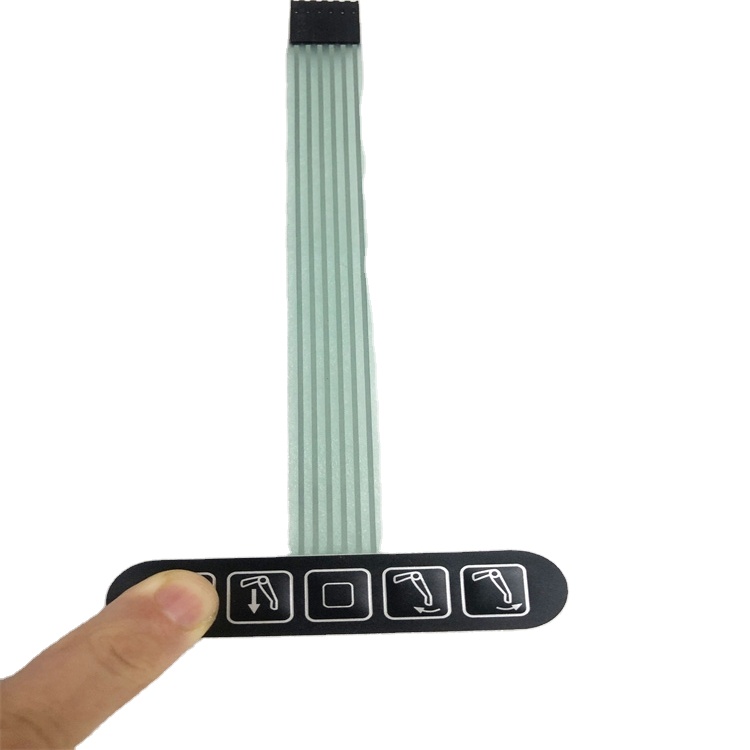
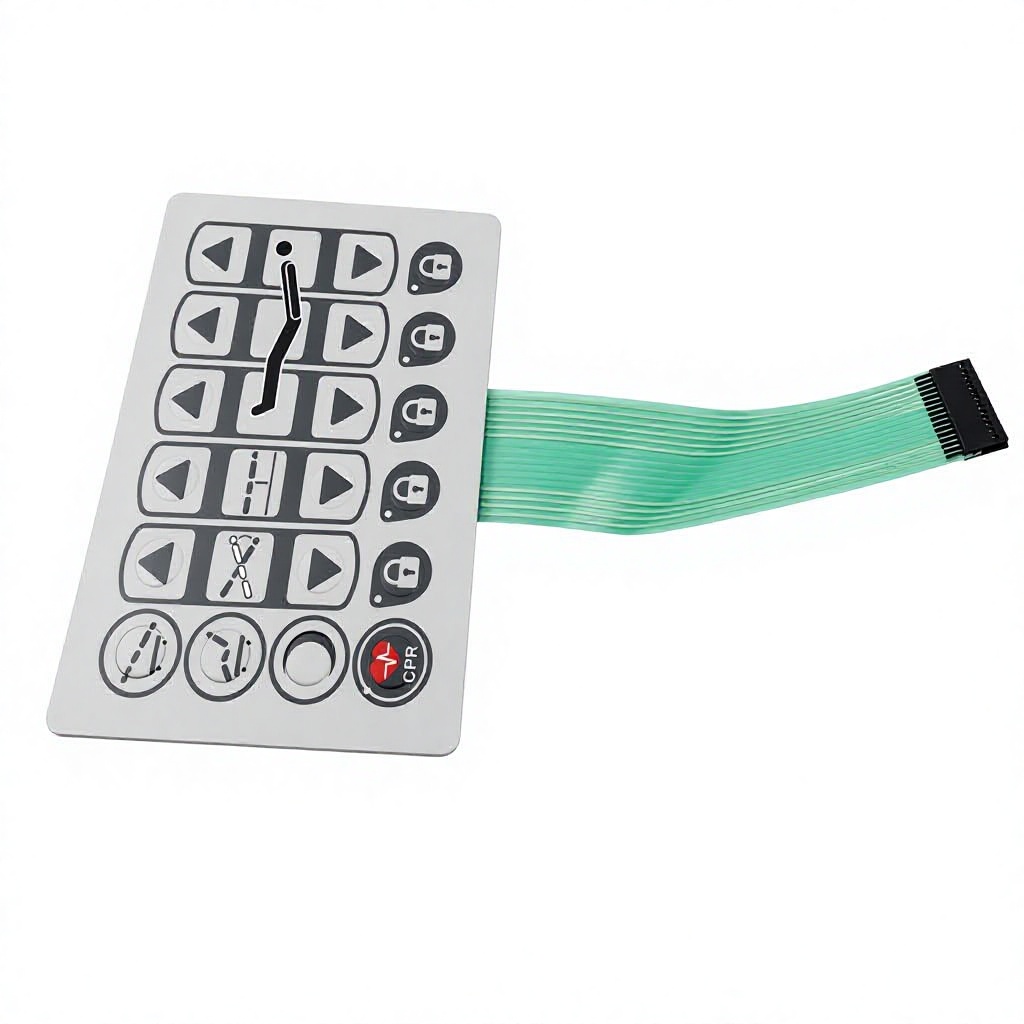
Medical Grade Medical Bed Membrane Keypad Tactile Membrane Switch Panel for Hospital Beds Surgical Tables Patient Lifters

Medical Bed Tactile Membrane Switch Panel for Surgical Tables & Beds

  • Antimicrobial Autotex polyester graphic overlay
  • Stainless-steel snap domes with crisp tactile click
  • IP67 fluid-sealed perimeter for hospital disinfectant wash
Control Panel Custom Printing Waterproof Panel Label Acrylic PET PC Polycarbonate Control Panel Overlay Sticker

Waterproof Polycarbonate/PET Control Panel Overlay Sticker

  • Sub-surface reverse silkscreen printing prevents legend wear
  • Selective gloss/matte texturing with transparent display windows
  • Die-cut tolerances within ±0.05mm for CNC enclosures
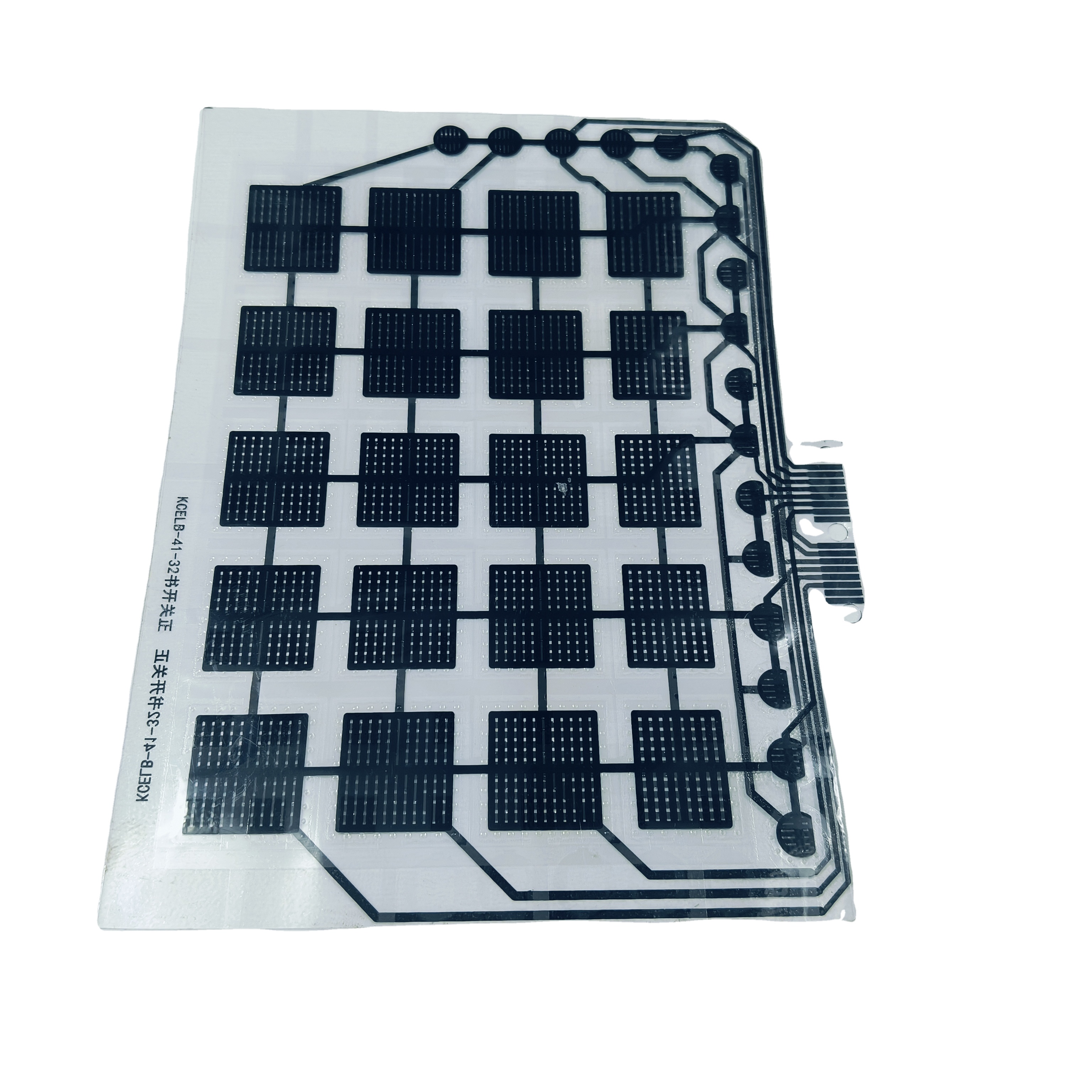
Touch Interface Toys Membrane Keyboard Capacitive Touch Switch Silver Ink Keypad Silkscreen Printed for Poster Customizable Color Size 5 Million

Capacitive Touch Silver Ink Keypad Membrane Circuit

  • High-conductivity silver paste electrode layout
  • Tested for >5,000,000 continuous touch cycles
  • Zero-force seamless solid-state touch actuation
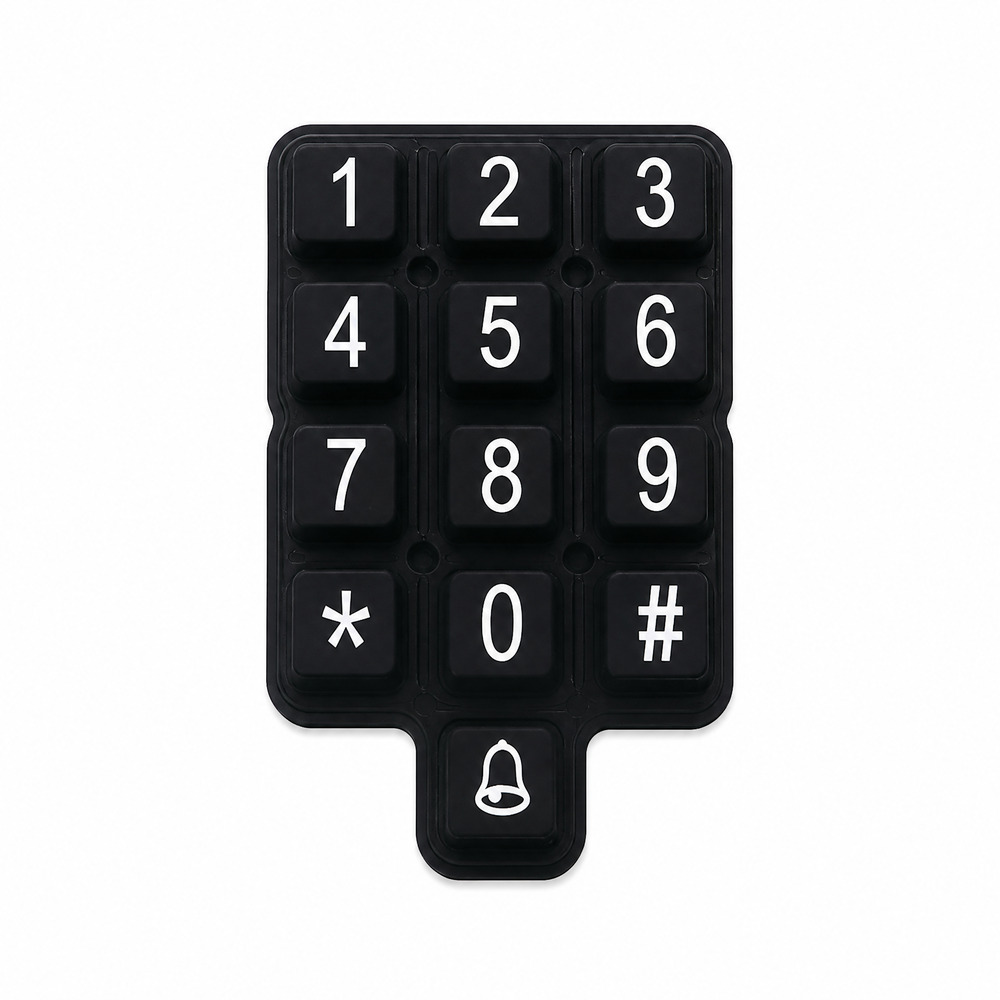
Silicone Rubber Waterproof Silicone Rubber Keypad for Medical Equipment Custom Solutions

Waterproof Silicone Rubber Keypad for Medical Equipment

  • Compression-molded medical elastomer with conductive pills
  • PU/Epoxy surface coating for abrasion & chemical resistance
  • Ergonomic 3D key travel with defined actuation force
Automation Custom Industrial Waterproof Membrane Switch for Control Panels Alibaba Supplier

Industrial Waterproof Membrane Switch for Control Panels

  • Complete perimeter IP66 sealing against oil & moisture
  • Embedded surface-mount LEDs for operational status
  • High-durability metal dome snap with glove-friendly actuation
Tactile Metal Dome OEM Custom Tactile Membrane Switch Waterproof Keypad Panel Metal Dome Membrane Keyboard for Industrial Control Equipment

Tactile Membrane Switch Metal Dome Keypad for Machinery

  • Gold/Nickel-plated stainless domes for low contact resistance
  • Embossed keys for blind key identification in low light
  • Rated for >1,000,000 cycles under heavy industrial duty
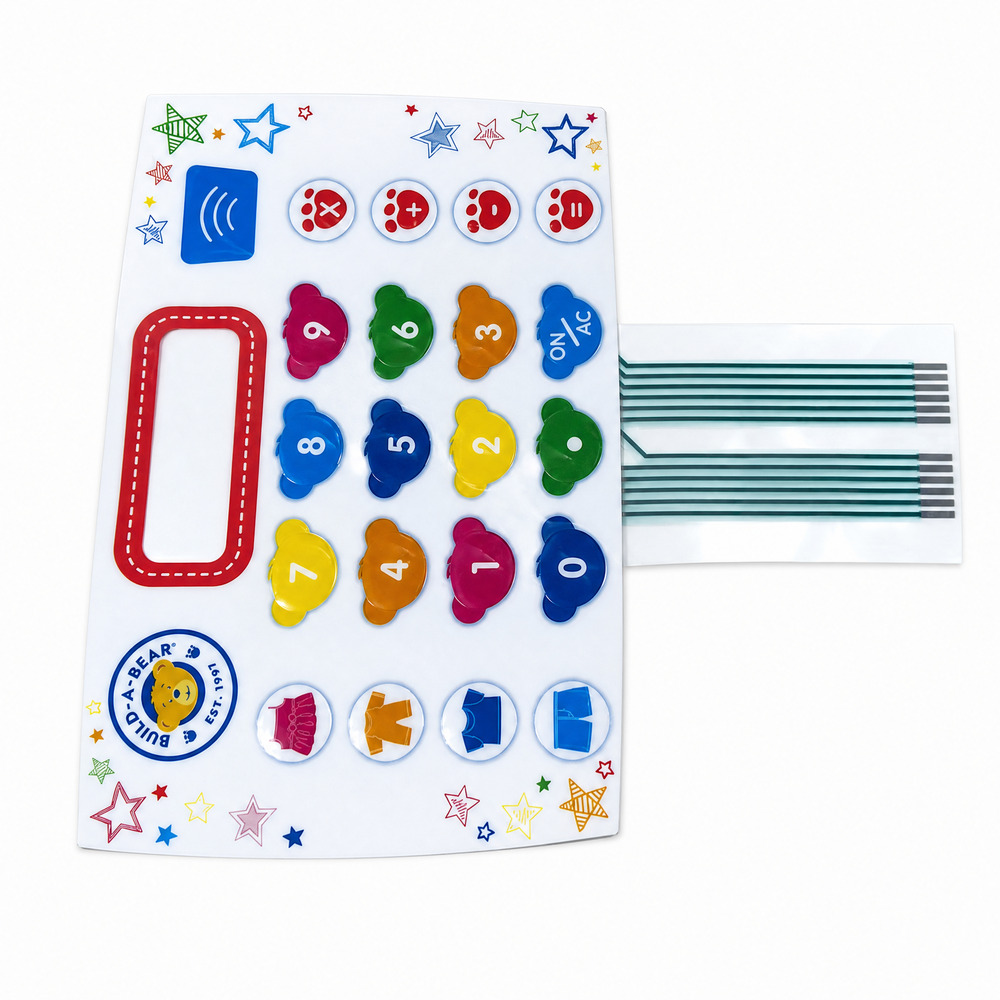
High Sensitivity High Sensitivity Non-Tactile Membrane Switch for Kids Toys Alibaba supplier

High-Sensitivity Non-Tactile Film Switch for Learning Devices

  • Low actuation threshold designed for child touch sensitivity
  • Non-toxic RoHS/REACH compliant flexible PET film matrix
  • Ultra-thin profile allows integration into slim enclosures
2003
Established In China
20+ years of dedicated HMI engineering
12,000m²
Production Facility
Cleanrooms, automatic screen printing & CNC
≤2 Hours
DFM Engineering Review
Direct technical review of CAD / Gerber files
1 pc
Rapid Prototype MOQ
Fast validation before volume tooling investment
Engineering Whitepaper

Precision Stack-Up Anatomy & Material Selection for OEM HMIs

A human-machine interface keypad is not merely a cosmetic label—it is an electromechanical assembly operating at the intersection of material physics, electrical resistance, and tactile ergonomics. Sourcing reliable keypad panels demands meticulous specification of every sub-layer.

Graphic Overlay & Surface Treatment

The front layer defends against external stress. Biaxially oriented Polyethylene Terephthalate (PET, e.g., MacDermid Autotex) provides exceptional flexural life (>5 million actuations) and superior chemical resistance to harsh solvents, oils, and medical disinfectants compared to Polycarbonate (PC). PC offers superior optical clarity and cost efficiency for indoor consumer appliances.

Autotex XE UV PET Lexan Polycarbonate Antimicrobial Coats

Tactile Actuation Mechanics

Operator feedback is controlled via four-leg stainless steel snap domes (nickel or gold-plated) or thermoformed polyester polydomes. Tactile ratio—defined as (Actuation Force - Contact Force) / Actuation Force—determines the crispness of the click. Ravo engineers actuation thresholds ranging from 180g (light medical touch) up to 450g (high-resistance glove-friendly industrial controls).

Nickel-Plated Domes Thermoformed Polydomes 180g - 450g Force

Conductive Circuit Routing & Substrates

Circuit design dictates electrical integrity. Screen-printed conductive silver ink on heat-stabilized polyester film is the global standard for cost-effective matrix routing. For ultra-dense connector pinouts (≤1.0mm pitch) or component-dense surface-mount LEDs and resistors, Flexible Printed Circuits (FPC copper-polyimide) or rigid FR-4 PCB backers eliminate silver migration risks.

Silver Ink Screened Copper FPC Polyimide FR-4 Backer Core

Adhesives & Ingress Sealing (IP65 - IP68)

Bonding performance is determined by surface energy. Using genuine 3M high-performance acrylic adhesives (3M 467MP for smooth aluminum and powder-coated steel; 3M 9448A / 3M 300LSE for low surface energy plastics like ABS and polypropylene). Engineered perimeter venting channels with semi-permeable ePTFE membranes equalize internal pressure while blocking moisture.

3M 467MP / 468MP 3M 300LSE Low SE ePTFE Breather Vents

Integrated Backlighting Technology

Operating interfaces in low-ambient lighting requires engineered optical distribution. We deploy Light Guide Films (LGF) paired with side-firing SMD LEDs to uniformly illuminate individual key legends with minimal power consumption (<30mA). Selective dead-front graphics keep hidden indicators invisible until illuminated, improving cockpit and diagnostic equipment safety.

Light Guide Film (LGF) Dead-Front Legends Embedded Surface LEDs

EMI, RFI & ESD Electrostatic Shielding

Industrial machinery and hospital electrosurgical generators introduce severe electromagnetic transients. We engineer printed carbon-mesh or solid aluminum foil grounding layers that divert electro-static discharges (ESD up to 15kV) away from sensitive microcontrollers down to a designated ground chassis pin, ensuring flawless CE and FCC EMC compliance.

Carbon Mesh Ground Aluminum Foil Barrier 15kV ESD Discharge
Design Selection Matrix

Comparative Performance Matrix of Core HMI Technologies

Selecting the ideal interface technology involves trade-offs between initial non-recurring engineering (NRE) costs, unit pricing, ergonomic feedback, and environmental robustness. Use this engineering matrix to evaluate fit for your next generation device.

HMI Construction Type Actuation Life Ingress Sealing Tactile Quality Tooling / NRE Cost Best Suited Application
Tactile Metal Dome on PET > 1,000,000 cycles IP67 Sealed Crisp, audible snap Low - Medium Medical beds, field diagnostics, industrial controllers
Thermoformed Polydome > 500,000 cycles IP65 Sealed Soft tactile snap Low (Forming Die) Consumer microwave ovens, white goods, fitness gear
Flat Non-Tactile Membrane > 5,000,000 cycles IP67 Sealed No click (audio beep) Lowest NRE Fuel dispenser dispensers, educational toys, darts
Silicone Rubber Keypad > 1,000,000 cycles IP68 Perimeter Deep ergonomic travel Medium (Steel Mold) Rugged military remotes, handheld surgical consoles
Capacitive Touch on Glass/PET > 10,000,000 cycles IP68 Flush Zero travel (solid state) Medium Hygienic cleanroom monitors, smart kitchen appliances
Rigid PCB-Backed Switch > 1,000,000 cycles IP65 Panel Crisp metal dome Medium - High Solar inverters, high-vibration CNC machinery panels
Strategic Sourcing Guide

Future Sourcing & Procurement Trends in OEM Keypads (2025–2030)

Global procurement executives and hardware engineering leads must navigate shifting supply chains, regulatory stringency, and interface convergence. Sourcing decisions now hinge on total lifecycle value rather than just initial piece-part pricing.

1. Convergence of Physical Tactility & Displays

While touchscreens dominate modern consumer tech, critical industrial automation and surgical equipment demand dedicated physical buttons for emergency stops, pump flow rates, and high-stakes calibration. The prevailing procurement trend combines full-color TFT/OLED displays with peripheral tactile membrane switches or embedded capacitive buttons, eliminating operator error caused by accidental screen swipes or fluid splatter.

2. Stringent Biocompatibility & Cleanability Standards

Post-pandemic medical device mandates (ISO 13485 environments) require keypad surfaces to resist degradation under aggressive wipe-downs using sodium hypochlorite (bleach), quaternary ammonium compounds, and 70% isopropanol (IPA). Procurement teams are prioritizing antimicrobially treated polyester films (incorporating silver-ion nano-matrices) and IP67 perimeter gasket-seals over mechanical pushbuttons that trap contaminants.

3. De-risking via Agile DFM & Low-Volume Tooling

Modern product development cycles cannot tolerate 8-week tooling turnarounds for initial feasibility testing. Top OEM buyers partner with vertically integrated suppliers like Ravo that offer rapid digital knife-cutting, direct-to-substrate digital printing, and 3D printed dome-forming dies. This facilitates high-mix, low-volume (HMLV) pilot validation runs (1 to 50 pcs) in 7–10 days before locking in steel stamping dies.

4. Proliferation of Thin-Film Pressure Sensors (FSR)

Human-machine interfaces are expanding beyond binary on/off switching. The integration of Force Sensitive Resistor (FSR) ink matrices printed on thin polyester films allows devices to detect analog pressure variations, patient bed occupancy, foot gait pressure mapping, and ergonomic grip force. Sourcing partners with dedicated screen-printing expertise in carbon resistive inks are highly sought after.

5. Total Cost of Ownership (TCO) vs. Raw Unit Cost

Procurement teams are shifting away from evaluating suppliers based purely on BOM piece price. A keypad with a failure rate of 0.5% in the field can trigger warranty claims, medical recall investigations, and brand damage exceeding initial tooling savings by tenfold. Comprehensive in-process quality gates—such as 100% automated continuity and open/short testing—are now non-negotiable procurement requirements.

6. Supply Chain Nearshoring & Direct Factory Auditing

While local assembly or warehousing handles regional distribution, primary component fabrication remains concentrated in high-capability electronics clusters like Dongguan, China. Procurement directors ensure resilience by working directly with verified, physically audited manufacturers equipped with full in-house capabilities (from screen-making and color spectrophotometry to cleanroom assembly), cutting out unverified middlemen.

Direct Manufacturer Heritage

Dongguan Ravo Electronics: Two Decades of HMI Excellence

Founded in 2003 in Fenggang Town, Dongguan, Guangdong Province, Dongguan Ravo Electronics Co., Ltd. has evolved from a precision screen-printing workshop into a comprehensive, vertically integrated HMI manufacturing hub spanning over 12,000 square meters.

Our facility houses dust-free cleanrooms, semi-automatic and high-precision fully automatic flatbed screen-printing presses, computer-controlled laser cutters, hydraulic embossing stations, and automated electrical testing rigs. By controlling all critical tooling, lamination, and testing processes in-house, we eliminate contractor delays and deliver rapid, predictable results.
Ravo manufacturing capabilities, engineering team and cleanroom facilities overview
01

Rapid DFM Turnaround

Upload your CAD, Gerber, or Illustrator vectors. Our senior application engineers provide complete Design for Manufacturability (DFM) reviews within 2 hours, analyzing dome travel, trace resistance, and pinouts.

02

Full Material Traceability

We strictly source authentic films (Autotex, Melinex, Lexan) and adhesives (3M 467MP, 468MP, 9448A). All raw inventory is compliant with RoHS, REACH, and UL94 flammability certifications.

03

100% Electrical & Tactile QA

Every single keypad undergoes computer-controlled pin-to-pin continuity testing, contact resistance measurement, dielectric insulation verification, and sample-based actuation force profile analysis.

04

Prototype to Million-Run Scale

From a 1-piece functional prototype for mechanical fit checks to multi-container mass production shipments across Europe, North America, and Asia, our scalable cleanrooms adapt to your schedule.

Technical Clarifications

Frequently Asked Questions on Custom HMI Keypad Sourcing

Detailed answers to the electromechanical, testing, and commercial questions most frequently raised by OEM purchasing managers, design engineers, and quality assurance leads.

What is the difference between silver-paste PET circuits and copper FPC circuits?
Silver-paste circuits are screen-printed on heat-stabilized polyester film. They represent the most cost-effective solution for standard matrix layouts with connector pitches ≥2.54mm. Copper Flexible Printed Circuits (FPC), fabricated with polyimide and etched copper foil, support tighter pitch connectors (≤0.5mm - 1.0mm ZIF), higher current handling, surface-mount soldering of fine-pitch ICs/LEDs, and exhibit virtually zero risk of silver migration under high-humidity environments.
How is an IP67 waterproof seal achieved on a custom membrane keypad?
True IP67 immersion sealing requires three design parameters: (1) A continuous, un-interrupted outer perimeter gasket adhesive (minimum width 1.5mm to 2.0mm) using high-cohesion acrylic adhesive such as 3M 467MP or 3M 300LSE; (2) A sealed tail exit where the flex tail exits through the bottom adhesive inside the perimeter rather than piercing the edge boundary; and (3) Internal vent channels routed between keys to equalize atmospheric pressure without letting air communicate with the outside environment.
What files are required to initiate an engineering quote and DFM review?
To provide an accurate quotation and DFM analysis, we require: (1) 2D mechanical drawings (DXF, DWG, or PDF) showing overall dimensions, cutouts, embossing profiles, and tail exit location; (2) Vector graphic artwork (Adobe Illustrator .AI or vector PDF) with assigned Pantone or RAL color references and transparent window areas; (3) Schematic or pinout wiring diagram indicating key matrix lines and LED polarities; and (4) Operating environmental specifications (tactile force preference, temperature range, and IP rating).
Can surface-mount LEDs be integrated into thin membrane keypads without cracking?
Yes. We integrate ultra-thin miniature 0603 or 0805 SMD LEDs directly onto the conductive circuit layer. For silver-paste PET circuits, components are bonded using conductive isotropic silver epoxy reinforced with UV-cured structural encapsulant dams. This prevents the solder joint from fracturing during flexing. For heavy component densities, we recommend a copper FPC circuit or rigid FR-4 PCB backer where parts are reflow-soldered with traditional metallurgical bonds.
What is the difference between Polydomes and Stainless Steel Metal Domes?
Stainless steel metal domes are formed from tempered spring steel (often nickel or gold-plated) placed inside the switch cavity. They provide a crisp, audible snap, low contact resistance (<1 Ω), and an actuation life exceeding 1,000,000 cycles across extreme temperatures (-40°C to +85°C). Polydomes are thermoformed directly into the polyester overlay or circuit film layer. They yield a softer, quieter tactile feel with lower tooling costs, but generally deliver a lower cycle life (~500,000 cycles) and soften under prolonged high-temperature exposure.
How do you prevent silver migration in high-humidity industrial environments?
Silver migration occurs when moisture and direct current (DC) voltage cause silver ions to migrate across adjacent circuit traces, creating short circuits. We prevent this by: (1) Overprinting all conductive silver paths with high-density carbon ink to encapsulate the silver particles; (2) Maintaining minimum trace spacing rules (≥0.5mm); (3) Applying dielectric insulation coatings over non-contact areas; and (4) Recommending copper FPC for mission-critical medical or continuous outdoor applications.
What mounting adhesives are best for powder-coated or low-surface-energy plastics?
Standard adhesives like 3M 467MP perform well on high surface energy materials like bare aluminum, stainless steel, and polycarbonate. However, on textured powder-coated metal, polypropylene (PP), polyethylene (PE), or molded ABS plastic housings, we specify 3M 300LSE (such as 3M 9471LE or 3M 9472LE) or 3M 9448A. These high-tack acrylic formulations wet out textured surfaces and establish high bond strength without lifting at corners over time.
What connectors are available for the flex tail interface?
Common tail connection configurations include: (1) Standard 2.54mm (0.100") pitch female crimp housings (e.g., Nicomatic, Amphenol FCI Clincher, or Harwin) compatible with standard PCB header pins; (2) Bare silver trace fingers with a polyimide stiffener designed to insert directly into Zero Insertion Force (ZIF) or Non-ZIF connectors (available in 1.0mm, 1.25mm, or 2.54mm pitch); or (3) Custom soldered male wire harnesses with overmolded quick-disconnect multi-pin plugs.
What is your typical lead time for functional prototypes and volume production?
After engineering artwork and stack-up drawings receive final customer sign-off, rapid prototype samples (1 to 10 pcs) typically ship in 7 to 12 business days utilizing digital cutting and tooling. Hard-tooled mass production batches (500 to 50,000+ pieces) require approximately 3 to 4 weeks depending on raw material sourcing (such as custom LED wavelengths or specialized FPC turnaround).
Can you manufacture Force Sensitive Resistor (FSR) thin-film pressure sensors?
Yes. Dongguan Ravo Electronics is an experienced developer of custom thin-film FSR pressure sensors. By precision-screen printing specialized piezoresistive carbon and semiconductor inks onto flexible PET film, we manufacture continuous pressure-sensing matrices for automotive seat occupancy detection, medical smart hospital mattress beds, foot gait dynamic measurement, and wearable interactive controllers.

Ready to Engineer Your Custom OEM HMI Keypad Assembly?

Connect directly with our senior application engineering team in Dongguan, China. Receive comprehensive Design for Manufacturability (DFM) feedback, complete stack-up recommendations, and competitive prototype pricing within 2 hours.