 EN
 DE
 FR
 ES
 RU
 JA
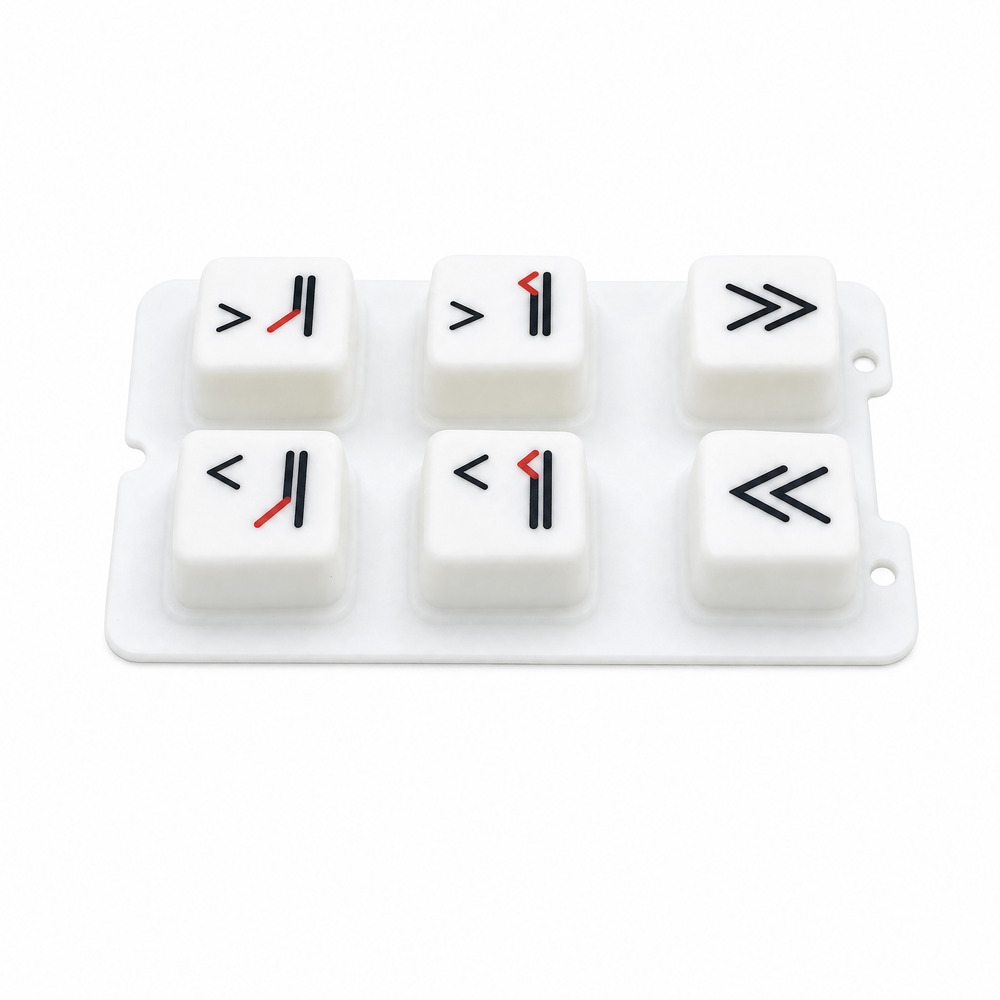
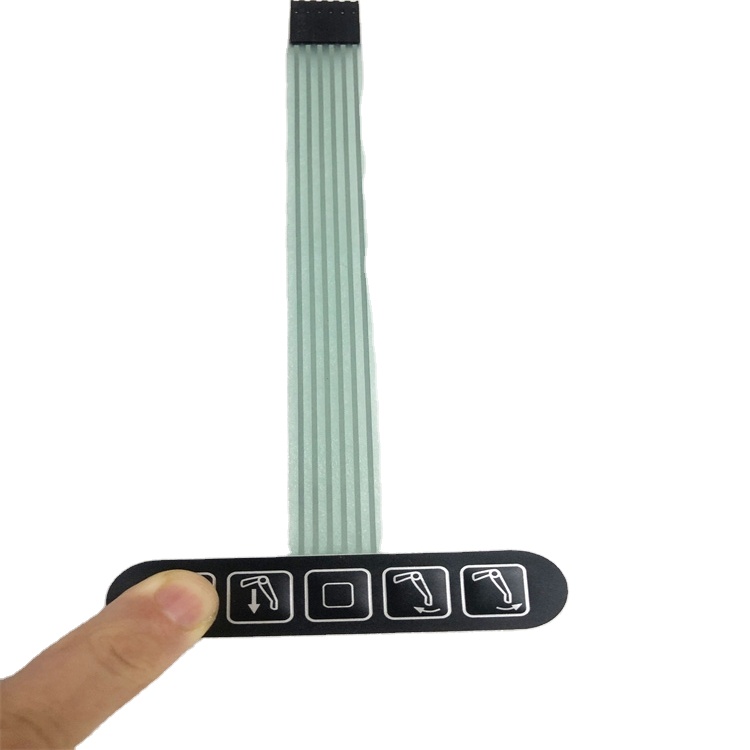
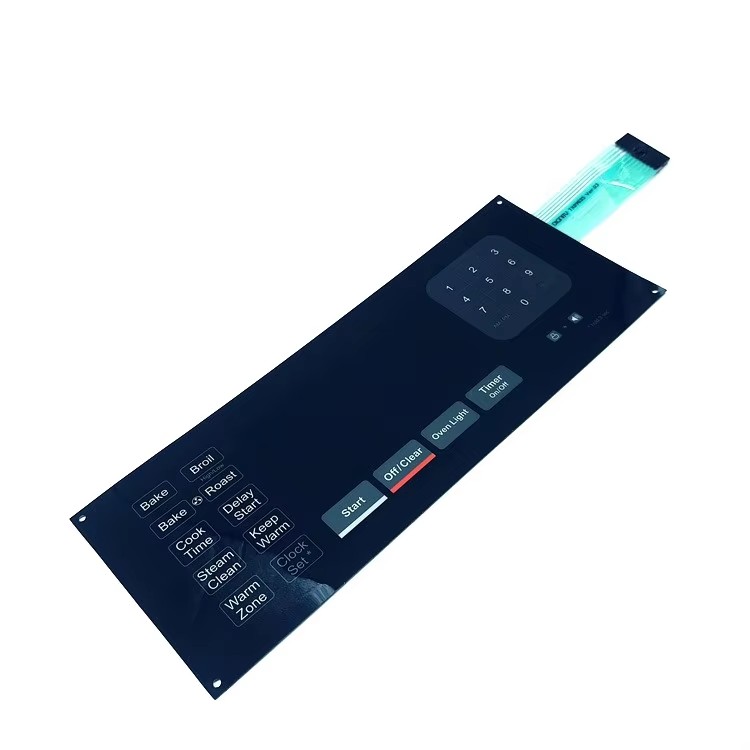
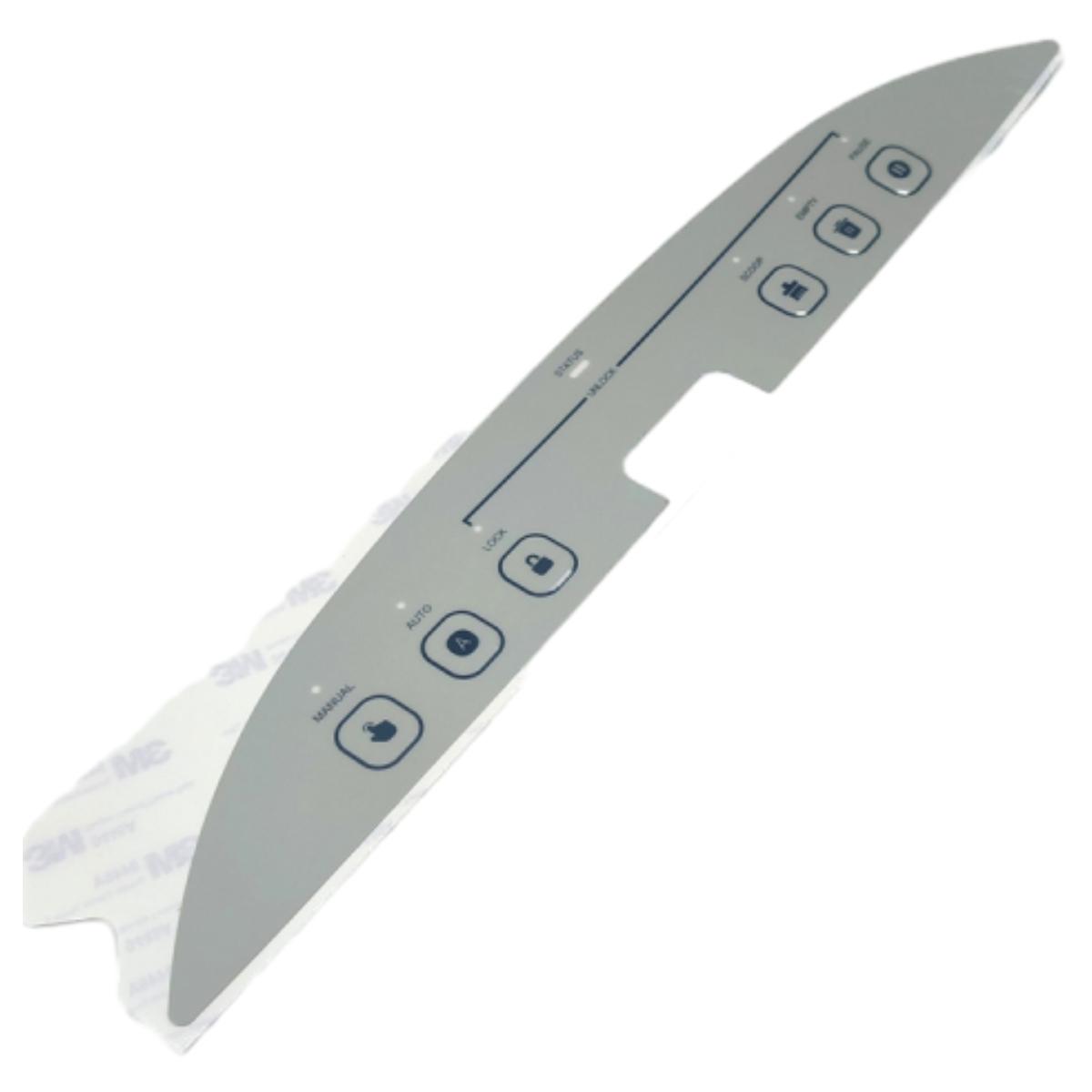
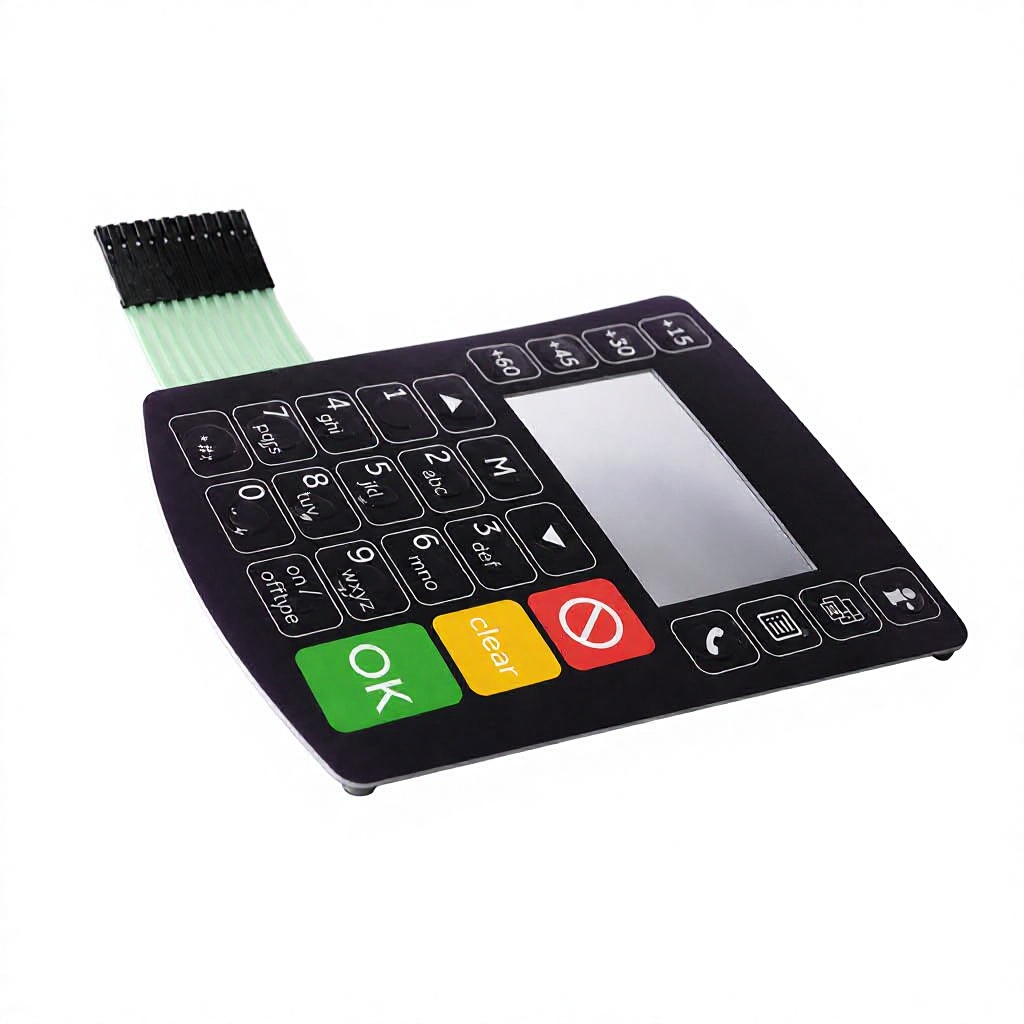
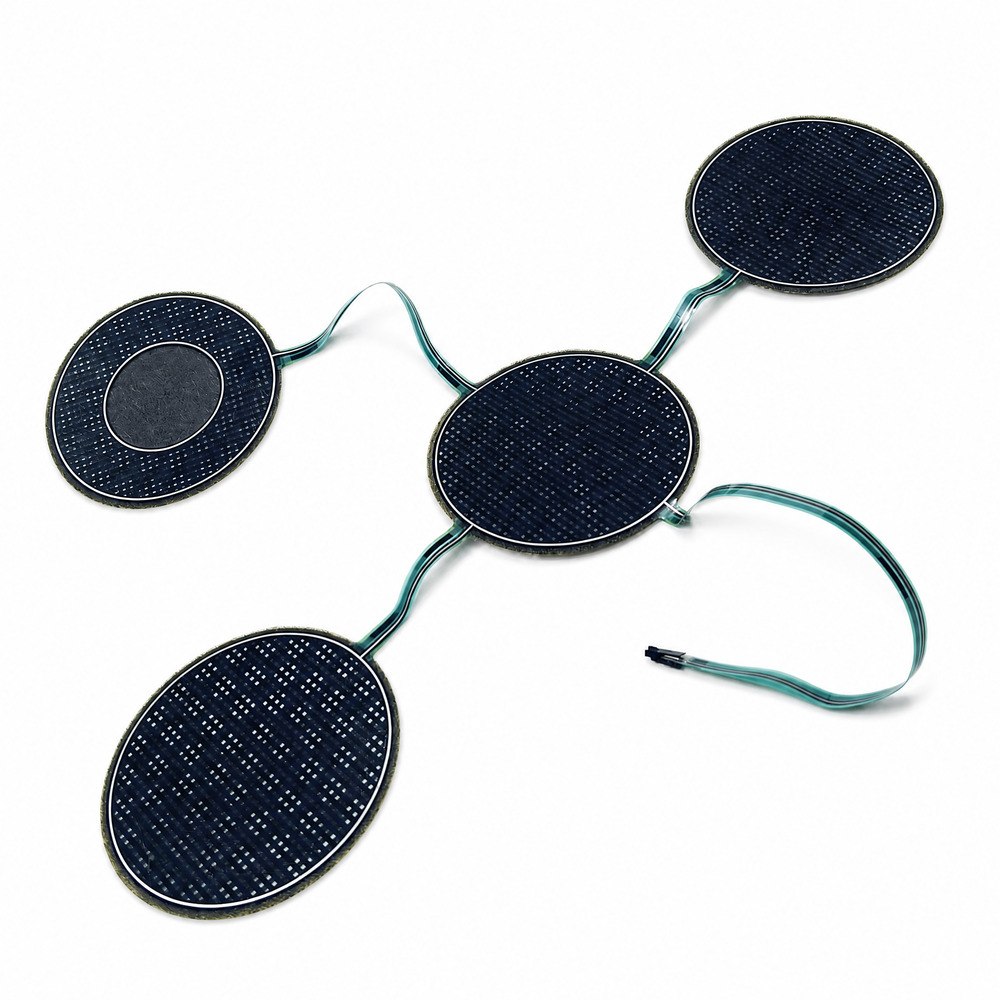
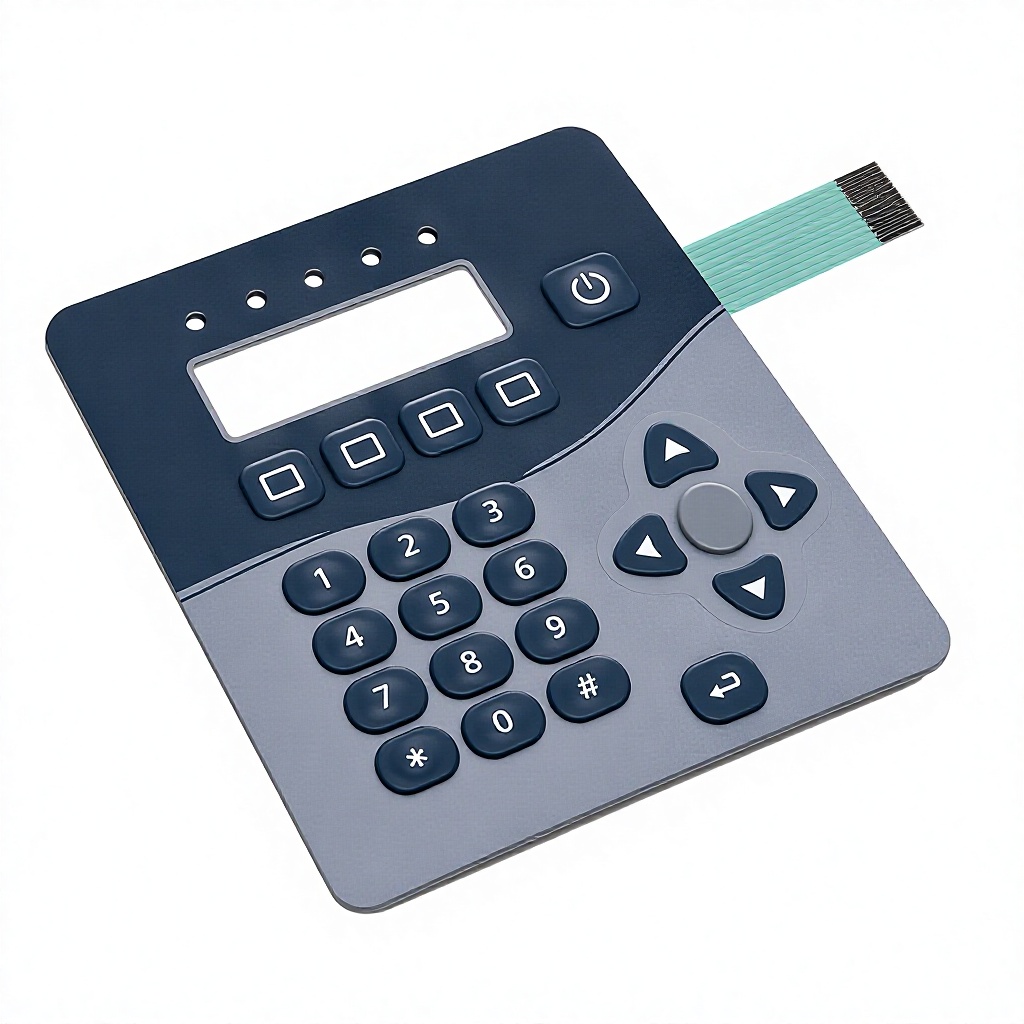
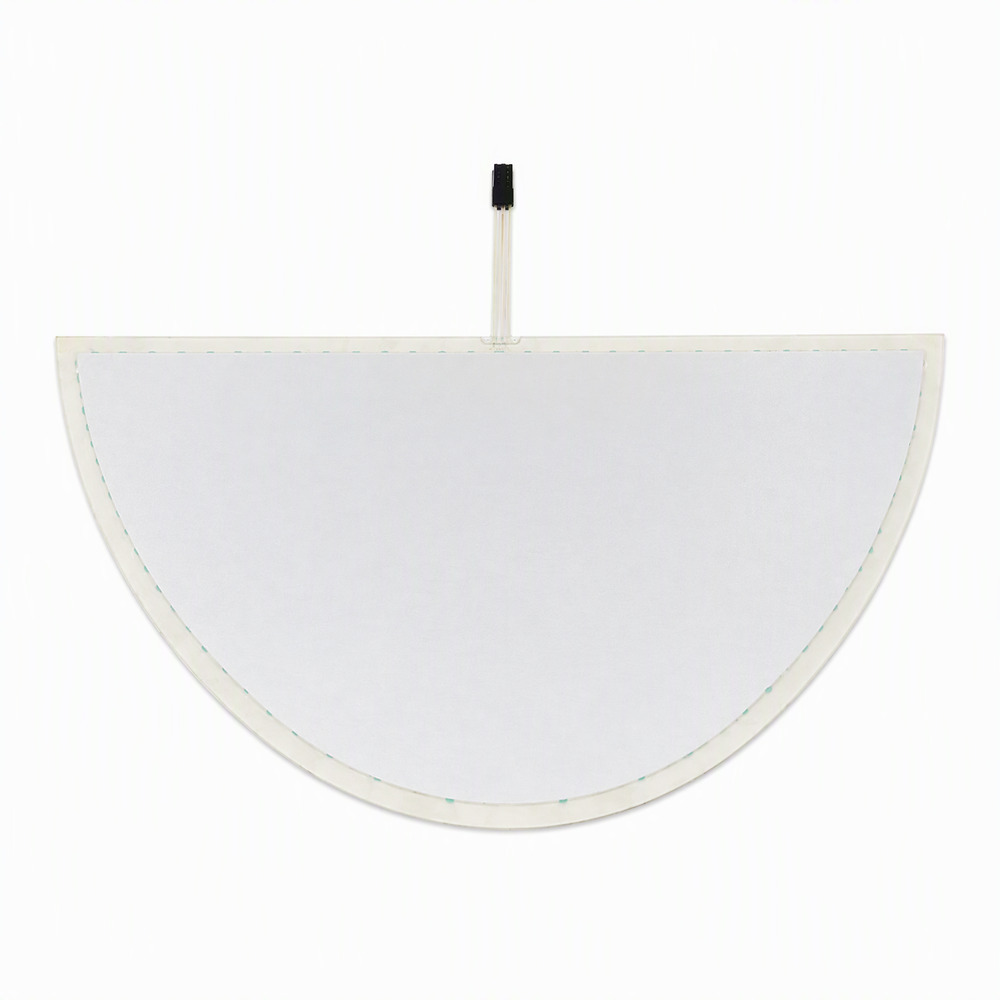
Featured Flexible Membrane Switches & Keypad Panels
Custom built layer-by-layer according to your electrical schematics, operating environment, tactile profiles, and enclosure specifications.
2003
Pioneering HMI Engineering Since
12,000m²
Vertically Integrated Clean Plant
≤2h
Rapid Engineering DFM Review
98.59%
Client Satisfaction & On-Time Export
Technical Whitepaper & DFM Insights
Anatomy of Industrial Membrane Switches: Multi-Layer Substrate Engineering
Modern industrial equipment demands human-machine interface units that withstand continuous actuation, aggressive washdown chemicals, and wide operational temperature swings without mechanical fatigue or trace oxidation. A high-reliability flexible membrane switch is an intricately balanced composite consisting of typically 6 to 9 laminated functional layers: a reverse-printed graphic overlay (autotype polyester or velvet polycarbonate), graphic adhesive, tactile metal dome retention layer, circuit spacer, upper silver/carbon conductive tracks, insulating dielectric masks, lower printed PET or copper FPC circuitry, and a specialized acrylic rear mounting adhesive engineered for specific housing surface energy.
To eliminate contact bounce, silver migration, and premature trace cracking, our engineering process incorporates proprietary circuit trace bridging techniques, conductive carbon overcoats, and laser-sealed venting channels. These channels equalize internal atmospheric pressure during rapid button depressurization while preventing external moisture intrusion—ensuring ingress protection ratings from IP65 to IP67 across continuous duty cycles exceeding 1,000,000 operations.
| Layer Architecture | Material Formulation | Key Performance Functionality | Industry Compliance Benchmark |
|---|---|---|---|
| Front Graphic Overlay | Autotex PET (F150/F200) / Lexan Polycarbonate | Abrasion resistance, anti-glare finish, UV resistance, dead-front window clarity | DIN 42 115 chemical scratch resistance |
| Actuation Dome Layer | SUS301 Stainless Steel / Formed Polydome | Crisp tactile snap feel, actuation forces from 220g to 500g, audio feedback | ASTM F1578 actuation life verification |
| Conductive Circuitry | Polymer Thick Film (PTF) Silver / Polyimide FPC | Low contact resistance (<100Ω loop), flex life resilience, fine pitch pinouts | ASTM F1689 trace adhesion test |
| Substrate Mounting Base | 3M 467MP / 3M 468MP / 3M 9448A Adhesive | Permanent shear adhesion across powder-coated metal, ABS, die-cast aluminum | ASTM D3330 180° peel adhesion standards |
Silver Migration Mitigation
By applying a high-density conductive carbon overcoat over screen-printed silver tracks, we completely prevent dendritic silver ion migration under elevated humidity and continuous DC voltage bias.
ESD / RFI Shielding Integration
Continuous aluminum foil layers, printed carbon grids, or transparent conductive ITO films provide up to 20kV ESD protection to safeguard sensitive internal microprocessors from electrostatic discharge.
Environmental Venting Science
Engineered venting pathways terminate within the dry internal tail cavity, allowing seamless key deflection without creating a vacuum while preventing external liquid ingress from high-pressure cleaning.
Next-Generation HMI: Strategic Procurement Trends
Global supply chain directors and electronic design engineers are transitioning from fragmented component sourcing to integrated, sensorized, and hybrid interface architectures.
Consolidated Tier-1 Assemblies
B2B procurement teams are shifting away from buying raw overlays, loose keypads, and separate backer boards. OEMs now source consolidated modules where membrane switches are pre-bonded to rigid FR-4 PCBs or molded bezels with soldered headers.
Hybrid Capacitive-Tactile Solutions
Industrial designers are merging flat capacitive touch surfaces for slider controls with discrete tactile metal dome buttons for safety-critical emergency stops, providing modern aesthetics combined with tactile confirmation.
Micro-Backlighting Innovations
High-contrast, low-power light guide films (LGF) and ultra-thin side-firing SMD LEDs are replacing bulky EL lamps, ensuring uniform backlighting across symbols while operating under low-voltage battery constraints.
Integrated Thin-Film Force Sensing
The convergence of membrane keypads with Force Sensitive Resistors (FSR) allows medical, automotive, and industrial devices to determine not just actuation state, but graduated touch force and user presence.
Why Global OEMs Partner with Ravo Electronics
Operating in Fenggang Town, Dongguan since 2003, we combine South China's complete component ecosystem with European-standard quality governance and direct engineering access.
Rapid ≤2-Hour DFM Turnaround
Direct communication with experienced interface design engineers. We review DXF/DWG/AI files, inspect clearance tolerances, evaluate trace resistances, and provide actionable DFM reports in hours, not days.
In-House Tooling & Mold Making
Screen-making, CNC steel die cutting, embossing tooling, and silicone compression molds are built on-site within our 12,000 m² facility, enabling prototype delivery from a single piece within 7 to 10 days.
100% Automated Electrical Testing
Every single membrane switch undergoes computerized continuity, open/short circuit, contact resistance, and dielectric breakdown testing before packaging. Tactile snap ratio and actuation force are batch-certified.
RoHS, REACH & ISO 9001 Compliance
We source certified conductive inks, 3M adhesives, and Autotype PET films accompanied by complete environmental declarations and lot traceability, meeting stringent audits for European and North American markets.
Over Two Decades Export Pedigree
Supplying Tier-1 contract manufacturers and OEMs across Germany, North America, Japan, and the UK. Our dedicated multilingual logistics team ensures compliant anti-static packaging and smooth customs clearance.
Flexible Volume Scaling
Whether you need rapid prototyping runs of 5 pieces for clinical validation or high-volume automated production of 500,000 units for appliance rollouts, our modular assembly lines adjust without prohibitive NRE setup costs.
Frequently Asked Questions on Custom Membrane Switches
Practical engineering and purchasing guidance derived from over 20 years of bespoke manufacturing.
What is the practical MOQ and tooling charge for custom OEM projects?
For engineering evaluation and prototyping, our minimum order quantity starts from just 1 to 5 pieces. Volume production runs typically range from 100 to 500 pieces depending on the complexity of backlighting and circuit integration. Tooling charges cover printing screens, laser cutting fixtures, and custom embossing steel dies, and are typically a one-time non-recurring engineering (NRE) fee that is fully refundable against high-volume purchase agreements.
What specific engineering files are required to initiate a design quotation?
To provide a detailed DFM review and quotation within 2 hours, please provide: 1) Vector artwork for graphics (AI, EPS, or PDF with Pantone matching codes), 2) Dimensional 2D mechanical drawings (AutoCAD DXF or DWG) specifying layer thicknesses, key embossing shapes, and tail exit coordinates, 3) Electrical schematic (circuit matrix or common bus, pinout assignments, LED polarity), and 4) Tail connector requirements (2.54mm pitch female crimp, ZIF compatible, or soldered housing).
How is true IP67 waterproof sealing achieved across harsh industrial environments?
True waterproof sealing requires three critical design choices: First, a continuous perimeter adhesive gasket (minimum 1.5mm border width) utilizing high-shear 3M 467MP/468MP adhesive. Second, an internally isolated venting channel that equalizes air through the interior tail into the customer enclosure, preventing ambient liquid penetration. Third, a seamless top overlay material (such as chemically texturized polyester) that resists chemical wipe-downs, alcohols, and high-pressure steam.
What are the key technical differences between Silver-Ink PET and FPC circuits?
Silver-ink screen printed on polyester (PET) is the most cost-effective solution for standard matrix switches, with typical trace loop resistances between 20Ω and 150Ω. Flexible Printed Circuits (FPC) utilize rolled-annealed copper laminated onto polyimide film; they offer near-zero loop resistance, facilitate high-density fine-pitch routing (down to 0.5mm), support soldered miniature SMD components without conductive epoxy, and survive severe vibration or tight bend radii without trace fatigue.
How do you select the appropriate rear adhesive for different housing plastics?
Adhesive selection depends directly on the surface energy of the mounting bezel. For high surface energy substrates such as stainless steel, bare aluminum, and smooth ABS, 3M 467MP (2 mil) or 3M 468MP (5 mil) high-performance acrylic adhesive provides superior shear strength and solvent resistance. For low surface energy (LSE) materials like polypropylene, polyethylene, or heavily textured powder coatings, we engineer modified acrylic systems like 3M 300LSE or 3M 9448A to prevent edge lifting over wide temperature cycles (-40°C to +85°C).
What are the typical lead times for first-article prototypes and production runs?
Following DFM sign-off and color match proofing, rapid laser-cut prototypes typically ship within 7 to 10 working days. Hard-tooled volume production runs typically require 15 to 20 working days depending on component availability (such as specialized bi-color LEDs or custom molded silicone keys). Emergency fast-track prototyping options are available for urgent product launch schedules.
Ready to Optimize Your Interface Manufacturing?
Submit your switch specifications or CAD drawings today. Our engineering team provides complete layer-stack optimization, material selection advice, and firm quotations within 2 hours.
