 EN
 DE
 FR
 ES
 RU
 JA EN DE FR ES RU JA
Custom multi-layer interfaces designed for rigorous washdown protocols, medical grade disinfection, and harsh New England industrial environments.
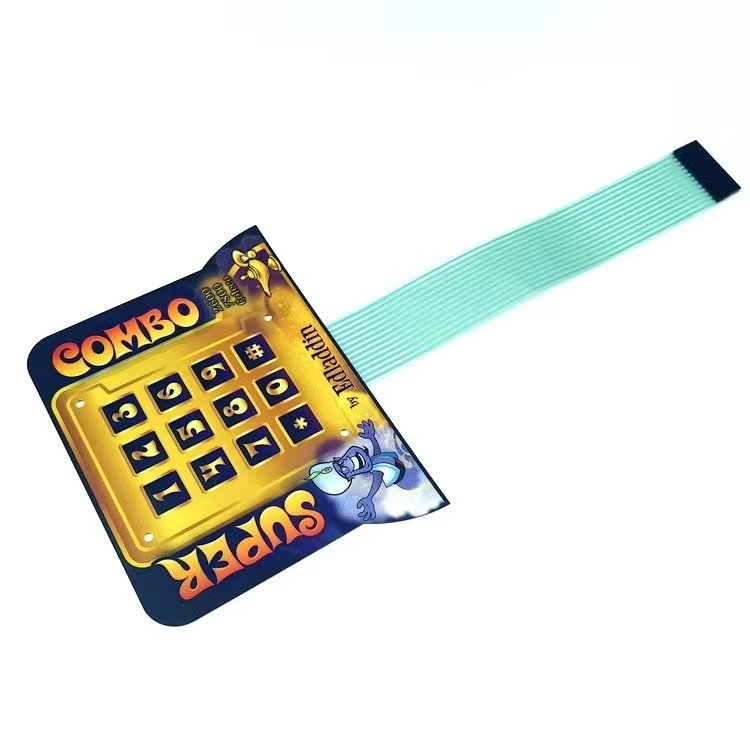
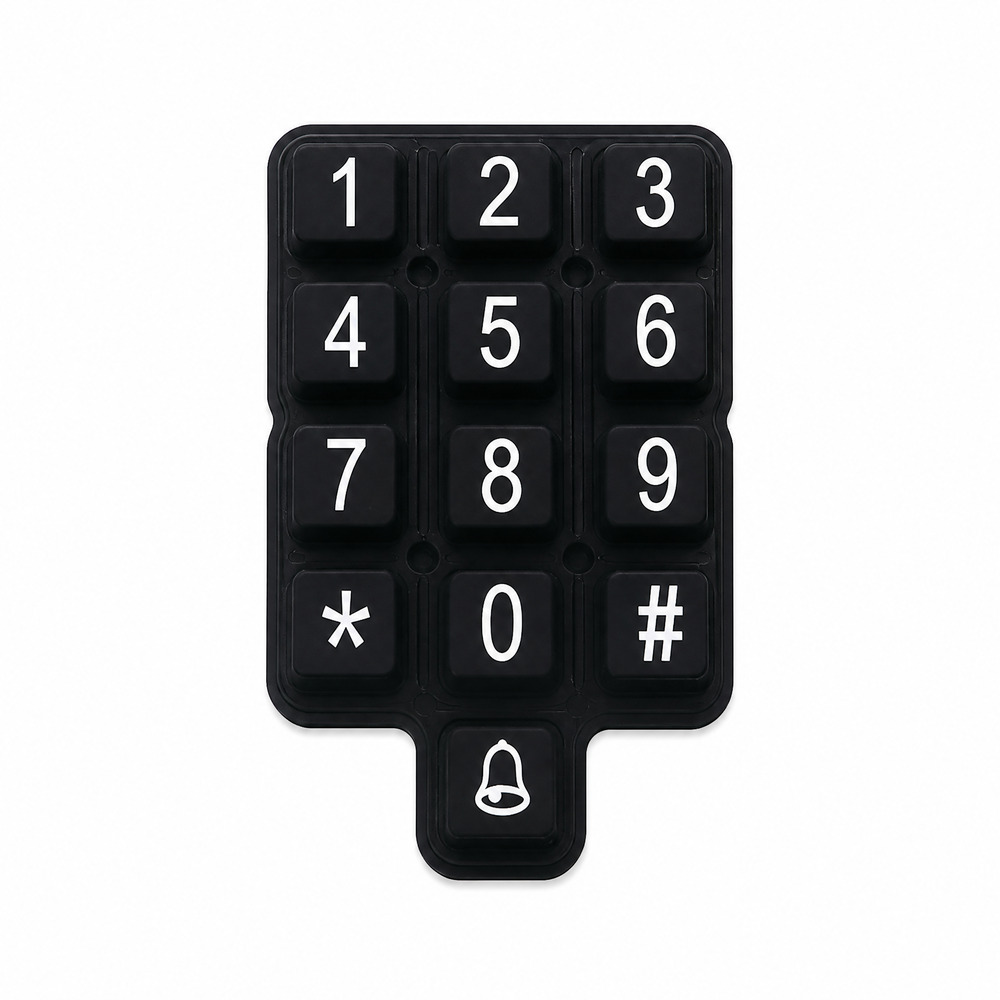
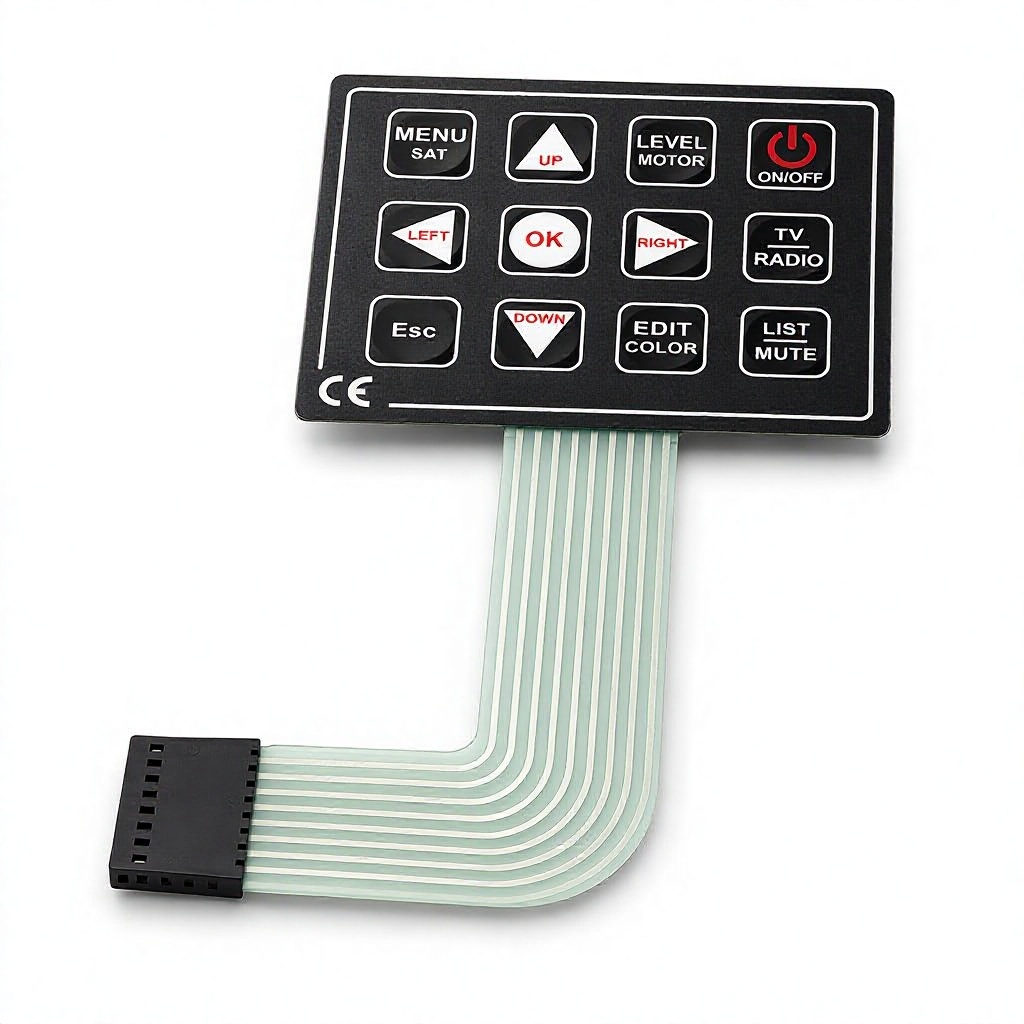
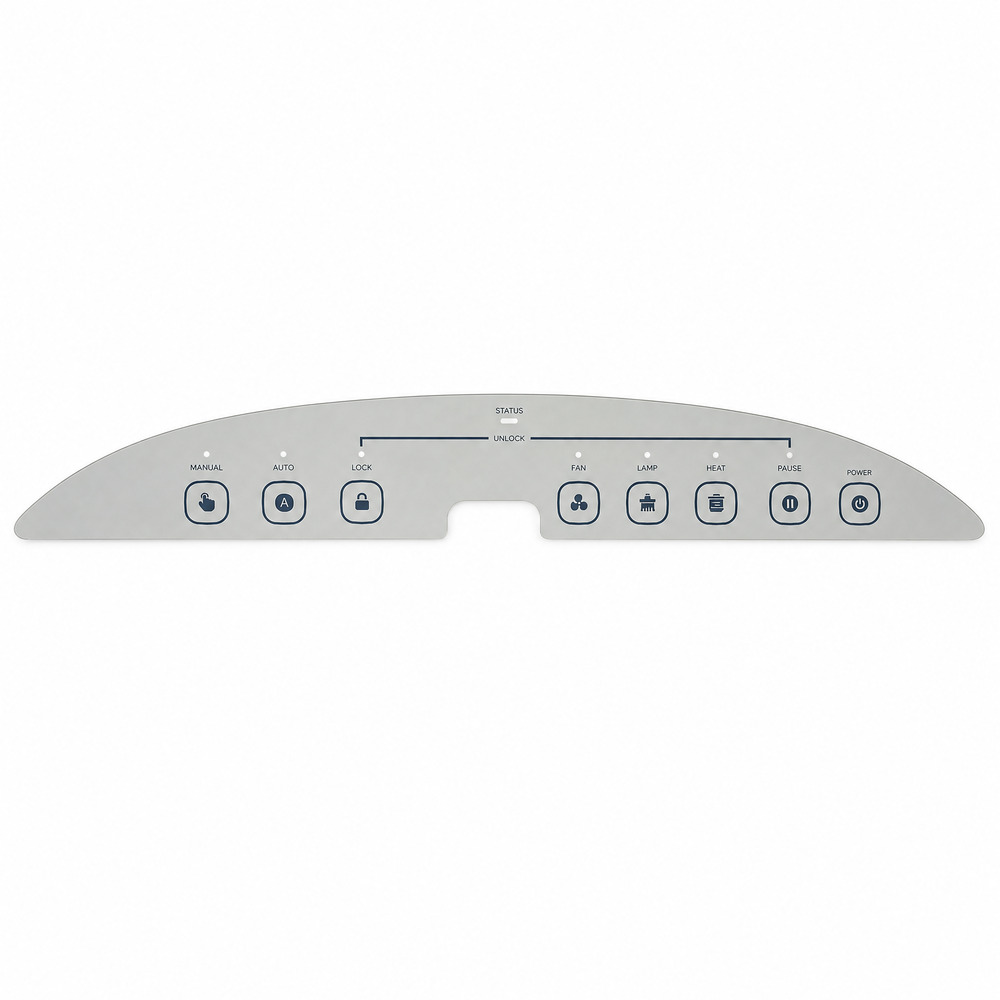
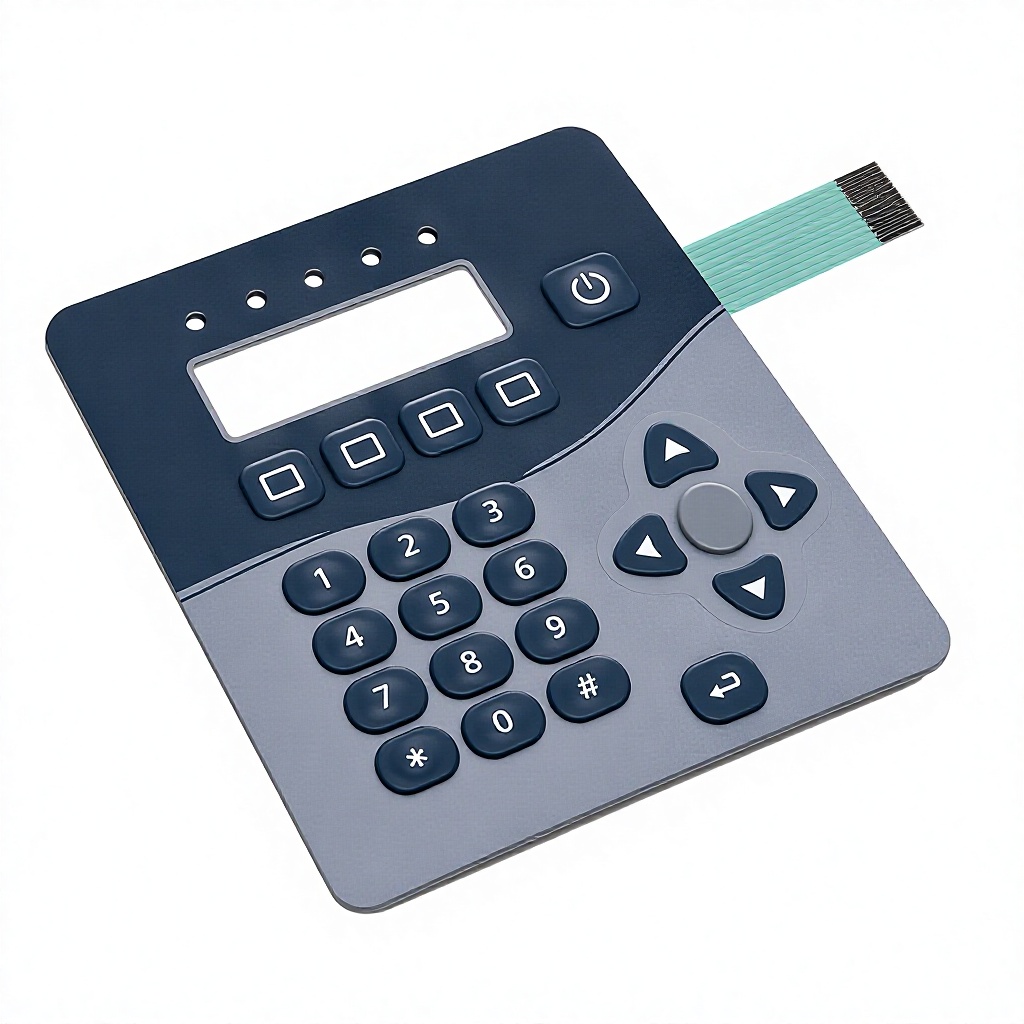
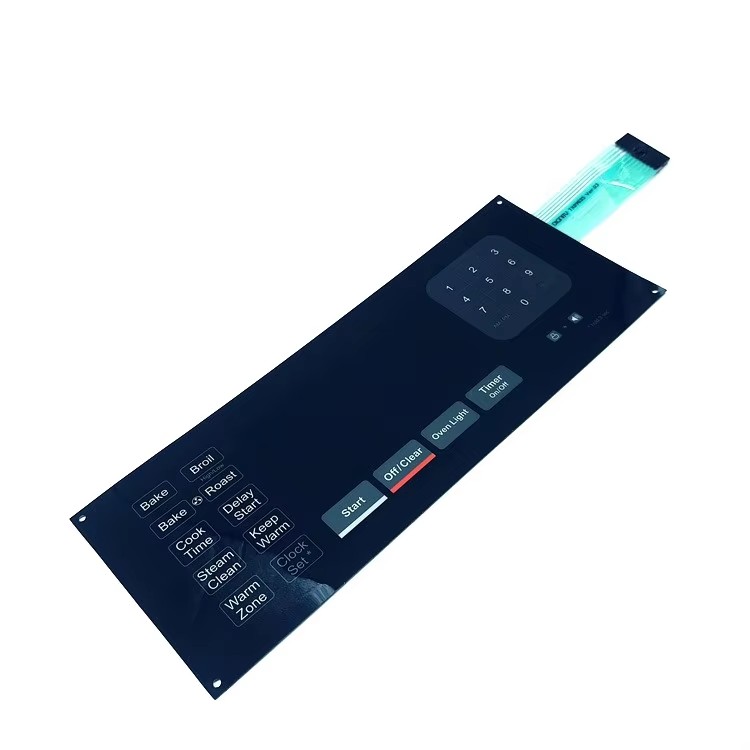
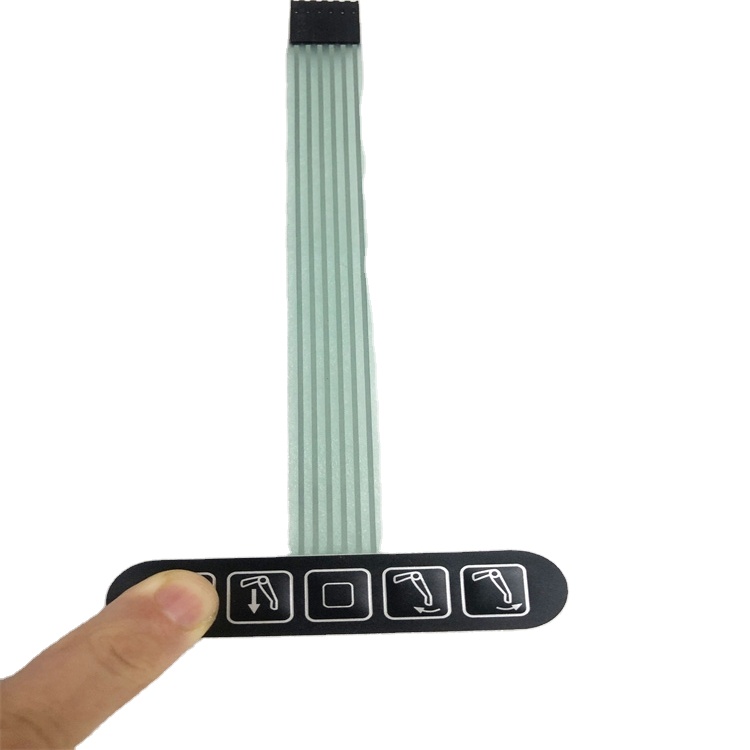
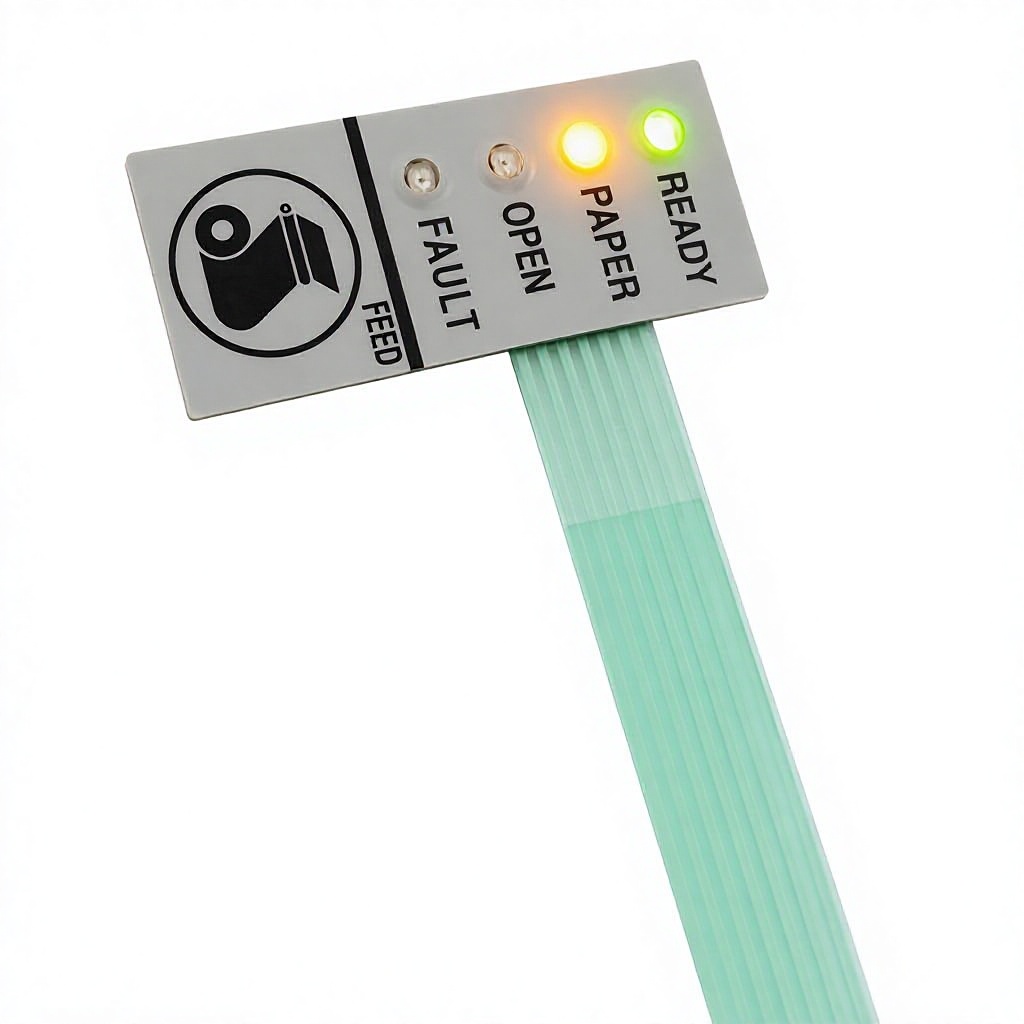
A comprehensive analysis of multi-layer waterproof membrane architecture, moisture barriers, and micro-venting physics for high-reliability New England applications.
In high-stakes technological ecosystems like the Greater Boston Area—spanning Cambridge biotechnology laboratories, Kendall Square life science incubators, Waltham robotics corridors, and New Bedford marine defense facilities—electronic user interfaces face aggressive operating environments. Standard commercial touchscreens fail prematurely under the combination of caustic chemical disinfectants, high-pressure saline washdowns, wide ambient temperature deltas, and intense mechanical actuation. Engineered waterproof membrane keyboards and human-machine interface (HMI) panels provide the ultimate line of defense by coupling hermetic isolation with responsive tactile mechanics.
At Dongguan Ravo Electronics Co., Ltd., designing an ingress-resistant membrane keyboard goes far beyond applying a strip of double-sided perimeter tape. True IP67, IP68, and NEMA 4X waterproof integrity requires an integrated approach to material science, micro-vent routing, flex tail hermetic sealing, and adhesive rheology. A failure in any single layer compromises the entire circuit stack, causing silver migration, dendritic growth, trace corrosion, and uncommanded short-circuits.
The Core Failure Mechanism in New England Climates: Atmospheric cycling between humid Atlantic coastal summers and sub-zero winter storage causes internal air expansion and contraction within sealed keyboards. Without engineered hydrostatic micro-pore venting, pressure differentials force moisture droplets past perimeter adhesive bonds or push condensation onto conductive silver traces.
To withstand repeated steam wipe-downs, immersion, and mechanical stresses, Ravo utilizes an eight-tier laminated architecture engineered to precision tolerances:
1. Graphic Overlay Foil: Typically 0.150mm to 0.200mm Autotype Autotex textured polyester (PET) or GE Lexan high-grade polycarbonate (PC). PET is mandatory for Boston bio-pharmaceutical applications due to its supreme chemical resistance against isopropyl alcohol (IPA), hydrogen peroxide vapor (VHP), bleach, and enzymatic cleaners. Polycarbonate provides high impact resistance (UL94 V-0 or HB) where mechanical vandalism or heavy impact is anticipated.
2. Overlay Adhesive Barrier: Utilizing genuine 3M 467MP or 3M 468MP high-performance acrylic adhesive (200MP series). This layer provides continuous bonding across the front graphic, isolating tactile zones while preventing fluid wicking around clear display windows.
3. Dome Retainer & Tactile Core: Stainless steel metal domes (nickel or selective gold plated) seated inside precision-milled carrier pockets. Domes range from 8.4mm to 14mm in diameter with actuation forces calibrated between 250g and 450g to provide undeniable click feedback even when operated by technicians wearing heavy chemical-resistant nitrile or neoprene gloves.
4. Circuit Spacer Layer: A dimensionally stable polyester core (ranging from 0.075mm to 0.125mm) die-cut with internal breathable channels that route displaced air during key actuation without breaching perimeter hermetic seals.
5. Conductive Circuit Layer: Flexible silver paste printed on heat-stabilized optical polyester films, or alternatively, rolled copper Polyimide Flexible Printed Circuits (FPC). For mission-critical Boston robotics and surgical consoles, FPC circuits deliver zero trace resistance variance, tighter pitch trace routing (down to 0.5mm), and exceptional resistance against repeated mechanical flexing.
6. Environmental Rear Mounting Adhesive: Specialized modified acrylics or pure acrylic transfer films, such as 3M 300LSE or 3M 9472LE, engineered specifically to bond permanently to low surface energy (LSE) substrates, including powder-coated aluminum chassis, cast zinc housings, polypropylene, and textured ABS enclosures.
7. Hermetic Tail Transition: The flex tail exit is historically the primary vulnerability in waterproof keyboards. Ravo engineers employ an engineered liquid UV-curable polymer potting ring and customized silicone perimeter dam surrounding the tail exit, preventing fluid siphon action along the conductive traces into the internal chamber.
| Substrate / Specification | Autotex Biaxially Oriented PET | Lexan Polycarbonate (PC) | Compression Molded Silicone | Copper-Polyimide FPC Core |
|---|---|---|---|---|
| Primary Application | Pharma, Biotech, Lab Cleanrooms | Heavy Automation, POS, Inverters | Operating Theaters, Maritime, Rugged Defense | High-Density Medical, Surgical AMRs |
| Ingress Protection Rating | IP65 to IP67 (NEMA 4X) | IP65 to IP66 (NEMA 4) | IP67 to IP68 (Hermetic Continuous) | IP67 to IP68 (Sealed Enclosure) |
| Chemical Disinfection Resistance | Superior (IPA 70%, Bleach, Ammonia, Quats) | Moderate (Sensitive to esters, aromatic hydrocarbons) | Excellent (Autoclavable, sanitizing wipes) | Impervious (Sealed beneath overlay stack) |
| Actuation Cycle Durability | > 5,000,000 actuations | > 1,000,000 actuations | > 3,000,000 actuations | > 10,000,000 actuations |
| Operating Temperature Range | -40°C to +85°C (-40°F to +185°F) | -30°C to +75°C (-22°F to +167°F) | -50°C to +180°C (-58°F to +356°F) | -40°C to +105°C (-40°F to +221°F) |
Serving OEM system architects and tier-one electronic contract manufacturers across Kendall Square, Route 128, MetroWest, and the North Shore.
Boston's Longwood Medical Area and Cambridge biotech clusters lead global clinical innovation. Our keyboards serve in patient dialysis consoles, automated liquid handlers, blood chemistry analyzers, and surgical electrocautery equipment where continuous sterilizing wipe-downs with quaternary ammonium compounds and bleach are mandated without compromising graphic clarity or switch response.
From Bedford to Waltham, Massachusetts is America's center for robotics engineering. We supply ultra-rugged pendant controllers, emergency stop panels, and onboard programming keypads for warehouse AMRs, sorting machinery, and industrial automated guided vehicles that endure constant vibration, accidental drops, hydraulic fluid mist, and electromagnetic interference.
Pharmaceutical manufacturing facilities throughout Framingham, Worcester, and Andover operate strictly regulated cGMP environments. Ravo's flush, dead-front capacitive and tactile membrane panels offer zero crevices or crevices for microbial harbor, preventing bio-burden accumulation while standing up to dry heat, periodic formalin sanitization, and hydrogen peroxide misting.
With oceanographic research at Woods Hole and defense contracting throughout New England, our marine-rated NEMA 4X/IP68 assemblies endure continuous Atlantic salt spray, salt-fog corrosion (ASTM B117 tested), solar ultraviolet degradation, and extreme temperature fluctuations in naval sonar, underwater acoustic modules, and commercial fishing instrumentation.
Point-of-care diagnostic equipment and automated sample preparation instruments engineered along the Route 3 and Route 495 technology rings require precise tactile confirmation with minimal activation travel. Our integrated backlighting allows clear status visualization in darkened lab environments during assay processing.
Boston's variable municipal climate demands vandal-resistant, frost-tolerant, weather-sealed input solutions for EV charging stations, parking payment terminals, and MBTA public transit ticket vending units that function flawlessly from -30°F blizzards to 100°F direct summer sunlight.
Strategic insights for hardware procurement executives, sourcing managers, and systems engineering directors navigating modern supply chain realignments.
The hardware development paradigm across Greater Boston has transformed significantly over the past five years. Engineering teams at emerging med-tech startups and established Fortune 500 instrument makers alike are adopting hybrid procurement workflows. They demand agile prototype iterations during the Design Verification Test (DVT) and Production Validation Test (PVT) phases, coupled with high-volume, defect-free manufacturing capabilities that seamlessly interface with domestic Electronic Manufacturing Services (EMS) facilities throughout Massachusetts, New Hampshire, and Rhode Island.
Historically, Boston OEM firms worked through domestic front-end design brokers who marked up component costs by 200% to 400% while simply subcontracting tool making and printing overseas. When an engineering drawing revision (ECO) was issued, the resulting time-zone lag and third-party miscommunication added weeks to project schedules. In contrast, Ravo’s model provides direct, engineer-to-engineer interaction. Our English-fluent HMI tooling specialists deliver complete Design for Manufacturability (DFM) feedback within two hours, ensuring CAD/Gerber file alignments, pinout mapping, dome force curves, and color master approvals are locked in before tooling is initiated.
While classic embossed metal dome membrane keyboards remain the gold standard for tactile confirmation in mission-critical applications, Boston’s industrial design community is increasingly moving toward sleek, flush glass or polyester capacitive touch panels with integrated haptic or audible feedback. For surgical robotics and sterile pharma suites, Ravo combines capacitive sensing layers with under-surface LED backlighting and custom silicone key mats—delivering an impenetrable monolithic barrier against contaminant ingress.
Due to intense FDA scrutiny under 21 CFR Part 820 regulations governing medical electrical equipment (IEC 60601-1 compliance), New England procurement teams cannot afford ambiguity in raw material provenance. Ravo provides comprehensive Material Certifications of Compliance (CoC), full RoHS and REACH SVHC statements, and guarantees the exclusive use of verified adhesives and inks from world-renowned producers, including 3M, MacDermid Autotype, and Acheson Henkel.
Over two decades of specialized membrane switch engineering, an expansive 12,000 m² modern manufacturing plant, and comprehensive in-house tooling.
By eliminating trading intermediaries and domestic broker markups, Ravo provides tier-one pricing that yields 30% to 55% Bill-of-Materials (BOM) cost reductions on both custom tooling and volume runs.
Our dedicated engineering review team evaluates your DXF, DWG, STEP, or artwork AI files immediately, returning manufacturability optimizations, circuit traces, and layer stacks within two hours during operating cycles.
From precision laser plotting, steel cutting dies, and high-precision silkscreen emulsion prep to automated SMD LED pick-and-place lines, all production stages remain 100% under our direct quality roof.
Zero-defect export compliance: every single membrane assembly is verified on automated multi-channel electrical testers for loop resistance, open/short circuits, insulation breakdown, and LED forward voltage.
Expedited, reliable shipping via DHL, FedEx, and UPS direct to Greater Boston facilities in 3 to 5 business days, complete with automated customs declarations and tariff-compliant export paperwork.
Established in 2003, our plant holds active ISO certification and third-party on-site verification. We welcome client quality audits and provide First Article Inspection (FAI) reports with complete dimensional verification.
Detailed technical, logistical, and commercial answers to the most common questions raised by Boston engineering directors and procurement specialists.
