 EN
 DE
 FR
 ES
 RU
 JA EN DE FR ES RU JA
Manufactured under strict ISO 9001 certified cleanroom protocols. Every membrane switch, graphic overlay, and thin-film force sensor is custom-tailored to OEM mechanical tolerances and environmental resilience parameters.
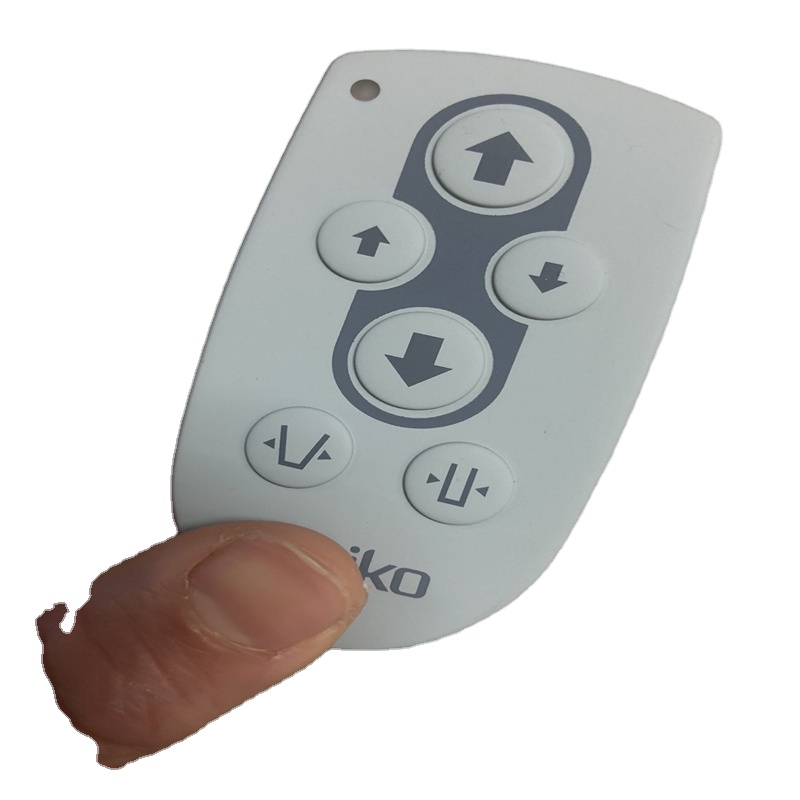
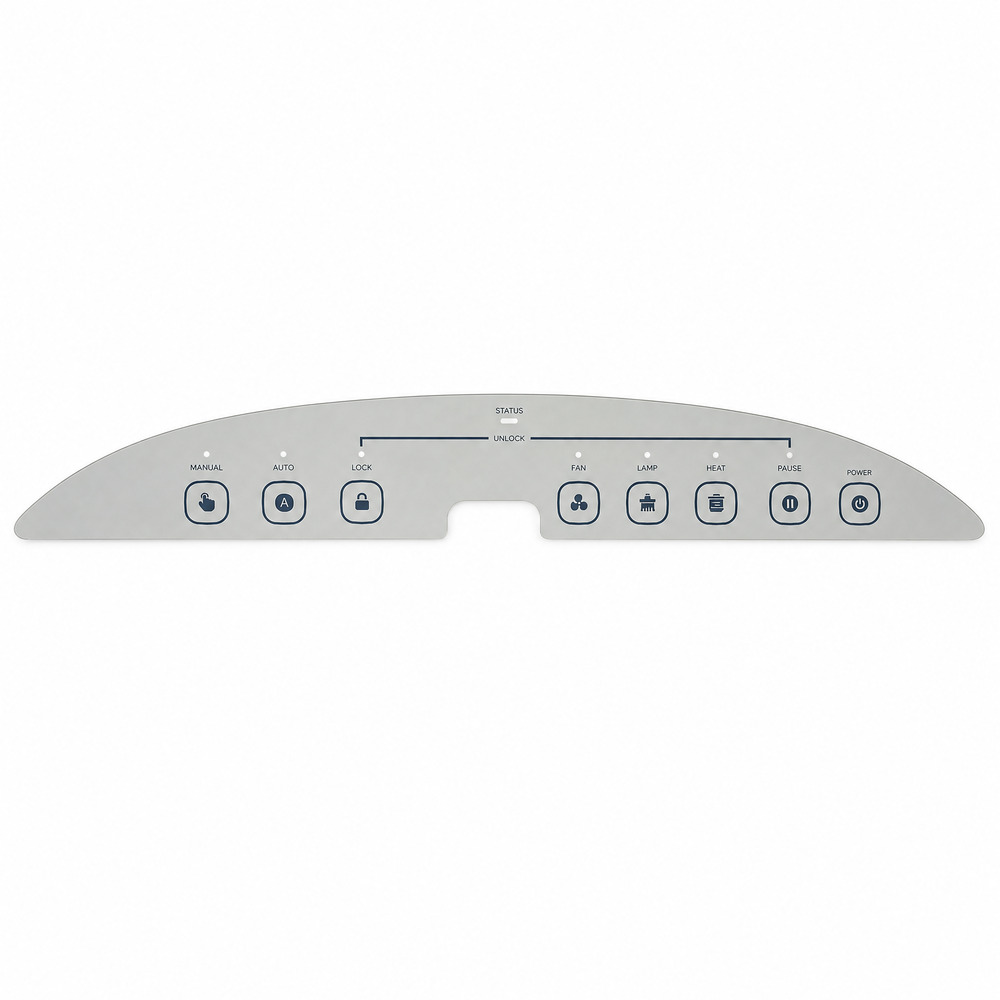
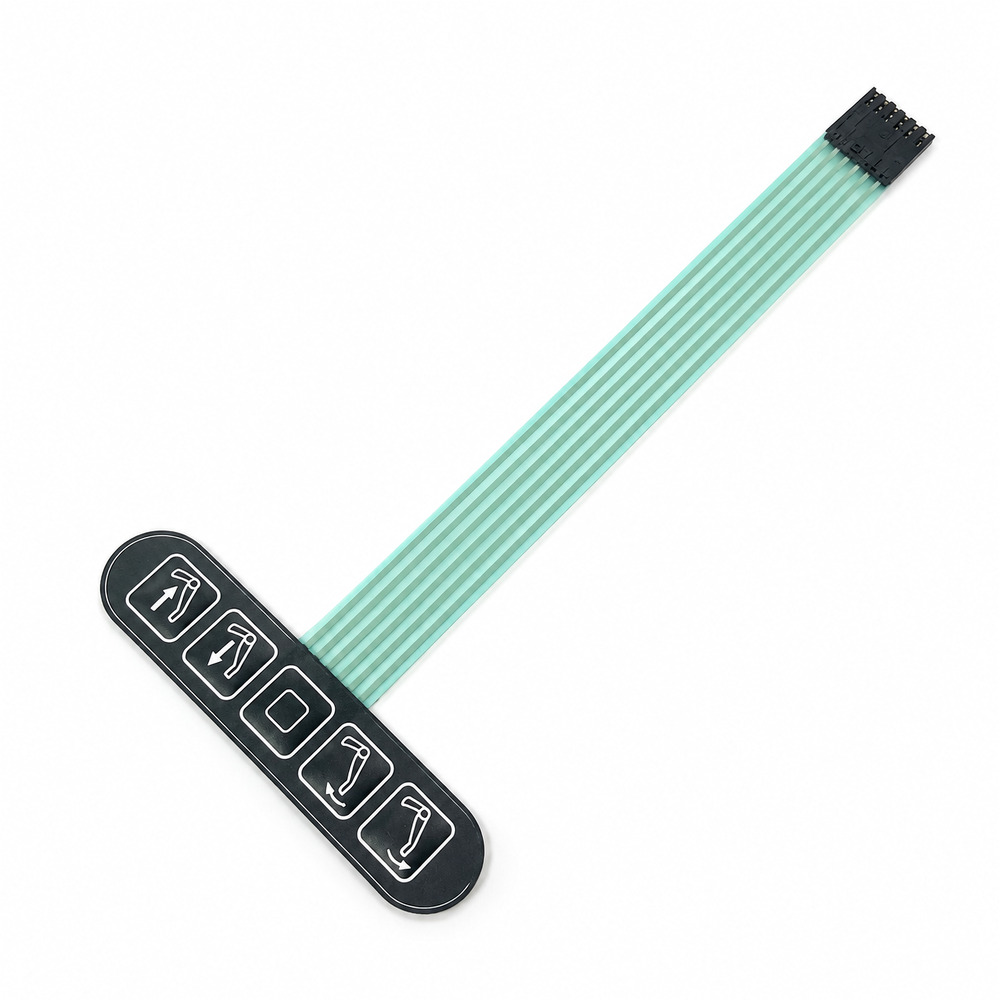
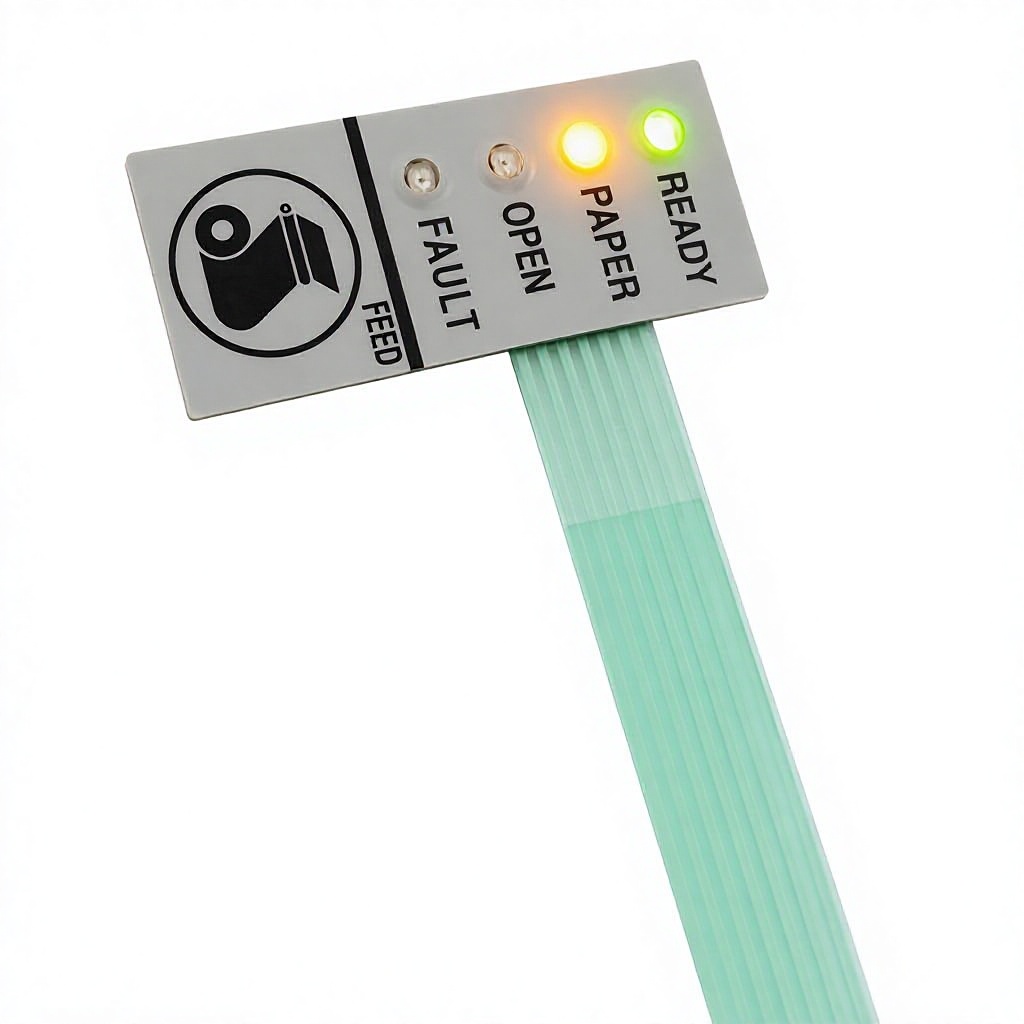
Understanding thin-film piezoresistive physics and multi-layer membrane sensor design for rugged fleet safety, heavy machinery telematics, and ergonomic medical applications.
Thin-film seat occupancy sensors operate on dynamic force-sensing resistor (FSR) mechanics. Silver interdigitated electrode traces are screen-printed onto high-tensile heat-stabilized polyester (PET) substrates. Overlaid with carbon-based semi-conductive piezoresistive pastes, the electrical resistance drops exponentially as perpendicular compressive force increases, translating body mass into calibrated ohmic signals.
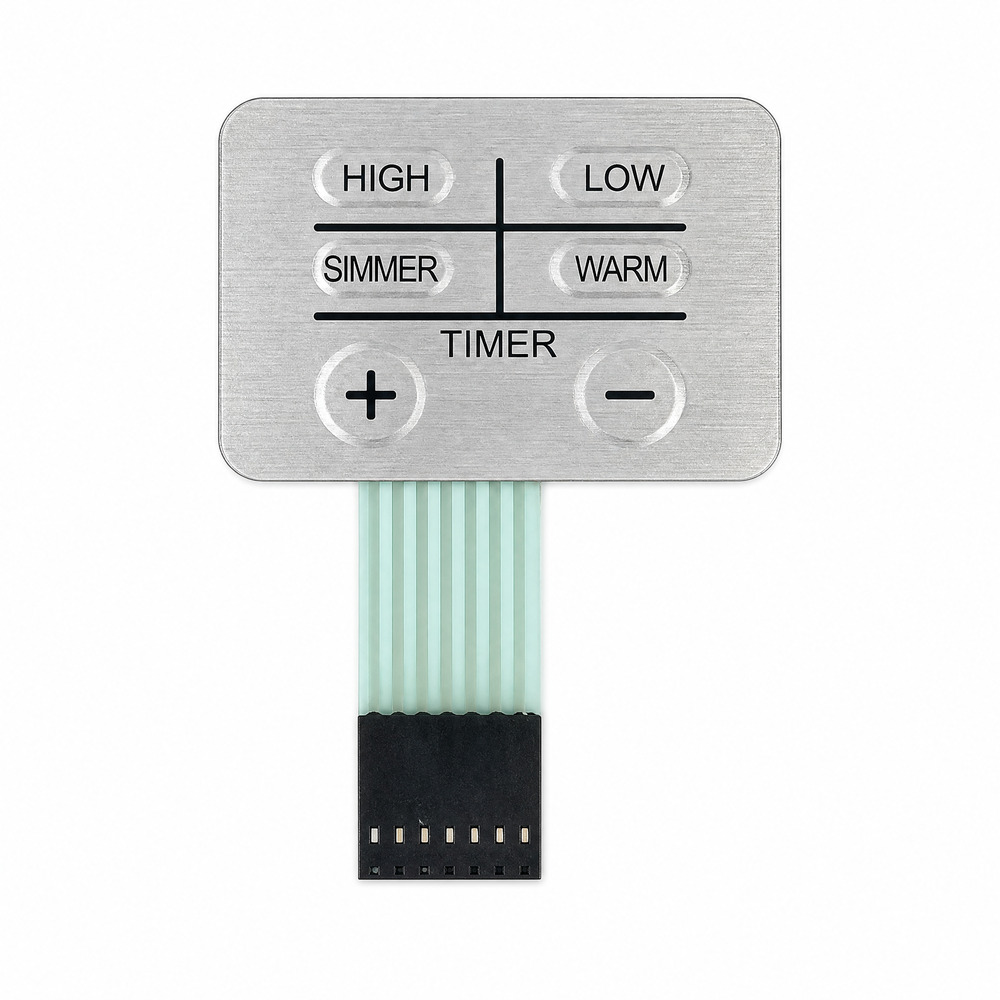
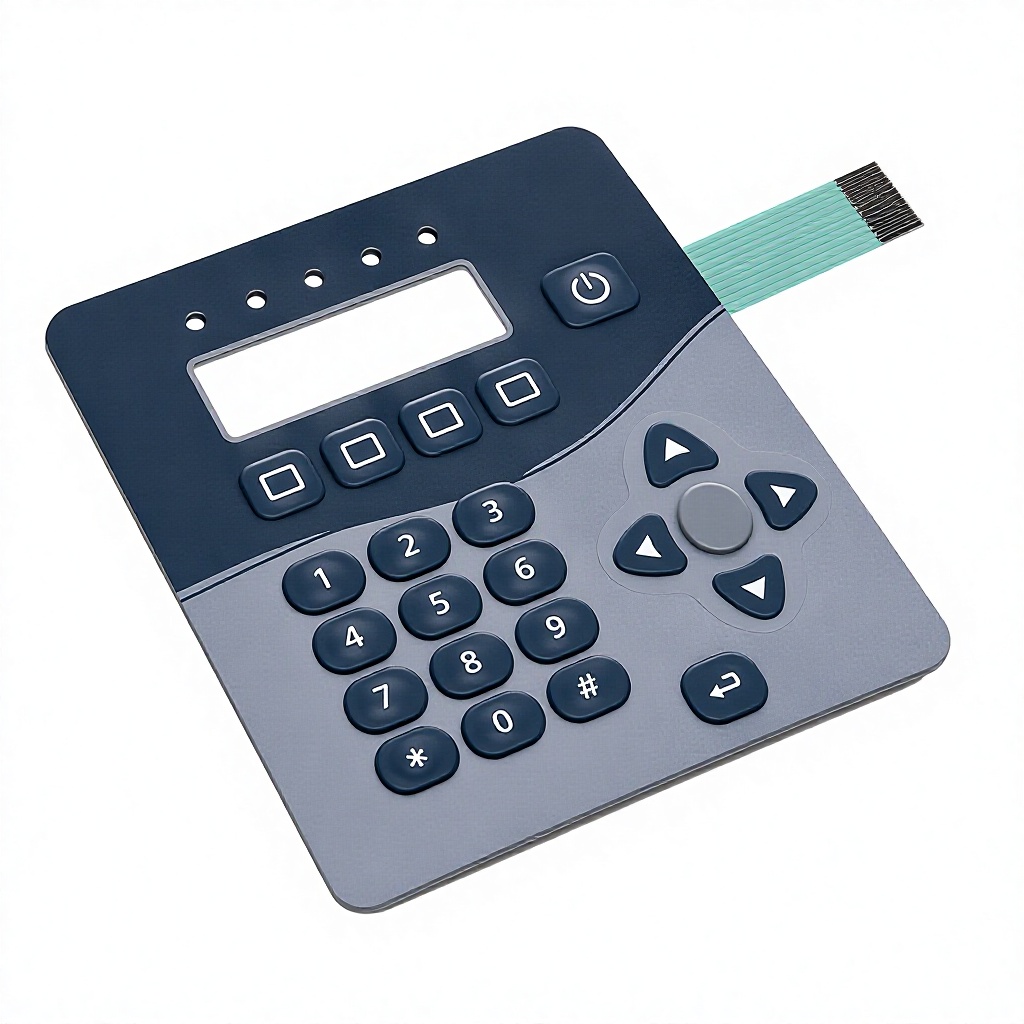
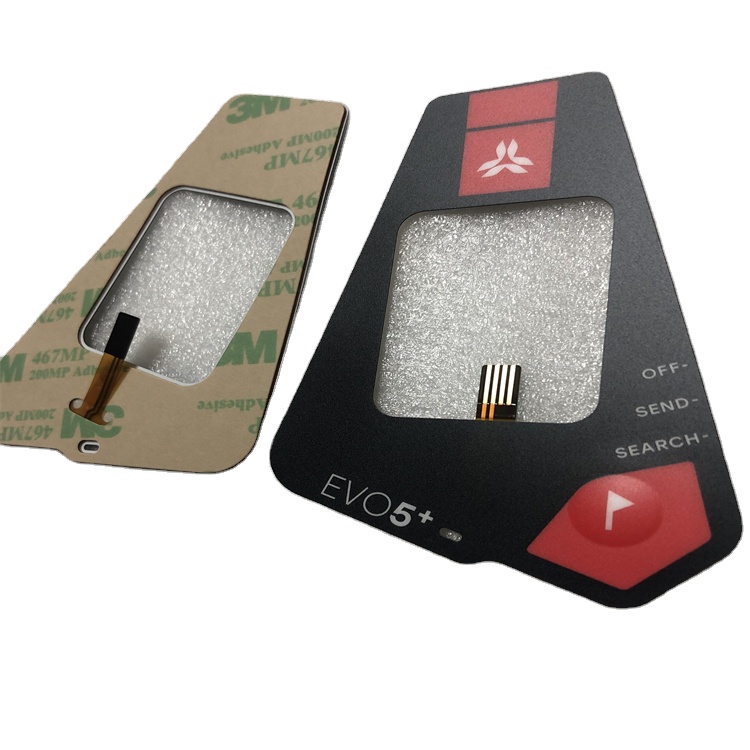
The sensor assembly consists of five structural layers: the upper conductive circuit, a micro-dielectric adhesive spacer with laser-cut sensor apertures, the lower piezoresistive active matrix, a rear mounting adhesive (such as 3M 467MP or 300LSE), and an integrated FPC/PET ribbon tail. Perimeter vent micro-channels equalize internal barometric pressure changes caused by sudden elevation shifts without admitting environmental moisture.
Unlike standard consumer membrane switches, vehicular seat sensors undergo demanding cyclical endurance testing. Assemblies are tested to endure over 1,000,000 human ingress/egress jounce cycles using contoured automotive buttock indenters. Silver paste traces are formulated with anti-migration polymers to prevent electrochemical dendritic shorting in humid, air-conditioned cabin atmospheres.
Calgary’s industrial ecosystem operates in one of North America's most demanding climatic zones. Rapid Chinook swings, oilfield heavy equipment, high-latitude agriculture, and municipal transit fleets require specialized sensing solutions.
Calgary's headquarters corridor oversees hundreds of oilfield service rigs, vacuum trucks, and seismic equipment operating across Northern Alberta and the Montney formation. Our seat pressure sensors provide mandatory Operator Presence Detection (OPD), interlocking PTO power units and alerting telematics hubs if an operator leaves the cabin during automated pumping cycles.
Combines, large swathers, and autonomous seeders deployed in southern Alberta's farmland demand fail-safe seat switch assemblies. Our sensors integrate high-tack acrylic adhesives and sealed polyester matrices that resist chemical fertilizers, heavy dust, continuous vibrational harmonic frequencies, and direct midday sun without layer separation.
Calgary Transit buses, CTrain light rail cars, and regional warehousing distribution fleets traversing the Stoney Trail logistic network require continuous driver occupancy verification for dead-man brake fail-safes and automated seat-belt warning algorithms, operating reliably across intense stop-and-go shifts.
Supplying biomedical device innovators in the Calgary health tech corridor. Multi-point pressure mapping mats installed in bariatric chairs and smart wheelchairs provide continuous data to prevent pressure ulcers (ischemic sores), allowing calibrated clinical feedback with high signal accuracy.
Calgary frequently experiences extreme 40°C temperature swings within 24 hours during winter Chinook wind events. Standard industrial plastics suffer from glass-transition embrittlement and delamination. Here is how our engineering compares to standard commercial alternatives.
| Performance Vector | Standard Commercial Grade | Ravo Calgary-Grade Sub-Zero Build | Direct Engineering Benefit for Alberta OEMs |
|---|---|---|---|
| Operating Temperature | -10°C to +60°C | -40°C to +85°C continuous | Prevents substrate cracking during harsh Alberta winter cold snaps. |
| Conductive Ink Elasticity | Standard Silver Flake Inks | Polymer-Crosslinked Silver / Graphite | Zero micro-fracturing of circuit traces during repetitive deep-freeze flexure. |
| Lamination Adhesive | Standard Water-based Acrylic | 3M 300LSE / High-Tack Low-Temp Modified | Eliminates interfacial peel or bubbling during rapid thermal shock cycles. |
| Environmental Enclosure | Unsealed / Edge Vented | IP67 Perimeter Barrier + Hydrophobic GORE-style Vent | Repels melted snow, road slush, and beverage spills while preventing internal vacuum crush. |
| Actuation Life Rating | 200,000 cycles | >1,000,000 heavy jounce cycles | Drastically lowers warranty field failures in off-highway and transport vehicles. |
Dongguan Ravo Electronics Co., Ltd. operates a modernized 12,000 m² production complex. We handle every phase in-house: from initial DFM analysis and precision laser tooling to automated screen printing, ultrasonic welding, and 100% electrical continuity testing.
Equipped with high-precision flatbed screen printing machines, automatic CCD alignment die-cutters, and class 10,000 dust-free lamination zones to eliminate particulate-induced pinhole circuit shorts.
Send your STEP, DXF, or Gerber CAD files. Our senior electronics engineers examine loop resistances, trace spacing, and dome dynamics, delivering actionable DFM reviews in under 2 hours, with rapid prototypes available from 1 piece.
Every single seat sensor undergoes computer-controlled multi-point resistance testing, dynamic load-deflection verification, and insulation breakdown checks before being vacuum-sealed for trans-Pacific shipment.
Everything you need to know about lead times, international freight routes into YYC/Alberta intermodal terminals, duty classifications, and custom engineering adaptations.
We provide two optimized shipping channels for Calgary clients. Urgent pre-series prototypes and pilot production runs ship via Air Express (DHL/FedEx/UPS directly into Calgary International Airport - YYC) with a delivery transit time of 4 to 7 business days. Full container load (FCL) or palletized mass production routes via maritime freight to Port of Vancouver, continuing directly via Canadian Pacific (CPKC) or Canadian National (CN) Rail to the Calgary Intermodal Logistics Centre in Didsbury/Rocky View County (18 to 24 calendar days total).
Standard PVC or cheap PET substrates embrittle and fracture when exposed to intense cold. For Alberta deployments, our engineers specify heat-stabilized, biaxially oriented polyester (PET) or flexible polyimide (PI) films treated with specialized plasticizers. Additionally, we integrate low-temperature conductive silver inks crosslinked with resilient polymeric binders, bonded via high-shear acrylic adhesives (e.g., 3M 300LSE/9472LE) tested through 100 thermal shock cycles from -45°C to +85°C.
Seat pressure sensors and membrane switch assemblies exported from our Dongguan facility to Alberta typically clear under Harmonized System (HS) code 8543.70 (Electrical machines and apparatus, having individual functions) or 8536.50 (Electrical switches for voltage ≤1,000 V). We supply comprehensive export documentation including Commercial Invoices, Packing Lists with individual batch numbers, Certificates of Origin, and complete RoHS/REACH compliance declarations for seamless CBSA clearance.
Yes, 100% custom. We tailor both single-zone trigger sensors and multi-point matrix sensing arrays. By adjusting the screen mesh tension, ink viscosity, and the geometrical pitch of the interdigitated electrode fingers, we calibrate trigger sensitivity from light presence thresholds (10-20 N, ideal for medical wheelchair monitoring) to heavy-duty equipment configurations (70-150 N, preventing false alarms from vehicle vibration or heavy toolbags).
Our sensor tails are engineered to interface directly with vehicle ECU connectors, telematics tracking nodes, or secondary control boxes. Standard terminations include 2.54mm pitch crimped Amphenol/FCI female contacts with polarized housings, sealed automotive connectors (such as Delphi/Aptiv or Deutsch DT series overmolded leads), or tin-plated zero-insertion-force (ZIF) compatible flexible tail terminations with stiffeners.
To support agile prototyping for Western Canadian startups, engineering consultancies, and established OEMs, our prototype minimum order quantity starts from just 1 to 5 pieces. Rapid functional prototypes can be produced and dispatched within 7 to 12 working days following CAD drawing sign-off. High-volume serial production runs typically range from 500 to 50,000+ units per release schedule.
Submit your 2D/3D CAD drawings (DXF, DWG, STEP) or project performance requirements. Our senior engineering team will respond with a full DFM analysis, layer stackup proposal, and transparent volume factory quotation within 2 hours.
