 EN
 DE
 FR
 ES
 RU
 JA EN DE FR ES RU JA
Explore our core HMI hardware portfolio manufactured under micro-tolerance cleanroom standards, delivering tactile feedback life exceeding 1,000,000 cycles for German plant engineering.
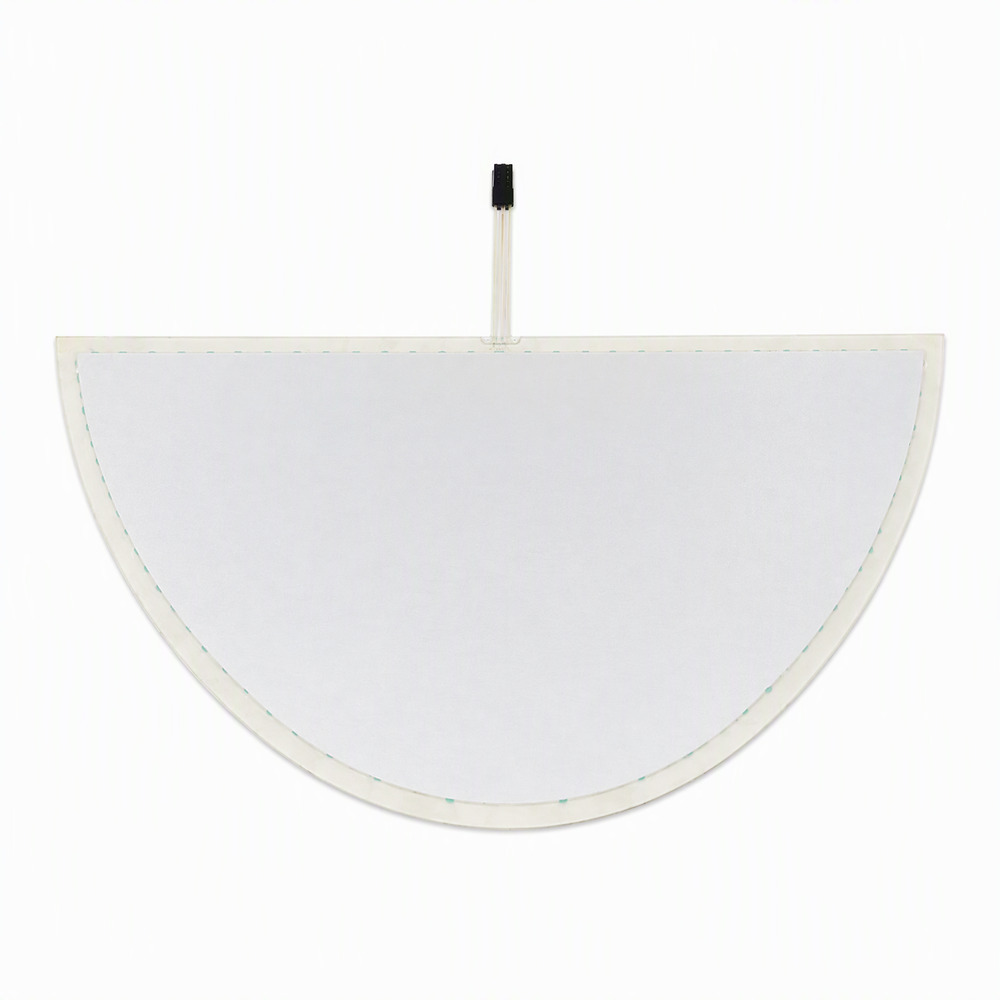
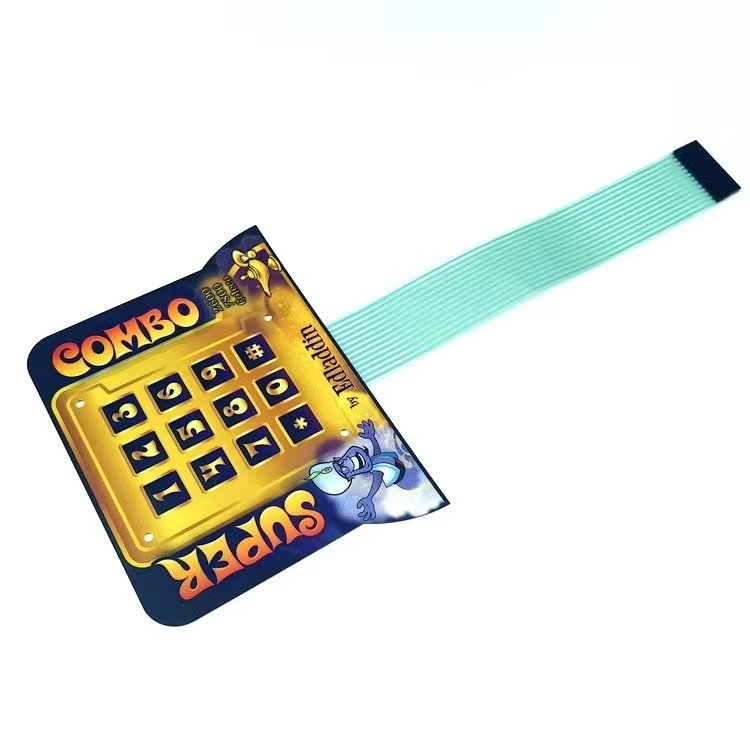
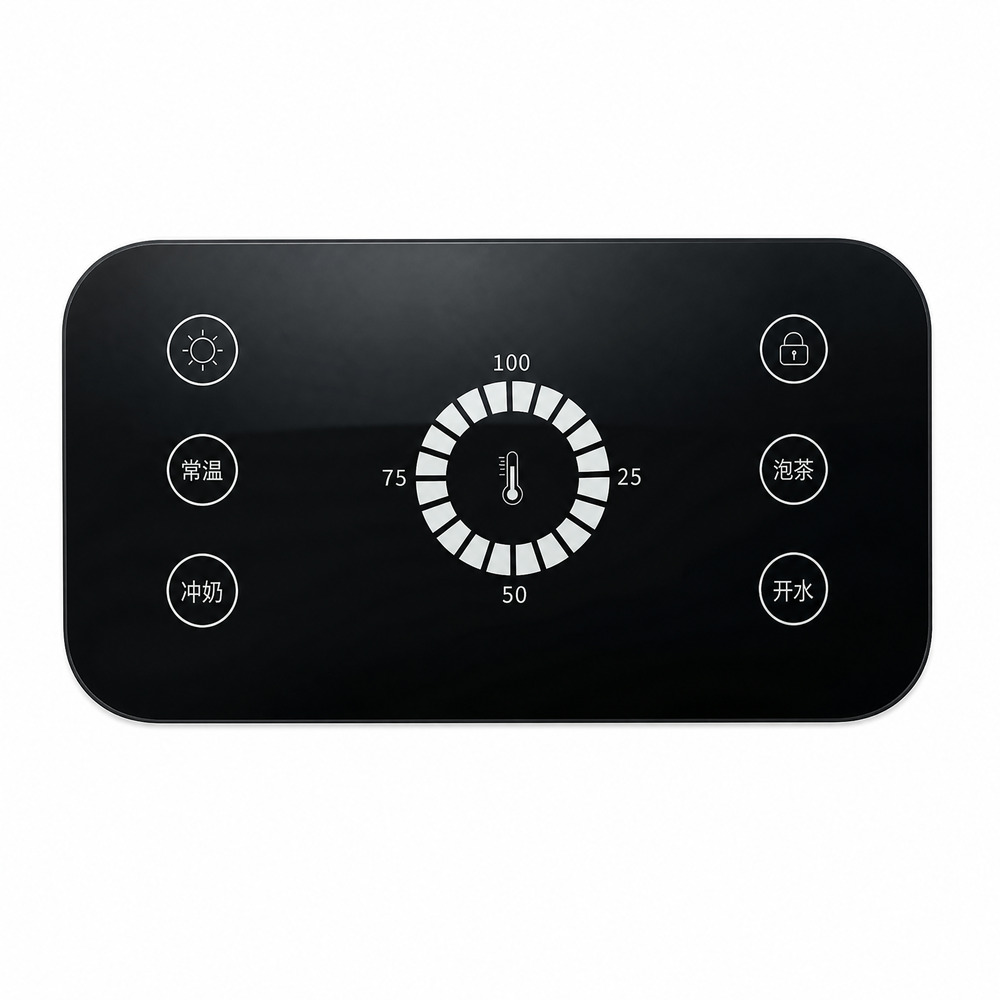
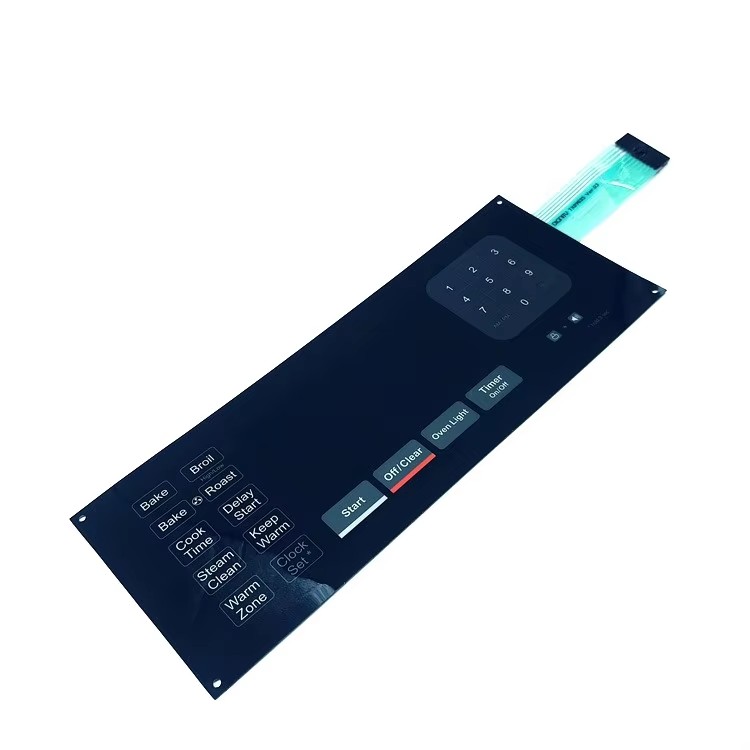
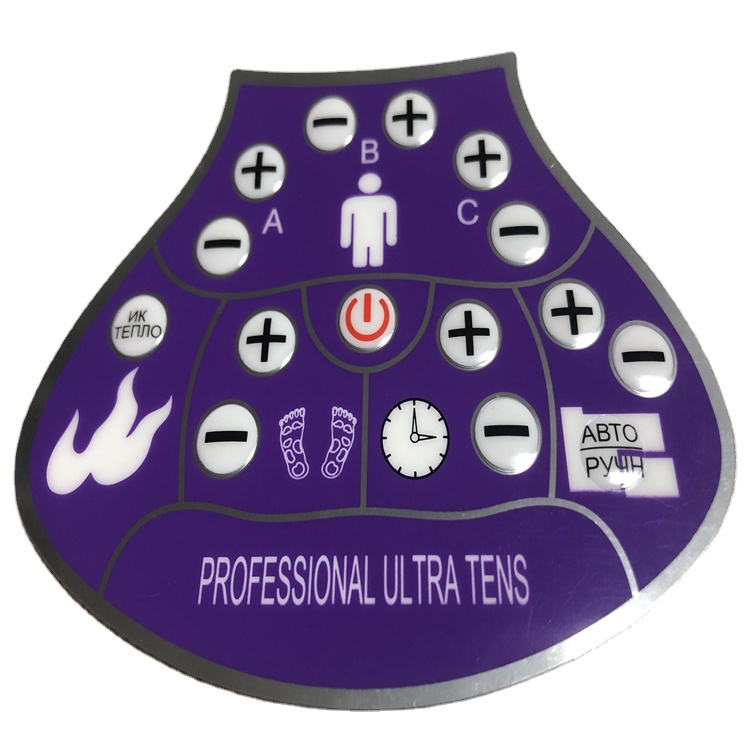
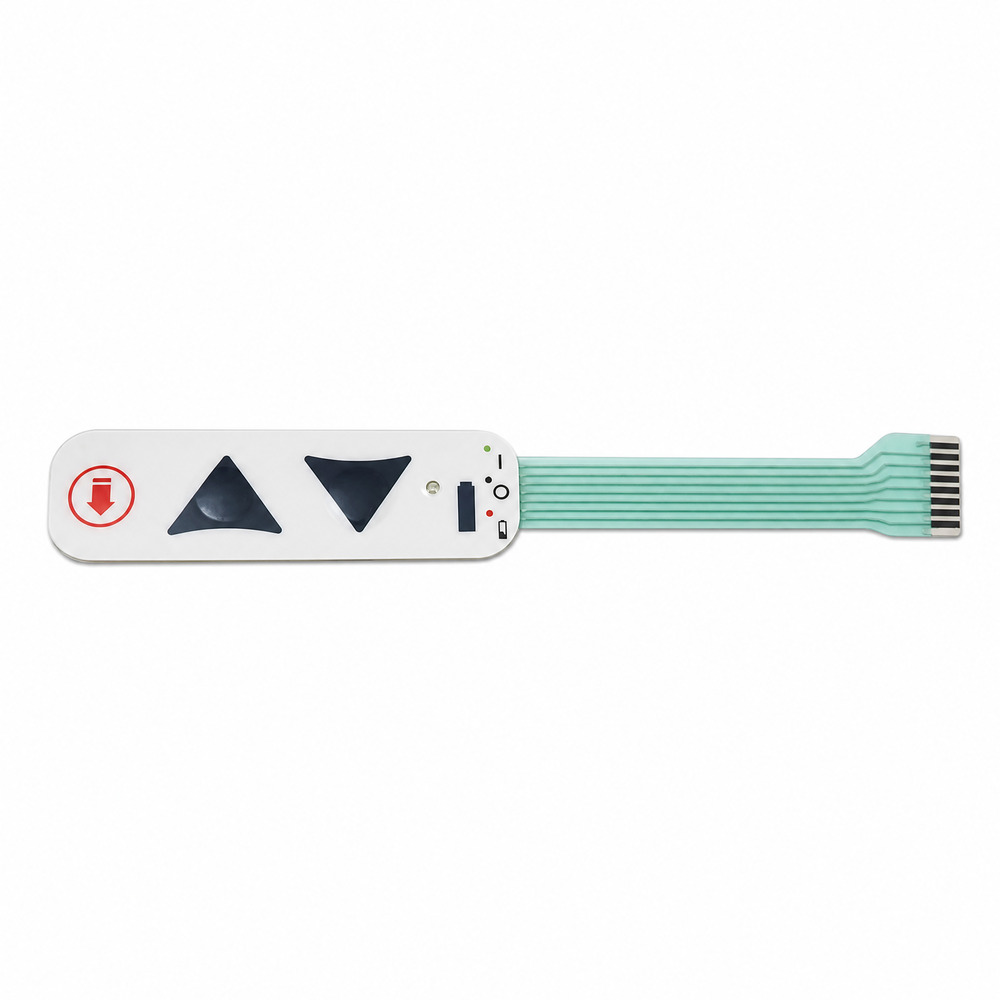
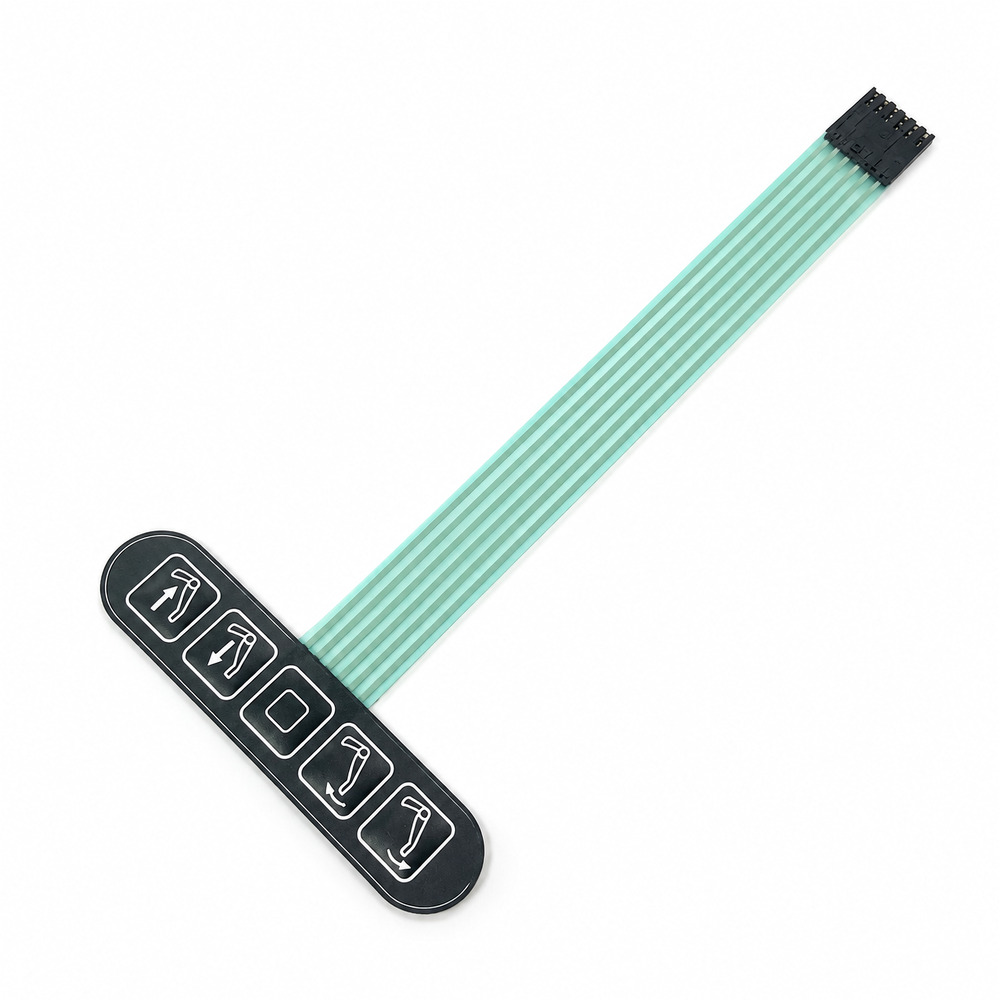
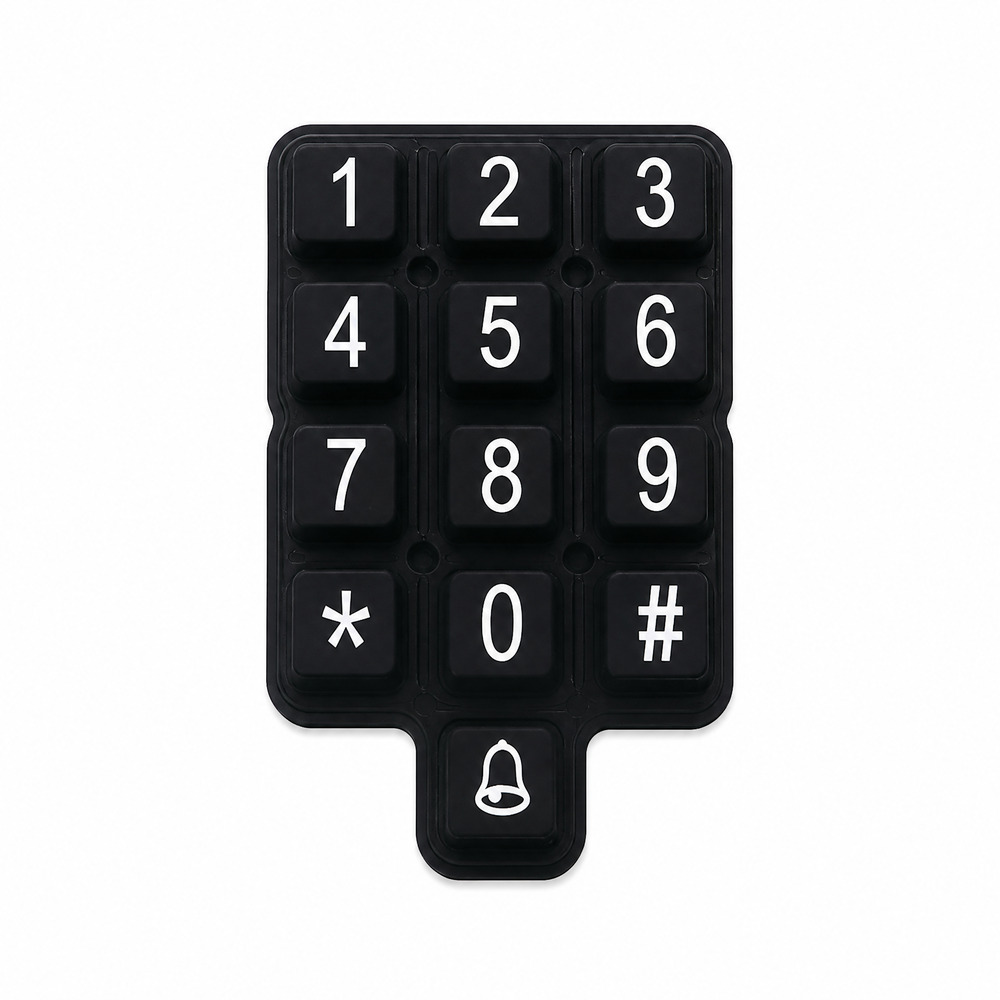
Analyzing the structural, mechanical, and electrical advantages of rigid FR-4 core laminates over flexible polyester (PET) printed electronics in demanding North Rhine-Westphalian operational environments.
In the industrialized geography of Cologne, Leverkusen, and the broader Rhine-Ruhr conurbation, original equipment manufacturers (OEMs) operate across strict functional vectors: heavy chemical synthesis, analytical laboratory instrumentation, automotive engineering, and high-frequency automated packing lines. In these environments, conventional flexible membrane switches constructed with conductive silver paste printed onto thin polyester (PET) films frequently present mechanical limits. Elevated cyclic thermal fluctuations, airborne aggressive solvents, and high mechanical actuation forces can trigger micro-fissuring of silver ink traces and trace migration. This reality drives mechanical and electrical design teams across Cologne to standardize on PCB-Backed Membrane Switches (Rigid-Core HMI Modules).
Technical Distinction: A PCB membrane switch employs an industrial-grade glass-reinforced epoxy substrate (FR-4) as its primary electrical carrier instead of a flexible PET foil. By doing so, designers integrate copper-clad etched circuits, plated through-holes (vias), directly soldered active surface-mount devices (SMDs), microcontrollers, and rigid board-to-board pin headers directly into the front-panel interface assembly.
At Dongguan Ravo Electronics Co., Ltd., our engineering methodology treats the PCB membrane switch not as a simple switch matrix, but as an integrated front-panel sub-system. By leveraging double-sided or multi-layer FR-4 circuit layers (ranging from 0.4mm to 3.2mm thickness) finished with Electroless Nickel Immersion Gold (ENIG) or Lead-Free HASL, our assemblies deliver absolute contact resistance stability (typically <0.5 Ω) throughout a operational lifecycle exceeding 1,000,000 actuations. This structural rigidity eliminates the need for auxiliary metal backing plates, significantly lowering total part counts, shortening device assembly time, and guaranteeing planarity under high pneumatic washdown conditions.
Engineered for hermetic isolation, electrostatic shielding, and tactile responsiveness.
Reverse sub-surface screen-printed onto Autotex® textured PET or Lexan® polycarbonate. Provides complete chemical barrier isolation against alcohol, greases, and industrial detergents (DIN 42115 compliant) while protecting underlying graphics against mechanical abrasion.
Continuous vapor-deposited aluminum foil or selective carbon/copper grid plane connected directly to Earth ground. Deflects electrostatic discharges exceeding 15 kV, protecting sensitive internal microcontrollers and communications buses from transient voltage spikes.
High-grade stainless steel snap domes (nickel-plated or gold-plated) mounted inside precision die-cut spacer cavities. Delivers a tactile ratio of 40% to 60%, providing machine operators with unmistakable acoustic and haptic confirmation even when wearing heavy industrial safety gloves.
Glass-epoxy laminate carrying 1oz or 2oz copper traces. Accommodates reflow-soldered SMD LEDs, resistors, diodes, and board-mounted connectors (Molex, JST, Amphenol). Eliminates fragile ribbon tails by utilizing robust locking through-hole or friction-fit pin headers.
Die-cut acrylic foam adhesives (3M™ 467MP, 468MP, or 300LSE series) forming a continuous, unvented hermetic seal between the outer bezel and the rigid core. Blocks pressurized liquid ingress, atmospheric moisture, and particulate contaminants to IP65, IP67, and IP69K test standards.
Uniform backlighting accomplished via side-firing SMD LEDs coupled with micro-molded optical light guide films (LGF) or fiber-optic weaves. Eliminates hot spots, guarantees daylight visibility, and enables dual-state dead-front indicator annunciators for safety-critical systems.
How our custom PCB membrane interfaces meet operational requirements across North Rhine-Westphalia's leading industrial sectors.
Surrounding Cologne—including industrial sites in Leverkusen, Dormagen, and Knapsack—chemical plants require control interfaces resilient against caustic aerosols, aromatic hydrocarbons, and frequent high-pressure steam sanitization. Ravo's IP67/IP69K PCB membrane assemblies feature hermetically sealed polyester overlays tested against aggressive chemical reagents in accordance with DIN 42115.
From dialysis monitors to operating theater patient consoles, medtech innovators in the Cologne-Bonn bio-region require interfaces that comply with DIN EN 60601-1. Our medical-grade membrane assemblies feature flush, crevice-free antimicrobial surfaces, zero dead spaces to prevent microbial pooling, and tactile feedback metal domes that confirm actuations under high-stress clinical procedures.
Serving automotive suppliers and charging infrastructure manufacturers along the A1/A3 corridors, our PCB membrane solutions operate continuously across extreme temperatures (-40°C to +85°C). Equipped with UV-stabilized outdoor-grade Autotex XE films and integrated automotive-grade terminal blocks, they withstand vibration stresses and temperature shifts without circuit delamination.
Cologne is one of the world's premier trade exhibition hubs (Anuga, IDS, Photokina heritage). Specialized OEM display consoles, interactive ticket kiosks, and high-throughput automated venue management terminals demand aesthetically flawless, vandal-resistant front panels. We deliver precision dead-front multi-color graphics, capacitive integration, and scratch-resistant PMMA display windows.
A side-by-side engineering evaluation between PCB-backed switches, flexible polyester circuits, and full-glass capacitive touch systems.
| Evaluation Parameter | Rigid PCB Membrane Switch (FR-4) | Flexible Membrane Switch (PET Film) | Industrial Capacitive Touch Panel |
|---|---|---|---|
| Mechanical Support | Self-supporting rigid core (0.8mm - 3.2mm FR-4). Requires no sub-panel backing. | Flexible foil (0.125mm - 0.188mm). Requires rigid aluminum/plastic backer plate. | Rigid chemically strengthened glass or thick PMMA lens. |
| Trace Material & Conduction | Etched Copper Foil (1oz / 2oz) plated with ENIG gold or lead-free HASL. | Screen-printed conductive silver-flake polymer paste. | Sputtered Indium Tin Oxide (ITO) or printed silver nano-wire matrix. |
| Trace Resistance | Extremely low (<0.5 Ω typical), eliminating voltage drop issues. | Moderate to high (10 Ω to 100 Ω depending on trace trace path length). | Application-dependent controller impedance balancing required. |
| Component Density | High: accommodates dense fine-pitch SMDs, ICs, buzzers, and connectors. | Low: limited to simple surface-mount LEDs and conductive bridges. | Requires secondary mainboard PCB for microcontroller & logic processing. |
| Termination System | Rugged locking header pins, screw terminals, board-to-board friction headers. | Flexible printed tail with crimped female housings (e.g., 2.54mm Nicomatic/Amphenol). | Flexible FPC tail connected via ZIF connector. |
| Gloved Tactile Response | Crisp tactile snap with 250g - 500g force metal domes; functional with heavy work gloves. | Tactile polydome or metal dome; lighter feedback feel. | No tactile snap; requires simulated haptic feedback vibration motor. |
| Immunity to Moisture / Washdown | IP67 / IP69K achievable with continuous perimeter sealing gasket. | IP65 achievable; tail exit represents a known humidity ingress risk over time. | Susceptible to false touches from surface water films unless calibrated. |
| Tooling & Prototyping Lead Time | 7 - 12 working days (integrated CAD/CAM CNC tooling). | 5 - 8 working days (photolithography screen exposure & laser cutting). | 4 - 8 weeks (high glass-tooling, firmware tuning, and controller setup). |
Strategic engineering shifts observed among German apparatus builders and machine builders across North Rhine-Westphalia.
German machine tool developers are increasingly specifying hybrid control interfaces. These combine the aesthetic, wipe-clean profile of capacitive touch sliders for parameter adjustments with physical metal dome switches for critical start, stop, and emergency-override functions, guaranteeing fault-free operation under DIN EN ISO 13849-1 functional safety requirements.
With the tightening of European RoHS 3 (Directive 2015/863/EU), REACH (Regulation EC 1907/2006), and the German ElektroG (WEEE implementation), Cologne manufacturers require full material traceability. Ravo supplies full IMDS (International Material Data System) documentation, halogen-free FR-4 base laminates, lead-free solders, and solvent-free acrylic adhesives.
In accordance with VDI/VDE guidelines on industrial ergonomic design, the acoustic feedback of physical switch consoles has become a primary quality marker for German buyers. We calibrate dome travel (0.3mm to 0.8mm) and snap ratio (typically 50% ± 5%) to generate clean click acoustics that confirm execution in noisy plant environments without operator fatigue.
Combining 20+ years of micro-electronic precision, fully integrated Dongguan cleanroom production, and streamlined direct-to-Germany logistics.
From precision CNC routing of thick FR-4 backing boards to high-speed laser cutting of internal adhesive cavities and multi-station screen exposure frames, our total in-house production chain eliminates third-party subcontractors. This vertical integration allows engineering changes (ECOs) to be executed within 48 hours.
Every single PCB membrane switch produced for European export undergoes computerized continuity testing, pinout logic validation, contact resistance verification, LED forward voltage verification, and 100MΩ minimum insulation breakdown testing at 100V DC before leaving our cleanroom facility.
Our bilingual front-end engineering office operates aligned with European time zones. When your Cologne R&D team transmits Gerber RS-274X, DXF, or STEP CAD files, our senior HMI application engineers provide a comprehensive Design for Manufacturability (DFM) assessment within two business hours.
Clear, direct answers regarding standards compliance, DFM workflows, sample testing, and cross-border delivery logistics to Cologne.
We manufacture strictly under ISO 9001:2015 quality management procedures. Our membrane switches meet DIN 42115 (chemical and mechanical resistance for front films), DIN EN 60529 (IP65, IP67, and IP69K sealing codes), and DIN EN 60601-1 (electrical safety and cleanability for medical equipment). Full material certificates (RoHS, REACH) and CoCs accompany every commercial shipment.
We provide functional prototype runs starting from just 1 to 5 pieces to support engineering validation phases. Tooling and functional prototype fabrication takes 7 to 12 working days depending on PCB complexity. Mass production minimum order quantities (MOQ) start as low as 100 to 500 units, facilitating pilot production runs and seasonal demand swings.
We match colors directly against RAL Classic, Pantone Matching System (PMS), and HKS color swatches using spectrophotometric measurement equipment (ΔE ≤ 1.0). Graphic overlays are reverse-printed in positive pressure cleanrooms to avoid airborne contamination, ensuring precise repeatability between pre-series samples and volume production runs.
To initiate a comprehensive Design for Manufacturability review, our engineering team requires: (1) Vector graphic artwork in Adobe Illustrator (.AI), CorelDraw (.CDR), or Vector PDF format with specified Pantone/RAL codes; (2) Mechanical dimensional drawings with tolerances in AutoCAD (.DXF/.DWG) or STEP/IGES format; (3) PCB electrical Gerber files (RS-274X) including drill charts and schematic netlists.
Unlike flexible circuits with thin silver tails that can suffer metal fatigue from continuous mechanical vibrations, a PCB membrane switch mounts securely to cast enclosures using threaded standoffs, studs, or machine screws. Connectors are soldered directly into through-hole pads, preventing accidental disconnection under heavy industrial shock loads.
We support DDP (Delivered Duty Paid), DAP, and FOB Incoterms. For urgent prototypes, express air couriers (DHL Express, FedEx) deliver directly to Cologne-Bonn Airport (CGN) or Frankfurt Airport (FRA) within 3 to 5 business days, clearing German customs smoothly. Consolidated ocean freight via Rotterdam or Hamburg is available for large-scale production orders.
Connect with our senior HMI engineering team today for technical layer-stack guidance, comprehensive DFM reviews, and rapid prototype estimation within 2 hours.
Inquire Now