Ultra-Thin
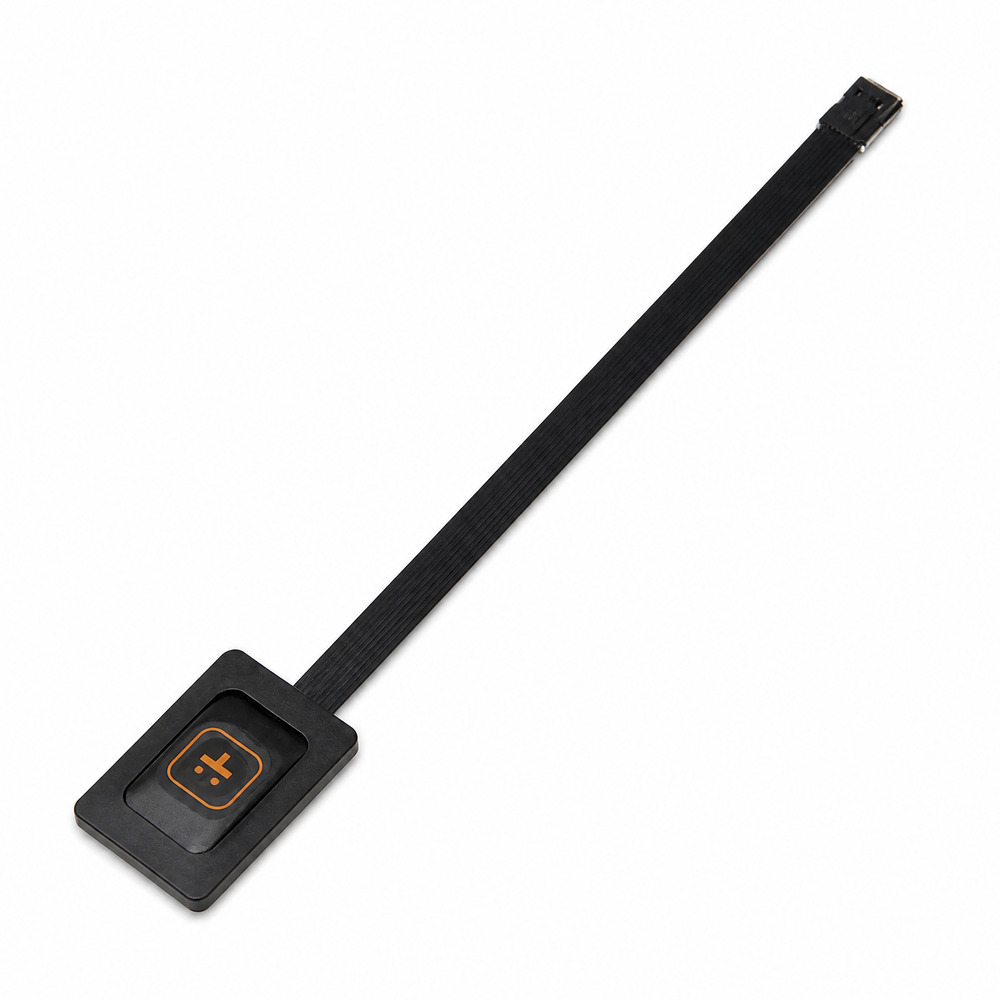
High Sensitivity Non-Tactile Membrane Switch
- Smooth, seamless flush surface (IP65)
- Fast silver-circuit loop actuation
 EN
 DE
 FR
 ES
 RU
 JA
Engineered to survive corrosive washdowns, extreme electrostatic discharge, and millions of mechanical actuations in harsh operating environments.
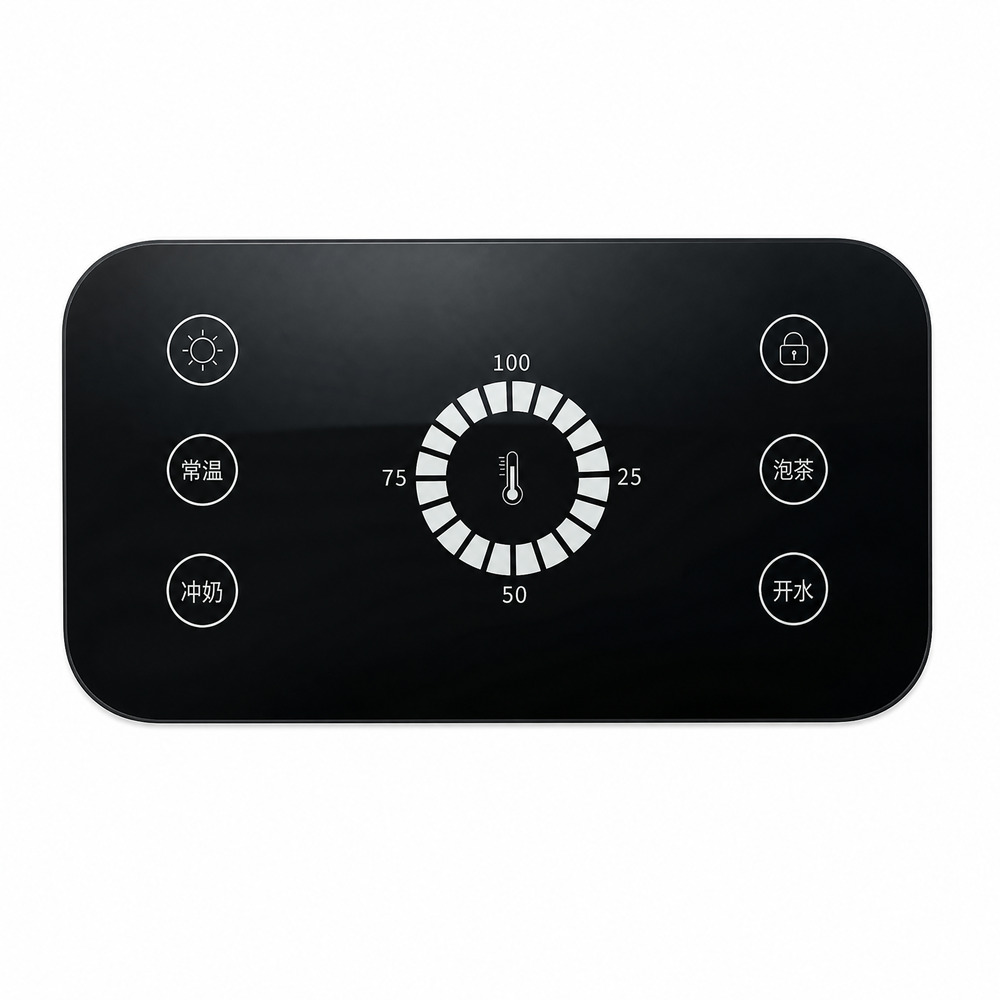
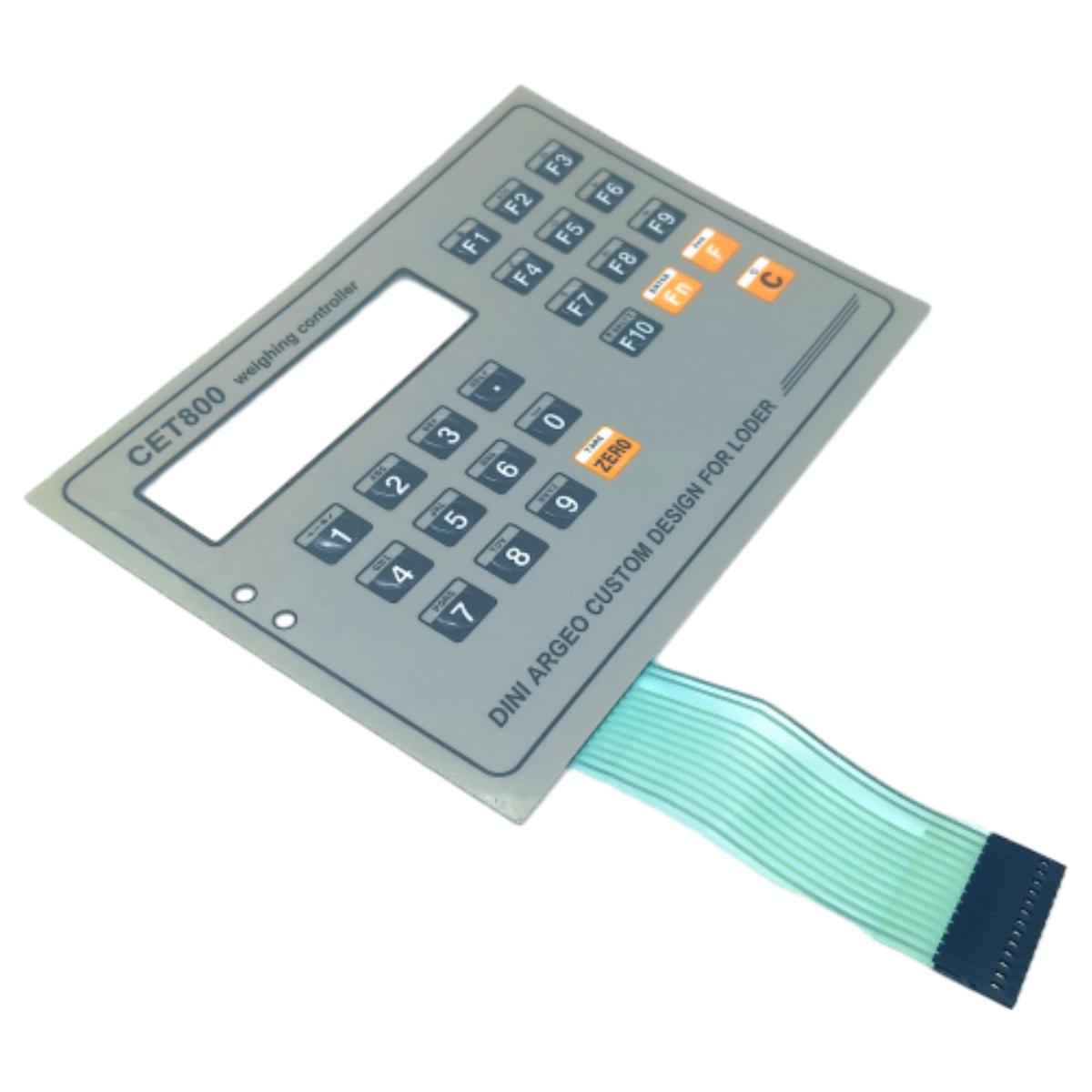
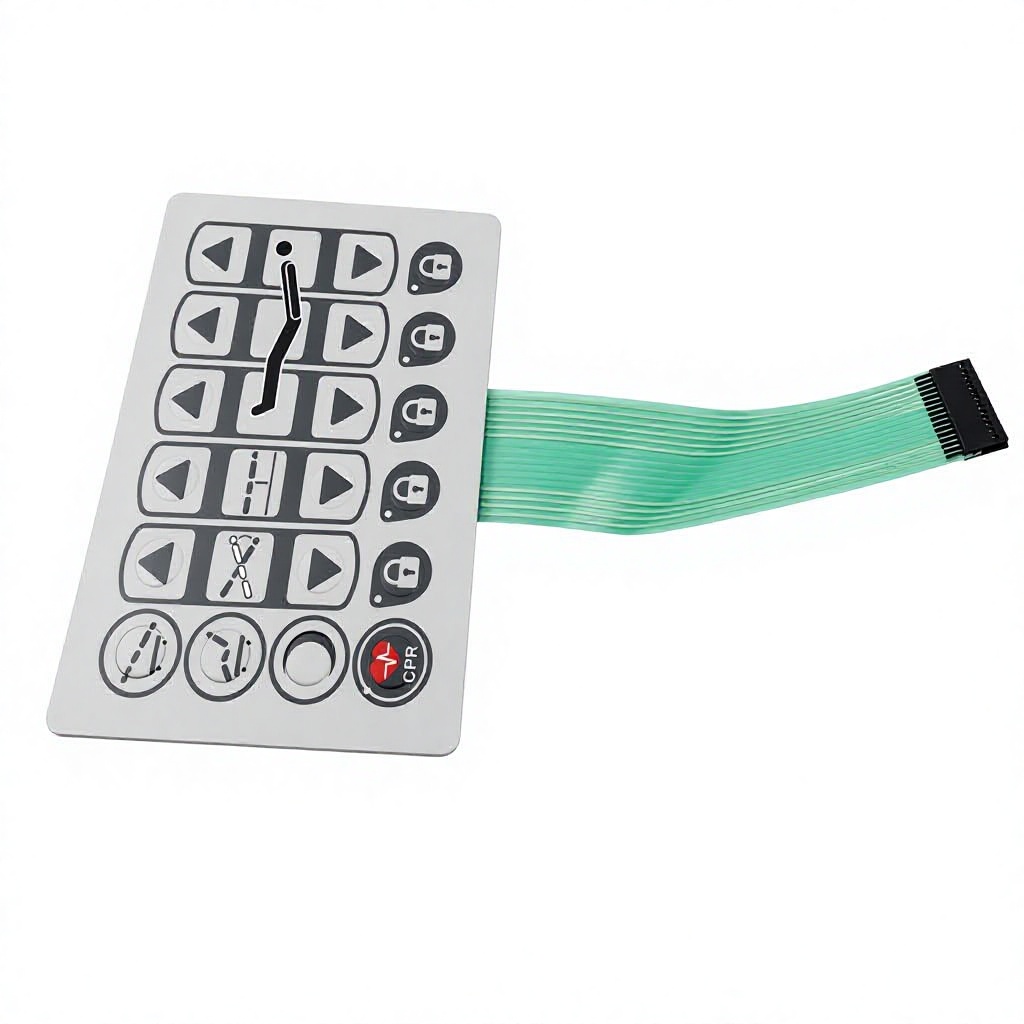
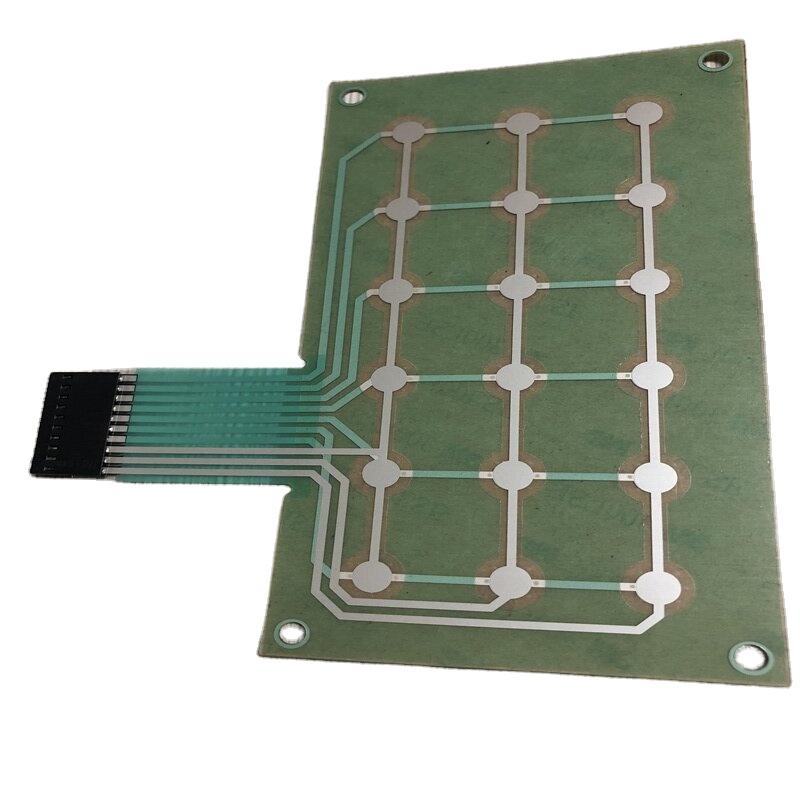
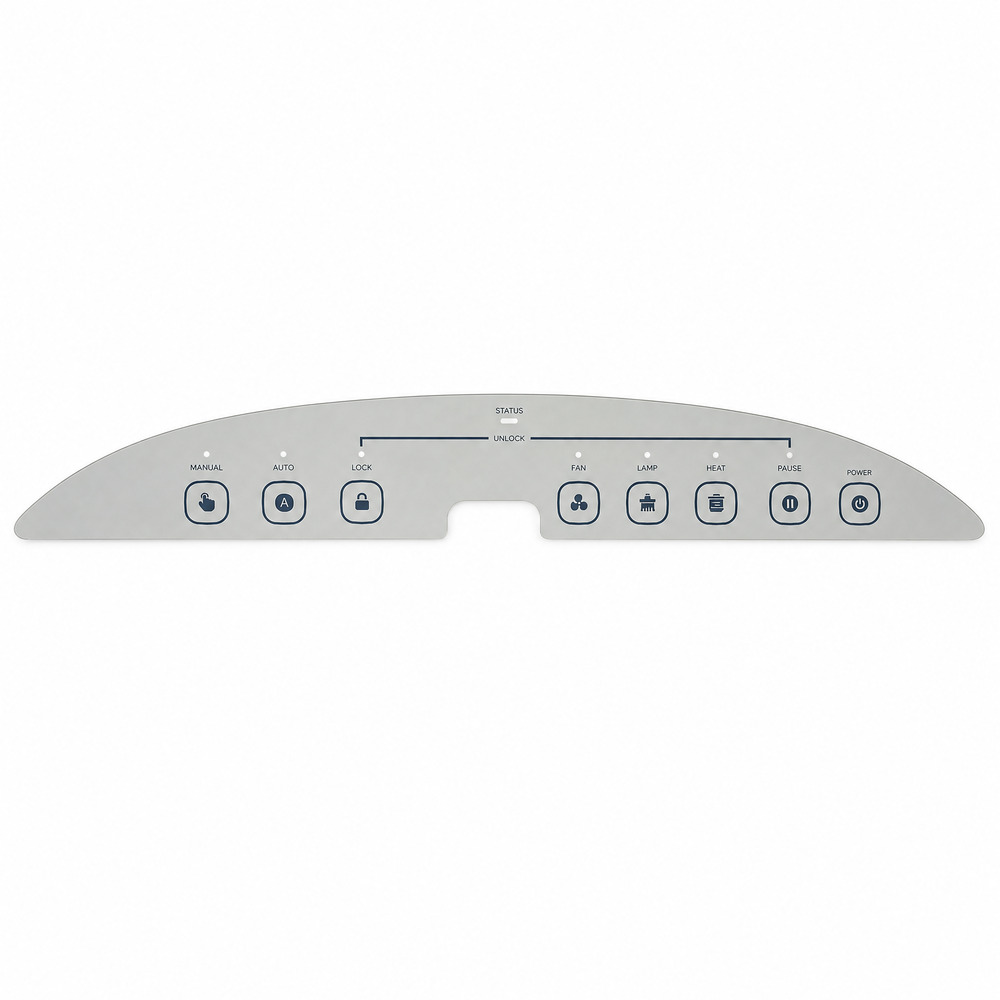
A rigorous examination of multi-layer polymer physics, hermetic perimeter seals, and electromagnetic shielding designed to serve the exacting standards of the Bender industrial equipment landscape.
In mission-critical electrical monitoring systems—such as those engineered by Bender GmbH & Co. KG and Tier-1 industrial electrical safety leaders—human-machine interfaces (HMI) operate under extreme operating constraints. These devices, ranging from insulation monitoring devices (IMDs) and ground-fault relays to isolated power system (IPS) alarm indicators in hospital intensive care units (ICUs), cannot tolerate interface failure, dielectric breakdown, or ingress of sterilization liquids. Sourcing sealed membrane keyboards from elite China manufacturing centers requires deep insight into layer stack-up dynamics, precision screen chemistry, micro-venting labyrinths, and ESD containment.
Information Gain Note for System Architects: Unlike generic consumer-grade keypads that rely on standard acrylic spacers and non-sealed tails, HMIs engineered for the Bender market utilize closed-cell acrylic foam gaskets (3M 200MP/300LSE), full silver-grid Faraday shielding against 15kV electrostatic discharge, and Autotex XE exterior films capable of resisting hospital-grade quaternary ammonium washdown agents.
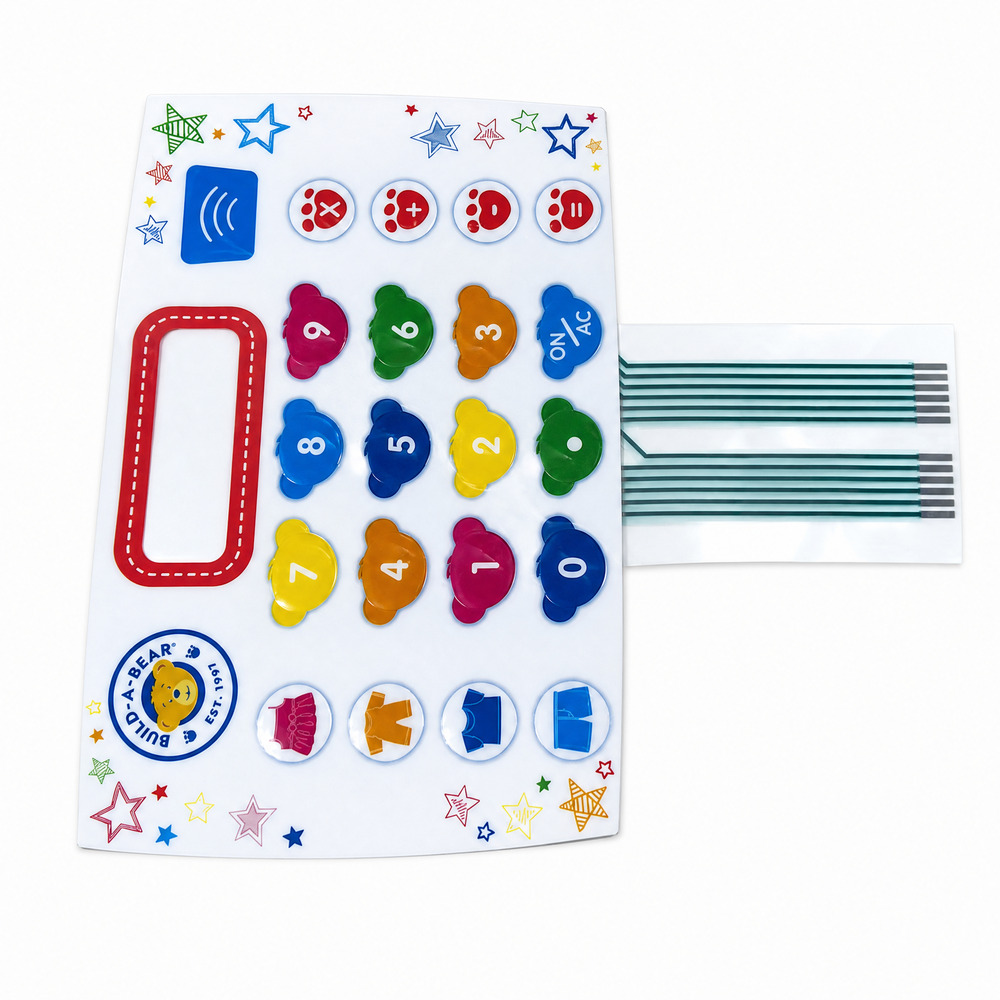
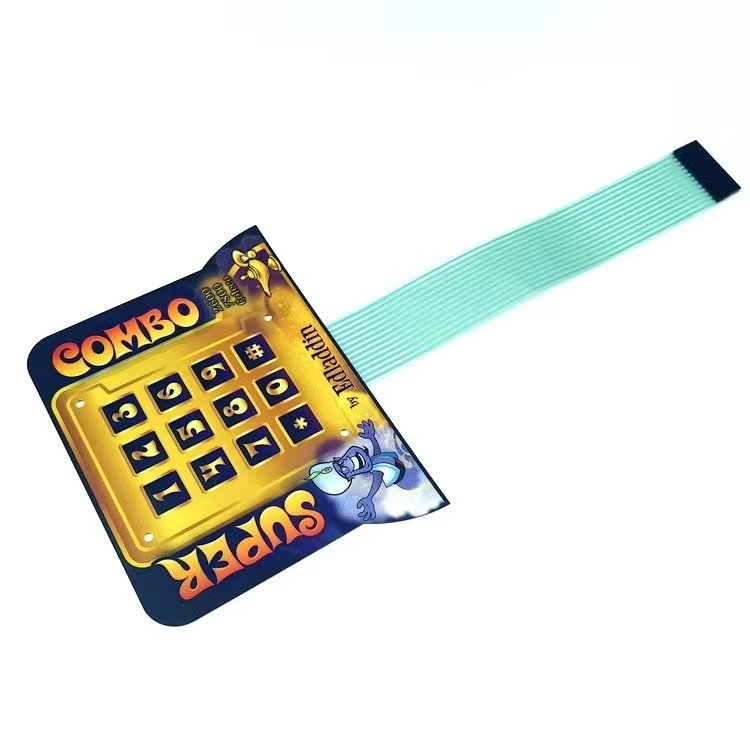
Achieving long-term mechanical snap actuation exceeding 1,000,000 cycles while blocking moisture, hydrocarbon vapors, and cleaning chemicals mandates an 8-layer composite lamination stack. Each layer performs a calculated electro-mechanical and barrier function:
Reverse screen-printed 0.15mm–0.20mm biaxially-oriented polyester (PET) or polycarbonate. Printing inks are protected behind the resin, eliminating legend wear caused by aggressive isopropyl wipe-downs.
Differential acrylic transfer tape with internal vent labyrinth channels. Creates an impenetrable IP67 barrier against fluid spray while routing internal air displacement safely into sealed equipment enclosures.
Precision-embossed polyester carrier layer retaining gold- or nickel-plated SUS301 stainless steel tactile domes (280g–450g actuation force), delivering tactile crispness even through heavy medical gloves.
High-conductivity DuPont silver inks printed on heat-stabilized optical PET or rolled-annealed polyimide FPC. Resistance paths are strictly capped below 50 ohms to protect low-voltage microprocessor logic.
Integrated solid aluminum foil or carbon-mesh shielding layer tied directly to the chassis ground pin. Diverts electrostatic surges up to 15kV (air discharge) and 8kV (contact) away from sensitive MCUs.
High shear strength 3M 468MP or 3M 300LSE adhesive selected specifically for high surface energy (cast aluminum, stainless steel) or low surface energy (powder-coated steel, ABS) equipment chassis.
How sealed membrane keyboards engineered by premier Chinese factories integrate into medical, naval, and high-voltage grid safety equipment worldwide.
In clinical Group 2 medical locations, remote indicator panels (such as Bender CP9xx series) require continuous surface disinfection. Our antimicrobial Autotex AM film and sealed IP67 rim embossing resist hydrogen peroxide vapor and bleach without peeling or yellowing.
IEC 60601-1 & ISO 22196Grid-connected residual current monitors and insulation monitors operate inside harsh electrical cabinets subject to electromagnetic field spikes during switching events. Embedded Faraday grounding foils block RF interference, eliminating ghost switching.
EN 61326-2-4 ComplianceDC microgrid insulation monitors mounted in maritime engine rooms endure high salinity, engine vibration, and ambient thermal cycling (-40°C to +85°C). Stainless steel metal domes combined with marine-grade 3M adhesive ensure lifetime contact resistance.
DNV-GL Marine Certified TestHeavy mechanical shock and explosive dust atmospheres (ATEX/IECEx hazardous areas) necessitate non-sparking, low-profile HMI panels. Our hermetically encapsulated circuits eliminate internal air pockets and combustible gas ingress.
Ex i Intrinsically SafeHow the technological convergence of capacitive touch, backlighting, and flexible hybrid electronics is redefining procurement decisions for German and European instrument manufacturers.
Modern monitoring devices require both intuitive capacitive swipe sliders for parameter navigation and positive-tactile metal domes for safety-critical "Test/Reset" functions. Dongguan Ravo combines dual-circuit layers (FPC capacitive sensing + silver matrix tactile domes) beneath a single continuous front panel, providing ergonomic flexibility without compromising IP67 ingress integrity.
Legacy incandescent and bulky surface-mount LEDs cause uneven hot spots and high power draw in compact DIN-rail devices. The industry trend centers on ultra-thin light guide film (LGF) arrays paired with high-efficiency side-emitting LEDs (0.4mm–0.6mm thickness). This ensures crystal-clear visual status alerts across diverse ambient lighting conditions at minimal energy consumption.
With the global harmonization of hospital sterilization mandates, simple polycarbonate overlays are obsolete in high-end medical equipment. European and North American buyers require Autotex AM (incorporating silver-ion antimicrobial agents) and chemically inert fluoropolymer coatings that endure prolonged UV-C irradiation and hydrogen peroxide fogging without embrittlement.
Selecting the optimal internal routing technology dictates overall circuit impedance, minimum component pitch, and total life-cycle cost. The engineering table below highlights key functional parameters analyzed during Ravo Electronics' Design for Manufacturability (DFM) reviews:
| Substrate Technology | Loop Resistance (Ω) | Component Pitch Tolerance | Actuation Fatigue Life | Chemical & Thermal Limit | Primary Industrial Use Case |
|---|---|---|---|---|---|
| Silver Ink Printed PET | < 100 Ω (traces) | ± 0.20 mm | > 1,000,000 cycles | -20°C to +70°C; fair solvent resist | Standard industrial controllers, fuel pumps, toys |
| Flexible Printed Circuit (FPC) | < 2 Ω (copper traces) | ± 0.05 mm (fine pitch SMD) | > 5,000,000 cycles | -40°C to +105°C; excellent solvent resist | Medical IPS alarms, aerospace, military transceivers |
| Rigid PCB Backer (FR-4) | < 0.5 Ω (solid copper) | ± 0.02 mm (ultra-fine) | > 10,000,000 cycles | -40°C to +130°C; impervious to oils | Heavy motor inverters, power generators, CNC panels |
| Silicone Rubber Overlay Hybrid | < 150 Ω (carbon pill) | ± 0.15 mm | > 2,000,000 cycles | -40°C to +150°C; waterproof & oilproof | Handheld remotes, outdoor field testing equipment |
A look inside Dongguan Ravo Electronics Co., Ltd.—delivering end-to-end HMI engineering from initial DFM design to 100% automated optical and electrical testing.
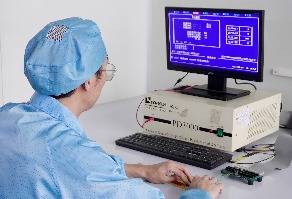
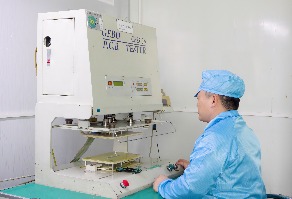
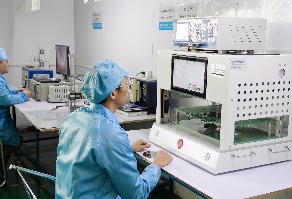
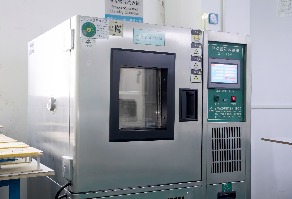
To safeguard against common offshore procurement pitfalls—such as pin-out misalignment, delamination under thermal expansion, or silver migration—our Dongguan facility operates an ISO 9001 certified, six-step engineering workflow:
1. Detailed DFM & Electrical Layout Analysis: Within 2 hours of drawing receipt (DXF, DWG, Step, or AI formats), senior application engineers evaluate trace geometries, contact resistance drop, dome actuation spacing (>1.5mm perimeter clearance recommended), and connector tail strain-relief.
2. Precision Tooling & Screen Prep: Laser-etched steel dies and high-tension polyester mesh screens (350–420 mesh count) are produced in-house, ensuring registration tolerances within ±0.05mm across all color and conductive passes.
3. Climate-Controlled Cleanroom Screen Printing: Conductive silver and carbon inks are cured in continuous tunnel ovens at tightly calibrated ramp profiles (130°C ±2°C) to prevent micro-cracking and ensure maximum flexural ductility.
4. Automated Metal Dome Pick-and-Place: Four-legged stainless steel tactile domes are positioned using automated vacuum array tooling, guaranteeing accurate centering over contact pads with zero operator skin oil contamination.
5. 100% Computerized Circuit Testing: Every completed membrane switch is checked via dedicated automatic testers for loop resistance, open/short circuits, insulation resistance (>100MΩ at 500V DC), and contact bounce (<5ms).
6. Environmental Reliability Sampling: Batch samples undergo accelerated thermal aging (-40°C to +85°C for 96 hours), humidity chambers (95% RH at 60°C), and automated pneumatic mechanical actuation cycling to failure.
By producing our own laser steel dies, embossing plates, and screen stencils in Dongguan, rapid prototypes are completed in 3 to 7 working days, allowing European design teams to validate form and fit quickly.
We source authentic raw materials from global suppliers (Autotype, 3M, Toray, Nicomatic, Acheson Inks). Complete material declarations, RoHS/REACH compliance files, and CoCs accompany every shipment.
Whether you require pilot runs of 1 to 10 pieces for functional bench testing or recurring mass shipments of 500,000 units/year for global equipment rollouts, our scalable lines adapt seamlessly.
Practical answers to the most common technical, logistics, and quality assurance questions asked by international procurement directors and electronic hardware engineers.
Standard membrane keypads often leak at the tail exit notch. For Bender-style washdown equipment, we employ a continuous perimeter adhesive ring that surrounds the active matrix, isolating the flexible circuit tail through a sealed labyrinth gasket. When mated with an IP-rated enclosure cutout and backer gasket, moisture cannot penetrate through capillary action.
We support engineers during early prototyping with low MOQs starting from 1 to 5 pieces using digital flatbed cutting and fast-cure plotting. Once the physical and electrical design is locked, mass production runs typically start at 100 to 500 units depending on tooling complexity and component bill of materials.
Silver migration occurs under DC bias voltage and high ambient moisture. We prevent this by over-printing all silver conductive traces with a continuous carbon-resin barrier layer, followed by a double-pass UV dielectric insulation coating. For mission-critical life safety devices, we recommend polyimide copper FPC circuits where traces are completely encapsulated.
Yes. Our color-matching laboratory uses computerized spectrophotometers to achieve color consistency within ΔE < 1.0 against standard Pantone, RAL, or customer-supplied physical plastic swatches. Colors are reverse-printed on the underside of transparent film, ensuring permanent visual depth and zero scratch degradation.
Powder-coated metal surfaces exhibit low surface energy (LSE). Standard 3M 467MP will suffer adhesive failure over time. We engineer these assemblies with genuine 3M 300LSE or 3M 9448A modified acrylic adhesives, which offer aggressive peel and shear bonding to textured or powder-coated substrates across -40°C to +90°C.
We provide 2.54mm pitch female crimp housings (compatible with Nicomatic, Amphenol, or Dupont headers), 1.00mm/1.25mm pitch bare-tail ZIF contacts with bonded polyimide stiffeners, or soldered wire harnesses with multi-pin locking headers for direct connection to host motherboards.
We integrate a dedicated full-coverage grounding plane—either an etched aluminum foil shield or a dense cross-hatch printed carbon/silver grid—positioned directly beneath the graphic overlay. This layer collects static discharge (up to 15kV) and safely drains it to Earth chassis ground before it can arc to logic traces.
Every production batch is accompanied by comprehensive quality dossiers: Certificate of Conformance (CoC), raw material RoHS/REACH compliance declarations, flammability test ratings (UL 94V-0 / 94VTM-2 on select substrates), and electrical continuity inspection reports.
A trusted manufacturing partner for human-machine interface components serving high-precision instrumentation builders across Germany, Western Europe, and North America.
Established in 2003 in Fenggang Town, Dongguan City—the epicenter of the world's electronics supply chain—Dongguan Ravo Electronics Co., Ltd. has expanded from an agile workshop into a modern, vertically integrated industrial enterprise covering over 12,000 square meters. With a workforce of more than 300 skilled technicians and engineers, we operate precision silk-screen printing lines, high-speed computerized die-cutting stations, cleanroom assembly zones, and environmental testing labs under one roof.
Our components power hospital patient lifters, intensive care isolated power monitoring stations, commercial induction cookers, smart grid protective relays, and automotive seat occupancy detection systems worldwide. By controlling every stage of the manufacturing process internally—from artwork color separation and stencil tooling to laser die cutting and automated optical inspection—we eliminate external subcontractor delays, delivering DFM revisions in under 2 hours and custom tooling within days.
Share your 2D/3D mechanical drawings or electrical schematics. Our application engineering team will provide a comprehensive DFM review, stack-up recommendation, and factory quote within 2 hours.