 EN
 DE
 FR
 ES
 RU
 JA EN DE FR ES RU JA
Engineered for high moisture, salt mist, and extreme tactile durability. Custom circuit layouts, graphic overlays, and tail connectors manufactured under strict ISO9001 quality controls.
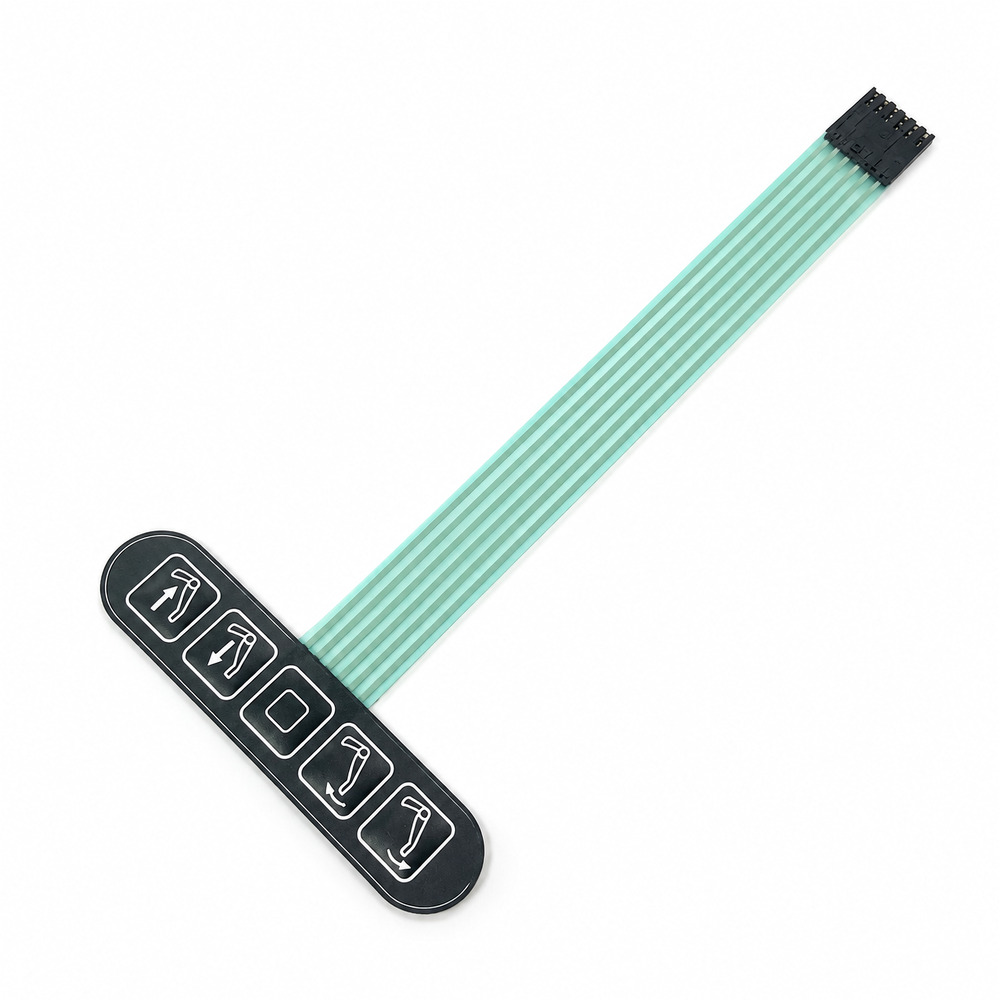
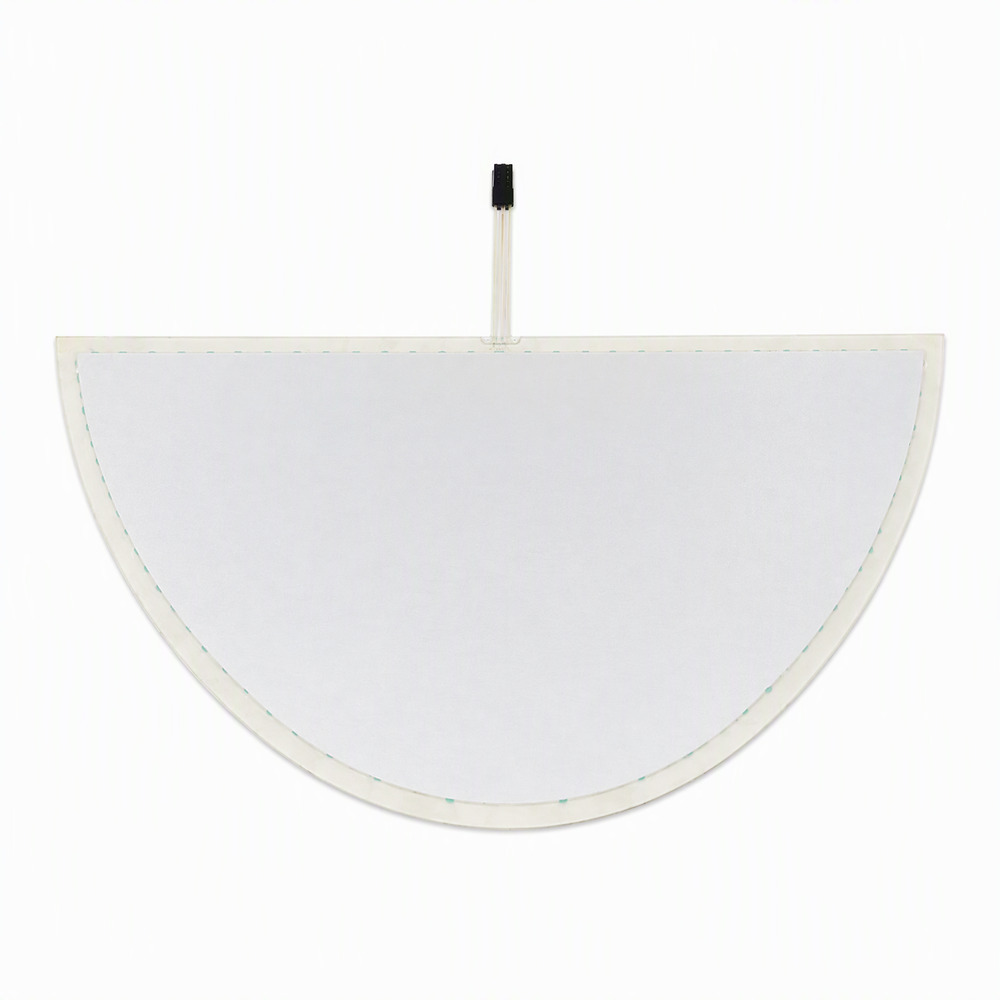
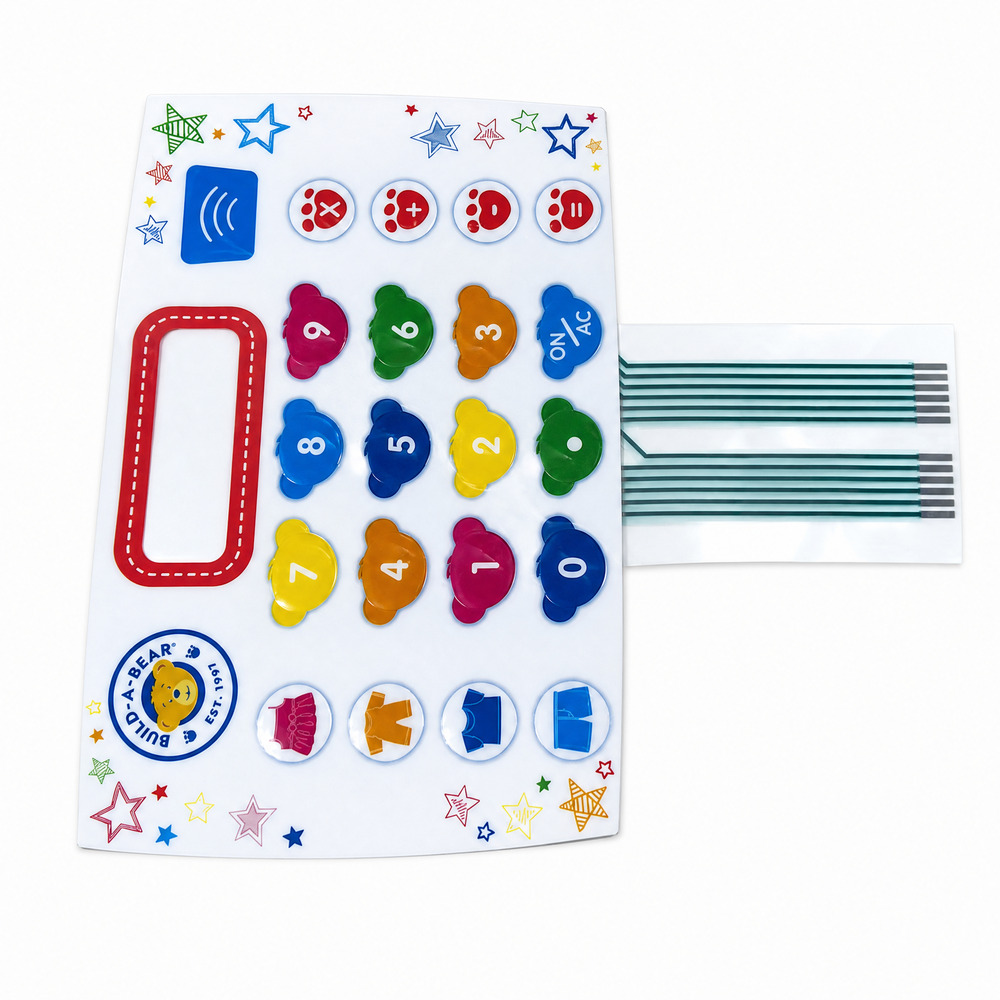
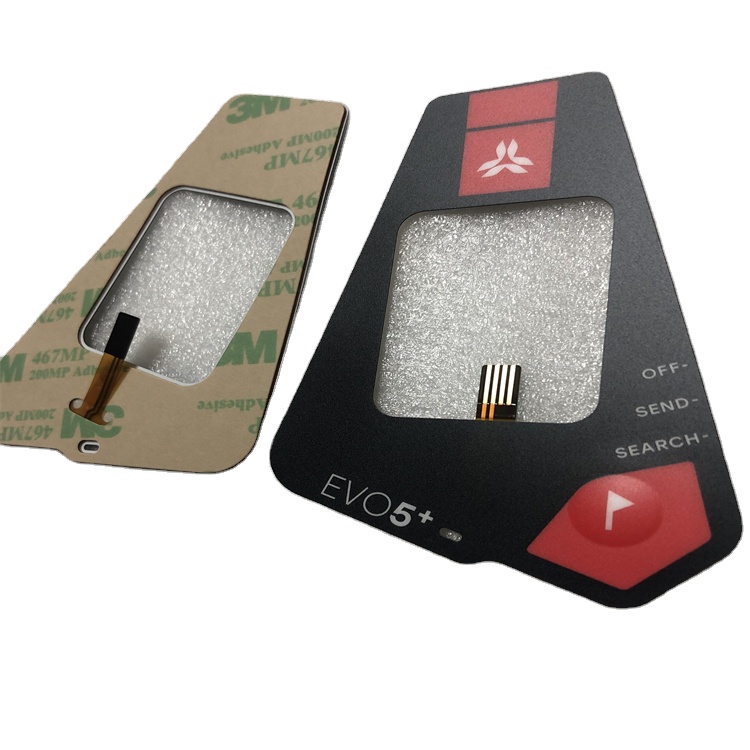
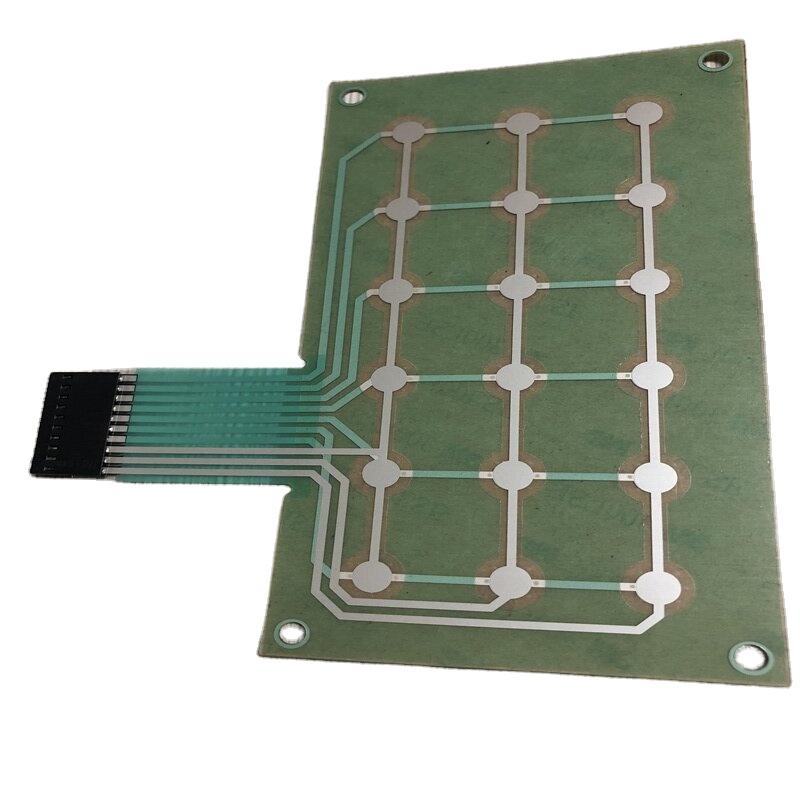
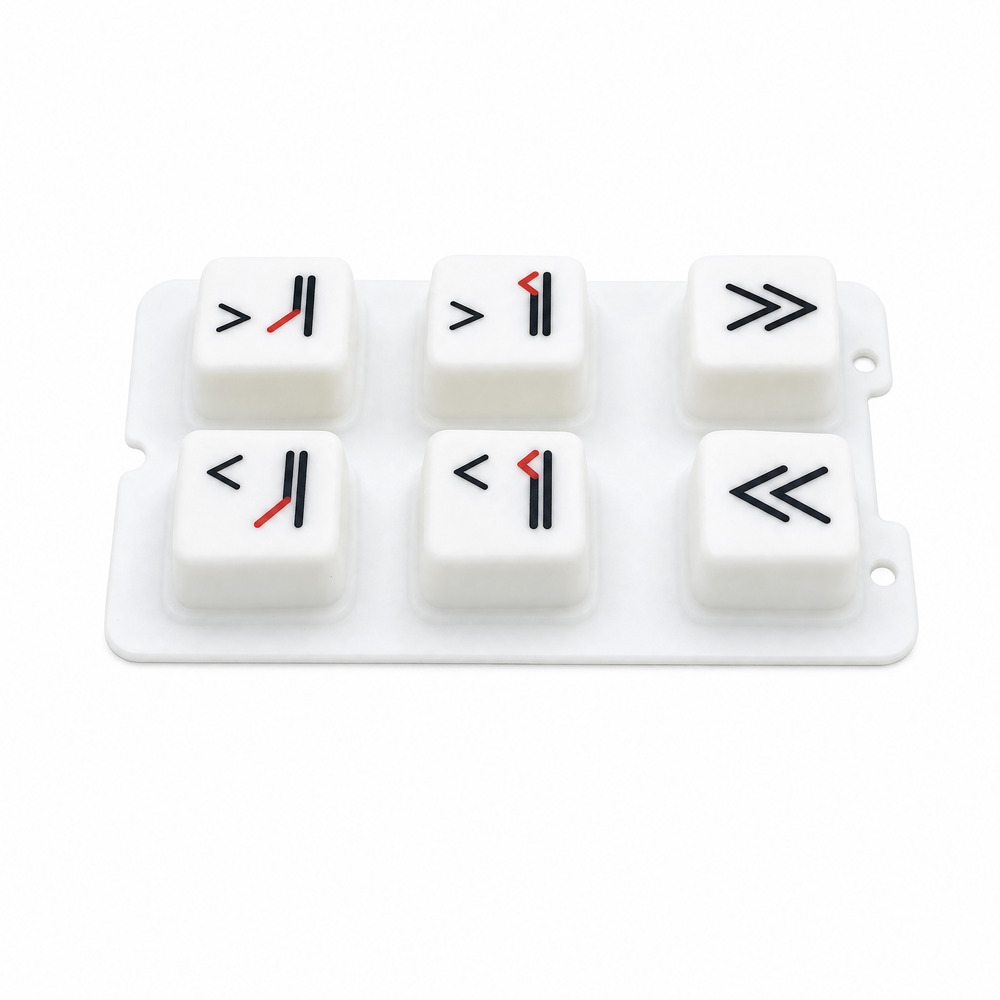
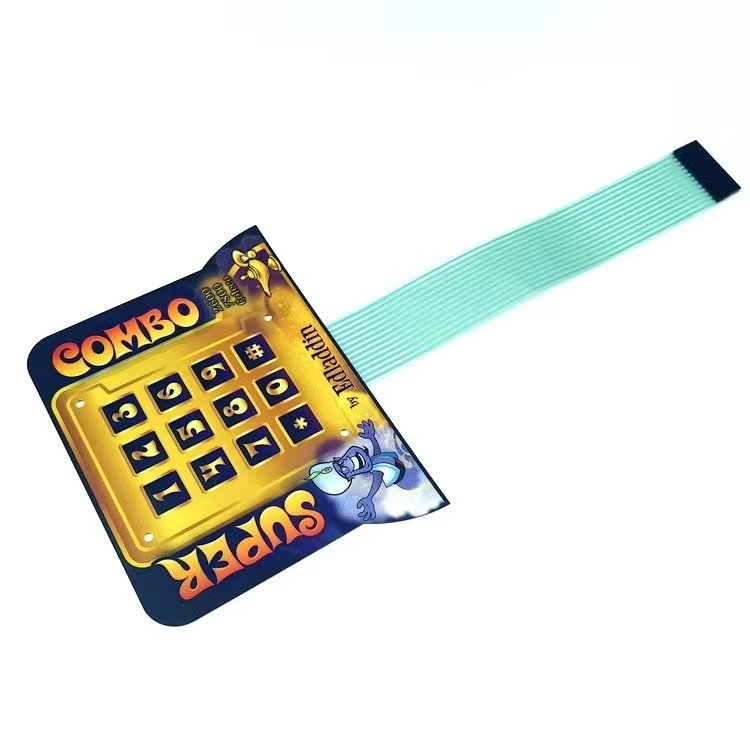
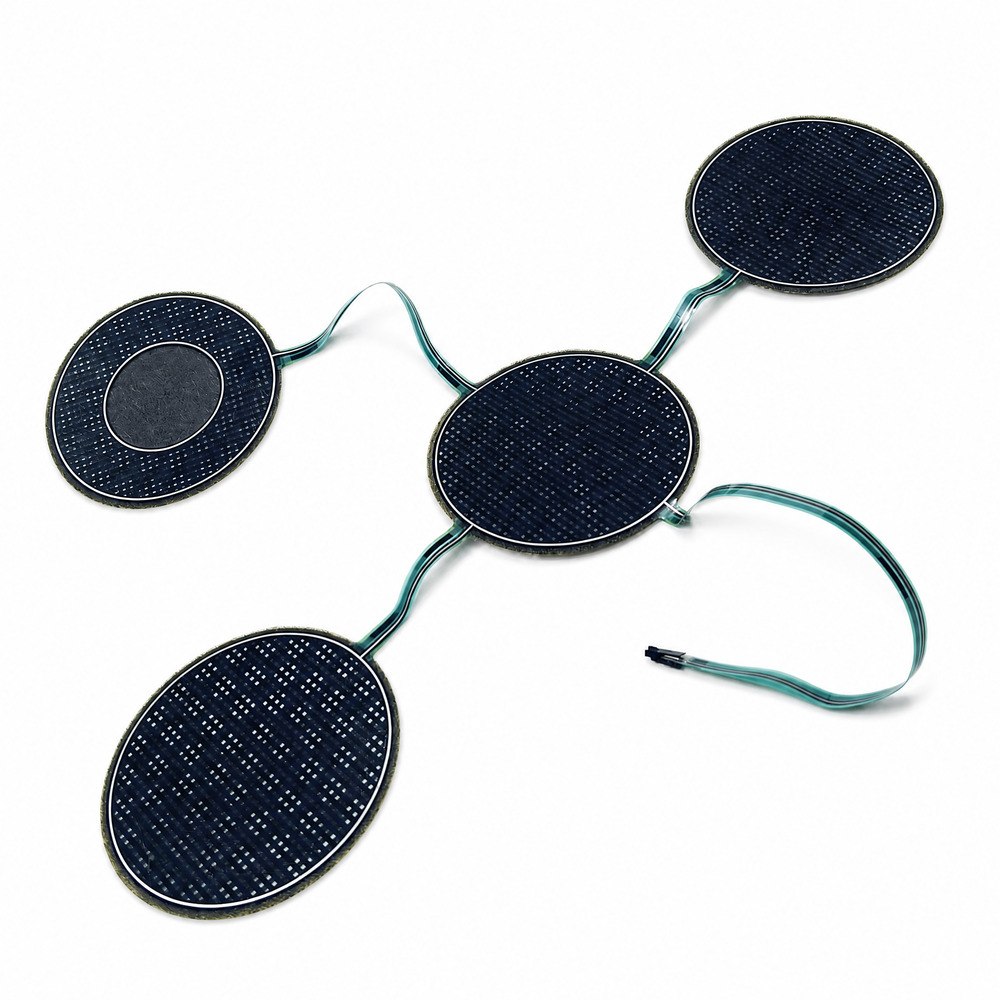
Understanding how thin-film Force Sensitive Resistors (FSR) provide actionable strain, force, and weight metrics for demanding electronic applications in tropical environments.
Flexible pressure sensors—often designated as thin-film Force Sensitive Resistors (FSR)—represent a fundamental shift in Human-Machine Interface (HMI) design and structural load monitoring. Unlike traditional rigid load cells or bulky piezoceramic transducers, flexible pressure sensors utilize semi-conductive nano-composite inks screen-printed onto thin polyester (PET) or polyimide (PI) substrates. When an external force or pressure is applied to the active sensing area, the microscopic surface asperities of the conductive and resistive ink layers are brought into closer mechanical contact. This physical contact significantly decreases the electrical resistance across the sensor terminals in inverse proportion to the applied force.
For engineering firms, industrial system integrators, and electronic developers targeting the South Pacific market—particularly Fiji’s expanding industrial, maritime, and agricultural sectors—flexible pressure sensors offer unmatched design advantages: an ultra-thin profile (<0.2mm), low power consumption, high mechanical flexibility, and rapid dynamic response time (<10 microseconds).
Dongguan Ravo Electronics utilizes high-stability DuPont conductive silver paste coupled with custom-formulated piezoresistive carbon inks. Our proprietary screen-printing registration maintains tolerances within ±0.05mm, preventing drift in force-versus-resistance response curves even under high ambient humidity and temperature fluctuations common across Fiji (Viti Levu, Vanua Levu, and outer islands).
A commercial-grade flexible thin-film pressure sensor typically comprises a precise multi-layer lamination stack engineered for mechanical longevity and environmental isolation:
High-grade flexible PET or Polyimide (FPC) base printed with interdigitated or matrix silver-ink contact trace arrays that collect electrical current across the sensing node.
Die-cut double-sided adhesive spacer creating an internal micro-air gap (0.025mm–0.05mm) between the top and bottom sensing layers, defining initial actuation threshold.
Substrate screen-printed with force-sensitive resistive carbon ink formulation calibrated to specific sensitivity dynamic ranges (e.g., 10g to 10kg force trigger thresholds).
Deploying robust flexible force sensors and sealed membrane keypads across Fiji's key economic sectors, from maritime vessel controls to agricultural automation in the Sigatoka Valley.
Fiji functions as the central shipping hub for the South Pacific. Equipment operated around Suva Harbor and Lautoka Port is subjected to constant salt spray, high UV exposure, and heavy rain. Standard mechanical switches corrode within months. Our custom IP67/IP68 sealed flexible pressure pads and membrane control panels provide reliable hatch-closure monitoring, crane overload sensing, and waterproof bridge control interfaces.
Fiji's commercial agriculture is rapidly adopting smart greenhouse automation and drip-irrigation controls. Flexible pressure sensors integrated under soil-bags or water tank balance valves provide continuous weight-monitoring to optimize nutrient feeding without electronic components coming into contact with wet fertilizers or soil corrosive agents.
Fiji's luxury hospitality sector relies heavily on smart amenities and outdoor eco-tourist electronics. Flexible FSR matrices built into smart seating, water-sports gear, and health-monitoring equipment offer seamless touch activation that withstands exposure to tropical downpours and chlorinated pool environments.
With Fiji accelerating its transition to 100% renewable energy under its National Development Plan, island microgrids require continuous battery rack deformation and weight expansion monitoring. Flexible thin-film pressure sensors mounted between lithium-ion cells alert operators to thermal swelling or mechanical movement before failure occurs.
A comparative analysis prepared by Dongguan Ravo Electronics’ engineering team to guide procurement decisions for Pacific OEM projects.
| Performance Parameter | Flexible Thin-Film FSR Sensor | Traditional Metallic Load Cell | Capacitive Pressure Sensor |
|---|---|---|---|
| Thickness / Form Factor | Ultra-thin (<0.2mm), completely flexible | Rigid metal block (>15mm to 50mm) | Semi-rigid (>1.5mm to 3mm) |
| Tropical Moisture / Water Sealing | IP67 / IP68 Fully laminated plastic film | Prone to cable entry / strain gauge rust | Requires protective dielectric cover |
| Force Range Sensitivity | 0.1 N to 100 N (Customizable) | 50 N to 10,000 N+ | 0.01 N to 10 N |
| Unit Production Cost | Very Low (High-volume screen printing) | High (Precision CNC machining required) | Moderate to High |
| Shock & Impact Resistance | Exceptional (No glass or brittle elements) | Moderate (Overload can deform beam) | Sensitive to mechanical shock |
| Fiji Sourcing & Air Freight Cost | Minimal (Lightweight, low volumetric weight) | High (Heavy payload shipping) | Moderate |
Strategic insights for Fijian electronics importers, OEM designers, and governmental contractors navigating China-to-Pacific trade routes.
Electronics exported to Fiji face extreme environmental stress: high ambient humidity averaging 80% year-round, elevated ambient temperatures, high saline mist near coastlines, and sudden tropical downpours. Conventional mechanical switches with unsealed copper contacts fail prematurely due to oxidation and dendrite growth. Sourcing fully sealed, thin-film flexible pressure sensors and membrane switch panels using 3M 468MP adhesive perimeter seals eliminates air and moisture ingress, extending equipment field life from months to years.
As Fiji upgrades its telecommunications, marine infrastructure, and decentralized medical stations across outer islands (such as Kadavu, Taveuni, and Vanua Levu), demand for low-power, lightweight HMI interfaces has surged. Flexible piezoresistive sensors require zero bias voltage in standby mode, drawing current only when physical pressure alters circuit resistance. This renders them ideal for solar-battery powered remote monitoring terminals.
Shipping custom electronic components from China to Fiji requires efficient air and ocean route planning. Located in Dongguan (Guangdong Province), Ravo Electronics operates within 1.5 hours of Shenzhen and Guangzhou export hubs. For urgent prototype projects, express air freight delivers custom sample lots to Nadi International Airport within 4 to 7 business days. For volume manufacturing, consolidated ocean shipments arrive at Suva or Lautoka ports in approximately 18 to 22 days.
Integrating 20+ years of technical experience, automated precision screen printing, and rigorous reliability testing under one roof.
Our 12,000m² facility features dust-free screen printing workshops and automated tunnel dryers to ensure zero particulate contamination on optical display windows and conductive trace arrays.
Our engineering team delivers full Design for Manufacturing (DFM) reviews in ≤2 hours. In-house steel die, laser cutting, and embossing mold preparation mean prototypes ship in as few as 5 days.
Every single membrane switch and flexible sensor undergoes 100% automated electrical continuity testing, resistance verification, actuation force profiling, and environmental thermal shock screening before packing.
Clear, direct answers regarding custom ordering, ocean/air shipping to Fiji, tropicalization engineering, and payment terms.
Our sensors are specifically engineered for high-humidity environments (up to 98% RH). We utilize heat-stabilized polyester (PET) or polyimide (PI) films paired with hydrophobic 3M 468MP acrylic adhesives. The perimeter of the active sensor area is hermetically sealed to prevent moisture ingress, preventing conductive trace migration or resistance drift.
We support engineering development and low-volume pilot projects. Prototype runs can be placed from 1 to 10 pieces. For commercial volume production, MOQs typically range between 100 and 500 pieces depending on layout size, material stack, and backlighting requirements.
To get started, please provide your 2D outline drawings (in DXF, DWG, PDF, or Vector AI format), graphic artwork with Pantone color callouts, preferred force actuation threshold (in grams or Newtons), pinout connector pitch (e.g., 2.54mm or 1.0mm ZIF), and expected annual usage quantities.
Air Express shipping (via DHL, FedEx, or UPS) directly to Nadi International Airport or Suva business addresses typically takes 4 to 7 business days. Ocean freight shipments to Suva Port or Lautoka Port take approximately 18 to 22 transit days.
Yes. We regularly manufacture integrated HMI assemblies that feature surface-mount ultra-thin SMD LEDs, light-guide plates (LGP), transparent display windows for LCD/OLED screens, and tactile metal domes alongside flexible pressure sensing matrix tracks.
Yes. All substrates, silver pastes, insulating dielectrics, graphic inks, and adhesives utilized by Dongguan Ravo Electronics fully comply with EU RoHS 3.0 and REACH environmental standards. Full material safety test reports are available upon request.
Send your drawings or concept specs to our engineering team today. Receive a comprehensive DFM assessment and formal quotation in under 2 hours.
