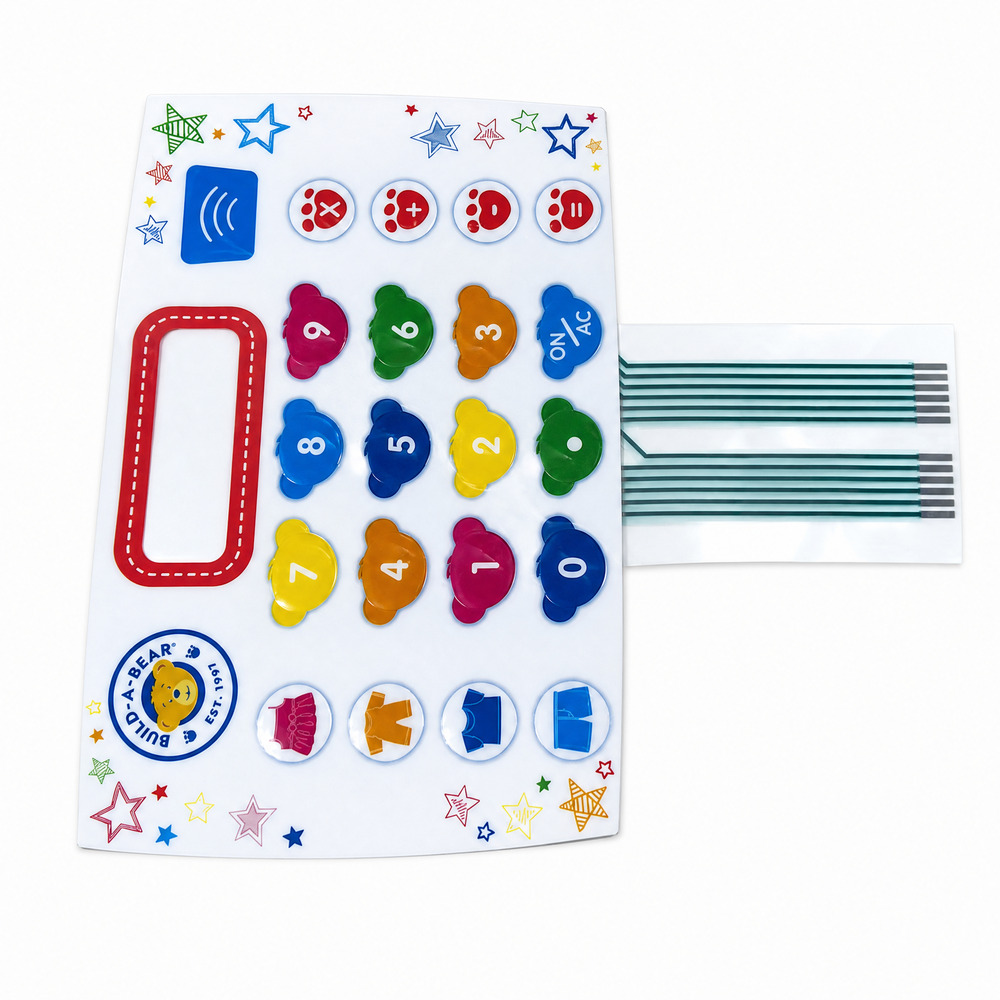
High Sensitivity Non-Tactile Membrane Switch with Micro-Travel Feedback
- Silver-paste conductive traces on PET
- Actuation Profile: Non-tactile flush matrix
- Surface: Anti-glare textured finish
 EN
 DE
 FR
 ES
 RU
 JA
Direct factory configurations tailored to the rigorous mechanical, electrical, and cosmetic specifications required across Lombardy, Emilia-Romagna, Piedmont, and Veneto industrial clusters.
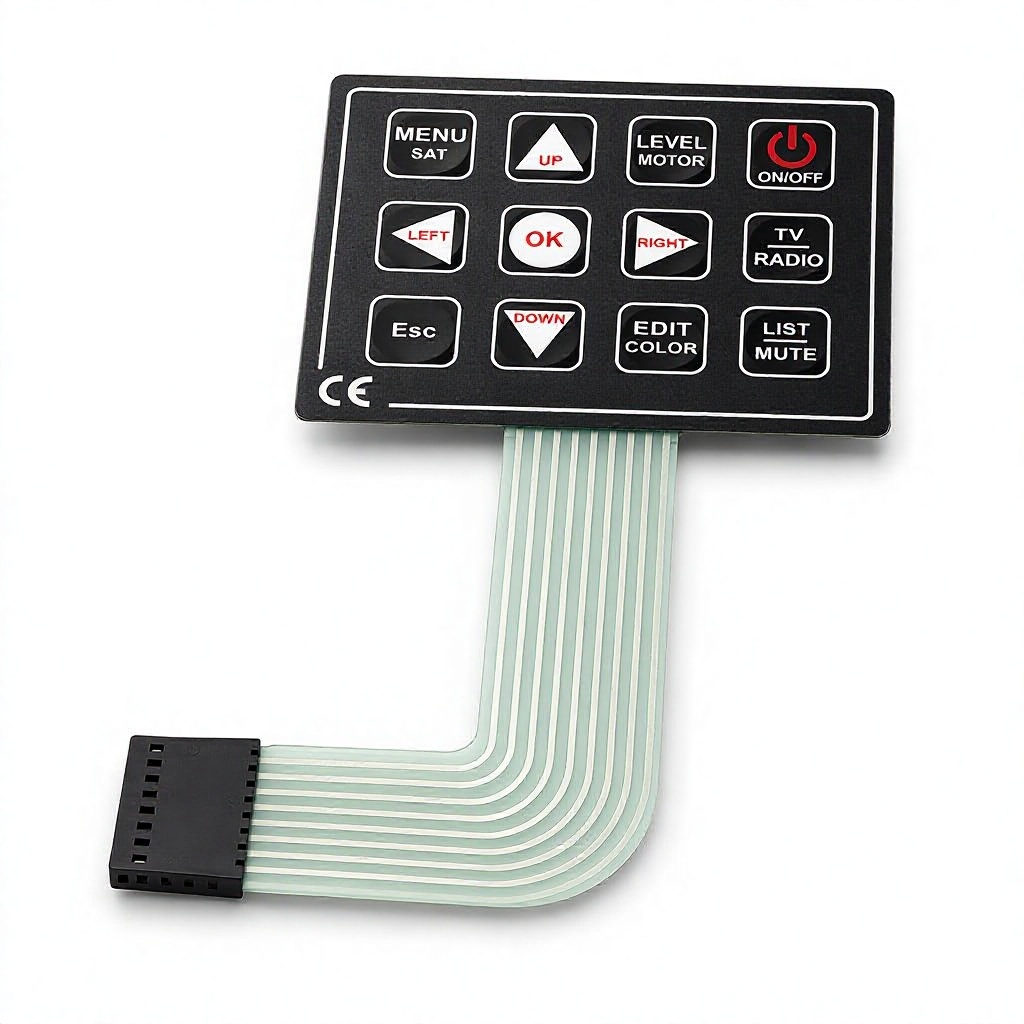
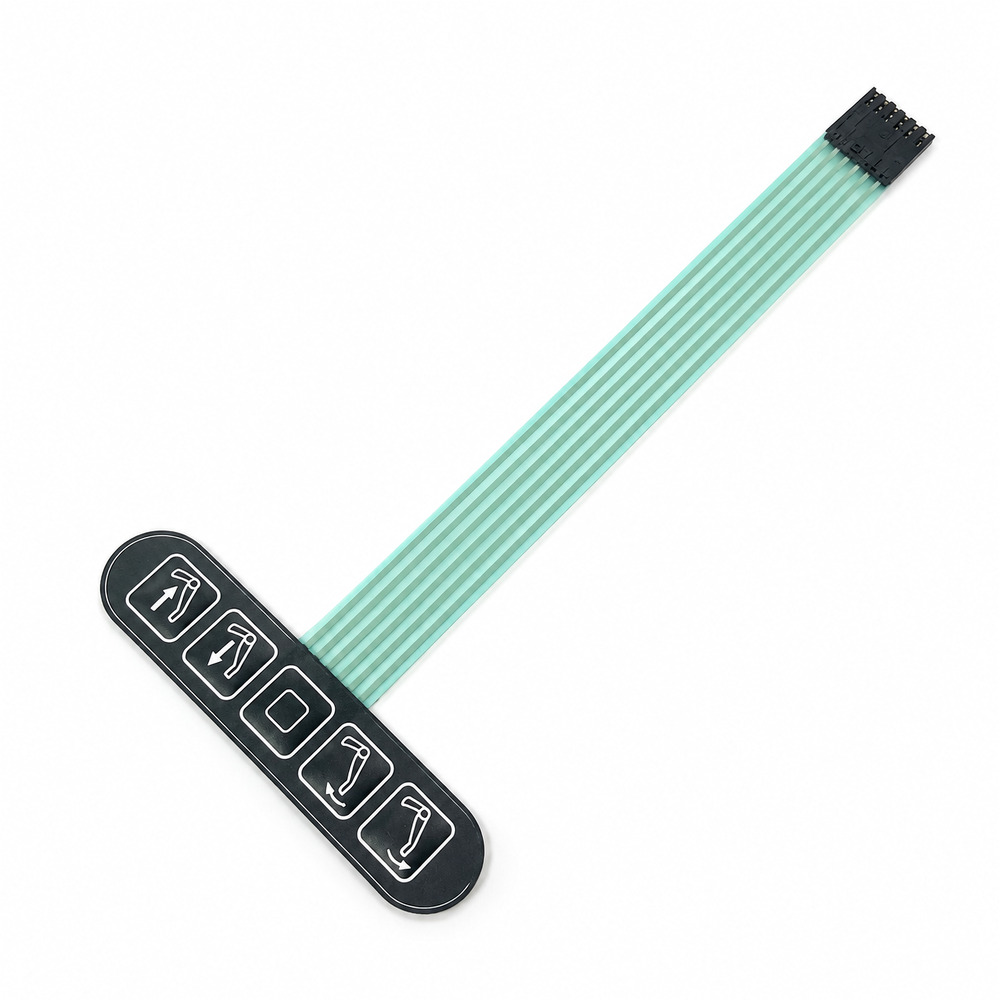
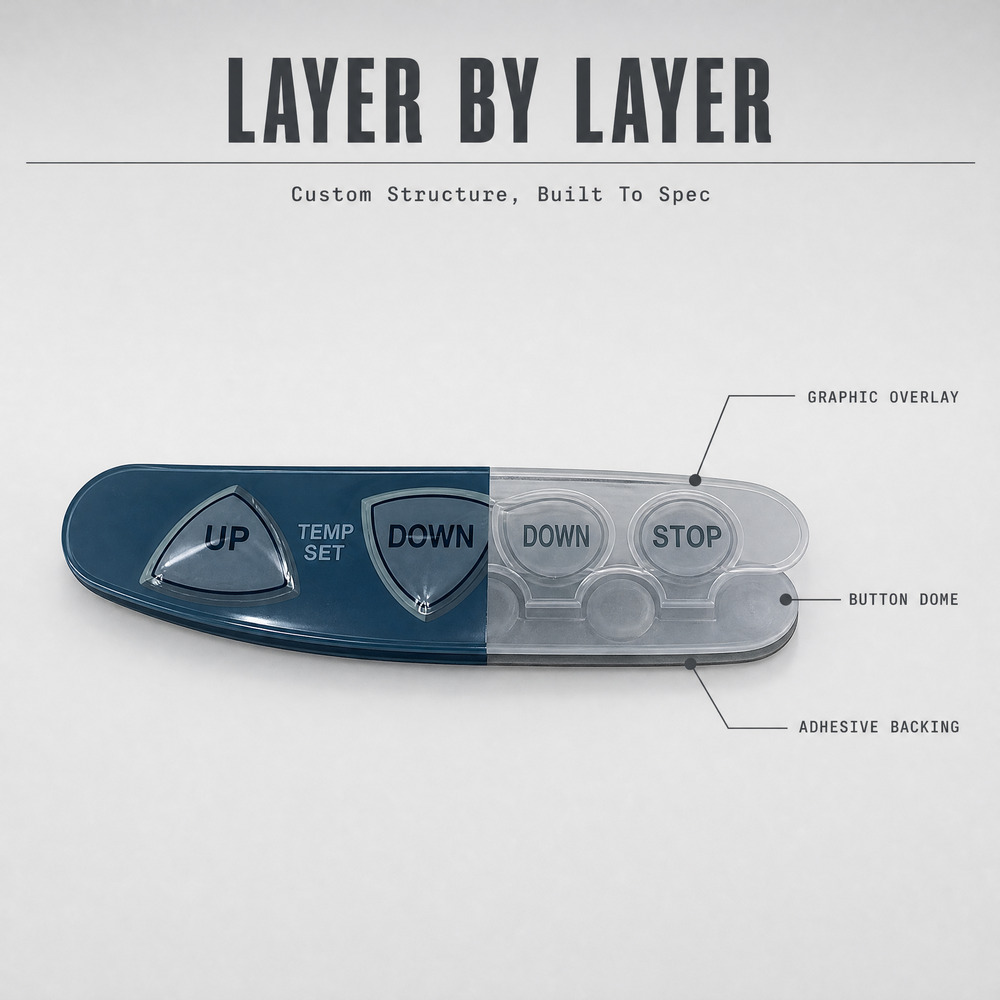
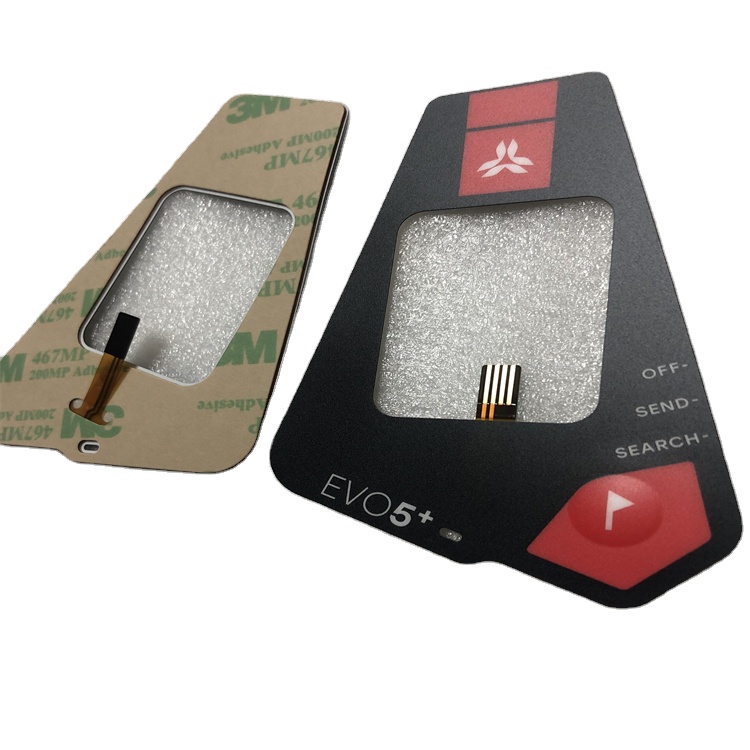
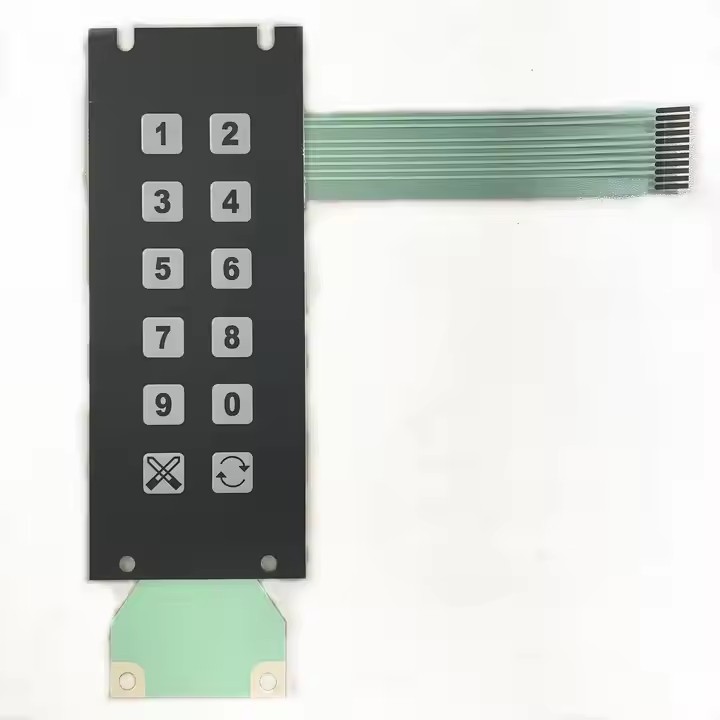
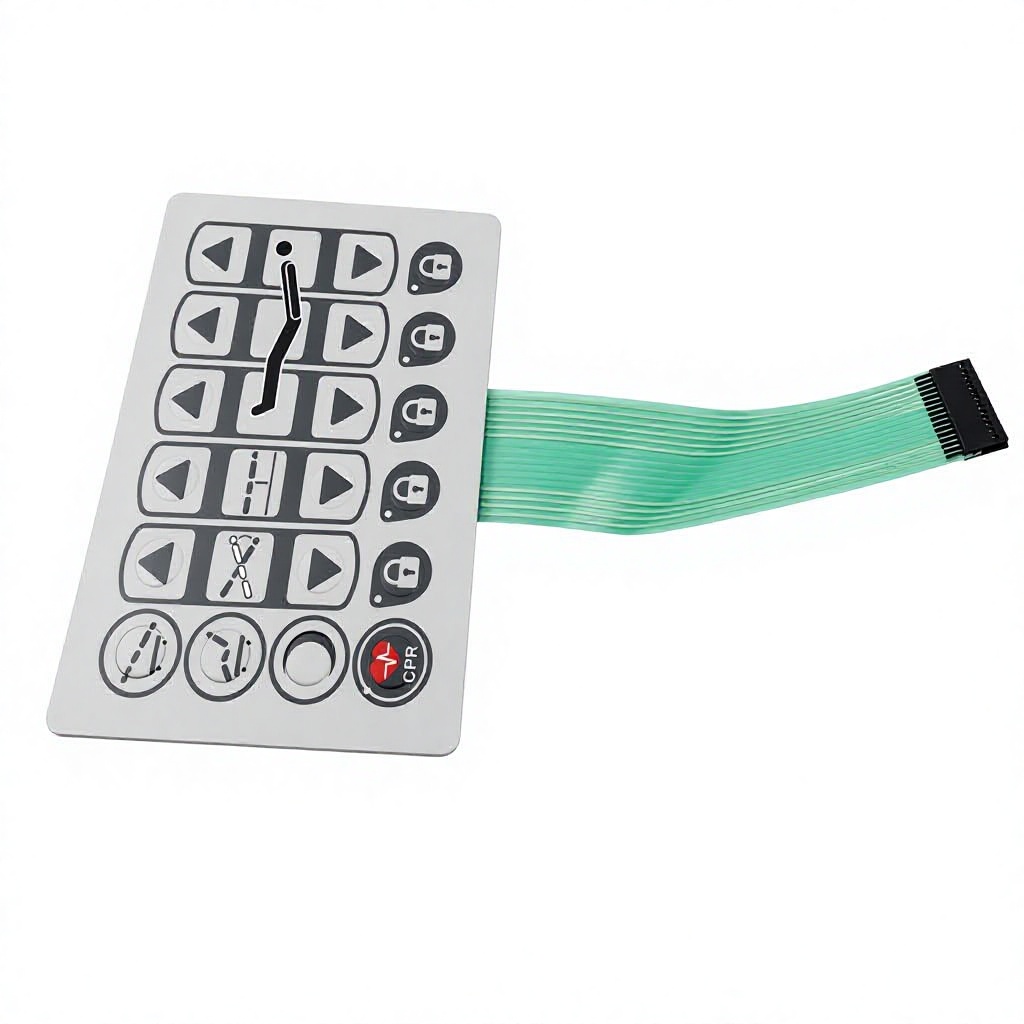
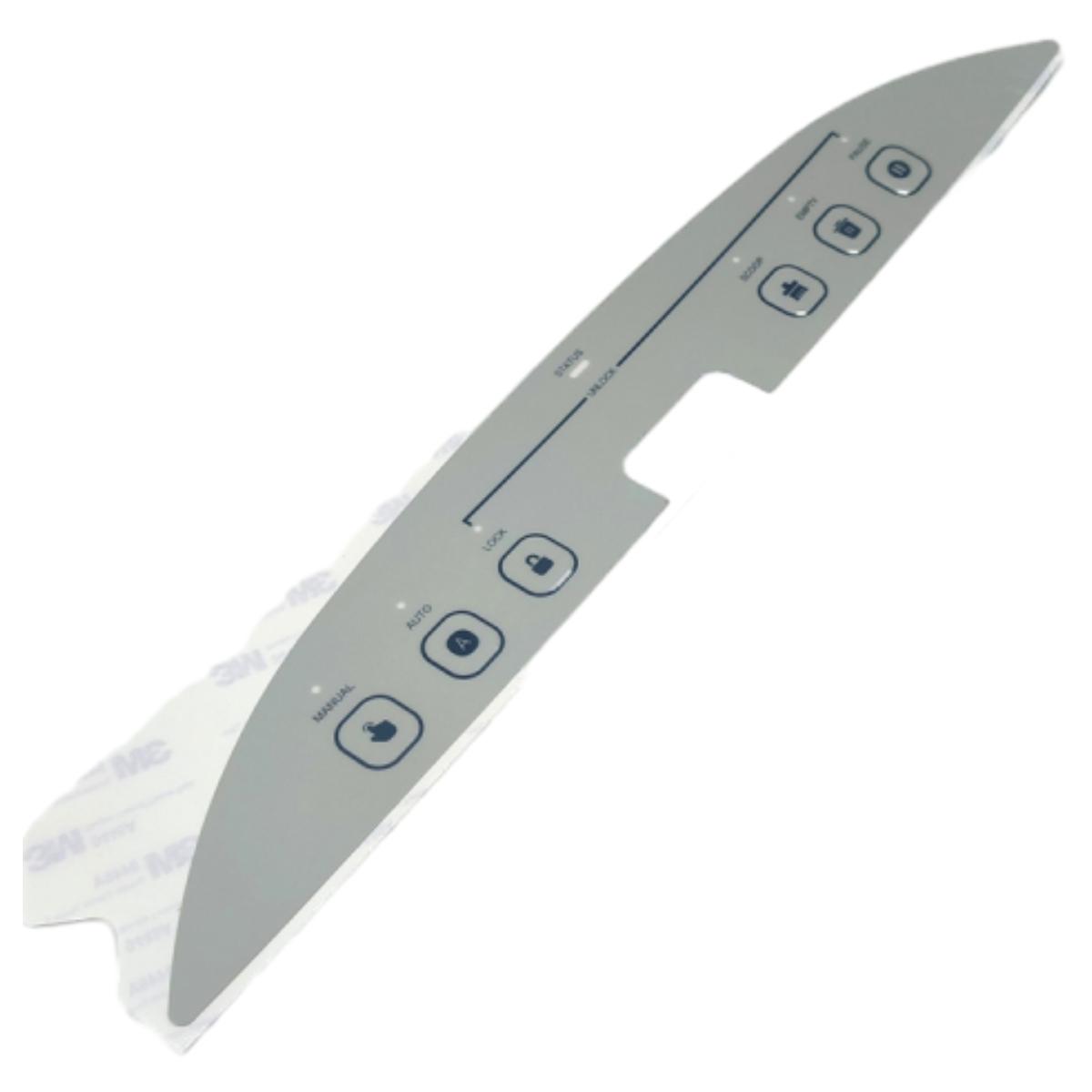
Analyzing structural transition toward thin-film circuitry, hybrid capacitive sensors, and compliant human-machine interfaces across Italy's high-value engineering sectors.
Italy ranks among the premier European manufacturers of metalworking machinery, automated packaging systems, and robotic cells. Under the national Transizione 5.0 industrial framework, equipment builders demand HMIs that merge ultra-low power consumption with robust environmental sealing. Conventional electromechanical switches are systematically replaced by planar printed electronic assemblies that provide IP67 fluid barrier protection against cutting oils, coolants, and industrial washdowns without adding physical bulk.
In critical medical hubs such as the Mirandola biomedical cluster and Milan's MedTech ecosystem, interface safety is paramount. Our printed electronics implement ISO 9001 certified manufacturing techniques utilizing anti-microbial film substrates, hermetic perimeter gasket adhesives, and non-migrating conductive inks. These components endure aggressive hospital-grade sterilization protocols (isopropyl alcohol, sodium hypochlorite, and quaternary ammonium compounds) while preventing ESD discharge into sensitive monitoring instrumentation.
From the Motor Valley region to world-class Italian packaging machinery (IMA, Marchesini Group corridor), spatial optimization drives design choices. Flexible Printed Circuits (FPC) with polyimide layers and silver printed force-sensing resistors (FSR) replace bulky wiring harnesses. Thin-film seat occupancy sensors, capacitive control dashes, and custom graphic backplates provide sub-millimeter profiles while enduring automotive thermal stress cycles ranging from -40°C to +85°C.
For Italian R&D directors and technical procurement officers: selecting the appropriate trace chemistry and substrate geometry dictates field reliability and unit tooling cost amortizations.
| Parameter | Standard PET Membrane | Polyimide Flex (FPC) | Capacitive Thin-Film |
|---|---|---|---|
| Trace Conductor | Silver Paste / Carbon | Rolled Annealed Copper | PEDOT / Micro-Silver |
| Bending Radius | R ≥ 2.0 mm | R ≥ 0.5 mm | R ≥ 1.5 mm |
| Component Assembly | Conductive Epoxy | Reflow Soldering (SMT) | Anisotropic (ACF) |
| Life Expectancy | > 1,000,000 cycles | > 5,000,000 cycles | Solid-State (Infinite) |
Macro-economic shifts, eco-design regulations, and tactile ergonomic expectations governing component procurement across Northern and Central Italy.
Unlike consumer touchscreens, industrial equipment operators in Italian ceramic, textile, and metal manufacturing wear thick PPE gloves. Planar capacitive touch alone is insufficient. The prevailing trend involves hybrid HMI designs: integrating custom tactile stainless-steel metal domes (snap forces between 250g and 450g) with embossed polyurethane overlays. This delivers instantaneous tactile feedback while preserving an unbroken, completely cleanable facade.
Italian original equipment manufacturers selling into the European Single Market require uncompromising compliance certificates. Dongguan Ravo Electronics enforces rigorous qualification of all screen-printing inks, conductive pastes, carrier films (PET, PC, PMMA), and pressure-sensitive transfer tapes (3M 467MP, 468MP, 9448A). All exported batches are certified conformant with EU RoHS 2011/65/EU and REACH (EC 1907/2006) substances of very high concern (SVHC).
Italian machine builders frequently face compressed product iteration cycles. Through dedicated laser-cutting systems, direct-to-substrate digital screen simulation, and an in-house CNC tooling facility, Ravo eliminates expensive steel tool delay during initial pilot runs. Functional membrane and sensor prototypes ship to Italian logistics points within 7 to 10 working days, accelerating CE validation and time-to-market.
Founded in 2003, Dongguan Ravo Electronics operates an integrated 12,000 m² production facility, bridging precision screen printing, clean-room assembly, and rigorous ISO quality control.
Every component layer is fabricated on-site in Fenggang Town, Dongguan: graphical overlay printing, custom embossing, precision laser registration, cleanroom spacer lamination, FPC tail crimping, and automated final testing. No outsourcing guarantees strict process control and traceability.
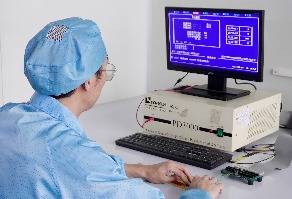
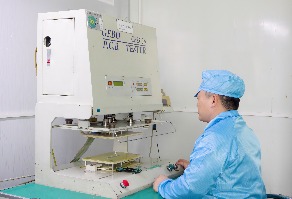
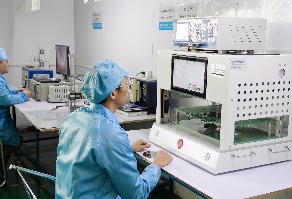
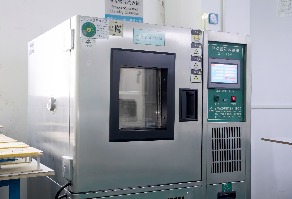
Before packing for European air freight, every unit undergoes continuous circuit continuity checks, loop resistance verification, contact bounce measurement, and insulation resistance testing (>100MΩ at 100V DC). Actuation forces are profiled using digital force-displacement test stations.
Our engineering team reviews technical drawings (Gerber, DXF, DWG, Step, AI) and provides Design for Manufacturability (DFM) feedback matching Italian time zones. Dedicated English-fluent application engineers ensure zero ambiguity regarding dimensional tolerances or connector pinout layouts.
Key operational answers regarding tooling lead times, customs clearance into Italy, technical standards, and material lifecycle testing.
Send us your DXF, DWG, or PDF artwork. Our application engineering team will provide a comprehensive Design for Manufacturability (DFM) review and tooling estimate within 2 business hours.
Get Catalog