 EN
 DE
 FR
 ES
 RU
 JA EN DE FR ES RU JA
Explore our custom-engineered silver ink circuit keypads, graphic overlays, and pressure sensing films manufactured for long-term electrical reliability and precision tactile feedback.
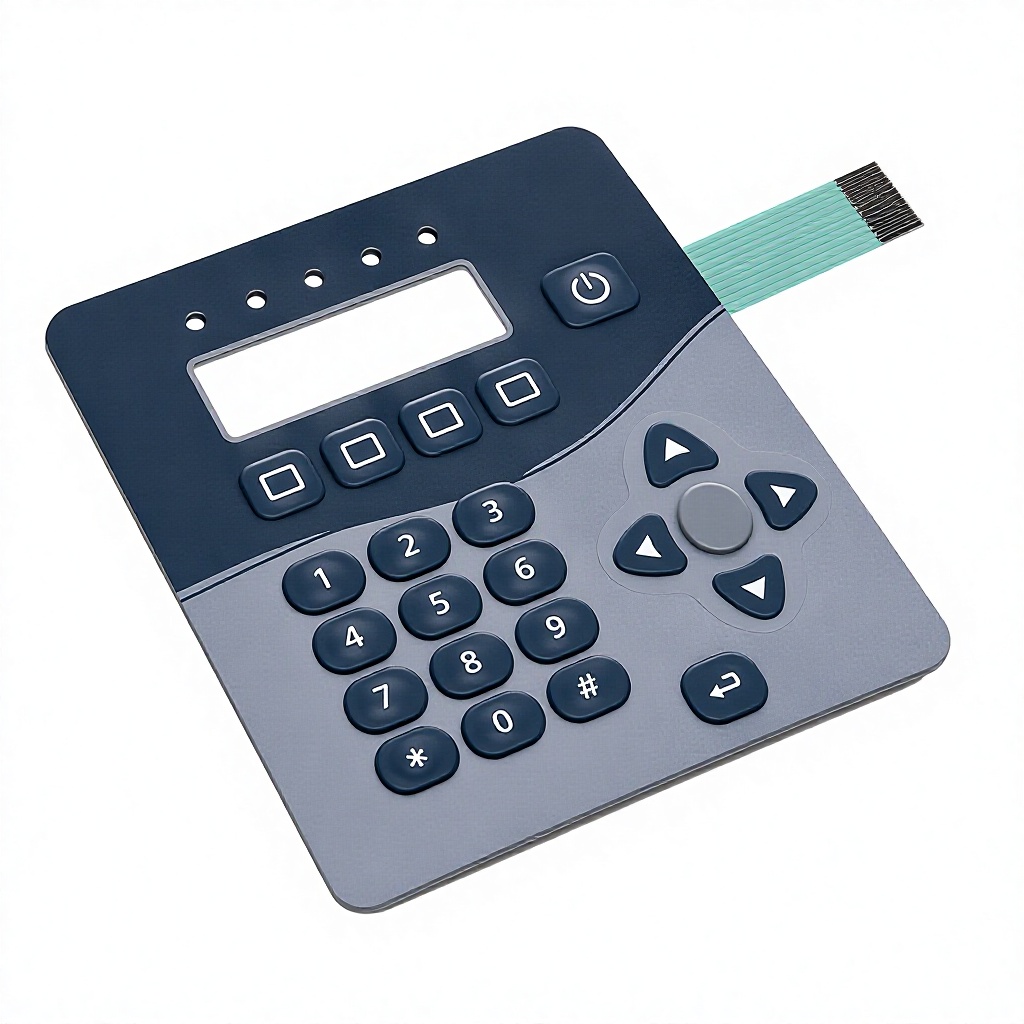
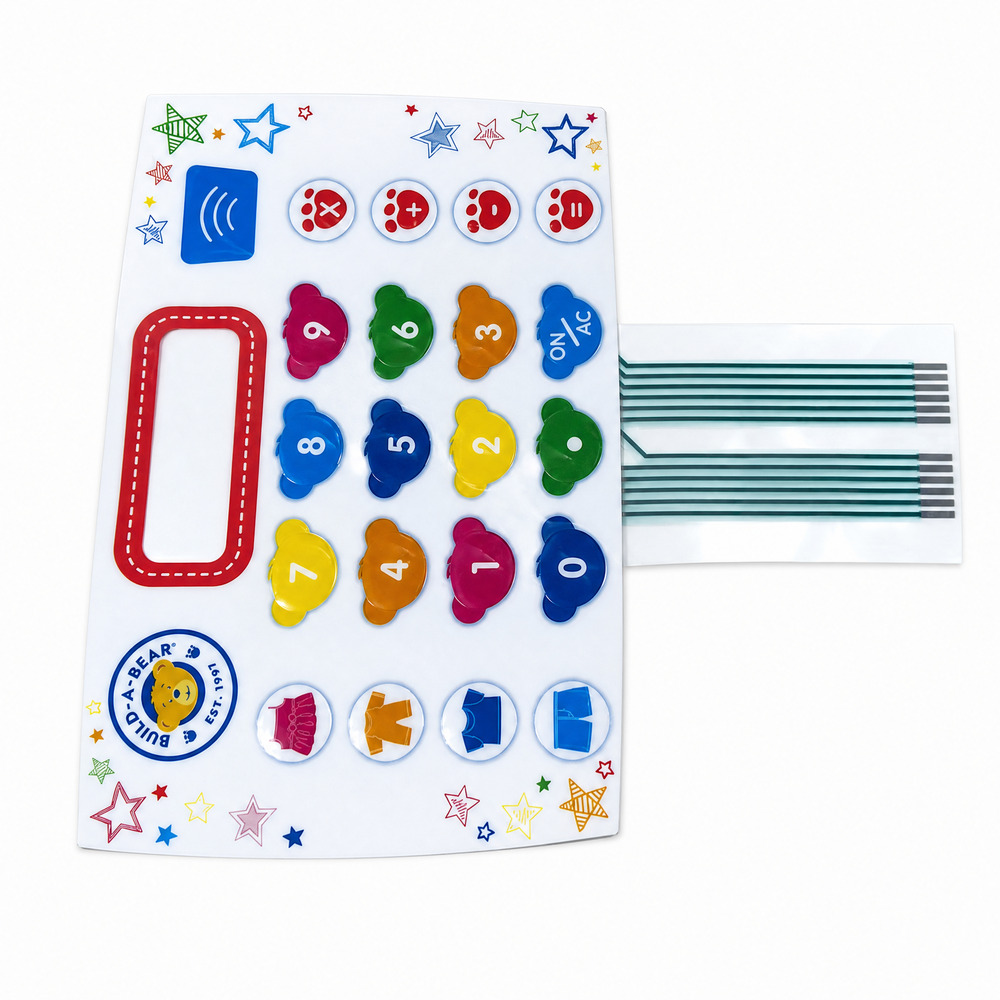
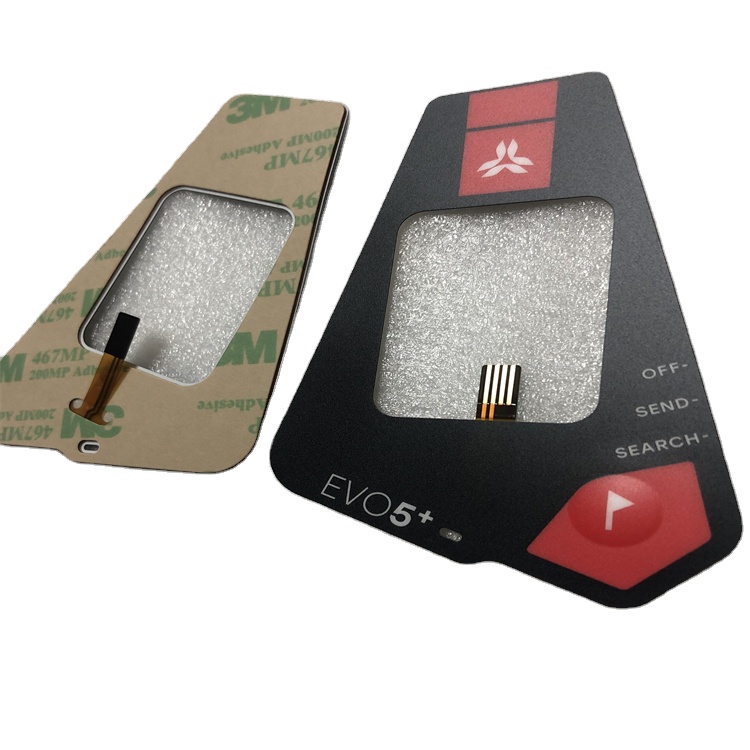
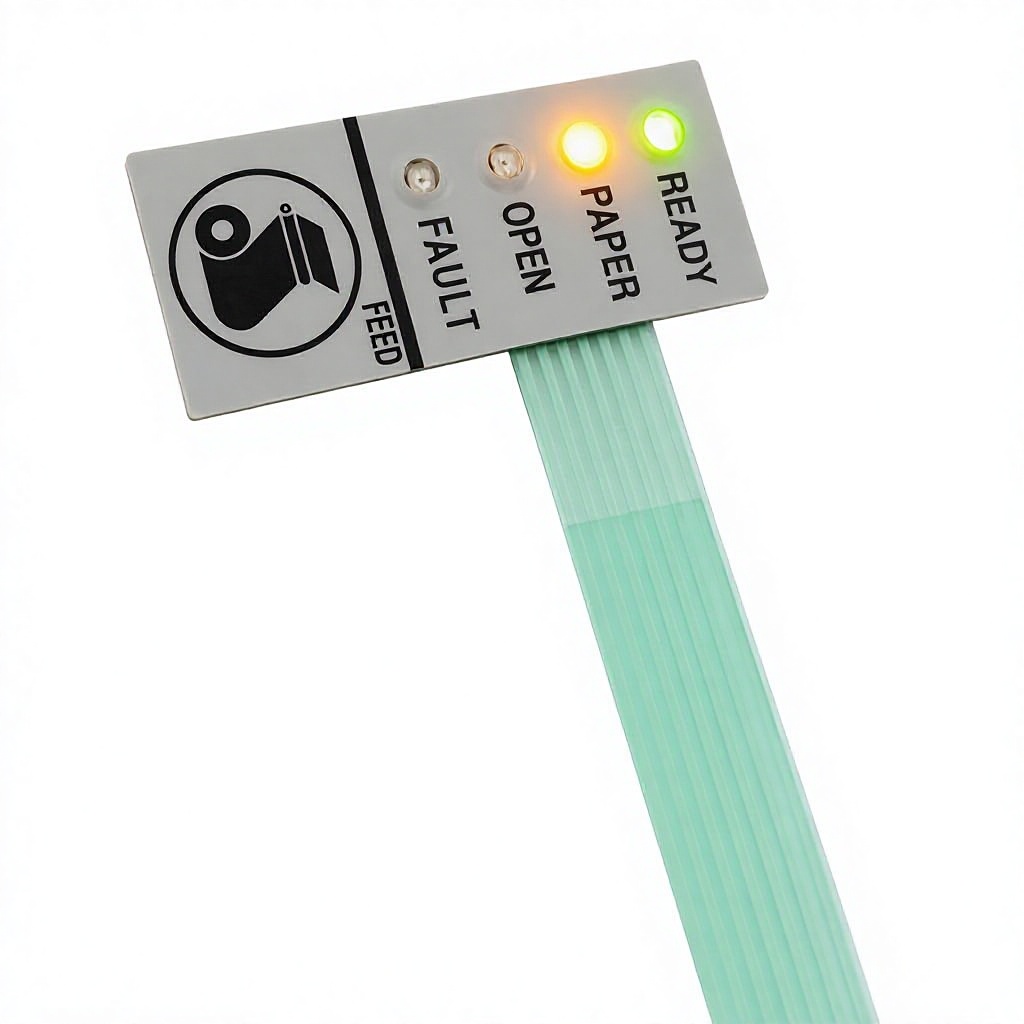
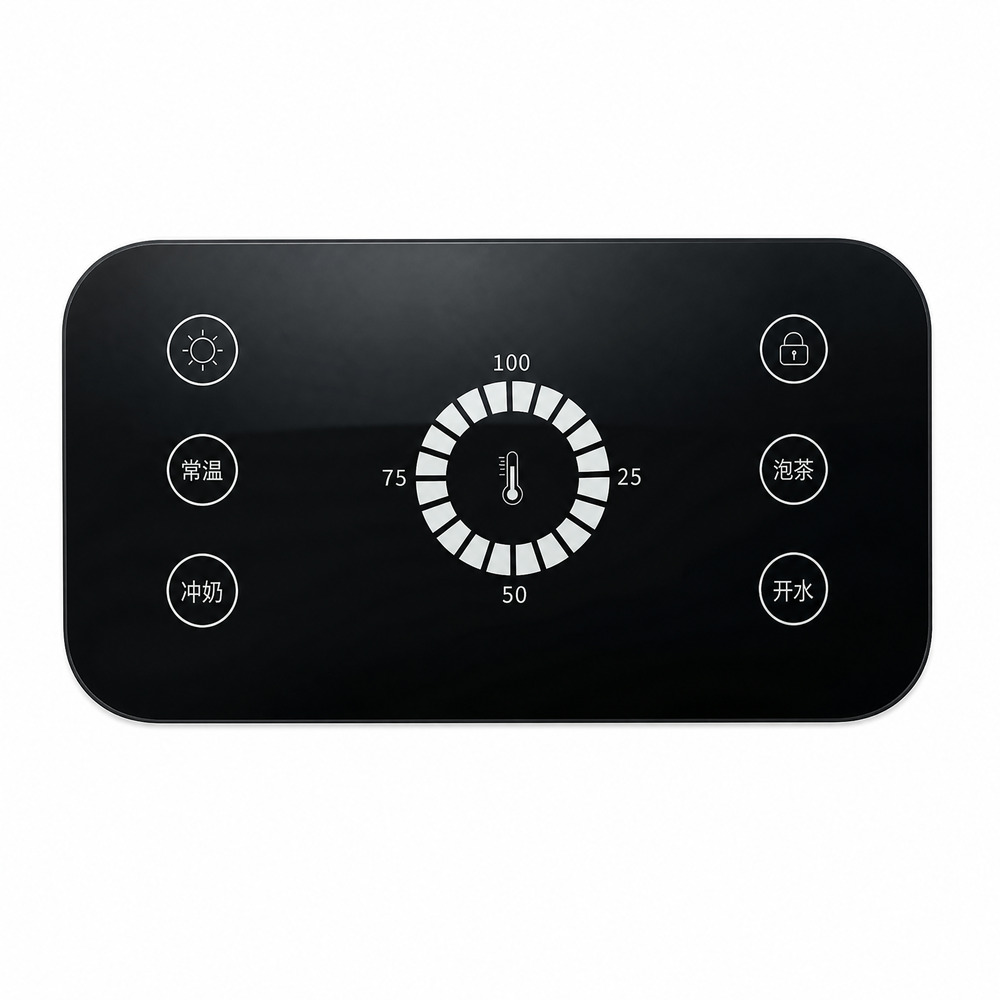
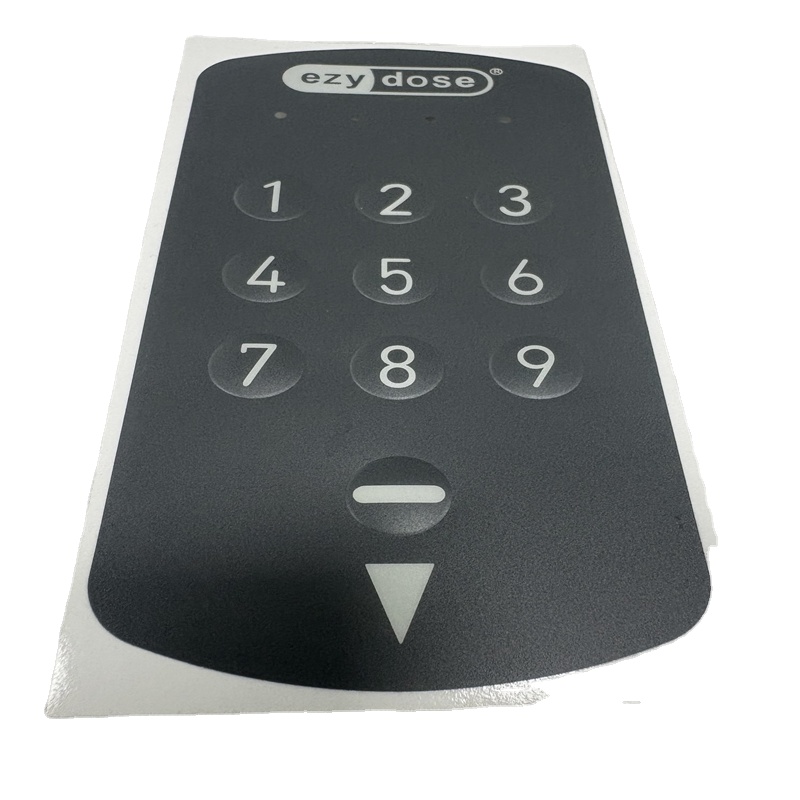
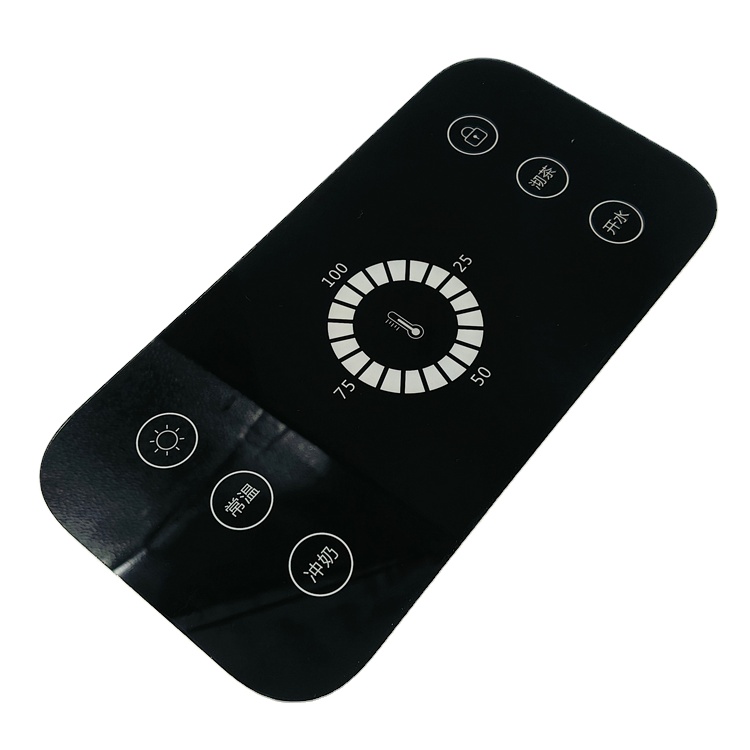
In modern electronic manufacturing, conductive silver ink circuits printed on flexible polyester (PET) or polyimide (PI) substrates serve as the conductive backbone for Human-Machine Interfaces (HMIs), membrane keyboards, force-sensitive resistors (FSRs), and electromagnetic shielding layers. For OEM/ODM procurement managers and hardware design engineers based in Canberra, sourcing silver-ink circuits that guarantee consistent electrical conductivity, mechanical flex resistance, and silver electromigration immunity under variable environmental conditions is critical.
Unlike standard commercial-grade conductive printing, our OEM/ODM circuits utilize nano-scale silver flake formulations cured through multi-zone infrared convection ovens. This achieves an exceptionally low sheet resistance of <0.015 Ω/sq/mil with trace widths down to 0.5 mm micro-pitch. Furthermore, every silver conductive trace is encapsulated with a secondary overprinted carbon paste or UV-curable dielectric barrier to eliminate silver ion migration caused by moisture absorption or high electrostatic gradients.
To assist engineering teams at Australian national laboratories, defense technology clusters, and medical OEMs in evaluating circuit performance, the table below outlines our core technical parameters:
| Performance Parameter | Standard Specification | High-Precision Defense / Medical Grade | Testing Standard / Protocol |
|---|---|---|---|
| Base Substrate Material | Optical PET (0.10mm - 0.18mm) | Heat-stabilized Autotex PET / Kapton Polyimide | ASTM D374 / ISO 534 |
| Sheet Electrical Resistance | < 0.05 Ω/sq/mil | < 0.015 Ω/sq/mil (Ultra-pure conductive silver) | Four-Point Probe Resistance Measurement |
| Insulation Resistance | > 100M Ω at 100V DC | > 500M Ω at 250V DC | IPC-TM-650 Method 2.6.3.1 |
| Trace Width & Separation | Min. Trace: 0.5 mm / Gap: 0.5 mm | Min. Trace: 0.25 mm / Gap: 0.25 mm | Automated Optical Inspection (AOI) |
| Silver Ion Migration Barrier | Topical dielectric coat | 100% Carbon-Cap Encapsulation Overprint | 85°C / 85% RH Biased Moisture Test (1,000 hrs) |
| Flex Fatigue Resistance | > 100,000 double-flex cycles | > 1,000,000 cycles (180° bend at 20mm radius) | ASTM F1683 Flex Endurance Test |
| Cross-Cut Adhesion Strength | ISO Class 1 (Cross-hatch test) | ISO Class 0 (0% silver flake detachment) | ISO 2409 / ASTM D3359 Tape Test |
Canberra stands at the nexus of Australia's defense research, federal government IT infrastructure, environmental technology, and scientific innovation. Our conductive silver ink circuit solutions are engineered to fit the rigorous operational standards required across ACT’s core industrial precincts.
For tactical communications hardware, ruggedized field controllers, and encrypted access keypads developed near Canberra’s defense technology centers. Our silver ink circuits feature carbon-capped protection and ESD shielding layers (printed aluminum/copper or carbon paste) to withstand harsh atmospheric conditions and intense electromagnetic interference.
Medical-grade diagnostic monitors, laboratory automation units, and analytical equipment created in partnership with research bodies like the Australian National University (ANU). We manufacture ultra-clean membrane switch panels featuring fluid-sealed perimeter gaskets (IP67 standard) and chemical-resistant matte polycarbonate graphic overlays compatible with hospital-grade disinfectants.
High-sensitivity thin-film pressure sensor arrays and capacitive touch circuits used in autonomous weather monitoring stations, water quality instruments, and agricultural monitoring stations across the Capital Territory. Designed for low power draw and wide operational temperature swings (-20°C to +75°C).
The electronics ecosystem in the Australian Capital Territory (ACT) is undergoing a significant transformation. Driven by national initiatives toward sovereign defense manufacturing capabilities, clean energy tech, and advanced medical devices, Canberra-based engineering teams are establishing distinct sourcing requirements:
Engineers are increasingly replacing traditional multi-wire harness assemblies with integrated PCB/FPC-backed conductive silver ink circuits. Combining flexible silver traces with direct SMD surface-mount component soldering (LEDs, resistors, tactile domes) drastically reduces device enclosure thickness and eliminates hand-wiring labor during final device assembly in Canberra workshops.
Australia’s stringent environmental regulations require full material transparency. Sourcing conductive ink circuits requires strict verification under RoHS 3 (EU Directive 2015/863), REACH SVHC, and lead-free compliance. Our export products delivered to Canberra include full chemical declaration dossiers and laboratory test certificates.
With many Canberra technology firms specializing in high-complexity, niche-market devices (such as aerospace test beds or government security systems), procurement models demand small-batch flexibilities. Our ability to supply laser-cut prototypes from 1 to 10 pieces within days allows local engineers to iterate DFM revisions quickly before committing to full-scale production tooling.
Established in 2003 in Dongguan, China, Dongguan Ravo Electronics Co., Ltd. has spent over two decades evolving into a premier global OEM/ODM manufacturer of membrane switches, conductive ink circuits, silicone rubber keypads, and thin-film force sensors. Our 12,000 square meter state-of-the-art facility integrates every phase of production under one roof—ensuring direct quality oversight and swift turnarounds for our Australian clients.
Clear answers to common questions regarding customs, compliance, technical drawings, and lead times when importing custom conductive circuits to the Australian Capital Territory.
To provide an accurate quotation and DFM assessment, please provide 2D mechanical vector drawings (in DXF, DWG, AI, or vector PDF format) showing circuit dimensions, trace routing, pinout configurations, tail exit positions, and connector details. For graphic overlays, please specify Pantone or RAL color references along with window locations and texture requirements.
To completely prevent silver ion electromigration caused by ambient moisture or voltage gradients, we overprint all silver trace pathways with a continuous conductive carbon paste capping layer. Additionally, perimeter pressure-sensitive adhesives (such as 3M 467MP or 3M 9448A) form a hermetically sealed barrier around the active circuit area, achieving IP65 to IP67 moisture ingress protection.
Once engineering drawings and artwork proofs are formally approved, prototype samples typically complete manufacturing within 7 to 10 working days. Express air shipping via DHL, FedEx, or UPS directly to Canberra addresses (Fyshwick, Mitchell, Symonston, or Belconnen) takes an additional 4 to 6 transit days.
Yes. All raw materials—including polyester substrates, conductive inks, spacers, and 3M mounting adhesives—comply fully with RoHS 3 and REACH regulations. Because our conductive circuits operate as passive sub-assemblies, they assist finished host devices in meeting Australian Regulatory Compliance Mark (RCM) and EMC directive requirements seamlessly.
We supply standard 2.54 mm pitch or 1.0 mm pitch flexible tail connections with crimped female housing connectors (e.g., Nicomatic or FCI), male solder tabs, or bare silver traces configured for zero-insertion-force (ZIF) socket connectors. For rigid backing requirements, we can laminate silver circuits directly onto FR-4 PCB stiffeners.
Upload your design specifications, CAD drawings, or project brief today. Our engineering team will review your requirements and provide a comprehensive DFM assessment and quotation within 2 hours.
Inquire Now