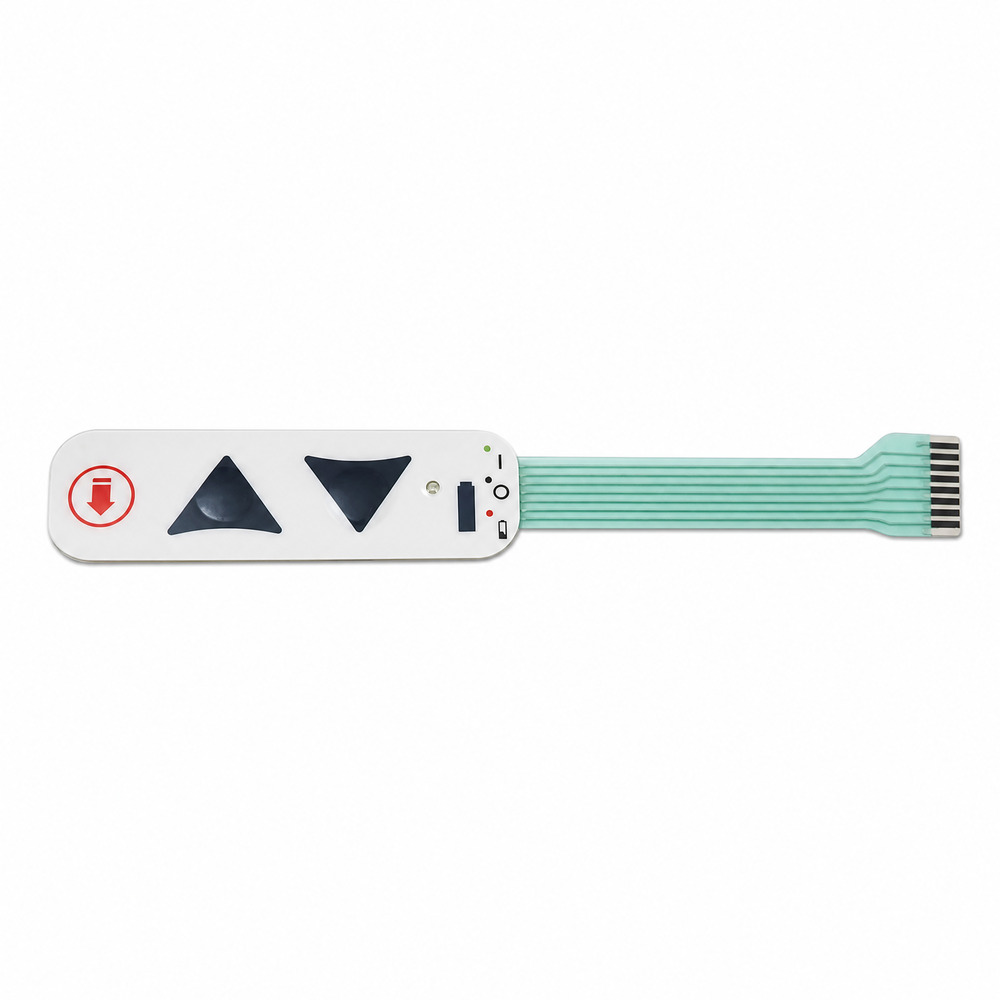
Custom Industrial Waterproof Membrane Switch for Control Panels
IP67 perimeter sealing, Autotex PET polyester overlay, harsh chemical resistance, and tactile metal dome tactile response.
 EN
 DE
 FR
 ES
 RU
 JA
Manufactured under strict ISO 9001 protocols with full customization across layer stacks, tactile actuation forces, connector terminations, and harsh-environment IP ratings.
IP67 perimeter sealing, Autotex PET polyester overlay, harsh chemical resistance, and tactile metal dome tactile response.
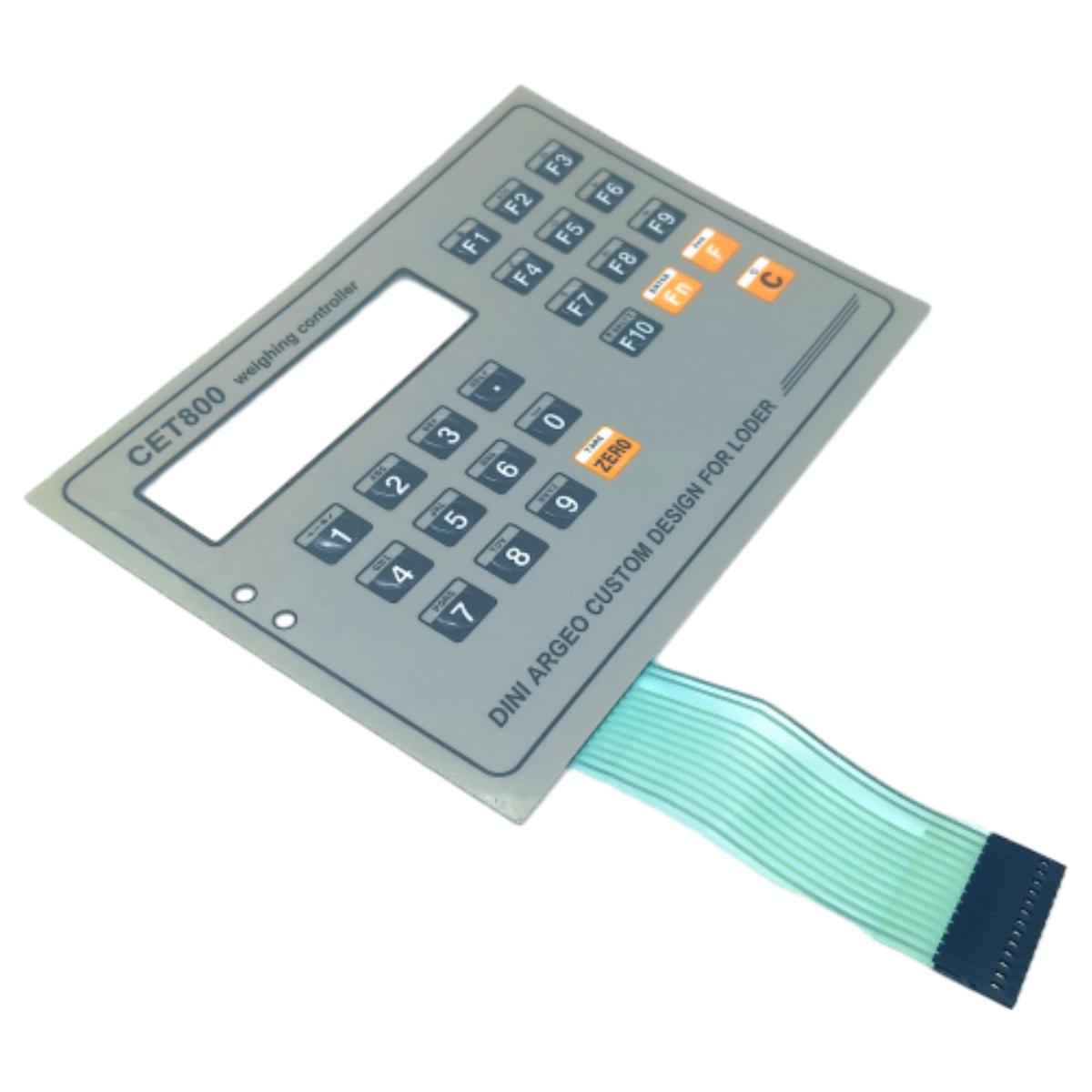
Rapid prototyping from 1 piece, combined silicone rubber tactile keys with precision silver-paste printed circuitry.
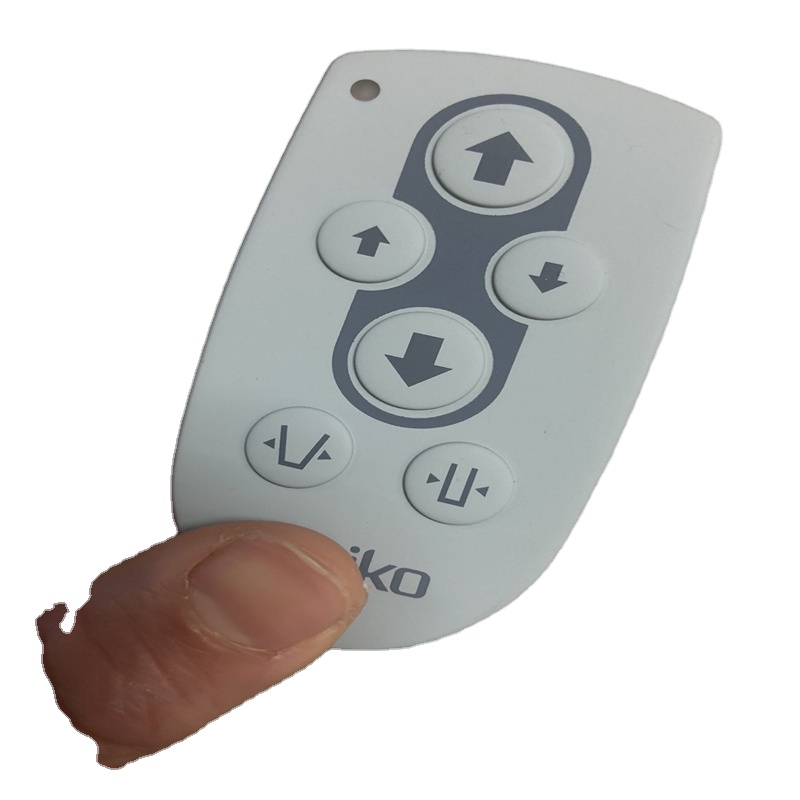
Integrated SMT LEDs, light guide film (LGF) illumination, and gold-plated dome matrix for surgical and diagnostic systems.
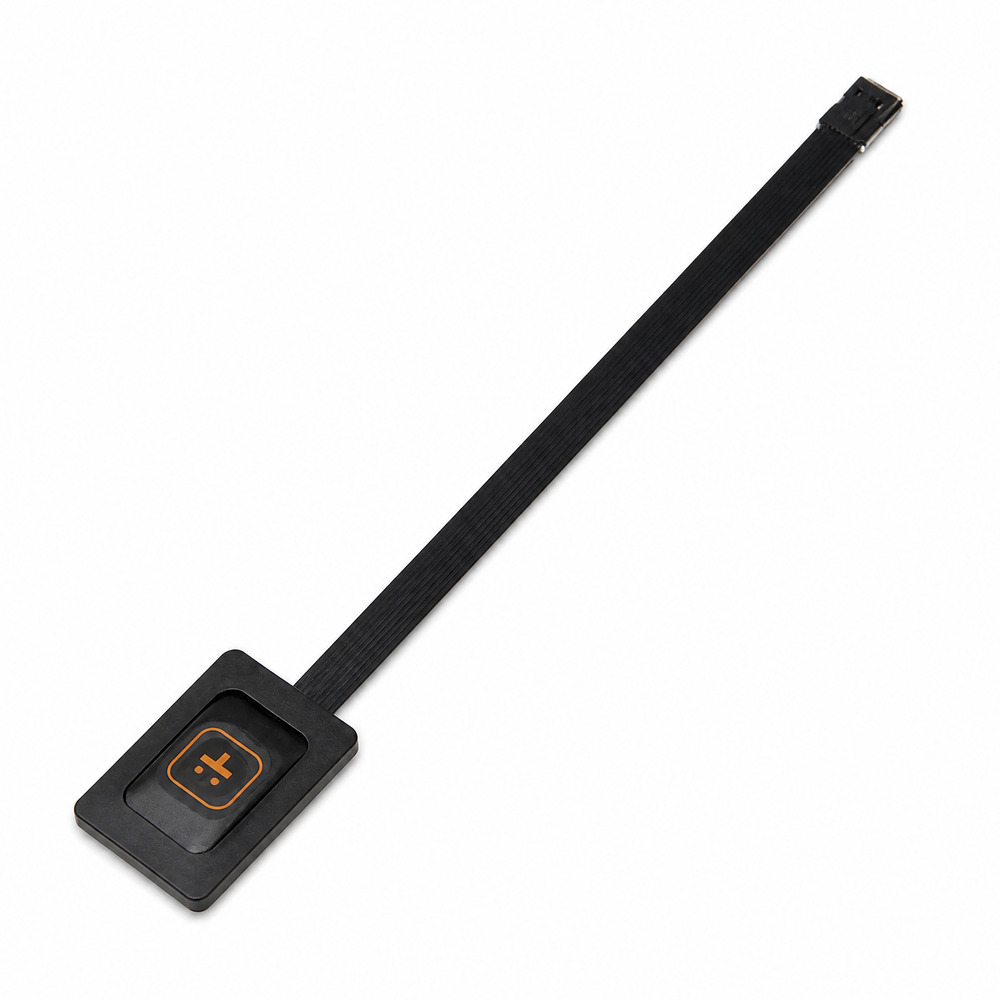
High actuation durability engineered for industrial pendants, packaging robotics, and CNC jog pendants in machining plants.
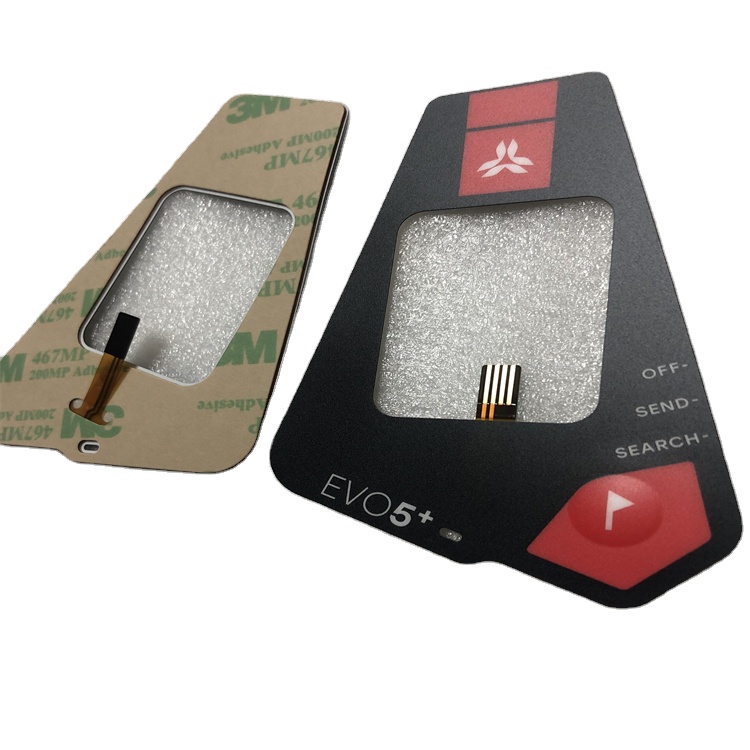
Polyimide flexible printed circuit (FPC) tail, rim-embossed tactile perimeter, and moisture-resistant design for remote controls.
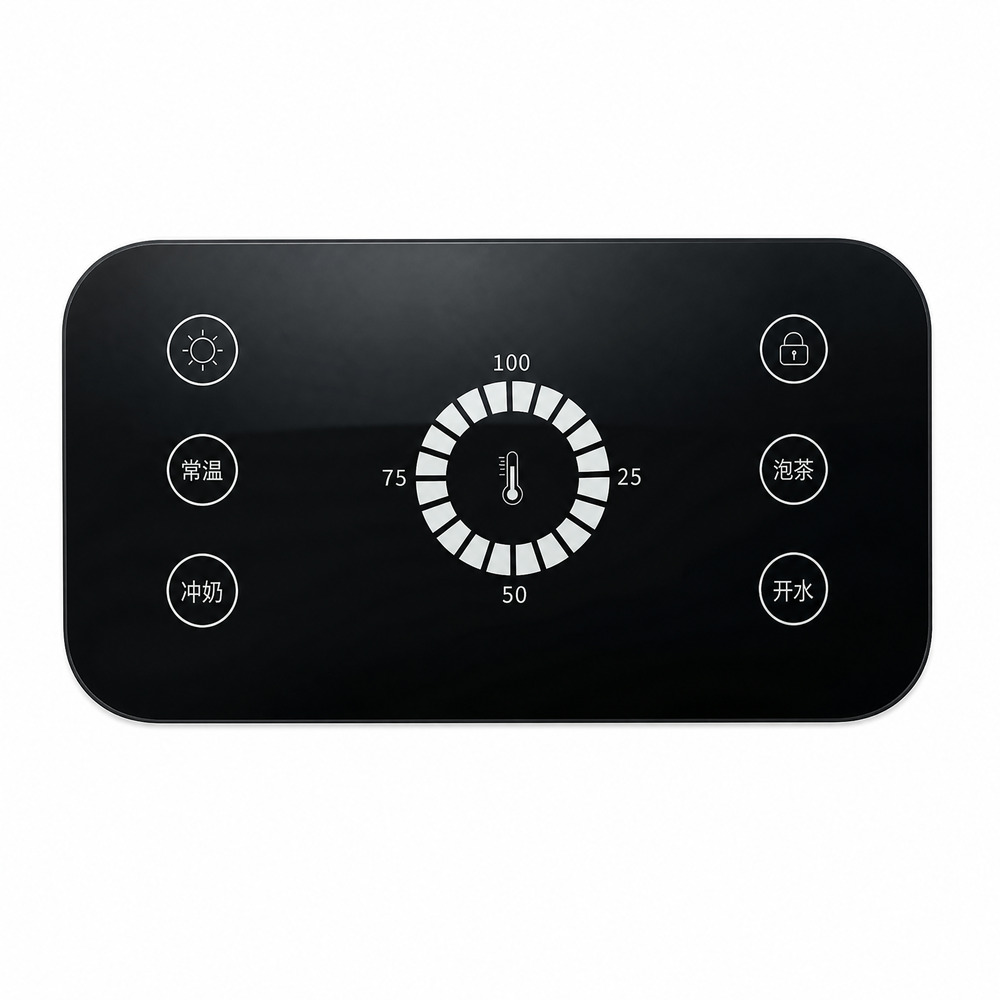
Anti-glare PMMA/PC filter window, food-grade front surface cleanability, and UV-resistant graphic overlay printing.
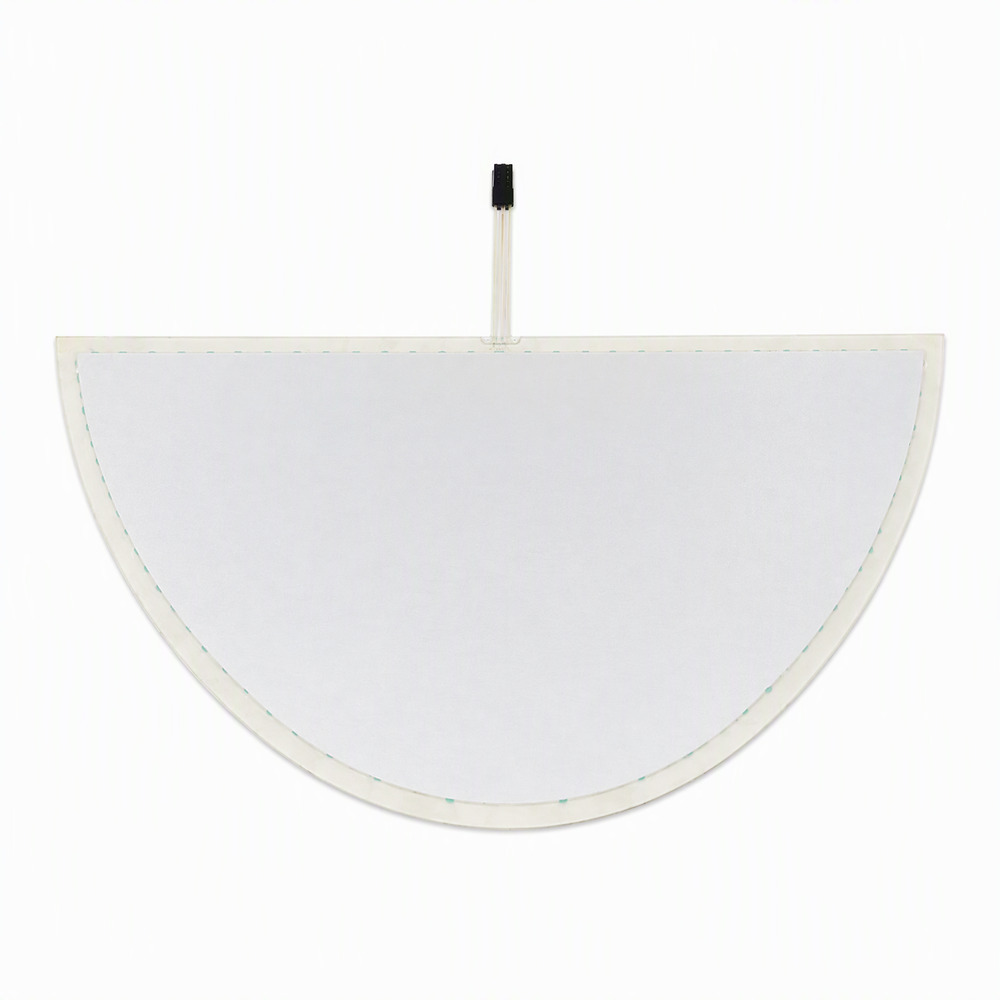
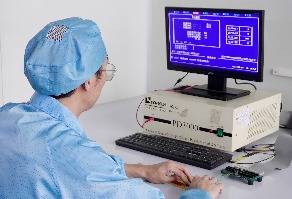
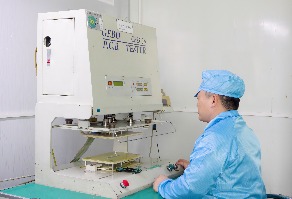
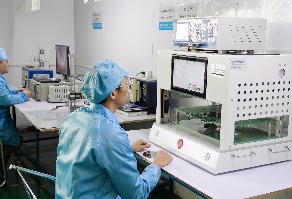
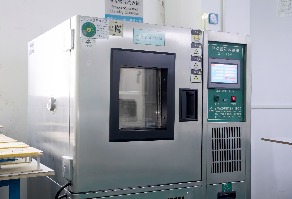
Fully integrated fabrication including in-house laser cutting, screen tooling, circuit printing, dome placement, and automated testing.
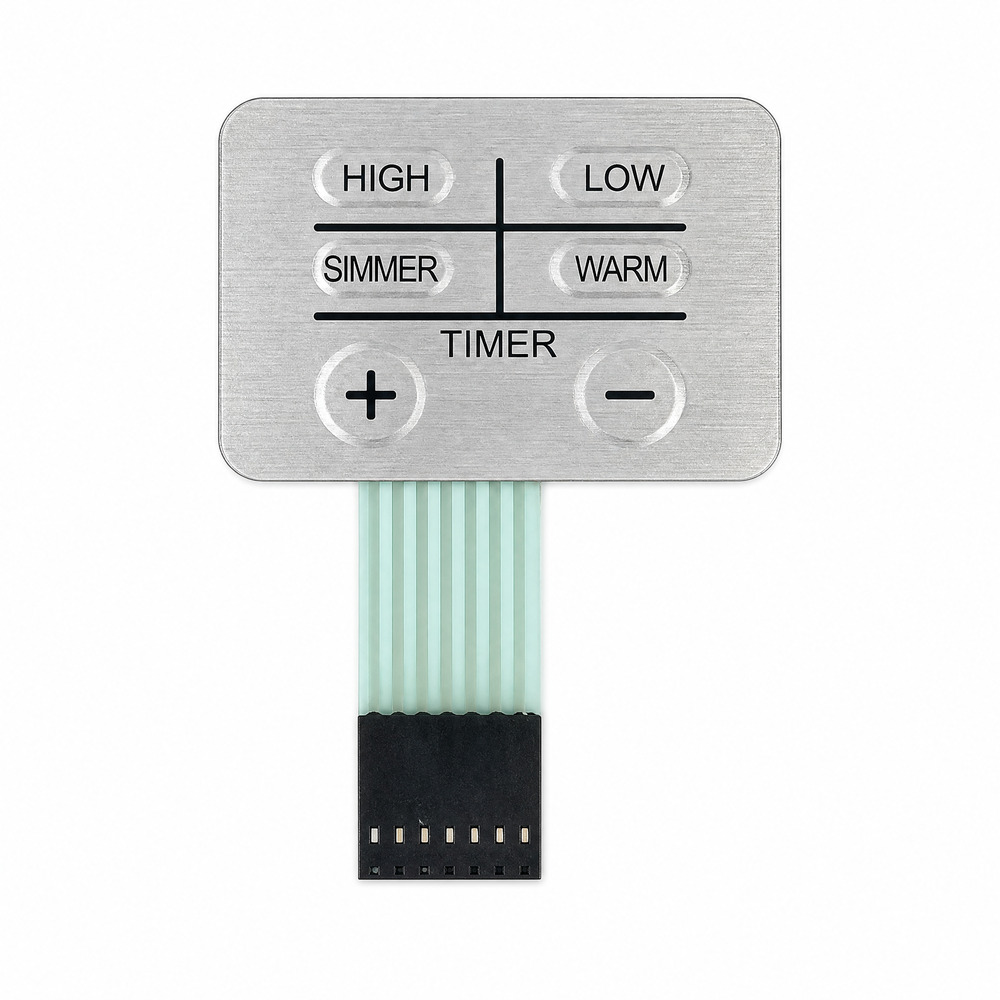
Engineered with high-Tg adhesives, thermally stabilized PET circuits, and dead-front graphic printing for commercial catering systems.
A deep architectural evaluation of circuit topologies, contact resistance dynamics, environmental barrier physics, and material science for mission-critical interfaces.
In contemporary electro-mechanical design, the matrix membrane switch remains one of the most mechanically elegant, durable, and space-efficient interface solutions available to instrumentation engineers. Unlike discrete mechanical push-buttons that require complex assembly, through-hole soldering, and individual O-ring seals, a matrix membrane switch merges graphic communication, tactile tactile actuation, electrical switching, and ingress containment into a cohesive multi-layer laminate often measuring less than 1.5 mm in total thickness.
At the center of this technology is the X-Y coordinate matrix circuit. By routing switch contacts across intersecting rows and columns rather than dedicated individual conductor lines, the interface footprint is dramatically minimized. For instance, an interface containing 16 discrete switches wired traditionally would necessitate 17 distinct conductors (16 signal traces plus a common ground). In a 4x4 matrix topology, the pin count drops to just 8 traces (4 rows × 4 columns). This reduction not only slashes connector hardware costs and simplifies tail trace routing, but it also improves long-term reliability by eliminating dense mechanical trace congestion along the critical flex tail hinge zone.
Achieving electrical reliability in demanding applications requires stringent control over silver migration and contact trace resistance. Silver paste printed circuits, if exposed to moisture in the presence of an electric potential gradient, are prone to dendritic silver growth, which can cause micro-shorts between adjacent traces. At Dongguan Ravo Electronics Co., Ltd., we neutralize this risk through advanced dielectric encapsulation, applying oven-cured carbon overcoats or photopolymer blue dielectric over-prints that isolate conductive silver traces from environmental exposure. For mission-critical controls, we offer Flexible Printed Circuit (FPC) polyimide copper substrates, providing virtually zero trace impedance, fine-pitch routing down to 0.5 mm, and soldered SMT passive components that remain stable under severe vibration profiles.
We utilize precision stainless steel metal domes (four-leg, circular, and oblong configurations) with trip forces ranging from 180g to 450g. Domes are selectively nickel or gold-plated to guarantee contact resistances below 1 Ω and tactile cycle lives exceeding 1,000,000 actuations without loss of snap ratio.
By engineering internal breathing channels that equalize pressure without breaching the external boundary, our panels achieve IP67 immersion integrity. Utilizing customized 3M 467MP, 3M 468MP, or VHB acrylic foam gaskets prevents fluid ingress during high-pressure washdowns and chemical sanitation.
Electromagnetic interference is a critical failure point in heavy industrial environments. We incorporate continuous vapor-deposited aluminum foils, printed conductive silver/carbon grids, or clear ITO films connected directly to earth ground, deflecting electro-static discharge events up to 15kV.
Lombardy stands as Italy's industrial and economic powerhouse. From the automated factories of Brianza to the biomedical hubs of Milan and Monza, local procurement requires strict compliance with European directives and elevated aesthetic standards.
As a seasoned manufacturing partner serving OEMs throughout Milan, Sesto San Giovanni, Cinisello Balsamo, and the broader Lombardy production district, we understand that European mechanical systems prioritize exceptional aesthetic design alongside rugged electrical durability. Italian industrial design demands crisp tactile feedback, flawless color calibration according to Pantone Matching System (PMS) and RAL references, and dead-front graphic treatments where indicator status symbols appear invisible until illuminated from behind.
Moreover, local machinery manufacturers face rigorous CE compliance standards, such as the EU Machinery Directive (2006/42/EC) and Low Voltage Directive (2014/35/EU). A poorly manufactured membrane keypad that permits ingress of cutting fluids or degrades under UV light compromises the safety rating of an entire industrial system. Our engineering team addresses these exact failure modes by supplying pre-validated stack-up constructions designed specifically for Milanese industry requirements.
Milanese machine builders and packaging automation companies require teach pendants and CNC operator consoles that withstand lubricating oils, synthetic coolants, and repetitive gloved operation. We deploy textured Autotex PET overlays with high tensile fatigue strength and rim-embossed tactile dome zones for reliable operation in dusty factory environments.
Operating across clinical hubs in Milan and Pavia, medical diagnostic consoles require seamless, wipe-clean surfaces capable of resisting aggressive chemical sterilizers (including isopropyl alcohol, chlorhexidine, and bleach solutions). Our anti-microbial overlays and hermetically sealed matrix keypads eliminate bacterial traps around physical push buttons.
Milan is universally recognized as the epicenter of commercial espresso machines and professional catering hardware. These environments subject control surfaces to constant steam vapor, boiling water splashes, and thermal variations. We formulate custom high-temperature acrylic adhesive systems paired with PMMA crystal windows that will not delaminate or fog over years of daily service.
How the integration of Industry 4.0, smart sensing surfaces, and sustainable European circularity criteria are advancing modern thin-film membrane interfaces.
The human-machine interface industry is undergoing a profound transformation driven by European smart manufacturing initiatives. In Northern Italy, industrial hardware is migrating from isolated electromechanical switches toward intelligent, networked interface nodes. Membrane switches are no longer viewed simply as passive contact closures; they are now engineered as sophisticated hybrid control centers that blend tactile physical feedback with advanced sensory capabilities.
Industrial designers are pairing seamless capacitive touch zones for slider adjustments with physical metal dome switches for critical safety functions (such as Start/Stop or Emergency Overrides). This hybrid approach preserves the modern aesthetic of flush glass/polymer fascias while retaining vital sensory tactile confirmation for mission-critical machine interactions.
Thin-film Force Sensitive Resistors (FSR) printed with specialized carbon inks are directly integrated beneath membrane button arrays. By measuring continuous operator actuation pressure, industrial equipment can modulate motor speeds or pump flow rates dynamically based on key depression force, streamlining physical control layouts.
Strict European chemical legislation requires full transparency across supply chains. Our manufacturing facility strictly uses lead-free conductive formulations, halogen-free dielectric cross-linkers, and recyclable polyester films that fully comply with EU REACH Annex XVII, SVHC candidate lists, and RoHS Directive 2011/65/EU.
Practical answers addressing logistics, tooling costs, custom specifications, and international trade compliance for purchasing teams sourcing from China into Italy.
Explore the vertically integrated engineering facilities at Dongguan Ravo Electronics Co., Ltd. Over 12,000 square meters of precision printing, lamination, and quality control infrastructure.
Founded in 2003 in Fenggang Town, Dongguan—the epicenter of the global electronics manufacturing supply chain—Dongguan Ravo Electronics Co., Ltd. has developed over two decades into an internationally acknowledged leader in human-machine interface fabrication. Spanning an expansive production footprint exceeding 12,000 square meters and employing over 300 skilled technical personnel, we unite every stage of interface production under one roof.
Unlike trading entities or fragmented assemblers, Ravo controls the complete value stream: from graphic screen printing and class 10,000 cleanroom circuit deposition to precision die-cutting, embossing, SMT component placement, and comprehensive electrical testing. This vertical integration allows us to offer an unprecedented ≤2-hour DFM engineering turnaround to our engineering partners in Milan, ensuring rapid prototyping, exact drawing revisions, and short delivery lead times for global projects.