EN
 DE
 FR
 ES
 RU
 JA EN DE FR ES RU JA
Explore our field-tested switch stack-ups and thin-film sensor assemblies. Built in our ISO 9001 certified plant and engineered to withstand demanding operational duty cycles across healthcare, industrial automation, and extreme commercial environments.
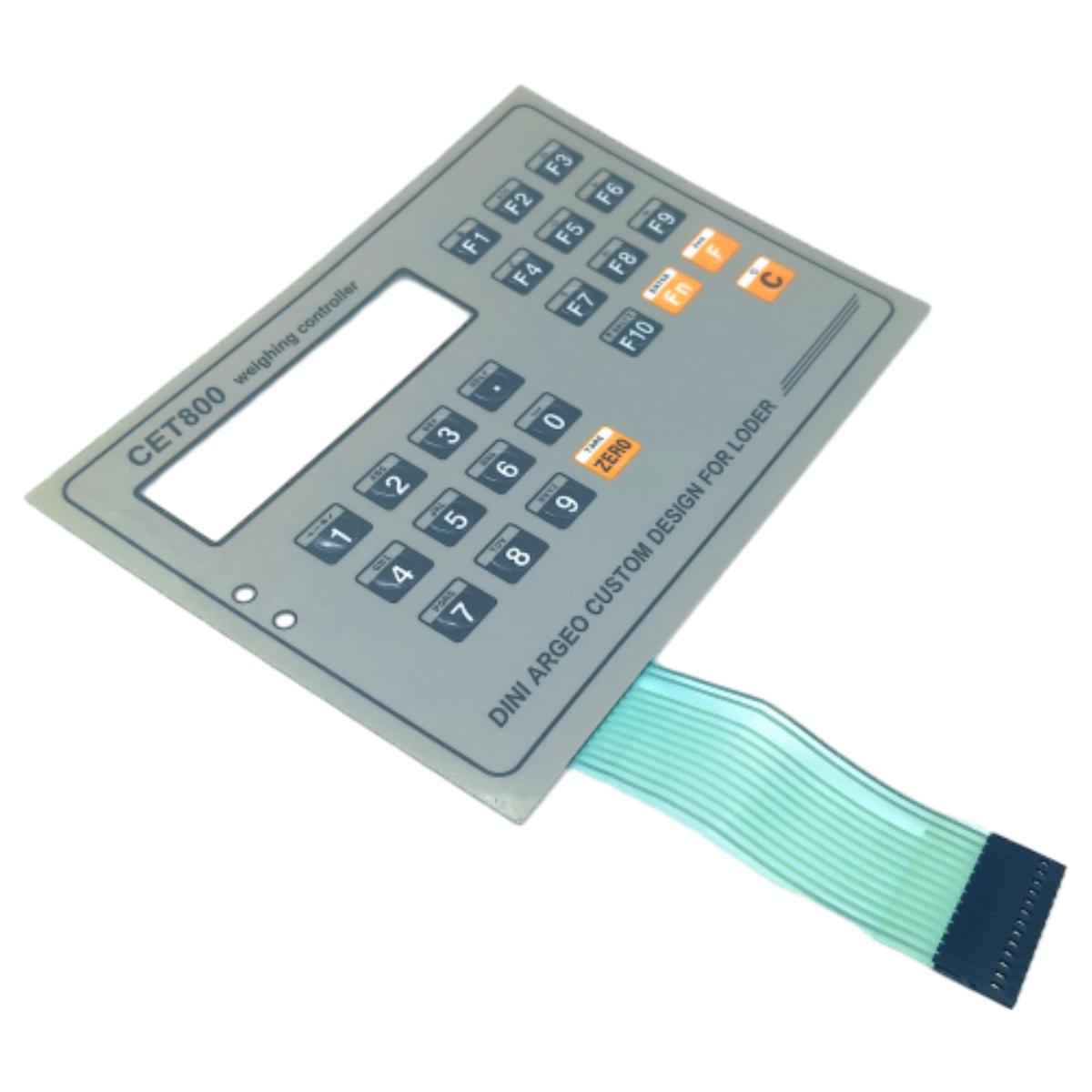
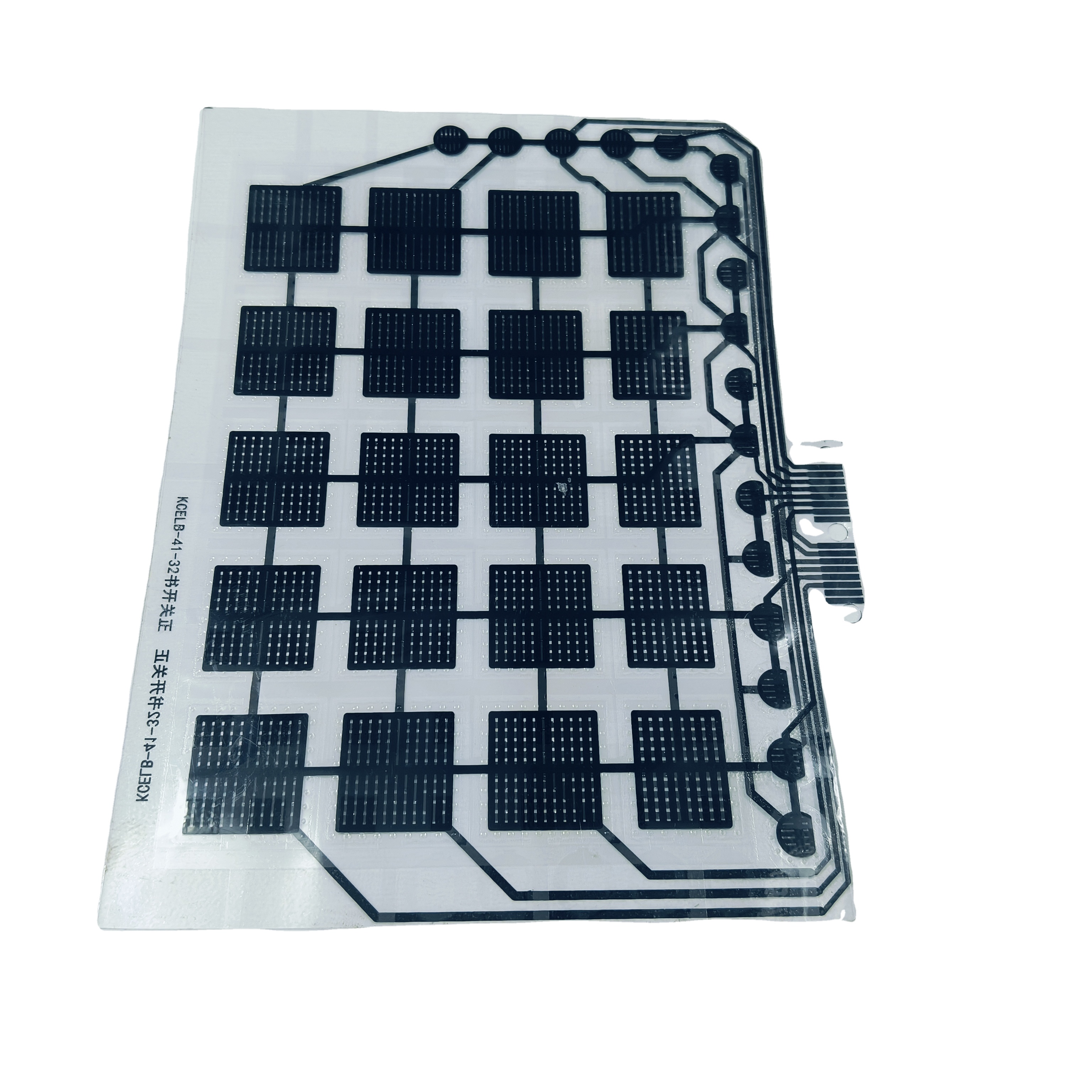
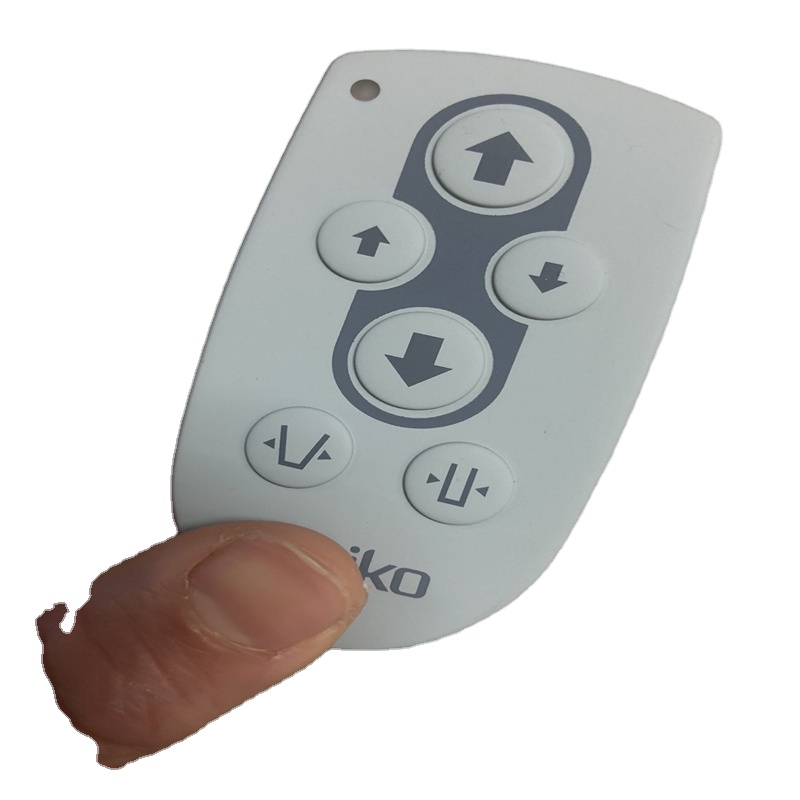
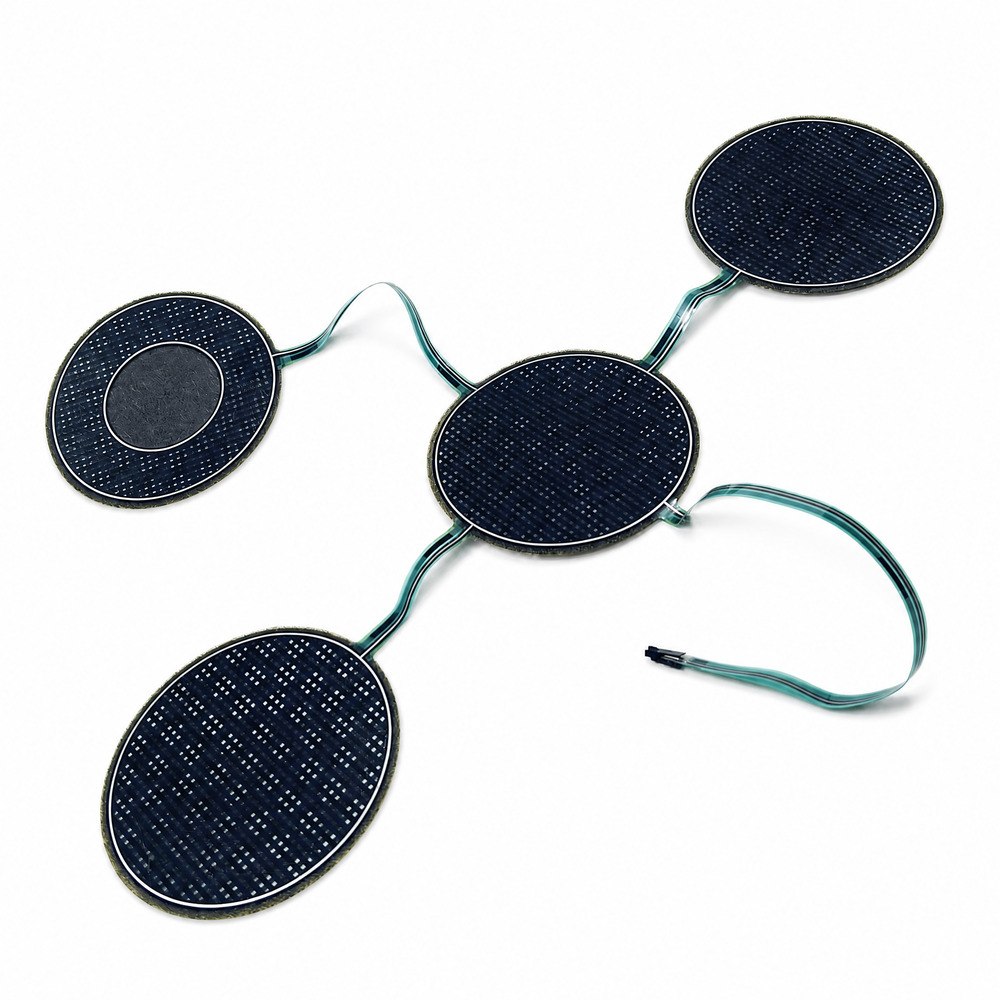
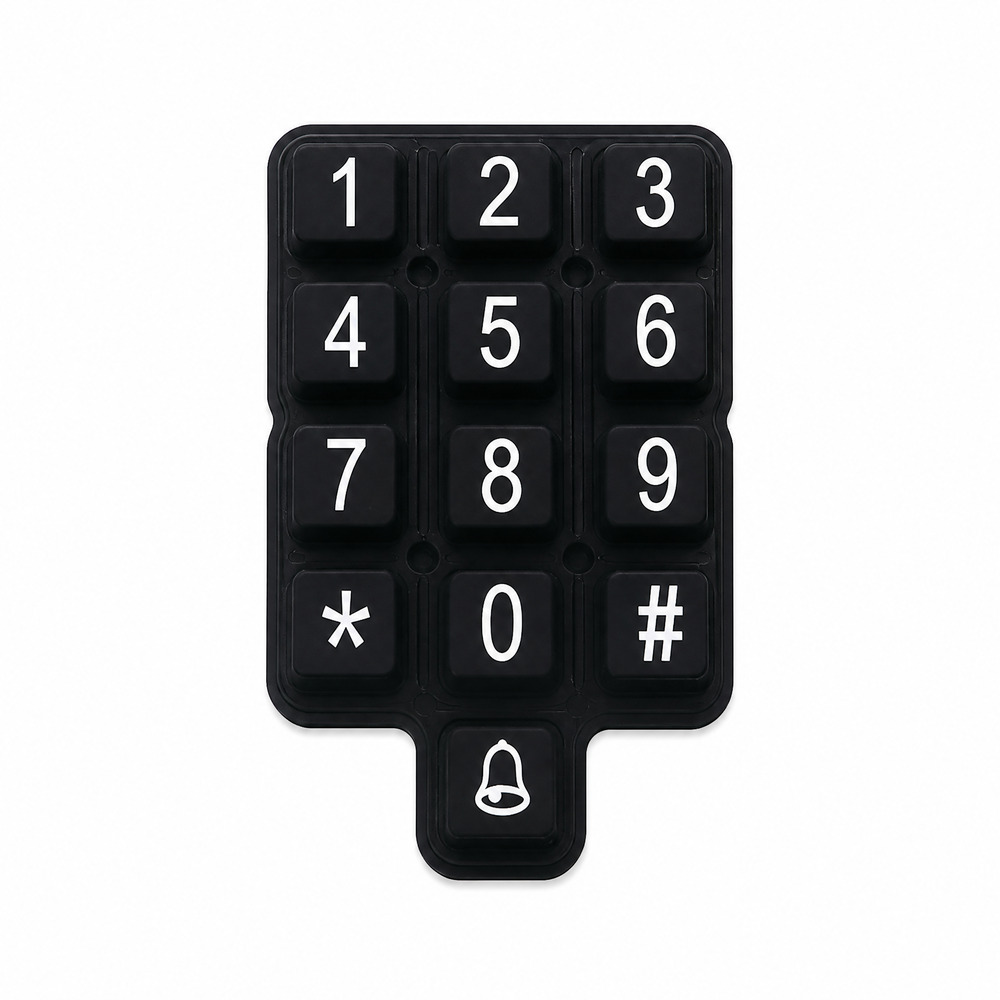
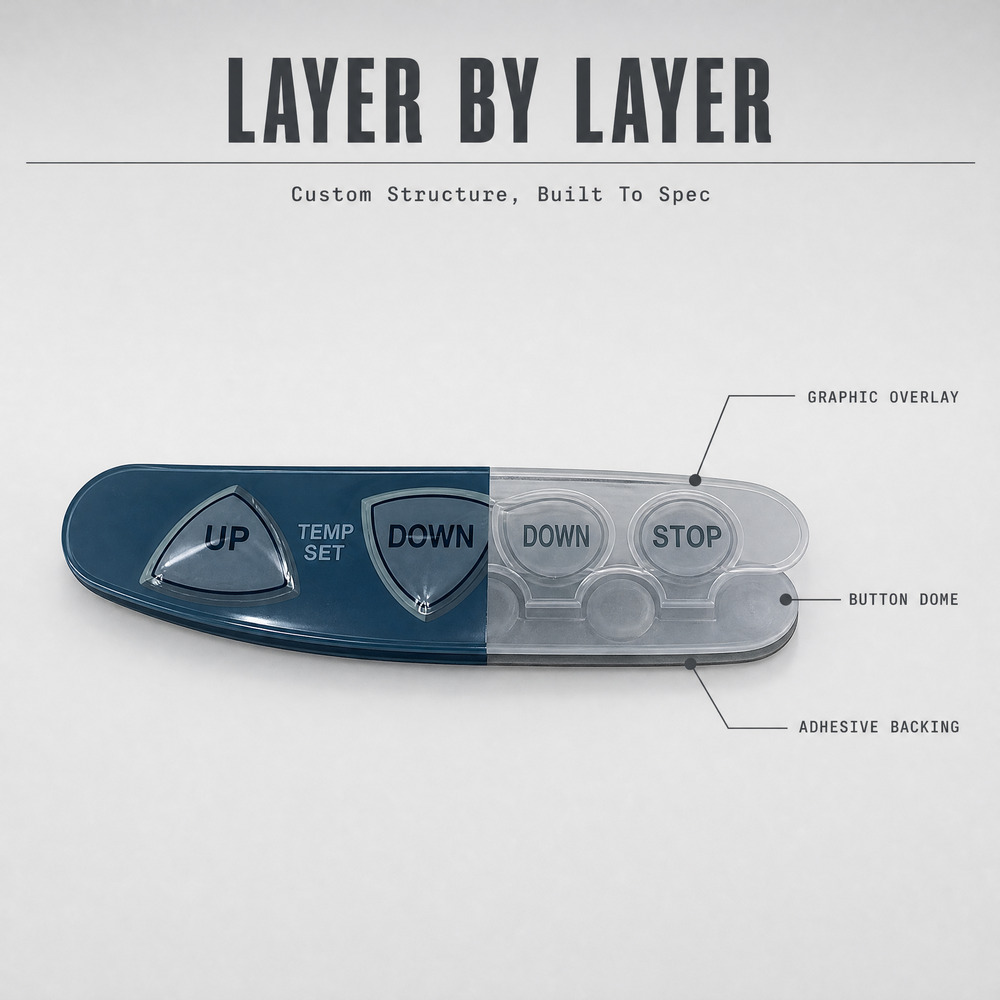
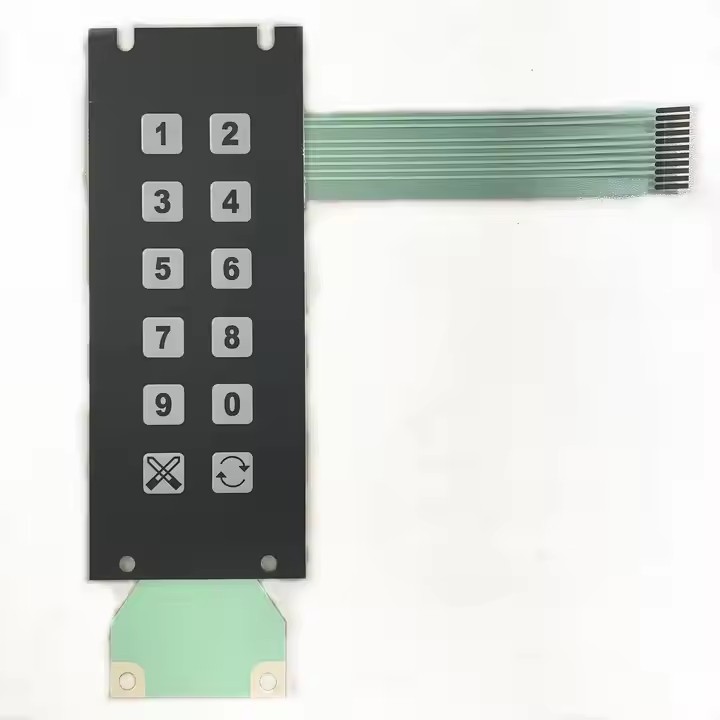
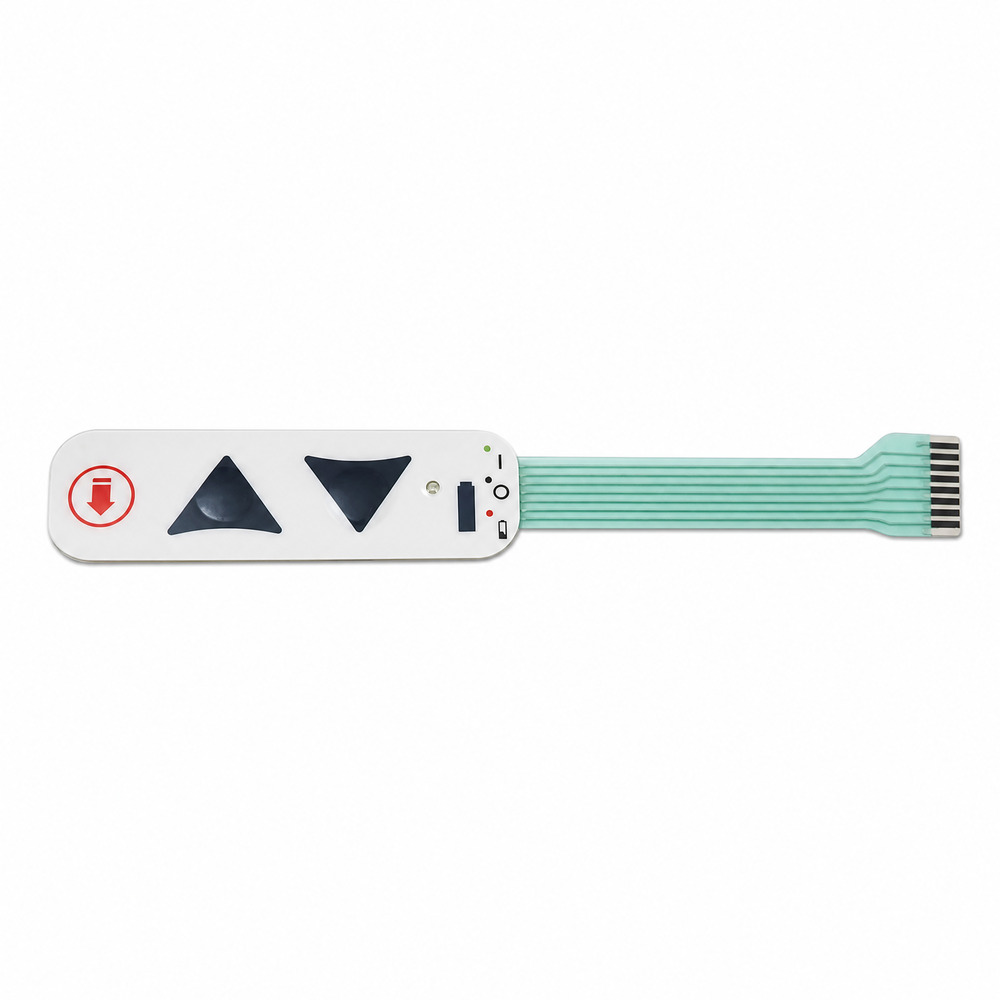
A rigorous examination of optoelectronic layer stack-ups, photometric balance, and environmental sealing protocols for OEMs across southeastern Pennsylvania, southern New Jersey, and northern Delaware.
The industrial landscape of the Greater Philadelphia metropolitan area—spanning from University City and the Philadelphia Navy Yard to the technology corridors of King of Prussia, Fort Washington, and Exton—is undergoing a rapid technological evolution. Known globally as a primary nexus for cell and gene therapy (the "Cellicon Valley"), biopharmaceutical manufacturing, medical device commercialization, and advanced industrial automation, Philadelphia demands Human-Machine Interface (HMI) solutions that transcend simple aesthetic requirements. In these high-stakes operational environments, an illuminated membrane switch is not merely a graphic faceplate; it is an electro-optical control nexus that must ensure flawless operator recognition under sterile cleanroom lighting, high-ambient laboratory illuminance, and dimly lit mobile clinical situations.
Achieving uniform, high-efficiency illumination within a membrane switch assembly requires careful matching of the optical propagation mechanism to the chassis envelope and available electrical power. Dongguan Ravo Electronics engineers integrate three primary illumination topologies depending on the physical spatial constraints of Philadelphia client assemblies:
Light Guide Film (LGF) Topologies: By utilizing micro-embossed optical-grade polycarbonate or PMMA films (typically 0.125mm to 0.250mm thick), light injected from high-efficiency side-firing surface-mount (SMD) LEDs is directed across the switch surface via total internal reflection (TIR). Specialized laser-ablated or dot-matrix micro-prisms disrupt TIR precisely beneath designated graphic legends or key outlines, releasing light upward. This delivers ultra-flat profiles (<1.2mm total switch thickness), exceptional chromatic consistency across multiple switch keys, and significantly lowers component count compared to discrete LED configurations.
Direct SMD Embedded Arrays: For localized status indication, backlighting annular key rings, or dead-front annunciators, discrete LEDs (0603, 0805, or 1206 packages) are bonded directly to silver conductive traces using anisotropic conductive paste or soldered to flexible copper/polyimide (FPC) circuits. Optical diffusion layers and light-blocking spacer cavities are custom-machined to prevent optical cross-talk (light bleed) between adjacent indicators, guaranteeing high-contrast status feedback for critical clinical diagnostic equipment.
Electroluminescent (EL) Lamp Integration: While EL technology provides exceptionally thin, velvet-smooth planar light without hot spots, its AC drive requirement (typically 60–115 VAC at 400–1000 Hz) introduces inverter cost, subtle acoustic emissions, and finite half-life characteristics (3,000–8,000 operational hours). In modern Philadelphia medical instrumentation, Ravo primarily deploys high-efficiency LED-driven LGF systems to maximize maintenance-free service lifetimes beyond 50,000 hours.
In demanding environments such as the Port of Philadelphia logistics infrastructure, heavy industrial cutting equipment, or food/beverage bottling lines along the Delaware River basin, interface failure is commonly catalyzed by environmental exposure: moisture condensation, abrasive particulate ingress, and caustic washdown chemicals. Standard commercial polyester overlays fail prematurely under continuous thermal cycling and chemical attack.
To eliminate these vulnerabilities, our engineering protocol mandates the use of premium biaxially oriented polyethylene terephthalate (PET)—specifically MacDermid Autotype Autotex XE and Autoflex—which provide superior flexural fatigue resistance exceeding 5 million switch actuations without micro-cracking. For applications subject to ultraviolet (UV) exposure or harsh mechanical impacts, selectively textured Sabic Lexan polycarbonate overlays are deployed with UV stabilizers.
Ingress protection is governed by our proprietary perimeter gasket die-cutting methodology. Utilizing high-cohesion, solvent-resistant acrylic adhesives from the 3M 467MP, 468MP, and 300LSE series, our multi-layer laminate creates a continuous, hermetic perimeter seal. Furthermore, the circuit tail exit—historically the most vulnerable ingress vector in membrane switches—is engineered with custom silicone molded potting blocks or closed-cell continuous barrier gaskets, achieving certified IP67 and NEMA 4X performance capable of enduring direct liquid submersion and high-pressure spray cleaning.
| Illumination Architecture | Stack Thickness | Luminance Uniformity | Power Consumption | Operating Life | Best Suited Application |
|---|---|---|---|---|---|
| Side-LED + Light Guide Film (LGF) | 0.8mm – 1.4mm | >88% Surface Flatness | Low (20mA–60mA @ 3.3V) | >50,000 Hours | Medical Instruments & Biopharma Panels |
| Direct SMD Discrete LED Backlighting | 1.5mm – 2.5mm | Localized / Point Accent | Medium (15mA–20mA per point) | >50,000 Hours | Industrial Machine Panels & Status Arrays |
| Electroluminescent (EL) Foil | 0.5mm – 0.8mm | >95% Ultra-Uniform | High (Requires AC Inverter) | 3,000 – 8,000 Hours | Aviation Night Vision & Low-Duty Mil-Spec |
| Woven Optical Fiber Matrix | 1.2mm – 2.0mm | >85% High Intensity | Low-Medium (Remote Source) | >30,000 Hours | Hazardous / Intrinsically Safe Class I Div 1 |
From University City incubation laboratories to deep-water marine operations along the Delaware River, our custom illuminated membrane switches deliver mission-critical interface reliability.
Philadelphia's biopharma hubs require sterile, glove-actuated cleanroom controllers. Our illuminated switches incorporate antimicrobial polyester overlays, flush capacitive surfaces, and dead-front illumination to prevent cross-contamination while providing unmistakable operational status.
Handheld and cart-based medical instruments deployed across local hospital systems require non-glare, dimmable LED backlighting. Our tactile metal-dome assemblies provide precise mechanical snap feedback, enabling clinical staff to adjust settings without looking away from patients.
Operating in salt-spray, high-humidity, and wide temperature swings along the Delaware River docks, our industrial keypad assemblies feature 3M 300LSE bonding, solid aluminum shielding plates, and UV-inhibited Lexan to prevent yellowing and internal corrosion.
Serving defense contractors throughout Bucks, Montgomery, and Chester counties, our illuminated panels comply with strict MIL-STD requirements for electromagnetic compatibility (EMC), incorporating integrated ITO or copper mesh shielding against EMI/RFI intrusion.
Transportation and rail transit control infrastructure require high-cycle durability. Our tactile metal-dome switches are rated for ≥1,000,000 mechanical operations, with rugged high-impact silicone overlays that resist extreme vibration and mechanical abuse.
Widely deployed in commercial refueling and EV charging systems across the PA Turnpike network, our outdoor-rated membrane keypads resist petrochemical solvents, vandalism, and intense thermal cycling (-40°C to +85°C) without loss of adhesion or seal integrity.
Analysis of emerging interface paradigms driven by automation, hygiene regulations, and supply chain resilience within the Mid-Atlantic corridor.
Philadelphia OEMs are aggressively phasing out mechanical push-buttons in favor of sealed, low-profile membrane keypads. Mechanical pushbuttons harbor particulate contaminants, permit liquid ingress through panel cutouts, and present high assembly labor costs. Thin-film illuminated switches deliver a completely sealed front surface, reducing enclosure depth by up to 80% while enabling seamless sanitation in accordance with strict FDA cleanroom protocols.
Next-generation medical and industrial instrumentation across the Delaware Valley increasingly demands multi-mode operator verification. By marrying capacitive touch sensing or carbon-paste Force Sensitive Resistors (FSR) with illuminated tactile snap domes, devices can detect operator proximity or intent before physical activation, preventing accidental triggers in high-consequence laboratory and medical dosing environments.
With rapid venture capital deployment in Philadelphia biotech incubators, hardware iteration cycles have compressed from quarters to days. OEM development teams can no longer tolerate 8-week tooling delays from domestic broker houses. Direct engagement with our Dongguan engineering facility allows Philadelphia developers to receive comprehensive DFM reviews in under 2 hours, functioning samples in 5–7 days, and frictionless scale-up from 1 piece to volume production.
Combining 20+ years of dedicated membrane switch expertise with state-of-the-art cleanroom production, delivering guaranteed precision to Philadelphia engineering teams.
Founded in 2003 in Fenggang Town, Dongguan, Ravo has grown from an 8-person workshop to an industry-leading interface manufacturer trusted by multinational brands across North America and Europe.
Fully in-house vertically integrated manufacturing: automated screen-printing lines, Class 1,000 clean assembly suites, precision laser die-cutting, silicone compression molding, and environmental testing labs under one roof.
Our dedicated engineering department reviews your DXF, DWG, Step, or AI files and returns rigorous Design for Manufacturability (DFM) feedback, circuit optimization, and layer stack recommendations within 2 hours.
100% automated electrical continuity testing, contact resistance logging, isolation testing, Spectroradiometer optical lux measurement, and continuous actuation life sampling prior to anti-static export packaging.
Clear, definitive answers to technical, regulatory, and logistics questions concerning membrane switch development and importation into the Mid-Atlantic United States.
Upload your drawings and interface specifications. Our Dongguan engineering team will deliver a comprehensive DFM review, optical stack optimization, and a factory-direct quotation within 2 business hours.