EN
 DE
 FR
 ES
 RU
 JA EN DE FR ES RU JA
Explore our tailored tactile controls, flexible printed circuits, and thin-film force sensors.
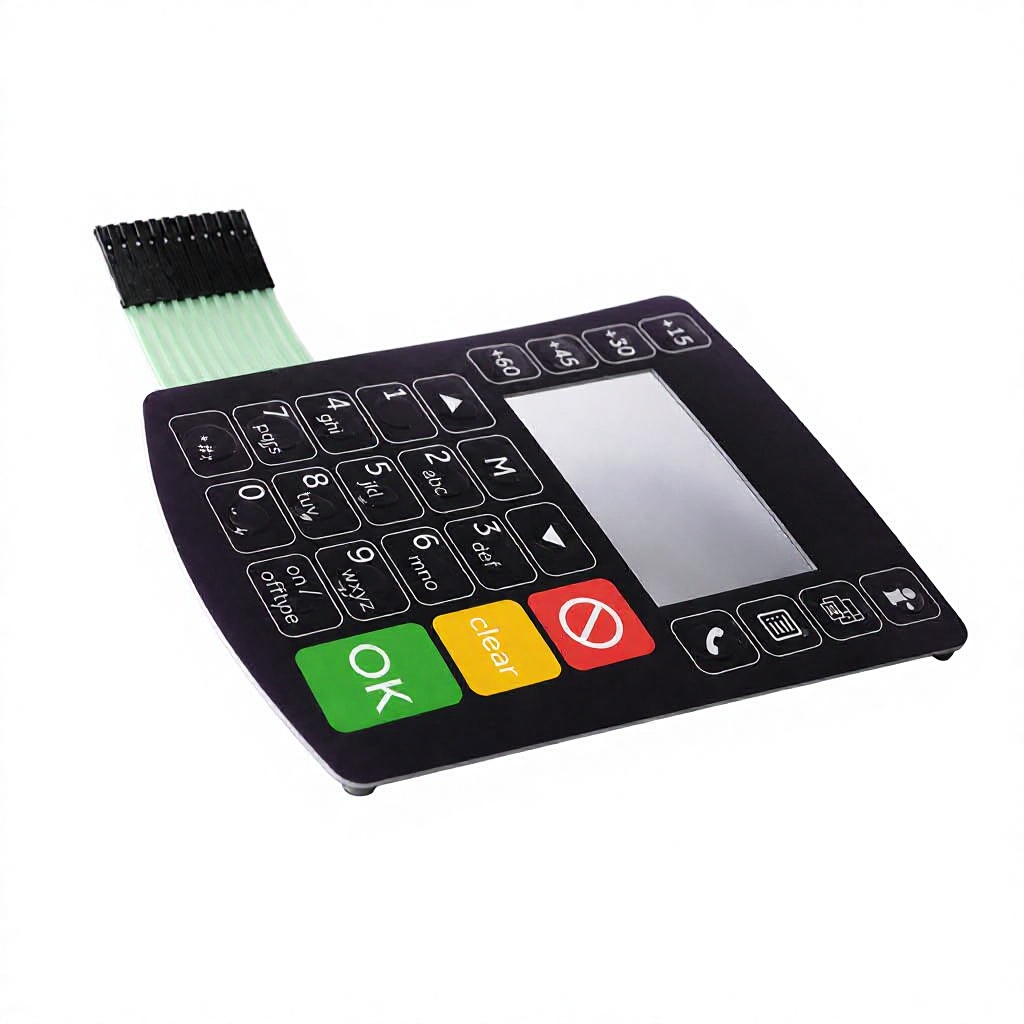
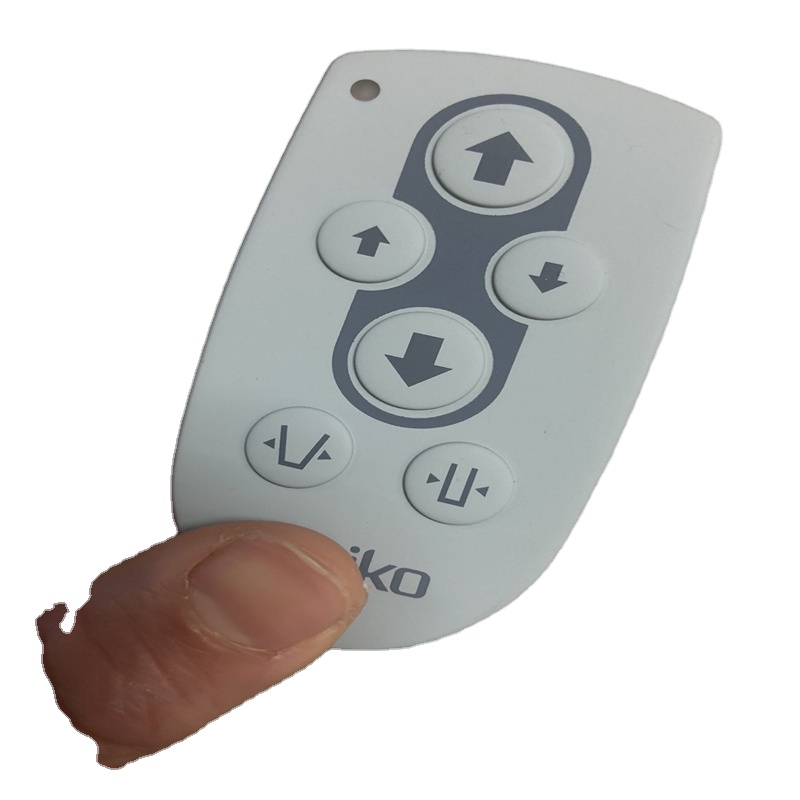
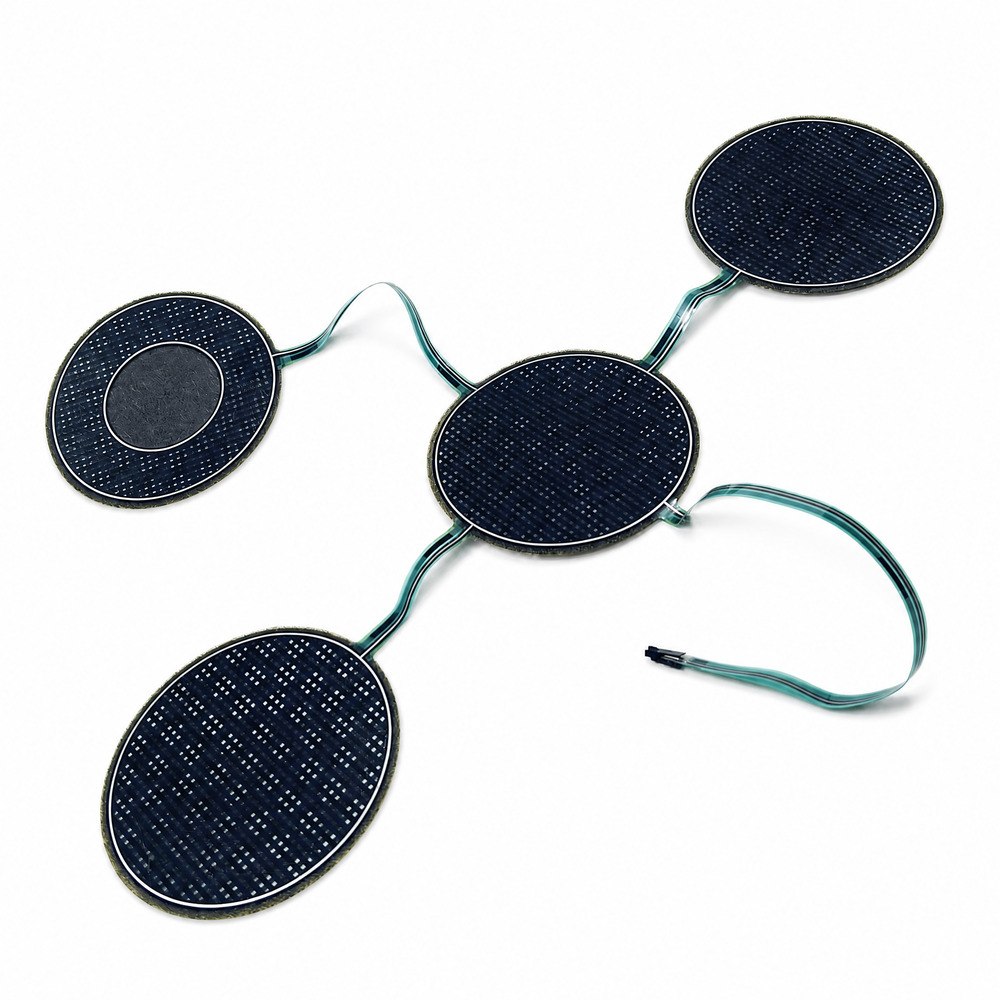
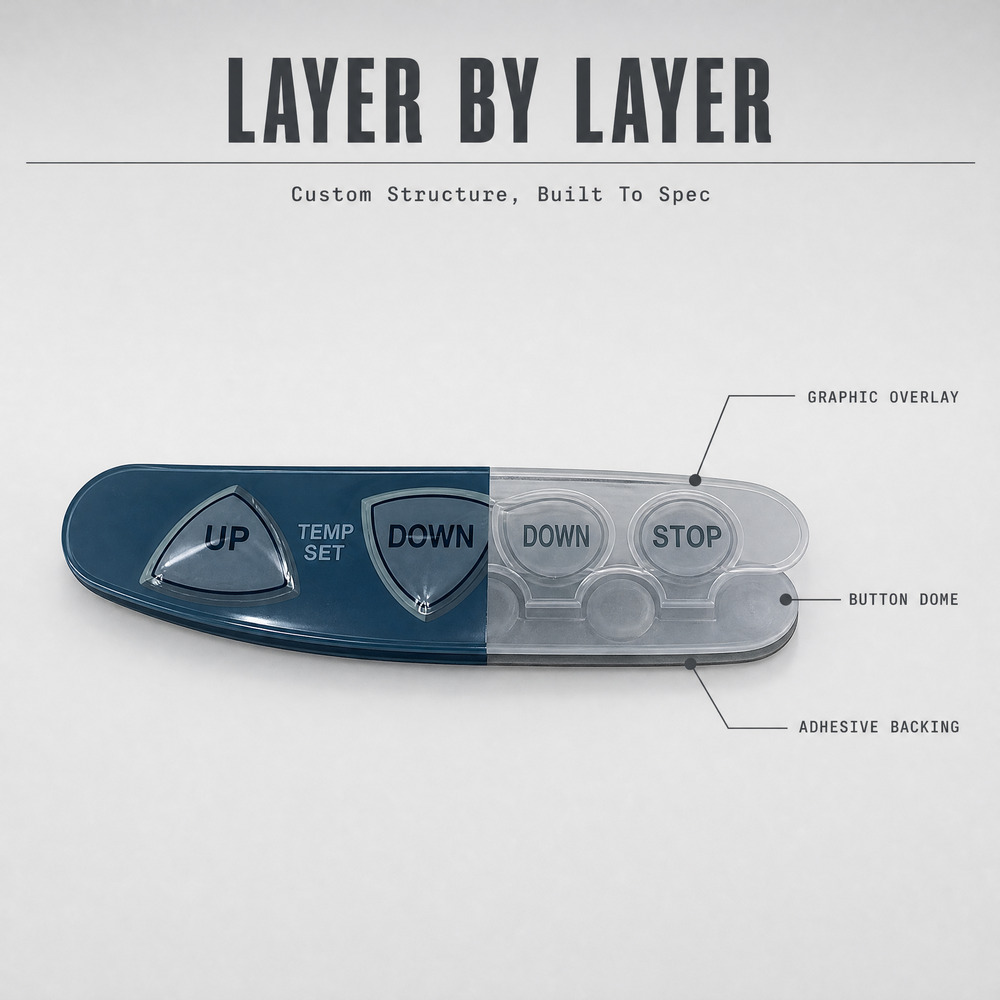
An in-depth analysis of piezoresistive thick-film sensing technology, localized application engineering in Graz, material compliance architectures, and global manufacturing integration for OEM designers.
As Graz and the broader Styrian region solidify their reputation as the central pillar of Austria's "Silicon Alps" microelectronics and automotive cluster, the demand for sophisticated, resilient, and miniaturized Human-Machine Interfaces (HMI) has experienced exponential growth. Among these technologies, Force Sensitive Resistors (FSR)—also recognized as thin-film pressure sensors—have emerged as an essential sensing mechanism. Operating via piezoresistive polymer thick-film (PTF) ink technology, FSR sensors deliver seamless physical force measurement, seat occupancy recognition, robotic tactile feedback, and ultra-durable control interface triggering without mechanical wear.
Dongguan Ravo Electronics Co., Ltd. (Ravo), operating from a 12,000 square meter ISO 9001 certified manufacturing plant in Dongguan, China, serves as a direct engineering partner and OEM manufacturer for tier-1 suppliers, medical device developers, and industrial automation firms in Graz. By combining advanced screen-printed silver-carbon matrix topologies, climate-stable substrate films, and strict functional testing protocols, Ravo provides Austrian engineers with high-gain information, rapid DFM turnaround, and prototype-to-volume manufacturing reliability.
A Force Sensitive Resistor is a passive, flexible component whose electrical resistance decreases non-linearly as the force applied normal to its active sensing surface increases. Unlike discrete mechanical micro-switches that offer binary ON/OFF signals, FSRs yield continuous analog force measurement across dynamic ranges from a few grams up to tens of kilograms.
Piezoresistive Ink Interaction: Under zero applied load, the micro-textured conductive particles within the proprietary carbon-based ink layer remain separated by insulating polymer matrices, maintaining a stand-off resistance exceeding 1 MΩ. As external force depresses the substrate, conductive microscopic points establish physical contact across interdigital silver electrodes, causing resistance to plunge predictably into the kilohm and ohm ranges.
Features conductive silver interdigital finger patterns printed on one flexible layer and a specialized piezoresistive carbon layer printed on a facing layer, separated by a thin dielectric spacer adhesive. Ideal for localized tactile buttons, high sensitivity, and low hysteresis.
Constructed with a bottom conductive layer, an intermediate piezoresistive layer, and a top conductive layer. This stack measures total force transferred through the stack structure, making it superior for multi-point array mats and high-force dynamic loads.
Utilizes optical-grade Polyethylene Terephthalate (PET) or high-temperature Polyimide (PI) films paired with heat-stabilized conductive inks to guarantee thermal stability between -40°C and +85°C, ensuring compliance with Alpine ambient variations.
Graz represents a unique convergence of automotive OEM innovation, advanced robotics, medical technology (MedTech Graz), and smart environmental manufacturing. FSR sensors manufactured by Ravo are custom-configured to satisfy the specialized requirements of these regional sectors:
Styria is world-renowned for vehicle engineering and contract assembly. Modern automotive cabin safety relies heavily on custom force-sensing arrays integrated seamlessly beneath leather, textile, or molded polymeric surfaces:
In the automated production facilities around Graz, human-robot collaboration (HRC) demands instant tactile sensitivity to ensure worker safety and precise object manipulation:
The MedTech sector in Graz requires biocompatible, wipe-clean, and fluid-resistant user interfaces that conform to stringent hygiene standard DIN EN ISO 13485:
Procurement directors and R&D managers in Graz are increasingly transitioning from off-the-shelf standard sensors to highly integrated, multi-functional HMI assemblies. Ravo’s research highlights four overarching regional trends driving this shift:
| Trend Vector | Regional Market Driver (Graz/EU) | Technical Implication for FSR & HMI Design | Ravo Manufacturing Solution |
|---|---|---|---|
| Seamless Surface Integration | Transition toward flush, cleanroom-compatible smart interior surfaces. | Elimination of mechanical bezels; combination of graphic overlays, capacitive touch, and FSR. | In-mold decoration (IMD) compatible PET overlays with integrated carbon FSR circuits. |
| Severe Climate Resilience | Alpine winter temperatures down to -30°C paired with summer cabin heat up to +85°C. | Preventing adhesive delamination, ink cracking, and thermal signal drift. | Cross-linked 3M 200MP/467MP adhesive systems and thermal-cured silver-polymer conductive inks. |
| Functional Safety Compliance | Strict EU ISO 26262 automotive and IEC 60601 medical directives. | Need for predictable force response curves, low signal hysteresis, and ESD/EMI shielding. | Printed copper/aluminum conductive shielding layers and 100% automated force-curve testing. |
| Sustainable Electronics (RoHS/REACH) | EU Green Deal policies restricting hazardous substances and requiring recyclable substrates. | Mandatory halogen-free substrates, eco-friendly inks, and clean manufacturing. | Fully RoHS, REACH, and California Prop 65 certified raw material supply chain. |
When engineering tactile interfaces, choosing the correct sensing paradigm is critical for long-term product success, cost efficiency, and physical durability. The matrix below illustrates why Force Sensitive Resistors outperform alternative sensing mechanisms in flexible HMI roles:
| Parameter / Technology | Force Sensitive Resistor (FSR) | Capacitive Touch Sensing | Strain Gauge (Metallic) | Mechanical Micro-Switch |
|---|---|---|---|---|
| Force Measurement Type | Dynamic Analog (Grams to Kg) | Proximity / Touch Only | Precision Micro-Strain | Binary (ON / OFF) |
| Glove / Water Immunity | Immune to water spray & thick gloves | Prone to false triggers when wet | Requires rigid mounting frame | Mechanical seal required |
| Thickness Profile | Ultra-thin (< 0.30 mm) | Ultra-thin (< 0.20 mm) | Thick (Requires load cell substrate) | Bulky (> 5.0 mm) |
| Design Flexibility | Any custom 2D shape or bendable tail | Custom graphic shapes | Fixed geometric load points | Fixed PCB mounting points |
| Life Expectancy | > 10,000,000 actuations | Infinite (Solid-state) | High fatigue susceptibility | 100,000 to 1,000,000 cycles |
| Tooling & Unit Cost | Very Low Tooling / Low Unit Cost | Low Tooling / Moderate Unit Cost | High Assembly / High Unit Cost | No Tooling / High Assembly Cost |
With over two decades of dedicated research and precision manufacturing since 2003, Dongguan Ravo Electronics Co., Ltd. has established itself as an authoritative manufacturer of custom membrane switches, graphic overlays, backlit keypads, flexible printed circuits, and thin-film force sensors.
From screen preparation, digital artwork matching, automatic high-precision silk screening, thermoforming embossing, and CNC laser cutting to 100% electrical continuity testing, every phase is managed inside Ravo's 12,000 m² clean facility.
Our experienced engineering team evaluates 2D/3D CAD drawings (DXF, STEP, AI, PDF) and returns comprehensive Design for Manufacturability (DFM) reviews, tail connector advice, and layer stack recommendations within ≤ 2 hours.
Certified under ISO 9001 standards, Ravo utilizes verified 3M mounting adhesives (such as 3M 467MP, 468MP, 9448A) and premium Autotype PET films, guaranteeing full RoHS, REACH, and CE compliance for European export.
Whether your Graz-based R&D team requires a single prototype piece for proof-of-concept testing or high-volume automated production exceeding 500,000 units annually, Ravo provides flexible MOQ structures, anti-static export packaging, and transparent supply chain tracking.
Below are authoritative answers to frequently asked technical, logistical, and compliance questions raised by procurement managers and R&D engineers in Styria and across Austria:
To provide an exact engineering proposal, please supply 2D vector drawings (DXF, DWG, AI, or PDF) indicating overall dimensions, sensing zone geometry, tail length, and pinout connector type. Including estimated annual quantities, target force actuation range (grams to kg), and operating ambient conditions accelerates the DFM process.
Ravo regularly exports to Austria and Western Europe using expedited air courier services (DHL, FedEx, UPS) with transit times of 3 to 5 business days direct to Graz. We provide full customs paperwork, HS code classification (e.g., HS 8534.00 for printed circuits or HS 8533.40 for variable resistors), and commercial invoices enabling hassle-free VAT/e-customs clearing.
Yes. By formulating custom carbon-to-binder ink ratios, varying micro-spacer thickness, adjusting interdigital electrode finger spacing, or thermoforming tactile domes, Ravo's chemical and mechanical engineers tailor activation force thresholds precisely to your specification.
When manufactured with closed-cell perimeter acrylic adhesives, sealed tail exits, and waterproof graphic overlay materials (such as textured Polycarbonate or Polyester), our sensor assemblies achieve IP65 to IP67 ingress protection, ensuring full resistance to medical disinfectants and industrial washdowns.
We support standard 2.54mm pitch female crimp connectors (Housings like Nicomatic, Amphenol FCI, or Berg), 1.0mm/0.5mm pitch ZIF (Zero Insertion Force) flex tails with polyimide stiffeners, or direct solderable tabs for rigid PCB integration.
We believe in supporting innovation from concept stage. Prototypes for standard silver-ink FSR sensors and custom membrane keypads can be produced from as few as 1 to 5 pieces before committing to full-scale production tooling.
Every single batch undergoes 100% automated electrical continuity testing, resistance checking at zero-load and defined calibration loads, visual registration inspection, and destructive actuation lifecycle testing on selected sample units.
Absolutely. Ravo specializes in hybrid stack-ups incorporating surface-mount SMD LEDs, light guide films (LGF), tactile metal domes, and piezoresistive FSR layers beneath an embossed, velvet-matte graphic overlay.
Partner directly with Dongguan Ravo Electronics Co., Ltd. for engineering DFM reviews, competitive factory pricing, and rapid sample prototyping. Experience seamless collaboration backed by 20+ years of manufacturing expertise.
Get a Quote