 EN
 DE
 FR
 ES
 RU
 JA EN DE FR ES RU JA
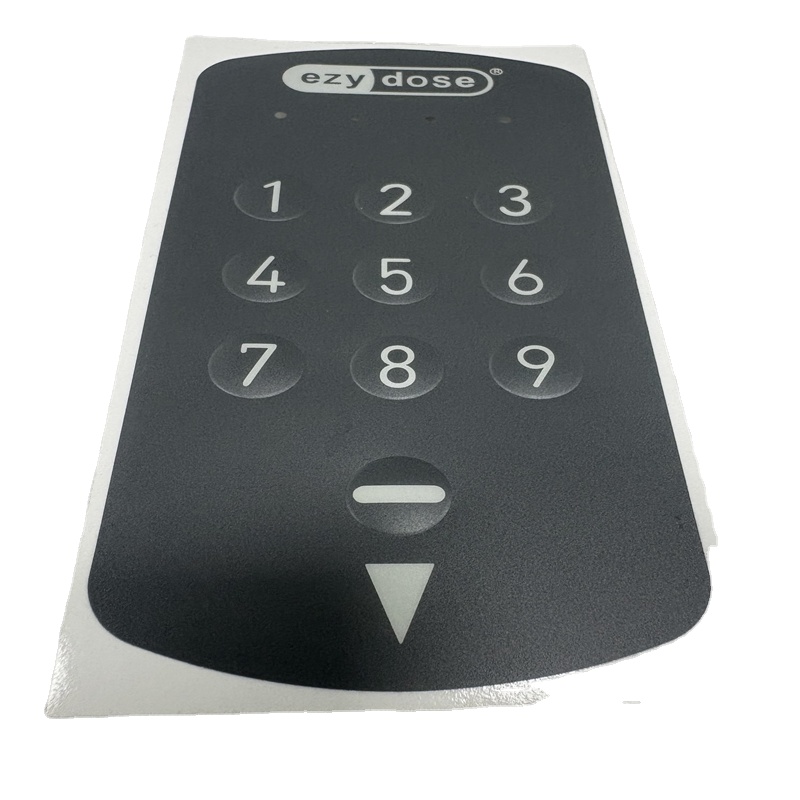
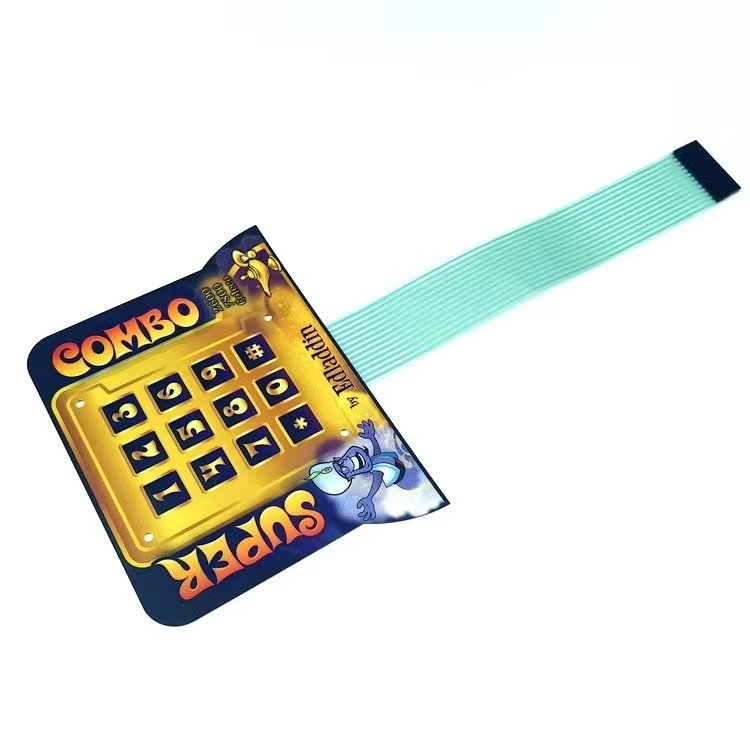
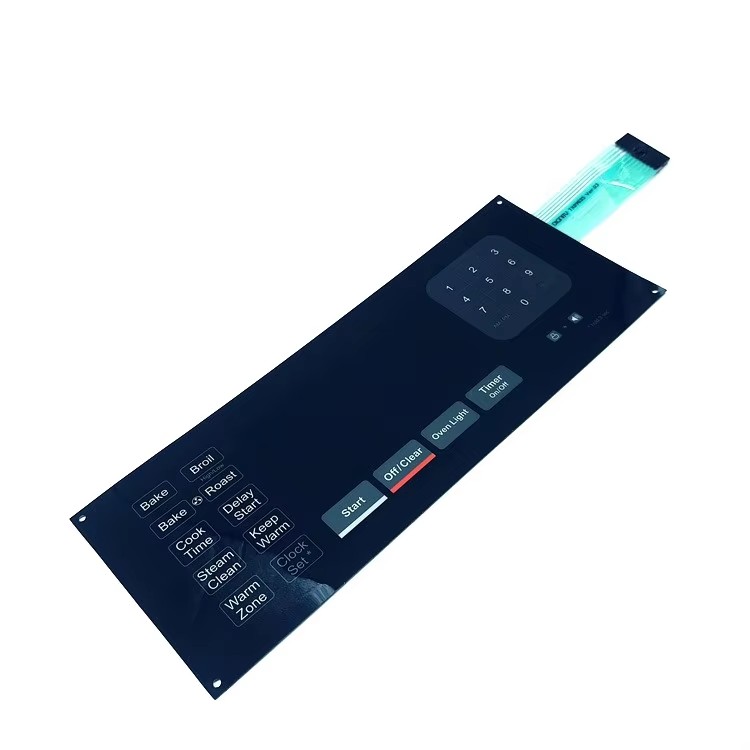
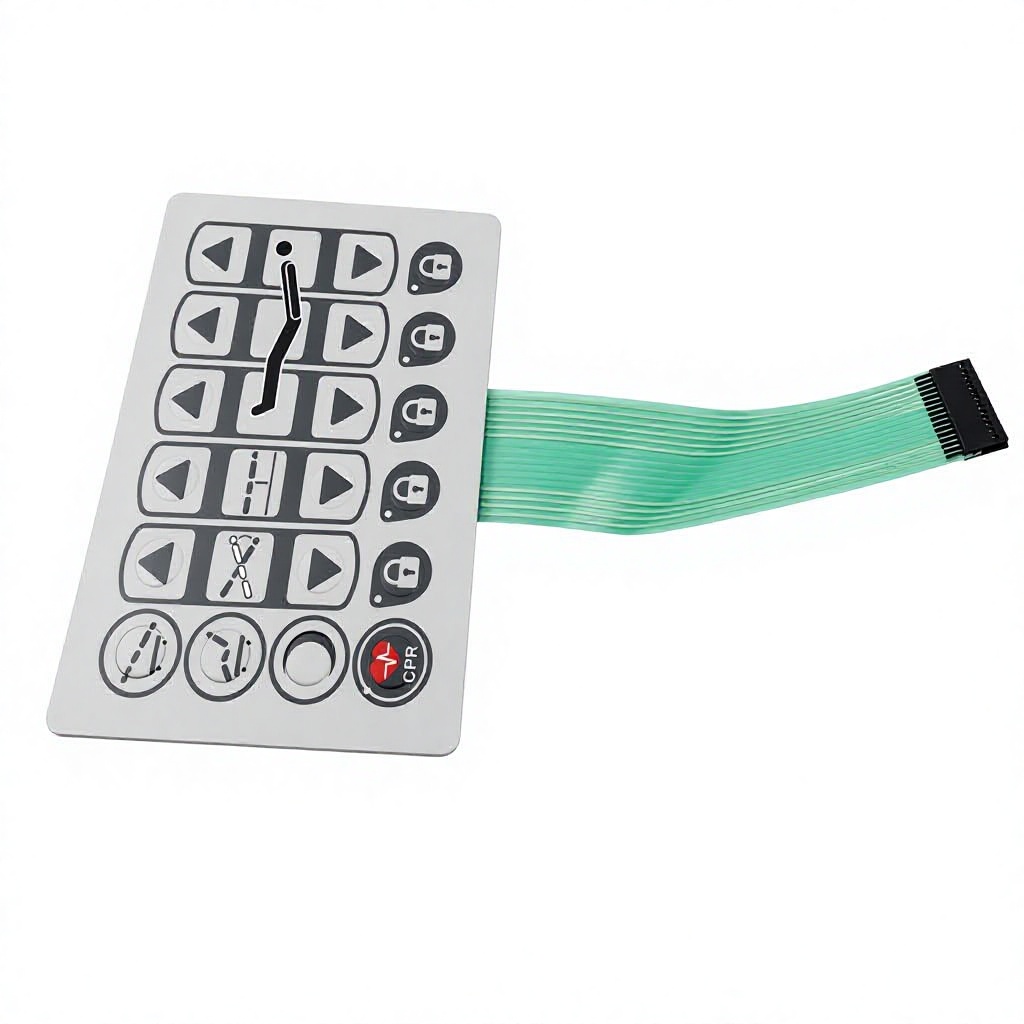
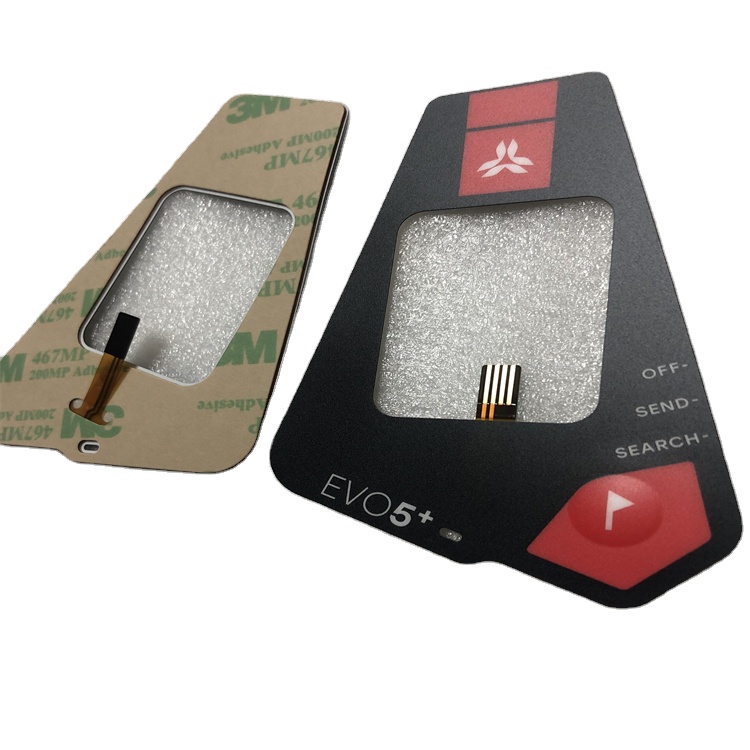
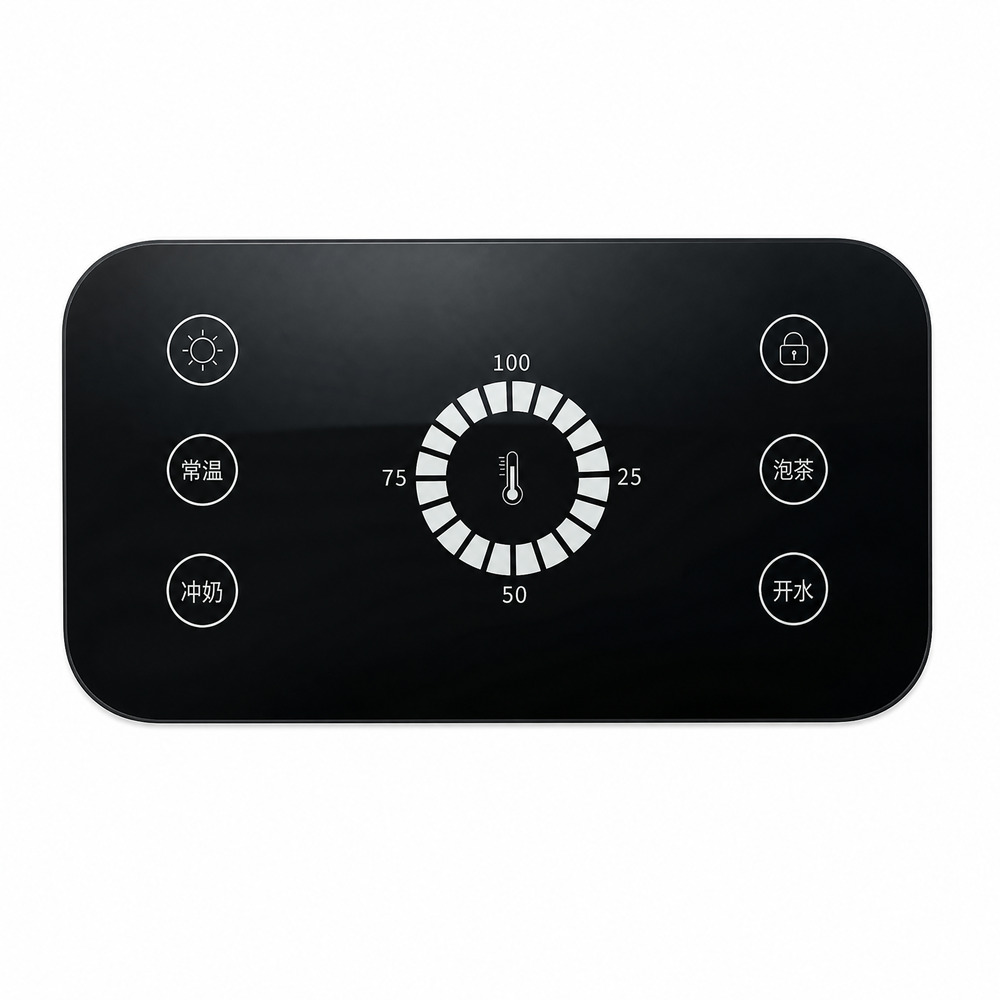
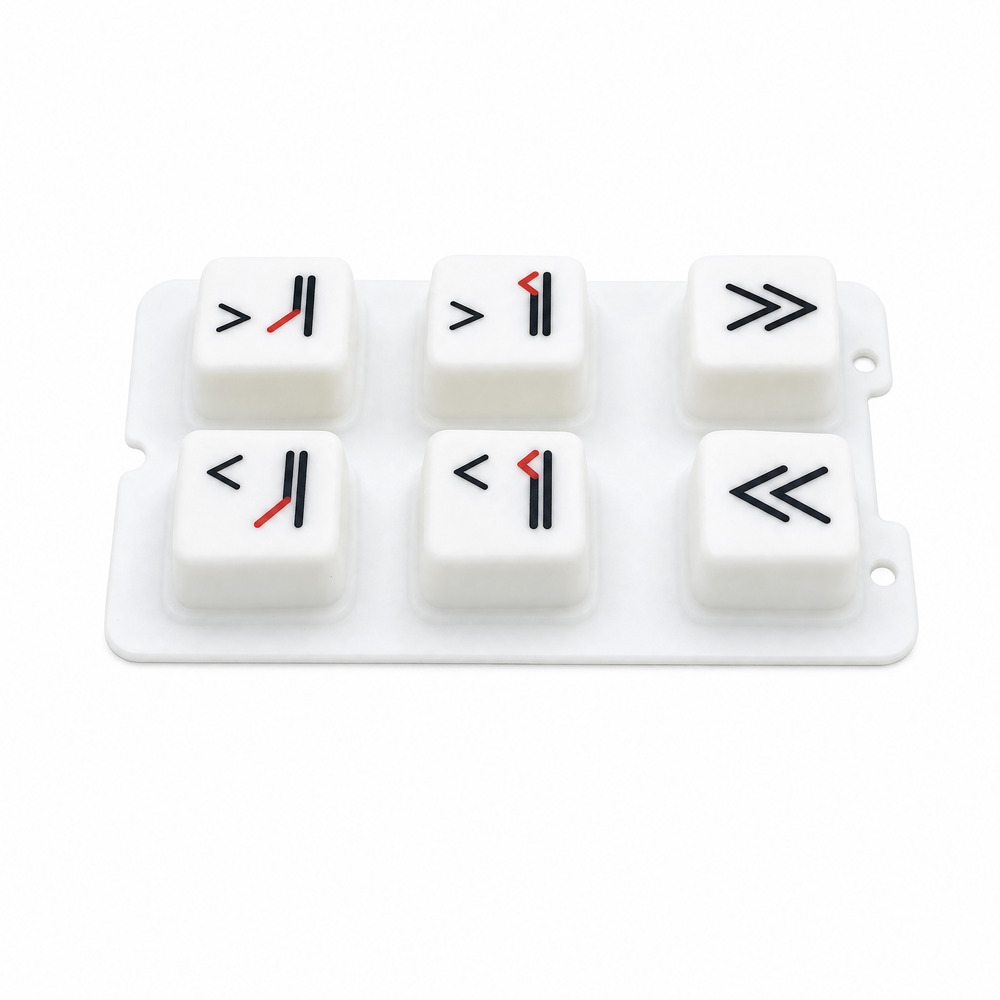
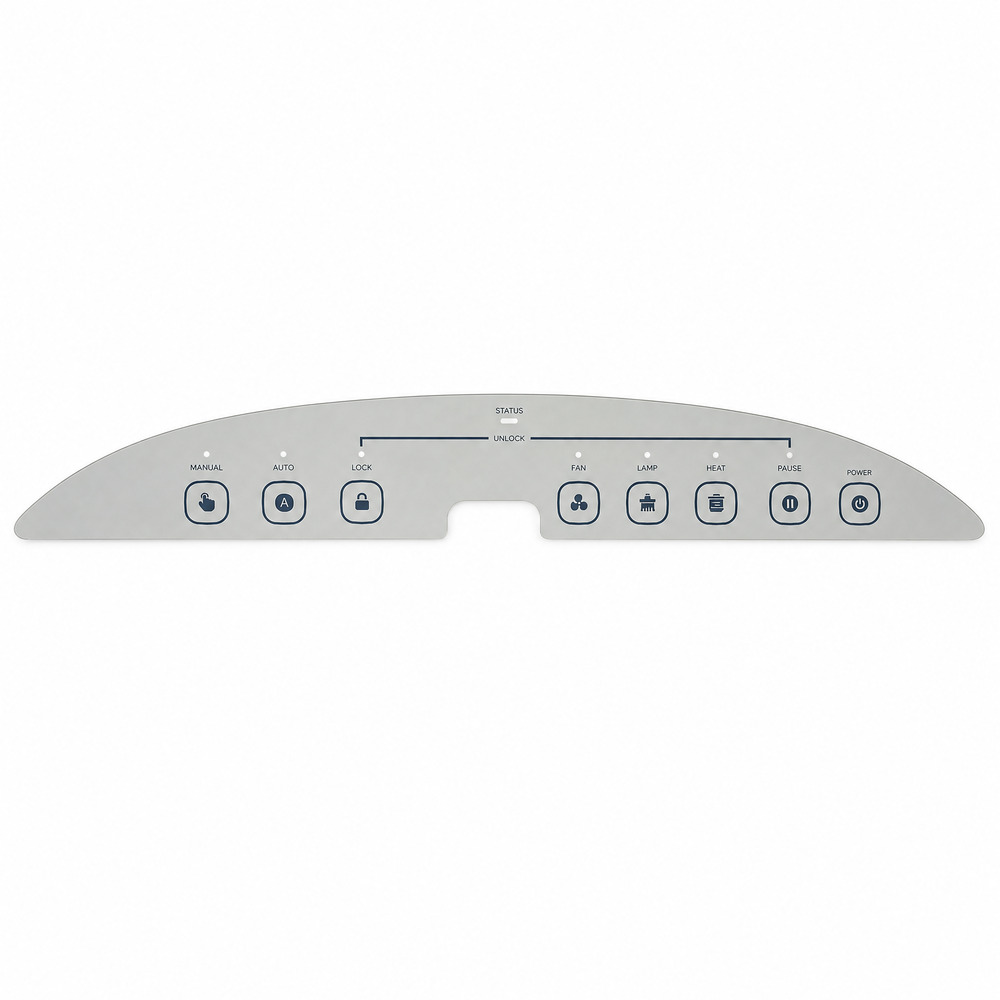
In modern industrial design and electronic hardware engineering, the Front Panel Overlay (frequently referred to as a graphic overlay or interface faceplate) serves as the primary touchpoint between the user and the machine. Far beyond aesthetics, a professionally engineered front panel overlay provides critical environmental protection, ergonomic clarity, and structural sealing for underlying printed circuit boards (PCBs) and membrane switches.
For OEMs, engineering teams, and electronics manufacturing service (EMS) providers operating within high-spec commercial centers such as the West End precinct, sourcing front panel overlays requires strict adherence to international material standards, exact mechanical tolerances (±0.05mm), and superior chemical compatibility.
Selecting the optimal polymer substrate dictates the operational lifespan, flexural fatigue resistance, and optical performance of your control interface. Our engineering team utilizes grade-A substrates from global chemical leaders including MacDermid Autotype, Sabic Lexan, and Bayer Makrolon.
| Substrate Material | Flexural Fatigue Life | Chemical Resistance | Optical Transparency | Best Suited Applications |
|---|---|---|---|---|
| Polyester (PET) (e.g., Autotex XE, MacDermid) |
> 5,000,000 Cycles Exemplary resistance to mechanical stress. |
Superior Resists solvents, alcohol, and harsh cleaning agents. |
High clarity (Clear, Matt, or Fine Velvet). | Embossed membrane switches, medical keypads, outdoor instruments. |
| Polycarbonate (PC) (e.g., Sabic Lexan HP) |
~ 100,000 Cycles Prone to micro-crazing under repeated flex. |
Moderate Requires hard-coating for chemical resistance. |
Exceptional (>91%) Ideal for transparent display windows. |
Flat graphic panels, internal equipment faceplates, high-impact bezels. |
| Acrylic (PMMA) (Optically Clear Sheet) |
Rigid (Non-Flexible) Structural display panels. |
High Good scratch resistance when hard-coated. |
Maximum (>92%) Glass-like clarity for heavy display screens. |
Thick display windows, heavy-duty commercial equipment bezels. |
To eliminate symbol degradation caused by friction, UV exposure, cleaning detergents, or operator hand oils, all high-quality front panel overlays utilize reverse sub-surface printing technology. In this process, conductive inks, Pantone-matched custom pigments, and optical dead-front coatings are applied to the rear side of a transparent clear PET or PC film.
Because the graphics reside beneath the durable polymer layer, the legends cannot be rubbed off, scratched, or chemically eroded during the entire lifecycle of the host device. Advanced multi-pass silk-screen printing combined with state-of-the-art digital printing allows us to achieve precise color matching (Pantone PMS, RAL, and spectrophotometer color management) with opaque background blocking layers that eliminate back-light bleed.
Tactile feel is a key metric in user experience (UX) and operating safety. Operators wearing thick industrial gloves or working in low-light environments depend on tactile cues to identify switch locations without taking their eyes off critical equipment.
The West End district—renowned globally as a high-density hub for medical innovation, high-end commercial retail, luxury hospital facilities, laboratory research, and specialized architectural controls—demands interface components that bridge sophisticated aesthetic finish with rugged industrial reliability.
West End medical clinics, research institutes, and hospital bed OEMs require human-machine interfaces that conform to stringent hygienic protocols. Our custom medical front panel overlays incorporate anti-microbial textured polyester films (such as MacDermid Autotex AM) that actively inhibit bacterial growth.
In modern West End commercial properties, boutique hotels, and luxury retail installations, control panels must match sleek interior architectures while offering intuitive touch interfaces.
For industrial automation equipment, HVAC controllers, and power distribution systems installed in commercial basements and utility rooms, front panel overlays must resist thermal cycling (-40°C to +80°C), vibration, and high humidity.
We accept vector graphic artwork files in Adobe Illustrator (.AI), CorelDraw (.CDR), vector PDF, DXF, or DWG formats. Please ensure all text fonts are converted to outlines and Pantone PMS or RAL color codes are explicitly defined for silk-screen matching.
We support rapid prototyping from as low as 1 to 10 pieces for design verification. For volume production runs serving West End machinery builders, standard MOQs start at 100 to 500 pieces depending on part size and material stackup.
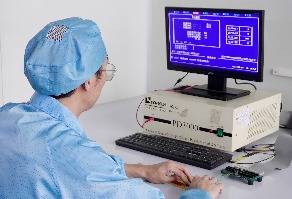
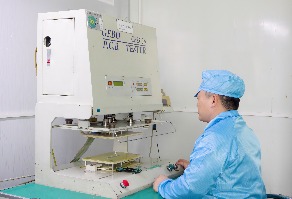
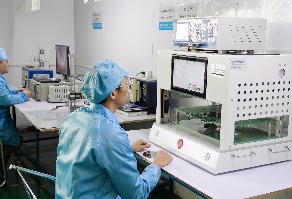
We employ spectrophotometer color measurement equipment to verify color density and Delta-E values against certified Pantone standards. Master retained color chips are maintained for every client project to ensure 100% batch-to-batch consistency.
For smooth metal or ABS plastic housings, 3M 467MP (2 mil) is the industry standard. For textured, powder-coated, or low surface energy (LSE) plastics, we recommend 3M 468MP (5 mil) or 3M 9448A high-tack tissue adhesive to guarantee zero edge lifting.
Yes. We utilize selective top-coat optical clearing inks (gloss window printing) over textured substrates, or selectively print texture surrounding the LCD/LED window, leaving the base optically clear polycarbonate or polyester untouched for crystal-clear viewing.
Following CAD drawing approval, prototype overlays ship via express air freight (DHL/FedEx/UPS) within 5 to 7 working days. Mass production batches typically complete in 12 to 15 working days with full export documentation provided.
Send your CAD drawings, vector artwork, or project specifications today. Our senior interface engineers will perform a free DFM review and provide a competitive factory-direct quote within 2 hours.
Contact Us