EN
 DE
 FR
 ES
 RU
 JA EN DE FR ES RU JA
Explore our specialized graphic overlays, silicone keypads, and waterproof membrane switches built to withstand demanding operating environments.
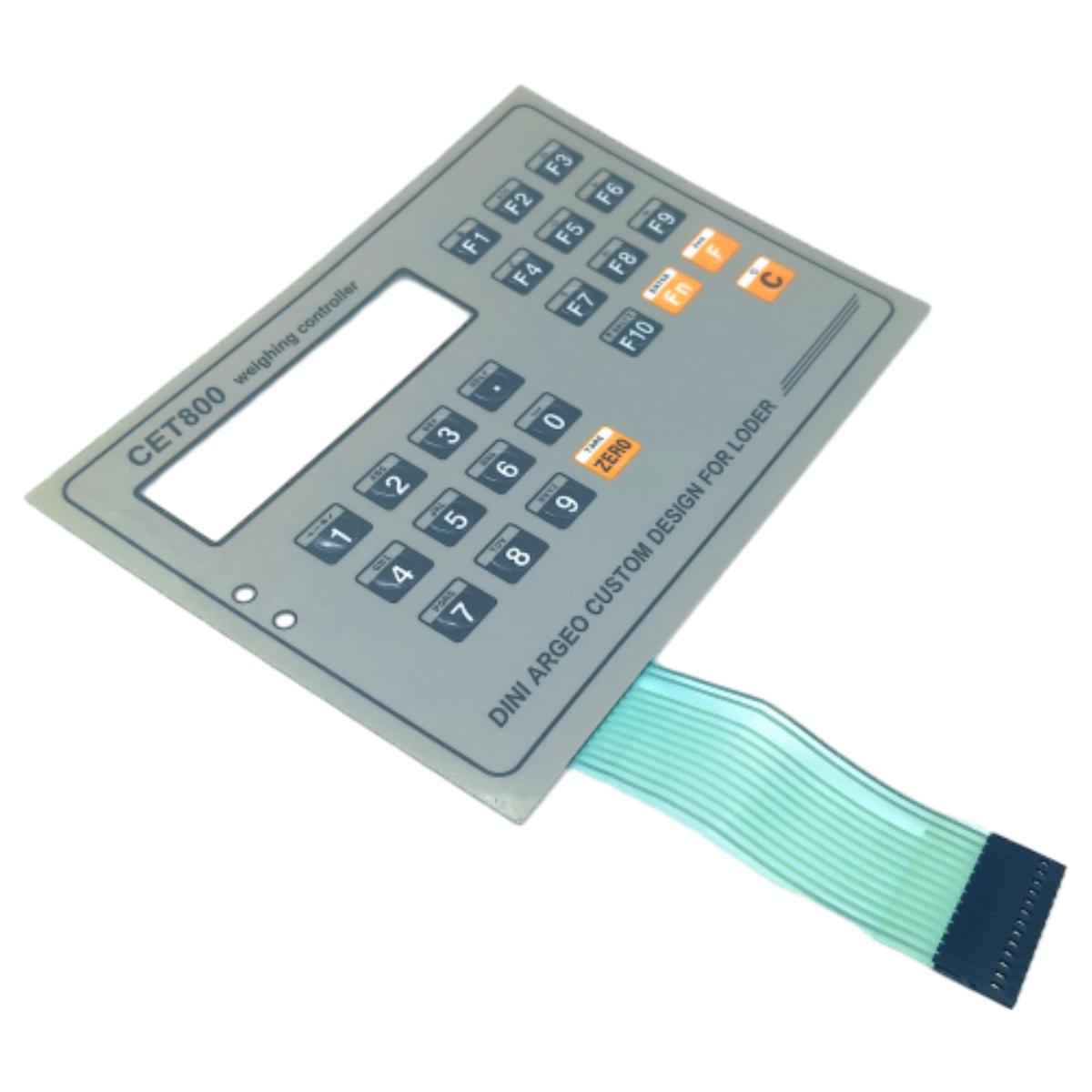
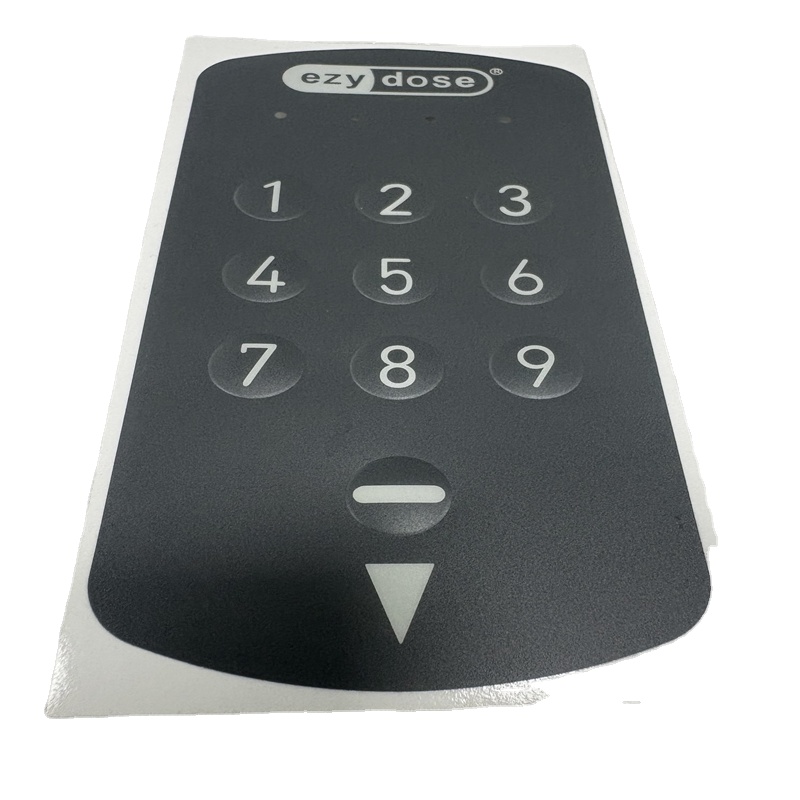
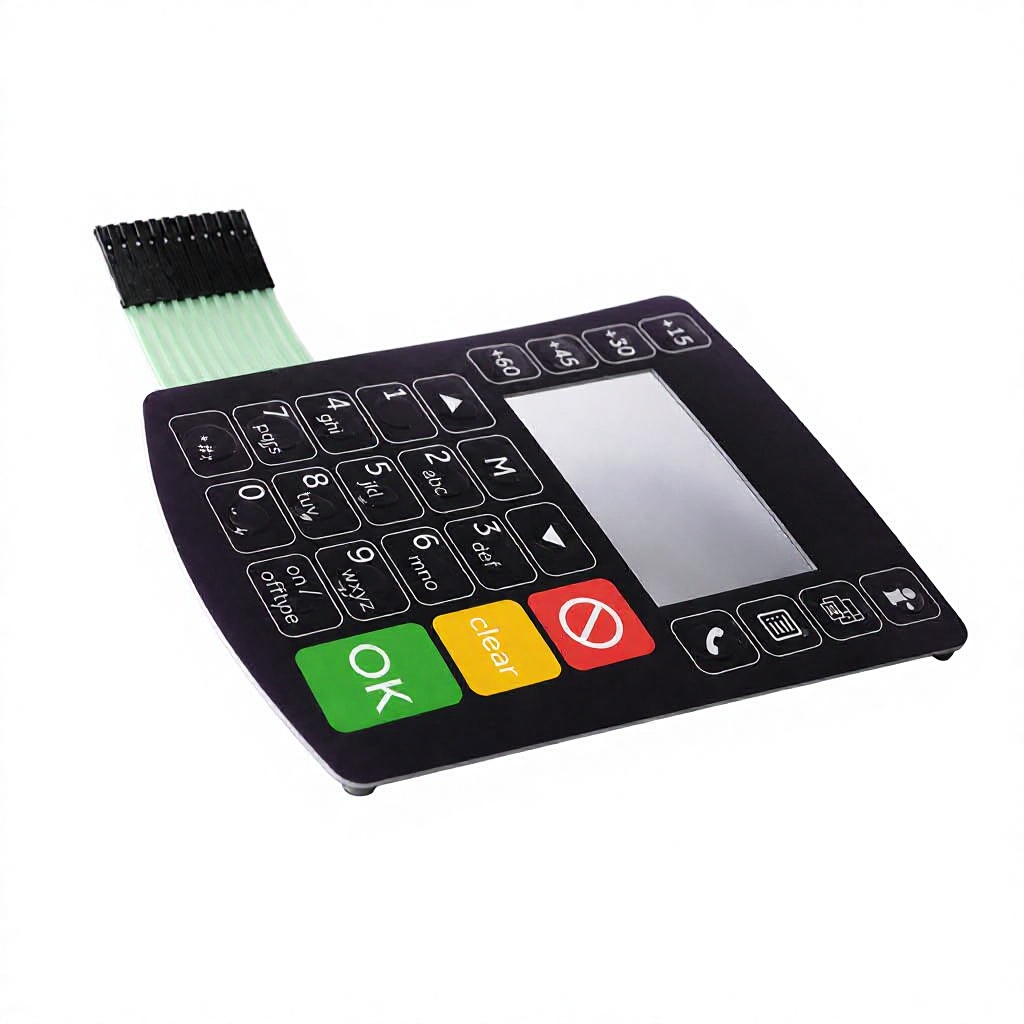
In the expanding industrial hub of Labasa—the commercial heart of Vanua Levu, Fiji—machinery operators face a unique combination of extreme environmental stresses. As heavy industries ranging from sugar milling (exemplified by the historic Labasa Mill) to timber processing, tropical agriculture, commercial maritime operations, and solar energy installations modernize, the requirement for robust Custom Graphic Overlays and Membrane Switches has reached a critical turning point.
Standard interface labels and domestic-grade control panels fail prematurely when exposed to high ambient relative humidity (often exceeding 85% RH), prolonged UV irradiation, particulate contamination from sugarcane fiber (bagasse), and corrosive coastal airborne salinity. Sourcing engineered graphic overlays directly from established, vertically integrated manufacturers is no longer merely a cosmetic choice; it is an operational imperative for equipment reliability and downtime reduction in the Pacific region.
Selecting the optimal structural polymer for a graphic overlay requires a comprehensive evaluation of mechanical actuation fatigue, chemical exposure, optical clarity demands, and thermal stability. For original equipment manufacturers (OEMs) and maintenance engineers sourcing for the Labasa factory market, three primary film categories dominate high-performance interface panels:
Polyester (specifically MacDermid Autotex and Melinex series) represents the gold standard for tactile membrane switches and high-cycle industrial control panels. Featuring an exceptional flexural life exceeding 5,000,000 switch actuations, PET exhibits superior tensile strength and structural immunity to aggressive solvents, industrial oils, cane juices, and cleaning agents commonly utilized in food processing and agricultural processing plants.
Polycarbonate panels excel in applications requiring high impact resistance, optical transparency for integrated LED/LCD display windows, and deep-draw 3D key embossing. While standard optical-grade PC is susceptible to solvent attack over prolonged exposure, our custom hard-coated or velvet-finish Lexan formulations provide robust scratch resistance and thermal stability up to 105°C.
Where crystal-clear visual clarity and glass-like depth are required for thick control facings—such as digital power monitoring systems and heavy equipment cabs—optically clear PMMA facings with sub-surface graphic application provide high UV resistance without yellowing under intense South Pacific sunlight.
| Technical Property | Polyester (PET - Autotex) | Polycarbonate (PC - Lexan) | Acrylic / PMMA Blend |
|---|---|---|---|
| Flexural Life (Actuations) | > 5,000,000 Cycles | ~ 100,000 Cycles | Rigid (Non-Tactile) |
| Chemical & Solvent Resistance | Exceptional (Acids, Oils, Alcohols) | Moderate (Avoid Aromatic Solvents) | High Outdoor Chemical Stability |
| UV Weatherability Rating | High (UV-Stabilized Autotex XE) | Moderate (Requires UV Hardcoat) | Superior Natural UV Resistance |
| Embossing Capability | Excellent (Pillow / Rim / Dome) | Superior (3D Thermoforming) | Machine Machined / Laser Cut |
| Ideal Local Application | Sugar Mill Conveyors, Agro-Keys | Generator Controls, Display Windows | Heavy Marine & Solar Inverters |
The economic landscape of Labasa and the broader Northern Division of Fiji demands highly tailored HMI solutions. Generic imported control panels often suffer early degradation due to severe micro-climates. Our direct factory manufacturing capabilities specifically address localized application requirements:
Continuous steam washdowns, acidic cane juice splatter, and airborne bagasse dust require IP67 waterproof membrane switches with perimeter adhesive seals and chemical-resistant Autotex PET overlays.
Control overlays installed on cargo barges, tugboats, and port crane hydraulics must resist salt spray, high humidity condensation, and constant UV exposure using non-yellowing materials.
Off-grid power installations throughout Vanua Levu require clear display windows, dead-front indicator symbols, and UV-resistant graphic facings capable of enduring intense tropical thermal cycles.
Diagnostic equipment and sterilization units at medical centers require seamless, anti-microbial capacitive touch keypads that allow repeated disinfections without legend wear or surface clouding.
As industrial automation accelerates across Fiji and neighboring Pacific Island nations, several high-gain HMI technology trends are transforming product design specifications:
Traditional mechanical push-buttons feature moving parts susceptible to dust clogging, spring corrosion, and seal degradation. Local plant managers are increasingly replacing electromechanical assemblies with Capacitive Touch Membrane Keypads. Featuring a completely smooth, continuous glass or PC overlay surface, these interfaces eliminate mechanical wear points and allow effortless wipe-down cleaning.
Operating machinery during nighttime shifts or inside low-lit factory floors requires effective interface backlighting. Modern graphic overlays now incorporate ultra-thin LED light-guide films (LGF) or embedded surface-mount LEDs within the membrane layer, delivering bright, low-power icon illumination without increasing panel thickness.
Beyond discrete key inputs, industries are deploying carbon-paste and silver-ink thin-film pressure sensors. Applications include heavy machinery seat occupancy detection, safety mat sensors, and agricultural load monitoring systems engineered to operate reliably under tropical weather conditions.
Established in 2003, Dongguan Ravo Electronics Co., Ltd. operates a 12,000 square meter specialized manufacturing facility equipped with dust-free screen printing cleanrooms, automated die-cutting machinery, high-precision laser engraving tools, and digital spectrophotometer color-matching systems.
By eliminating intermediaries and offering direct OEM/ODM engineering support, we provide B2B buyers in the Labasa market with unparalleled value, rapid prototyping, and strict quality control:
Our engineering team analyzes CAD vector files (DXF, DWG, AI, PDF) and provides Design for Manufacturability feedback, layer stack-up recommendations, and precise material selection guidance within 2 hours.
Whether you require a single piece for field testing on local sugar mill equipment or volume runs of 100,000 units, our digital printing and laser cutting lines accommodate short-run prototypes without expensive tooling costs.
Every membrane switch and graphic overlay undergoes 100% electrical continuity testing, resistance measuring, key actuation force testing, and optical color spectrophotometry prior to export packing.
We utilize high-tier, moisture-resistant acrylic adhesives such as 3M 467MP or 3M 468MP paired with closed-cell perimeter gaskets. When laminated to sub-surface printed Autotex PET or Lexan Polycarbonate films under high pressure, the resulting assembly forms a hermetically sealed barrier against ambient moisture, vapor condensation, and liquid spray.
To provide an accurate technical quote, we recommend providing 2D vector graphic files (Adobe Illustrator .AI, CorelDraw .CDR, or vector .PDF) specifying Pantone color codes, surface texturing preferences, key embossing locations, and display window dimensions. 2D CAD files (.DXF or .DWG) are preferred for internal circuit trace routing and physical dimensional tolerances.
Prototype samples are typically manufactured within 5 to 7 working days following drawing approval. Express air freight to Nadi or Suva (with local courier transit to Labasa) generally takes 3 to 5 business days. Larger mass-production sea freight shipments to Malau Port or Suva Port are arranged with complete export documentation and anti-static packaging.
Yes. We offer transparent, clear, or color-tinted (red, green, blue, smoke gray) display windows for LCD/LED readouts. Additionally, we specialize in "dead-front" printing, where indicator symbols or icons remain invisible until backlighting LEDs are energized from behind the circuit.
Tactile metal domes (stainless steel snap domes available in 12mm to 20mm sizes with actuation forces from 250g to 450g) deliver a sharp, crisp tactile click feel that operators can feel through heavy work gloves. Non-tactile or thermoformed polydomes offer a smoother, quieter feel at lower tooling costs, ideal for consumer electronics and light commercial appliances.
All materials utilized in our manufacturing process—including raw polycarbonate sheets, polyester films, conductive silver pastes, UV inks, and 3M pressure-sensitive adhesives—are fully certified compliant with international RoHS and REACH environmental regulations. Material safety data sheets (MSDS) and certificates of conformance (CoC) are provided with every batch.
Connect directly with our senior HMI engineers for a complimentary Design for Manufacturability (DFM) drawing review, material recommendations, and factory-direct pricing for your target market.