 EN
 DE
 FR
 ES
 RU
 JA EN DE FR ES RU JA
Custom-engineered human-machine interface panels designed for thermal stability, UV resistance, and saline barrier protection across Colon Free Zone, Panama City, and regional manufacturing hubs.
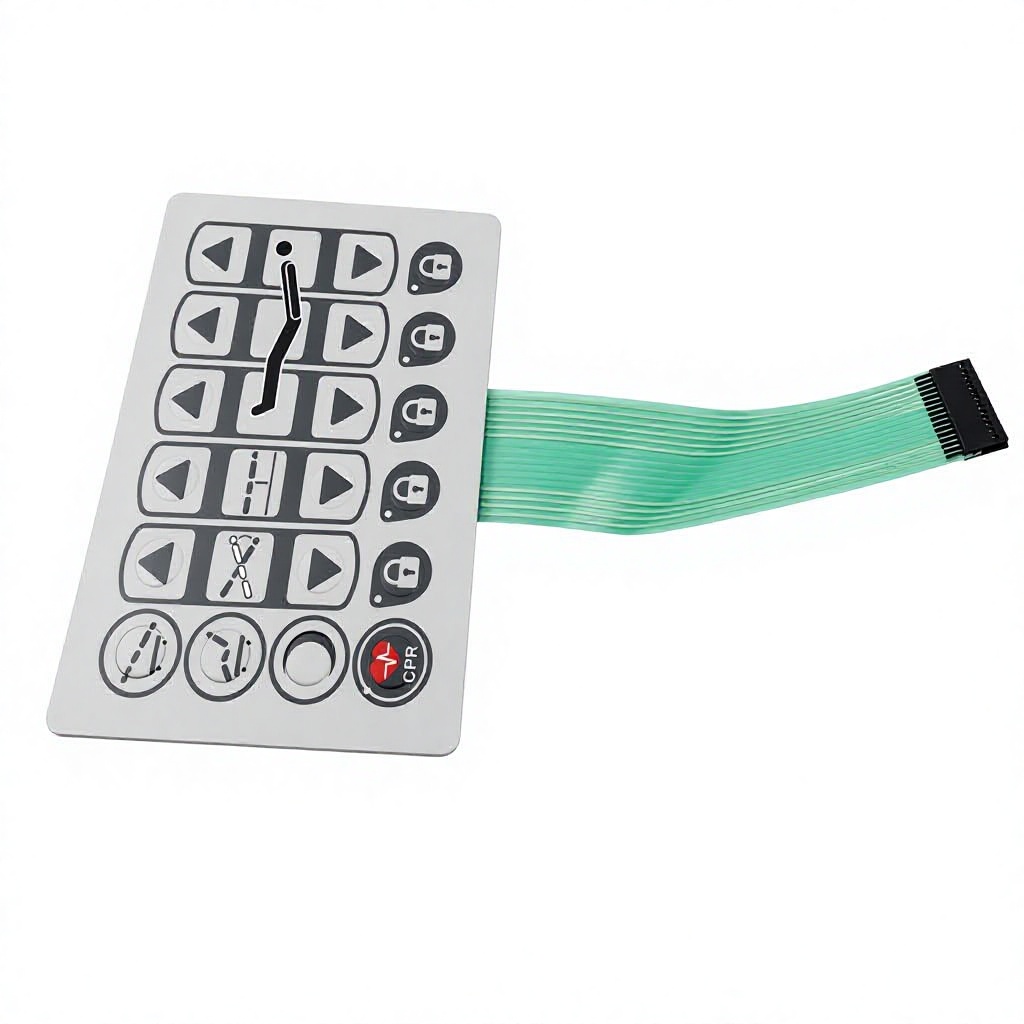
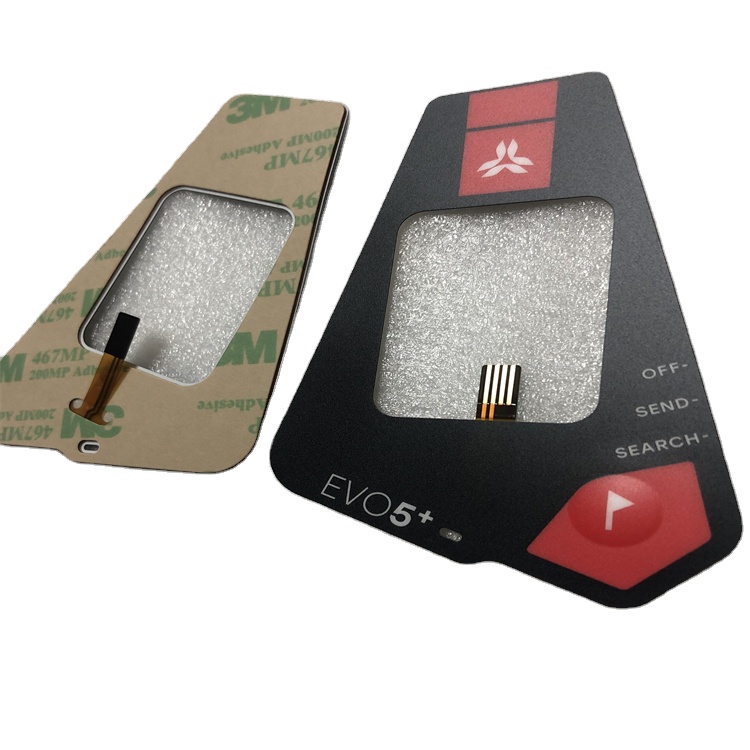
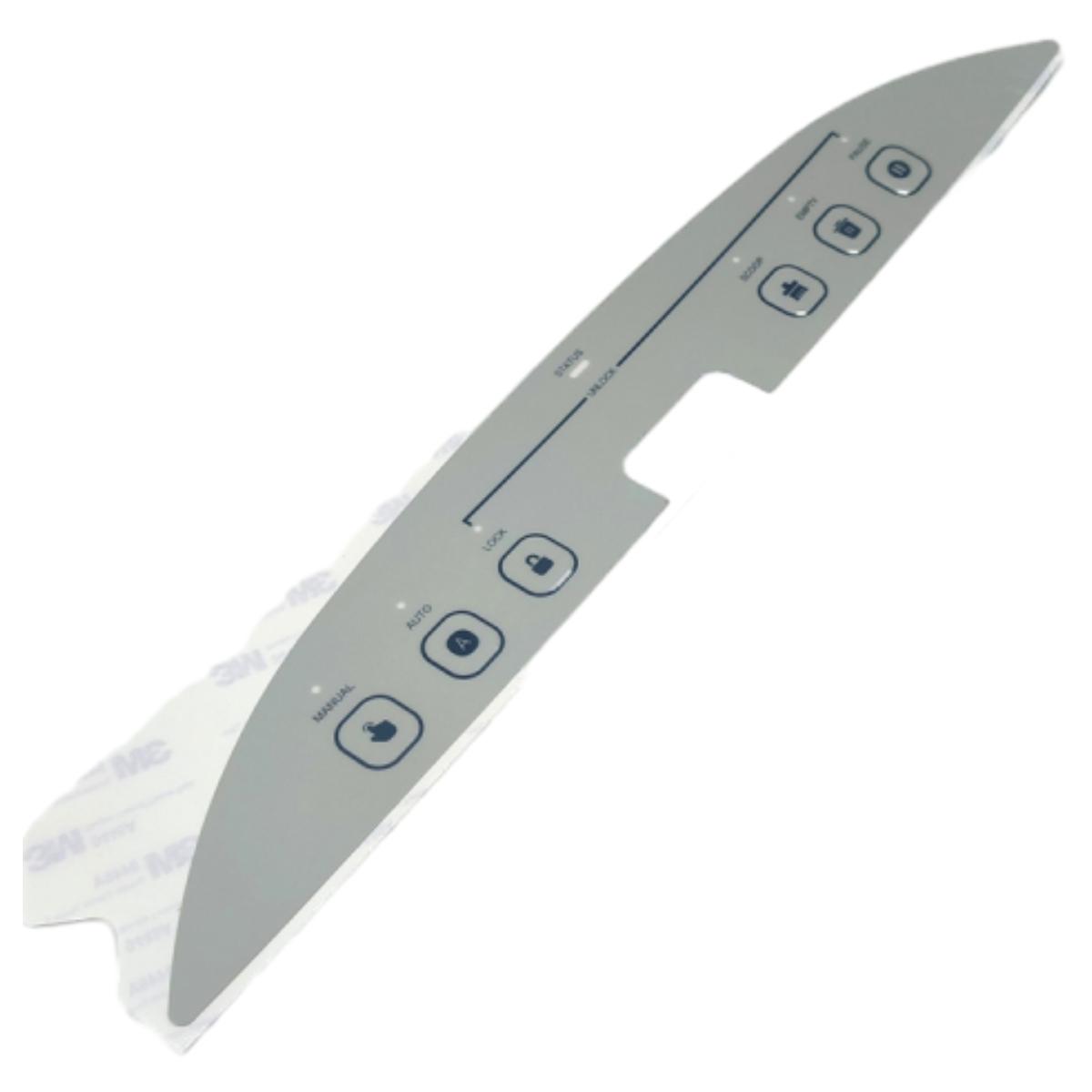
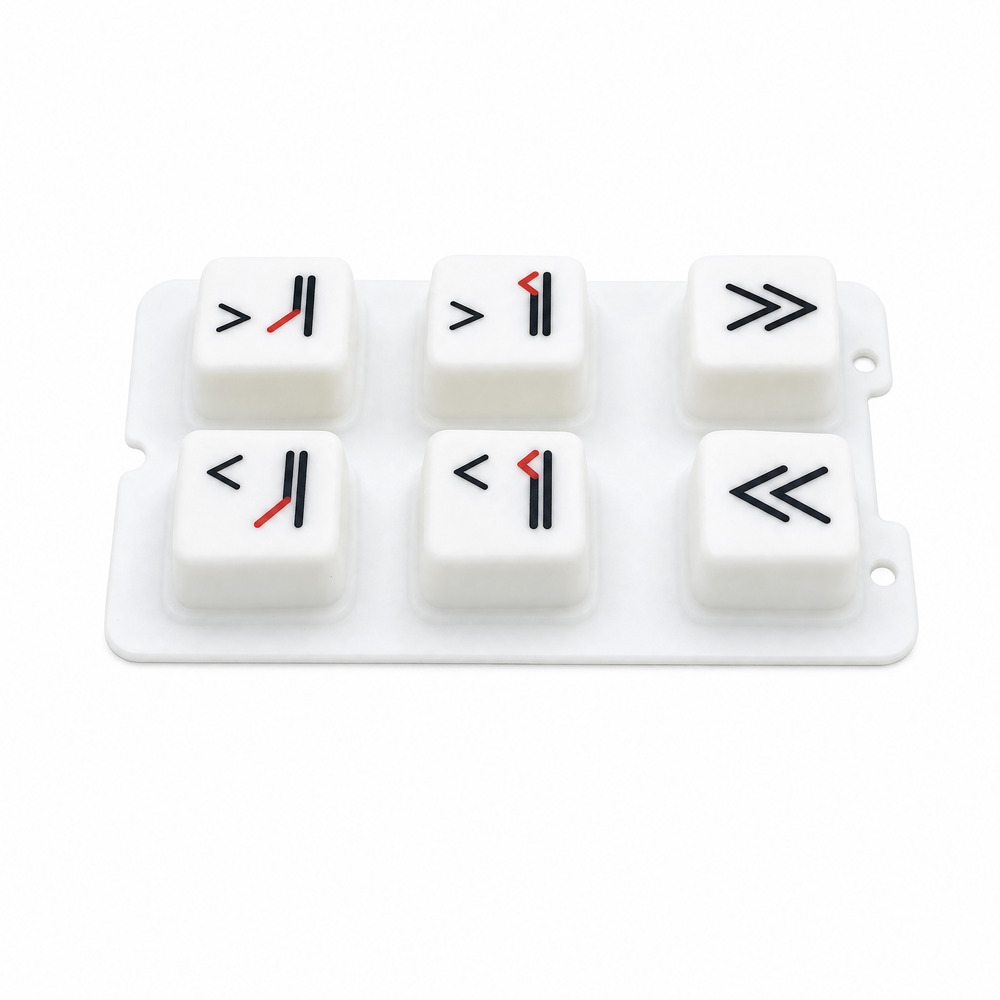
Panama occupies a uniquely critical position in global commerce, operating not merely as an international logistics bridge between the Atlantic and Pacific oceans, but also as an assertive manufacturing, transshipment, and industrial integration hub in Latin America. Operating equipment in the Republic of Panama requires addressing one of the planet's most aggressive micro-climates. The convergence of ambient humidity persistently hovering between 80% and 98%, perpetual ultraviolet exposure, atmospheric salinity originating from coastal maritime zones, and aggressive operational cycles presents an extreme test of durability for Human-Machine Interfaces (HMIs).
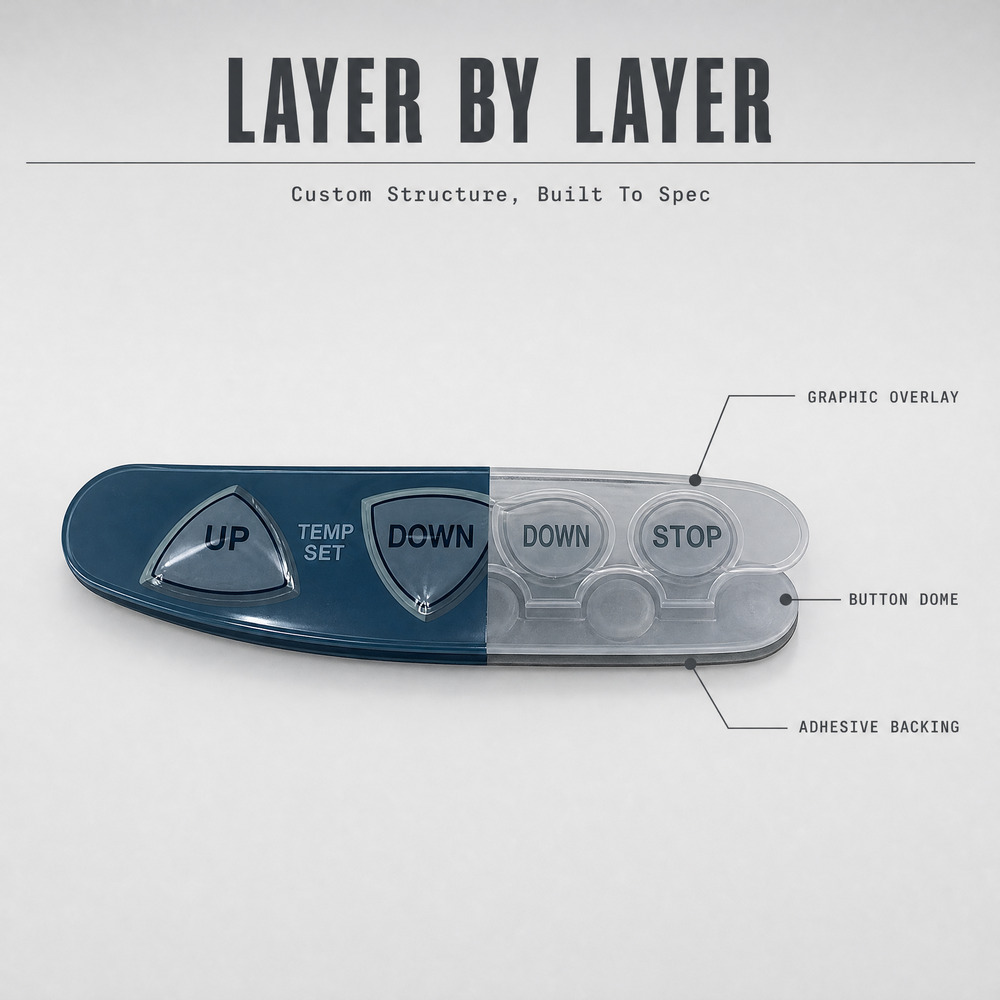
As a seasoned CE-certified Polycarbonate Graphic Overlay Exporter supplying engineering procurement managers across Panama City, the Colon Free Zone (Zona Libre de Colón), and regional distribution centres, Dongguan Ravo Electronics Co., Ltd. provides advanced Lexan™ and Makrofol® grade polycarbonate (PC) interface systems. Polycarbonate overlays serve as the critical physical and environmental barrier for electronic hardware, instrumentation consoles, and industrial automation terminals, preventing premature component failure, corrosion, and electrical drift caused by moisture ingress.
Polycarbonate substrates engineered by Ravo exhibit superior dimensional stability across extreme temperature ranges (-40°C to +135°C), maintaining mechanical tensile properties without warping or delamination under the intense tropical heat cycles common to Central American facilities.
All functional legends, iconography, Pantone-matched hues, and corporate branding are reverse screen-printed onto the second surface of the polycarbonate film. This ensures chemicals, cleaning reagents, saline moisture, and abrasive physical abrasion never directly contact the printed graphics.
Our custom overlays and integrated membrane circuits strictly comply with European CE safety standards, RoHS 3 (EU 2015/863), and REACH regulations. We provide complete material declaration certifications to streamline customs entry through Panamanian maritime clearance.
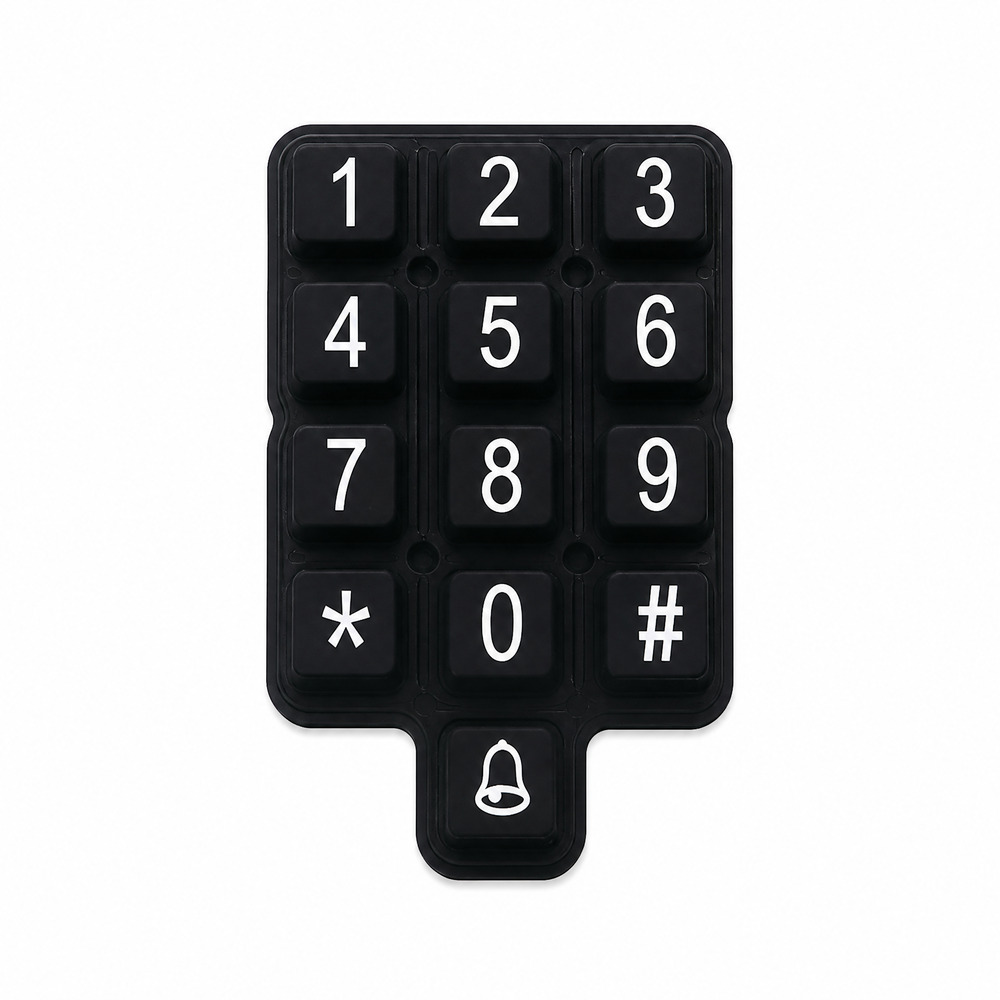
Panama's economic diversification drives specialized demands for customized membrane keypads and polycarbonate graphic panels. Engineering procurement across the country spans several core industries, each demanding precise physical stack-ups and sealing technologies:
1. Maritime Port Terminals & Canal Support Systems: Along the Panama Canal corridor and terminal complexes such as Balboa, Cristobal, and Manzanillo International Terminal, dockside gantry cranes, container spreaders, and vessel telemetry equipment require ruggedized interfaces. Polycarbonate graphic overlays integrated with closed-cell perimeter gaskets provide IP67 water resistance against salt-spray laden sea breezes, prevents internal switch oxidation, and enables operators wearing thick protective work gloves to register precise feedback via embossed tactile buttons.
2. Cold Chain Storage & Biomedical Logistics: The Colon Free Zone and Tocumen International Airport logistics hubs handle sensitive pharmaceutical distributions throughout the Americas. Diagnostic medical equipment, cold chain transport controllers, and hospital clinical monitors demand wipe-clean, chemical-resistant PC interfaces that withstand repetitive sanitation using quaternary ammonium solutions and medical-grade alcohols without surface hazing.
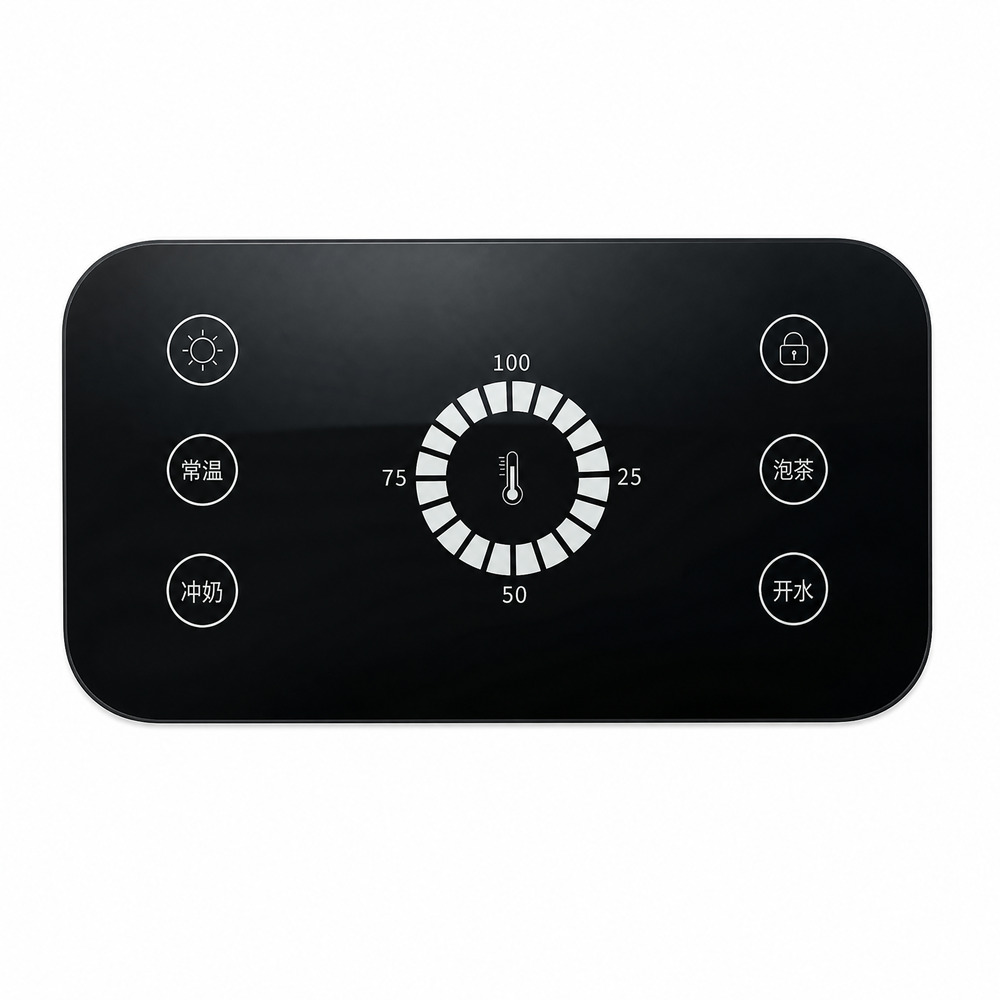
3. Commercial Water Dispensation & Beverage Processing: In urban commercial centers across Panama City, beverage processing machinery and automatic water purification installations utilize our dead-front window polycarbonate overlays. When inactive, status screens remain discreetly dark; upon actuation, high-output embedded surface-mount LEDs back-illuminate clear key sectors through velvet-textured diffuse windows.
| Performance Metric | Standard Polycarbonate (PC) Overlay | Engineered Hard-Coated PC | Polyester (PET) Alternative |
|---|---|---|---|
| Surface Hardness (Pencil) | HB to 1H | 2H to 3H | 3H to 4H |
| Tensile Strength (ASTM D638) | 60 - 70 MPa | 65 - 75 MPa | 140 - 190 MPa |
| Heat Deflection Temp (0.45 MPa) | 135°C (275°F) | 140°C (284°F) | 190°C (374°F) |
| Actuation Flex Life (Embossed) | Up to 100,000 cycles | Up to 250,000 cycles | Over 1,000,000 cycles |
| Optical Clarity / Transmission | 88% - 91% (High Optical Window) | 86% - 90% (Scratch Guard) | 85% - 88% |
| Dielectric Breakdown Voltage | 15 - 20 kV/mm | 18 - 22 kV/mm | 18 - 25 kV/mm |
As Panama accelerates investments in nearshoring, modern infrastructure, and renewable energy, specific technological shifts are shaping how engineering departments select interface components:
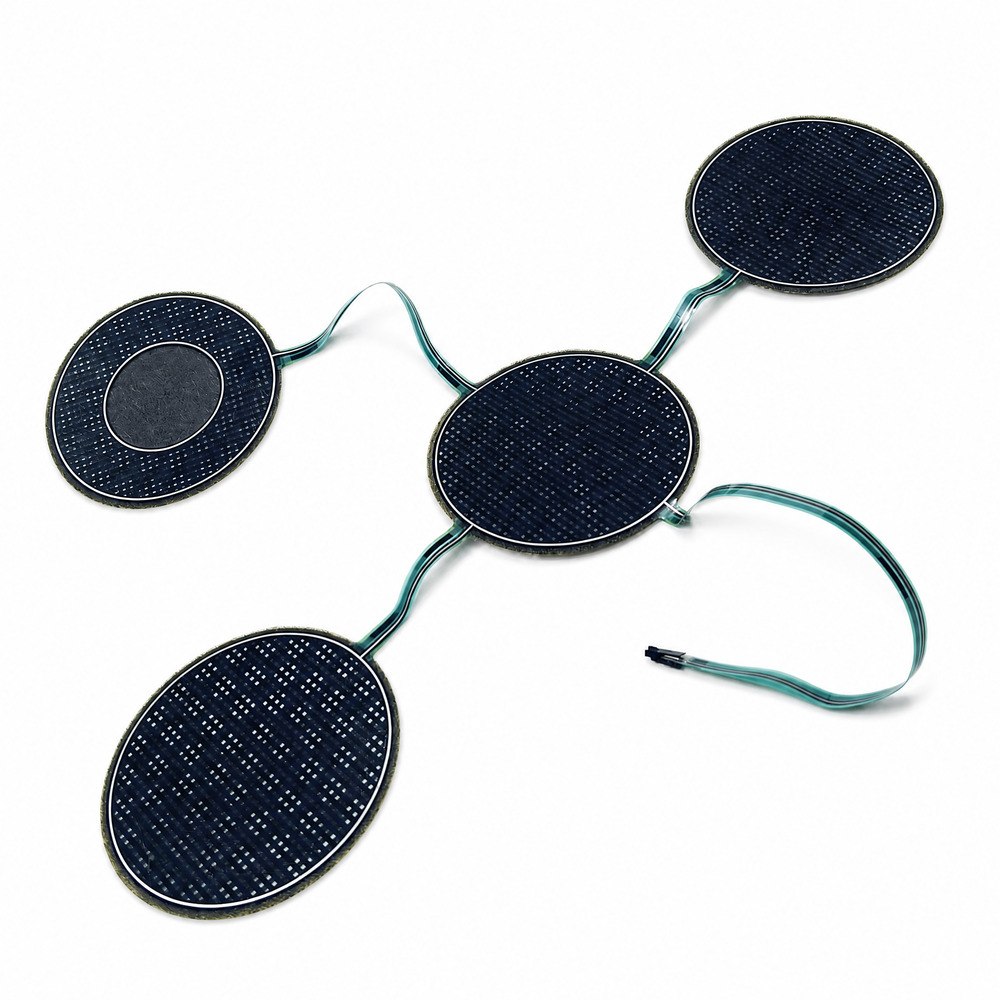
Migration Toward Capacitive Touch Under Glass & Polycarbonate: Mechanical toggle switches and rudimentary push buttons are increasingly replaced by sleek, flush capacitive touch panels. By laminating printed conductive silver or copper FPC sensor circuits directly beneath clean polycarbonate fascia, original equipment manufacturers achieve a modern aesthetic that eliminates dirt-trapping crevices, ensuring complete protection from rain and corrosive dust.
Demand for Marine-Grade Adhesion Matrices: Tropical humidity quickly causes generic adhesives to experience hydrolytic degradation, resulting in edge-curling or air bubbles beneath graphic overlays. Panamanian procurement teams now consistently mandate authentic 3M™ High Performance Acrylic Adhesives, including 3M 467MP, 468MP, and 300LSE. These adhesive systems chemically bond to high surface energy metals, cast aluminum housings, and low surface energy textured plastics while repelling moisture and heat.
Rapid Prototyping and Lower MOQs for Assembly Clusters: With Panama's logistics ecosystem functioning as a lean, just-in-time assembly point, local integration plants require responsive supply partners capable of producing low-volume test runs (from 1 piece to 10 pieces) for field verification before authorizing high-volume production. Ravo eliminates conventional barriers with rapid laser die-cutting, direct-to-substrate digital proofing, and precision screen manufacturing under one roof.
Headquartered in Fenggang Town, Dongguan, China, our 12,000m² manufacturing facility integrates ISO 9001:2015 controlled production lines dedicated to precision graphic printing, cleanroom membrane lamination, precision die-cutting, and computerized testing.
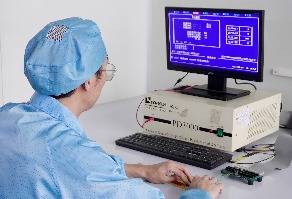
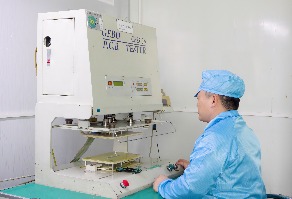
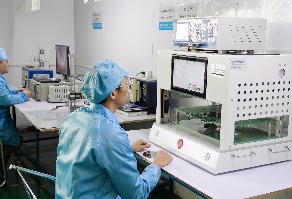
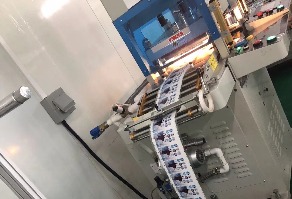
Exporting complex electromechanical interfaces across international borders requires a manufacturing partner with proven engineering discipline, verified testing procedures, and responsive communication channels. Dongguan Ravo Electronics Co., Ltd. delivers distinct operational advantages for Panamanian business partners:
Our engineering department conducts comprehensive Design for Manufacturability (DFM) reviews on DXF, DWG, Step, and AI files. Within 2 hours, we provide constructive layer stack-up guidance, circuit routing verification, and tactile dome recommendations.
From screen stencil preparation, precision silkscreen printing, thermal embossing, laser cutting, and surface-mount LED placement to hermetic perimeter lamination, all operations remain under our unified operational oversight, preventing third-party delays.
Every single electrical layer undergoes automated computerized continuity and resistance checking. We verify actuation force using calibrated force-displacement analyzers and validate graphic color consistency under standard D65 color evaluation booths.
Answers to practical sourcing, environmental compliance, and logistics questions commonly raised by engineers, distributors, and procurement teams in Panama.
Polycarbonate offers superior optical clarity for LCD/LED windows, elevated impact resistance against physical shock, and is naturally self-extinguishing (UL94 rated). While PET delivers higher flex-life for continuous mechanical flexing, Polycarbonate remains the gold standard for rugged instrumentation panels, clear lens applications, and thick decorative bezels.
Delamination is prevented through two design protocols: applying genuine 3M acrylic adhesives (such as 3M 467MP or 300LSE for low surface energy plastics) and designing continuous perimeter moisture gaskets that fully enclose the interior layers, isolating internal circuits from ambient humidity and salt spray.
Yes. Every commercial batch shipped to Panama or transshipped via the Colon Free Zone includes complete Certificates of Conformance (CoC), raw material RoHS 3 testing certificates, and CE conformity declarations to ensure frictionless customs entry.
We accommodate rapid prototyping from 1 to 5 pieces for initial engineering evaluation. Standard prototypes ship within 7 to 10 working days following final DFM artwork sign-off, utilizing air express courier to Tocumen International Airport in Panama.
Yes. We apply selective surface texture masks during the printing process. Buttons and borders can feature a velvet or matte scratch-resistant texture, while LCD, OLED, and seven-segment display windows remain optically clear, gloss, or tinted for high legibility under direct sunlight.
All finished graphic overlays and membrane keypads are sealed inside moisture-barrier anti-static bags containing industrial desiccant packets, reinforced between rigid support dividers, and packed in multi-wall export cartons engineered for trans-oceanic and air cargo stability.
Collaborate with an experienced OEM/ODM membrane switch and polycarbonate overlay manufacturer. Submit your technical drawings (AI, CAD, DXF, or PDF), and our engineering team will provide a comprehensive DFM assessment and formal quotation within 2 hours.
