 EN
 DE
 FR
 ES
 RU
 JA EN DE FR ES RU JA
Industrial-grade custom overlays, PMMA front panels, silicone keys, and tactile membrane switch solutions engineered for extreme operational environments.
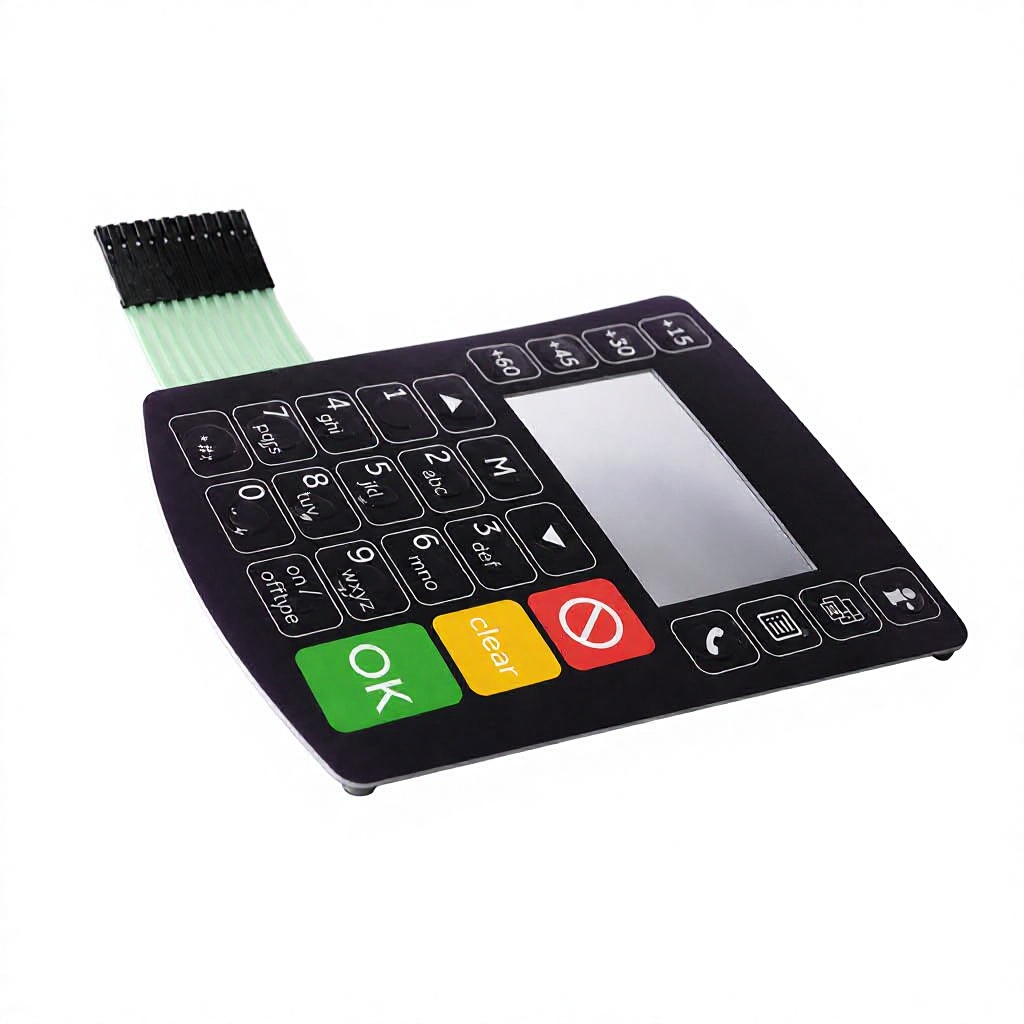
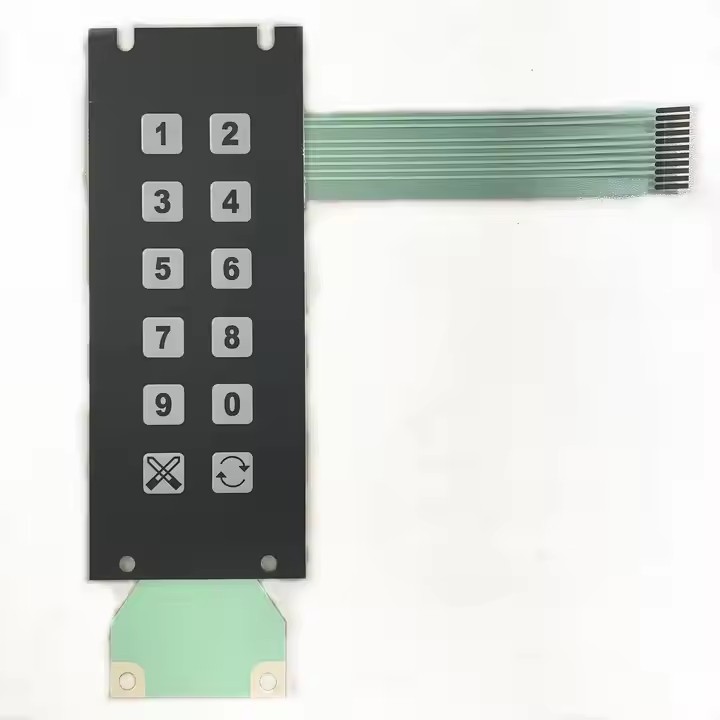
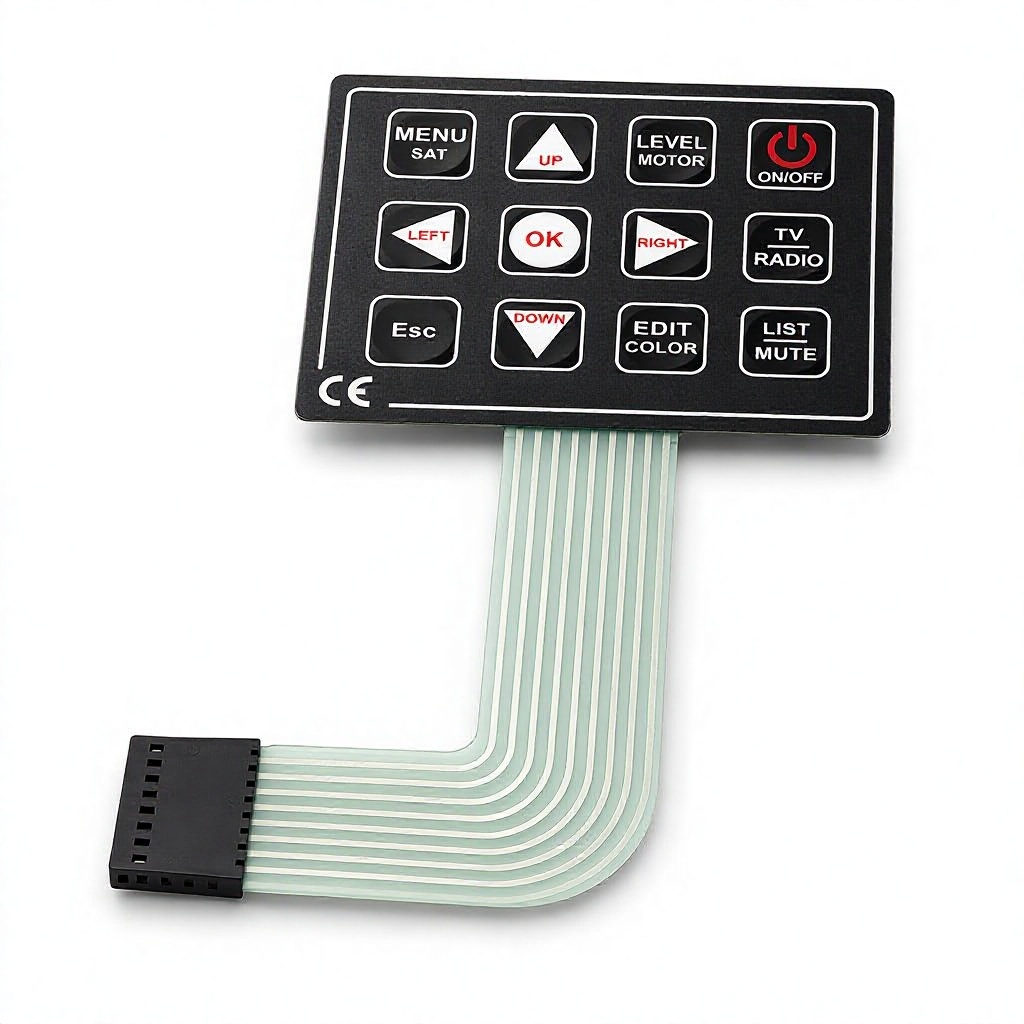
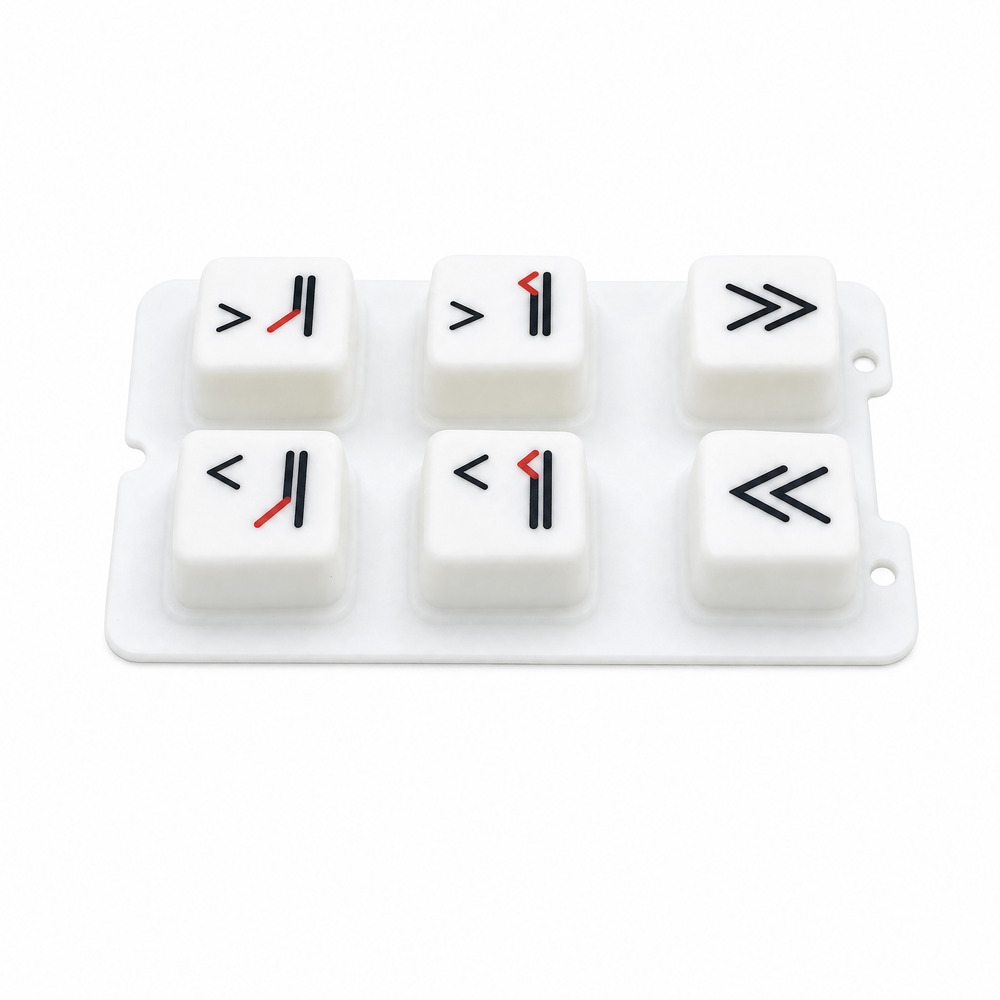
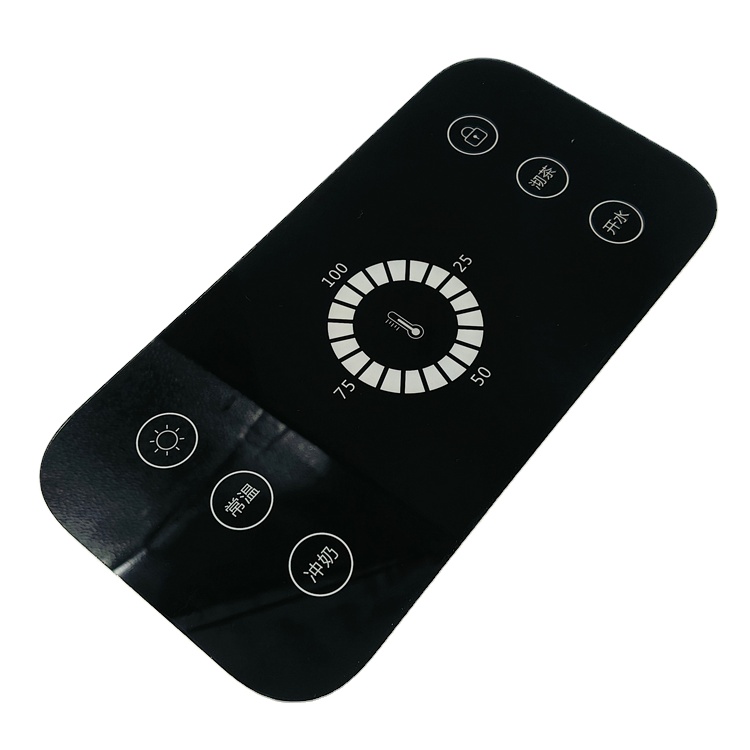
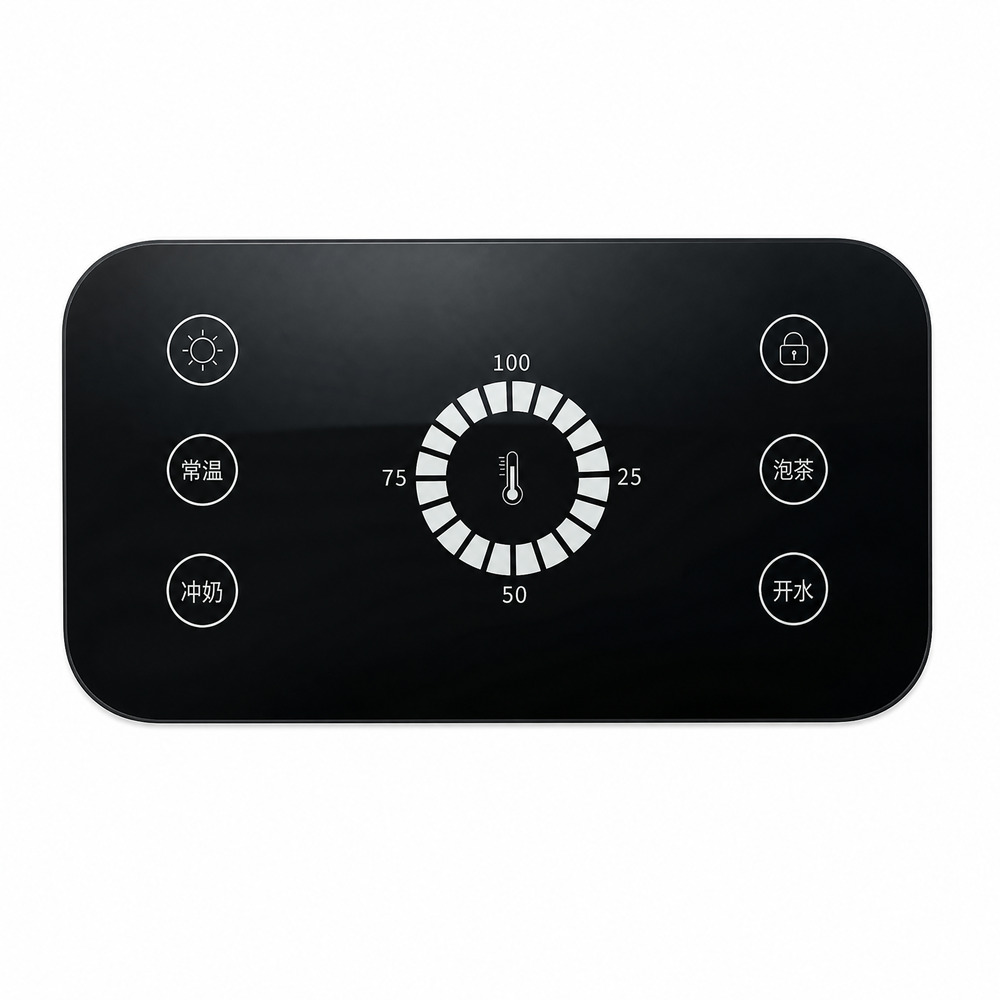
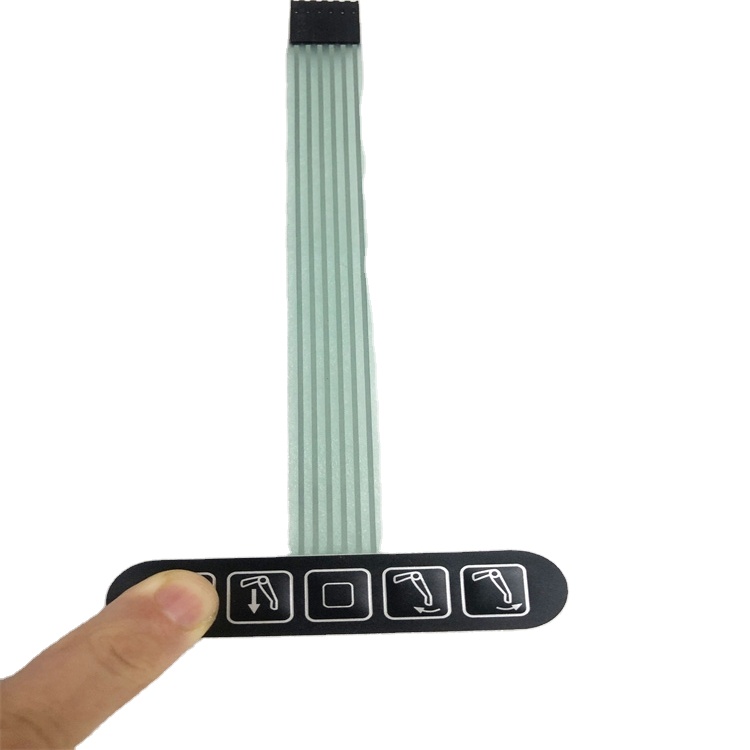
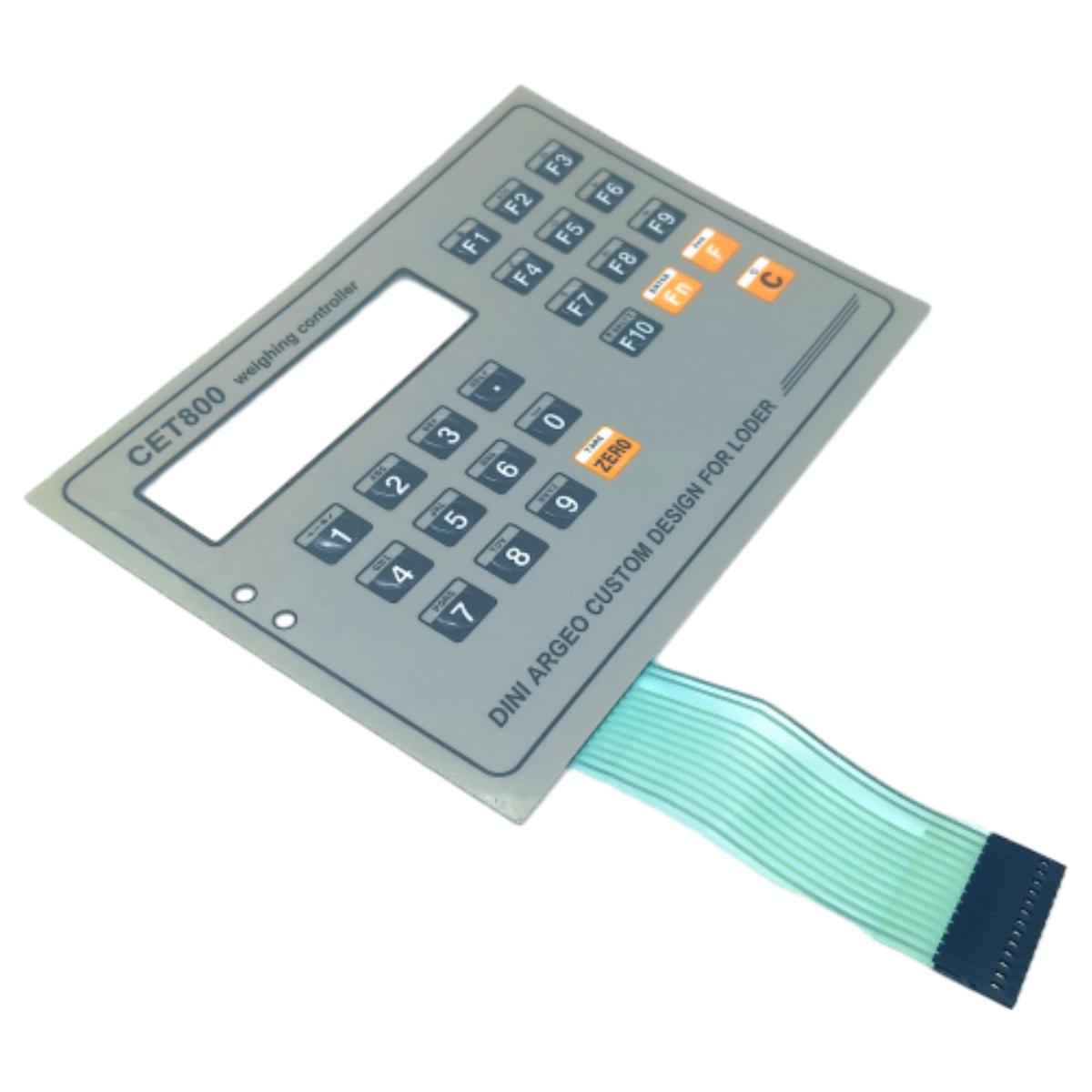
In modern industrial design, the human-machine interface (HMI) serves as both the operational nerve center and the primary protective barrier of electronic equipment. While traditional thin-film polyester (PET) and polycarbonate (PC) graphic overlays dominate lightweight commercial devices, demanding industrial environments require structural rigidity, high optical clarity, superior impact strength, and chemical inertia. This is where precision-machined acrylic (Polymethyl Methacrylate or PMMA) faceplates and lenses become indispensable.
As a leading custom manufacturer headquartered in Dongguan's advanced manufacturing cluster since 2003, Dongguan Ravo Electronics Co., Ltd. specializes in engineering heavy-duty acrylic front panels, capacitive touch screens, optical display windows, and integrated membrane switch control assemblies. Expanding our export footprint across Northern Europe and the Baltic Sea logistics corridor, we deliver OEM/ODM interface solutions custom-tailored to the rigorous requirements of original equipment manufacturers in Klaipėda and the surrounding Lithuanian industrial ecosystem.
Acrylic faceplates engineered from optical-grade cast or extruded PMMA sheets offer a distinct set of mechanical, optical, and chemical advantages over conventional plastic foils:
Klaipėda holds a strategic position as Lithuania’s premier ice-free deep-water port city and a rapidly growing hub for high-tech manufacturing, food processing, marine engineering, and renewable energy infrastructure. The operating environments in this region present unique environmental and physical challenges for electronic control interfaces.
Klaipėda's maritime sector demands IP67/IP68 sealed acrylic touch lenses and faceplates for shipborne radar systems, engine control consoles, and dockside cranes. Custom optical bonding with anti-reflective (AR) coatings ensures flawless display readability under glaring sunlight and heavy marine salt spray.
Enterprises within the Klaipėda Free Economic Zone (FEZ) manufacturing robotics, power converters, and HVAC systems rely on thick acrylic front panels integrated with capacitive touch switches and dead-front LED indicator windows that withstand continuous 24/7 factory operation.
Lithuania's extensive agricultural and food packaging facilities require smooth, non-porous HMI surfaces that endure aggressive chemical washdowns (caustic soda, hot water jetting, sanitizers). Beveled acrylic faceplates with perimeter gaskets eliminate dirt-trapping crevices.
Selecting the optimal front panel material requires balancing optical performance, mechanical impact requirements, environmental exposure, and tooling economics. The technical matrix below highlights key property differentials evaluated during our Design for Manufacturability (DFM) reviews:
| Physical / Chemical Property | PMMA Acrylic (Cast/Extruded) | Polycarbonate (PC) | Polyester (Autotype PET) |
|---|---|---|---|
| Typical Thickness Range | 0.8 mm – 6.0 mm+ (Rigid Plate) | 0.125 mm – 1.0 mm (Film/Sheet) | 0.125 mm – 0.25 mm (Thin Film) |
| Optical Clarity / Transmittance | 92% – 93% (Glass Equivalent) | 88% – 89% | 86% – 89% |
| Surface Hardness (Pencil) | 2H – 3H (Uncoated) / Up to 8H Hardcoat | HB – 1H (Requires Hardcoat) | 2H – 3H (Texture Coated) |
| UV & Outdoor Weathering | Outstanding (No yellowing >10 yrs) | Moderate (Tends to yellow without UV blocker) | Good (With UV hardcoat) |
| Flexural & Structural Capability | High Structural Load Bearing | Moderate Structural Load | Non-Structural / Flex Overlay Only |
| Machining & Edge Finishing | Precision CNC Router, Laser Cut, Diamond Polish | Die Cut, CNC Router, Shearing | Steel Rule Die Cut, Laser Cut |
| Chemical Inertness (Solvents/Salt) | High resistance to salts, acids, marine haze | Susceptible to aromatic hydrocarbons | Excellent resistance to chemicals & flex fatigue |
As Northern European and Baltic manufacturers modernize their product portfolios to compete globally, several critical technology shifts are driving demand for advanced acrylic faceplate manufacturing:
Mechanical switches and rubber keypads are increasingly giving way to smooth, glass-like capacitive touch interfaces. Custom-machined 2.0mm–3.0mm acrylic panels with reverse silk-screen printed conductive ink pads allow operators to trigger controls through thick protective barriers, maintaining full IP67 seal integrity against liquid ingress.
To support high-visibility requirements in outdoor maritime and field equipment, buyers in Klaipėda are specifying anti-glare micro-etched textures combined with "dead-front" printing techniques. In dead-front designs, indicator icons and warning symbols remain completely invisible until illuminated from behind by ultra-bright SMD LEDs mounted on underlying FPC or PCB circuits.
European OEMs face pressure to reduce time-to-market while avoiding massive tooling inventory risks. By providing rapid laser-cut and CNC-milled acrylic prototypes from as low as 1 to 10 pieces with a 2-hour engineering response time, Dongguan Ravo Electronics bridged the gap between early-stage concept validation and mass volume production.
Imports into Lithuania and the broader European Union must comply strictly with RoHS 3.0, REACH, and WEEE directives. Our production processes utilize non-hazardous, halogen-free screen printing inks, solvent-free 3M acrylic adhesives (such as 3M 467MP, 468MP, and 9448A), and fully recyclable PMMA resins accompanied by complete material safety test reports.
For over two decades, Dongguan Ravo Electronics Co., Ltd. has established itself as a reliable OEM partner for global system integrators. Our vertically integrated 12,000 m² manufacturing plant brings every critical process under one roof:
High-speed multi-axis CNC routers deliver precision step-milling, 45° edge beveling, blind pocketing for display screens, and laser-drilled mounting holes with tolerances down to ±0.05mm.
Class 10,000 dust-free screen printing and automated optical liquid bonding (LOCA/OCA) prevent microscopic inclusions, ensuring crystal-clear clarity for acrylic windows and touch sensors.
Every production lot undergoes rigorous inspection including spectroradiometric color matching (Pantone/RAL), surface abrasion testing, thermal shock conditioning, and 100% automated electrical continuity testing.
Below are detailed technical and logistical answers to common questions raised by procurement managers and design engineers in Klaipėda and Northern Europe:
Need expert DFM advice, material samples, or a rapid prototype quote for your custom acrylic faceplates or membrane control panels? Our senior engineering team is ready to evaluate your CAD drawings.
