EN
 DE
 FR
 ES
 RU
 JA EN DE FR ES RU JA
Direct OEM/ODM manufacturing solutions engineered for extreme environmental sealability, optical precision, and tactile performance.
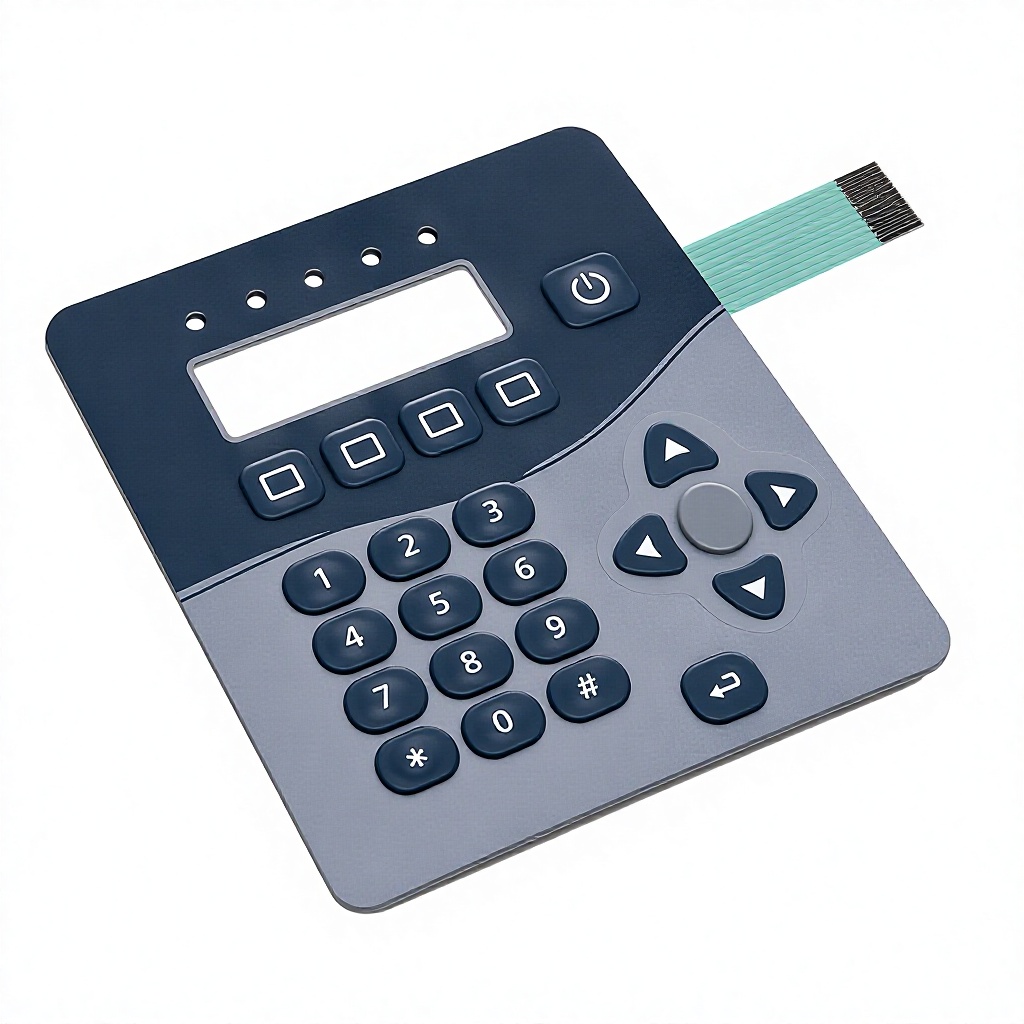
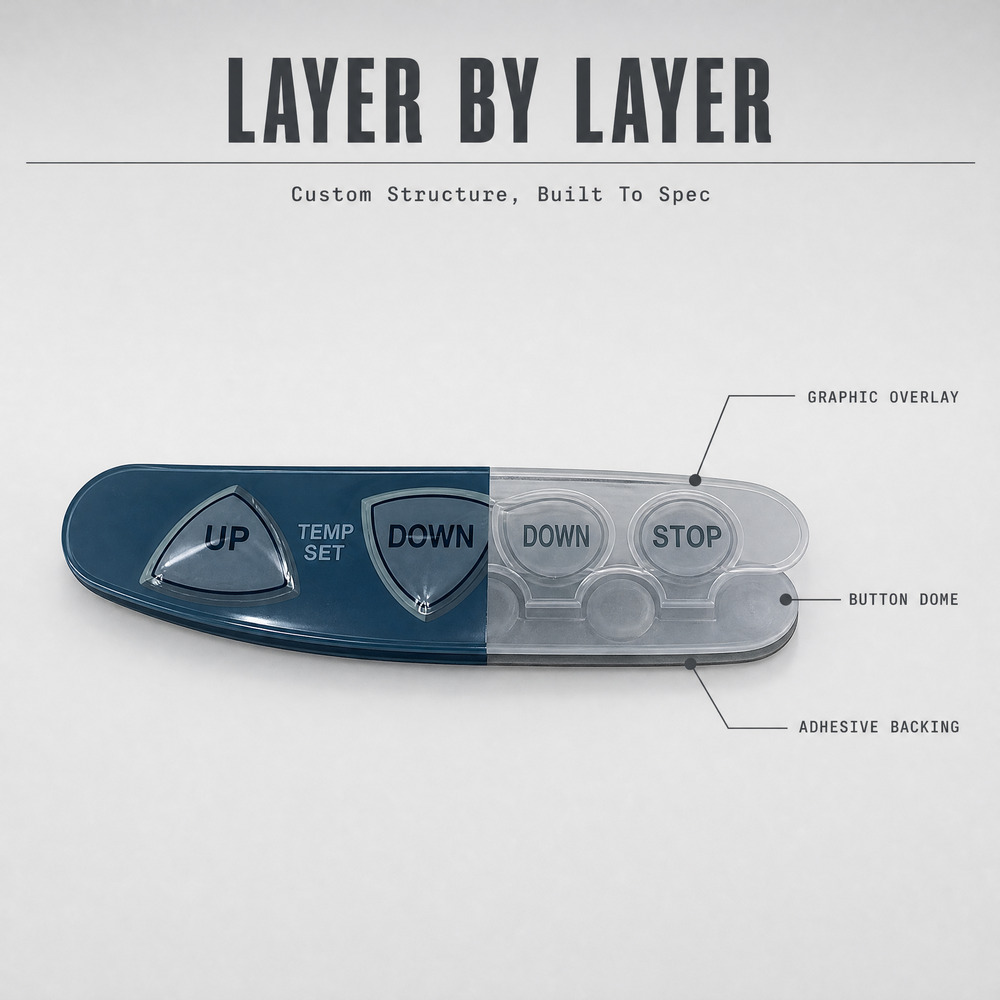
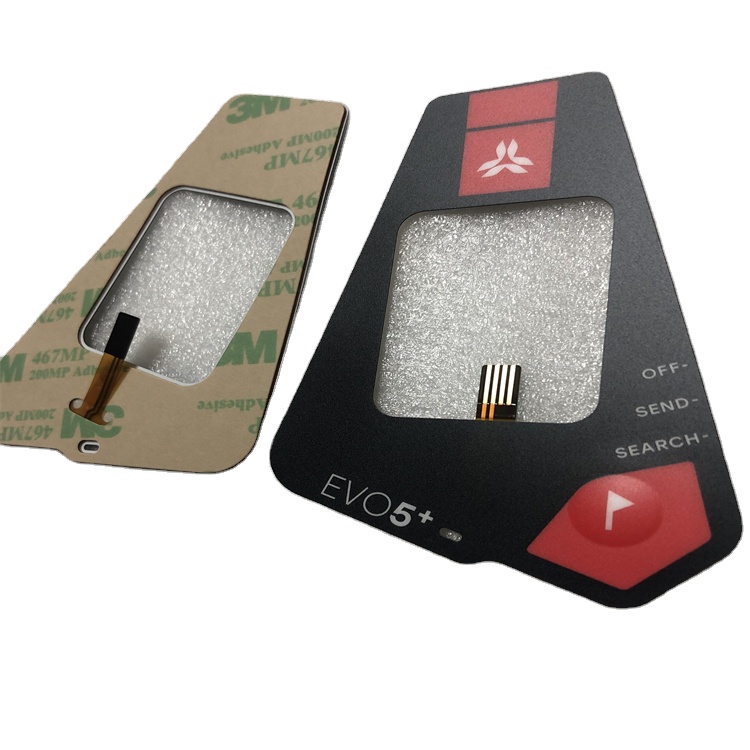
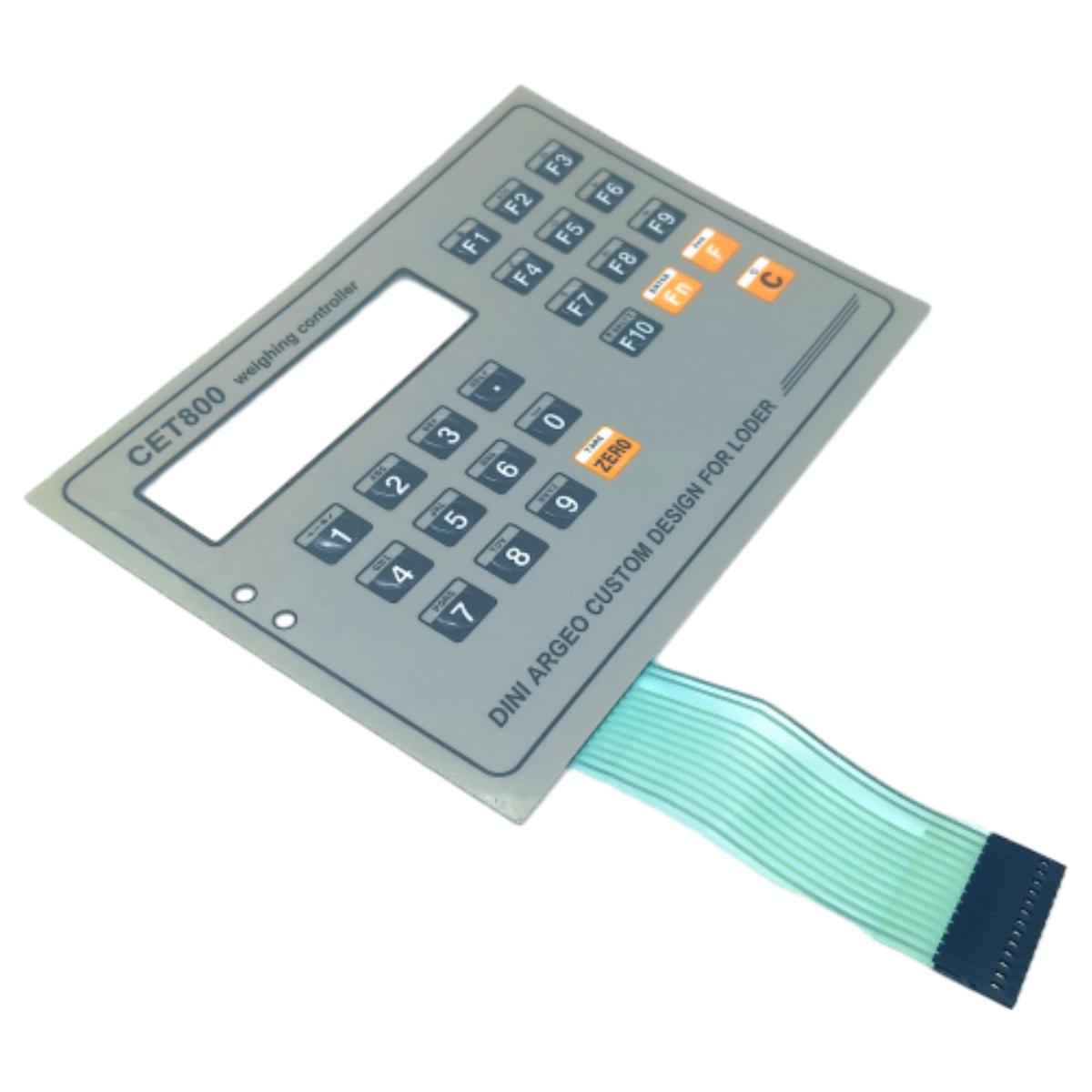
An in-depth analysis of material physics, optical clarity, chemical stability, and structural sealing required for equipment operating in tropical maritime climates.
In high-humidity, high-salinity coastal environments like Madang, Papua New Guinea, human-machine interfaces (HMIs) face severe operational challenges. Standard industrial faceplates frequently fail due to solar ultraviolet degradation, salt-fog corrosion, thermal expansion stress, and moisture ingress. Selecting the ideal substrate material—whether optical-grade Polymethyl Methacrylate (PMMA/Acrylic), hard-coated Polycarbonate (PC), or high-performance Polyester (PET)—is a critical design decision for equipment original equipment manufacturers (OEMs), plant engineers, and maintenance directors.
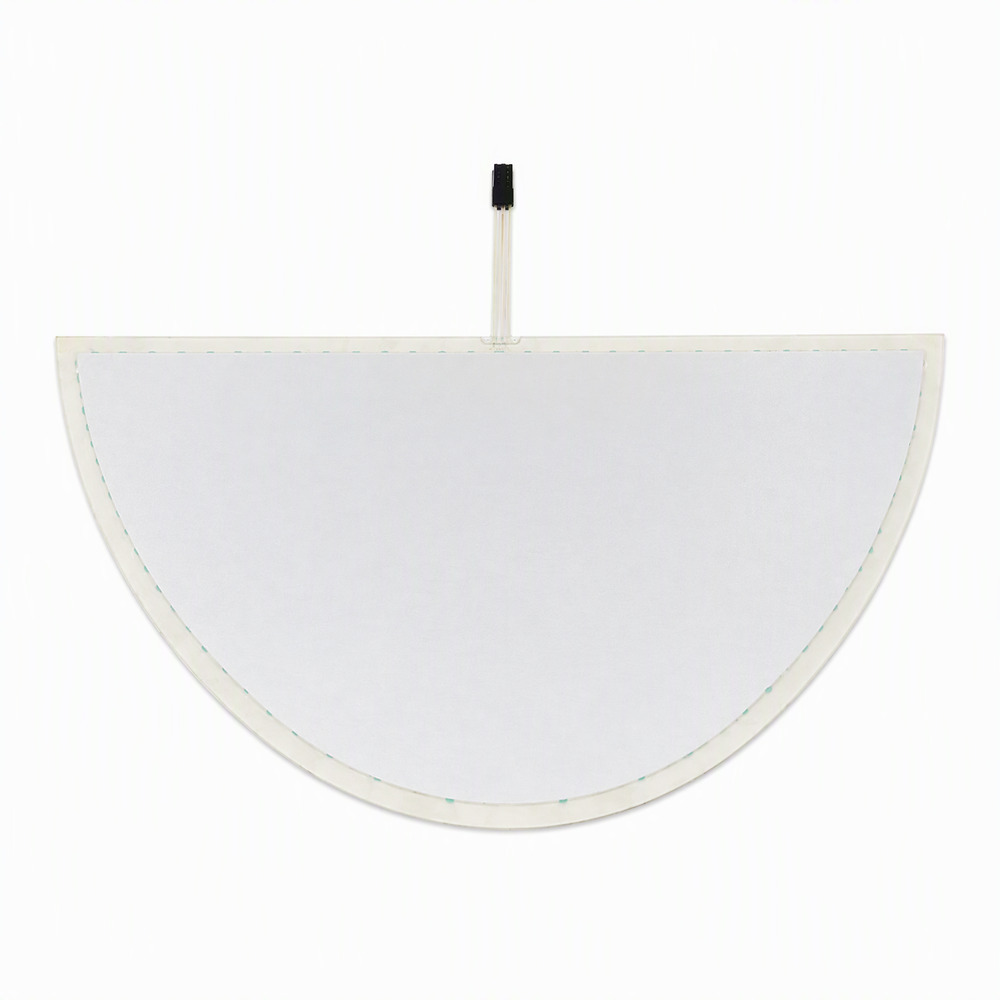
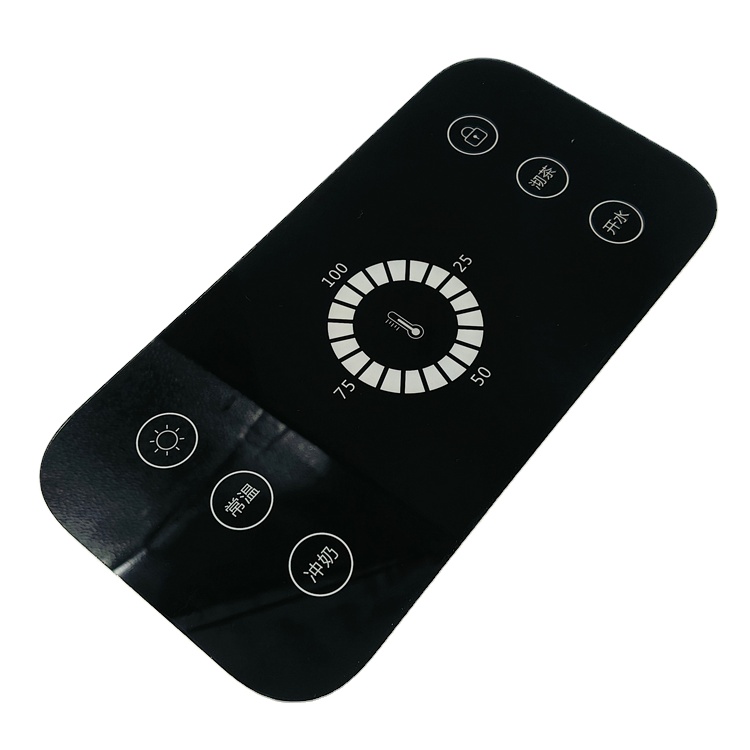
When specifying Acrylic Faceplates for external or coastal industrial equipment in Madang Province, optical clarity (>92% visible light transmission), resistance to surface hazing, and zero-moisture absorption characteristics make PMMA superior to non-hardcoated polycarbonate. However, for impact-critical heavy machinery, optically bonded hybrid PMMA/PC co-extrusions paired with high-tack 3M acrylic transfer adhesives provide the ultimate balance of impact toughness and environmental immunity.
Acrylic (PMMA) offers superior inherent resistance to UV radiation compared to untreated polycarbonate. Under intense equatorial solar exposure typical of Papua New Guinea (UV index exceeding 11+ daily), standard plastic overlays degrade through yellowing, polymer chain scission, and surface micro-cracking (crazing). Acrylic faceplates maintain crystallographic clarity and structural rigidity over decades of outdoor exposure.
| Engineering Property | Cast Acrylic (PMMA) | Hard-Coated Polycarbonate (PC) | Polyester (PET Film Overlay) |
|---|---|---|---|
| Visible Light Transmission (VLT) | 92.5% (Crystal Optical Grade) | 88% - 90% | 86% - 89% |
| UV Yellowing Index (10-Yr Equivalent) | < 1.5 ΔYI (Virtually Zero) | 3.0 - 5.0 ΔYI (Requires Hardcoat) | 2.5 - 4.0 ΔYI |
| Pencil Hardness (Surface) | 3H to 4H (High Scratch Resist) | 1H (H-HB without coating; 3H with coating) | 3H - 4H (Hard-coated) |
| Impact Resistance (Charpy Notch) | 1.5 – 2.0 kJ/m² (Moderate) | 30 – 40 kJ/m² (Ultra-High) | Flexible / Non-Brittle |
| Chemical Resistance (Saline/Solvents) | Excellent vs. Salt Water & Mild Acids | Moderate (Vulnerable to Aromatics) | Superior vs. Solvents & Harsh Cleaners |
| Optimal Use Case in Madang | Instrument Windows, Outdoor Meters, Displays | Heavy Equipment Keypads, Mining Interfaces | High-Flex Actuation Keypads, Washdown HMIs |
To eliminate optical distortion and anti-reflective reflection loss, our factory utilizes high-precision CNC routing and laser-cutting combined with sub-surface silkscreen printing. By back-printing graphic elements, legends, and brand logos directly onto the reverse side of transparent acrylic sheets, the printed artwork remains 100% protected against mechanical abrasion, high-pressure washdowns, and chemical cleaning agents.
Furthermore, for applications requiring integrated display modules (LCD, OLED, TFT), we incorporate selective anti-glare (AG) matte texturing or anti-reflective (AR) optical coatings onto the window area, maximizing readability in direct equatorial sunlight.
Targeted faceplate engineering designed for the unique operational demands of Madang Province’s core economic sectors.
Operating near the Madang Lagoon and Port facilities requires equipment that withstands persistent salt spray, high humidity, and wave impacts. Our marine-grade acrylic faceplates feature sealed perimeter gaskets (IP67/IP68 rating) using hydrophobic 3M 300LSE/468MP adhesives, preventing moisture wicking and circuit corrosion in winch controls, navigation consoles, and seafood processing interfaces.
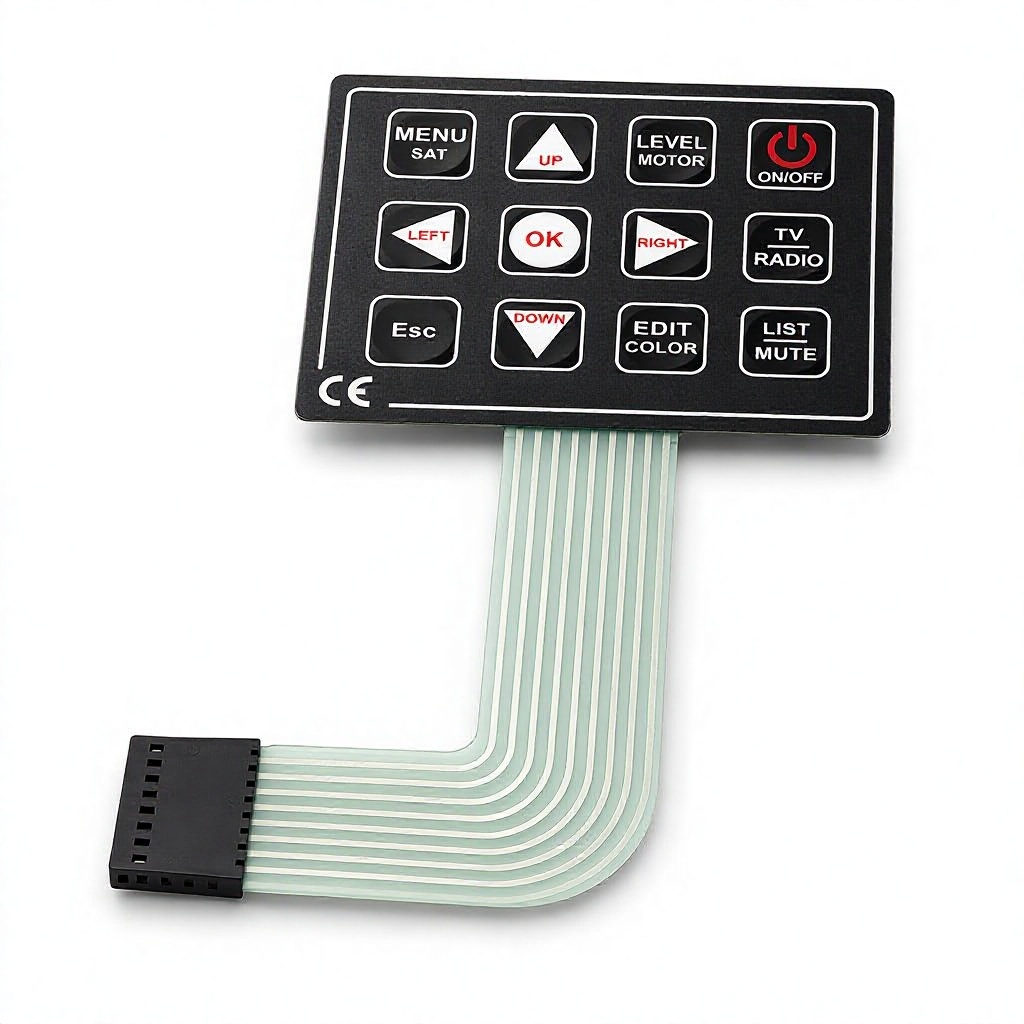
Inland mining operations across Madang Province generate intense fine dust, abrasive particulates, and heavy physical vibration. Our heavy-duty acrylic and hard-coated polycarbonate composite faceplates protect internal electronics, PLC panels, and remote control transmitters from dust ingress and mechanical shock while delivering tactile key confirmation.
Processing facilities require steam washdowns, organic acid resistance, and thermal tolerance. Reverse-printed PMMA and PET control overlays resist degradation from botanical oils, sanitizers, and ambient temperatures up to 85°C, ensuring clear visibility for automated drying and extraction machinery.
Outdoor water monitoring systems, pump station interfaces, and environmental monitoring stations deployed in equatorial marine zones require total solar protection. Our acrylic faceplates incorporate UV-blocking additives that prevent yellowing and internal optical clouding, securing operational uptime for municipal utilities.
Strategic insights driving procurement decisions for industrial components in Papua New Guinea.
The Papua New Guinea industrial sector is experiencing a rapid modernization cycle. As mining expansions, port infrastructure upgrades, and local agricultural processing plants automate their production lines, demand for high-reliability human-machine interfaces has surged. Key market trends specific to the Madang region include:
Over two decades of precision engineering, vertically integrated manufacturing, and rigorous quality control.
Established in 2003 in Dongguan, China, our 12,000 square meter facility houses comprehensive screen printing, laser cutting, CNC acrylic routing, and cleanroom assembly operations under one roof.
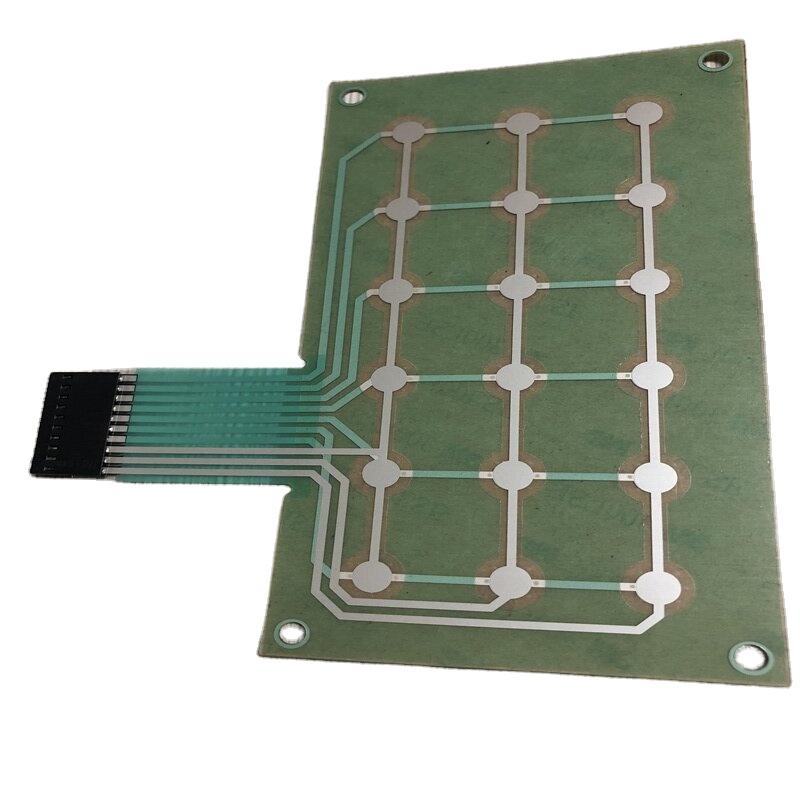
Our specialized engineering team evaluates your 2D/3D CAD drawings (DXF, DWG, STEP, AI) and returns a comprehensive Design for Manufacturability (DFM) review and layer stack-up recommendation within two hours.
Every production batch undergoes 100% electrical continuity testing, dimensional laser verification, color spectrophotometry matching (Pantone/RAL), and actuation life testing up to 1 million cycles.
Direct technical and logistical answers addressing common questions from buyers in Papua New Guinea.