 EN
 DE
 FR
 ES
 RU
 JA EN DE FR ES RU JA
Explore our top-performing custom capacitive touch modules, ruggedized graphic overlays, and hybrid HMI keypads deployed globally across industrial automation, medical consoles, commercial fuel dispensers, and intelligent smart home appliances.
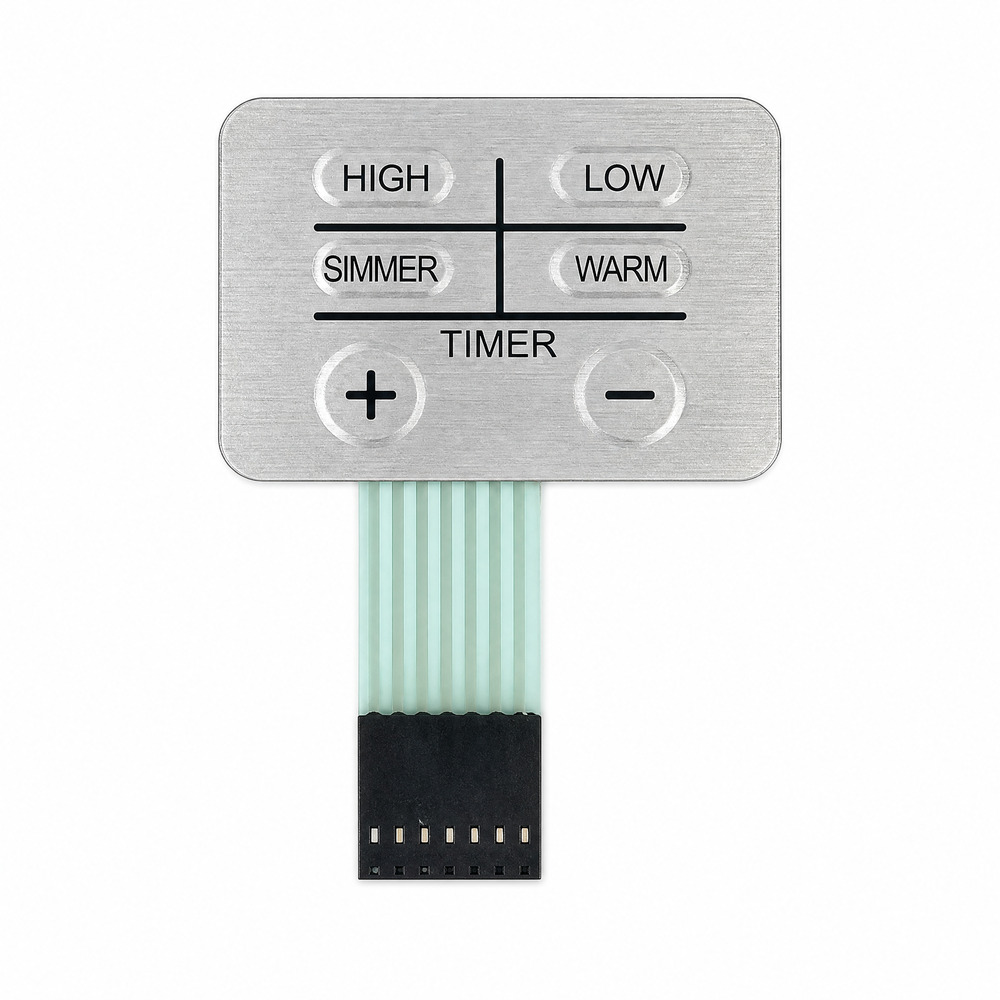
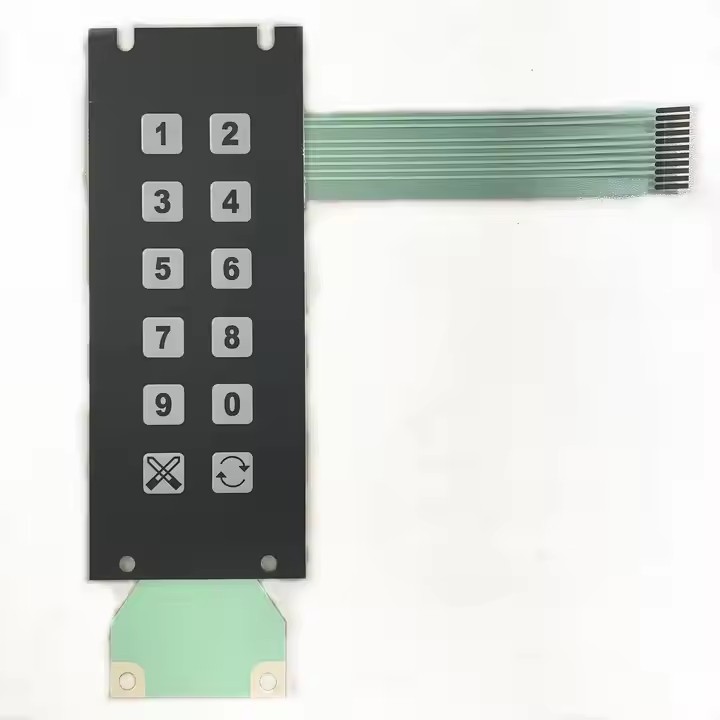
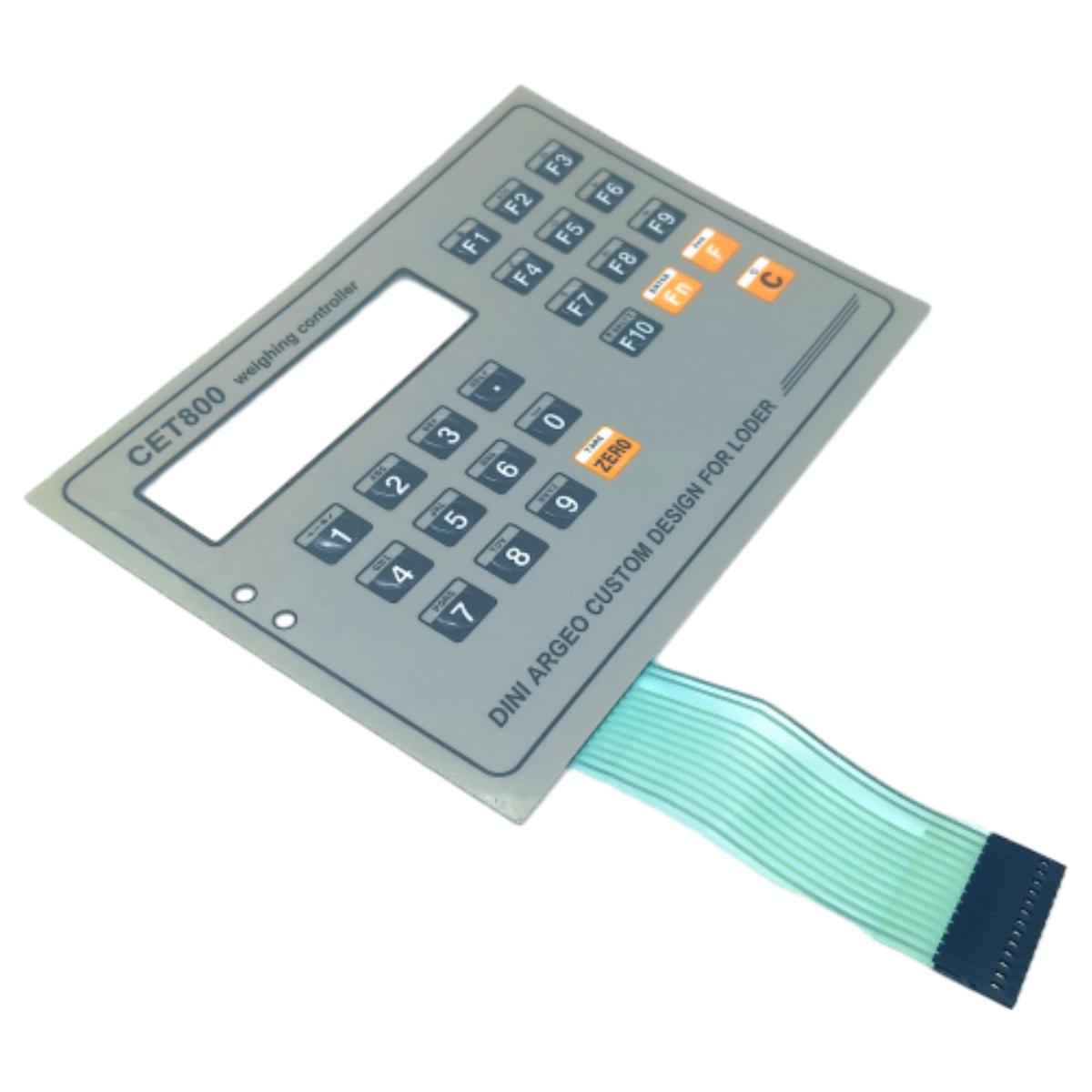
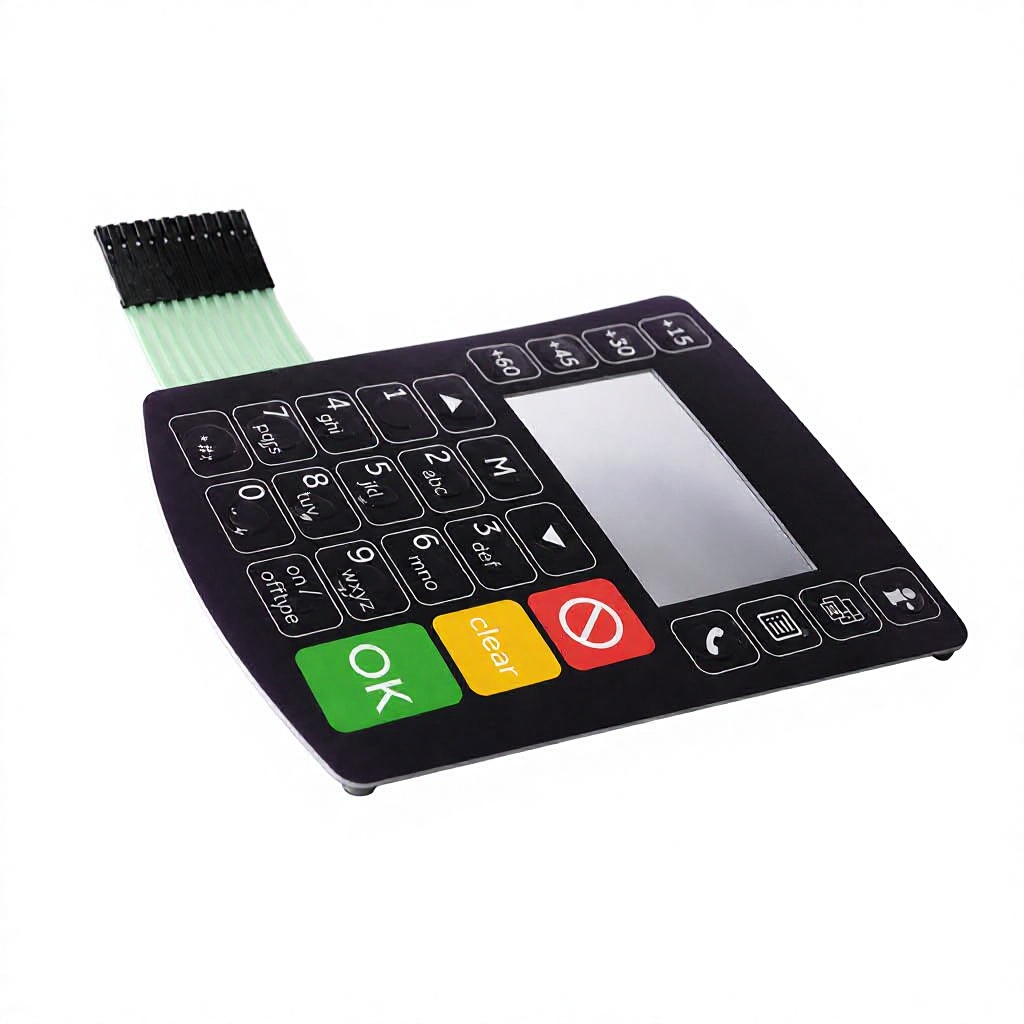
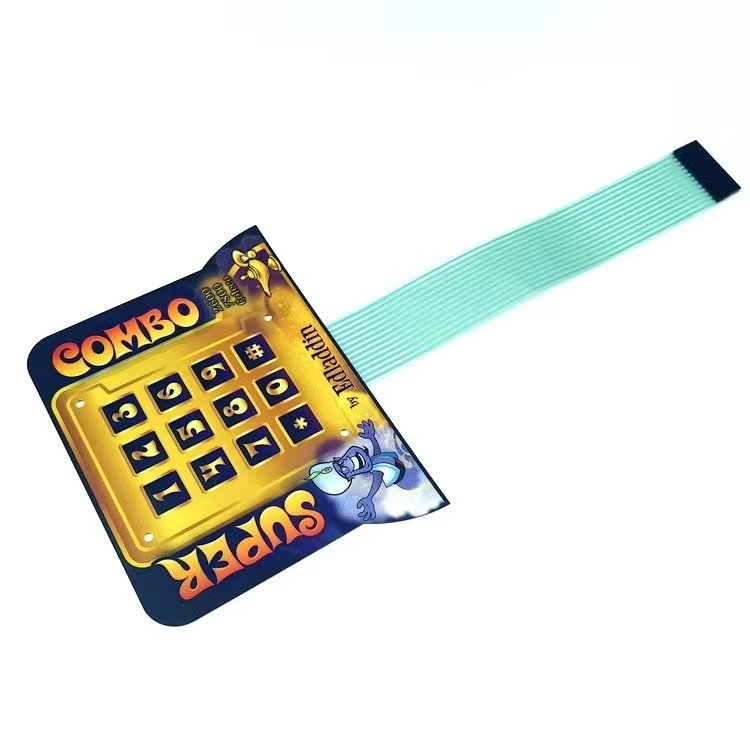
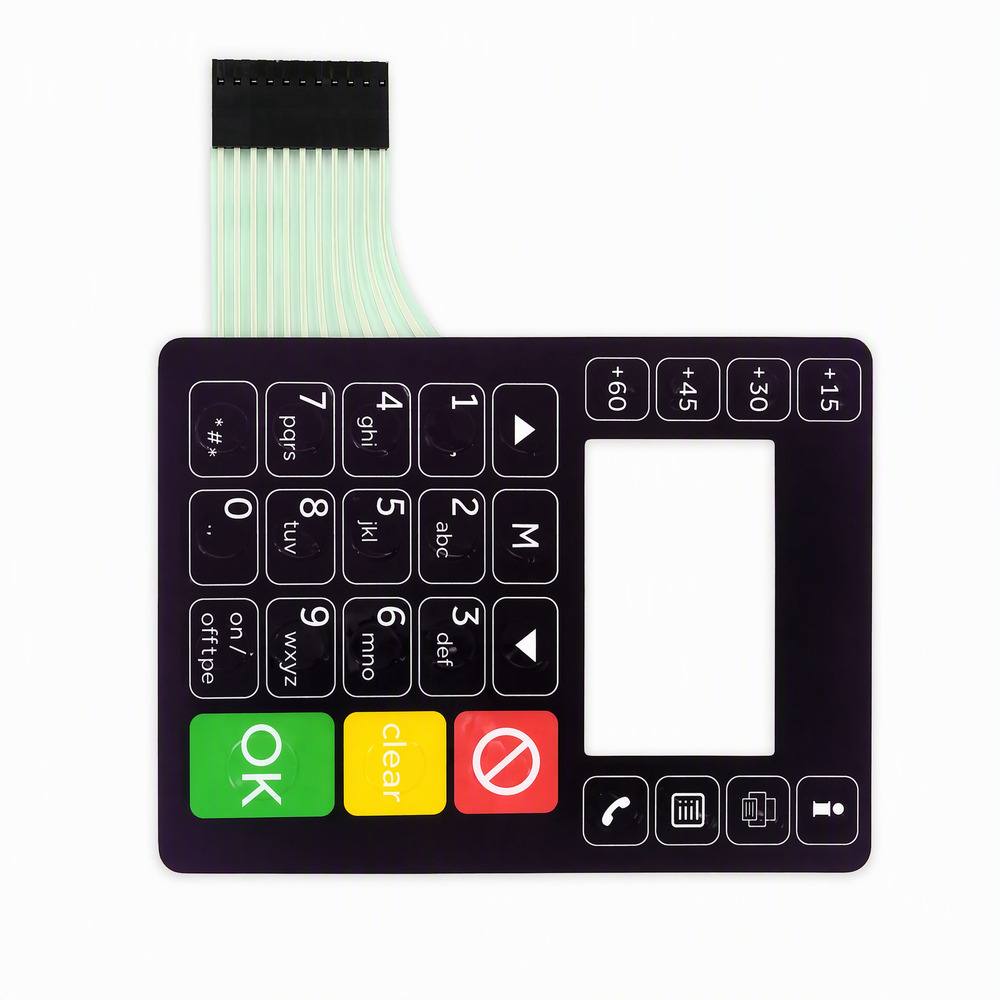
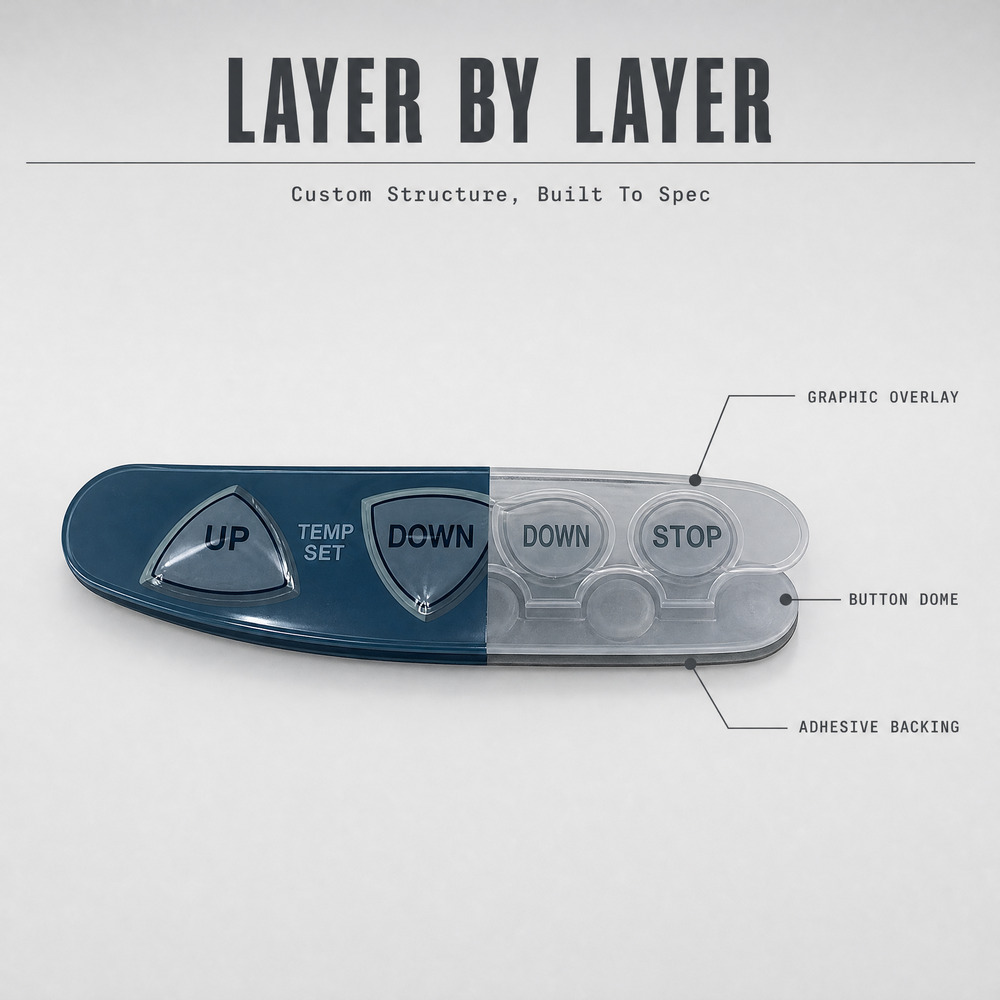
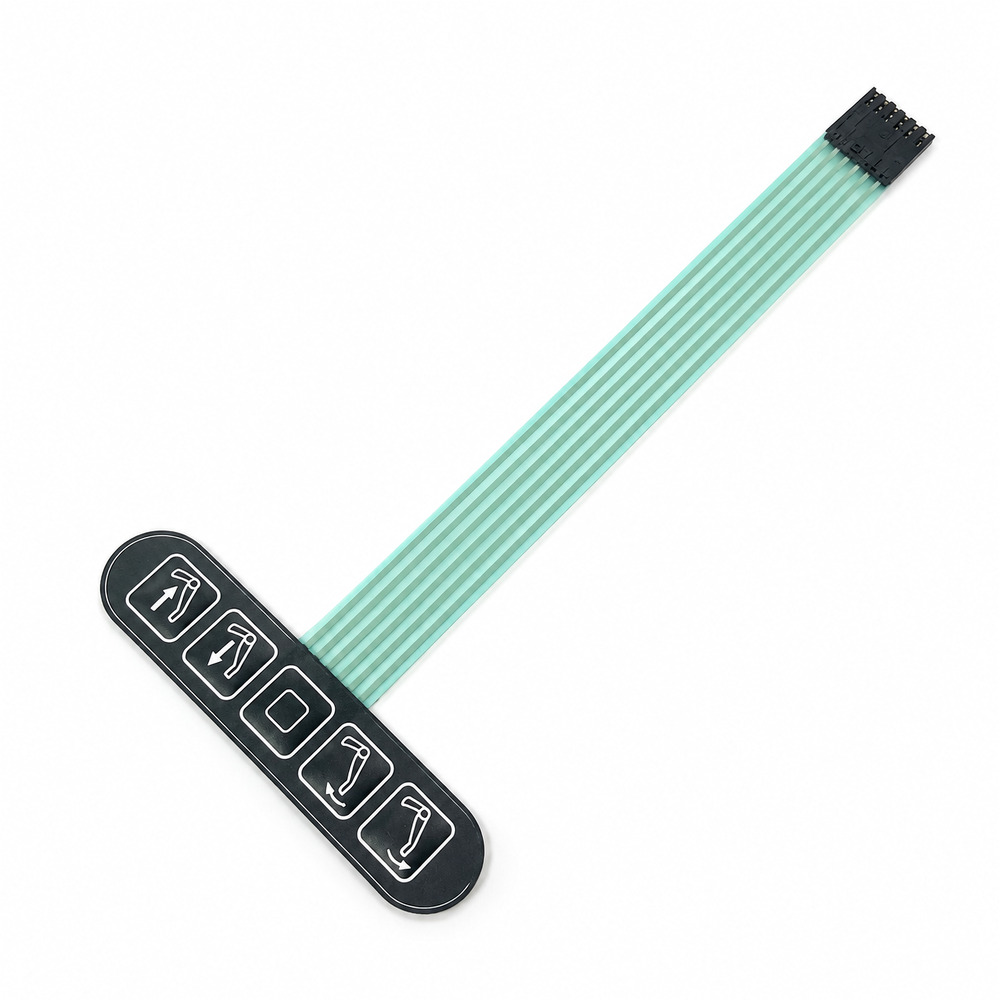
In modern industrial automation, clinical medical instruments, and premium commercial appliances, the conventional electromechanical switch is rapidly transitioning to projected capacitive touch (PCAP) panels and printed capacitive membrane sensors. Capacitive sensing operates on the electrophysical principle of measuring microscopic perturbations in an established electrical field. Unlike mechanical metal domes that require physical metallic deformation to close an air gap between conductive silver traces, capacitive switch arrays feature no moving parts, effectively eliminating the physical mechanical fatigue limit and raising working life cycles to virtually limitless operations.
At Dongguan Ravo Electronics Co., Ltd., our engineering division designs both Self-Capacitance (measuring the capacitance of a single electrode to ground) and Mutual-Capacitance (measuring the charge transfer between intersecting transmitter and receiver traces). When an operator’s finger approaches the dielectric front surface—such as chemically strengthened glass, polycarbonate (PC), or poly(methyl methacrylate) (PMMA)—the human body's intrinsic conductive properties draw a minute alternating current charge, modulating the mutual capacitance ($\Delta C_m$) at the localized coordinate grid. High-speed controller ICs convert this charge shift into digital coordinates via analog front-end (AFE) processors with scan rates reaching beyond 200 Hz.
“Engineering capacitive touch for severe industrial environments requires rigorous mitigation of stray parasitic capacitance ($C_p$). By controlling dielectric thickness, trace impedance via screen-printed carbon and silver pastes, and applying guard electrodes, Ravo panels maintain high Signal-to-Noise Ratios (SNR > 25:1) even under dense EMI emissions and water film immersion.”
Achieving total operational reliability under hostile manufacturing conditions demands an intimate mastery over the layer stack-up. Standard consumer capacitive touch sensors fail when exposed to water splattering, RF noise from variable-frequency motor drives (VFDs), or heavy conductive grease. Ravo addresses these failure modes by integrating localized perimeter shielding, driven shield rings, and dual-frequency charge transfer firmware routines that differentiate between grounded human flesh and free ungrounded liquid films.
| Evaluation Parameter | Solid-State Capacitive Touch | Tactile Metal Dome Switch | Polydome Membrane Keypad |
|---|---|---|---|
| Mechanical Wear & Life Expectancy | ∞ Infinite (No moving parts) | 1,000,000 to 5,000,000 actuations | 500,000 to 1,000,000 actuations |
| Hermetic Ingress Protection (IP) | IP68 / IP69K (Seamless monolithic front) | IP65 to IP67 (Edge gasket dependent) | IP54 to IP65 (Moisture sensitive) |
| Industrial Cleaning & Sterilization | Alcohol, bleach, ammonia, autoclaving | Limited surface washdown | Prone to delamination under solvents |
| Overlay Substrate Compatibility | Glass (up to 6mm), PMMA, PET, Wood, Ceramic | Thin PET / PC (0.125mm – 0.25mm) | PET films only (forming limits) |
| Backlighting Sophistication | RGB LED halos, capacitive sliders, secret-until-lit | Point LEDs, EL foil, basic light guides | Surface-mounted low profile LEDs |
| Glove Actuation & Wet Environments | Requires tuned sensitivity firmware & mutual matrix | 100% reliable with thick work gloves | 100% reliable tactile response |
Global purchasing directors, original equipment manufacturers (OEMs), and electronics manufacturing services (EMS) providers are shifting their component selection criteria toward integrated, resilient HMI architectures.
B2B buyers are abandoning multi-vendor piecemeal procurement (sourcing bare sensors, graphic foils, cover lenses, and display panels separately). Sourcing fully laminated assemblies—such as optical bonding of capacitive touch sensors directly to TFT-LCDs with carrier frames and pre-tested FPCs—eliminates yield drop, reduces cleanroom assembly labor, and halves field RMA claims.
Post-pandemic medical device regulations and automated food-processing standards dictate panels capable of withstanding pressurized 80°C washdowns and harsh quaternary ammonium sanitizers. Procurement teams are specifying chemically inert borosilicate glass front lenses with antimicrobial etched anti-glare coatings over conventional scratch-prone PC plastics.
To eliminate catastrophic false triggers in safety-critical sectors (e.g., medical infusion pumps, maritime navigation, heavy mining consoles), procurement contracts increasingly require force-sensing resistors (FSR) or micro-piezo elements cascaded under the capacitive surface. Activation occurs only when an unambiguous pressure threshold (e.g., 200g) coincides with capacitive verification.
Shorter electronic product lifecycles require nimble suppliers. Traditional capacitive sensor tooling required massive upfront NRE fees and 8-week steel die lead times. Modern B2B sourcing mandates rapid prototyping within 7 to 10 days using digital direct-to-substrate UV printing and high-precision CNC laser micro-machining for early compliance validation.
With enclosure space shrinking in handheld diagnostic gear and compact IoT controllers, procurement demands are shifting from traditional 2.54mm pitch crimped tails to ultrafine 0.5mm pitch Chip-on-Flex (COF) and tail-integrated controller ICs (e.g., Atmel/Microchip, Goodix, or FocalTech), delivering noise-immune I2C or SPI packet data straight to host boards.
North American and European Tier-1 OEMs mandate strict supply chain transparency. Exporters must provide full laboratory validation of REACH Annex XVII SVHC lists, RoHS 3 (Directive 2015/863) restricted substances, and halogen-free adhesive bonding. Vertically integrated factories with ISO 14001 environmental frameworks hold an insurmountable competitive edge.
As human-machine interaction evolves beyond static planar controls, tactile, optical, and chemical material science breakthroughs are driving next-generation touch developments.
1. In-Mold Electronics (IME) and 3D Curved Smart Surfaces: The fusion of thermoformed printed electronics and plastic injection molding eliminates the boundary between structural chassis and electrical interfaces. In IME fabrication, silver conductive inks, capacitive electrodes, and surface-mount LEDs are screen-printed onto a flat PET film, thermoformed into intricate 3D contours, and back-injected with structural resins. The result is a featherweight, single-piece 3D control surface ideal for automotive center consoles and ergonomic medical controllers, dropping part counts by up to 70%.
2. Optical Waveguides and "Dead-Front" Stealth Lighting: Premium UI design demands panels that conceal non-active switches until system activation. Using sub-surface diffuse smoke inks with optical density calibrated to precision lux levels, Ravo engineers create invisible buttons that illuminate crisply via localized side-firing SMD LEDs and laser-etched light guides. Zero light bleeding between adjacent icons is guaranteed via precision CNC-stamped silicone optical isolation gaskets.
3. Advanced Optical Clear Adhesives (OCA) and Vacuum Lamination: Traditional air-gap capacitive panels suffer from internal optical reflections, sunlight washout, and condensation when deployed in maritime, mining, or cold-storage environments. By employing refractive-index-matched (n ≈ 1.49) liquid OCA (LOCA) or dry film OCA in Class 1,000 cleanrooms under -100 kPa vacuum chambers, internal air gaps are eliminated. This maximizes contrast ratios, improves impact resistance to IK10 standards, and completely prevents moisture ingress.
4. Localized Haptic Feedback Actuation: One historic drawback of capacitive touch compared to mechanical switches has been the lack of physical confirmation. Integrating miniature Linear Resonant Actuators (LRAs) or ultra-thin piezoelectric ceramic disks beneath the touch substrate bridges this gap. Upon capacitive detection, the system triggers a localized mechanical pulse (150–250 Hz) replicating the unmistakable sensory snap of a mechanical dome switch directly against the user’s fingertip.
With over two decades of uncompromising manufacturing discipline in Fenggang Town, Dongguan, Ravo brings end-to-end vertical integration to custom capacitive touch panels, membrane switches, and silicone interfaces.
From in-house precision screen fabrication, automated reel-to-reel printing, and cleanroom optical lamination to high-speed CNC laser profiling and silicone compression molding, every manufacturing step is consolidated under one roof. No outsourcing delays; full chain of custody.
Our veteran engineering team evaluates incoming DXF, DWG, STEP, and Gerber files, returning actionable Design for Manufacturability (DFM) reviews, layer stack-up proposals, and material compatibility matrices within 2 hours during China working shifts.
Zero-defect commitments enforced via 100% automated electrical continuity testing, insulation resistance validation (>100MΩ at 100V DC), contact resistance verification, actuation force profiling, and environmental thermal cycling (-40°C to +85°C).
We source exclusively from Tier-1 raw material leaders: Autotex & Autoflex polyester films, SABIC Lexan polycarbonate, Henkel & Acheson conductive silver and carbon pastes, and authentic 3M high-performance adhesives (3M 467MP, 468MP, 300LSE, 9448A).
Strict quality assurance protocols govern all incoming raw materials, batch lot traceability, cleanroom humidity/temperature baselines, and outgoing quality control (OQC). Comprehensive RoHS, REACH, and First Article Inspection (FAI) reports accompany shipments.
Serving over 50 export markets across North America, Europe, Australia, and East Asia with specialized anti-static packaging, moisture-barrier sealing, expedited door-to-door courier logistics, and dedicated bilingual project managers.
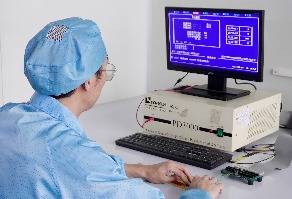
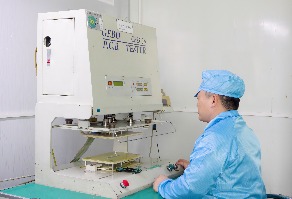
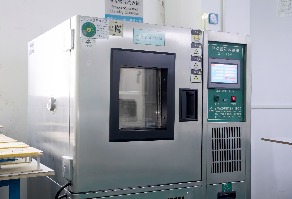
Everything sourcing managers and hardware design engineers need to evaluate tooling, electrical specs, dielectric thickness, and waterproof reliability before placing an order.
Send your 2D/3D drawings (CAD, DXF, DWG, STEP) or circuit schematics. Our Dongguan engineering team will provide a full DFM analysis, stack-up recommendation, and firm quote within 2 hours.
