ISO 9001:2015 Certified OEM/ODM Plant • Dongguan, China

Top China Flat Membrane Switch Manufacturers & Exporter

Precision-Engineered Non-Tactile, Polydome, Capacitive & Ultra-Thin Interface Assemblies for Medical, Industrial Automation, and Smart Appliance Global OEMs

Production Portfolio

Verified Flat Membrane Switch & Keypad Solutions

Custom fabricated with premium Autotype PET, polycarbonate, and proprietary conductive silver pastings. Tested for multi-million cycle actuation life in rigorous application environments.
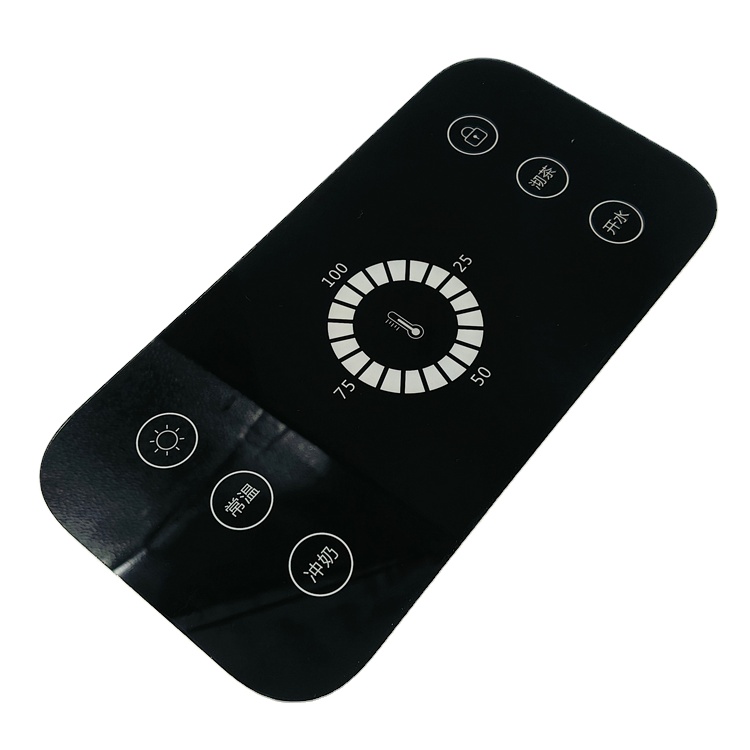
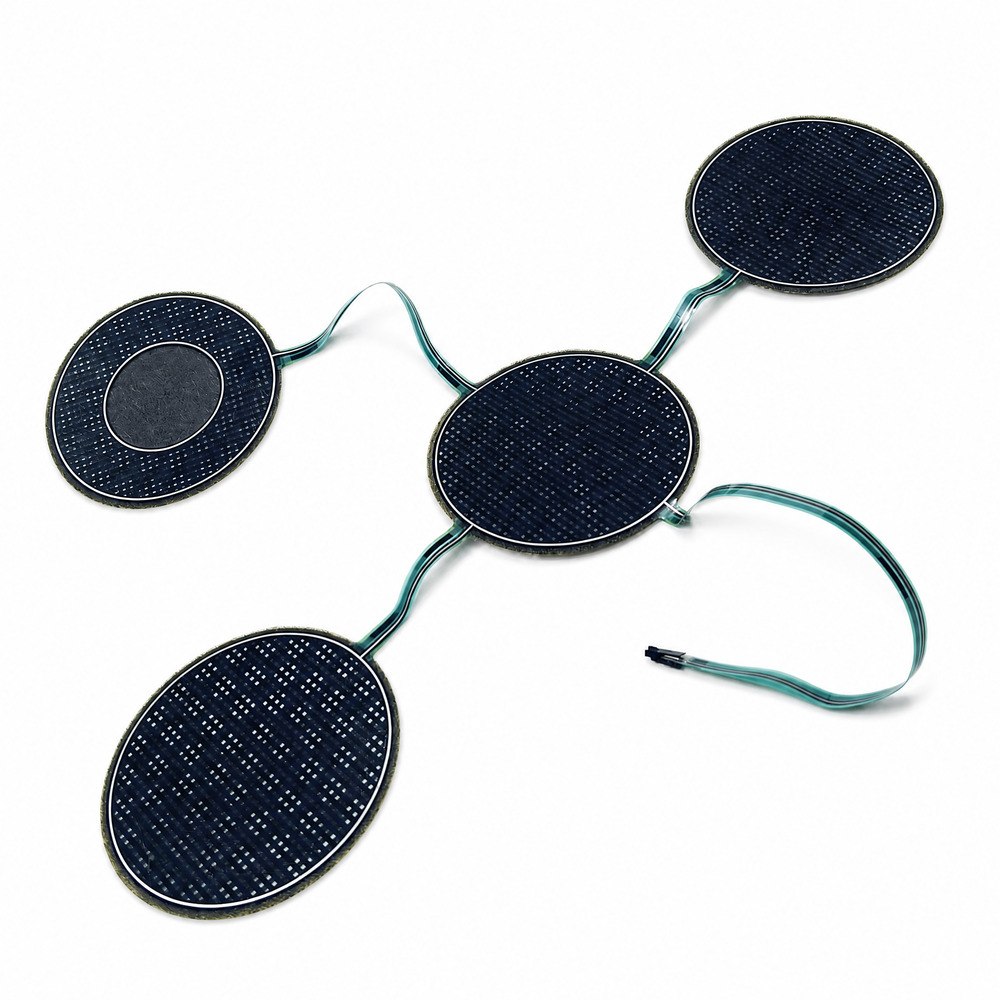
Capacitive Touch Custom Membrane Keypad Panel Capacitive Touch Switch Key Pad

Custom Membrane Keypad Panel Capacitive Touch Switch Key Pad

  • Application: Industrial Control & Home Appliance
  • Substrate: Anti-scratch Matte PC / Hardcoated PET
  • Circuit: Screen-printed silver electrode layout
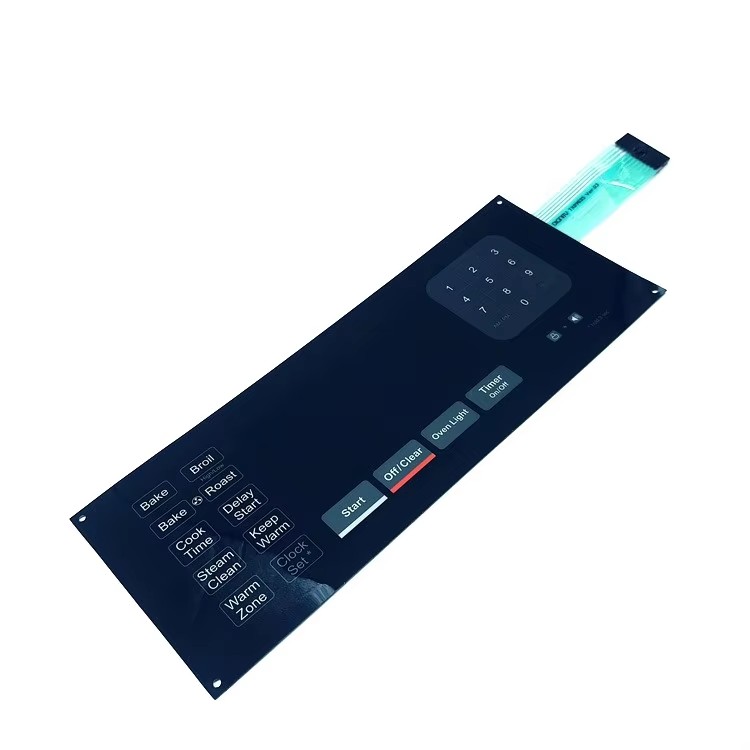
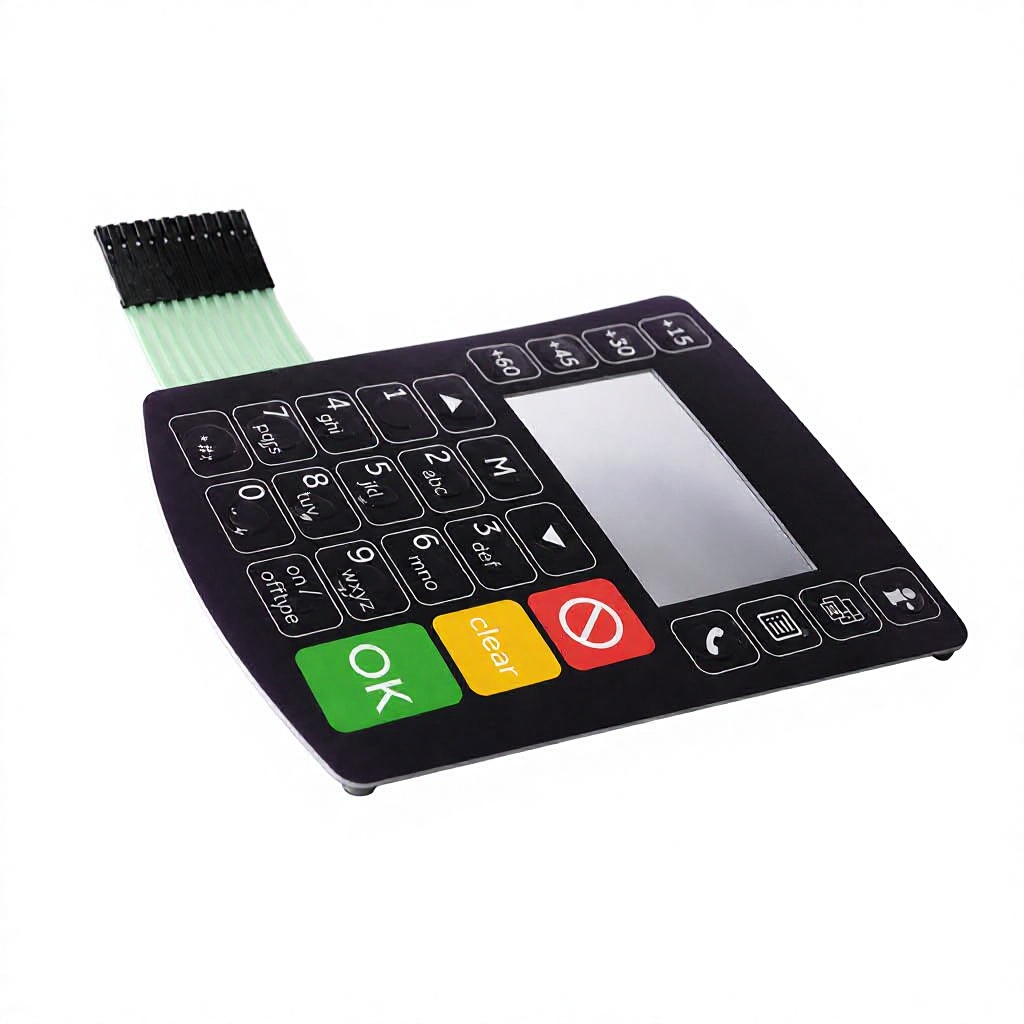
Waterproof IP67 Consumer Electronics Adhesive Front Plastic Keypad PET/PC Panels

Consumer Electronics Adhesive Front Plastic Keypad PET/PC Panels

  • Application: Waterproof Graphic Overlay Appliances
  • Adhesion: 3M 467MP / 9448A perimeter sealed
  • Finishing: Selective gloss display window & texture
Ultra-Thin 4-Key Directional D-Pad Membrane Switch for Toy Remote Controllers

Directional D-Pad Membrane Switch for Toy Remote Controllers

  • Type: 4-Key Tactile Navigation Keypad Matrix
  • Height: < 0.6mm ultra-flat architectural stack
  • Tail Connector: Standard 2.54mm pitch female housing
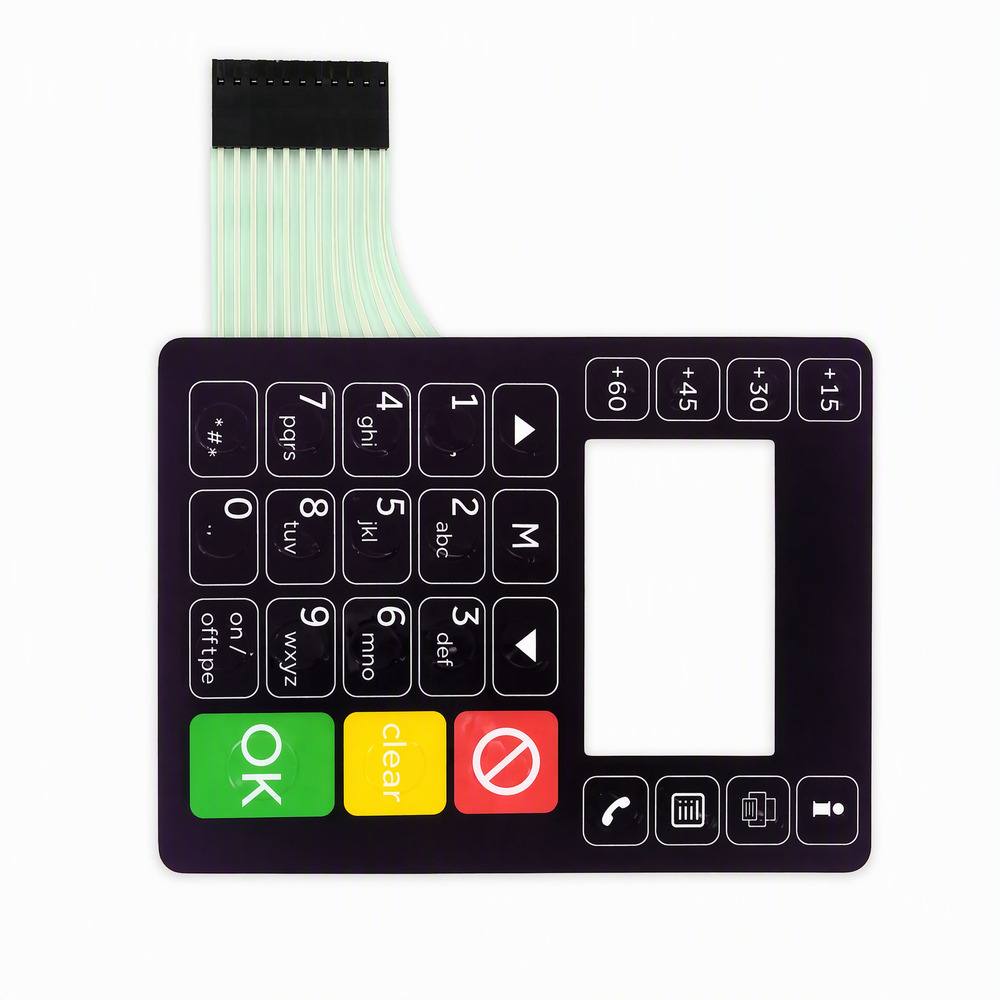
Rapid DIY Sample Quickly Sample DIY Non-tactile Membrane Switch

Quickly Sample DIY Non-tactile Membrane Switch for Remote Keyboards

  • Cycle Life: > 5,000,000 actuations without wear
  • Profile: 100% flat surface without metal domes
  • Prototyping: Turnaround in 3 to 5 business days
Engineering Pro 10+ Years Experience Membrane Switch Supplier 7x12h Technical Support

10+ Years Experience Membrane Switch Supplier 7x12h Support

  • Engineering: Full DFM layout review within 2 hours
  • Reliability: Loop resistance < 50Ω, isolation > 100MΩ
  • Compliance: Full RoHS, REACH, and UL 94VTM-2
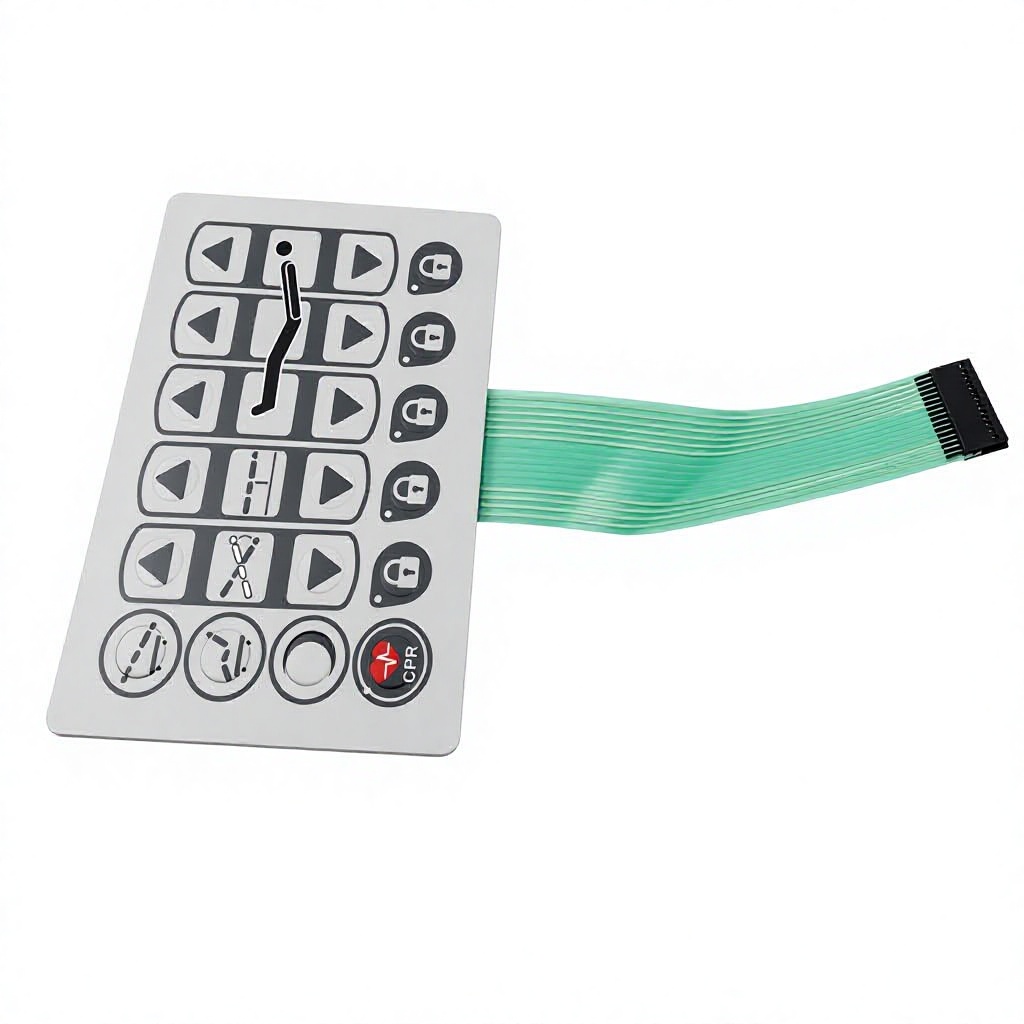
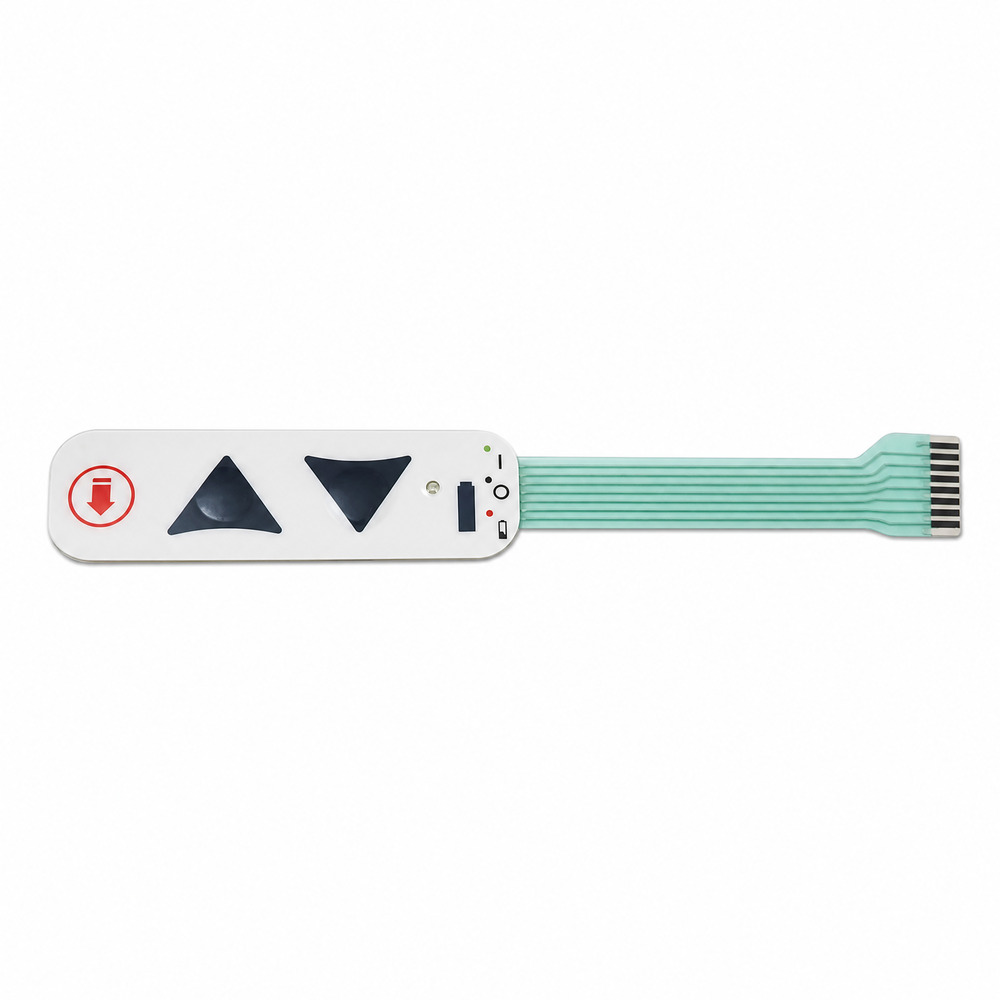
Medical Grade Medical Bed Membrane Keypad Tactile Membrane Switch Panel

Medical Bed Membrane Keypad Switch Panel for Hospital Beds

  • Sanitation: Resistant to hospital-grade disinfectants
  • Tactile: Embossed rim keys with gold-plated domes
  • Application: Surgical tables, patient lifts & ICU monitors
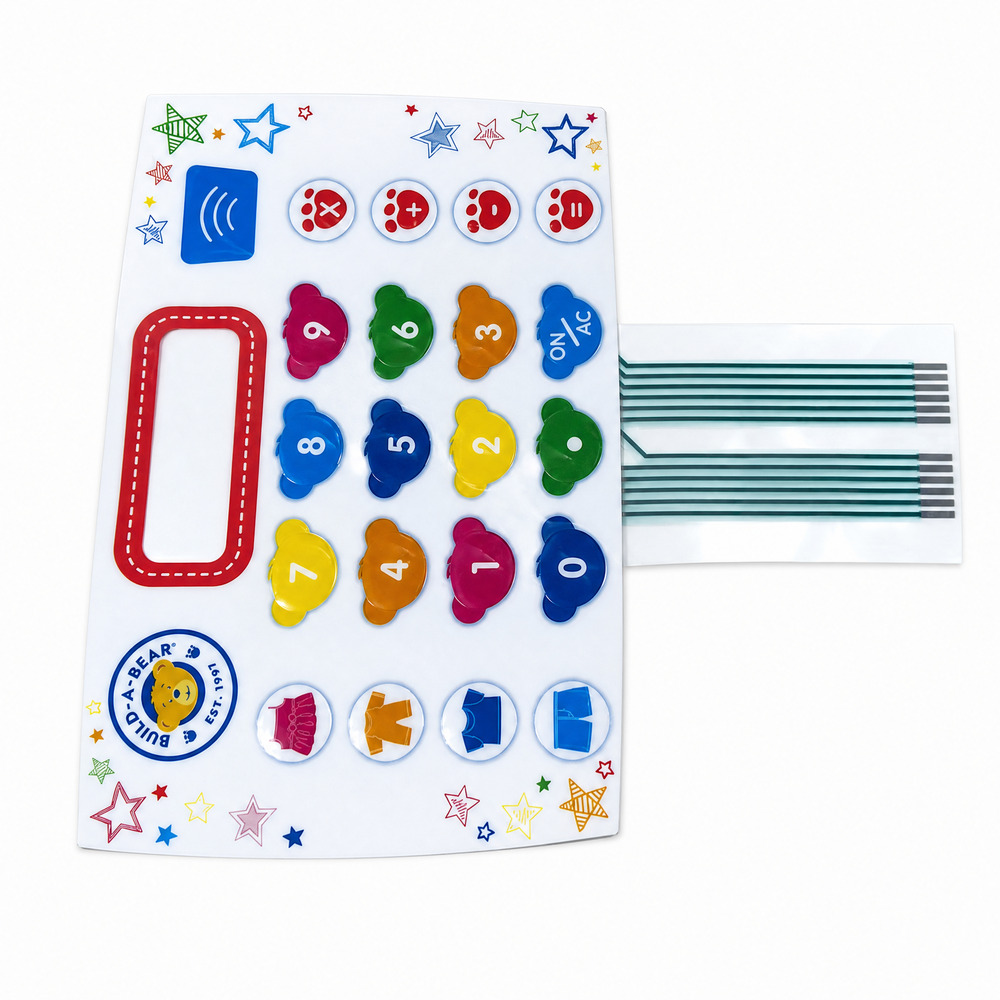
High Sensitivity High Sensitivity Non-Tactile Membrane Switch for Kids Toys

High Sensitivity Non-Tactile Membrane Switch for Educational Toys

  • Actuation Force: Low actuation pressure (50g to 100g)
  • Printing: High-definition 8-color UV silkscreen
  • Safety: Non-toxic conductive inks & child-safe films
Harsh Environment Custom Industrial Waterproof Membrane Switch for Control Panels

Custom Industrial Waterproof Membrane Switch for Control Panels

  • Rating: NEMA 4X / IP66 / IP67 sealed construction
  • Shielding: Printed conductive carbon / Aluminum ESD foil
  • Tail: Integrated hermetic seal through-gasket
2003
Established in Dongguan
12,000 m²
Modern Manufacturing Plant
≤ 2 Hours
DFM Engineering Response
100%
Automated Electrical Testing
50+ Countries
Global Exporter Destination
Engineering Whitepaper

Flat (Non-Tactile) Membrane Switch Anatomy, Engineering Physics & Design DFM

In the discipline of Human-Machine Interface (HMI) engineering, the flat membrane switch—traditionally designated as a non-tactile membrane switch—remains the industry benchmark for ultra-thin profile packaging, mechanical longevity, and cost-optimized mass integration. Unlike its tactile counterparts that incorporate stainless steel domes or thermoformed polyester polydomes to produce mechanical deflection feedback, a flat membrane switch operates purely through planar displacement across an engineered dielectric air gap, generally ranging from 0.125 mm to 0.25 mm. Feedback is returned via system-level optoelectronic signaling, audible buzzers, or synchronized visual state changes on an adjacent display.

When procuring from top China manufacturers, global engineering teams must evaluate physical architecture, dielectric formulations, conductive ink rheology, and adhesive shear resistance. Dongguan Ravo Electronics Co., Ltd. has established standardized multi-layer stack-up protocols that mitigate typical failure modes such as silver migration under high relative humidity, trace delamination caused by micro-flexural stress, and dielectric breakdown under ESD discharge.

Anatomy of an Industrial Flat Membrane Switch Stack-up

A precision-built flat membrane keypad is a multi-tier composite structure engineered by laminating chemically treated films, conductive polymers, and pressure-sensitive acrylic adhesives (PSAs). Each layer plays a critical mechanical or electrical role:

Layer 01
Graphic Overlay

Reverse-printed Autotype polyester (Autotex F150/F200) or Lexan 8010 polycarbonate. Thickness: 0.125mm–0.175mm. Resists chemicals, sanitizers, and UV degradation.

Layer 02
Overlay Adhesive

Optically dense 3M 467MP or 3M 9448A high-tack acrylic adhesive layer, die-cut with clearances around the active key contact zones.

Layer 03
Upper Circuit Membrane

Heat-stabilized optical-grade PET printed with conductive micro-silver ink and covered with a cross-linked dielectric carbon layer to prevent trace oxidation.

Layer 04
Circuit Spacer Layer

Die-cut PET coated on both surfaces with high-shear acrylic adhesive. Incorporates anti-collapse micro-air channels for barometric equalization.

Layer 05
Lower Circuit Membrane

Matching conductive switch traces and inter-connecting bus lines routed toward the flexible tail exit, engineered with silver-carbon contact pads.

Layer 06
Rear Mounting Adhesive

Heavy-duty adhesive, such as 3M 468MP or 3M 300LSE, formulated specifically for low-surface-energy (LSE) powder coatings, ABS, or aluminum chassis.

Key Engineering Formula for Air-Vent Equalization: Flat membrane switches rely on microscopic vent channels etched through the spacer layer connecting non-adjacent key cavities. Without balanced venting, changes in ambient barometric pressure or operating altitude (such as avionics or mountainous transportation) cause false actuation ("pillowing") or hydraulic lockup during key depression.

Critical Electrical, Mechanical & Environmental Specifications

To ensure repeatable performance across European and North American industrial applications, our engineering lines adhere strictly to ASTM international testing standards for flexible membrane circuits:

Engineering Parameter Standard Specification Test Condition / Standard Method
Rated Contact Circuit Voltage 30V DC / 100mA Maximum Low-voltage signal switching applications
Closed Loop Circuit Resistance < 50 Ω (Dependent on tail trace length) ASTM F1680 (Four-point probe measurement)
Insulation Resistance (Open State) ≥ 100 MΩ at 100V DC ASTM F1663 (Relative humidity ≤ 60%)
Dielectric Voltage Breakdown 250 Vrms (50Hz / 60Hz, 1 minute) ASTM F1458
Actuation Force (Non-Tactile Flat) 50 to 150 grams (0.5N to 1.5N) Automated force displacement tester (0.5mm/sec)
Mechanical Switching Life > 5,000,000 cycles uninterrupted ASTM F1578 (Using R3.0mm silicone actuator probe)
Operating Temperature Limits -20°C to +70°C (Standard) / -40°C to +85°C (Industrial) IEC 60068-2-1 / IEC 60068-2-2 thermal cycling
ESD Immunity Protection Resistant up to 15kV (With AL foil or printed shield) IEC 61000-4-2 Air Discharge standard

Material Science: Polyester (PET) vs. Polycarbonate (PC) in Flat Overlays

One of the most frequent DFM dilemmas faced during China sourcing is the choice between polyester (PET) and polycarbonate (PC) graphic foils:

  • Biaxially Oriented Polyester (PET): Materials such as MacDermid Autotype Autotex offer flexural fatigue lives exceeding 5 million switch cycles without stress cracking. Furthermore, PET features complete chemical inertness against MEK, isopropyl alcohol, acetone, hydraulic fluids, and synthetic lubricants, making it indispensable for medical control consoles and chemical processing equipment.
  • Polycarbonate (PC): Lexan 8010 provides optical clarity (>90% transmission for underlying OLED or TFT displays) and superior flame-retardant ratings (UL 94V-2 or V-0 options). However, PC exhibits reduced flexural fatigue endurance (~100,000 actuations) and is prone to micro-fissuring when exposed to harsh aromatic hydrocarbons or industrial alkaline solvents.
Strategic Sourcing Insights

Future Sourcing & Procurement Trends in Flat Membrane Switches

How international procurement directors, component engineers, and EMS operations are evolving their supply chains for next-generation Human-Machine Interfaces.

Architecture Trend

Hybrid Capacitive + Flat Mechanical Arrays

Global procurement teams are shifting away from standalone mechanical switches toward hybrid control panels. Designers combine flush, non-tactile conductive carbon keys for power switching with high-sensitivity capacitive slider strips and proximity sensors underneath a single contiguous, IP68 hermetically sealed Autotex overlay foil.

Materials Science

Copper FPC Replacing Screen-Printed Silver Ink

In high-density pitch designs (<1.0mm pitch connectors) or harsh vibrating installations, flexible printed copper circuits (FPC on polyimide) are rapidly replacing screen-printed silver ink. FPC completely eliminates silver ion electromigration, allows direct reflow soldering of ultra-bright 0603 LEDs, and supports tight bend radii without trace cracking.

Compliance & ESG

Full Traceability & Halogen-Free Mandates

Procurement audits across the European Union now enforce strict compliance with RoHS 3 (EU 2015/863), REACH SVHC lists, and halogen-free low-VOC adhesive requirements. Leading China exporters must supply full IPC-1752 material declaration forms and verified SGS/TUV testing certificates for every ink, film, and bonding component.

Innovation Roadmap

Technological Frontiers: Thin-Film FSR Sensors, Optoelectronics & Micro-Sealing

The China flat membrane switch manufacturing sector has evolved from labor-intensive manual printing workshops into cleanroom-based, automated precision micro-fabrication centers. Dongguan Ravo Electronics Co., Ltd. has integrated three major technological advancements into our Fenggang production facility:

1. Force Sensitive Resistor (FSR) Thin-Film Pressure Integration

Beyond traditional binary ON/OFF switching, our production lines print dynamic piezoresistive carbon inks capable of quantifying varying physical pressure. Force Sensitive Resistor (FSR) arrays are increasingly specified in automotive seat occupancy detection, industrial robotic grip-pressure feedback, and orthopedic medical gait sensors. The electrical resistance of the printed carbon-matrix film drops inversely to the applied mechanical force, enabling proportional analog signaling across an ultra-thin 0.2mm profile.

2. Dead-Front Backlighting & Thin Light Guide Film (LGF) Optics

Modern HMI aesthetics demand completely invisible "dead-front" buttons that reveal icon graphics only when illuminated. By integrating micro-embossed Light Guide Films (LGF) measuring just 0.15mm thick with side-firing SMD LEDs, our engineers achieve uniform lumen distribution across expansive key surfaces without hot spots, eliminating the bulky light boxes previously required in instrumentation consoles.

3. Hermetic Micro-Channel Perimeter Gasketing (IP67 / IP68 Sealing)

To withstand high-pressure washdowns (IP69K rating in food-grade processing and agricultural machinery), flat membrane switches employ laser-cut closed-cell acrylic perimeter gaskets. The flex-tail exit represents the historically vulnerable vector for water ingress; our proprietary potted resin-transition collars and hermetic ZIF-connector sleeves isolate internal silver traces from ambient moisture, corrosive salt spray, and atmospheric sulfur.

Why Partner With Us

Manufacturing Capacities & Factory Direct Advantages

Direct from our 12,000m² manufacturing plant in Fenggang Town, Dongguan. We eliminate trading intermediaries, offering direct engineer-to-engineer collaboration from prototype to mass production.

≤ 2-Hour DFM Engineering Feedback

Our experienced application engineers review your CAD drawings (DXF, DWG, Step, AI), evaluate layer stackups, pinouts, and key tolerances, providing detailed manufacturability reports within 120 minutes.

Rapid Prototyping from 1 Piece

Eliminate expensive upfront hard-tooling commitments. Using digital flatbed plotters and high-precision laser profiling, we deliver functional, precision prototypes in as few as 3 to 5 business days.

100% Automated Electrical Testing

Every membrane switch panel undergoing export undergoes automated pin-to-pin continuity analysis, short-circuit insulation resistance verification, and LED forward-voltage matching before packaging.

Certified Cleanroom Printing

Operating Class 10,000 and Class 1,000 dust-free lamination cleanrooms to ensure zero particulate contamination on optical display windows, capacitive sensors, and conductive traces.

Procurement Helpdesk

Frequently Asked Questions on Membrane Switch Procurement

Direct technical answers to the most common inquiries from OEM buyers, quality engineers, and international sourcing specialists.

What is the difference between a flat membrane switch and a tactile switch?
A flat (non-tactile) membrane switch does not utilize internal metal domes or thermoformed domes. The contact layers lie completely parallel and flat with an overall thickness under 0.6mm. When pressed, the user feels no physical "snap" or click; confirmation is provided via auditory beeps, visual feedback on screen, or status LEDs. Tactile switches incorporate stainless steel domes that collapse under force to produce a mechanical tactile click.
What is the typical minimum order quantity (MOQ) for custom membrane keypads?
For prototype verification and early R&D phases, our MOQ starts at just 1 to 10 pieces utilizing digital flatbed cutting and direct silkscreening. For standard volume production runs with dedicated steel rule dies and automatic printing screens, optimal batch MOQs typically range between 100 and 500 pieces.
What engineering files and specifications are needed to receive a formal quotation?
We require: (1) Vector graphic artwork in Adobe Illustrator (.AI), PDF, or CorelDraw with Pantone matching system (PMS) or RAL color codes specified; (2) Mechanical 1:1 scale dimensional drawing in DXF, DWG, or STEP format detailing outline dimensions, cutouts, window locations, and tail exit position; (3) Schematic or pin-out matrix indicating circuit traces and connector type; (4) Operating environmental requirements.
Can flat membrane switches achieve an IP67 or IP68 waterproof rating?
Yes. By implementing continuous perimeter adhesive gaskets (using 3M 467MP, 468MP, or 3M VHB systems) and sealing the flexible tail exit against capillary moisture penetration, our switches regularly achieve IP65, IP66, and IP67 ratings, resisting heavy water spray, grease, steam sterilization, and outdoor precipitation.
Which mounting adhesives are selected for textured plastics or powder-coated metal?
For smooth stainless steel, aluminum, or smooth polycarbonate chassis, 3M 467MP (2.0 mil) is the industry standard. For textured cast aluminum, rough powder coating, or low-surface-energy (LSE) polymers such as polypropylene (PP) and ABS, we specify 3M 468MP (5.0 mil) or high-tack modified acrylic 3M 300LSE / 3M 9448A to prevent edge peeling and bubbling.
How is silver electromigration prevented in humid and tropical environments?
Silver migration occurs when moisture and DC electrical potential cause silver ions to migrate across dielectric gaps, inducing short circuits. We prevent this by: (1) Applying a complete protective carbon paste overprint across all silver conductor tracks; (2) Maintaining minimum trace spacing rules (≥ 0.5mm); (3) Over-coating traces with UV-curable cross-linked dielectric barrier inks; and (4) Utilizing hermetically sealed perimeter edges.
What flex tail connector styles are supported?
We supply: (1) Standard female crimp terminals housed in 2.54mm pitch Amphenol / Nicomatic / FCI housings; (2) Male solder tabs; (3) ZIF (Zero Insertion Force) bare flex tails with stiffeners designed for direct insertion into 1.0mm or 0.5mm pitch PCB surface-mount ZIF receptacles; (4) Rigid PCB solder-header pins for PCB-backed assemblies.
What are the average lead times for prototype tooling and volume export?
Engineering DFM review is completed within 2 hours. Prototype fabrication requires 3 to 7 working days following mechanical drawing sign-off. Full production runs (500 to 10,000 pieces) typically ship in 12 to 18 business days via expedited air express (DHL/FedEx/UPS) or standard ocean freight.

Accelerate Your Membrane Switch Engineering Project

Send your 2D drawings, 3D STEP files, or graphic sketches to our Dongguan engineering team. Receive full DFM manufacturability feedback, stack-up optimization, and custom quotation within 2 hours.