 EN
 DE
 FR
 ES
 RU
 JA EN DE FR ES RU JA
Engineered for high-duty cycling, exceptional optical chromaticity, and rigorous environmental compliance. Review our core production solutions built to customer mechanical specifications.
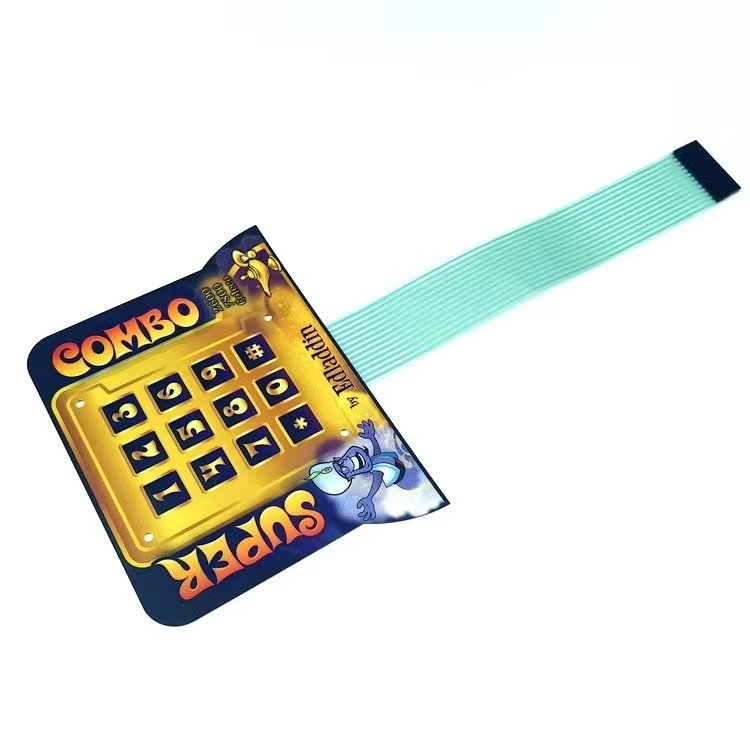
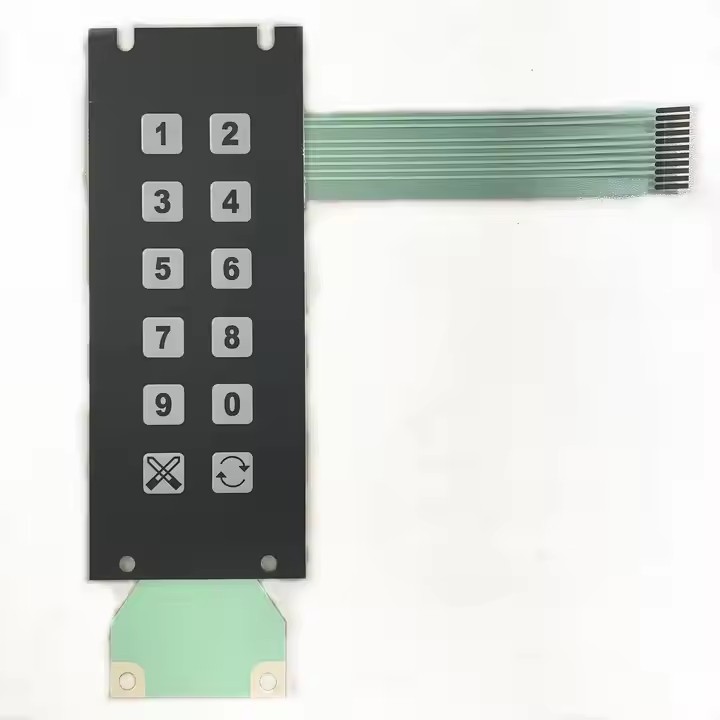
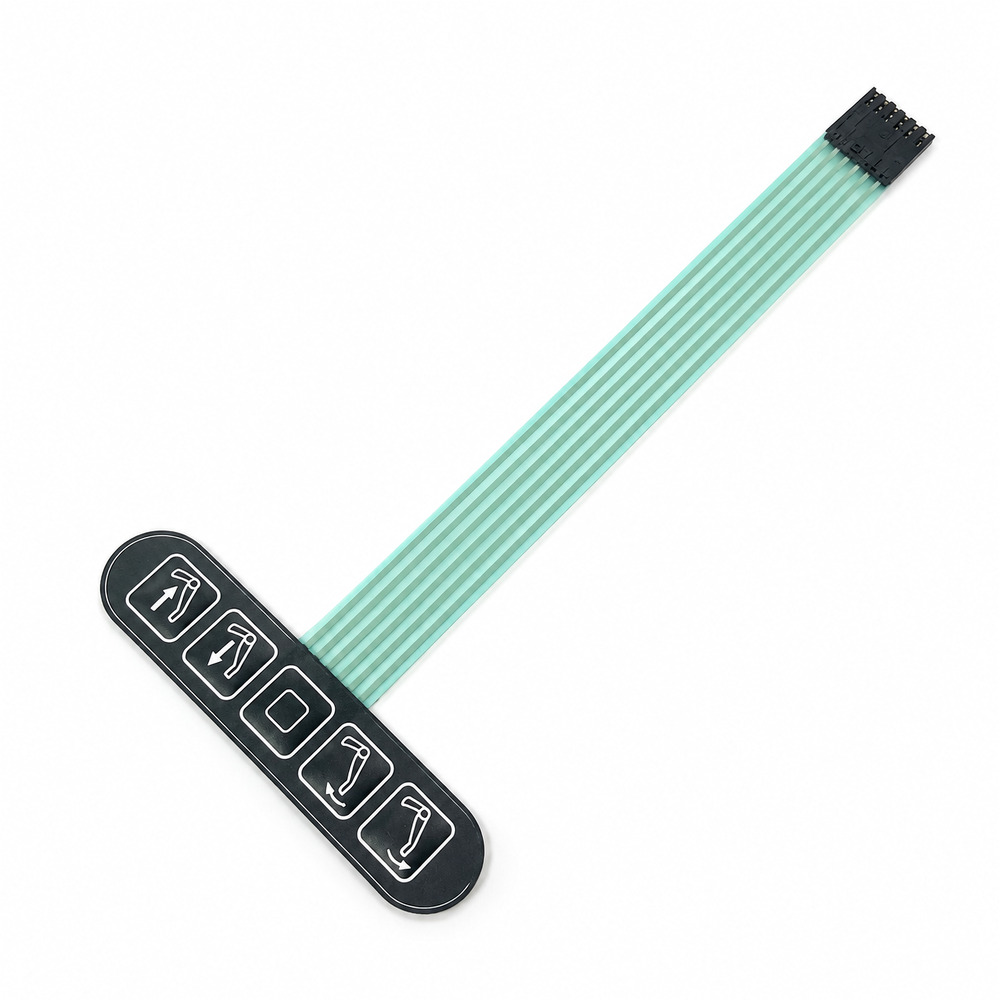
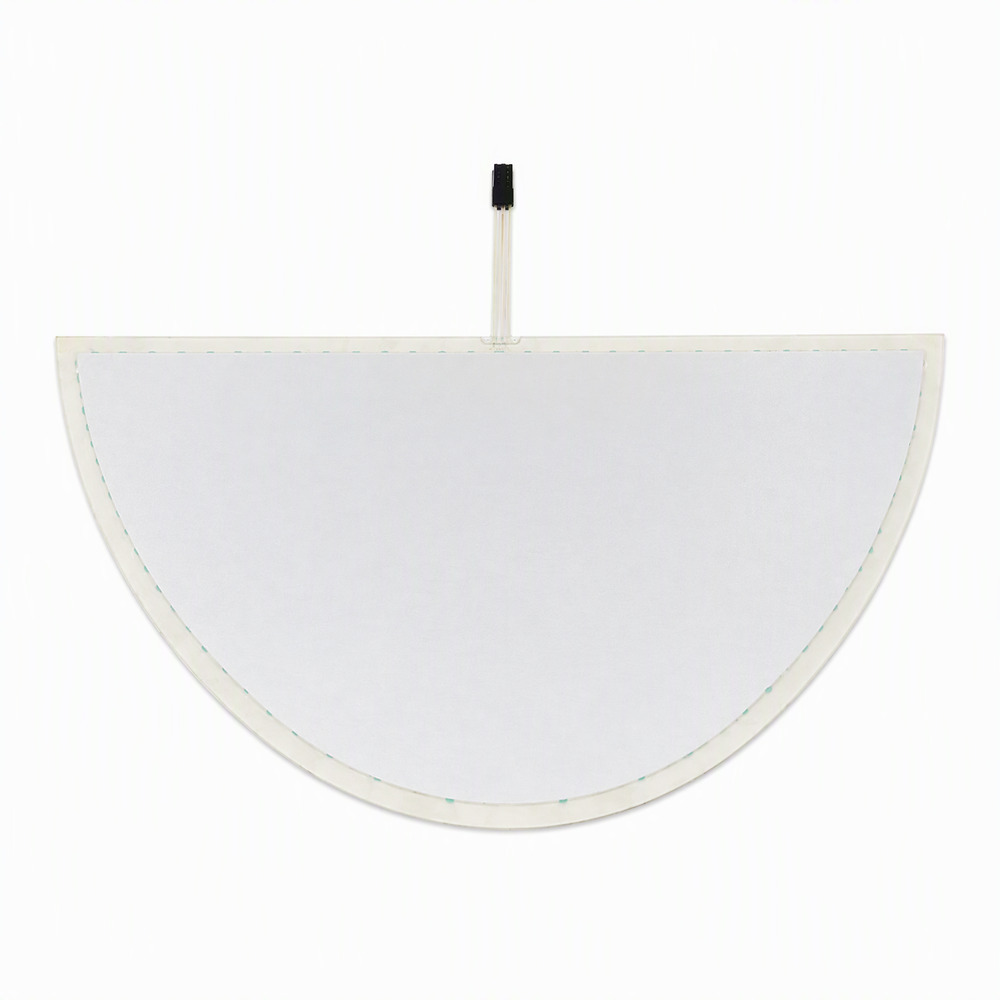
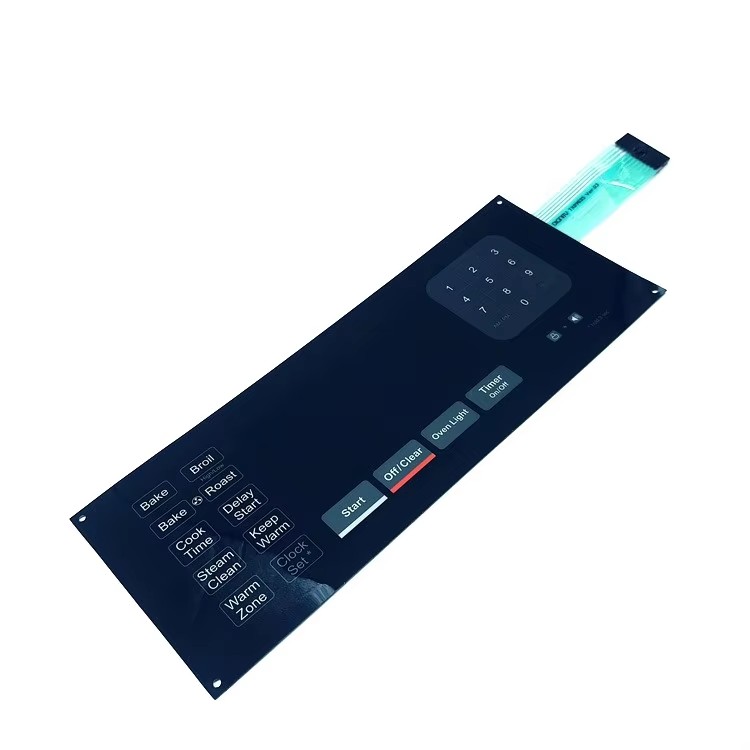
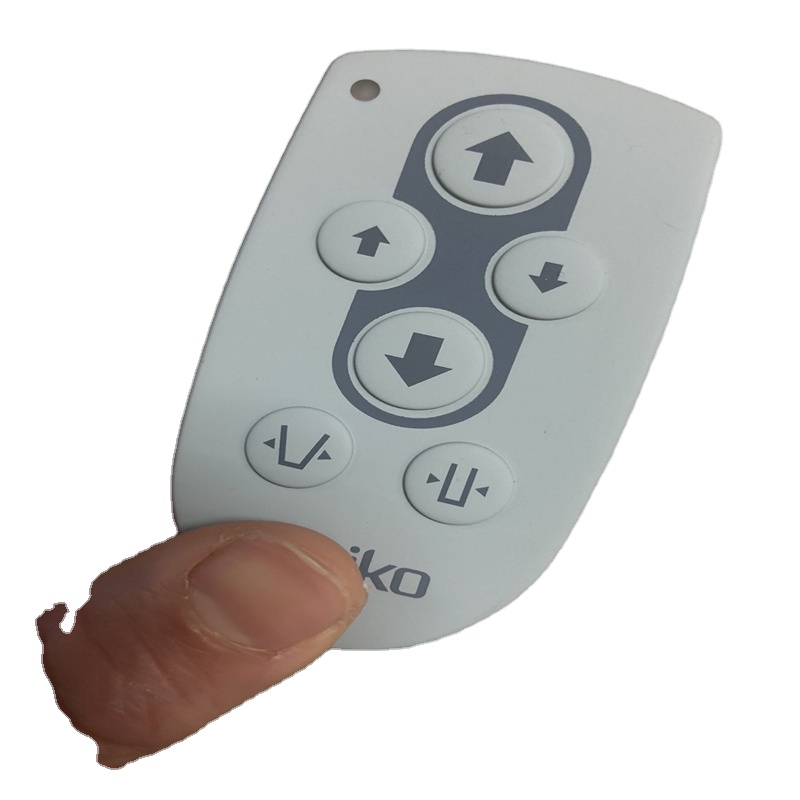
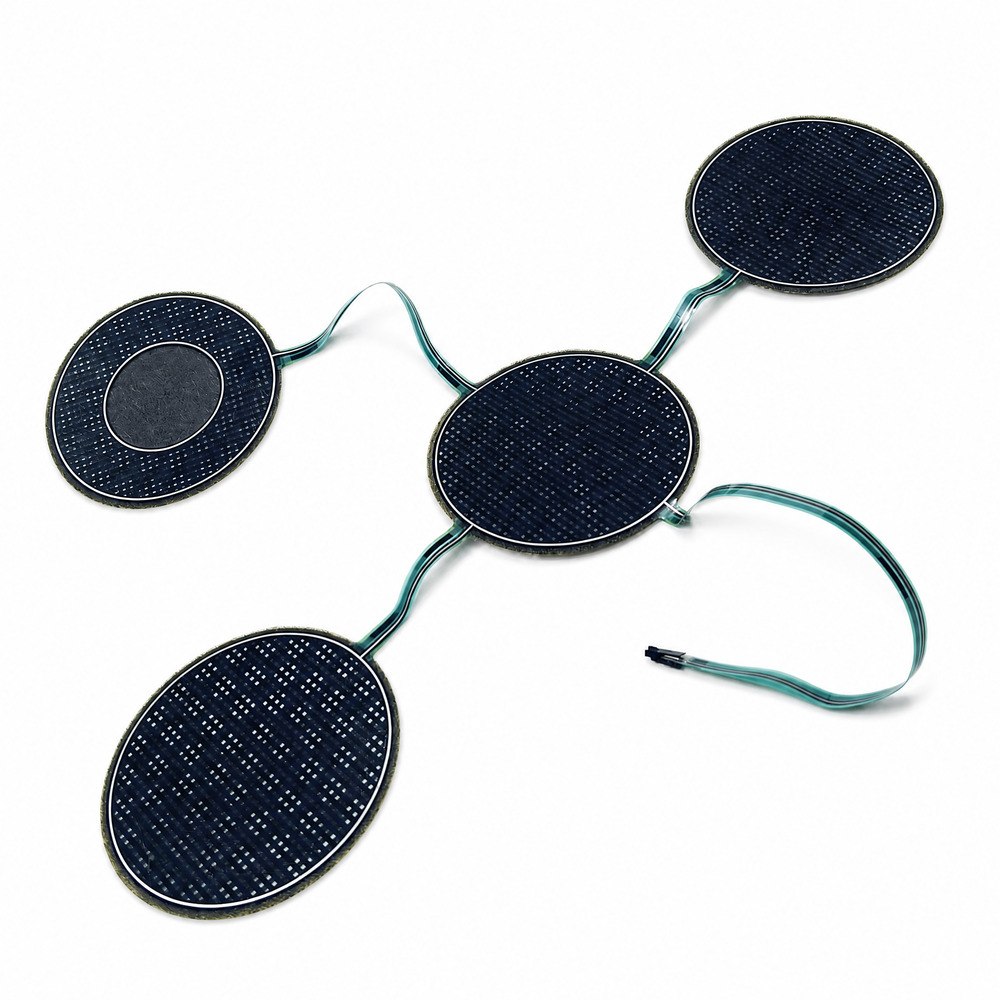
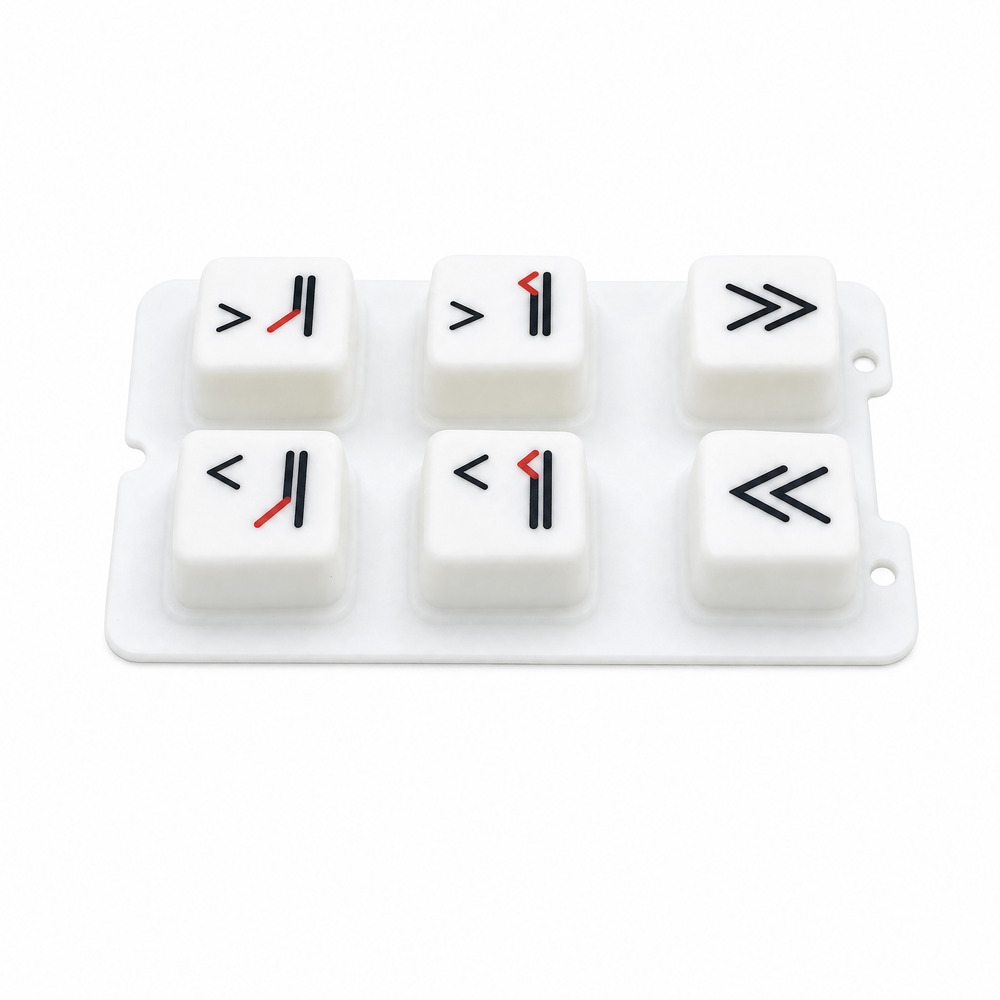
Selecting the optimal backlighting mechanism directly impacts current draw, thickness profile, illumination uniformity, and tooling expenditure. Below is an engineering evaluation across production methods.
| Backlighting Method | Luminance Uniformity | Stack Thickness Added | Power Consumption | Operational Lifetime | Tooling Complexity |
|---|---|---|---|---|---|
| Light Guide Film (LGF) | ≥ 88% High | 0.125 mm – 0.25 mm | Ultra-Low (2–4 Side LEDs) | 50,000+ Hours | Moderate (Micro-dot Tooling) |
| Discrete SMD LEDs | Point Source (Localized) | 0.50 mm – 1.20 mm | Medium (Per-key Diodes) | 50,000 – 100,000 Hours | Low (Standard Component Placement) |
| Electroluminescent (EL) Lamps | ≥ 92% Perfect Diffuse | 0.20 mm – 0.30 mm | High (Requires AC Inverter) | 3,000 – 8,000 Hours (Decays) | Low to Moderate |
| Woven Fiber Optics | ≥ 85% Smooth | 0.30 mm – 0.60 mm | Low (1–2 Remote LEDs) | 50,000+ Hours | High (Specialized Assembly) |
Light Guide Film uses chemically etched or laser-ablated micro-optical dots on clear polycarbonate (PC). The density gradient of the dots compensates for light attenuation, yielding edge-to-edge optical luminance without hotspots or thermal build-up.
By applying multi-pass translucent screen inks matched precisely to the substrate opacity, graphics remain completely invisible when powered off. Upon LED activation, status legends illuminate sharply without optical bleed or stray halation.
Integrated aluminum foil, carbon ink, or selective conductive copper grid coatings isolate tactile switch traces from electrostatic discharges up to ±15kV (IEC 61000-4-2 standard), preserving microcontroller integrity in harsh industrial environments.
Global procurement teams are shifting purchasing criteria from basic cost-per-part calculations to lifecycle durability, smart factory compatibility, and accelerated prototype-to-production cycles.
OEM buyers are combining solid-state capacitive sliders with tactile physical emergency-stop membrane keys on a single rigid-flex circuit assembly.
Purchasing directors now mandate single-source suppliers capable of tooling silicone keypads, membrane circuits, and backer plates simultaneously under one roof.
Replacing standard silver-paste printed PET with etched copper Flexible Printed Circuits (FPC) to prevent silver migration and support fine-pitch 0.5mm ZIF termination.
Integrating Force Sensitive Resistors (FSR) beneath illuminated keys enables analog input dynamics, variable speed control, and human presence detection.
A breakdown of the internal lamina engineered to guarantee optical dispersion, IP67 perimeter sealing, and tactile snap reliability across millions of actuations.
0.125mm - 0.20mm textured polyester (PET) or polycarbonate (PC) reverse-screen printed with UV-cured inks. Hard-coated to withstand extreme chemical washdown and 3H pencil hardness scratch testing.
Custom laser-etched light guide film receiving edge-lit emission from low-profile side-mount SMD LEDs. Eliminates dark corners and hotspots with minimal stack height overhead.
Laser-cut spacer holding 4-leg nickel-plated or gold-plated stainless steel metal domes. Actuation forces calibrated from 220g to 450g to provide high-feedback tactile response.
Conductive silver trace printed PET or copper-clad polyimide (FPC) with carbon overcoat on contact pads to prevent oxidization, backed by 3M 467MP/468MP high-performance acrylic adhesive.
Founded in 2003 in Fenggang Town, Dongguan, Ravo Electronics provides end-to-end HMI engineering—delivering design-for-manufacturing precision, prototype flexibility, and volume scalability.
Housing precision screen-printing halls, class-10,000 dust-free lamination cleanrooms, CNC laser routing, stamping presses, and environmental test laboratories under unified direct management.
Our dedicated bilingual application engineering team evaluates gerber files, mechanical DXFs, and optical requirements, submitting comprehensive Design for Manufacturability reports within 2 hours.
Certified quality management systems with rigorous raw material tracking. All inks, films, and adhesives comply with EU RoHS directive 2011/65/EU and REACH regulations for global trade deployment.
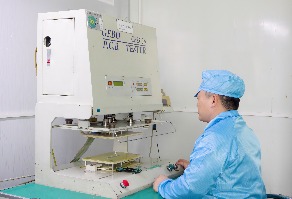
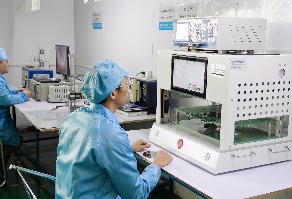
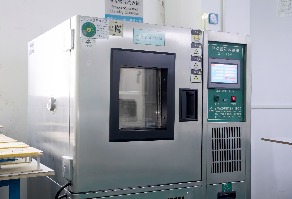
Critical engineering and supply chain inquiries answered directly by our senior production engineering specialists.
To provide a rigorous DFM analysis and quotation, we require 2D mechanical outlines (AutoCAD DXF/DWG or PDF), graphic artwork with defined Pantone/RAL color codes (Adobe Illustrator vector AI or EPS), circuit schematic/pinout assignment, backlighting expectations (LED color, supply voltage, forward current), and expected annual production volumes.
We mitigate optical bleed by applying double-pass printed opaque black blocking masks around light transmission windows, engineering internal optical cavities within the spacer layers, and calculating micro-dot laser density distributions in Light Guide Films (LGF) to disperse light evenly across the key boundary.
Yes. By incorporating continuous perimeter sealing gaskets using closed-cell acrylic foam adhesives (such as 3M 200MP series or 3M VHB), designing sealed tail egress channels, and eliminating dome vent channels exiting the exterior edge, our switches withstand direct liquid jet spray and total immersion to 1 meter depth.
Rapid prototypes typically ship within 5 to 7 business days following drawing sign-off. High-volume serial production with custom hardened steel die tooling normally delivers within 12 to 18 business days, backed by scheduled ocean or express air logistics.
Ravo Electronics supports pilot product rollouts and R&D trials by providing prototyping runs starting from 1 to 10 pieces using digital plotters and laser tooling, bypassing costly tooling commitments before design freeze.
Every switch batch undergoes 100% electrical testing for open/short circuits, contact resistance verification (<100Ω), insulation resistance (>100MΩ at 100V DC), tactile actuation force validation, LED luminance/chromaticity coordinate verification, and cross-hatch ink adhesion testing (ASTM D3359).
Consult directly with our Dongguan engineering lab. Upload your CAD drawings, schematics, or sample photos, and receive a comprehensive DFM manufacturability evaluation with itemized pricing in under 2 hours.
