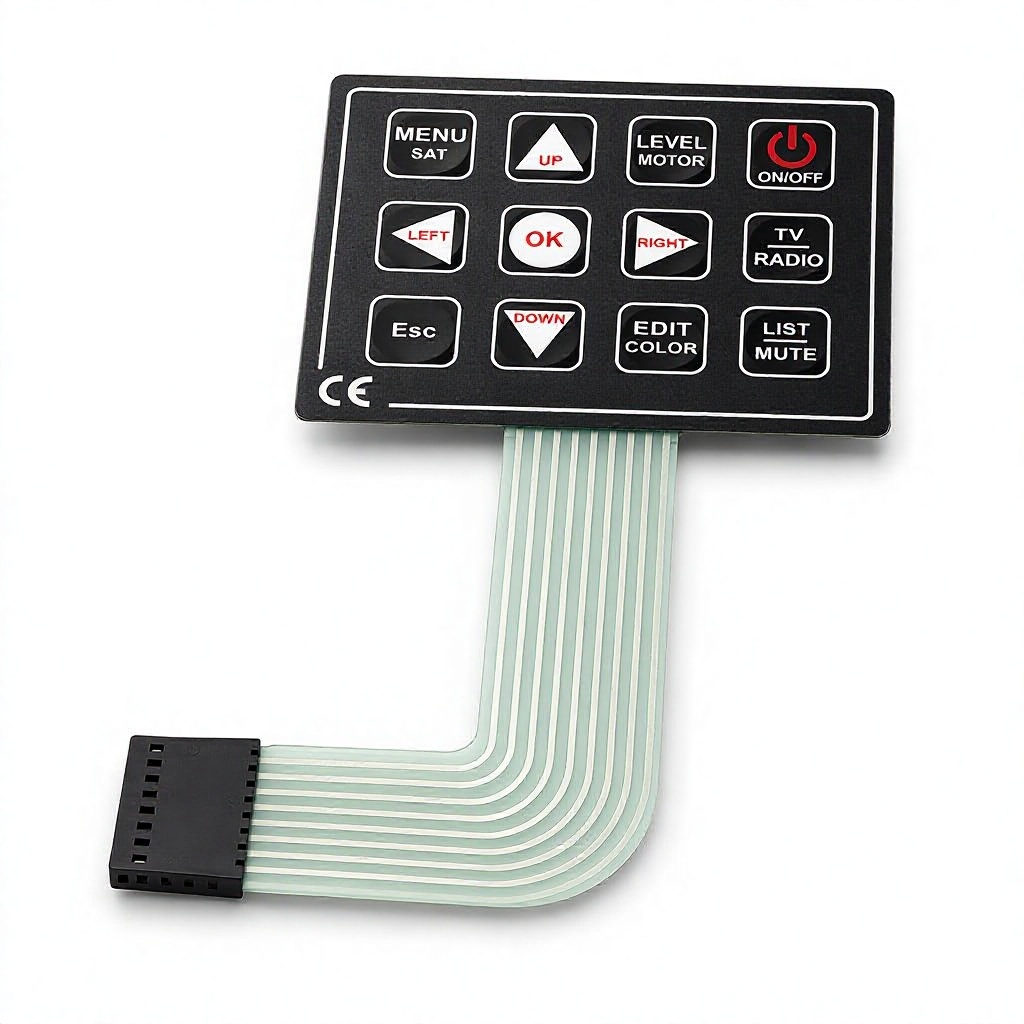
12-Key Matrix Membrane Switch Custom Overlay Keyboard Panel
- Optimized for Industrial Control & Remotes
- Tactile feedback with metal snap domes
- Direct matrix routing with zero cross-talk
 EN
 DE
 FR
 ES
 RU
 JA
As a leading Chinese exporter with over two decades of technical evolution, Dongguan Ravo Electronics Co., Ltd. delivers high-precision conductive print systems, rugged human-machine interface panels, and custom force-sensing circuits engineered for the world's most demanding operating conditions.
Explore proven architectural configurations utilized across high-reliability medical instrumentation, automotive diagnostics, heavy machinery controls, and consumer electronics.
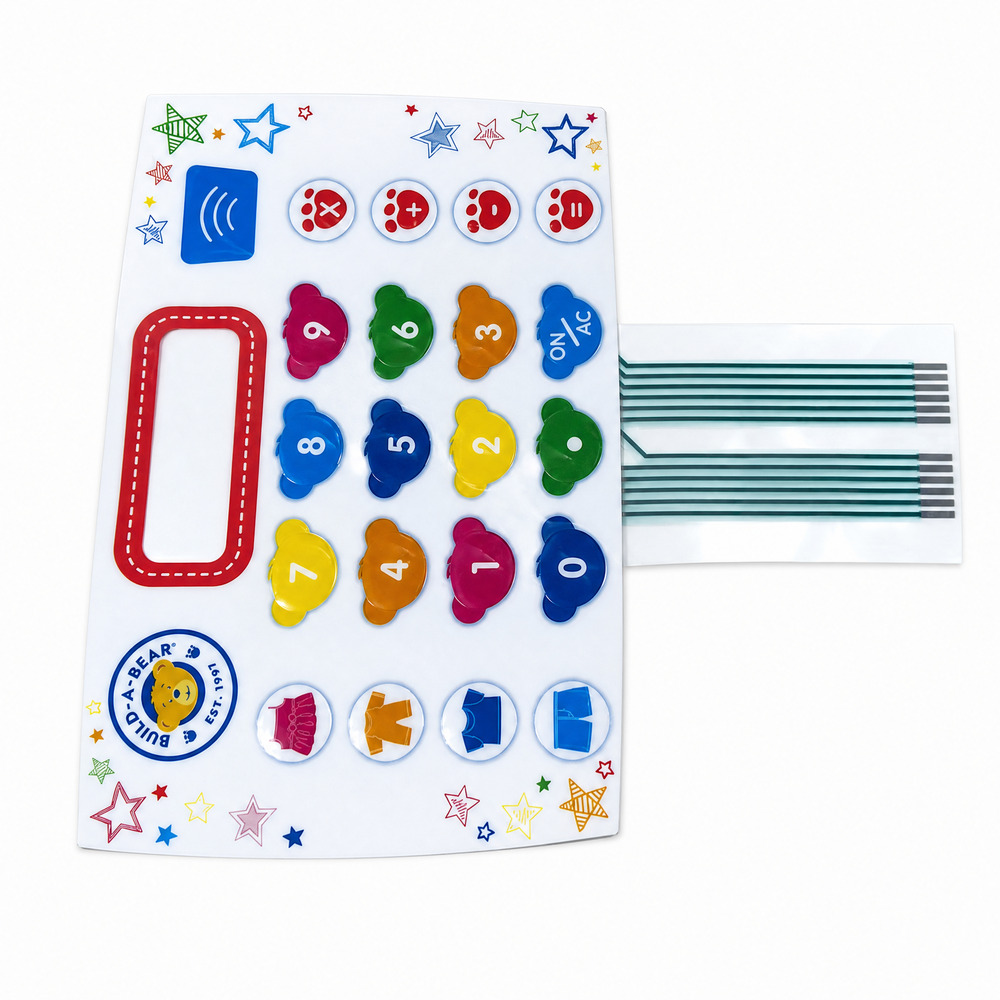
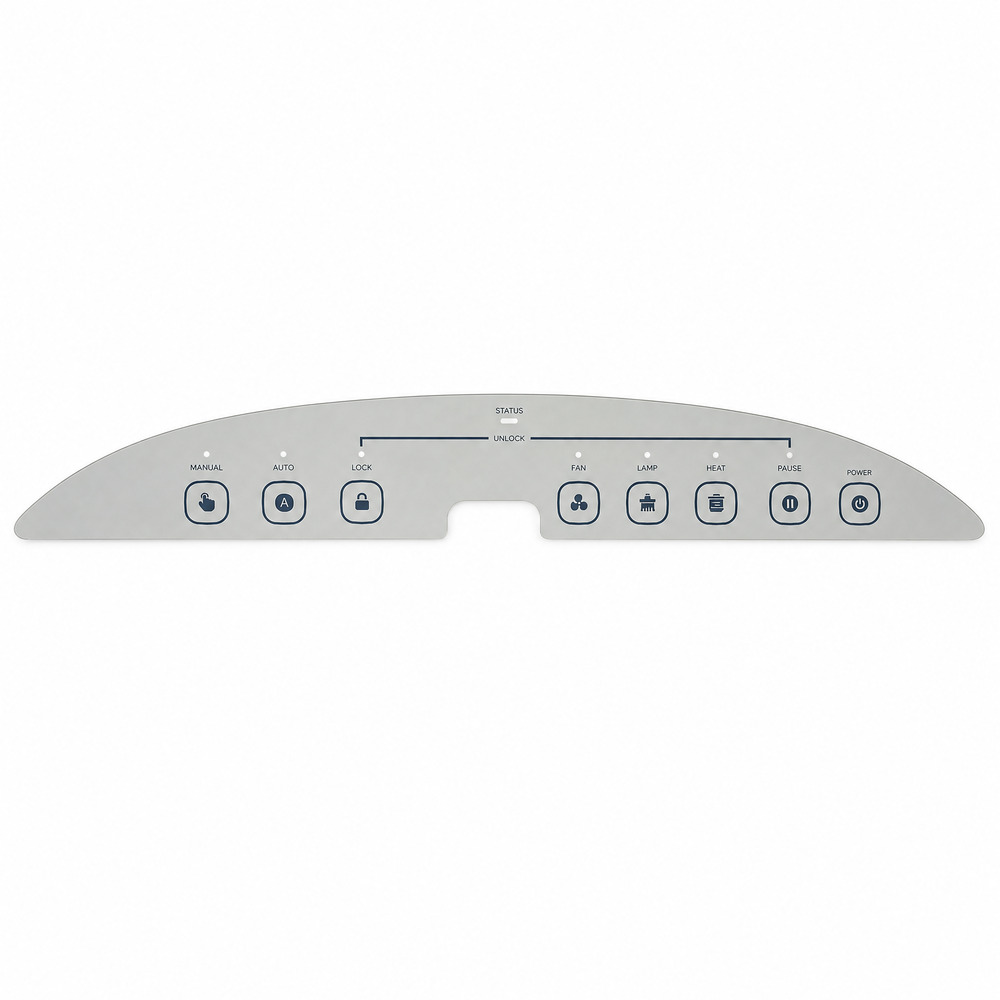
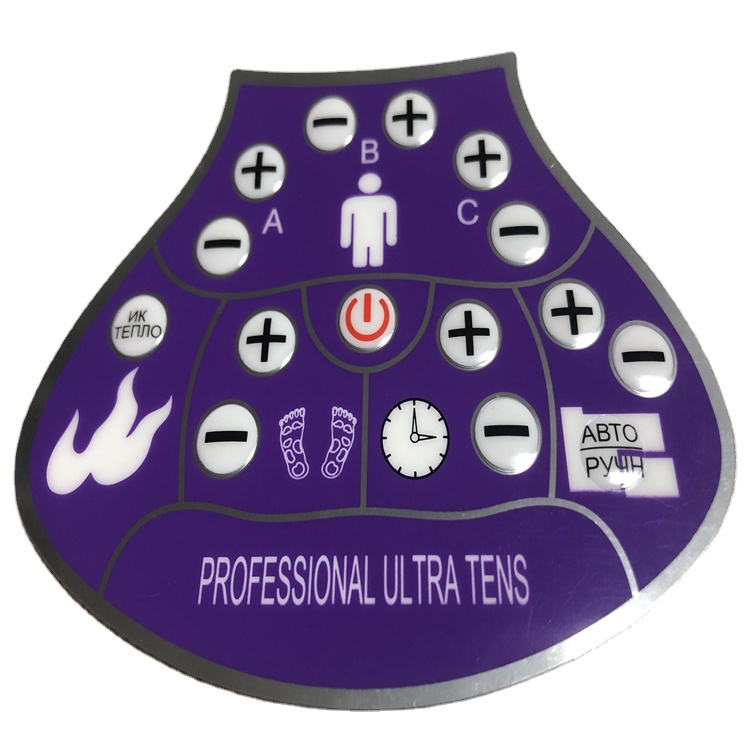
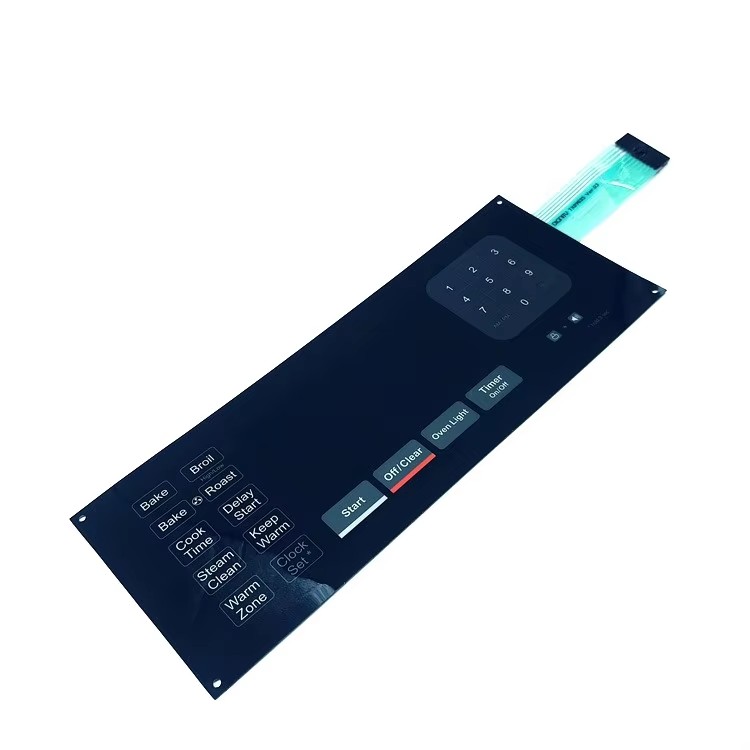
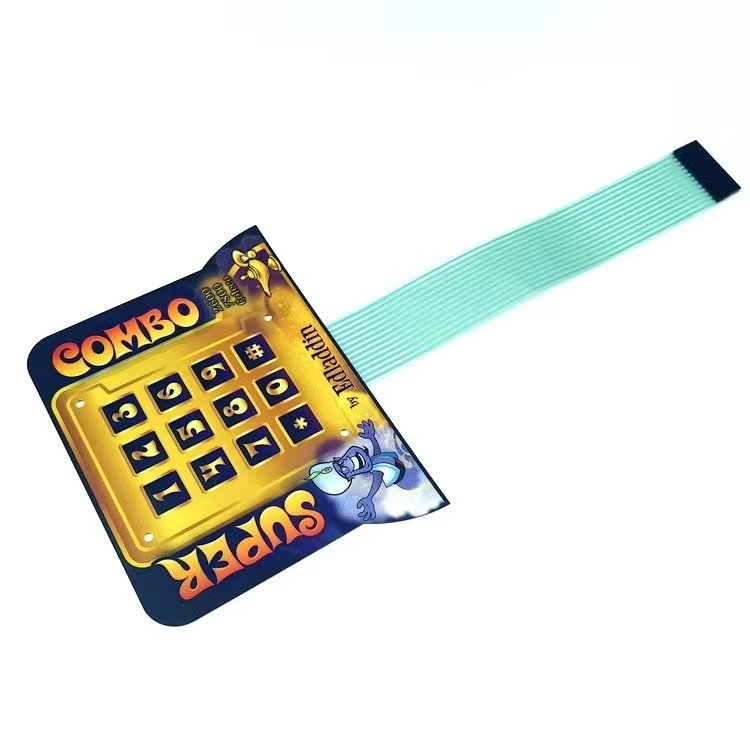
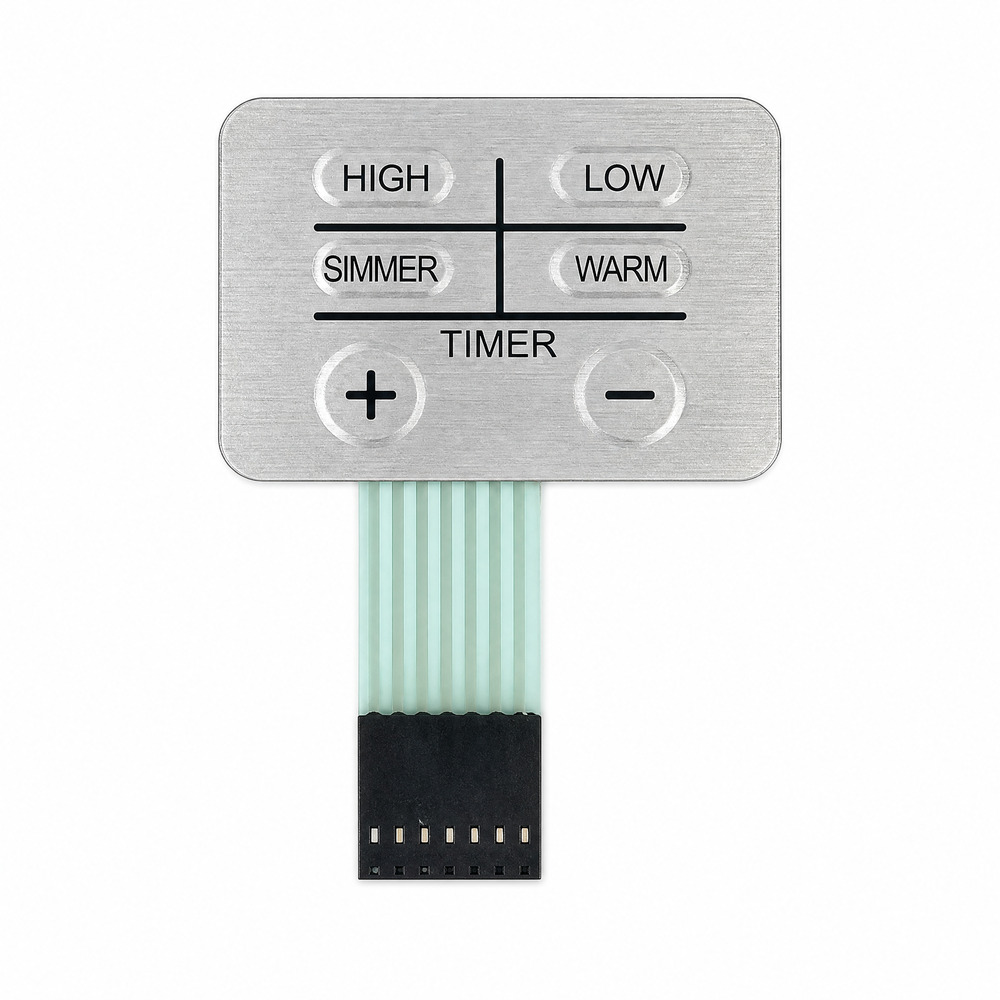
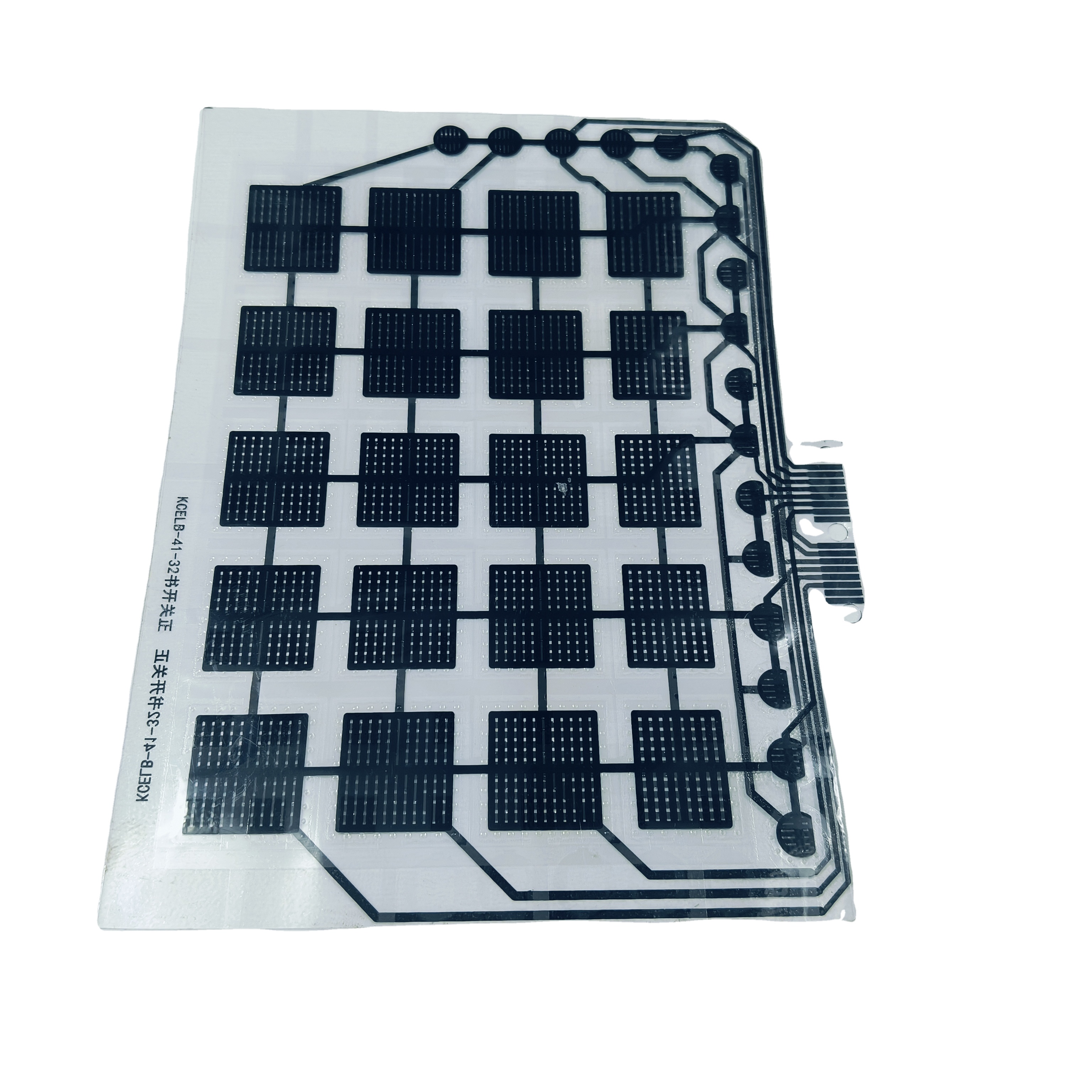
Strategic analysis for enterprise procurement teams, electrical engineers, and hardware supply chain executives navigating interface modernizations.
Global procurement is actively pivoting away from multi-part electro-mechanical assemblies toward In-Mold Electronics (IME). By screen printing conductive silver traces, capacitive sensors, and surface-mount LEDs directly onto flat functional films prior to thermoforming and injection molding, hardware vendors reduce total BOM parts by up to 40% while yielding completely watertight, 3D curved surfaces.
Silver paste market volatility is driving procurement departments toward advanced ink formulations, including sub-micron particle copper, hybrid carbon nanotubes (CNTs), and organometallic silver inks. These allow micro-trace spacing down to 50μm pitch, drastically lowering trace electrical resistance while decreasing precious metal loading and mitigating electrochemical migration risk in humid deployments.
Modern medical devices and industrial telematics require absolute resistance to extreme washdowns, corrosive sterilization (VHP), and petrochemical immersion. Sourcing mandates increasingly specify perimeter venting gaskets, hydrophobic micro-porous membrane vents (Gore membrane integration), and chemically inert fluoropolymer overlay coatings that resist prolonged UV exposure.
How Dongguan Ravo Electronics Co., Ltd. is bridging conventional membrane switch assembly with solid-state printed sensing architectures.
Transitioning from basic single-point binary switches to continuous multi-point Force Sensing Resistors (FSR). Using piezoresistive printed inks, our films map variable force distributions for automotive seating occupancy and medical biomechanics.
Replacing bulky fiber optics or excessive discrete LEDs with micro-etched 0.125mm Polycarbonate LGF. This guarantees pinpoint uniformity across high-key-count panels while minimizing heat generation and reducing overall stack-up profile to under 1.2mm.
Screen-printed conductive grid meshes utilizing silver, nickel, or carbon pastes. Delivering 40dB+ attenuation across critical GHz bands, these layers safeguard low-voltage logic circuits against electrostatic discharge (ESD) exceeding 15kV without rigid metal enclosures.
Addressing OEM corporate ESG directives with recyclable, high-heat bio-PET and polyimide films. Paired with low-VOC curing dielectric inks, we reduce carbon footprint in mass-scale component fulfillment without sacrificing dimensional stability.
Consult this reference engineering baseline when structuring layer stackups, tactile feedback thresholds, and terminal connectors.
| Construction Topology | Tactile Response & Snap | Actuation Lifespan | Environmental Protection | Key Application Sectors |
|---|---|---|---|---|
| Tactile Metal Dome on PET | Crisp, tactile snap (250g–450g force) | 1,000,000+ Cycles | IP65 to IP67 sealed perimeter | Medical diagnostic monitors, handheld test gear, defense |
| Polydome (Thermoformed) | Soft, muted mechanical click | 500,000 to 1,000,000 Cycles | IP65 standard washdown | Home automation, consumer microwave & whitegoods |
| Solid-State Capacitive Touch | Zero mechanical motion (Haptic/Buzzer) | 5,000,000+ Cycles | IP68 / IP69K smooth wipe-down | Sterile surgery suites, commercial kitchen induction cookers |
| Rigid PCB Backer Hybrid | Integrated snap dome or tact switches | 2,000,000+ Cycles | Ruggedized industrial housing | Variable frequency drives (VFD), CNC equipment panels |
| Flexible Copper FPC Circuit | High-density tactile contacts | 3,000,000+ Cycles | IP67 chemical-resistant | Aerospace avionics, tight bend-radius wearable electronics |
Vertically integrated production in Dongguan, China. From rapid CAD/Gerber DFM analysis to full screen making, cleanroom lamination, and automated testing.
Our senior HMI engineers evaluate your CAD files, circuit traces, tail routing, and tactile force specifications with detailed manufacturability reports within ≤2 hours.
Operating Class 10,000 cleanrooms equipped with semi-automatic and high-precision screen printers, automated visual alignment machines guarantee layer-to-layer registration within ±0.05mm.
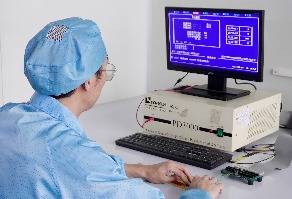
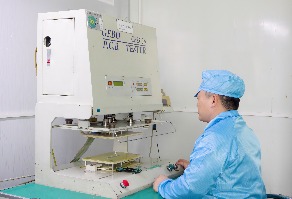
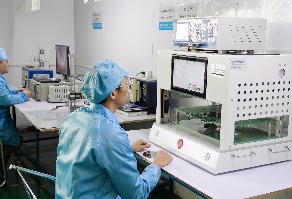
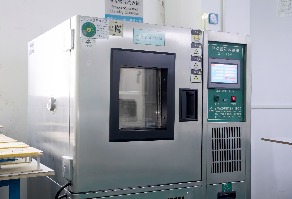
Zero-defect export policy. Every membrane circuit undergoes automated continuity testing, contact loop resistance validation, open/short checks, and sampling lifecycle actuation tests before shipping.
Direct guidance addressing typical engineering questions, lead times, adhesive selections, and validation protocols.
Submit your 2D/3D mechanical drawings or graphic layouts today. Receive professional DFM feedback, stack-up optimization, and an exact production quotation within 2 business hours.
