 EN
 DE
 FR
 ES
 RU
 JA EN DE FR ES RU JA
Engineered using premium biaxially-oriented polyester (PET), optical-grade PMMA, and high-performance adhesives. Browse our primary production builds below for medical, industrial automation, fuel metering, and smart appliance interfaces.
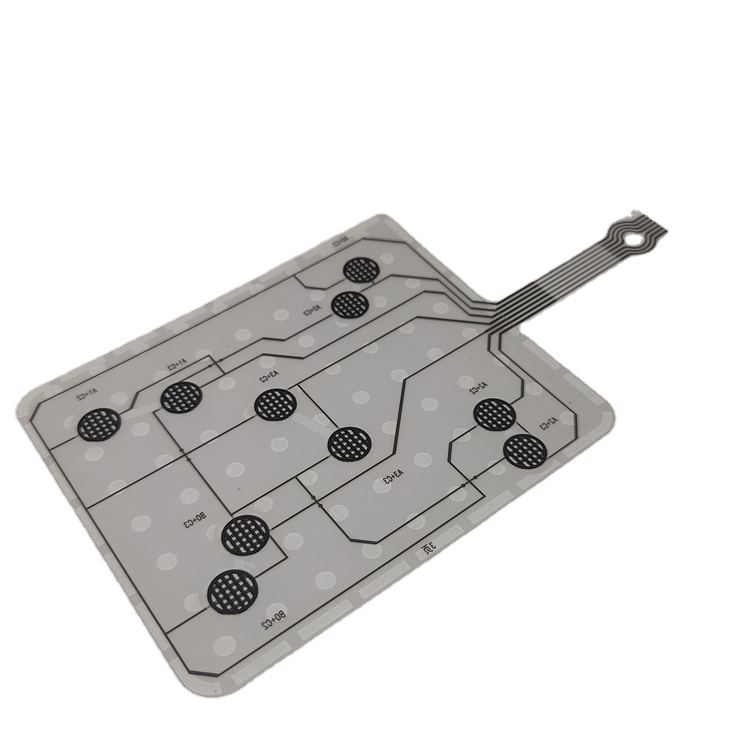
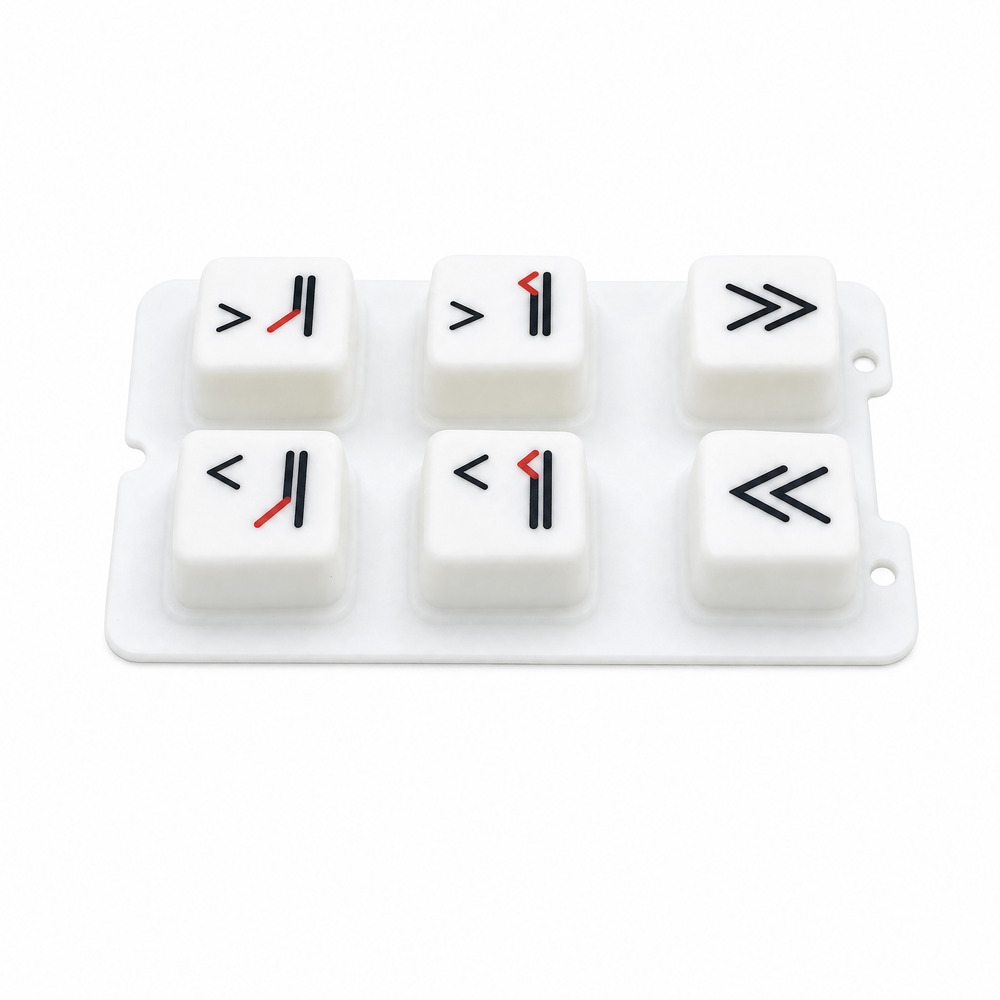
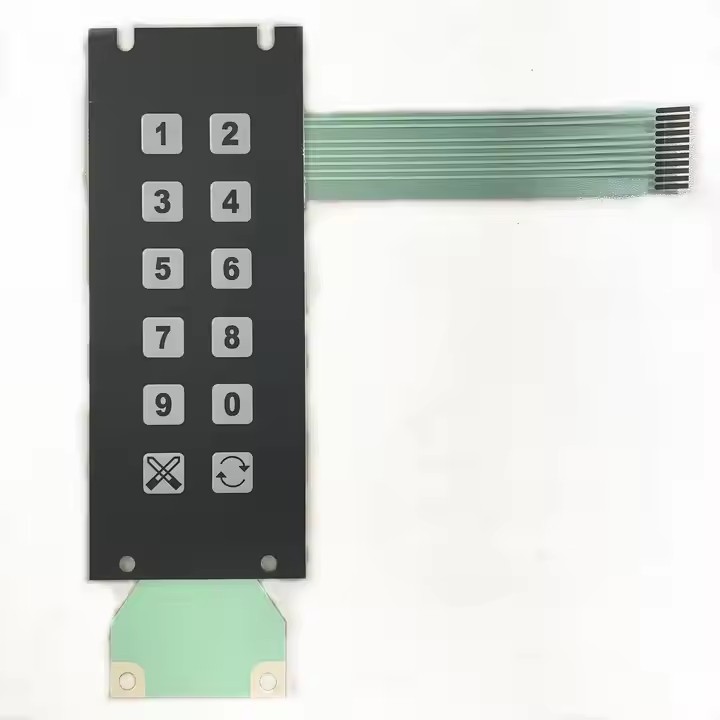
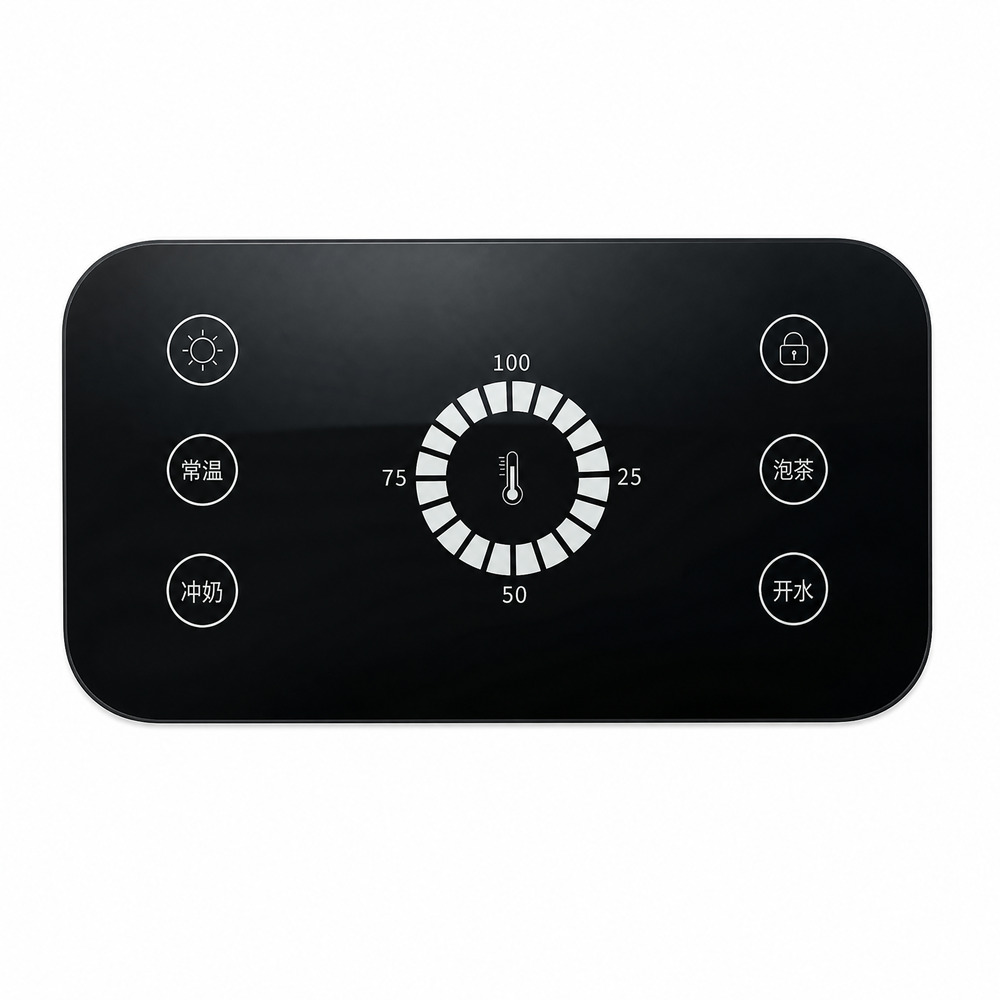
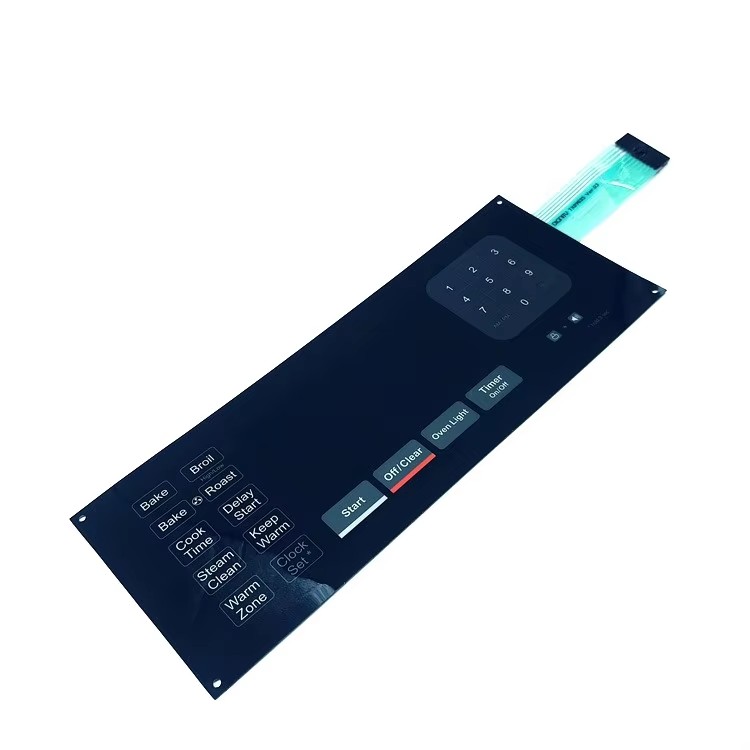
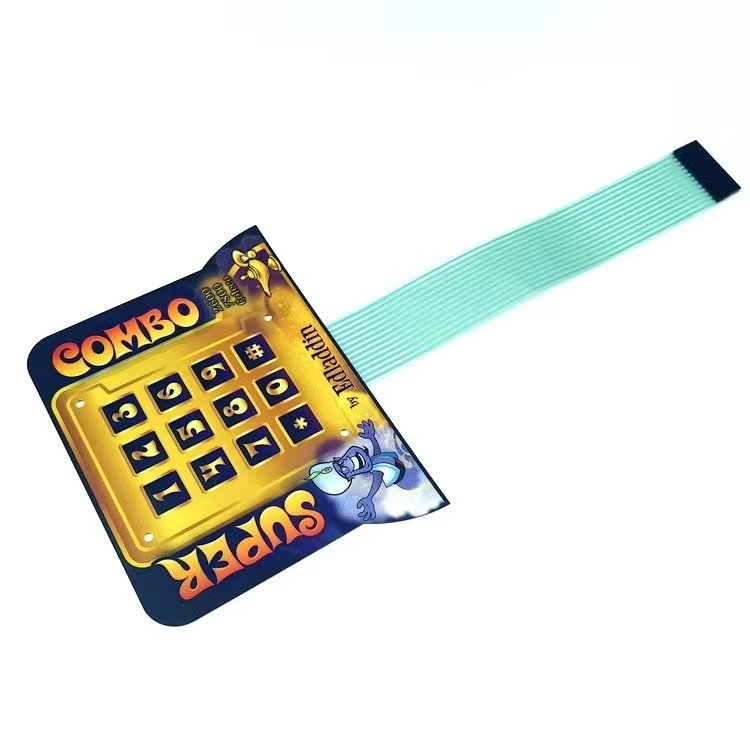
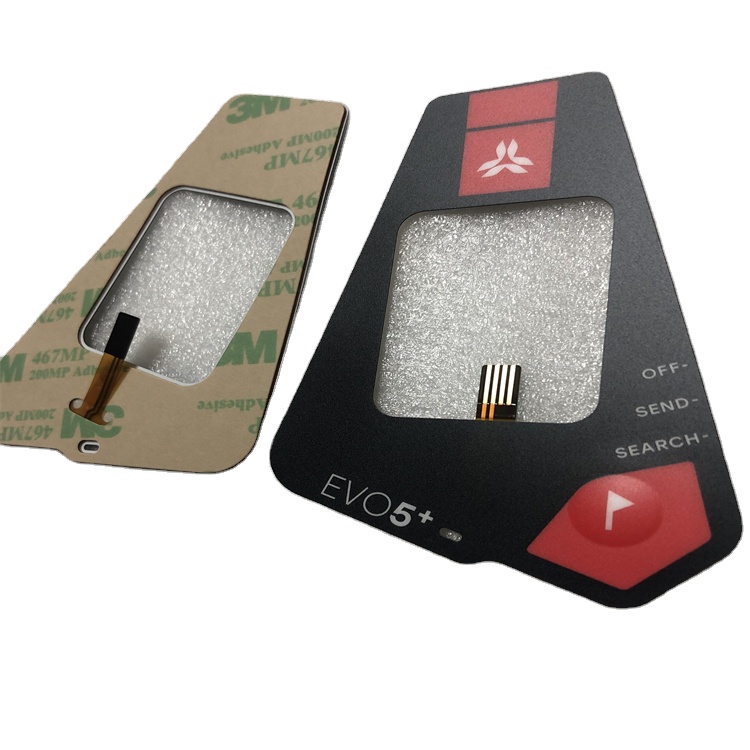
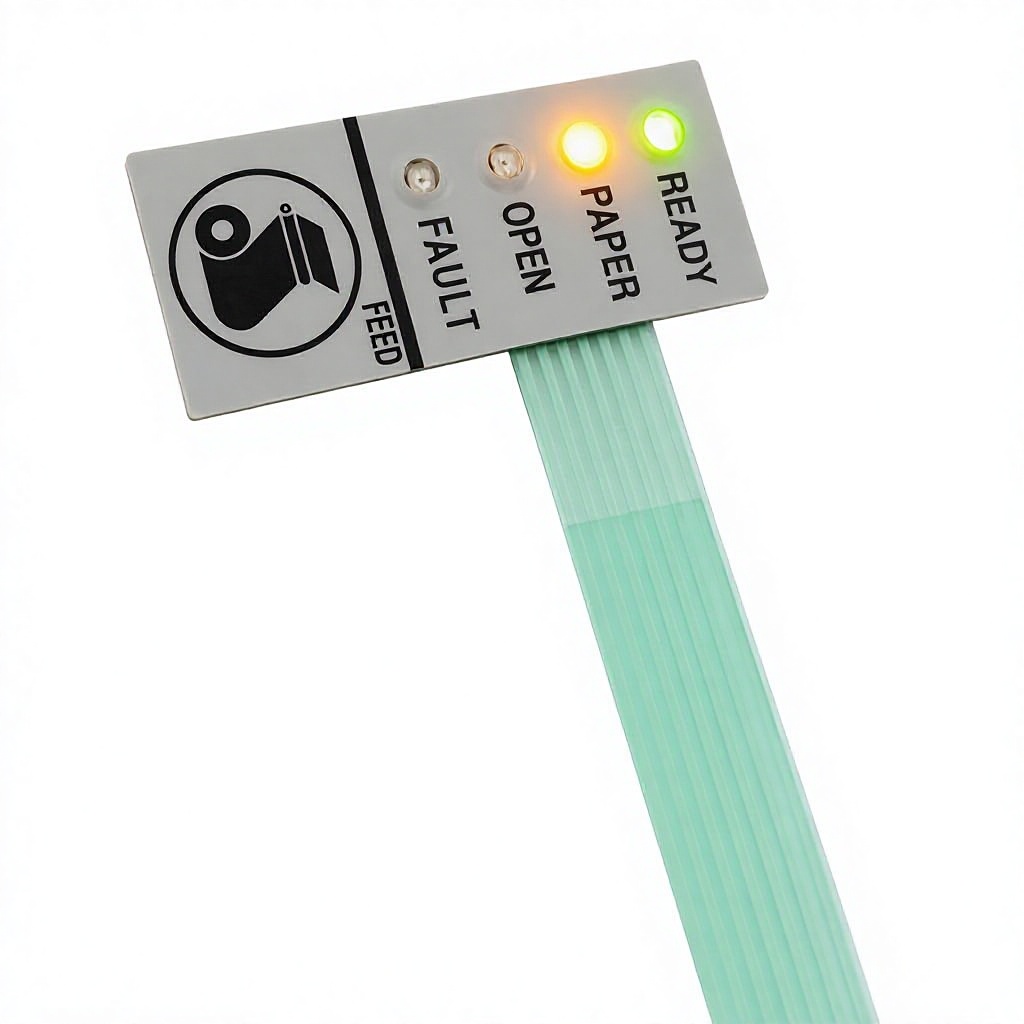
In high-reliability human-machine interfaces (HMI), substrate selection dictates system longevity, chemical survival, and switch flex-fatigue life. Learn the molecular distinctions that separate polyester from standard plastics.
When specifying front-panel interfaces for mission-critical instruments, design engineers frequently face the choice between Biaxially-Oriented Polyethylene Terephthalate (PET) and Polycarbonate (PC). While polycarbonate provides ease of thermal forming and high initial impact resistance, it suffers from severe limitations in dynamic flex environments and aggressive chemical exposures. Polyester, engineered through a biaxial stretching process during film extrusion, exhibits a locked crystalline structure that delivers unmatched mechanical tensile modulus and flexural fatigue endurance.
In tactile membrane switch assemblies incorporating embossed polydomes or actuation over stainless steel metal domes, flex fatigue is the primary failure mode. Polycarbonate overlays subjected to repeated actuation typically develop micro-crazing and stress fractures along the perimeter of the dome within 50,000 to 100,000 cycles. Conversely, high-grade polyester films—such as Autotex® or Melinex®—routinely surpass 5,000,000 switch actuations without loss of tactile recovery, surface clouding, or mechanical rupture (compliant with ASTM F1578 testing standards).
| Engineering Parameter | Polyester (PET / Autotex) | Polycarbonate (Makrofol / Lexan) | Acrylic (PMMA Sheet) |
|---|---|---|---|
| Switch Actuation Life (Flexural Cycles) | > 5,000,000 Cycles (Zero Fatigue Fracturing) | < 100,000 Cycles (Prone to Crazing) | Static Only (Not Flexible) |
| Chemical & Solvent Resistance | Exceptional (Resists MEK, Alcohol, Hydrocarbons) | Moderate (Attacked by Acetone, Petrol, Alkalis) | Good (Sensitive to Ketones and Aromatics) |
| Embossing Retention (Thermal Stability) | Permanent (-40°C to +85°C Heat Stabilized) | Excellent Initial Draw (Degrades under heat) | Non-Embossable |
| UV Degradation & Yellowing Index | UV-Stabilized (XE Grades 5+ Yrs Outdoors) | Rapid Yellowing & Embrittlement | Naturally UV Stable |
| Surface Hardness & Scratch Rating | Up to 3H (Hard-Coated Formulation) | HB to 1H (Requires Special Top-Coat) | 2H to 4H (High Natural Rigidity) |
| Dielectric Breakdown Voltage | 15 kV / mil (Superior Insulation) | 12 kV / mil | 13 kV / mil |
Beyond mechanical endurance, chemical immunity is critical for medical electronics subjected to bleach, quaternary ammonium wipe-downs, and surgical chlorhexidine sterilizations. Polyester films maintain total molecular integrity against common hospital disinfectants and industrial grease. When enhanced with UV hard-coating systems (such as MacDermid Autotex XE), PET overlays are equally capable of enduring relentless solar UV exposure without yellowing, chalking, or delamination, making them the gold standard for outdoor fuel dispensers, agricultural vehicle consoles, and commercial maritime avionics.
Global procurement teams must assess beyond simple unit cost. These ten technical audit benchmarks separate tier-1 export manufacturers from basic commercial screen printers.
Enclosed positive-pressure printing environments eliminating micro-particulates, pinholing, and optical window defects on critical transparent displays.
CCD-guided semi-automatic and automated screen printers maintaining multi-layer registration within a razor-thin tolerance of ±0.05mm across all color hits.
Pre-conditioning PET sheets in temperature-controlled drying ovens at 140°C to neutralize thermal shrinkage prior to tight-pitch silver trace deposition.
Integrated solid or grid-printed carbon and copper conductive layers dissipating up to 15kV electrostatic discharges to protect sensitive microprocessors.
Laser and steel-rule die tooling delivering perimeter cut accuracy of ±0.1mm, ensuring flawless mechanical integration into cast or molded housings.
Certified converting and bubble-free roller lamination of genuine 3M™ 467MP, 468MP, and 300LSE low-surface-energy pressure-sensitive acrylic adhesives.
In-house computerized tooling for rim, pillow, and poly-dome embossing with controlled snap ratios, ensuring tactile feedback repeatability over 1M cycles.
First-surface UV-cured selective masking combining anti-glare display windows with rugged velvet-matte tactile key surrounds in a single continuous sheet.
Micro-ohmic trace loop resistance, switch contact chatter time (<5ms), isolation resistance (>100MΩ @ 100V DC), and LED forward-voltage inspection.
Export-dedicated bilingual engineering support conducting Design-for-Manufacturability (DFM) reviews and stack-up schematics within ≤2 hours of RFQ.
Founded in 2003 in Fenggang Town, Dongguan, Ravo Electronics has expanded from an agile specialty workshop into a vertically-integrated 12,000 m² production powerhouse. Today, over 300 skilled technicians operate high-speed screen printing lines, cleanroom laminating cells, CNC laser tooling, and environmental stress chambers under one roof.
Unlike trading intermediaries, Ravo maintains full internal chain of custody over raw substrate preparation, silver conductive ink synthesis, precision embossing, die-cutting, and 100% automated electrical testing. Our ISO 9001:2015 quality management framework safeguards zero-defect shipments to medical OEMs, aerospace integrators, and industrial machinery leaders worldwide.
Submit your CAD, vector artwork, or PCB schematics today. Our senior interface engineers return complete layer-stack drawings, material specs, and tooling quotes in ≤ 2 hours.
Send an InquiryNext-generation user interfaces are evolving from passive cosmetic nameplates into dynamic, intelligent control surfaces. Discover the top trends driving procurement decisions through 2030.
Following post-pandemic hygiene directives in hospitals and food processing lines, buyers increasingly specify PET films embedded with silver-ion or zinc-pyrithione antimicrobial nanostructures (ISO 22196). These coatings actively inhibit 99.9% of bacterial colonization without leaching or degrading under daily chemical washdowns.
The convergence of graphic overlays with printed capacitive sensing traces is eliminating traditional electro-mechanical switches. By printing conductive polymer or PEDOT electrodes directly behind the polyester graphic skin, engineers achieve ultra-sleek, zero-gap touch surfaces that prevent ingress of fluids, grease, and biological contaminants.
Industrial aesthetic design demands modern automotive-style instrument clusters. High-density opaque black masking combined with optical diffusion ink layers conceals functional icons, status glyphs, and warnings until underlying SMD LEDs are energized. This eliminates visual clutter and guides operators through critical sequences.
Ensure your mechanical design integrates effortlessly with printed graphic overlays. Review key design-for-manufacturability parameters before committing to die tooling.
Achieving a reliable seal against dust, jetting water, and airborne chemicals requires meticulous alignment between the graphic overlay perimeter, adhesive cutouts, and the mounting housing rebate. When designing the adhesive gasket layer, engineers must maintain a minimum border seal width of 1.5mm to 2.0mm around all cutouts, display windows, and external edges. Utilizing less than 1.0mm adhesive clearance drastically increases the risk of moisture migration and adhesive oozing under thermal cycling.
0.125mm (5 mil) for high-sensitivity capacitive touch; 0.175mm to 0.200mm (7-8 mil) standard for tactile metal dome actuation; 0.250mm (10 mil) for ruggedized industrial control consoles.
Tactile domes require internal pressure-equalizing micro-channels cut within the spacer layer. Venting prevents the 'ballooning' effect caused by barometric changes in aircraft, marine, or mountain environments.
Dome and rim emboss heights should not exceed 1.5 to 2.0 times the film thickness. Exceeding this mechanical draw ratio introduces internal stress, micro-cracking, and premature spring-back failure.
Specify 3M 467MP (200MP acrylic) for high-surface-energy smooth metals; specify 3M 300LSE or 9448A for low-surface-energy (LSE) molded plastics (polypropylene, ABS, powder-coated finishes).
Essential insights addressing tooling lead times, environmental ingress protection, optical window treatments, and international compliance standards.
Partner with Dongguan Ravo Electronics Co., Ltd.—your direct manufacturing exporter with over 20 years of proven OEM/ODM excellence. Send us your design specifications, CAD drawings, or project requirements today for an immediate, confidential DFM review and factory-direct quotation.
Send an Inquiry