 EN
 DE
 FR
 ES
 RU
 JA EN DE FR ES RU JA
High-precision tactile switch panels, flexible copper/silver circuitry, and sealed graphic overlays engineered for hospital beds, clinical diagnostics, surgical lighting, and industrial controls.
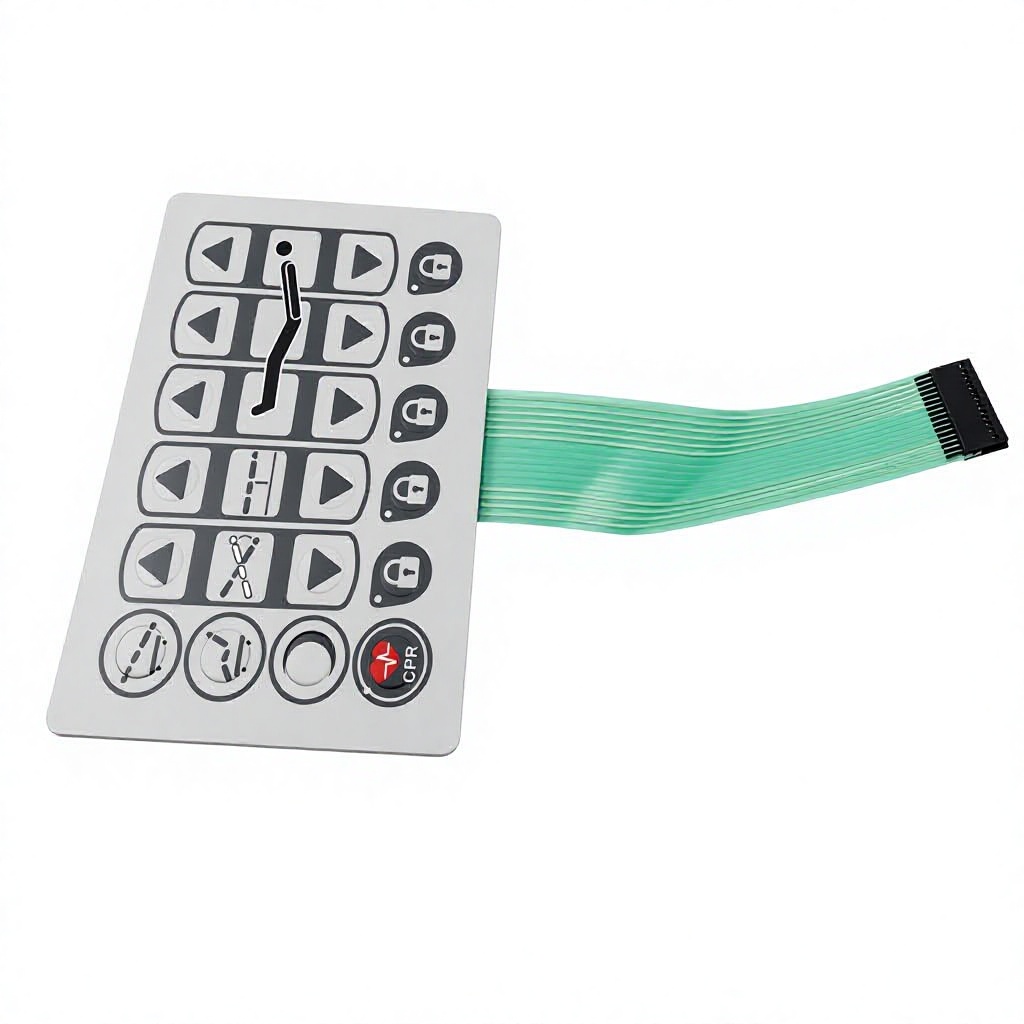
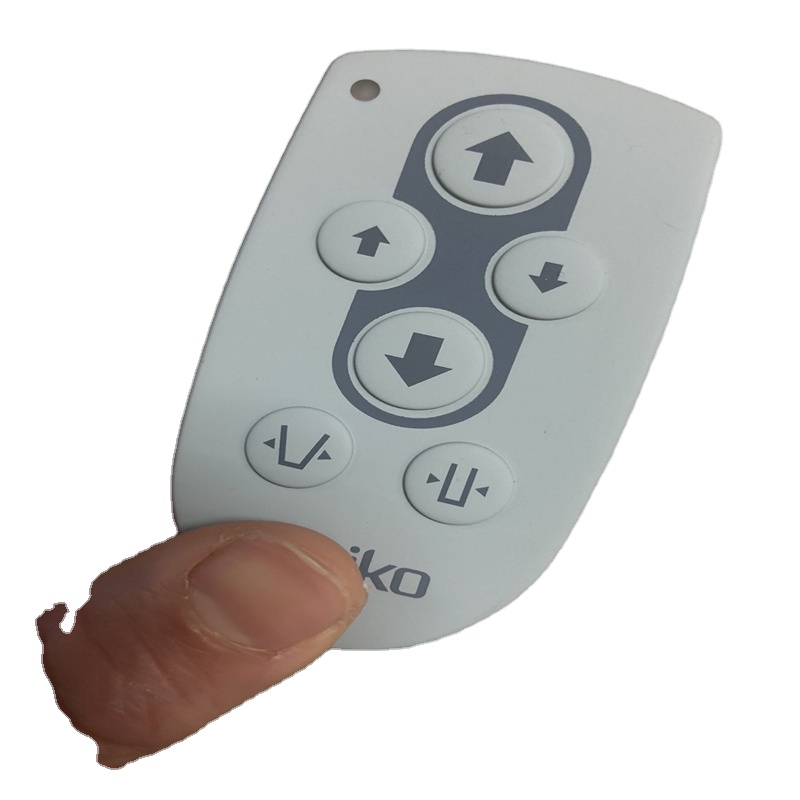
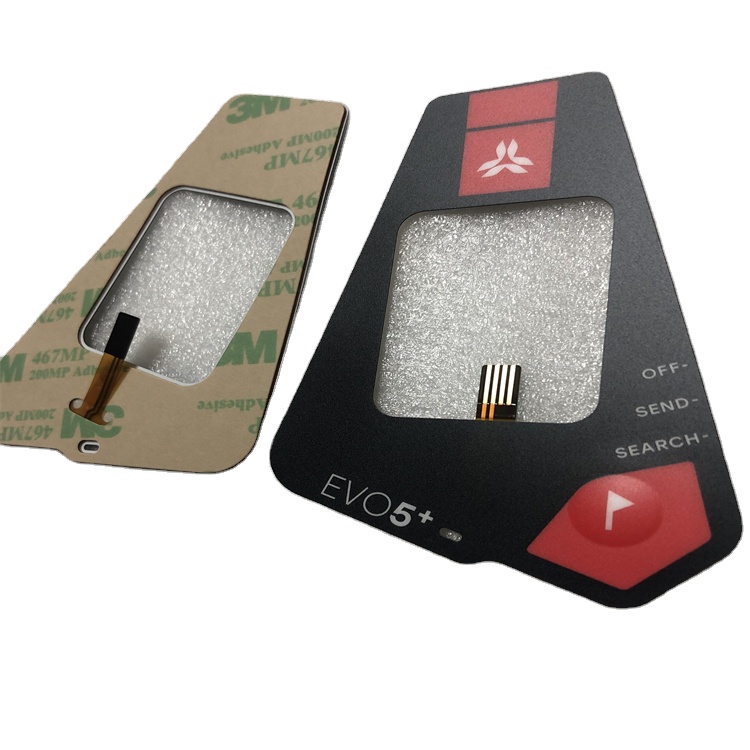
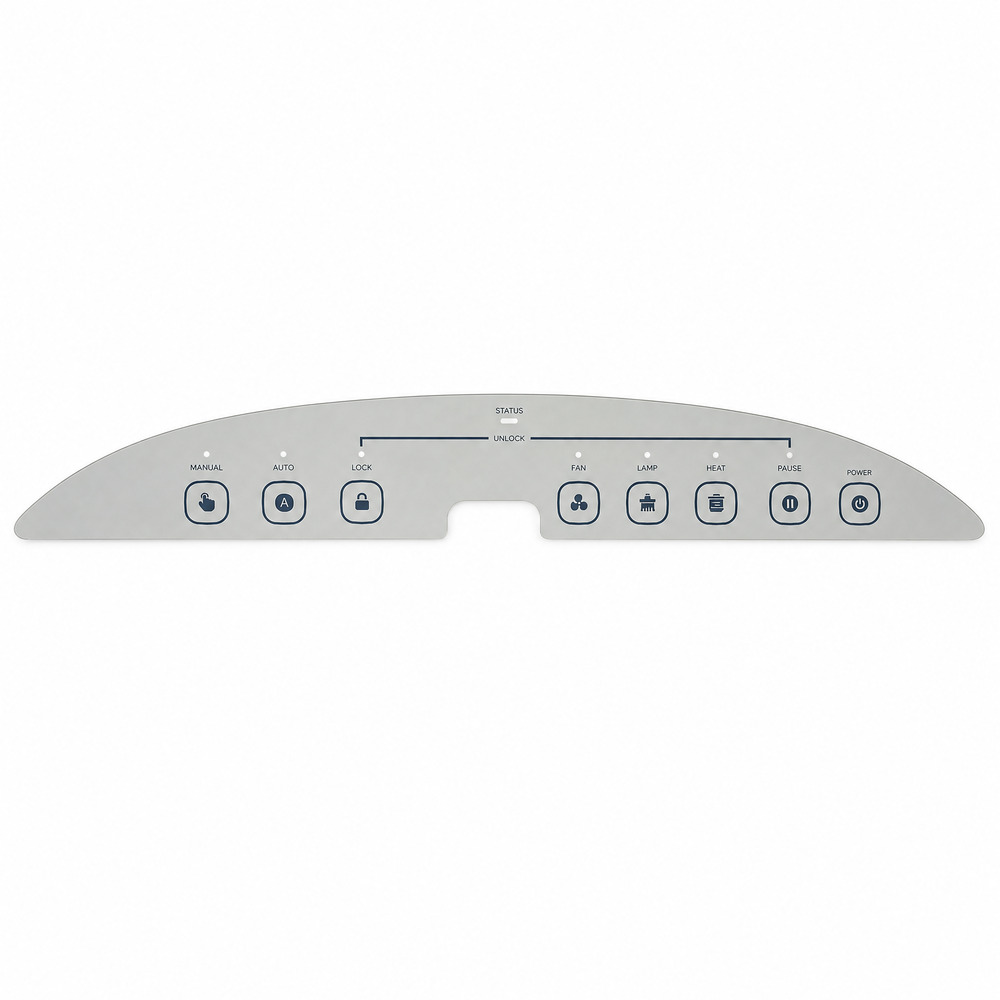
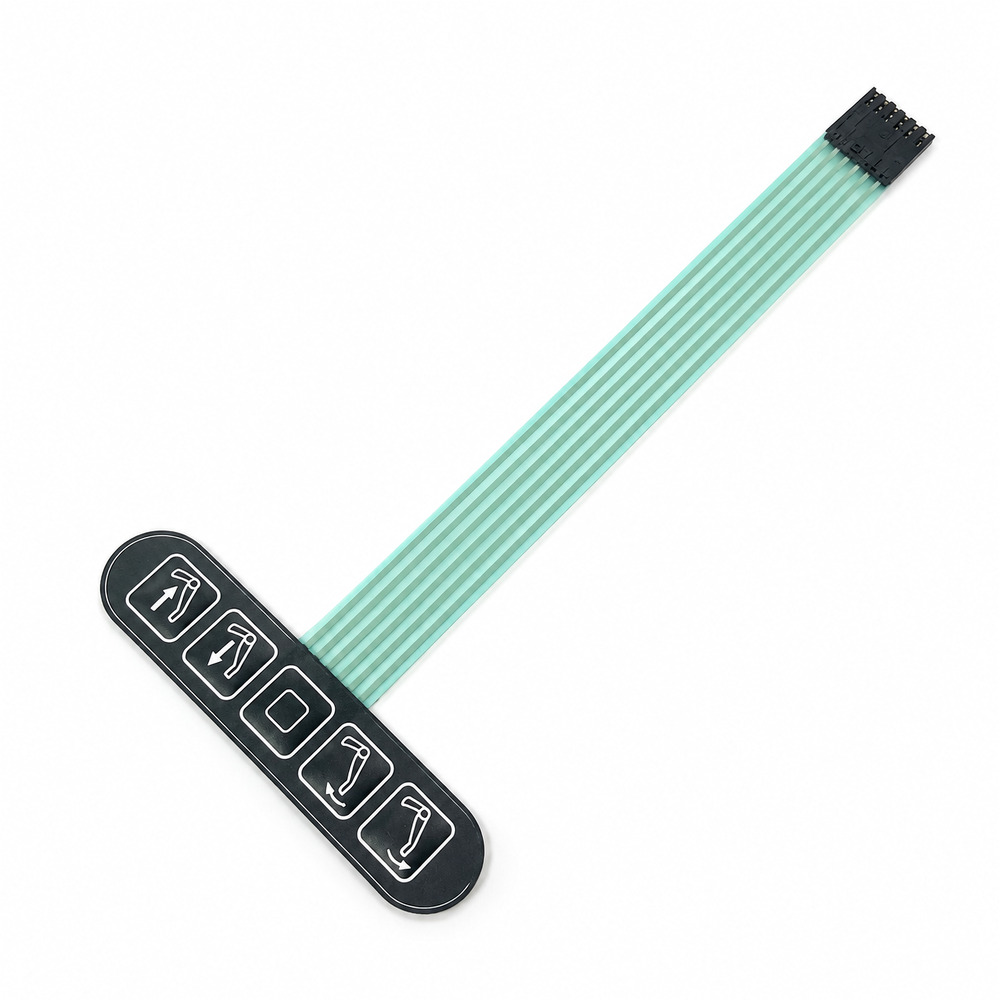
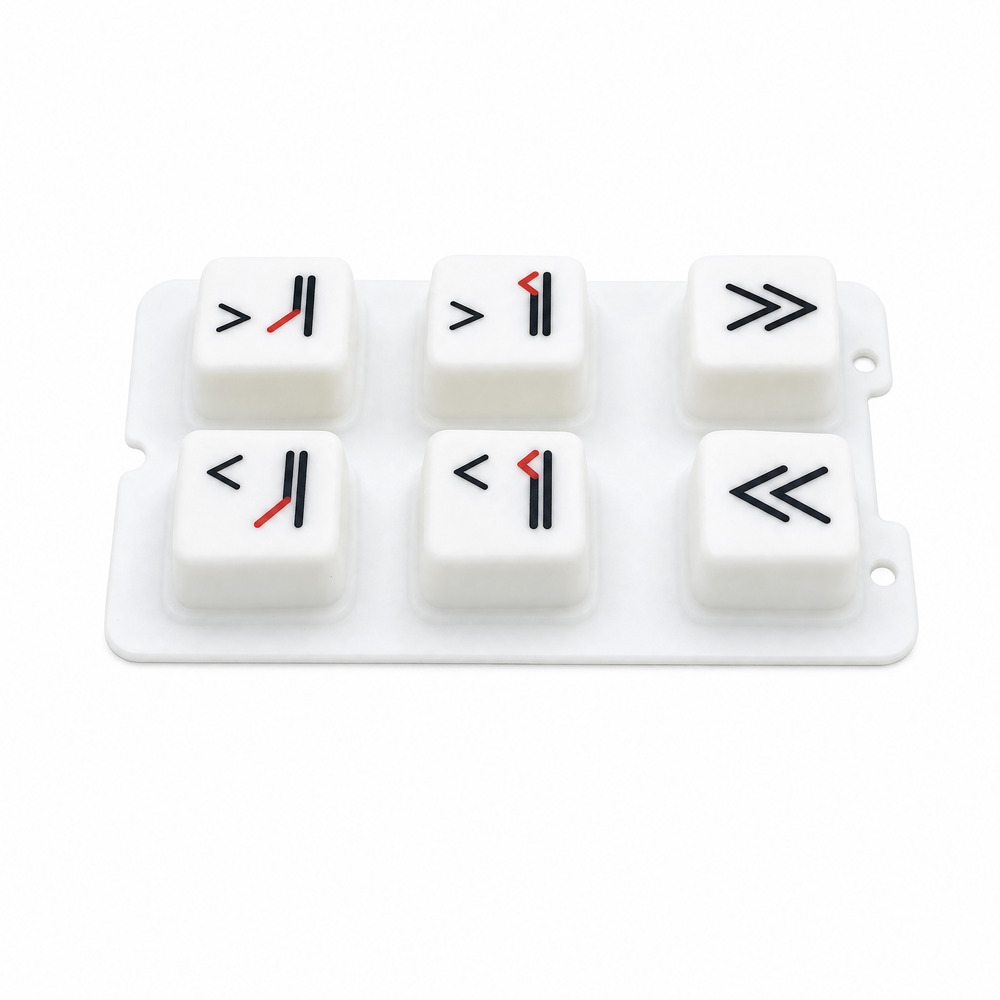
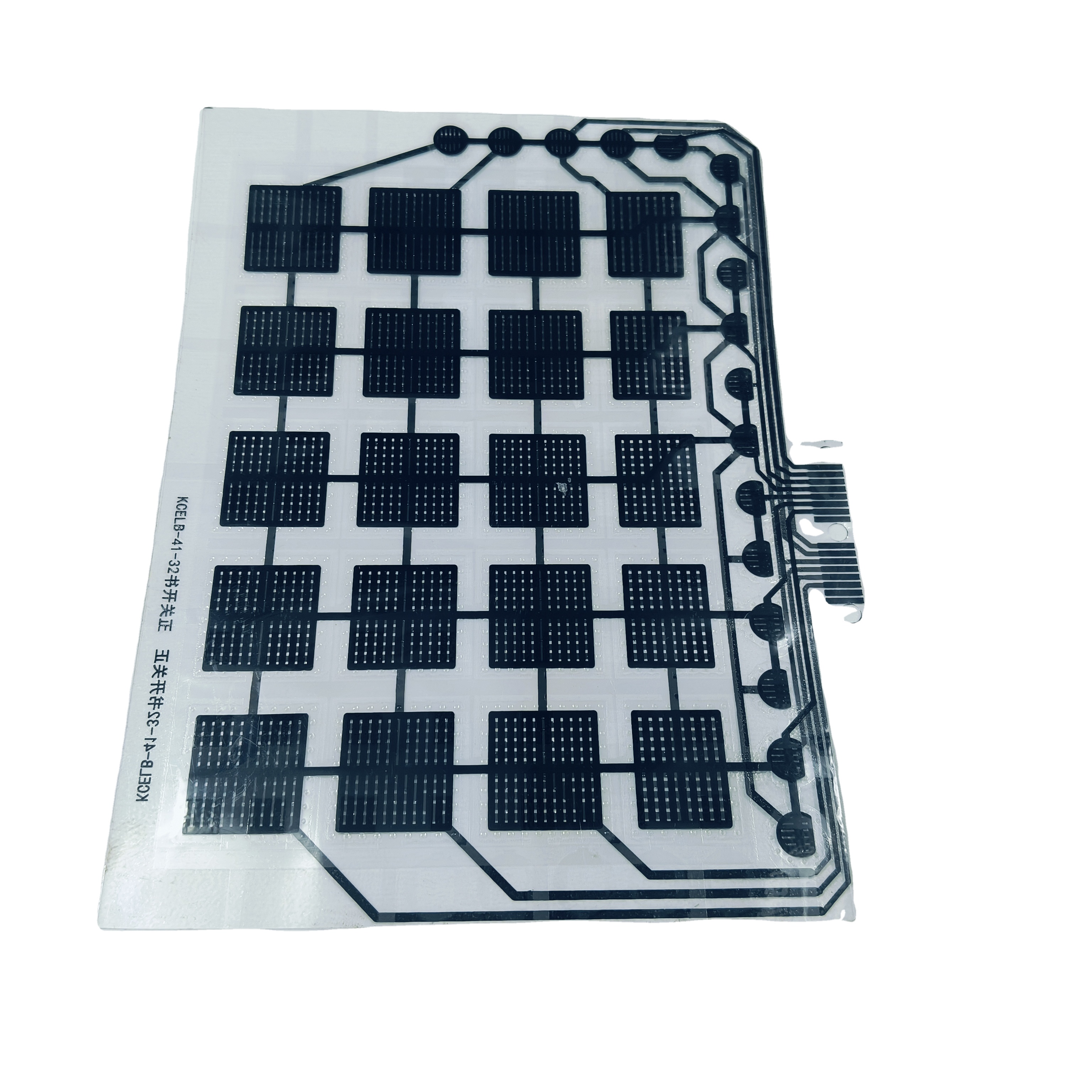
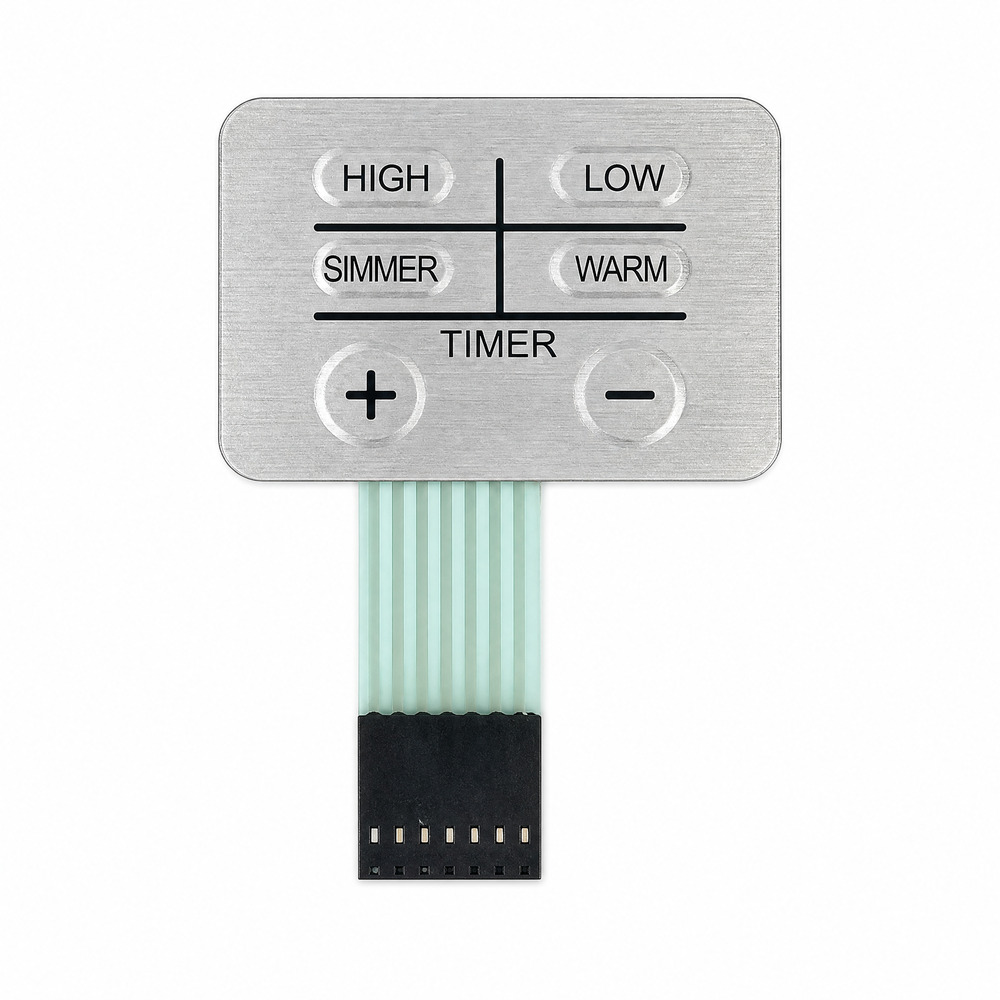
A comprehensive procurement and technical specification guide for electromedical equipment designers, biomedical engineers, and global medical device OEMs.
In modern critical care environments—operating theatres, intensive care units (ICUs), dialysis wards, and emergency transport systems—the Human-Machine Interface (HMI) serves as the primary physical bridge between clinician intent and patient life-support automation. While consumer-grade membrane switches focus predominantly on cost efficiency and aesthetic appearance, an OEM/ODM medical-grade membrane switch must withstand relentless operational stressors: aggressive biocidal wipe-downs, continuous exposure to bodily fluids, severe electrostatic discharge (ESD) events, and millions of positive-tactile actuations without mechanical latency or contact oxidation.
At Dongguan Ravo Electronics Co., Ltd., medical switch manufacturing is approached as an integrated electromechanical science. From selecting cross-linked textured polyester substrates that resist chemical embrittlement to deploying laser-trimmed copper Flexible Printed Circuits (FPC) and high-force stainless-steel tactile metal domes, our engineering methodology guarantees uncompromising functional safety in compliance with IEC 60601-1-2 (Electromedical Equipment Safety and Electromagnetic Compatibility), ISO 13485 quality protocols, and rigorous RoHS/REACH environmental mandates.
A standard medical keypad manufactured in our Dongguan facility incorporates 6 to 9 specialized functional layers, each bonded with precision micro-tolerance die-cutting to create a hermetically sealed monolithic switch core:
The structural differences between consumer-grade switches and electromedical control interfaces are fundamental. Below is the procurement matrix utilized by our engineering department during Design for Manufacturability (DFM) reviews:
| Engineering Parameter | Medical-Grade Membrane Switch (Ravo Standard) | Standard Commercial / Consumer Switch | Clinical Verification Standard |
|---|---|---|---|
| Overlay Antimicrobial Defense | Autotex AM (Silver-ion micro-additive, 99.9% MRSA/E. Coli kill rate) | Untreated PET / Polycarbonate sheet | ISO 22196 / JIS Z 2801 Certified |
| Ingress Protection (IP Rating) | IP65, IP67, up to IP68 hermetically sealed boundary gasket | IP40 – IP54 (Drip / Splash resistance only) | IEC 60529 / DIN 40050-9 Testing |
| Chemical Wipe-Down Resilience | Immune to Betadine, CaviCide, Sporox, 70% IPA, Bleach solutions | Yellows, clouds, or micro-cracks under frequent alcohol wiping | ASTM F1598 Chemical Reagent Exposure |
| ESD / EMI Shielding Capability | Integrated Aluminum/Copper ground foil; >15kV air discharge shield | Unshielded or single carbon drain line (<5kV protection) | IEC 61000-4-2 Level 4 / IEC 60601-1-2 |
| Circuit Conductor Architecture | High-purity silver paste with anti-migration carbon caps or Copper FPC | Standard silver paste circuit without migration barriers | ASTM F1689 Circuit Insulation Resistance |
| Switch Actuation Tactile Life | >1,000,000 to 5,000,000 cycles (Nickel/Gold plated stainless domes) | <100,000 to 500,000 cycles (standard carbon pills/polydomes) | ASTM F1578 Membrane Switch Contact Life |
| Connector Integrity & Pitch | 2.54mm / 1.27mm / 1.0mm ZIF with stiffener, molded Amphenol/Molex latched | Standard unlatched crimp pin headers | MIL-STD-202 Environmental Test Methods |
| Operating Temperature Envelope | -40°C to +85°C continuous thermal range | -10°C to +55°C standard threshold | IEC 60068-2-1 / IEC 60068-2-2 Testing |
Exploring advanced integration methods: Hybrid capacitive-membrane logic, embedded thin-film FSR sensing, optical dead-front backlighting, and flexible hybrid electronics.
While medical touchscreens offer modern aesthetics, surgeons and nurses frequently operate with wet surgical gloves, where projected capacitive touchscreens suffer from false triggering or water-drop locking. Ravo engineers hybrid panels combining printed capacitive slider/button zones on the surface with underlying high-reliability metal-dome tactile emergency overrides (e.g., E-Stop, Bolus Flush, Defibrillator Charge) guaranteeing critical action execution even during complete display processor crash scenarios.
Modern clinical interfaces are extending beyond manual push buttons into dynamic sensing membranes. By depositing sub-micron piezoresistive carbon formulations onto flexible PET films, our Dongguan plant manufactures high-density thin-film pressure sensors used directly in hospital bed decubitus ulcer prevention systems, incubator weight monitors, and robotic surgical clamp feedback devices. These flexible sensor layers integrate directly into the keypad tail bus, minimizing wiring harness complexity.
In low-lux surgical theaters and sleep clinic monitors, unshielded LED glare causes visual fatigue. Ravo applies micro-optical Light Guide Films (LGF) and dead-front silkscreen layering. Critical alarm legends, power icons, and parameter values remain completely hidden under a sleek matte panel until active system logic illuminates specific SMD micro-LEDs. Light distribution remains perfectly uniform across the switch face (±5% lux deviation across a 300mm active area).
What biomedical supply chain executives, global sourcing managers, and regulatory compliance directors must navigate over the coming decade.
Under the European Medical Device Regulation (EU MDR 2017/745) and FDA 21 CFR Part 820, medical component suppliers are no longer viewed as simple print shops. Sourcing directors require full lot-level traceability of raw PET substrates, conductive inks, and adhesives with Certificates of Analysis (CoA) retained for a minimum of 15 years.
Procurement teams are shifting away from buying raw membrane switches and separate aluminum backer plates. Instead, they demand turn-key HMI modules: a pre-assembled unit containing the printed overlay, tactile circuit, rigid machined anodized aluminum/acrylic chassis, SMT display drivers, and pre-soldered custom wiring harnesses ready for direct chassis drop-in.
With the intensification of hospital-acquired infection (HAI) prevention protocols, switches must survive non-stop contact with vaporized hydrogen peroxide (VHP), ethylene oxide (EtO), and concentrated sodium hypochlorite. Sourcing specifications now mandate chemical scrub tests exceeding 10,000 cycles with zero edge peeling or legend degradation.
Medical device development cycles are notorious for extensive clinical testing and iterative ergonomic adjustments. Buyers now partner exclusively with manufacturers like Ravo capable of executing custom laser-cut engineering prototypes (from 1 piece) within 5–7 business days without requiring expensive hard-steel stamping tooling upfront.
Established in 2003, Ravo combines vertical in-house manufacturing, cleanroom production, and decades of electromechanical engineering mastery.
Fine particulate contamination between switch contact traces causes catastrophic intermittent electrical open/short failures. Our Dongguan facility houses positive-pressure cleanroom printing lines, climate-controlled screen-exposure suites, and fully enclosed automated laser die-cutting machinery to guarantee zero micro-dust inclusion in optical windows and switch cavities.
Our senior engineering staff brings over 20 years of HMI drafting and manufacturing experience. When you transmit your DXF, DWG, Step, or AI CAD files, our engineering department delivers a comprehensive Design for Manufacturability review—evaluating tail routing, dome diameter versus stroke travel, LED thermal dissipation, and adhesive boundary margins—in under 2 hours.
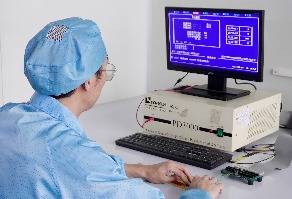
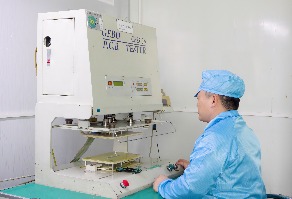
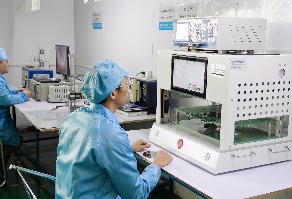
Zero defective parts policy. Every single membrane switch panel leaving our factory undergoes 100% automated continuity testing, contact resistance measurement (<100Ω standard silver, <1Ω copper FPC), loop resistance verification, high-voltage breakdown insulation checks (>100MΩ at 100V DC), and statistical batch snap-ratio cycle testing.
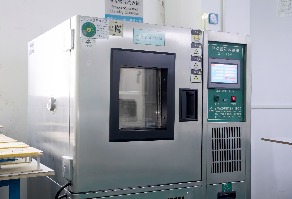
Direct answers to the most common technical, regulatory, and supply-chain inquiries submitted by global medical equipment buyers.
