EN
 DE
 FR
 ES
 RU
 JA EN DE FR ES RU JA
Direct from our 12,000 m² Dongguan manufacturing plant: fully tailored layer stack-ups, high-tolerance laser cutouts, tactile actuation feedback, and resilient 3M adhesive configurations engineered for mission-critical deployments.
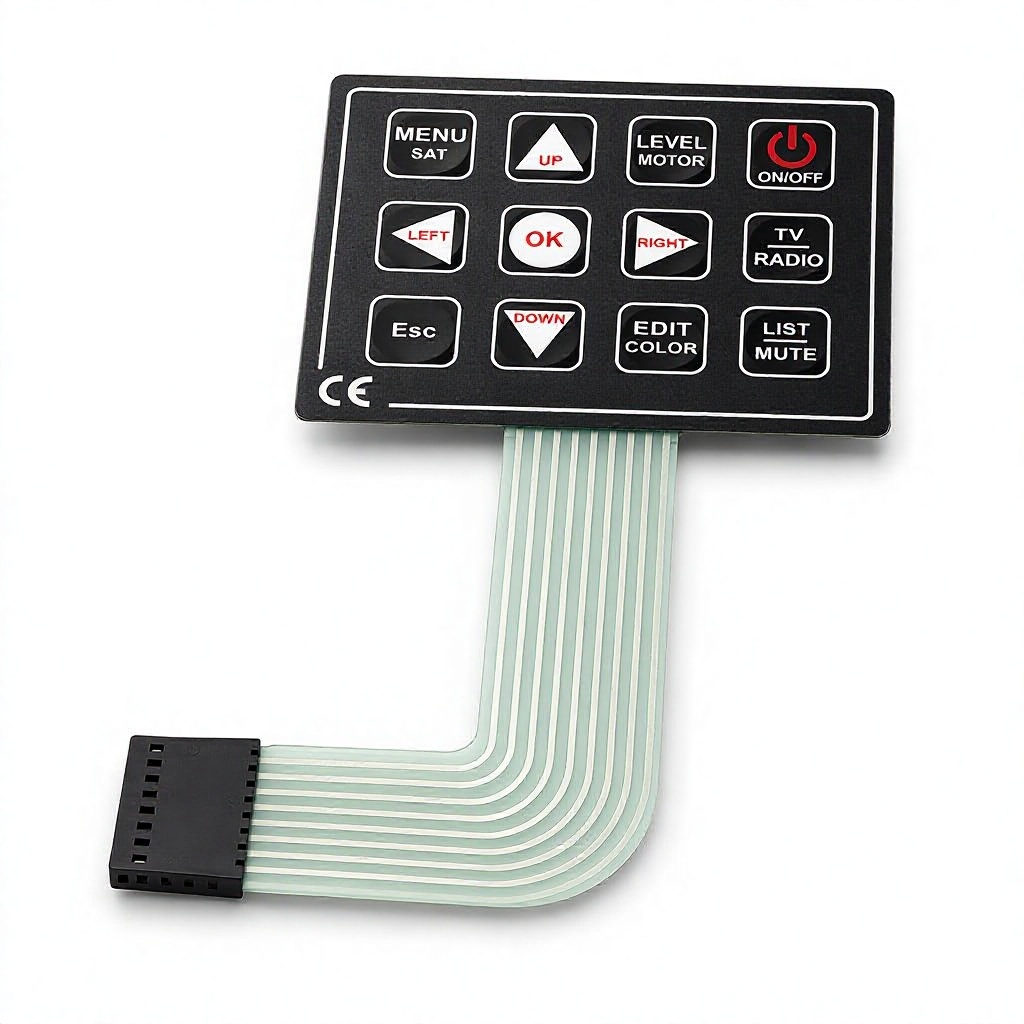
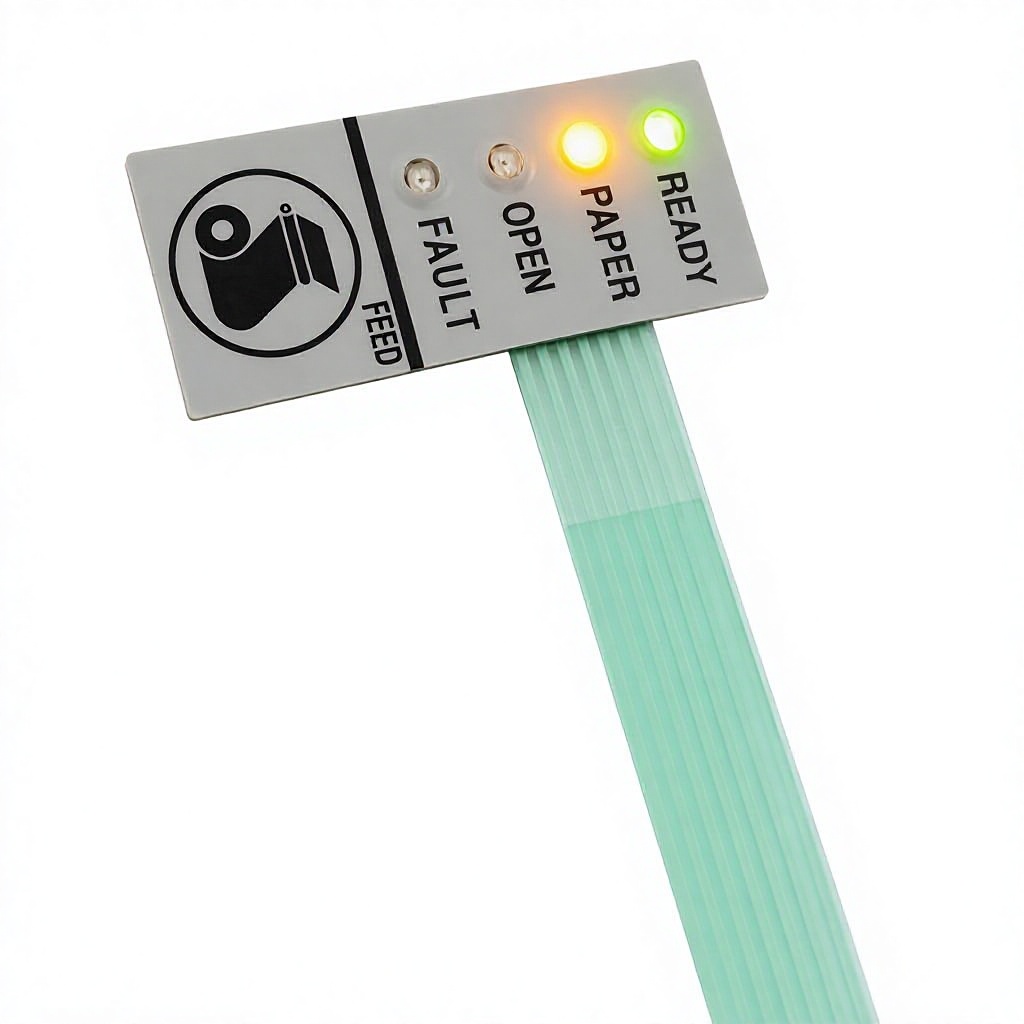
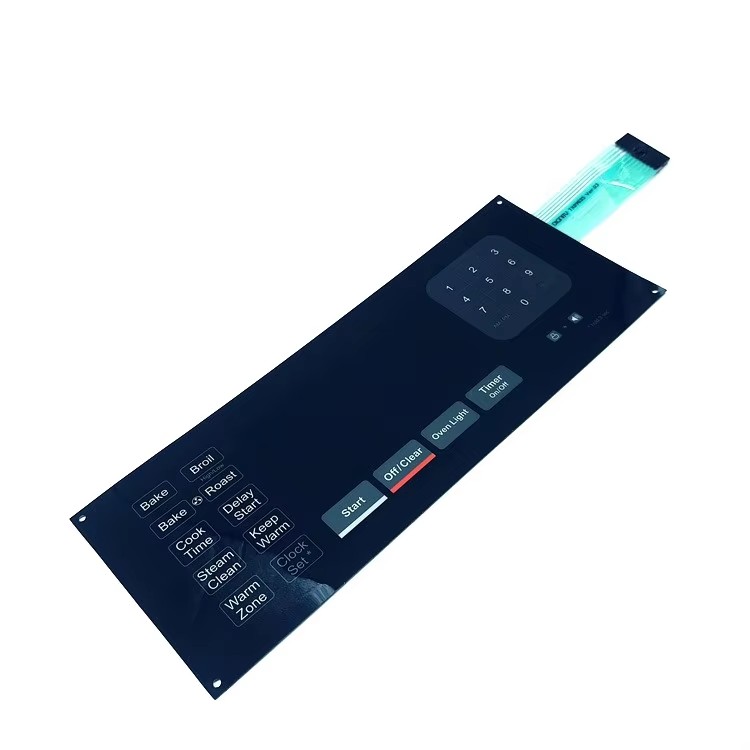
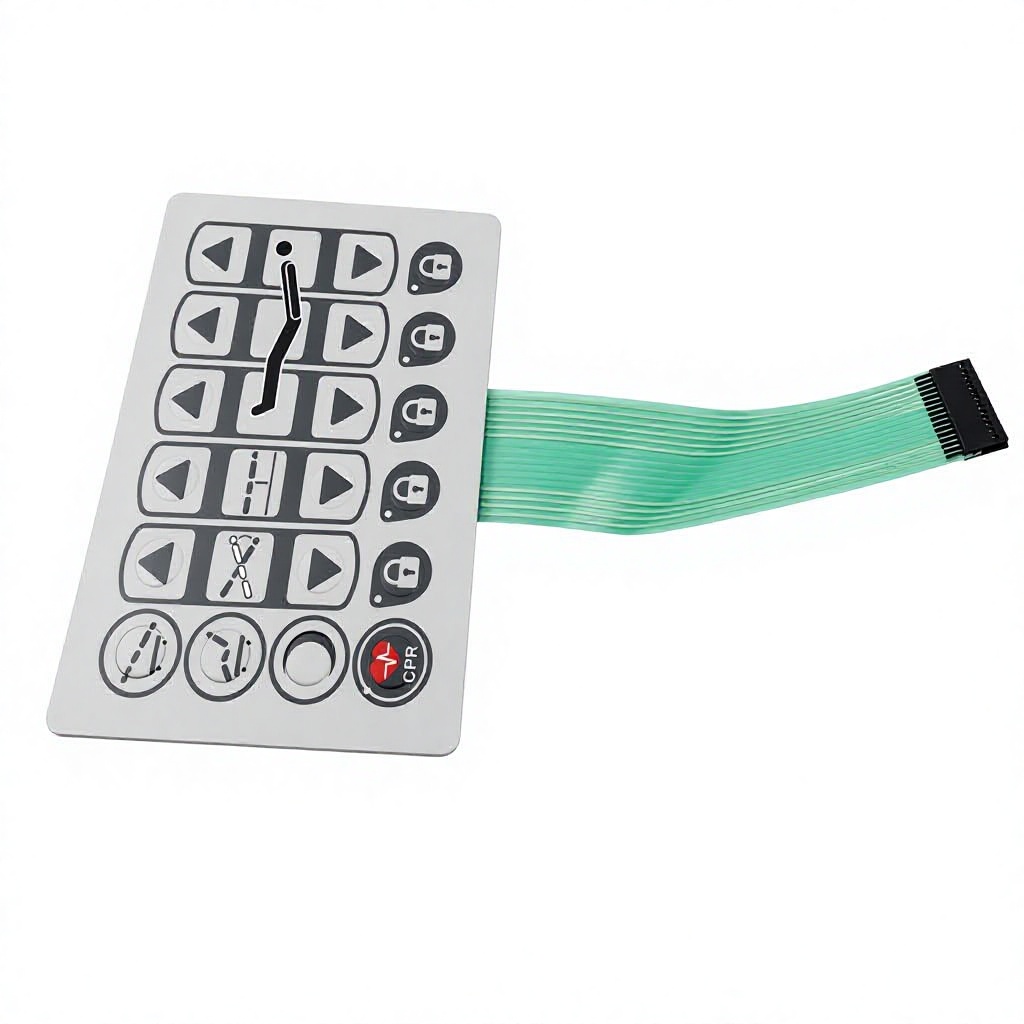
For more than two decades, we have bridged mechanical structural design, high-precision screen printing chemistry, and electromechanical integration under one roof to eliminate supply chain variance.
We produce steel die-cutting sets, male-female embossing tooling, and precision printing screens in our own CNC center. This slashes prototyping turnaround from weeks to 3-5 days and safeguards proprietary engineering geometries.
Our semi-automatic cylinder presses and high-density flatbed screen printing machines operate in Class 10,000 cleanrooms. Graphic ink layers are deposited on the reverse side of clear films, making them completely immune to abrasion and chemicals.
Every production run undergoes strict Automated Optical Inspection (AOI) for chromatic accuracy (Pantone/RAL ΔE < 0.8), adhesive pull-tab sheer testing, 1,000,000-cycle key actuation endurance, and dielectric breakdown insulation verification.
We refuse unverified stock. We strictly convert genuine MacDermid Autotype polyester (Autoflex, Autotex), SABIC Lexan polycarbonate, and authentic 3M 467MP, 468MP, and 300LSE adhesive transfer tapes with certified RoHS, REACH, and UL94 compliance.
Whether you require a pilot prototype batch of 1 to 10 pieces for functional clinical testing or a sustained 500,000-unit recurring export container, our dual digital UV and screen-printing setup scales frictionlessly with your commercialization cycle.
Our bilingual application engineers evaluate your CAD, DXF, vector artwork, and pinout schematics within two hours, offering actionable Design for Manufacturability recommendations on minimum stroke widths, embossing reliefs, and tail transitions.
Choosing the wrong substrate is the leading cause of field failures in industrial human-machine interfaces. Examine the comparative mechanical, optical, and chemical metrics to pinpoint the optimal graphic overlay substrate for your specific operational envelope.
| Evaluation Parameter | Polyester (PET) – e.g., Autotex / XE | Polycarbonate (PC) – e.g., Lexan 8010 / HP | Acrylic (PMMA) / Blended Polymers |
|---|---|---|---|
| Flex Fatigue Life (Actuations) | > 5,000,000 switch cycles (Superior elastic memory) | ~ 100,000 to 300,000 cycles (Susceptible to micro-cracking) | Rigid / Non-tactile (Cannot be embossed for flex switches) |
| Chemical & Solvent Resistance | Exceptional (Immune to alcohols, MEK, brake fluid, sanitizers) | Moderate (Degrades under ketones, esters, and hydrocarbons) | Good against acids; vulnerable to aromatic solvents |
| Pencil Surface Hardness | Up to 3H with specialized hard-coats (Autoflex EB) | 1H (Standard) to 3H (Hard-coated optical grades) | 3H to 4H naturally scratch resistant |
| Optical Clarity / Transmission | 88% – 91% (Slight haze in textured grades) | 90% – 92% (High clarity, zero birefringence options) | 92% – 93% (Crystal clear display windows) |
| Thermal Stability Envelope | -40°C to +150°C (Continuous service) | -40°C to +125°C (Softens at lower temperatures) | -30°C to +85°C (Prone to thermal deformation) |
| UV Weatherability (Outdoor) | Outstanding when specified with UV-stabilized PET (Autotex XE) | Prone to yellowing/hazing unless coated with Lexan SLX | Naturally high UV stability without discoloration |
| Recommended OEM Target | Medical instruments, industrial robotics, food processing | Diagnostic displays, consumer appliances, indoor HMI | Heavy-duty display lenses, rugged gauge lenses |
All artwork, branding iconography, and Pantone-matched colors are printed reverse on the back side of the film. Physical touching, cleaning wiping, and environmental moisture never touch the ink matrix directly, preventing graphic erosion for the product's operational lifetime.
Through proprietary UV photopolymer masking, we apply selective gloss, matte, velvet, or fine-grain textures across the overlay face. This allows crystal-clear, non-diffusive windows for underlying LCD/OLED screens while maintaining an anti-glare, fingerprint-hiding textured body.
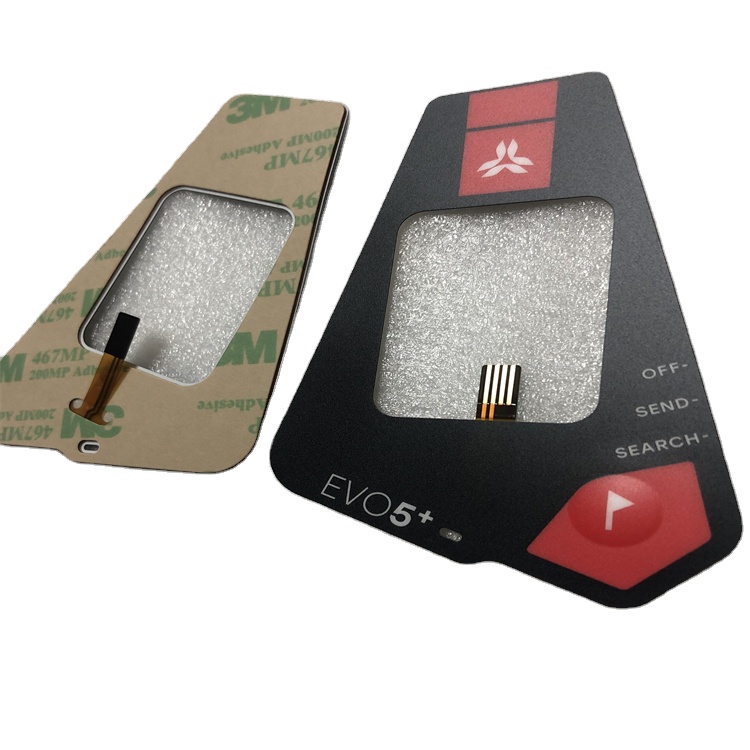
We match the adhesive system to your housing chemistry. High Surface Energy (HSE) metals leverage 3M 467MP/468MP, while Low Surface Energy (LSE) polymers like polypropylene, powder-coated metals, and ABS rely on modified acrylics like 3M 300LSE or 9472LE to eliminate perimeter edge lifting.
Global procurement directors are transitioning from commodity parts-buying to strategic lifecycle collaboration. Discover the transformative manufacturing and regulatory trends defining next-generation control panel sourcing.
Hospital-acquired infections (HAIs) are driving medical buyers to mandate non-migratory silver-ion antimicrobial coatings (such as Microban-infused hardcoats). Graphic overlays must now survive constant wiping down with quaternary ammonium compounds, bleach, and isopropyl alcohol without experiencing delamination or crazing.
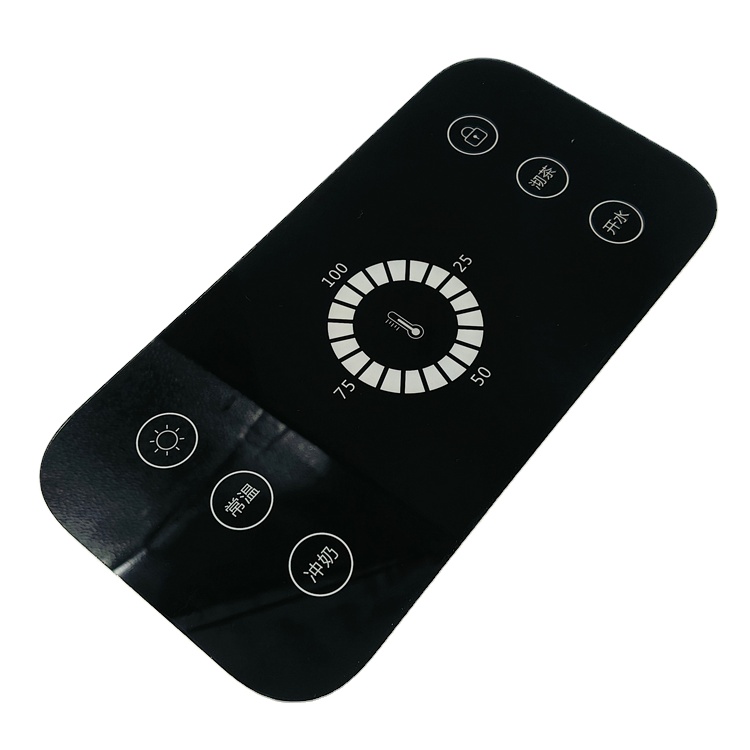
Modern automotive consoles, smart kitchens, and lab instruments demand clean, uncluttered aesthetics. Next-generation graphic overlays use engineered light-blocking masks and micro-translucent diffusion tints where symbols remain completely black and invisible until rear SMD LEDs are energized, creating intuitive user interfaces.
OEMs are rapidly migrating from 2D flat planar fascias toward thermoformed, 3D contoured overlays injected directly into injection-molded housings. Sourcing managers are actively consolidating vendors who can thermoform PET/PC films without disrupting printed conductive silver ink runs or stretching fine registration tolerances.
With stringent EU RoHS 3, REACH SVHC, and corporate ESG emissions mandates, European and American enterprises are requiring sustainable material declarations. Ravo leads this curve with solventless UV-curable ink systems and bio-circular polycarbonates derived from ISCC PLUS certified organic feedstocks.
Human-Machine Interfaces have evolved past passive labels into active electromechanical assemblies. Discover how Dongguan Ravo Electronics incorporates functional electrical layers directly beneath the graphic overlay skin.
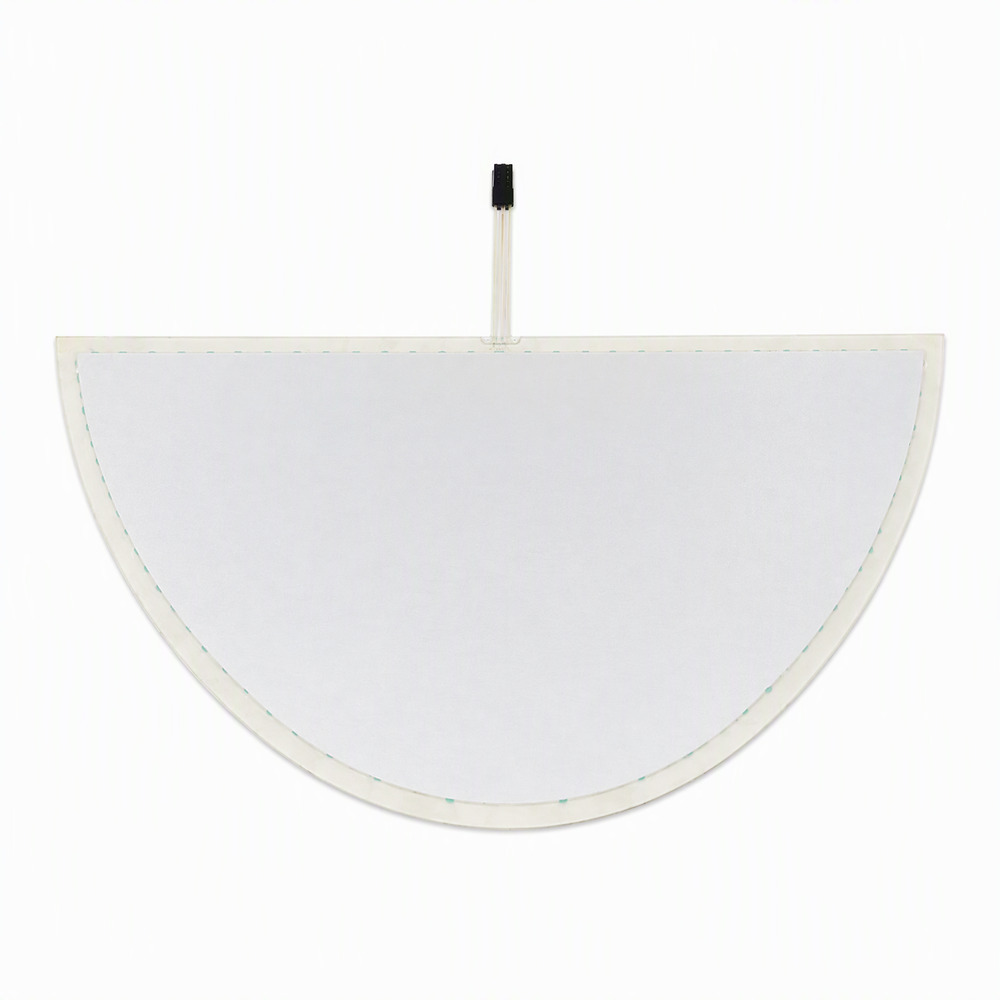
By laminating transparent conductive PEDOT:PSS or ultra-thin etched copper FPC sensors directly beneath unbroken polyester faceplates, we deliver glass-like capacitive touch performance with the shatterproof, chemical-resistant toughness of industrial polymer overlays.
To safeguard sensitive microcontroller logic in high-voltage industrial automation, our overlays can be backed with printed full-coverage silver grids, conductive carbon coatings, or micro-thin aluminum foils with integrated ground discharge tabs, blocking up to 25 kV electrostatic discharge.
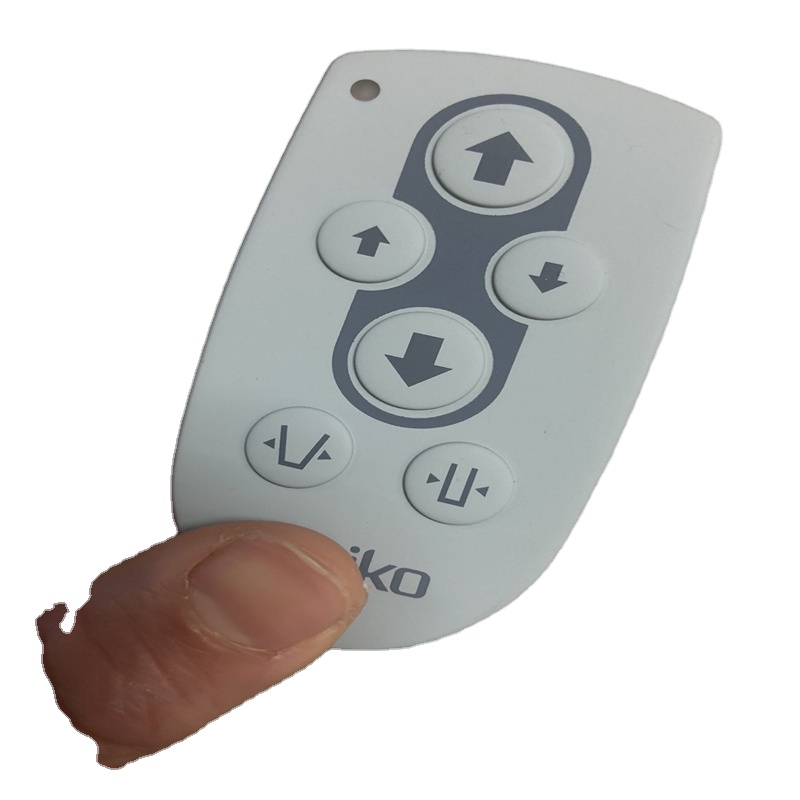
We engineer pillow, rim, and dome button embossing with custom tactile response matching. Pairing cold-pressed polyester embossing with high-spec stainless steel snap domes (actuation forces from 180g to 450g) delivers crisp tactile feedback that operators can confidently actuate through thick safety gloves.
Our audited manufacturing protocol ensures absolute dimensional fidelity, repeatable chromatic values, and zero field failures for global industrial equipment builders.
Your vector artwork (.AI, .DXF, .PDF) is analyzed for minimum stroke boundaries, punch clearances (> 0.5 mm from edges), and color tolerances. Spectrophotometric Pantone matching guarantees batch-to-batch color variance under ΔE 0.8.
Screens with up to 350-mesh thread counts are imaged via direct laser computer-to-screen (CTS). Embossing matched male/female steel plates and laser-cut lamination dies are fabricated in-house to guarantee sub-0.05 mm mechanical tolerances.
In our Class 10,000 cleanroom, films are acclimated to controlled relative humidity and temperature to eliminate static and substrate stretch. Inks are heat-tunnel or UV cured layer-by-layer, backed by opaque white diffusing barrier layers.
Plates are registered via CCD optical cameras. Controlled tonnage thermo-embossing creates crisp rims, tactile pillows, or braille dots without stress-whitening the underlying ink layers or thinning the polyester base film.
Specified 3M adhesive transfer tapes are die-cut with exact perimeter breather channels and window cutouts. Automated pressure rollers eliminate trapped air, providing a continuous hermetic seal certified for IP65/IP67 ingress ratings.
Final assemblies undergo optical camera measurement, window haze testing, and tactile switch force sampling. Certified parts are packed in anti-static ESD shielding wraps and heavy-duty corrugated export cartons for air/ocean freight delivery.
Clear, direct answers regarding minimum orders, dimensional tolerances, harsh solvent durability, and adhesive bonding science.
We accommodate functional prototype runs starting from just 1 to 5 pieces using our precision flatbed digital UV printing and CNC laser cutting stations. For full production volume utilizing production screens and steel dies, standard MOQs start at 100 to 250 pieces, offering maximum per-unit cost efficiency.
Sealing performance depends on the adhesive frame geometry. We engineer a solid, unbroken perimeter adhesive ring (minimum width 3.0 mm, preferably 5.0 mm) using cohesive acrylic transfer films like 3M 467MP or 3M 9472LE. When applied to a smooth, flat housing rim, this forms an impenetrable barrier against splashing liquids, high-pressure washdowns, and airborne dust.
Specify Polyester (such as Autotex PET) if your panel features active embossed buttons that will be depressed repeatedly, or if it will be exposed to cleaning agents, industrial fuels, or hospital disinfectants. Select Polycarbonate (Lexan) when you need an economical, flame-retardant (UL94 V-0 or VTM-2 rated) overlay for flat fascias or display bezels that do not flex continuously.
For high surface energy (HSE) plastics like ABS, smooth aluminum, and bare steel, 3M 467MP (0.05 mm) and 3M 468MP (0.13 mm for textured surfaces) are the industry standard. If your enclosure is molded from low surface energy (LSE) materials like polypropylene, polyethylene, or has a heavy powder-coat finish, we specify 3M 300LSE (e.g., 3M 9471LE/9472LE) to prevent adhesive failure.
A dead-front window appears completely dark, opaque, and blend-matched to the front panel until an underlying LED indicator is illuminated. We accomplish this through multiple precision passes of semi-translucent smoke inks, backed by dense black light-blocker masks (optical density > 3.0) with zero pinholes, guaranteeing that lit indicators do not bleed into adjacent symbols.
Utilizing high-precision CNC laser profiling and matched hard-tooling dies, we maintain an overall dimensional outline tolerance of ±0.1 mm (±0.004″). Window-to-graphic print registration is controlled within ±0.15 mm, and hole diameter cutouts are held within ±0.05 mm, ensuring seamless fit-up over your sub-chassis and display modules.
Please provide vector artwork in Adobe Illustrator (.AI), CorelDraw (.CDR), vector .PDF, or .EPS format with fonts converted to outlines and designated Pantone (PMS) or RAL color codes. For cutout dimensions, embossing coordinates, and layer thicknesses, please include a 2D engineering drawing in AutoCAD (.DWG or .DXF) or STEP/IGES format.
Initial engineering DFM and color approval proofs are issued within 2 to 24 hours. Rapid laser-cut prototypes are dispatched within 3 to 5 business days. Once first-article samples are formally approved, mass volume production orders normally ship within 10 to 14 business days, complete with air express door-to-door courier tracking worldwide.
Work directly with Ravo's senior HMI engineering team in Dongguan. Send your CAD dimensions, vector artwork, or environmental operating parameters. We will evaluate substrate compatibility, adhesive performance, and cost-saving tooling opportunities with complete manufacturing transparency.