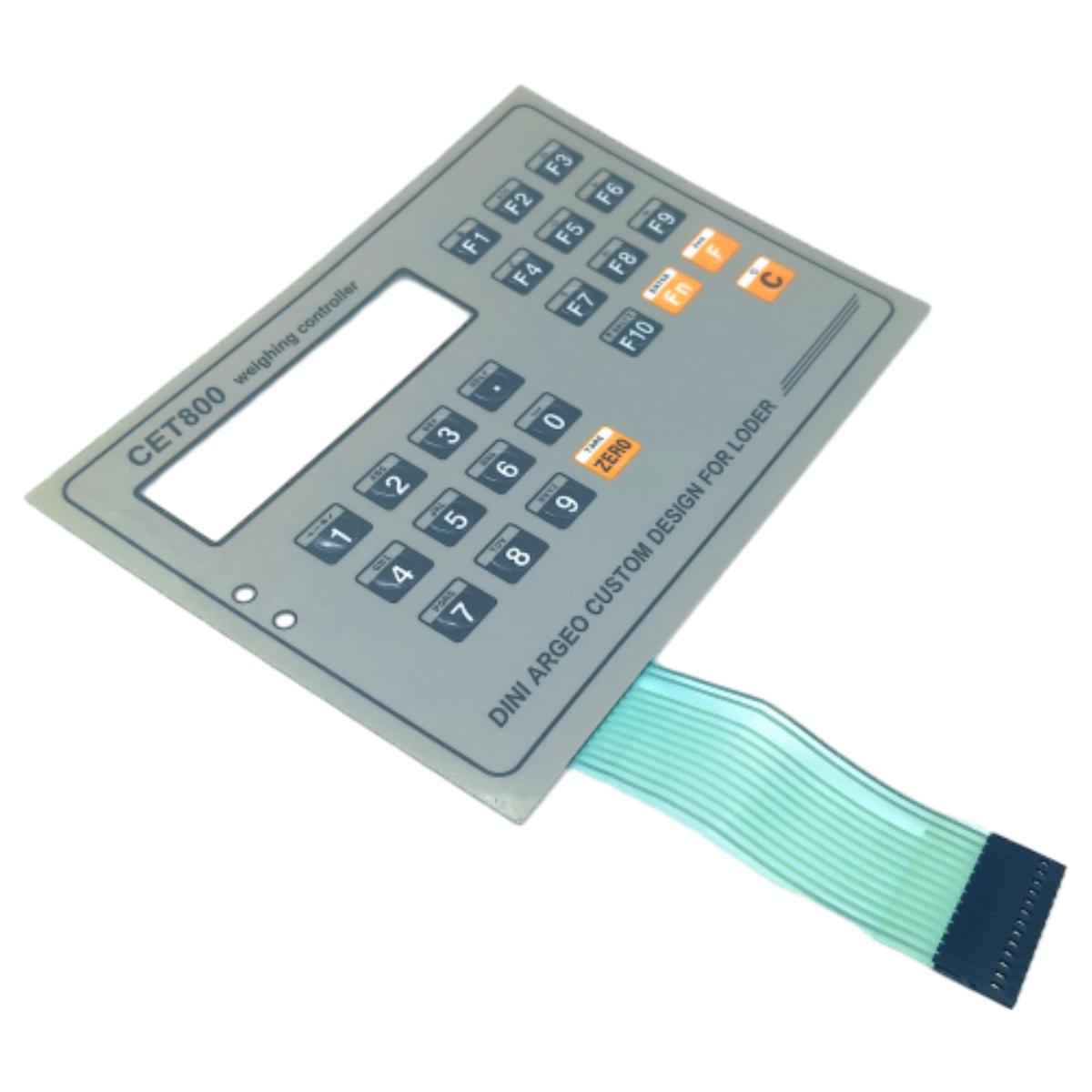
Customize Design Prototype Membrane Keypads PET/PC 3M467
- Base: Medical-Grade PET/PC Substrate
- Actuation: Silicone Keys + Tactile Metal Domes
- Lamination: Genuine 3M 467MP Adhesive
 EN
 DE
 FR
 ES
 RU
 JA
Explore production-tested tactile arrays, capacitive sensing panels, and rugged graphic overlays designed for critical human-machine interface applications.
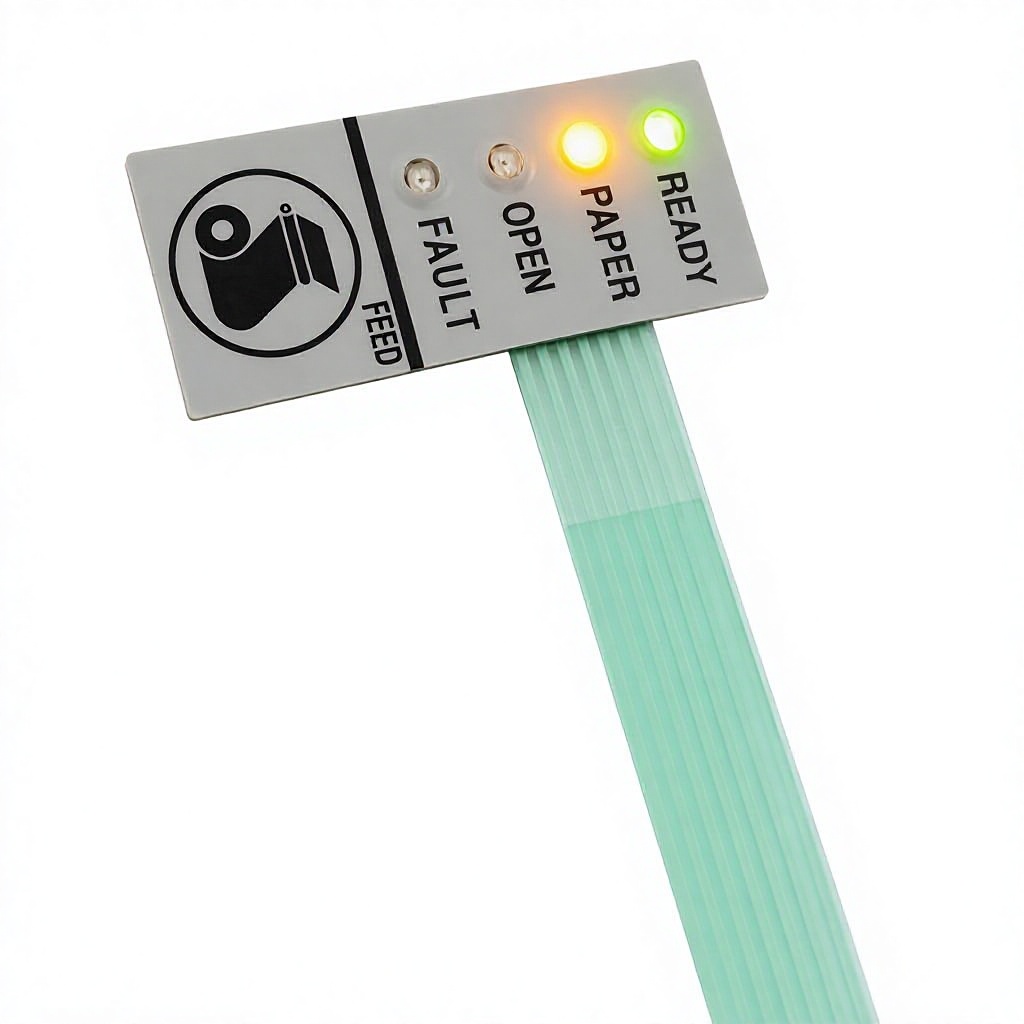
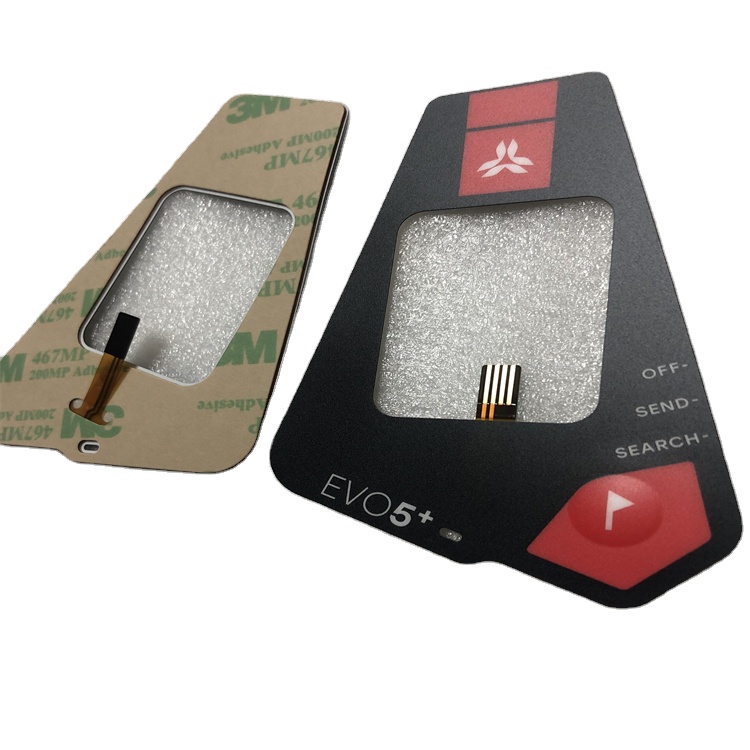
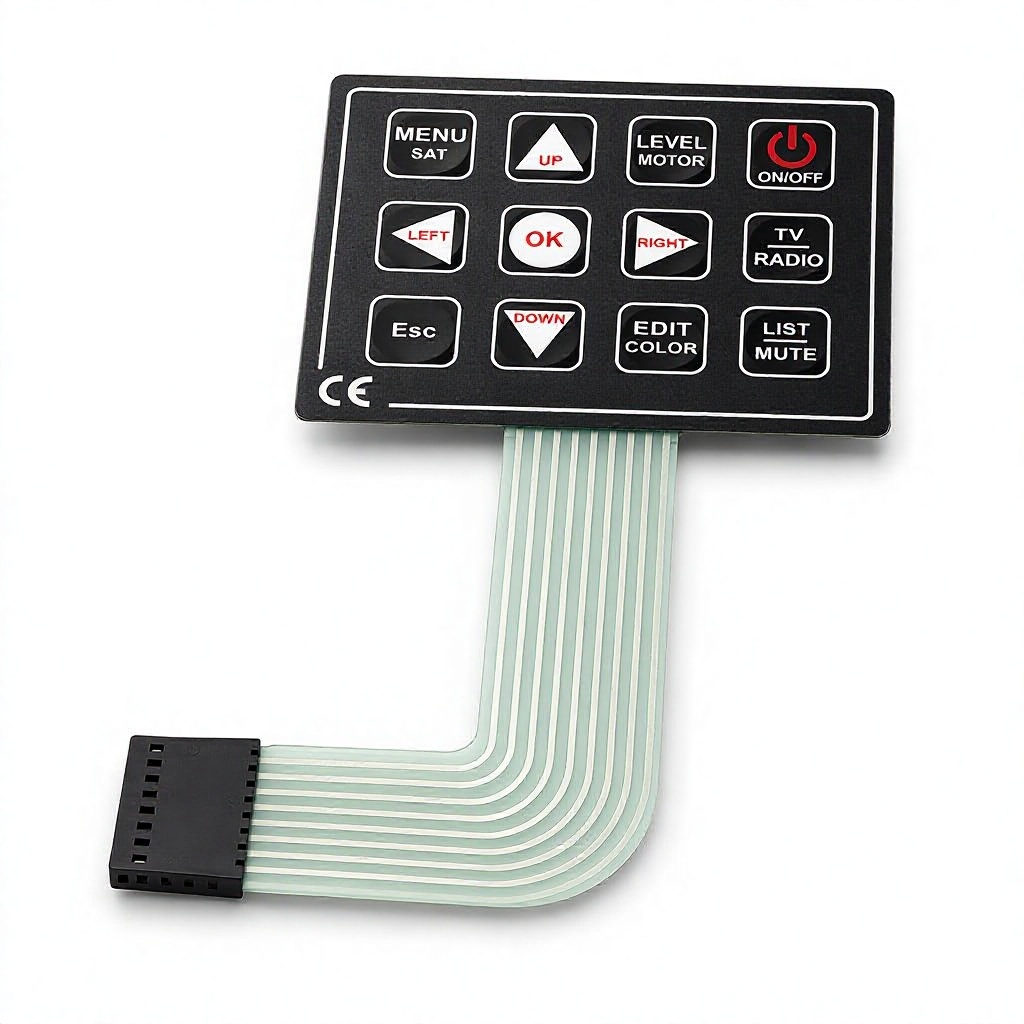
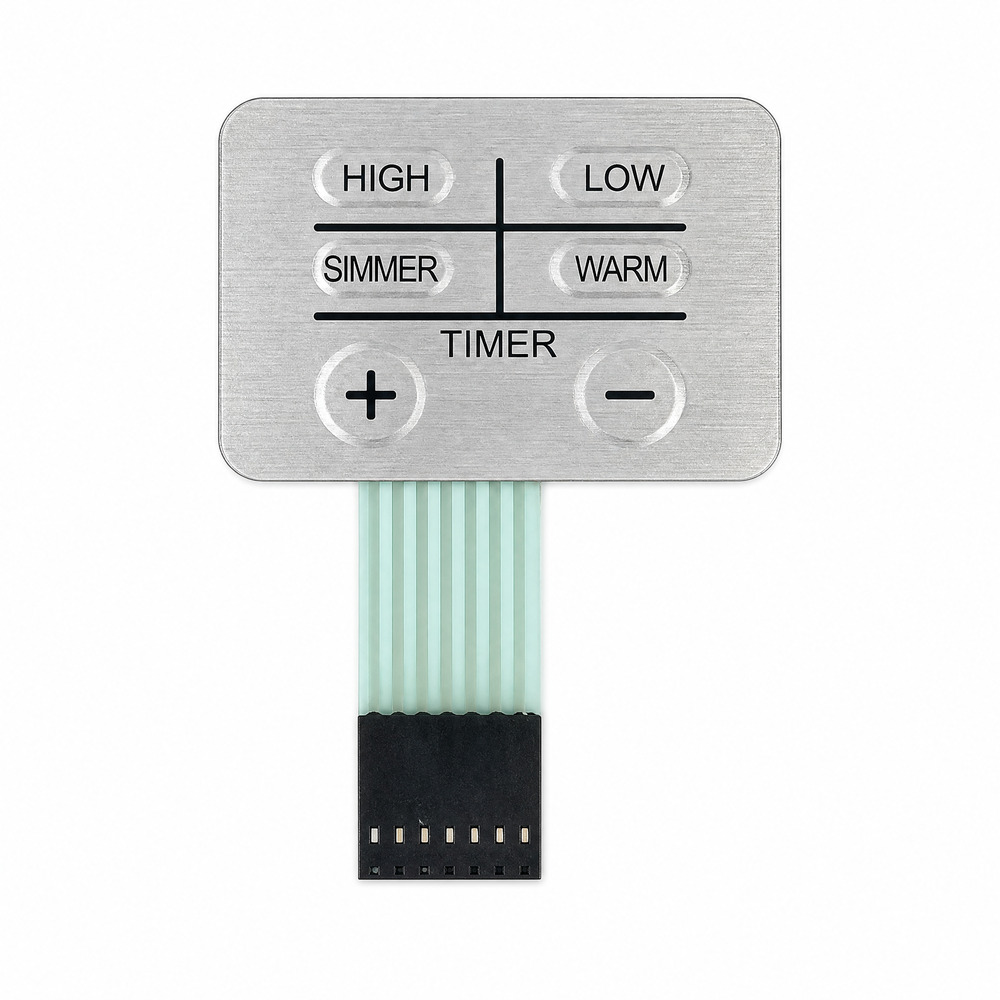
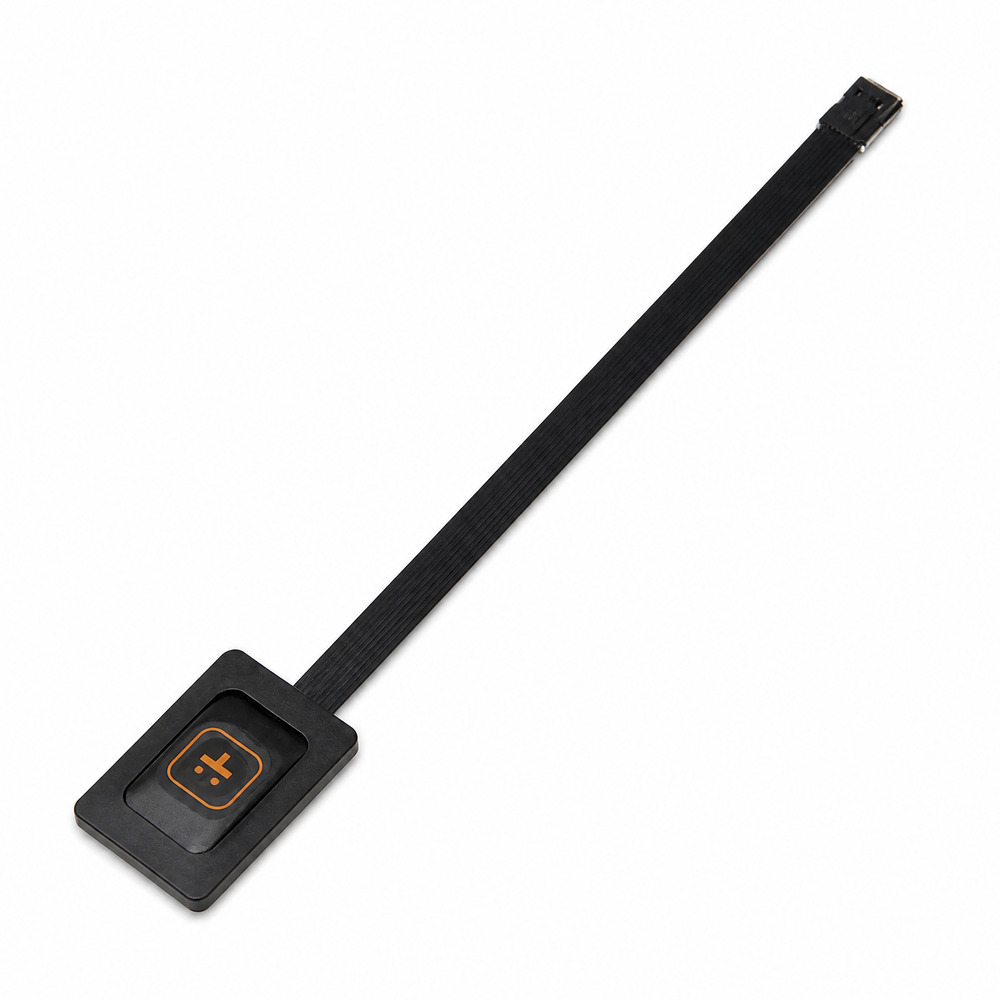
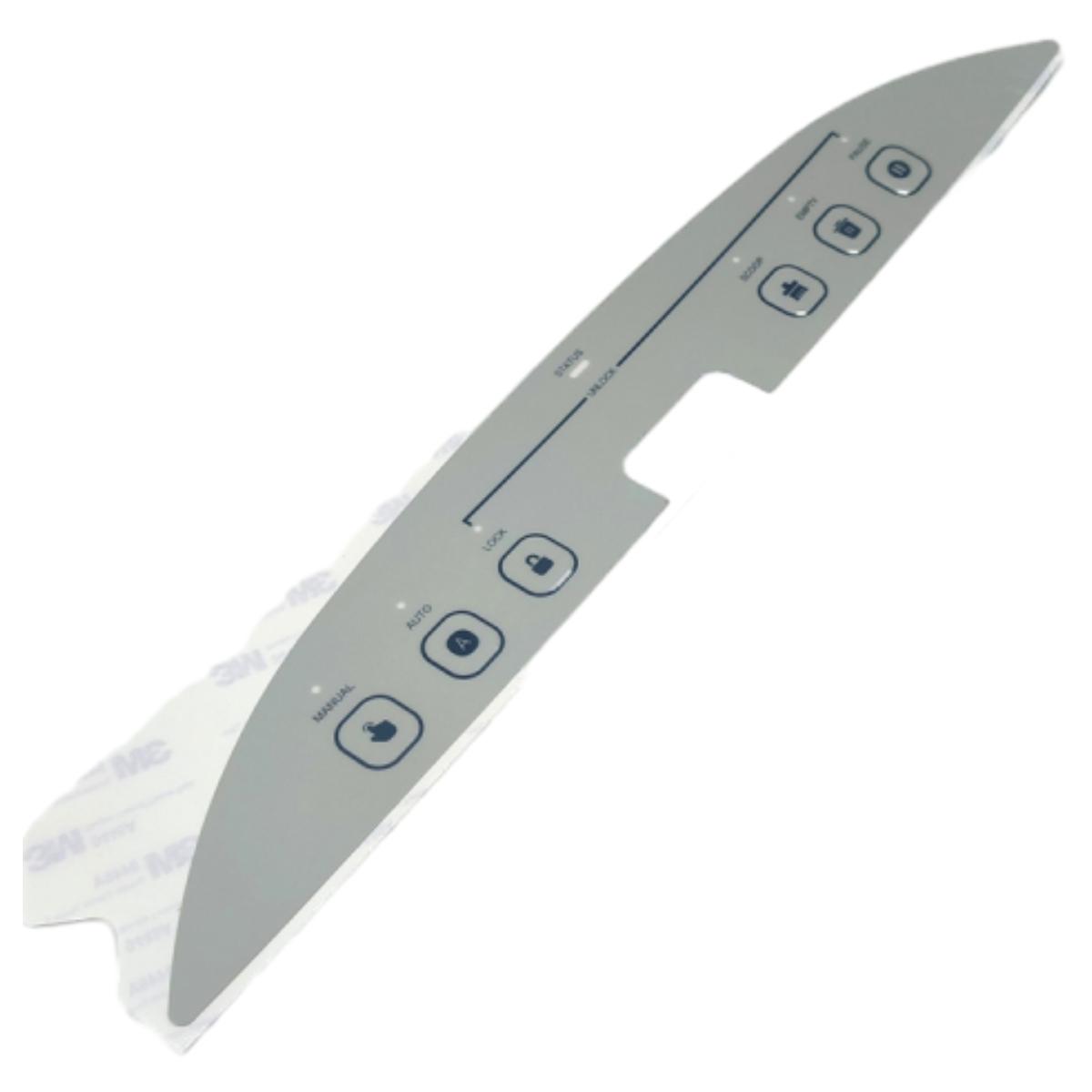
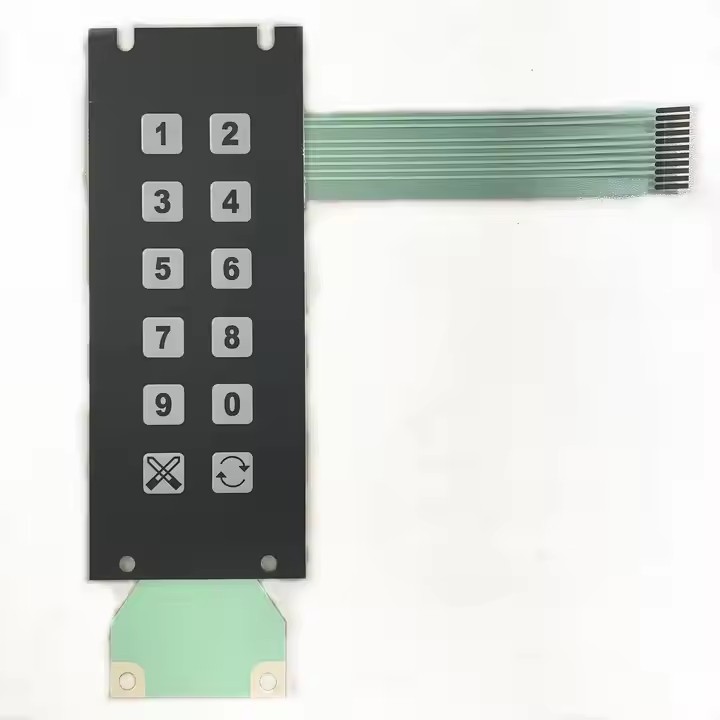
A technical examination of capacitive electrode architectures, dielectric field calibration, and environmental hardening for OEM product architects.
Unlike electromechanical switches that rely on metal dome deflections to physically bridge contact traces, capacitive membrane switches function through electro-static perturbation. The printed conductive traces—typically formulated with high-purity micro-flake silver paste or optically clear conductive polymers—generate a localized electric field through the front overlay dialectric layer. When a human conductive medium enters this field, the mutual capacitance shifts, yielding immediate touch detection through the controller IC without mechanical wear.
Because capacitive actuation eliminates the physical travel stroke (typically 0.25mm to 0.6mm in metal dome stacks), the top graphic overlay can remain completely flat and non-vented. Using precision-dispensed adhesive gaskets around the active electrode boundary, our OEM capacitive panels achieve true IP67 and IP69K liquid ingress isolation. This makes them impervious to pressurized clean-in-place (CIP) regimens, medical disinfectants, bloodborne fluids, and abrasive atmospheric hydrocarbons.
Capacitive touch switches operate in sensitive electronic enclosures where variable frequency drives (VFDs), relays, and Wi-Fi/Bluetooth antennas create substantial electromagnetic noise. Ravo incorporates dielectric printed conductive cross-hatch copper or graphite grid planes. Placed strategically between the touch electrode layers and rear internal electronics, these shields route stray parasitic discharge directly to structural earth ground, preserving high signal-to-noise ratios (SNR).
| Interface Technology | Actuation Mechanism | Rated Lifecycle | Ingress Sealing | Typical BOM Application |
|---|---|---|---|---|
| Capacitive Membrane Switch | Electrostatic Field Sensor (Non-mechanical) | > 5,000,000 Touches | IP67 / IP68 / IP69K | Medical diagnostics, sterile labs, smart appliances |
| Tactile Metal Dome Switch | Snap-action Stainless Dome (Mechanical travel) | 1,000,000+ Cycles | IP65 Perimeter Sealed | Industrial pendant controllers, handheld instruments |
| Polydome Membrane Array | Thermoformed PET Dome Collapse | 500,000+ Cycles | IP65 Splash Proof | Cost-sensitive consumer toys, fitness electronics |
| Rigid PCB Backed Membrane | Metal Dome with SMT Plated Circuit | 2,000,000+ Cycles | IP66 Enclosure Locked | Heavy automation panels, high-vibration engine units |
Key architectural directions reshaping global supply chains, design-for-manufacturability requirements, and technical bill of materials (BOM).
Global electronics manufacturers are shifting away from modular multi-component assemblies toward In-Mold Structural Electronics (IMSE). By screen-printing capacitive silver circuits and SMD micro-controllers directly onto the thermoformed overlay film, the interface and front housing unite into a monolithic 1.5mm wall. This eliminates fasteners, internal brackets, and secondary assembly labor while cutting overall part weight by up to 60%.
A historical barrier to adopting capacitive interfaces in industrial machinery was the operator’s inability to feel button actuation while wearing thick insulated gloves. Procurement trends now mandate the integration of localized linear resonant actuators (LRA) or piezo-ceramic haptic drivers directly into the rear FPC backer. This pairs capacitive reliability with a simulated, unmistakable tactile snap.
High-end interfaces increasingly reject static backlighting in favor of dynamic dead-front displays. Using selective micro-tint diffusion varnishes combined with ultra-thin Light Guide Film (LGF), legends remain completely hidden until specific modes illuminate them. This significantly streamlines complex control panels in intensive care medical units and vehicle dashboards.
Modern international procurement audits focus heavily on scope-3 emissions and hazardous chemical disclosures. Forward-thinking procurement teams require suppliers to provide RoHS, REACH, and Halogen-Free certifications. Concurrently, solventless UV-curable conductive inks and recyclable optical-grade PET carrier bases are supplanting conventional petroleum-based adhesives.
Combining two decades of precision lamination, ISO-compliant quality systems, and turnkey prototyping from our 12,000 square meter facility in Fenggang Town.
Our veteran engineering unit provides detailed Design for Manufacturability (DFM) reviews within ≤2 hours of receiving your CAD, DXF, or Gerber files. We analyze trace resistance, pitch proximity, connector bend radii, and dielectric breakdown margins to catch yield flaws before tooling starts.
We respect dynamic development cycles. Our production lines seamlessly accommodate functional prototypes starting from 1 piece to 10 pieces with laser-cut tooling, scaling without disruption into mass-production runs exceeding 500,000 units on automated reel-to-reel silkscreen systems.
Zero-defect commitments are reinforced by stringent testing protocols. Every single membrane switch, FPC cable, and sensor array undergoes automated continuity, insulation resistance (up to 100MΩ at 100V DC), and contact bounce validation before entering export-certified anti-static packaging.
Clear, engineering-driven answers to the most common sourcing, manufacturing, and design specification inquiries.
Connect directly with our engineering division in Dongguan. Send us your drawings, review our rapid DFM analysis, and build world-class human-machine interfaces.
Inquire Now