 EN
 DE
 FR
 ES
 RU
 JA EN DE FR ES RU JA
Established in Dongguan HMI Hub
Class 1K/10K Cleanroom Production
Fast DFM Engineering Response
Rapid Prototyping MOQ Threshold
Tactile Actuation Fatigue Life
Explore eight core HMI product families designed to withstand harsh industrial chemicals, medical sterilization, and multi-million continuous cycles.
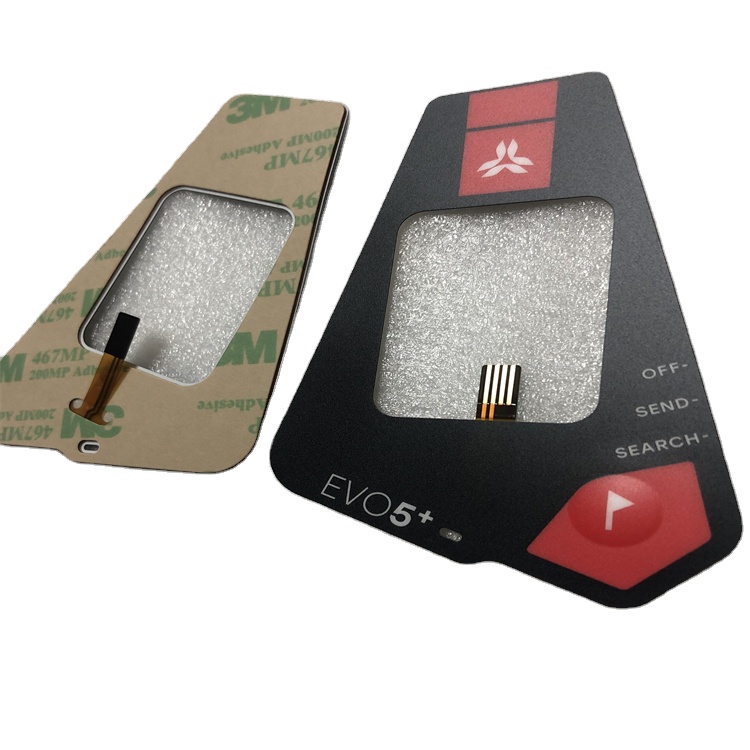
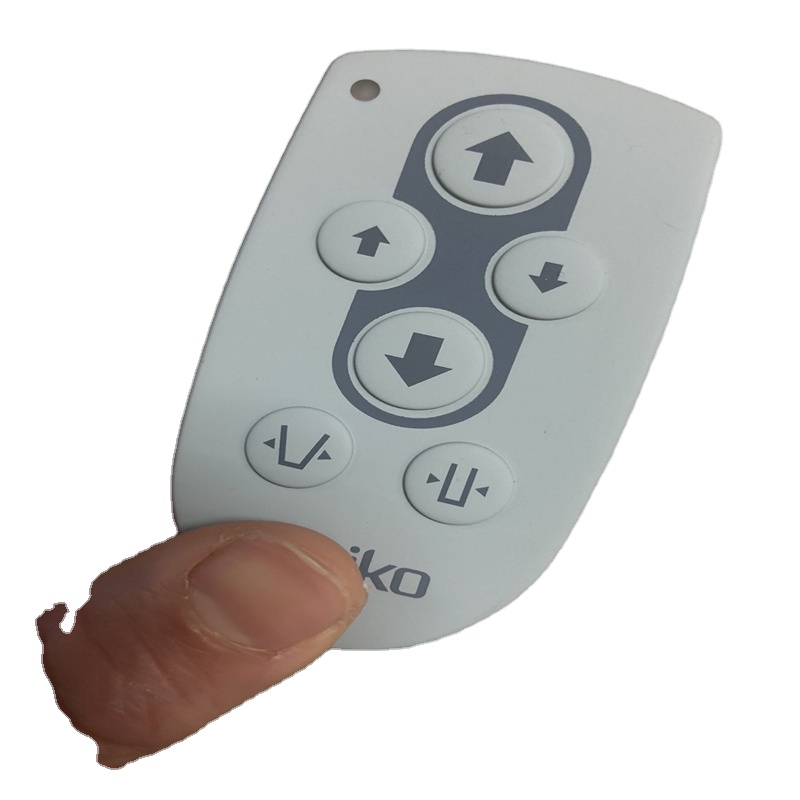
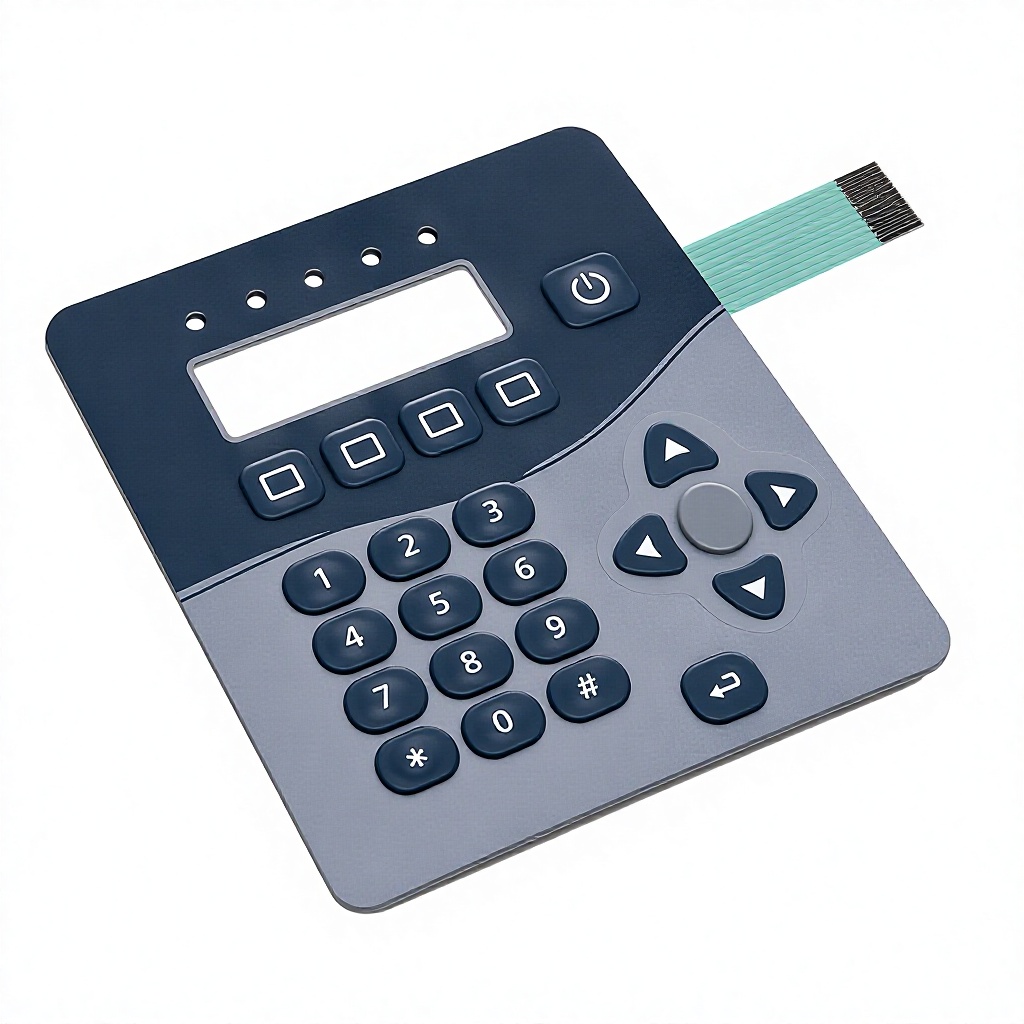
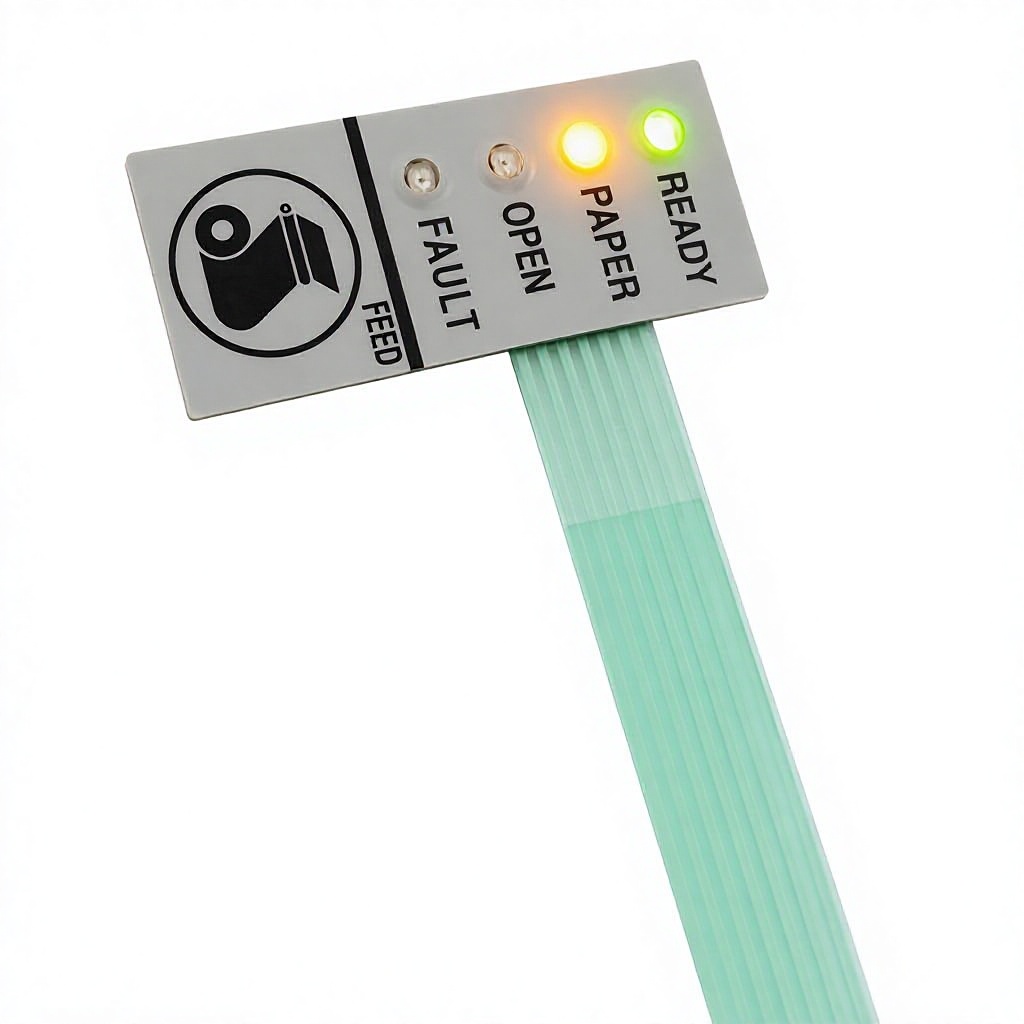
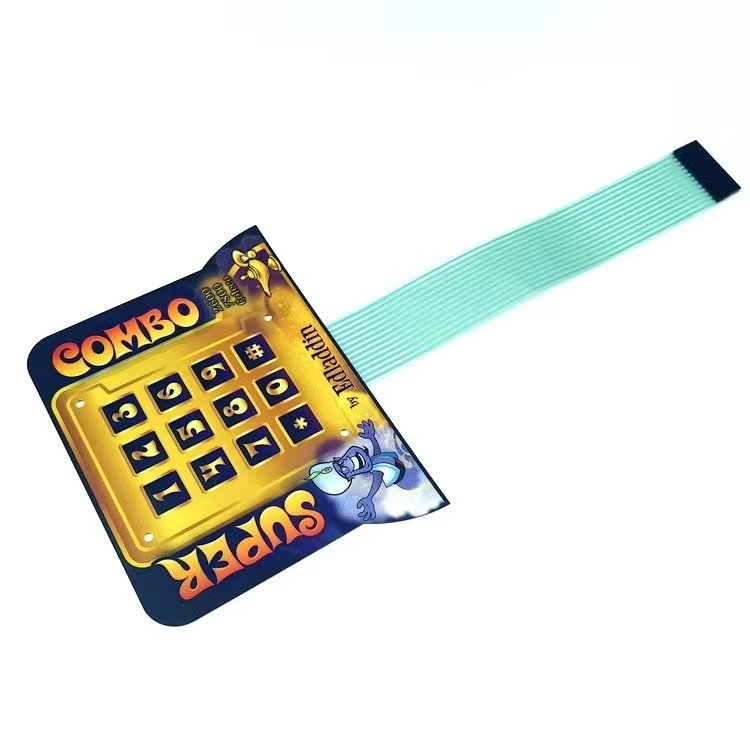
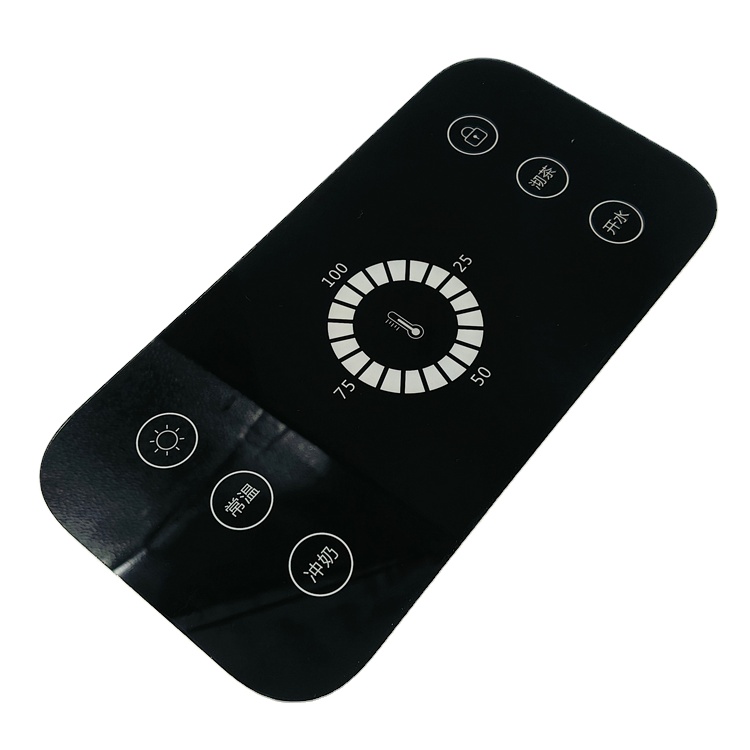
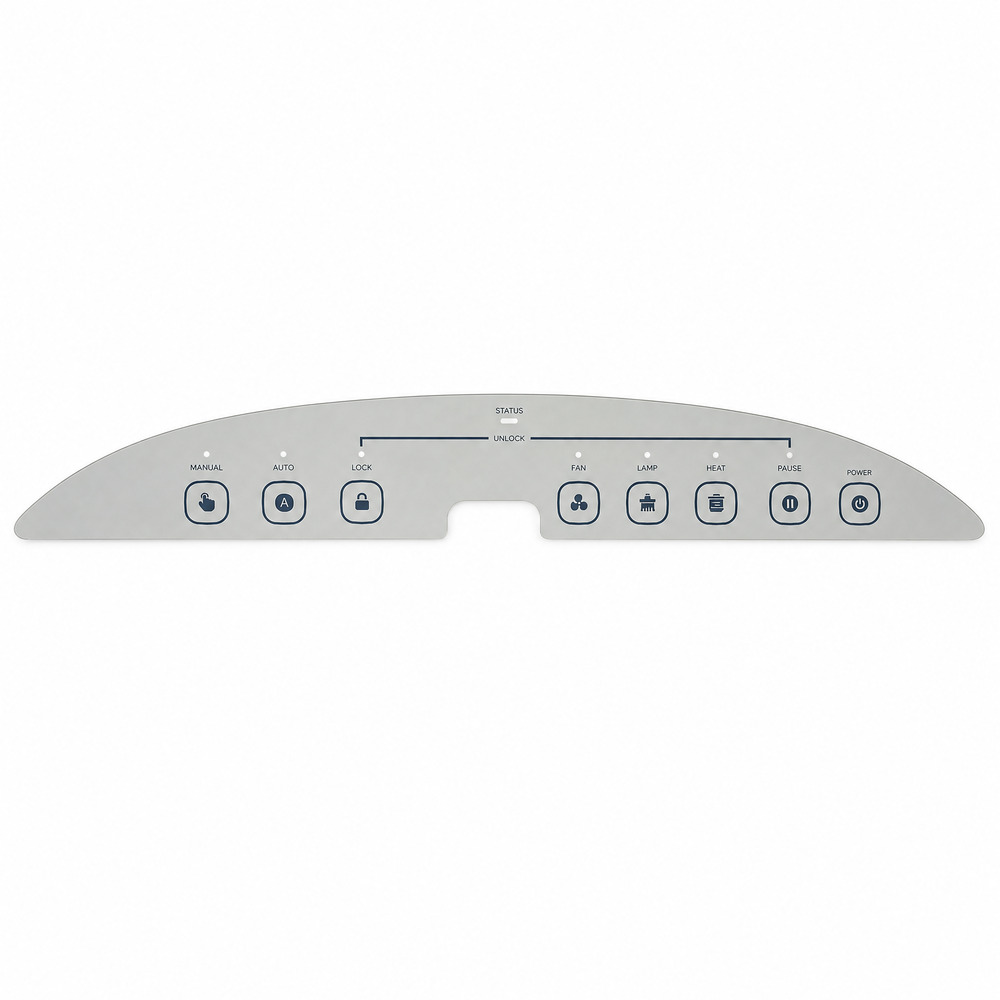
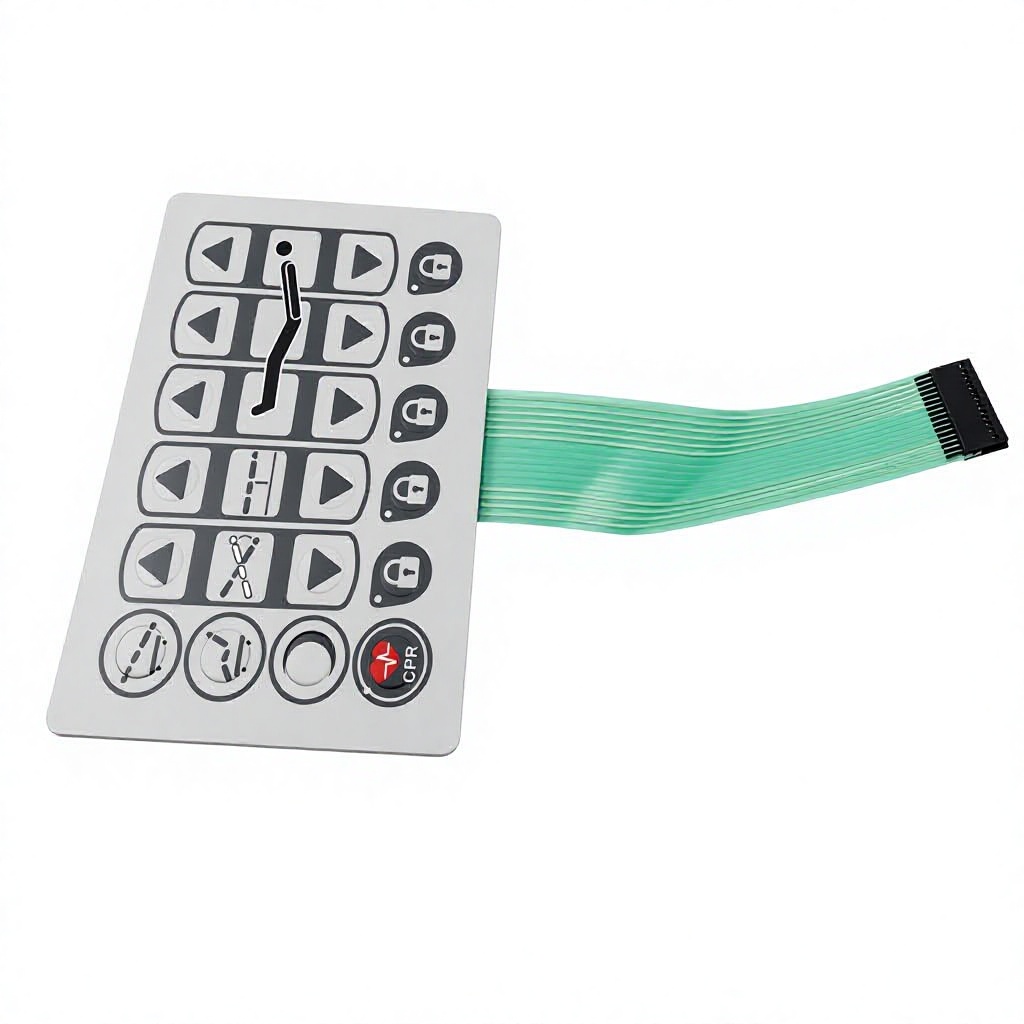
Selecting the optimal front panel fascia requires balancing cyclic flexing endurance, scratch resistance, chemical compatibility, and optical transparency.
| Substrate Family | Tensile Modulus & Hardness | Actuation Fatigue Life | Chemical Resistance (IPA, Bleach, Oils) | Thermal Window | Primary Industrial Applications |
|---|---|---|---|---|---|
| Autotex Polyester (BOPET) (0.125mm - 0.280mm) |
Pencil Hardness 3H (hardcoated); superior flexural yield | > 5,000,000 actuations (No fatigue cracking) | Exceptional resistance to alcohols, industrial solvents, ketone bases | -40°C to +105°C | Heavy industrial automation, medical life-support monitors, automotive HMI |
| Lexan Polycarbonate (PC) (0.125mm - 0.500mm) |
Pencil Hardness B to HB (requires hardcoat for 2H) | ~ 100,000 actuations (Vulnerable to fatigue crazing) | Moderate; sensitive to aromatic hydrocarbons and esters | -30°C to +125°C | Indoor test instruments, non-tactile status bezels, consumer electronics |
| PMMA / Acrylic Blends (0.500mm - 2.0mm) |
Pencil Hardness 4H - 5H; rigid optical structure | Rigid dead-front (non-flexing fascia only) | Excellent UV resistance; vulnerable to pure acetone | -20°C to +80°C | Optical capacitive touch lenses, smart metering display windows, EV chargers |
| Antimicrobial Silicone Rubber (Custom Molded 1.0mm+) |
Shore A 40 - 70 durometer; extreme tactile depth | > 1,000,000 actuations with carbon pill closure | High resistance to bio-fluids, steam autoclaving, detergents | -50°C to +180°C | Surgical bedside pendants, ruggedized military field tablets, mining controllers |
A breakdown of the micro-engineered layers required to deliver IP67 liquid sealing, electrostatic discharge (ESD) immunity, and tactile snap.
Reverse sub-surface screen printing onto textured 0.175mm PET. Inks reside completely behind the protective plastic sheet, guaranteeing the graphics, Pantone hues, and alphanumeric legends can never be scratched, smudged, or eroded by abrasive chemicals.
Engineered pressure-sensitive adhesive (typically 3M 467MP or 3M 200MP transfer tape) die-cut with venting micro-channels. It locks the graphic overlay to the internal circuit while preventing vacuum air-lock during dynamic button depressions.
Continuous screen-printed conductive carbon/silver lattice or solid aluminum foil grounded directly to chassis earth. Protects sensitive microcontroller units (MCUs) against electrostatic air discharges up to ±15kV (IEC 61000-4-2 standard).
Precision-milled PET spacer film that secures high-reliability stainless steel tactile domes (nickel or gold plated). It isolates dome chambers and prevents inadvertent cross-actuation or migration under heavy industrial vibration.
Dual-option routing: high-density flexible printed circuits (copper-clad polyimide) for fine-pitch 0.5mm ZIF connectors, or precision screen-printed conductive silver traces protected by carbon overcoats to prevent electrochemical silver migration.
Custom 3M LSE (Low Surface Energy) adhesives such as 3M 300LSE or 3M 9471LE. Specifically formulated to achieve high peel adhesion (>45 N/100mm) against powder-coated aluminum, stainless steel, or low-energy ABS/polycarbonate molded housings.
How the convergence of In-Mold Electronics, capacitive touch, and smart surfaces is reshaping procurement strategies for global OEMs.
OEM buyers are rapidly consolidating structural plastic bezels, capacitive touch traces, and surface LEDs into a single thermoformed 3D part. IME reduces assembly piece counts by up to 70%, eradicates internal air cavities, and delivers ultra-streamlined, crevice-free user interfaces that are impervious to fluid intrusion.
Contemporary medical consoles and smart white goods demand minimalist aesthetics. Dead-front technology utilizes custom-translucent ink density formulation. Icons and functional switches remain completely invisible until backlit by surface-mount LEDs, eliminating visual clutter and guiding operator workflows dynamically.
Accelerated by post-pandemic hospital infection protocols, graphic overlays increasingly incorporate nano-silver or active zinc-pyrithione ion additives directly into the hard-coat lacquer. These surfaces eliminate 99.9% of bacterial colonization (ISO 22196 compliance) and withstand thousands of isopropyl alcohol scrub cycles.
Rather than simple binary open/close switches, next-generation front panels integrate screen-printed Force Sensitive Resistors (FSR). This enables variable-speed fluid pump controls, tactile pressure verification, and occupancy detection without adding bulky external electromechanical sensors.
Critical DFM benchmarks and factory verification parameters to ensure zero field failures and seamless pilot-to-mass transition.
Ensure your vendor designs circuit flex tails with generous fillet radii (>1.5mm) at transition junctions. Verify that silver or copper traces are routed along the neutral axis to avoid trace fractures when folded inside tight chassis enclosures ($R \ge 10 \times \text{thickness}$).
Ask for a continuous perimeter adhesive ring of at least 3.0mm width around all cutouts and key apertures. True IP67 water immersion requires specialized closed-cell acrylic foam gaskets and silicone-potted tail exits to eliminate capillary fluid creep.
Specify Delta E (ΔE) limits ≤ 1.0 using modern X-Rite spectrophotometers under D65 daylight simulators. Top-tier factories utilize automated ink dispensers and multi-station screen exposure to ensure color fidelity across multi-year reorder batches.
Headquartered in Fenggang Town, Dongguan, Ravo Electronics integrates two decades of custom HMI tooling, cleanroom printing, and rigorous testing under one roof.
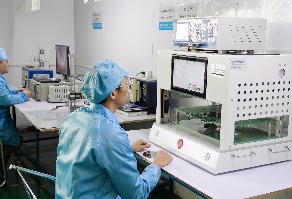
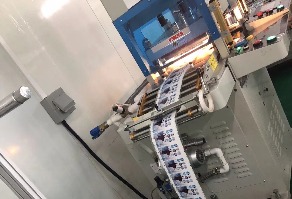
Equipped with automated screen-printing lines, Class 1,000 dust-free lamination cleanrooms, CNC laser cutting, and hydraulic thermoforming presses.
Experienced electrical and mechanical engineers review your 2D CAD files (DXF, DWG, AI) immediately, providing stack-up optimization and yield analysis.
Every switch matrix undergoes 100% electrical continuity, short-circuit, contact resistance (≤ 1Ω), and dome tactile force displacement curve analysis.
Inks, hard-coats, carrier films, and adhesives are 100% certifiable against RoHS 2.0, REACH SVHC, halogen-free, and UL 94 flammability ratings.
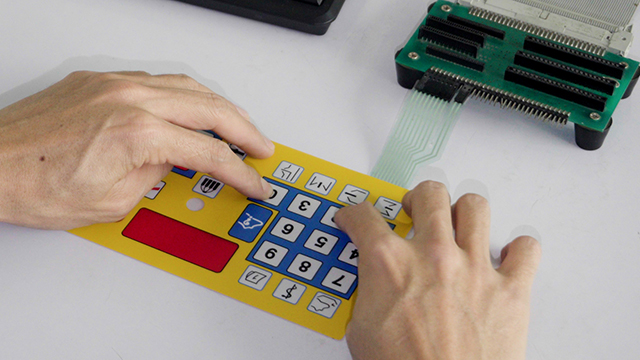
From rapid 1-piece prototypes to multi-hundred-thousand production runs, our Fenggang manufacturing plant serves medical device manufacturers, tier-1 automation integrators, and white-goods brands worldwide.
Send an Inquiry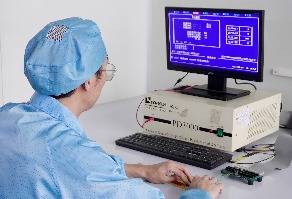
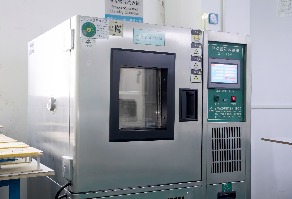
In-depth technical answers addressing common procurement hurdles, tooling timelines, and environmental testing standards.
We provide rapid prototyping runs starting from just 1 to 10 pieces using digital UV flatbed printing and digital cutting tables, with samples ready in 5 to 7 working days. Volume production MOQs typically start at 100 to 500 units depending on complexity, with standard mass production turning around in 12 to 18 working days following golden sample sign-off.
We utilize closed-loop perimeter gaskets stamped from continuous acrylic adhesive (3M 300LSE or high-tack VHB formulations) with minimum 3.0mm width. Internal breathing channels are vented backward into the host instrument enclosure rather than to ambient air, preventing liquid suction during pressure changes while safeguarding the internal tactile domes.
Our screen preparation department uses computerised spectrophotometers (X-Rite Ci64) to calculate CIE L*a*b* values against master Pantone / RAL physical swatches. We maintain a strict chromatic variance tolerance of ΔE ≤ 1.0. Every ink batch is logged with formulation records, oven curing profiles, and retaining samples archived for 3 years.
Stainless steel metal domes (four-leg or round tactile types with nickel or gold plating) deliver a crisp snap feel, 250g to 450g actuation forces, and withstand > 1,000,000 to 5,000,000 cycles. Thermoformed PET polydomes offer lower unit cost and a softer actuation feel, rated for approximately 1,000,000 cycles, ideal for consumer white goods.
We incorporate a dedicated, full-coverage conductive layer printed with micro-silver lattice or solid carbon paste directly beneath the graphic overlay, terminating to a dedicated ground pin. Alternatively, an aluminum foil ground plane provides high-attenuation shielding against up to ±15kV static discharge without causing signal cross-talk.
Please share your 2D outline drawing (DXF, DWG, or vector PDF), graphic artwork (Adobe Illustrator .AI with vector fonts outlined), target Pantone / RAL color codes, circuit schematic / pinout diagram, tactile dome preference (tactile vs. non-tactile), and environmental operating requirements. We return a comprehensive DFM within 2 hours.
Consult directly with our Dongguan engineering team. Receive comprehensive DFM analysis, material stack-up recommendations, and a direct factory quotation within 2 hours.
