ISO 9001:2015 Certified OEM/ODM Exporter Since 2003

China Best Silicone Push Button Exporter & Exporters

Engineered Human-Machine Interface (HMI) Elastomeric Keypads, Conductive Push Buttons, and Custom Integrated Membrane Assemblies Built for Demanding Global Applications.

Precision Manufactured Solutions

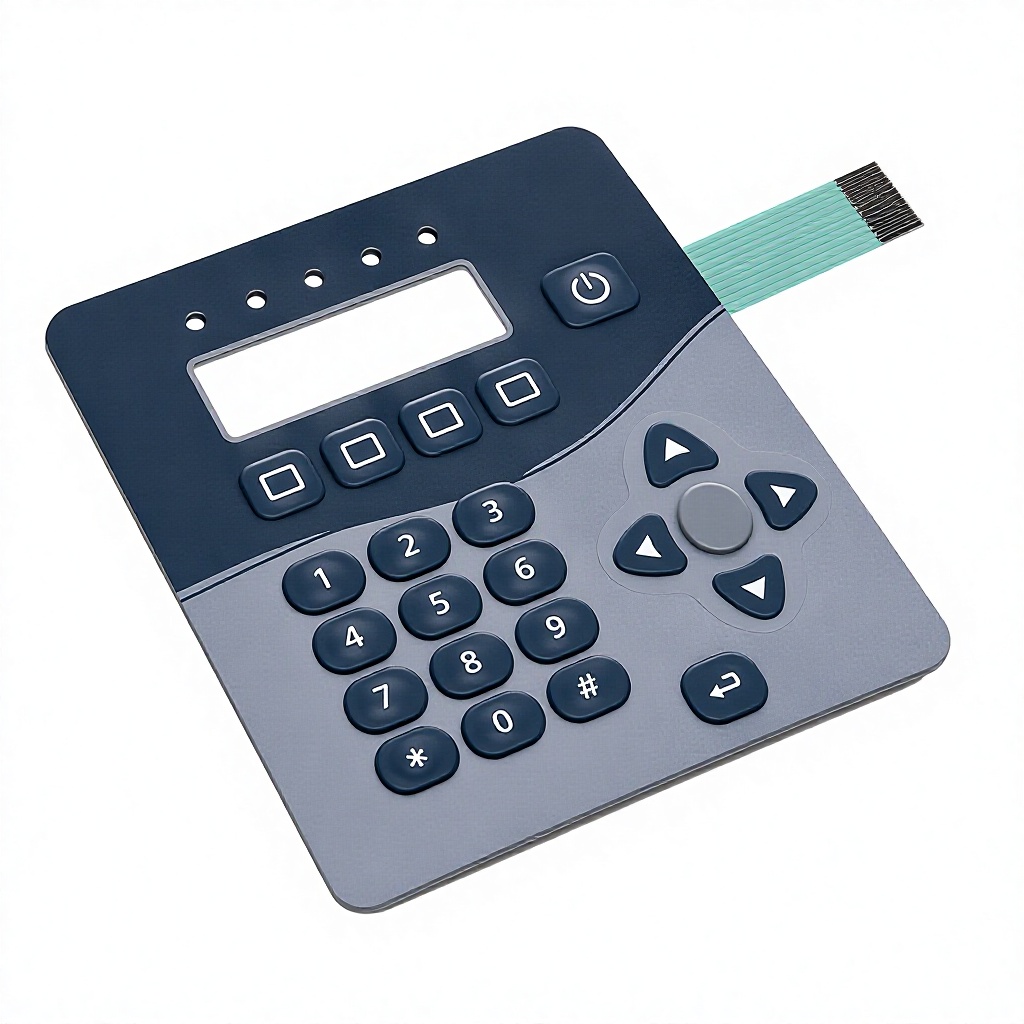
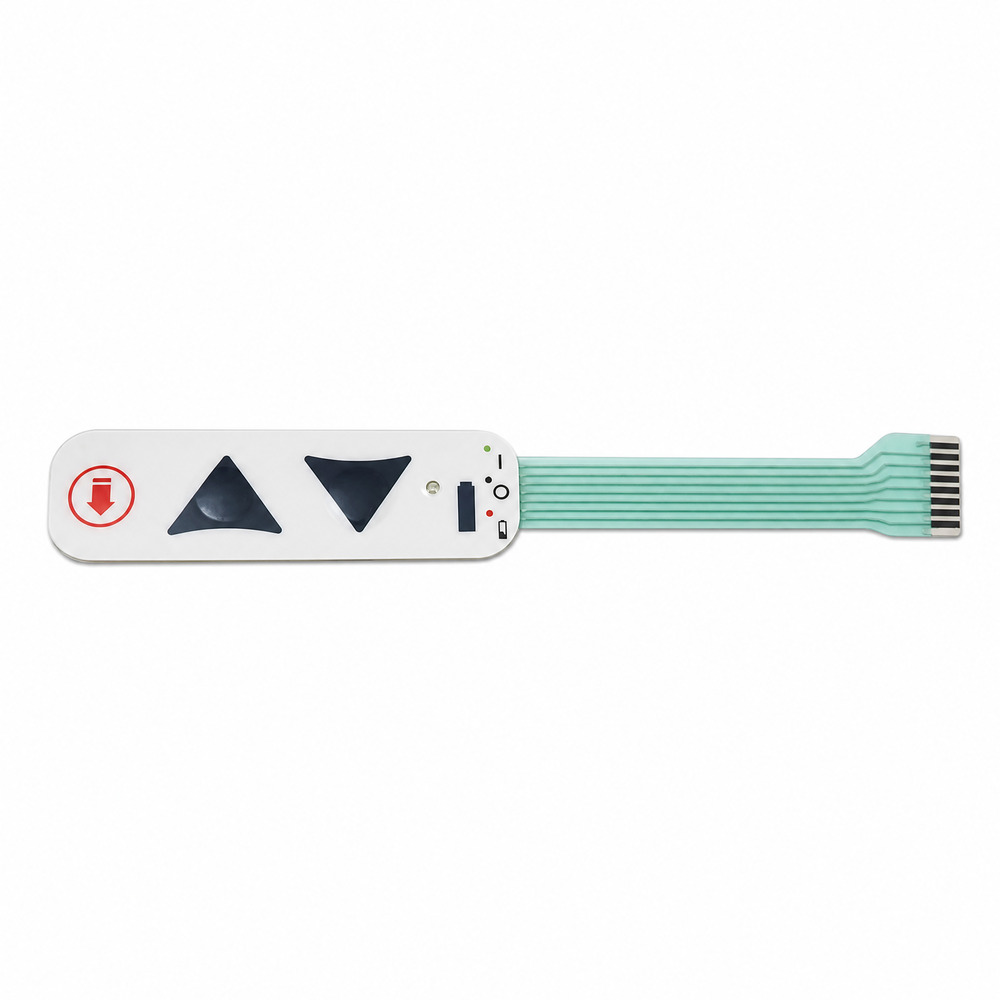
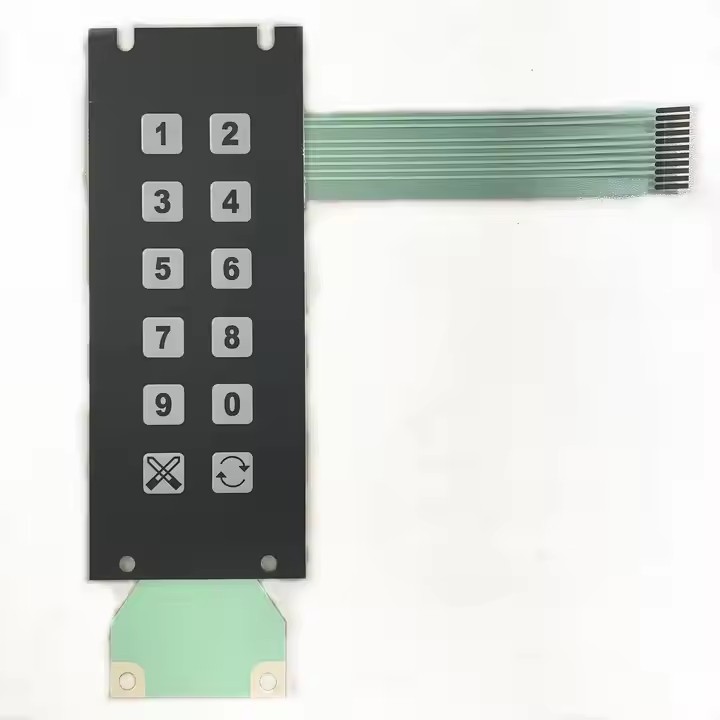
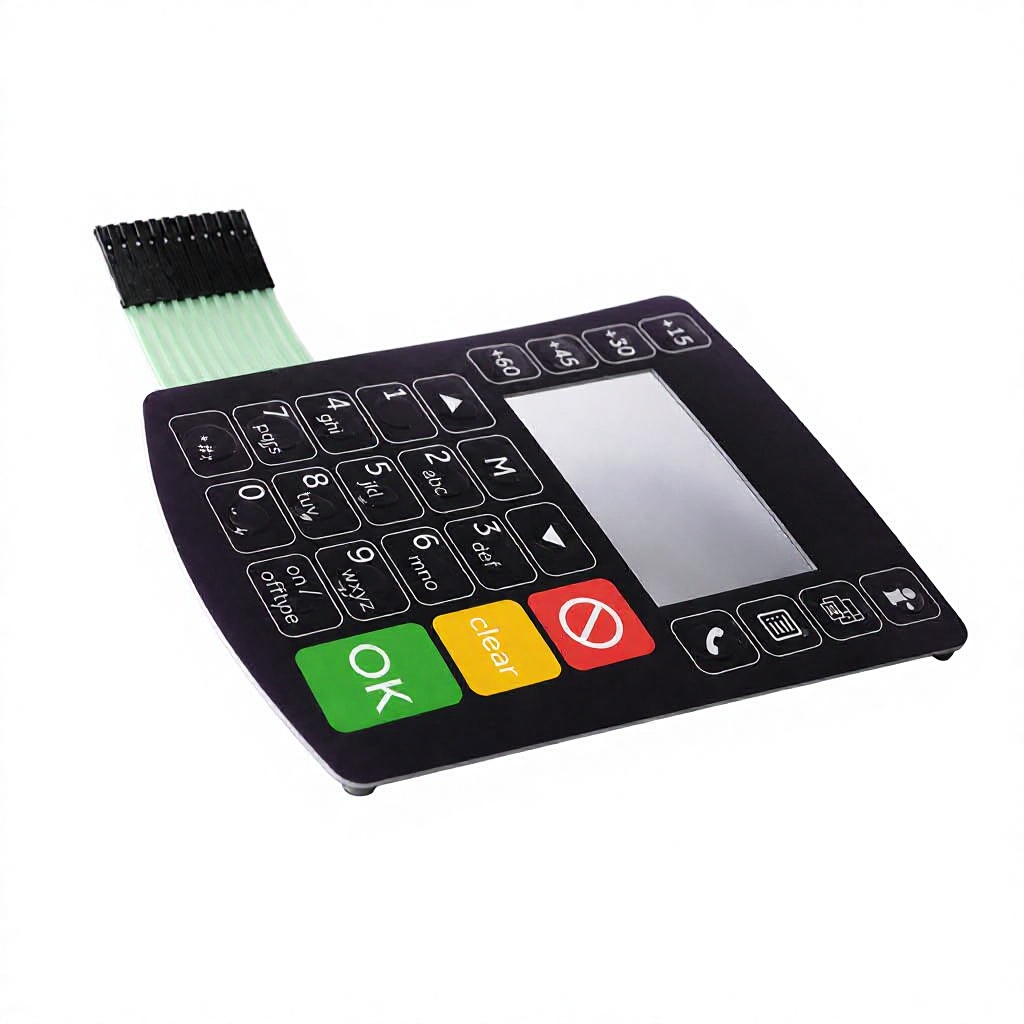
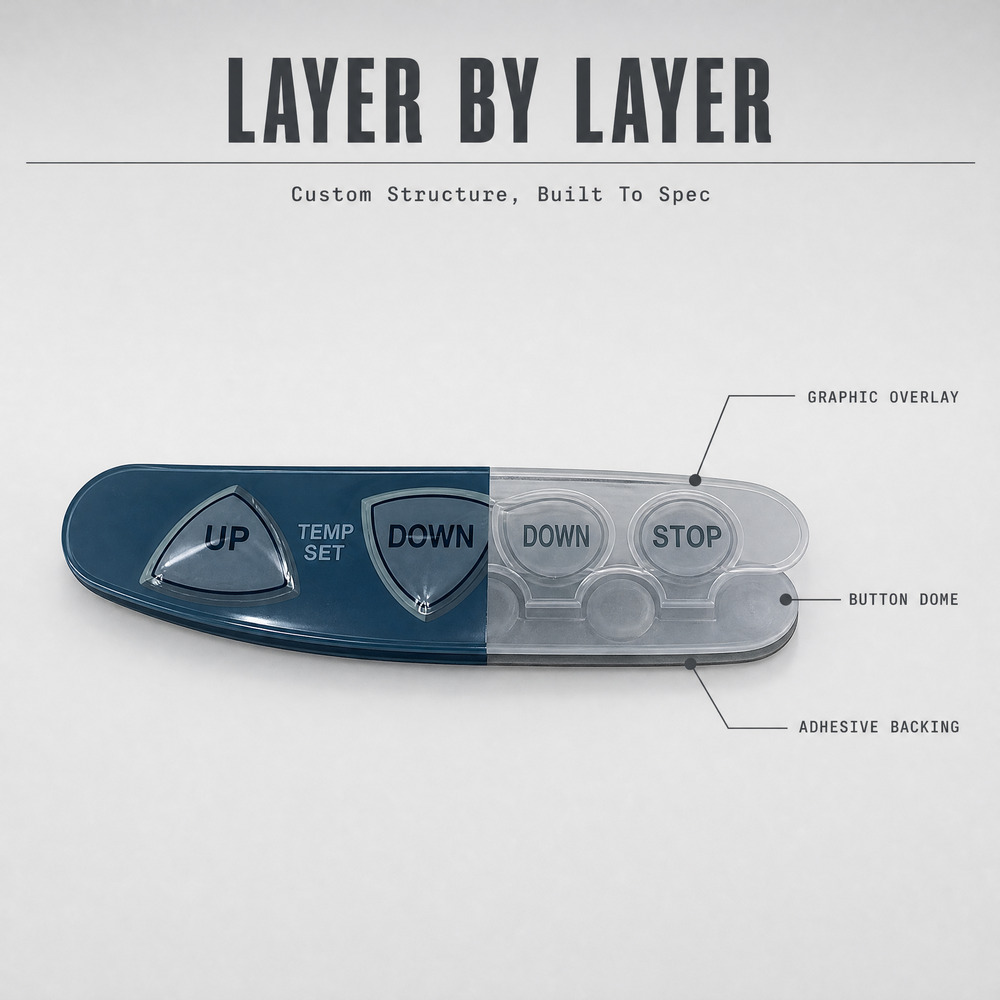
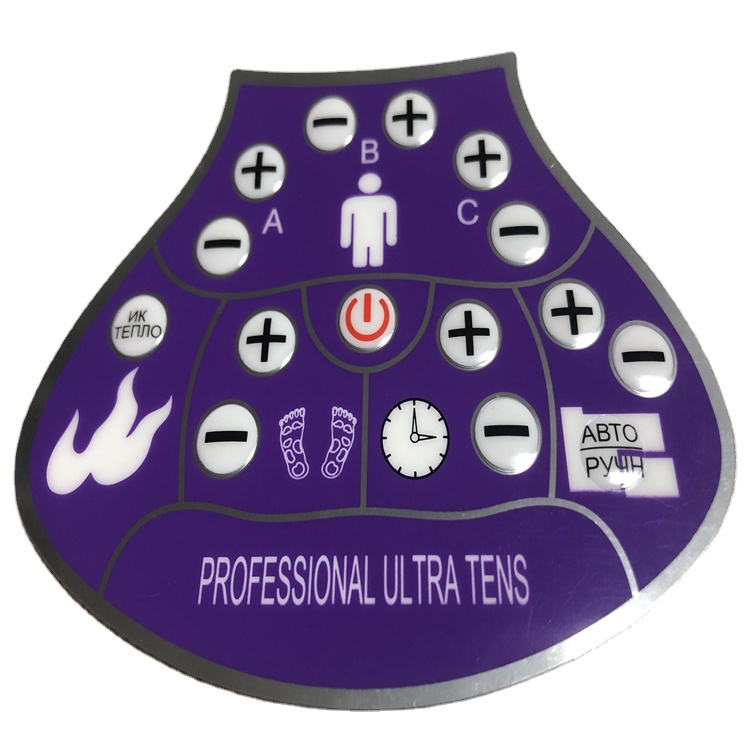
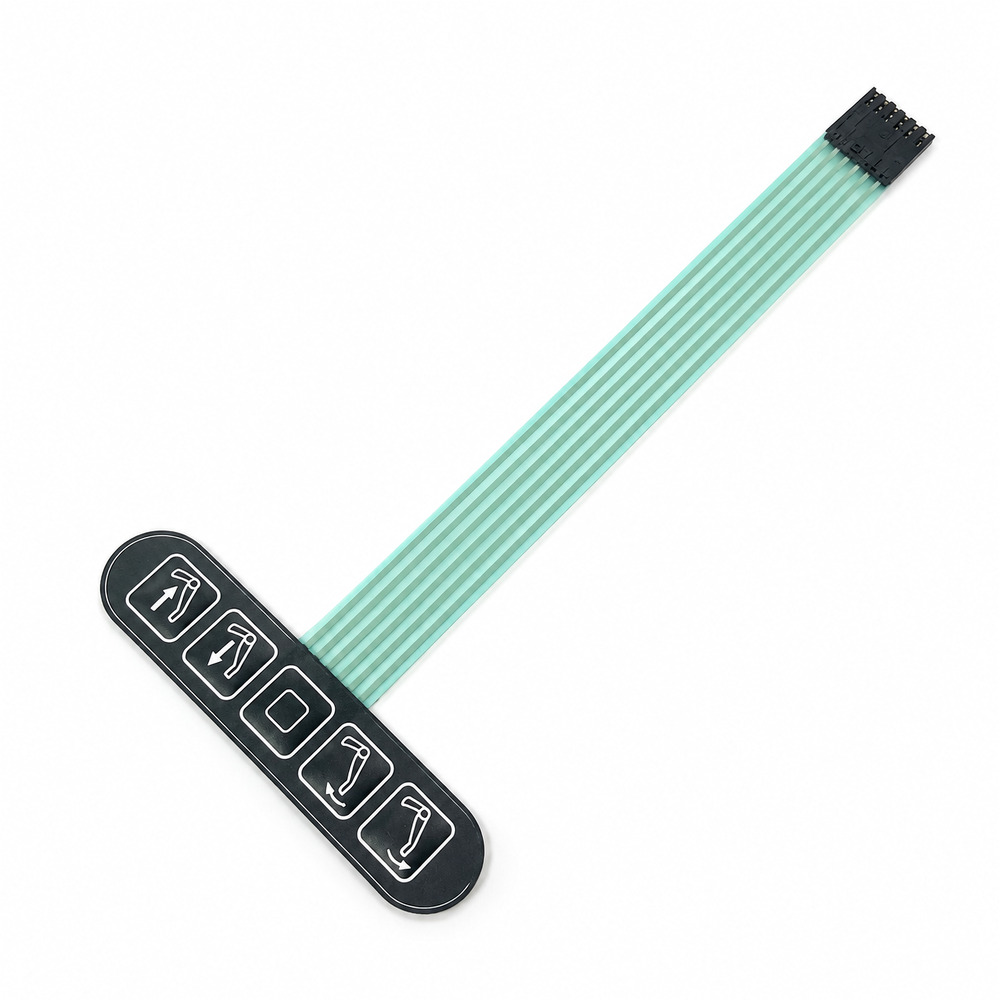
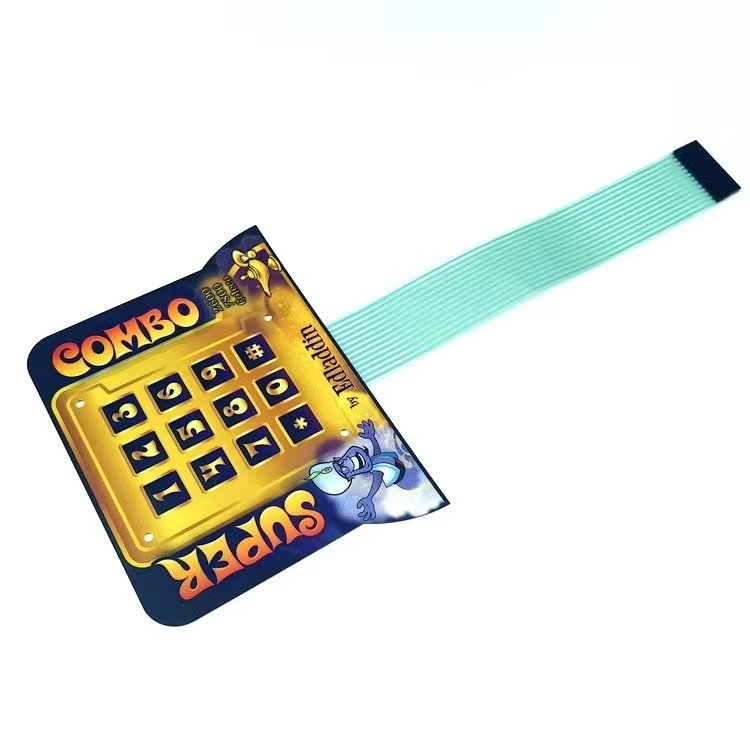
Featured Membrane Switches & Silicone Push Button Modules

Direct OEM/ODM production from our Dongguan facility. Every design incorporates tailored actuation profiles, high-grade biocompatible silicone, and industrial-grade conductive contacts designed for extreme environmental durability.

2003
Founded in Dongguan
20+ Years Dedicated HMI Engineering
12,000m²
Modern Plant Scale
Cleanrooms & Automated Tooling Lines
≤2h
Rapid Engineering DFM
Comprehensive Technical Quotations
100%
Electrical & Optical QC
Continuity, Resistance & Force Tested
Engineering White Paper & Specification Deep-Dive

Engineering Principles of Elastomeric Push Buttons: Tactile Dynamics, Tooling & Conduction

When global original equipment manufacturers (OEMs) and contract electronics manufacturers (CEMs) audit silicone push button exporters in China, technical differentiation extends beyond basic unit pricing. Silicone push buttons (frequently specified as molded elastomeric keypads or rubber button mats) represent a critical convergence of polymer chemistry, structural mechanics, and electromechanical switching physics. As an export leader based in Fenggang Town, Dongguan, Ravo Electronics manufactures precision interface hardware where the tactile response of every individual key is modeled, verified, and audited across strict production tolerances.

1. The Mechanical Dynamics of Elastomeric Webbing (Snap Ratio vs. Force Curve)

The user-perceived quality of a medical ventilator controller, industrial crane remote, or commercial culinary device relies heavily on the force-displacement curve of the silicone actuation webbing. During compression molding, our tooling engineers control the geometric angle, wall thickness (typically tapering from 0.3mm to 0.6mm), and radius of the elastomeric hinge webbing. This geometry dictates the peak actuation force (F1) and the return contact force (F2).

"Snap Ratio Formula: Snap Ratio (%) = [(F1 - F2) / F1] × 100%. For high-tactile feedback industrial interfaces, a snap ratio between 45% and 60% is strictly targeted to eliminate operator fatigue and prevent accidental key triggers in vibrating environments."

If the snap ratio is below 35%, the push button delivers an indistinct, 'mushy' sensation that degrades machine input precision. Conversely, a ratio exceeding 65% accelerates polymer fatigue, causing premature micro-cracking across the webbing after several hundred thousand cycles. By utilizing high-molecular-weight raw silicone from Shin-Etsu and Dow Corning, Ravo ensures consistent resilience spanning from -40°C to +200°C without elastic deformation.

2. Comparative Conduction System Matrix

Silicone push buttons can be configured with diverse conductive closure mechanisms to interface with underlying rigid PCBs, flexible printed circuits (FPC), or silver conductive ink printed PET membranes:

Contact Technology Contact Resistance Operational Life Expectancy Environmental Immunity Optimal End-Use Application
Conductive Carbon Pills
Standard Low Cost
< 100 Ω - 150 Ω 1,000,000+ Cycles Excellent resistance to sulfur, oxidation, and elevated humidity. Consumer appliances, smart remotes, security access keypads, toys.
Gold-Plated Rubber Contacts
High Reliability
< 5 Ω - 10 Ω 3,000,000+ Cycles Ultra-low contact resistance, zero oxidation in corrosive gas environments. Aviation avionics, diagnostic medical panels, military communications.
Stainless Steel Metal Domes
Max Audible Click
< 1 Ω 1,000,000 - 5,000,000 Cycles Sealed IP67 dome retainer pockets; crisp tactile feedback even with heavy gloves. Industrial automation, inverters, petroleum pump terminals, rugged tablets.
Conductive Liquid Printing
Micro-Profile Form
< 50 Ω 500,000+ Cycles Ultra-thin vertical profile; dynamic multi-contact point geometry. Wearable IoT biosensors, compact smart home wall controllers.

3. Surface Finishing, Legends & Environmental Ingress Protection (IP)

Export-grade silicone push buttons operate in challenging ambient environments where exposure to aggressive sanitizing agents, machine oils, friction, and outdoor ultraviolet radiation will compromise substandard materials. To safeguard the graphics and longevity of our products, Ravo applies advanced finishing coatings:

  • Polyurethane (PU) Protective Coating: Applied via automated spray booths, providing a 10x improvement over standard silicone oil finishes against abrasion during standardized RCA scroll and Sutherland rub tests.
  • Parylene Chemical Vapor Deposition (CVD): Forms an ultra-thin, pinhole-free polymer barrier that completely isolates the silicone matrix from corrosive solvents, harsh acids, and hospital-grade autoclaving fluids.
  • Laser Etching with Translucent Dual-Color Spray: Negative laser etching removes top opaque pigment layers to expose transparent inner cores, producing laser-sharp, evenly backlit graphics illuminated by low-draw surface-mount LEDs.
Industry Roadmap 2025–2030

Global Procurement & Technological Trends in Silicone Button Systems

The international electronics procurement landscape is evolving rapidly. Tier-1 buyers are pivoting toward suppliers capable of integrating multiple HMI technologies, reducing assembly bill-of-materials (BOM), and complying with stringent environmental frameworks.

Consolidated HMI Sub-Assemblies

Procurement managers are shifting away from standalone rubber push buttons. Current demand focuses on completely integrated modular units combining molded silicone keypads, flexible FPC circuits, rigid PCB backplates, acrylic faceplates, and integrated display windows delivered under a single SKU to accelerate final line assembly.

LSR (Liquid Silicone Rubber) Injection

Traditional compression molding is being augmented by precision Liquid Silicone Rubber (LSR) injection tooling. LSR molding delivers faster cycle times, micro-dimensional tolerances (±0.02mm), zero flashing, and clean integration into two-shot (silicone-over-plastic) overmolded water-tight housings.

Uniform Micro-LED Light Guide Films

Bulky incandescent indicators are obsolete. Next-generation military, medical, and high-end consumer interfaces incorporate high-efficiency Light Guide Films (LGF) and side-firing SMD LEDs beneath the silicone mat, yielding completely uniform luminance with zero hot spots and reduced power consumption.

Hybrid Capacitive-Tactile Surfaces

The boundary between touchscreens and mechanical keys has blurred. We see rising adoption of capacitive touch sensors layered directly under silicone push buttons, enabling dual-stage interaction: proximity wake-up upon finger approach, followed by physical button depression for confirmation.

Antimicrobial & Biocompatible Formulations

Post-pandemic healthcare equipment guidelines mandate strict ISO 10993 and USP Class VI biocompatibility compliance. Advanced silicone elastomers now integrate silver-ion antimicrobial additives, permanently arresting microbial and bacterial colonisation without chemical leaching.

Traceability & Environmental Auditing

European and North American buyers require full RoHS 3 (EU 2015/863), REACH (SVHC), and halogen-free supply chain traceability. Sourcing teams prioritize direct manufacturers with certified cleanroom operations that provide documented compound batch validation.

Enterprise Strengths

Why Global Tier-1 Manufacturers Partner with Dongguan Ravo

Located at No. 97 Tongxing Road, Fenggang Town, Dongguan, Ravo Electronics operates within the world's most dense electronics supply ecosystem. Our factory integrates design, internal tooling, screen printing, molding, and testing under one roof.

In-House CNC & Tooling Fabrication

We eliminate third-party tooling markups and transit delays. Our facility features in-house precision CNC machining, EDM wire erosion, and automated compression molding presses, delivering prototype molds in as few as 5 to 7 business days.

Low MOQ: Prototypes from 1 Piece

Hardware innovation should not be constrained by excessive volume barriers. We support R&D teams with pilot and prototype runs starting at just 1 to 5 pieces, scaling to automated volume runs exceeding 500,000 units per month.

≤2-Hour Rapid Engineering Response

Our dedicated bilingual engineering team provides Design for Manufacturability (DFM) feedback, layer stack-up guidance, and cost-reduction proposals within 2 business hours of receiving your 2D/3D CAD and artwork vector files.

100% Quality Assurance & Optical Metrology

Every batch is verified through automated optical inspection (AOI), computerized load-deflection curve testing, insulation resistance validation, and abrasion rub tests, backed by comprehensive inspection certificates.

Full Cleanroom Screen Printing Lines

Precision graphic overlays and conductive circuit pathways are screen-printed within Class 10,000 dust-free cleanrooms, preventing airborne micro-particulate contamination that causes circuit shorting and aesthetic cosmetic flaws.

Export Packing & Worldwide Door-to-Door Logistics

Over two decades of direct international trade experience to Europe, North America, Oceania, and Japan. Finished components are packed in anti-static, desiccant-shielded packaging with express customs clearance support.

Procurement Clarity

Frequently Asked Questions (FAQ) for Global Buyers

Direct answers to the most common engineering, commercial, and quality assurance inquiries encountered by procurement directors sourcing from China.

What engineering inputs are required to receive a formal quotation?

To deliver an accurate DFM analysis and quotation within 2 hours, we require: (1) 2D drawings showing dimensions and key travel (DWG, DXF, or PDF), (2) 3D CAD files for silicone geometry (STEP or IGES), (3) Vector graphic artwork with Pantone/RAL color codes (AI, CDR, or PDF), (4) Desired actuation force, stroke length, and contact type (carbon pill, metal dome), and (5) Estimated prototype and annual production quantities.

How do you tune actuation force and tactile feedback across keys?

Actuation force is controlled by silicone compound durometer (typically 40° to 70° Shore A) and the cross-sectional geometry of the elastomeric switch webbing. Standard actuation forces range from 80 grams to 350 grams. For larger keys (such as Spacebar or Enter equivalents), we implement balanced perimeter webbings to avoid rocking or uneven actuation when depressed off-center.

Can custom silicone push buttons achieve genuine IP67 or IP68 waterproof ratings?

Yes. True liquid and dust ingress protection is achieved by engineering a continuous perimeter sealing lip or bezel gasket directly into the molded silicone mat. When compressed against the front housing via backer-plate screws, this gasket seals the PCB and internal electronics against high-pressure water jets and continuous submersion, meeting IP67/IP68 standards.

What is the expected tool life for compression and injection molds?

Our hardened P20 and S136 stainless steel silicone compression molds carry a guaranteed tool life of 500,000 to 1,000,000 shots. Ravo assumes complete lifetime maintenance and replacement responsibilities at no additional cost for molds that remain active in our factory production schedule.

How are silicone legends protected against friction and cleaning chemicals?

Legends are screen-printed using specialized silicone-compatible inks that cross-link and vulcanize directly into the rubber matrix during high-temperature post-baking. A secondary protective topcoat—such as matte Polyurethane (PU) or chemically resistant epoxy—is applied over the keys, passing 500+ cycles on an RCA abrasion tester and withstanding alcohol rubs.

What are the typical lead times for prototypes and mass production?

Prototype tooling and initial sample shipments typically require 7 to 10 working days following final DFM drawing sign-off. Mass production runs usually take 12 to 18 business days, depending on secondary operations such as laser etching, SMT LED integration, or plastic bezel ultrasonic assembly.

Can you integrate backlighting into silicone push button designs?

Absolutely. Backlighting is achieved through three proven methods: (1) Molding the keypad in translucent natural silicone, applying an opaque color spray, and laser-etching individual key symbols; (2) Embedding ultra-thin Light Guide Films (LGF) directly beneath the keys; or (3) Integrating surface-mount LEDs on underlying FPC/PCB substrates with integrated light-blocking baffles.

What quality assurance documentation do you provide with export orders?

Every commercial export consignment can be paired with a First Article Inspection Report (FAIR), Certificate of Conformance (CoC), material RoHS 3/REACH chemical declarations, force-displacement curve test logs, and electrical contact resistance verification documentation to support ISO-level customer audits.

Ready to Engineer Your Custom Silicone Push Button Assembly?

Send your 2D/3D technical drawings or concept sketches to Ravo's engineering team today. We provide full DFM feasibility reviews, material recommendations, and transparent pricing in ≤ 2 hours.