EN
 DE
 FR
 ES
 RU
 JA EN DE FR ES RU JA
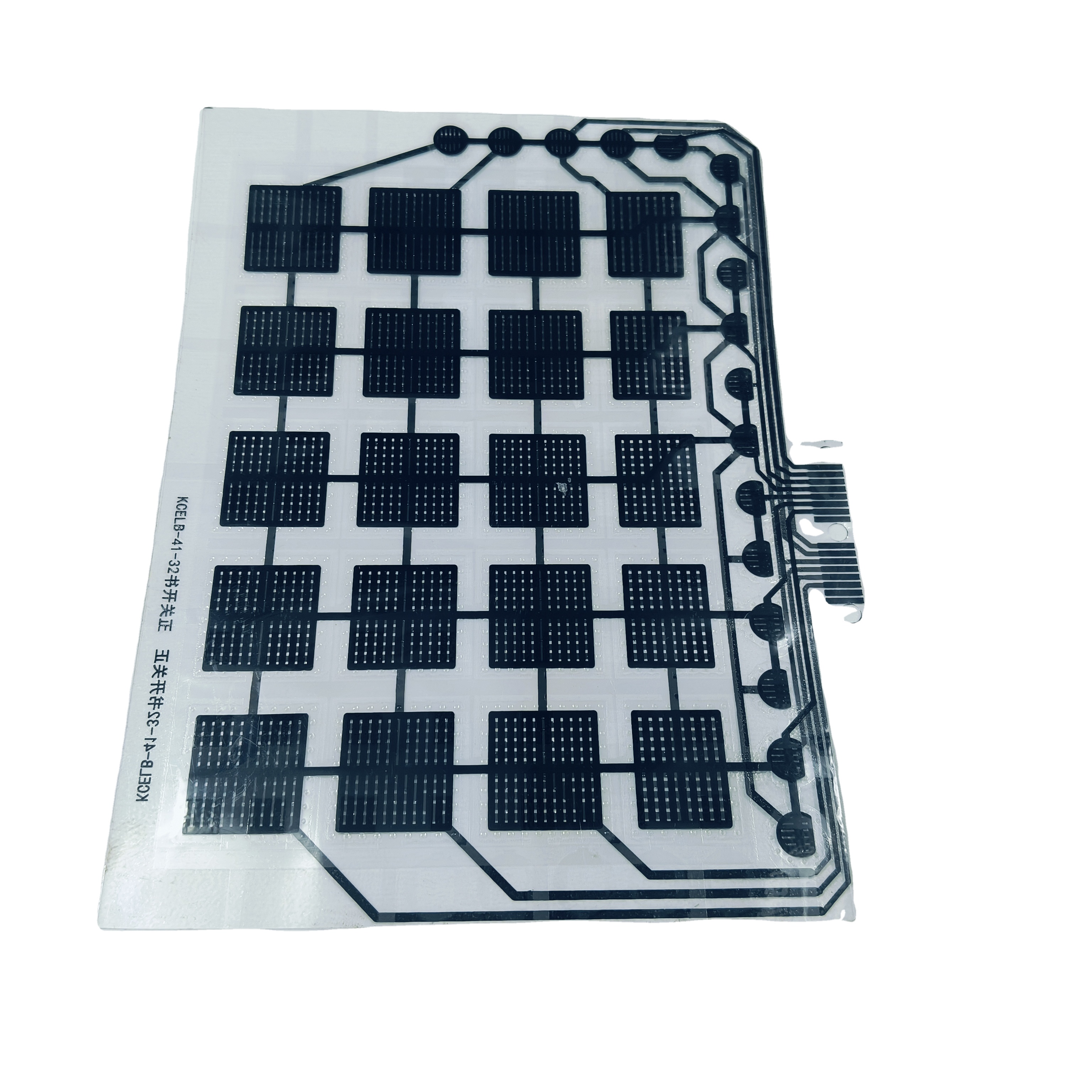
A Thin-Film Force Sensor (also commonly referred to as a Force Sensitive Resistor or FSR) is a ultra-flexible, micro-thin polymer thick-film (PTF) device that exhibits a predictable inverse drop in electrical resistance upon the mechanical application of force to its active surface. As a premier source for engineering teams in Freeport, Dongguan Ravo Electronics Co., Ltd. builds specialized sensor elements designed to operate reliably across harsh maritime, chemical, and heavy industrial environments.
Unlike traditional strain gauges or metallic load cells that suffer from structural mass penalties, complex amplification requirements, and high unit costs, thin-film force sensors leverage a multi-layer piezoresistive micro-matrix ink printed between semi-flexible substrate layers (typically high-grade PET, Polyimide, or Flexible Printed Circuits - FPC). When no external load is applied, the sensor presents an open-circuit state with electrical resistance exceeding 10 Megohms (MΩ). As mechanical pressure compresses the top and bottom conductive traces together, conductive nano-particles within the printed matrix form additional physical micro-contacts, driving resistance down logarithmically into the 1 kΩ to 100 kΩ operating range.
To ensure long-term stability under severe cyclical stress, Ravo engineers implement a precision multi-tier stack-up tailored to the target operating conditions in Freeport:
| Performance Parameter | Thin-Film Force Sensor (FSR) | Metallic Strain Gauge | Piezoceramic Load Cell | Capacitive Force Sensor |
|---|---|---|---|---|
| Thickness Profile | 0.12 mm – 0.40 mm (Ultra-Thin) | 3.0 mm – 15.0 mm | 10.0 mm – 50.0 mm+ | 0.5 mm – 2.0 mm |
| Force Range Sensitivity | 0.1 N to 100 N+ (Customizable) | 10 N to 10,000 N | 100 N to 100,000 N+ | 0.05 N to 50 N |
| Environmental Sealing | IP65 to IP68 (Full Perimeter Seal) | Requires Encapsulation | Heavy Hermetic Housing | Sensitive to Humidity |
| Creep & Hysteresis | < 5% to 8% (Optimized Ink) | < 0.1% (Ultra-Low) | < 0.05% | < 3% |
| Unit Cost @ Scale | Very Low (High ROI) | Moderate to High | Very High | Moderate |
| Integration Flexibility | Seamless with Membrane Keypads | Rigid Surface Mounting Only | Structural Redesign Required | Complex Signal Conditioning |
In Freeport’s world-class chemical refining complexes, our custom film force sensors monitor seating contact pressure in automated valve actuators, detecting seal wear and preventing hazardous gas or liquid leaks prior to system failure.
Port operations in Freeport require ruggedized, salt-spray-resistant force sensors integrated into container spreader twist-locks and automated guided vehicle (AGV) bumpers to verify load seating and prevent off-center lifting hazards.
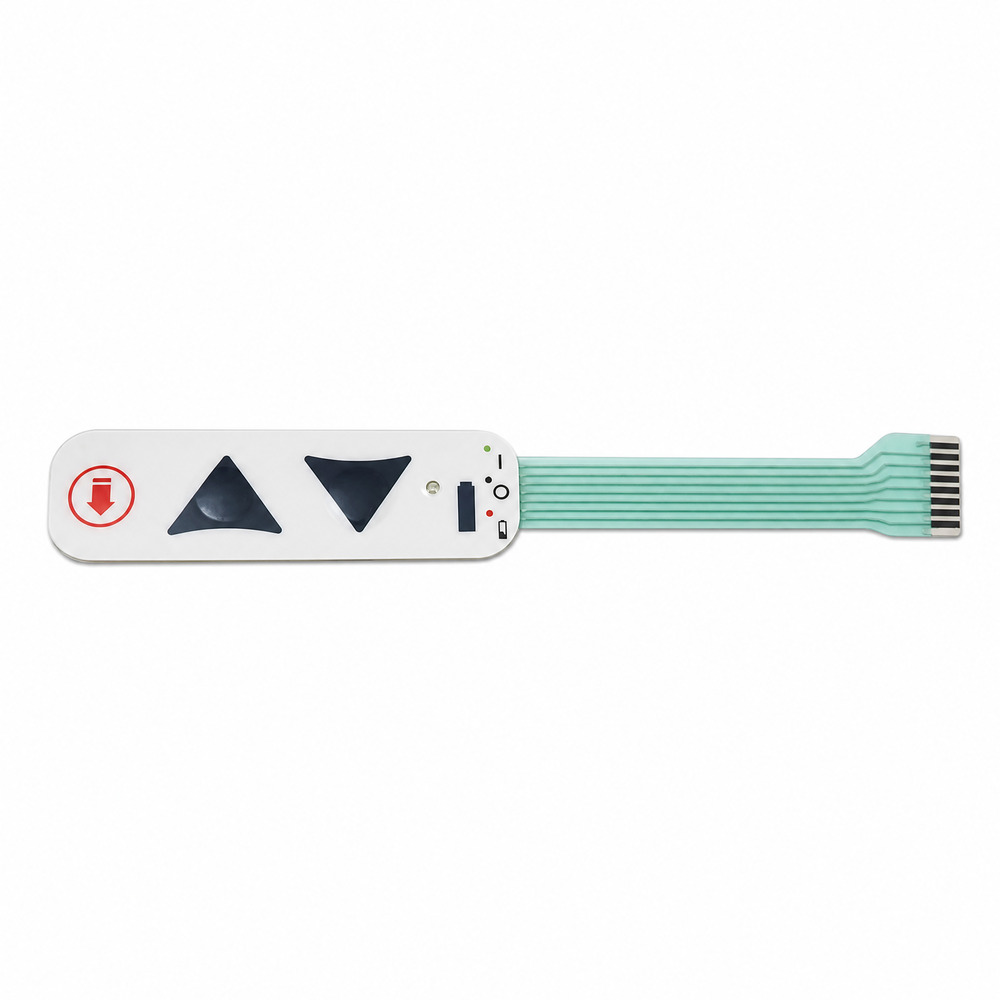
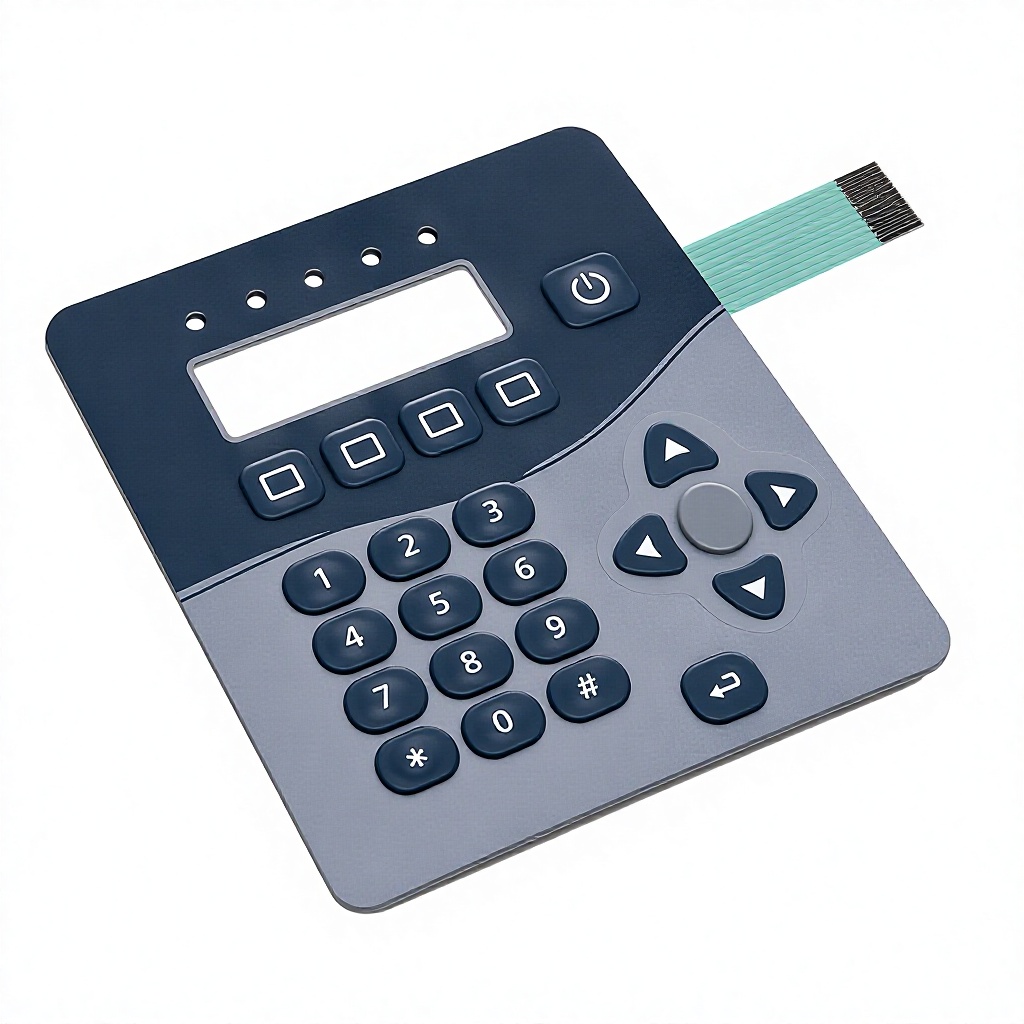
Naval and offshore exploration vessels docked or serviced in Freeport utilize sealed film force matrices underneath silicon rubber buttons, ensuring reliable tactile feedback and pressure-proportional speed control on winch systems exposed to harsh salt air.
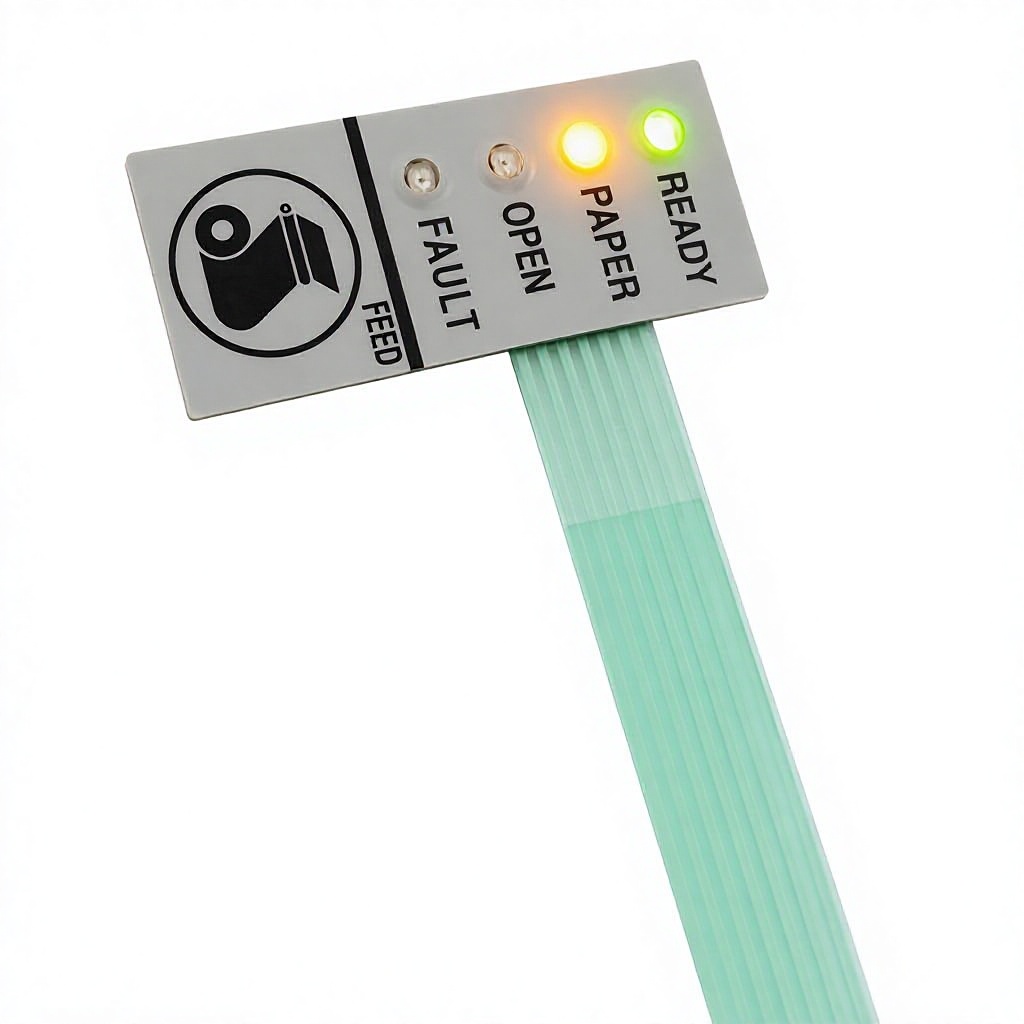
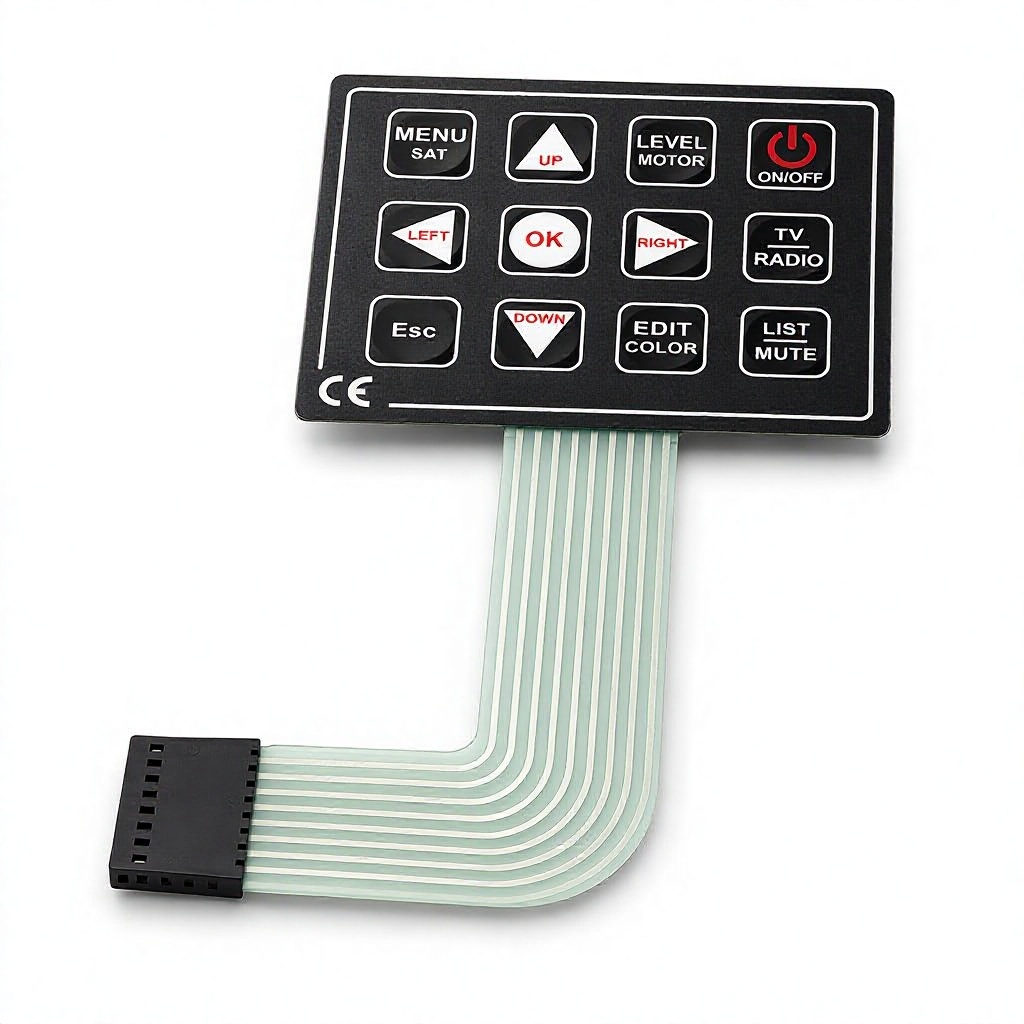
Combining film force sensing with LED backlit membrane keypads enables dual-function control panels in heavy manufacturing plants, where simple contact triggers normal actions and deliberate force thresholds unlock safety overrides.
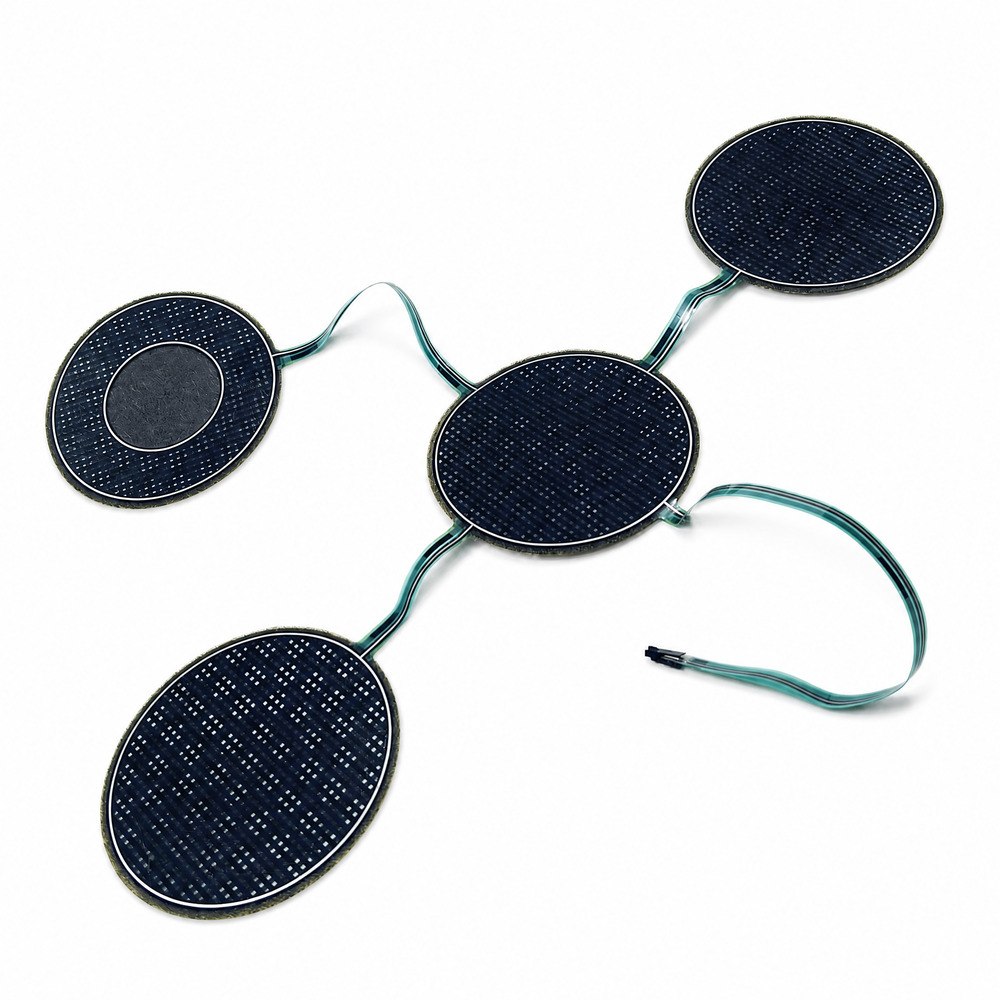
Freeport regional healthcare facilities deploy our flexible thin-film sensor mats inside hospital beds and wheelchair seating to continuous map patient pressure distribution, preventing bedsores and triggering automated nurse alerts.
Smart logistics hubs across the Freeport trade zone employ thin-film pressure arrays integrated directly into conveyor rollers and robotic gripper jaws to measure object weight, prevent crushing delicate packages, and optimize sorting speed.
As Freeport continues to solidify its position as an international industrial powerhouse and maritime trade hub, local manufacturers and system integrators face escalating demands for automation, predictive safety, and energy efficiency. These regional macroeconomic forces are transforming human-machine interface and sensor procurement strategies:
Modern refining and chemical processing plants across Freeport are aggressively replacing manual mechanical switches with digital, continuous-monitoring thin-film sensor networks. By capturing real-time clamping force, seal compression, and mechanical vibration, plant maintenance teams transition from scheduled servicing to predictive AI-driven maintenance models.
Freeport’s humid, salt-rich coastal climate creates rapid corrosion risks for unsealed electronic assemblies. The demand for IP67 and IP68 sealed membrane force switches featuring fluorosilicone gaskets, hydrophobic breathers, and UV-stabilized polycarbonate graphic overlays has surged by over 45% in recent procurement cycles.
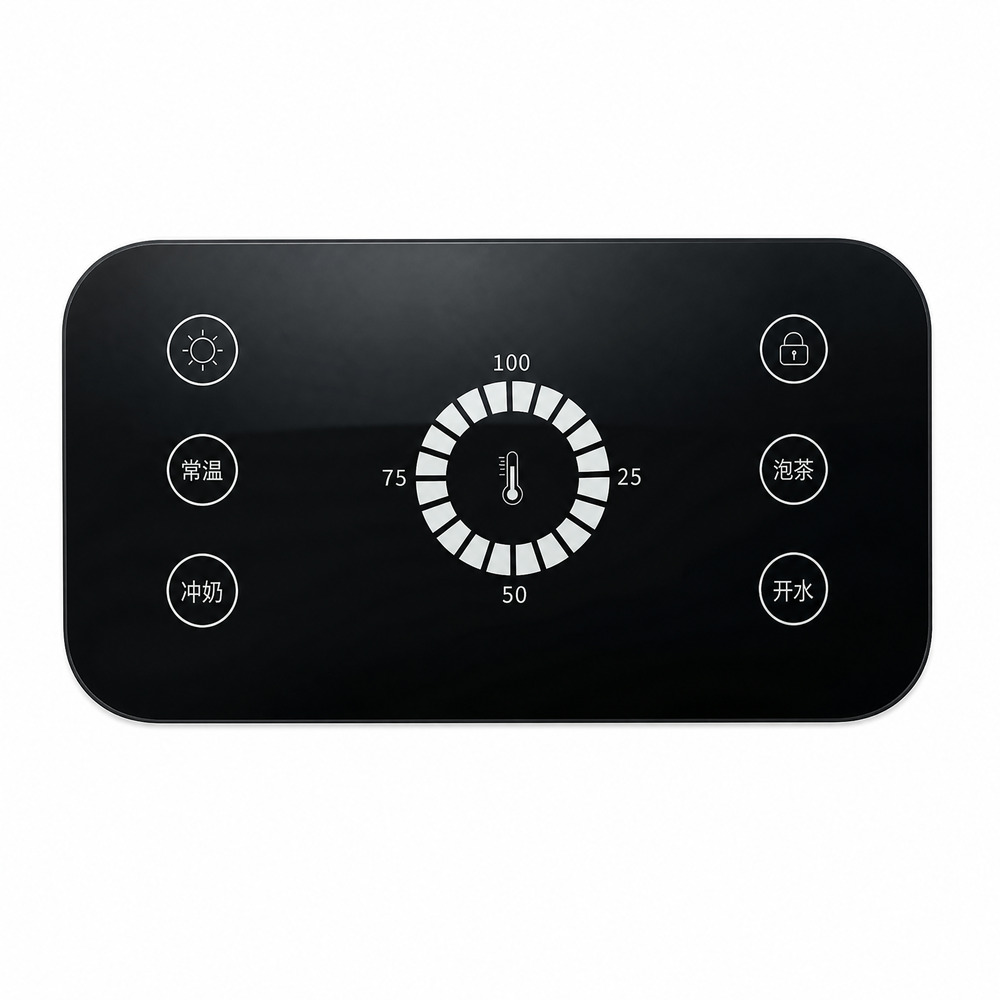
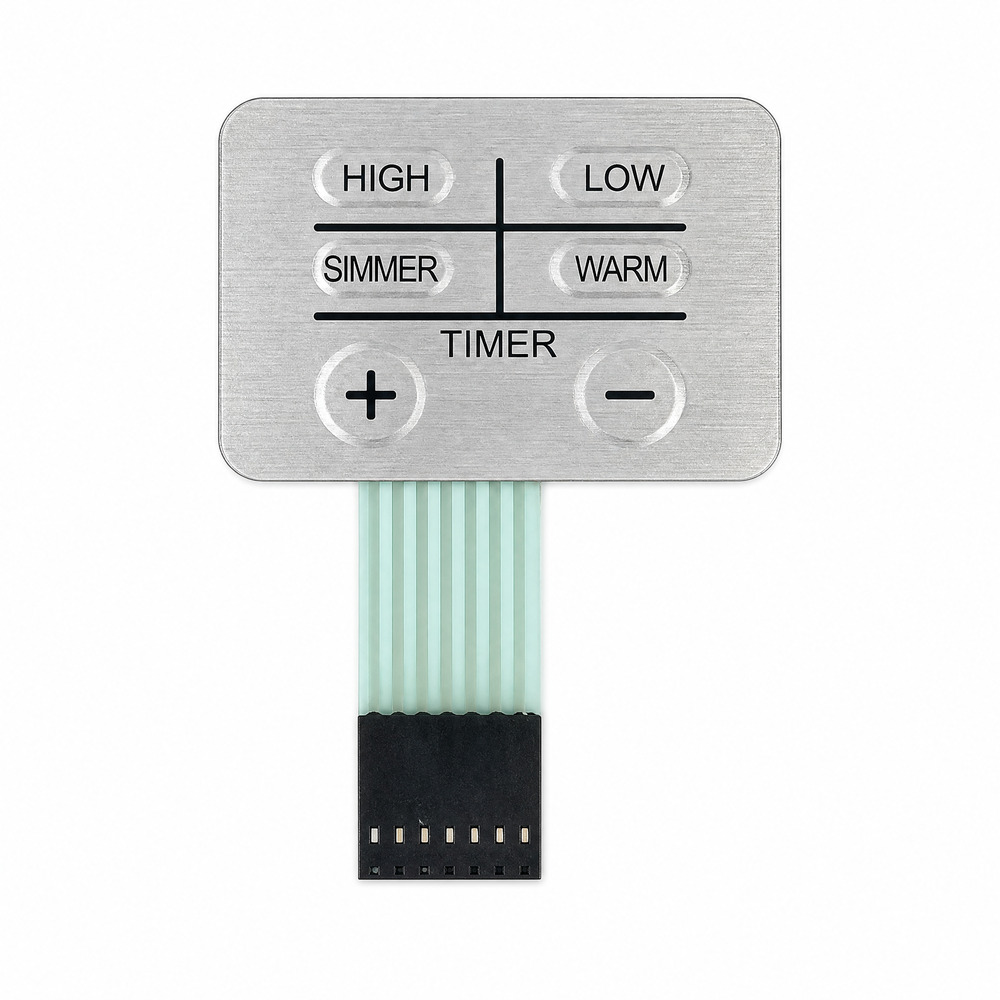
Engineers are increasingly shifting away from single-function push buttons toward multi-layer HMI panels. By integrating piezoresistive force sensors directly beneath metal-dome tactile keypads, a single key location can distinguish between a light touch (menu scroll) and a firm press (execute command), dramatically streamlining control panel real estate on industrial equipment.
Our dedicated HMI engineering team evaluates your CAD drawings, force actuation specs, and tail connector layouts, delivering full Design for Manufacturability (DFM) feedback and stack-up optimization within two hours.
Operating out of our 12,000 m² factory in Dongguan, China, every force sensor lot undergoes 100% electrical continuity testing, force vs. resistance curve verification, and environmental thermal chamber cycling prior to international dispatch.
Accelerate your NPI (New Product Introduction) cycles in Freeport. We support quick-turn prototyping from as low as 1 piece, scaling seamlessly into high-volume monthly production runs exceeding 500,000 units.
We utilize full-perimeter 3M acrylic and iso-acrylic adhesive dead-seals combined with non-hydroscopic PET or Polyimide carrier films. Tail exit exits are engineered with potted silicone boots or water-tight flexible printed circuit (FPC) tail constructions, preventing moisture ingress and silver migration under high humidity.
Our standard active sensing ranges span from 0.1 N (approx. 10 grams force) for delicate touch activation up to 100 N+ (approx. 10 kg force) for heavy industrial load detection. Force thresholds are fully customized by altering the piezoresistive ink particle density and spacer thickness.
Yes. Ravo specializes in integrated HMI assemblies where thin-film force sensor matrices are laminated beneath graphic overlays (Polycarbonate, PET, or PMMA), complete with surface-mount SMD LEDs, light guide films (LGF), and embossed tactile metal domes into a single ultra-thin sub-assembly.
We accept standard 2D vector files (DXF, DWG, Adobe Illustrator, or vector PDF) for graphic overlays and layer outlines, along with 3D CAD models (STEP, IGES) for structural fit verification. Please include key layout dimensions, target force ranges, and pinout schematics.
Creep and hysteresis are inherent properties of polymer thick-film devices. Ravo minimizes these effects to under 5% through proprietary piezoresistive ink mixing ratio controls, automated precision screen printing thickness calibration (±1.5 μm), and optimized post-print thermal curing cycles.
Following final drawing sign-off and DFM approval, custom prototype samples ship in as fast as 7 to 12 working days. Expedited air freight delivers directly to your facility or engineering lab in Freeport with full inspection documentation and test reports.
Partner with a trusted, vertically integrated film force sensor manufacturer. Contact our senior HMI engineering team today to review your project drawings and receive a comprehensive technical proposal within 2 hours.