 EN
 DE
 FR
 ES
 RU
 JA EN DE FR ES RU JA
Explore production-proven HMI components and flexible sensing arrays engineered to stringent industrial tolerance profiles. Ready for custom stack-up configuration, rapid prototyping, and volume manufacturing.
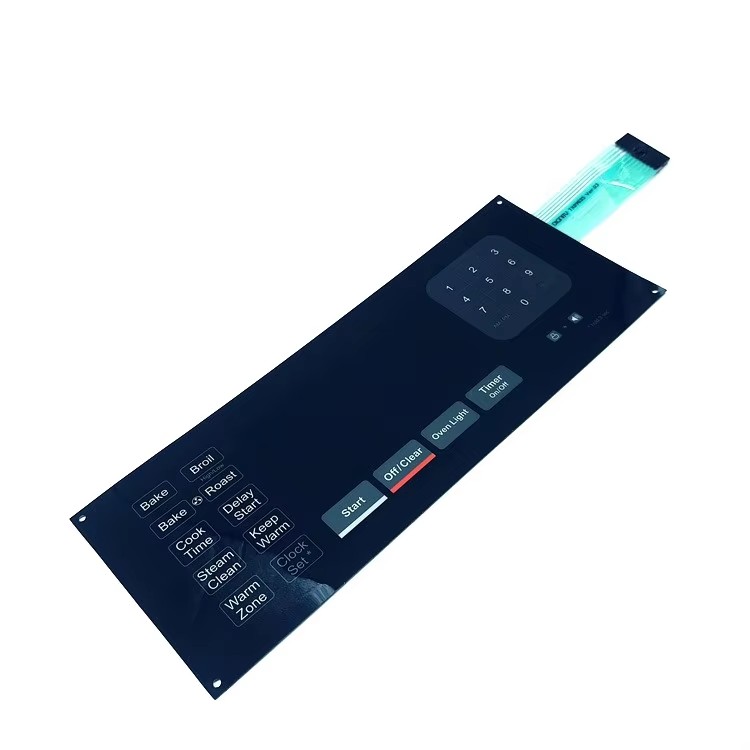
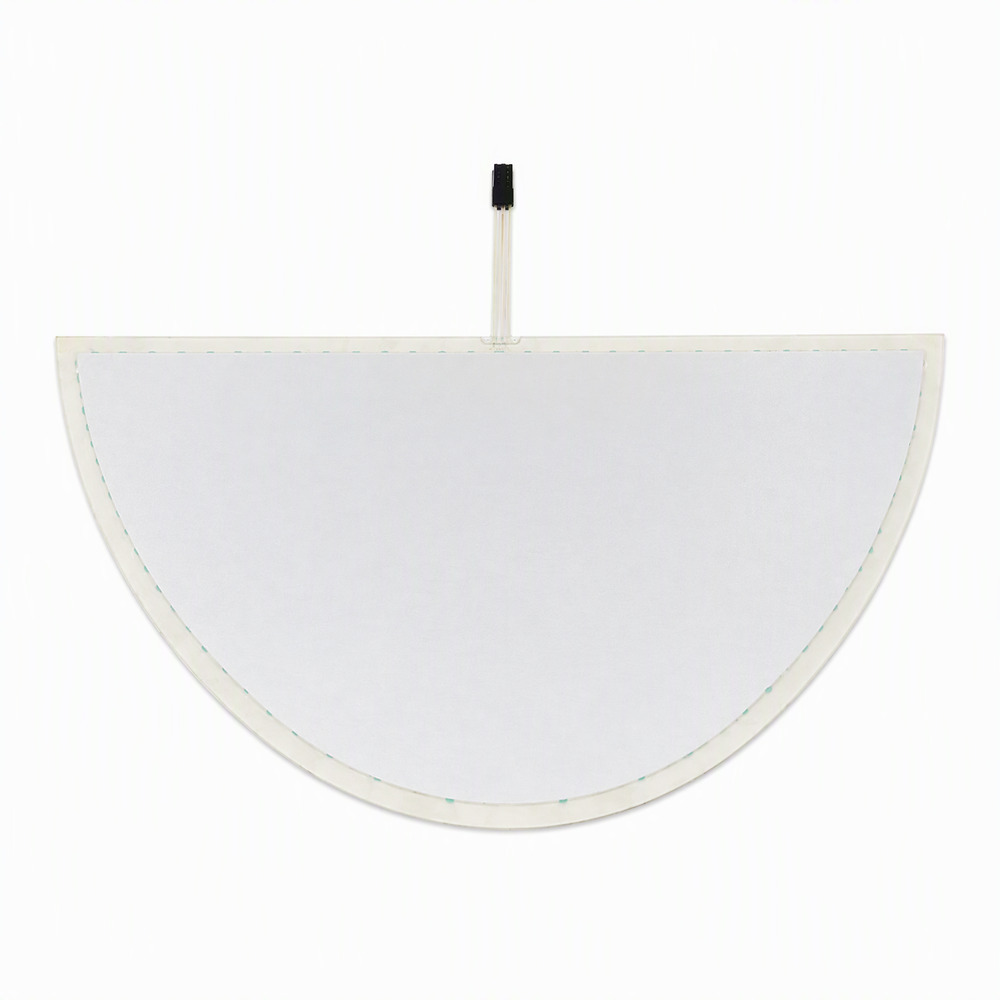
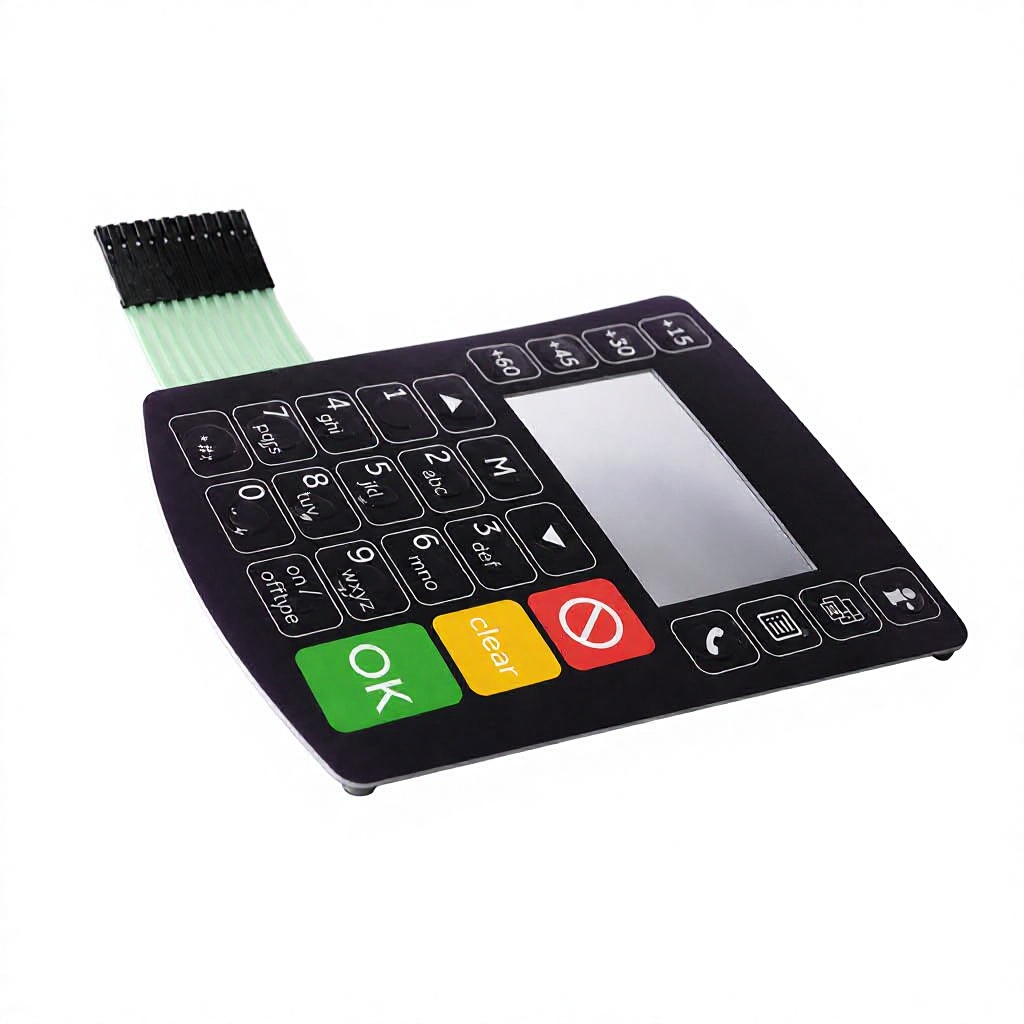
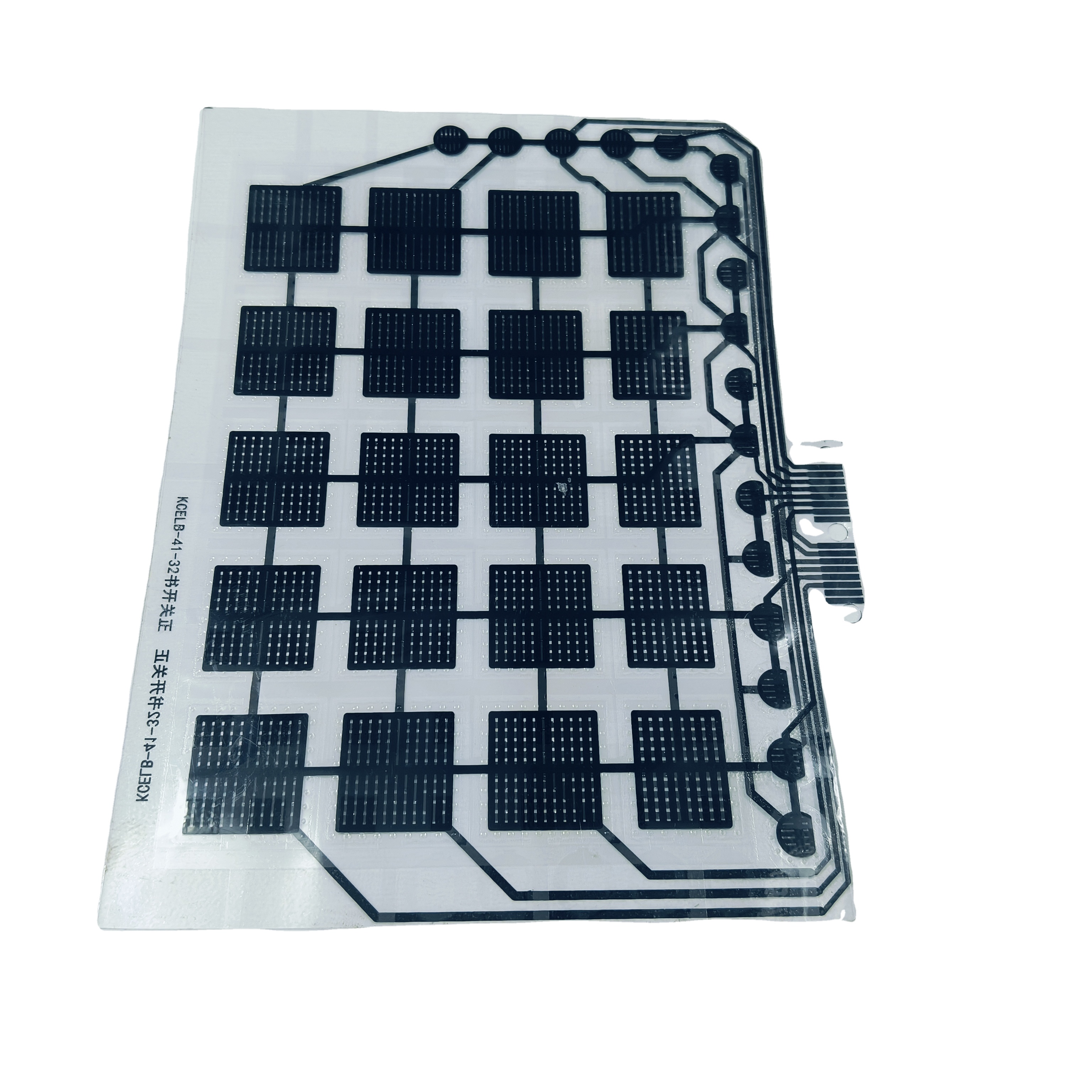
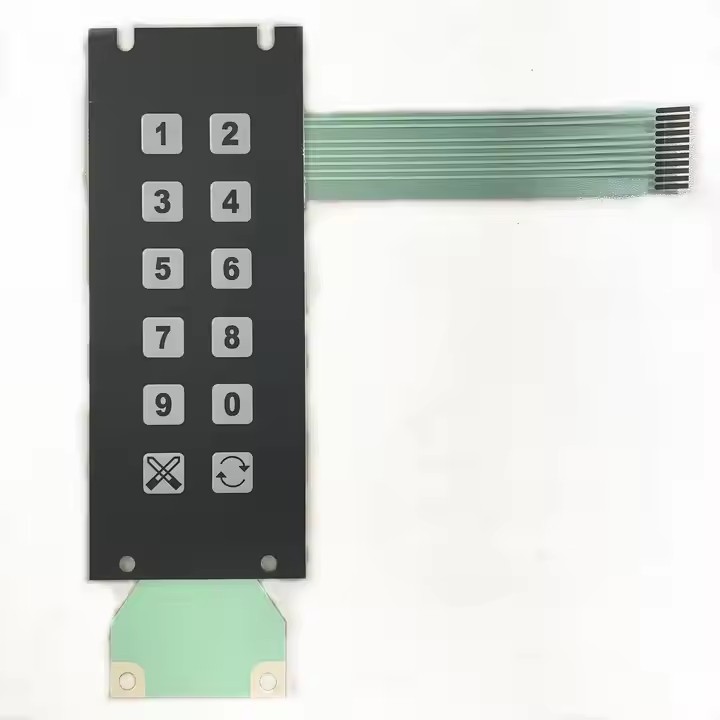
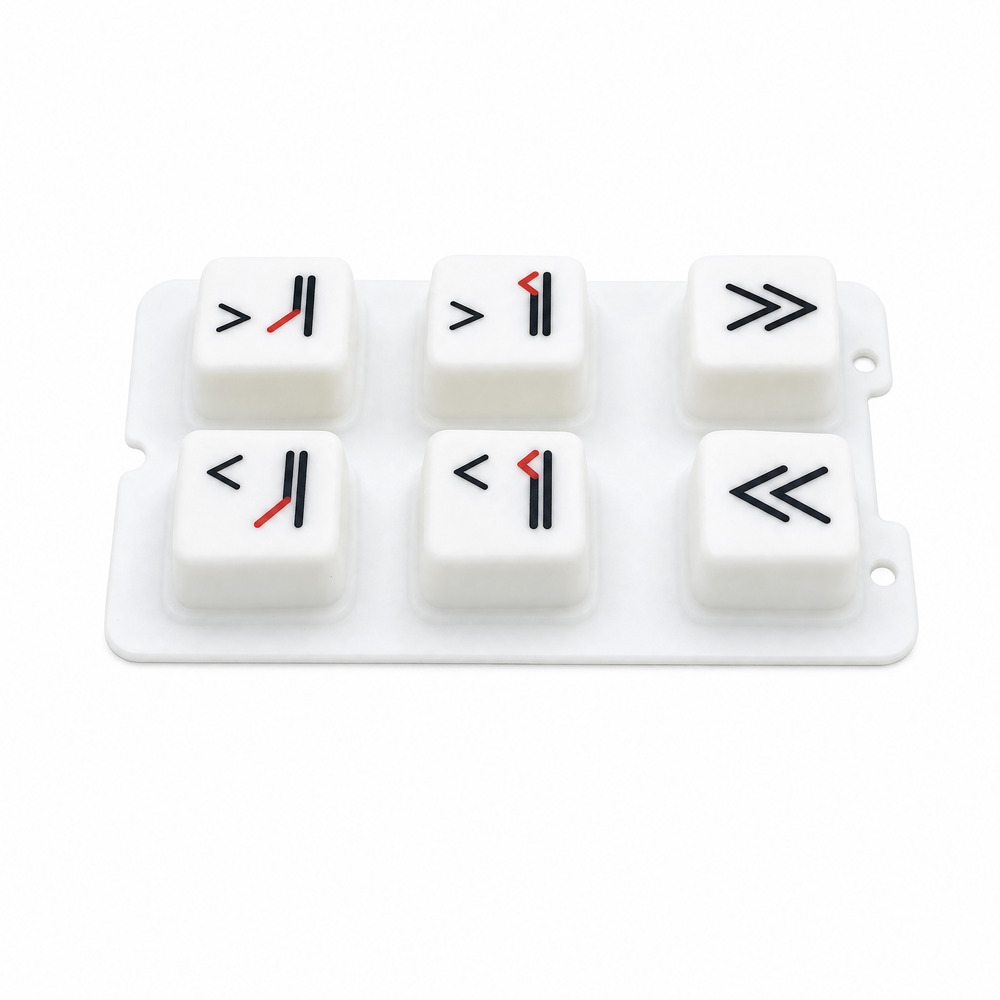
The greater Indianapolis metropolitan area—anchoring Marion County and the broader I-65/I-70 industrial artery of Central Indiana—has rapidly matured into one of North America's most demanding centers for embedded electronics, advanced telemetry, and human-machine interface (HMI) integration. Known historically as the "Crossroads of America," Indianapolis combines an elite precision automotive and motorsports engineering heritage (centered around the Indianapolis Motor Speedway and Speedway racing technology parks) with an expansive life sciences manufacturing corridor and high-throughput automated logistics infrastructure. For mechanical system architects, biomedical instrumentation designers, and embedded electronics hardware engineers across Central Indiana, selecting a capable tactile pressure sensor manufacturer is no longer just a component sourcing decision; it is a critical variable governing device safety, operator feedback fidelity, and field survivability.
A true tactile pressure sensor differs fundamentally from binary limit switches or generic mechanical buttons. It unites two distinct electromechanical functions: the continuous or thresholded analog measurement of applied normal force (pressure sensing) and the delivery of an unambiguous, physical tactile sensation (snap ratio or haptic detent) that confirms actuation to the human fingertip. In modern industrial automation consoles, medical infusion systems, and high-performance racing cockpits, this dual capability prevents accidental actuations, mitigates operator fatigue, and provides real-time telemetry on clamp loads, interface pressure distributions, and touch dynamics.
Tactile pressure sensors manufactured by Dongguan Ravo Electronics utilize micro-engineered piezoresistive polymer thick film (PTF) inks screen-printed across heat-stabilized polyester (PET) or polyimide (Kapton FPC) substrates. When unactuated, the carbon nanoparticle formulation maintains an open circuit or megaohm-range contact resistance. Under applied vertical force, microscopic surface asperities compress, dramatically multiplying conductive contact pathways according to quantum percolation thresholds. This produces an analog drop in resistance inversely proportional to the applied force: R ∝ F-γ, where γ is precisely tailored (typically 0.6 to 0.9) to provide optimal sensitivity across target force regimes from 0.1 N up to 100 N.
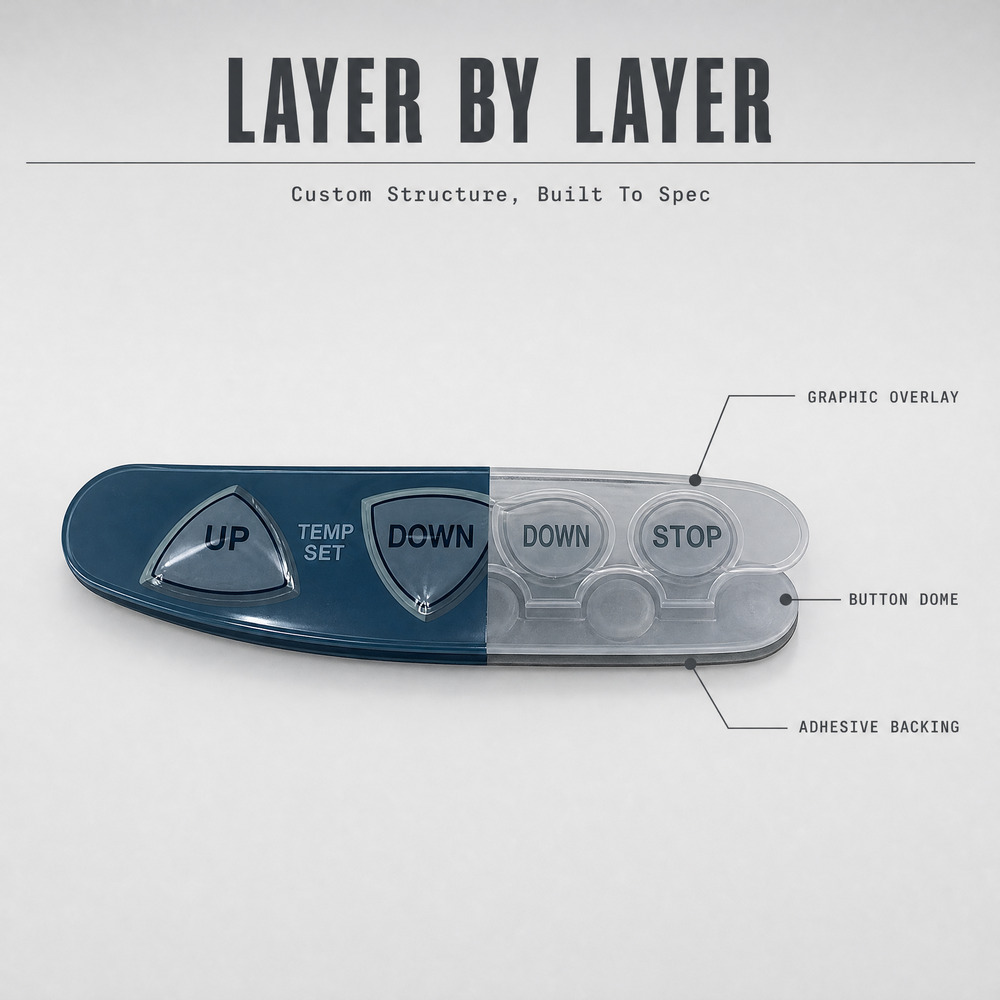
Achieving a reliable, glove-operable tactile click while simultaneously acquiring quantitative pressure data requires an engineered multi-layer laminate stack. When Indianapolis design engineers consult with Ravo's engineering team, our Design for Manufacturability (DFM) reviews configure the following proprietary stack-up architecture:
| Interface Technology | Force Dynamic Range | Tactile Response | Environmental Ingress | Actuation Life | Indianapolis OEM Fit |
|---|---|---|---|---|---|
| Tactile Piezoresistive FSR (Ravo Stack) | 0.1 N to 100 N (Analog) | Crisp Snap (180g–450g Metal Dome) | IP65 – IP67 Sealed Perimeter | > 1,000,000 Cycles | Optimal: Auto / Med / Industrial |
| Capacitive Touch Film | Binary / Proximity only | Zero (Requires external haptic motor) | IP67 (Flat overlay) | > 5,000,000 Cycles | Consumer / Smart Appliance |
| Standard Non-Tactile Membrane | Binary On/Off (0.5 N trip) | Flat (Visual or audible confirmation) | IP65 Perimeter Sealed | > 3,000,000 Cycles | Dispensers / Educational Panels |
| Strain Gauge Load Cells | 10 N to 10,000 N (High Load) | None (Rigid metallic deflection) | IP54 – IP68 (Enclosure dependent) | Fatigue limited (>10M) | Heavy Scale / Rig Testing |
| Polydome Embossed Keypad | Binary On/Off (150g–300g) | Moderate Soft Click (Thermoformed) | IP65 Splash Proof | > 500,000 Cycles | Handheld Remote / Consumer |
From the high-G race bays of Speedway and Brownsburg to the sterile cleanrooms of the IU Health / 16 Tech Innovation District, our tactile pressure sensors solve mission-critical interface challenges across Indiana's diverse engineering hubs.
Situated in the Speedway racing technology cluster, motorsport engineering teams integrate Ravo's ultra-thin (0.2mm) piezoresistive arrays into steering wheel controls, pedal force telemetry, and driver seat dynamic pressure distribution mapping to assess aerodynamic downforce impacts without compromising cabin ergonomics.
Within the Indianapolis life sciences corridor and nearby orthopedic device hubs, surgical robotic consoles and smart patient bed systems deploy custom FSR matrix films for multi-axis grip force feedback, patient decubitus ulcer prevention arrays, and sterile surgical interface panels compliant with ISO 13485 standards.
Heavy powertrain manufacturers and automation integrators throughout Marion County utilize sealed tactile keypads with integrated FSR thresholding on factory inverters, stamping machinery, and CNC machining centers, guaranteeing intentional operator actuation under vibration and heavy oil-mist exposure.
As the primary logistics distribution hub in the Midwest, Indianapolis warehousing facilities rely on automated guided vehicles (AGVs) and conveyor sorters outfitted with thin-film contact pressure bumpers, automated pallet weight verification mats, and ruggedized non-tactile human-entry consoles.
The manufacturing sector in Indiana is undergoing an aggressive Industry 4.0 transformation. Hardware developers throughout Plainfield, Fishers, Greenwood, and downtown Indianapolis are migrating away from legacy, bulky mechanical pushbuttons toward multi-functional thin-film sensing membranes that integrate multiple sensory modalities into a single low-profile footprint. Several key technological transitions define this procurement shift:
Pure capacitive touch screens and keypads often suffer false triggers when exposed to hydraulic fluid splashes, rain droplets, or electromagnetic interference (EMI) generated by heavy electric drives. Engineers in Columbus and Indianapolis are increasingly deploying hybrid capacitive-tactile-pressure assemblies. In these systems, a capacitive sensor wakes the interface, but execution of a machine state change requires physical threshold pressure confirmed by a crisp tactile snap. This dual-verification topology eliminates hazardous phantom clicks in industrial controls.
Rather than wiring dozens of discrete load pins, automotive testing laboratories and biomechanics researchers in Indianapolis are turning to 16×16 and 32×32 row-column printed piezoresistive arrays. By employing high-speed microcontrollers running zero-potential scanning algorithms, engineers can measure planar pressure distribution across large surface areas (such as seat cushions, robotic gripper pads, and gasket seals) at refresh rates exceeding 100 Hz, with ultra-low cross-talk (<1%).
With Midwestern operations exposed to severe seasonal temperature swings (-20°C in winter to +40°C in humid summer factory bays), Indianapolis supply chain managers demand tactile sensor stacks certified to withstand broad thermal shock profiles (-40°C to +85°C) without delamination or electrical baseline drift. Furthermore, procurement directors are partnering with vertically integrated manufacturing specialists like Ravo that offer direct DFM engineering collaboration, full material trace certificates (RoHS, REACH), and reliable export air freight logistics to mitigate supply disruptions.
Founded in 2003, Dongguan Ravo Electronics Co., Ltd. delivers direct engineering-to-engineering collaboration, rapid prototyping, and end-to-end quality control from tooling to final electrical verification.
Founded in 2003 in Dongguan, China, Ravo has engineered and exported tens of millions of custom membrane switches, graphic overlays, silicone keypads, and thin-film force sensors to high-reliability OEMs across North America and Europe.
Operating a massive 12,000 square meter plant with over 300 experienced personnel, in-house tooling workshops, high-precision screen-printing halls, class 10,000 clean assembly suites, and automated laser die-cutting systems under one roof.
Our dedicated DFM engineering desk reviews client DXF/DWG mechanical drawings and circuit schematics within two hours, identifying trace routing pinch points, dome venting bottlenecks, and adhesive thermal boundaries before tooling begins.
We eliminate prototyping barriers for Indianapolis startups and R&D labs by supporting pilot evaluation runs from a single piece, scaling seamlessly to 500,000-unit mass production runs with rigid batch-to-batch repeatability.
ISO 9001:2015 certified operations enforce strict incoming film inspection, 100% automated electrical continuity and resistance window testing, contact bounce analysis, and cyclic life testing to ensure zero-defect shipment.
Our export team manages customs compliance and expedited door-to-door express air delivery directly into Indianapolis International Airport (IND), delivering approved sample runs in as few as 5 to 7 business days from release.
Clear, technical, and commercial answers addressing prototyping lead times, environmental certifications, electrical calibration, and international logistics for Midwest purchasing managers.
For custom tactile pressure sensor prototypes, our standard lead time is 7 to 12 working days following finalized 2D drawing and artwork approval. We support initial engineering verification and clinical/bench trials with a Minimum Order Quantity (MOQ) as low as 1 to 5 pieces. Once validated, mass production batch runs can be scheduled from 500 pieces up to hundreds of thousands of units per annum.
Piezoresistive inks inherently exhibit viscoelastic relaxation behavior. We minimize hysteresis (consistently keeping it under 6% to 8%) by utilizing proprietary carbon paste formulations deposited at precisely controlled wet thicknesses (10μm ±1μm) cured under staged infrared baking profiles. For applications requiring extreme repeatability, we recommend pre-conditioning cycles and software lookup table (LUT) offset compensation, which our engineering team can assist you in configuring during DFM reviews.
Yes. For Indianapolis food processing equipment, surgical suites, and fuel dispenser panels, we build full perimeter hermetic seals utilizing continuous 3M acrylic adhesive rings combined with rear-exiting tail gaskets. Using chemically inert Autotex® Steel or polyester front overlays, our assemblies achieve verified IP65, IP66, and IP67 ingress ratings, resisting harsh cleaning agents including isopropyl alcohol, bleach solutions, hydraulic fluids, and gasoline vapors.
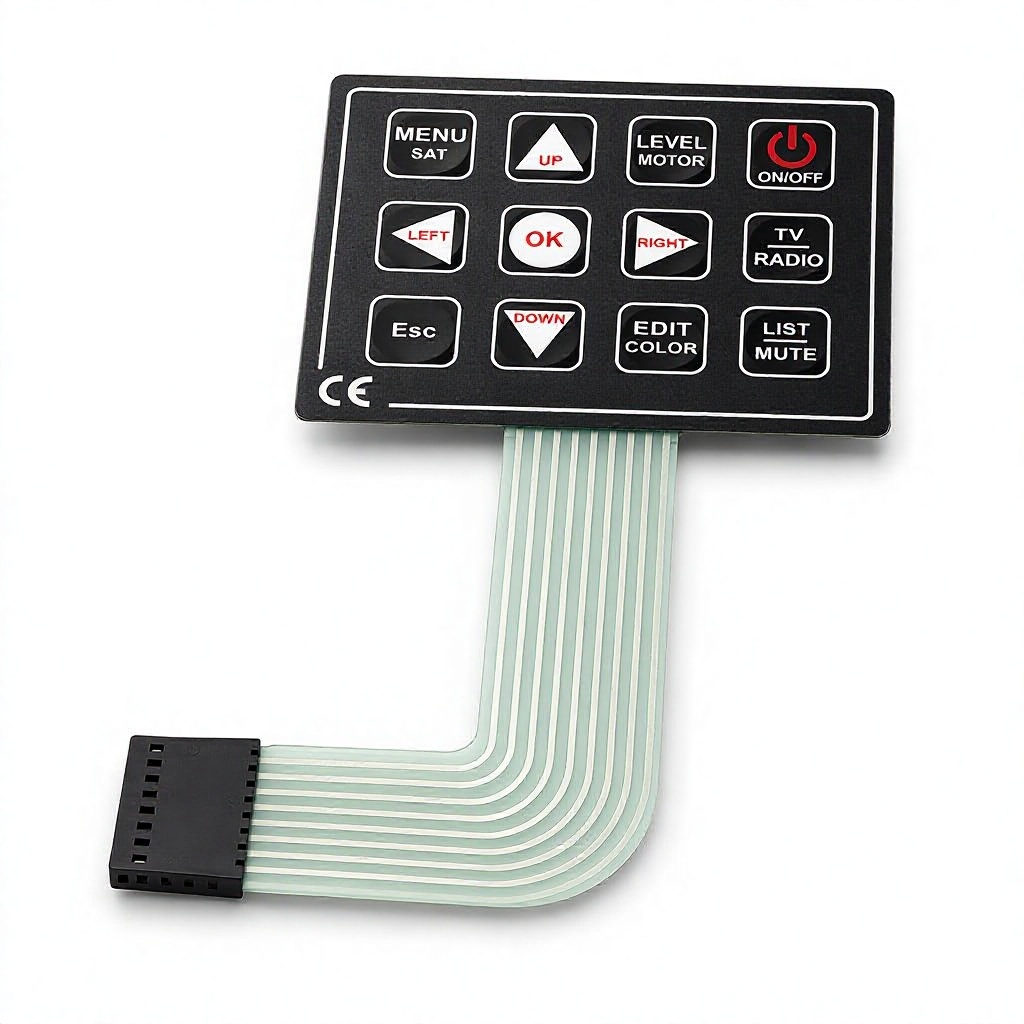
We supply flexible flat circuit (FFC) tails printed on silver-ink PET or etched copper on polyimide (FPC). Tail terminations can be outfitted with female crimp contacts housed in 2.54mm (0.100") pitch housings (compatible with Amphenol, Berg, Nicomatic, and Molex headers), solder tabs, or bare male finger contacts with stiffeners designed for Zero Insertion Force (ZIF) board connectors.
We provide full export clearance and commercial documentation, coordinating seamless air-express shipments (via DHL, FedEx, UPS) directly to facilities in Indianapolis, Carmel, Fishers, Columbus, and surrounding counties. Shipments arrive cleared via Indianapolis International Airport (IND) in 3 to 5 business days. We provide accurate HTS classifications (typically under 8537.10 or 8543.70) and supply certificates of origin, RoHS compliance declarations, and full packing lists.
Every shipment is backed by comprehensive ISO 9001:2015 quality paperwork. Standard lot documentation includes Certificate of Conformance (CoC), incoming raw material inspection reports, 100% automated electrical continuity test reports, actuation force-displacement curve data, and First Article Inspection (FAI) reports upon request. PPAP Level 1 through Level 3 documentation packages are also supported for automotive and Tier-1 suppliers.
Yes. We integrate ultra-thin surface-mount (SMD) LEDs (in 0603, 0805, or side-firing footprints), light guide films (LGF), and optical diffusion barriers directly into the switch stack. This ensures crisp, uniform legend illumination and status indication without hot spots, even in low-light motorsport telemetry or dark vehicle cab environments.
In our integrated tactile-pressure stack, the metal dome serves two simultaneous roles: it provides the physical snap-action mechanical resistance (typically 280g or 350g snap force) that operators feel, while its conductive underside physically compresses the underlying piezoresistive element. Once the snap occurs, further increases in operator fingertip pressure yield a continuous, proportional analog voltage signal, giving systems the power to read both trip events and secondary force variables.
Send your CAD files, circuit schematics, or target pressure specifications to our veteran engineering desk. We provide a comprehensive DFM review, stack-up recommendation, and competitive prototype quote within 2 hours during active business cycles.
