EN
 DE
 FR
 ES
 RU
 JA EN DE FR ES RU JA
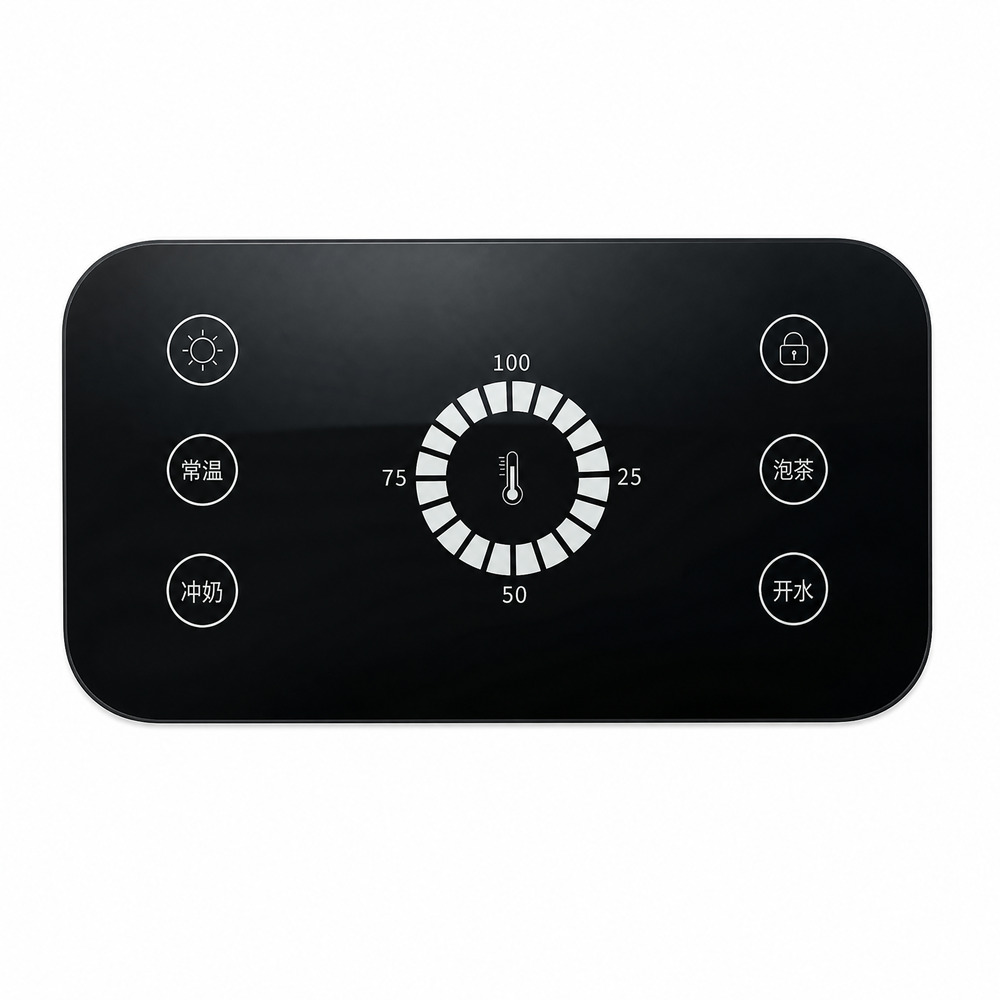
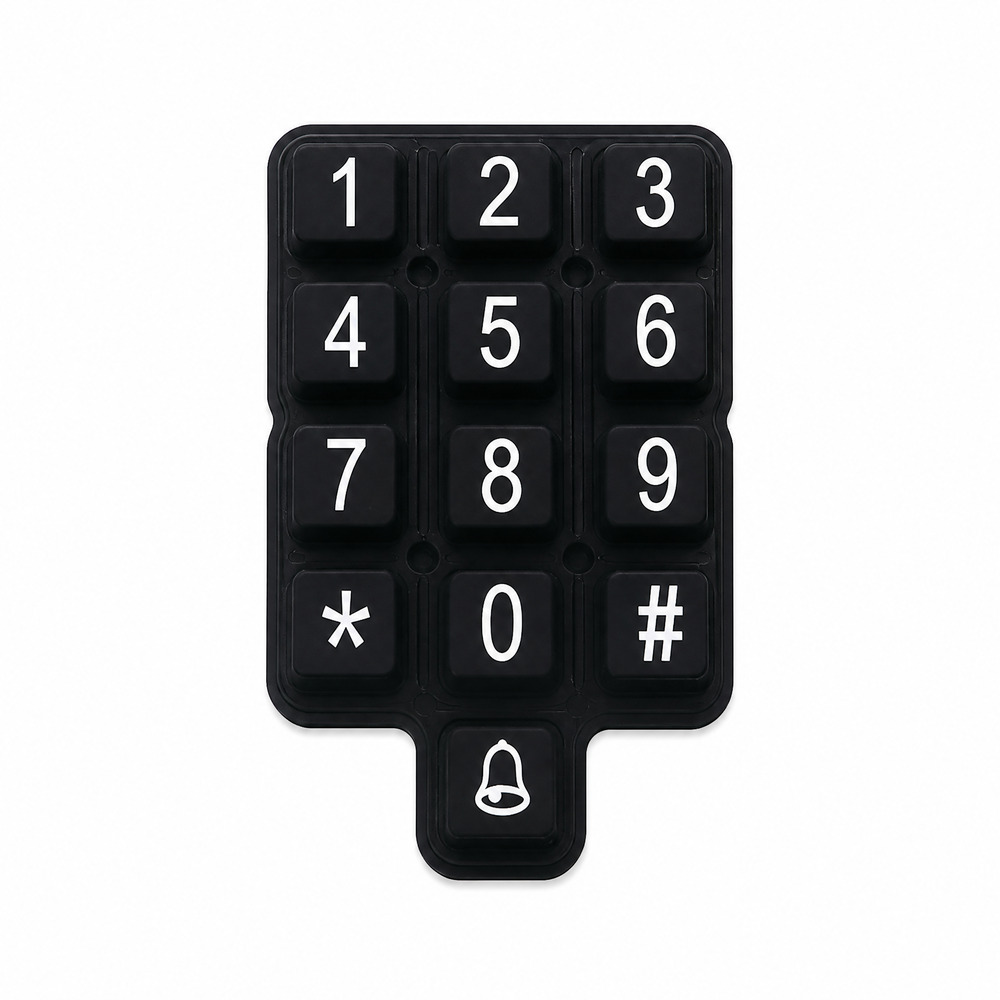
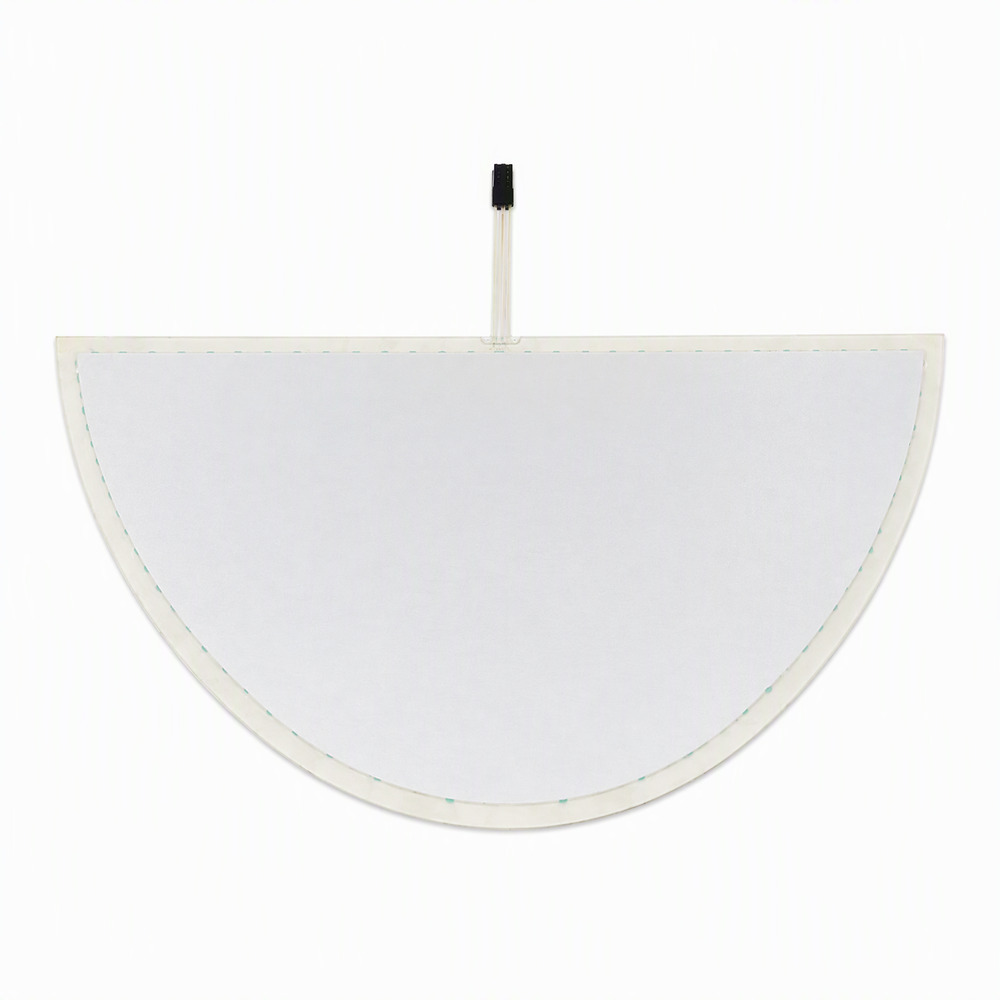
Explore high-durability control panel overlays, capacitive touch assemblies, silicone keypads, and thin-film switches customized to exact engineer CAD specifications.
Technical Insight for Tauranga Engineers: Outdoor marine equipment and coastal agritech processing systems in the Bay of Plenty demand UV-stabilized Autotex XE polyester films, hermetically sealed IP67 perimeter adhesive gaskets, and high-tack 3M 9448A/467MP adhesive backing to eliminate debonding, salt spray ingress, and micro-cracking caused by extreme solar radiation.
As the economic hub of the Bay of Plenty, Tauranga stands as New Zealand's fastest-growing export region. Home to the Port of Tauranga—the nation's largest maritime freight hub—alongside a booming agritech cluster specializing in kiwifruit, avocado post-harvest automation, and advanced forestry processing, the region presents a highly specialized set of environmental and mechanical demands for Human-Machine Interface (HMI) controls.
Original Equipment Manufacturers (OEMs) and contract electronics manufacturers in Tauranga face unique challenges when designing front panels, control overlays, and keypads. Standard commercial labels fail prematurely due to high ultraviolet (UV) radiation indices, intense ocean air salinity (marine atmospheric corrosion), and aggressive chemical washdowns used in food processing environments. Selecting a reliable OEM/ODM overseas manufacturing partner capable of delivering high-gain technical customizations is critical to safeguarding product longevity and brand integrity.
From component substrate selection to precision screen printing, our Dongguan plant engineers overlays that survive the world's most severe operational environments.
We utilize MacDermid Autotex XE outdoor-grade textured polyester, specifically engineered to withstand yellowing, embrittlement, and delamination under New Zealand’s high UV-index sunlight for over 10 years.
Integrated perimeter adhesive gaskets using 3M 468MP or 3M 9448A create fluid-tight seals around display windows and switch tails, preventing salt mist and water ingress.
Choose from stainless steel metal domes (four-leg snap domes with 250g–450g actuation forces) or thermoformed polydomes to ensure crisp tactile feel through heavy work gloves.
Integrated surface-mount micro-LEDs within thin film stack-ups provide key backlighting, status indications, and dead-front graphic illumination for low-light marine operation.
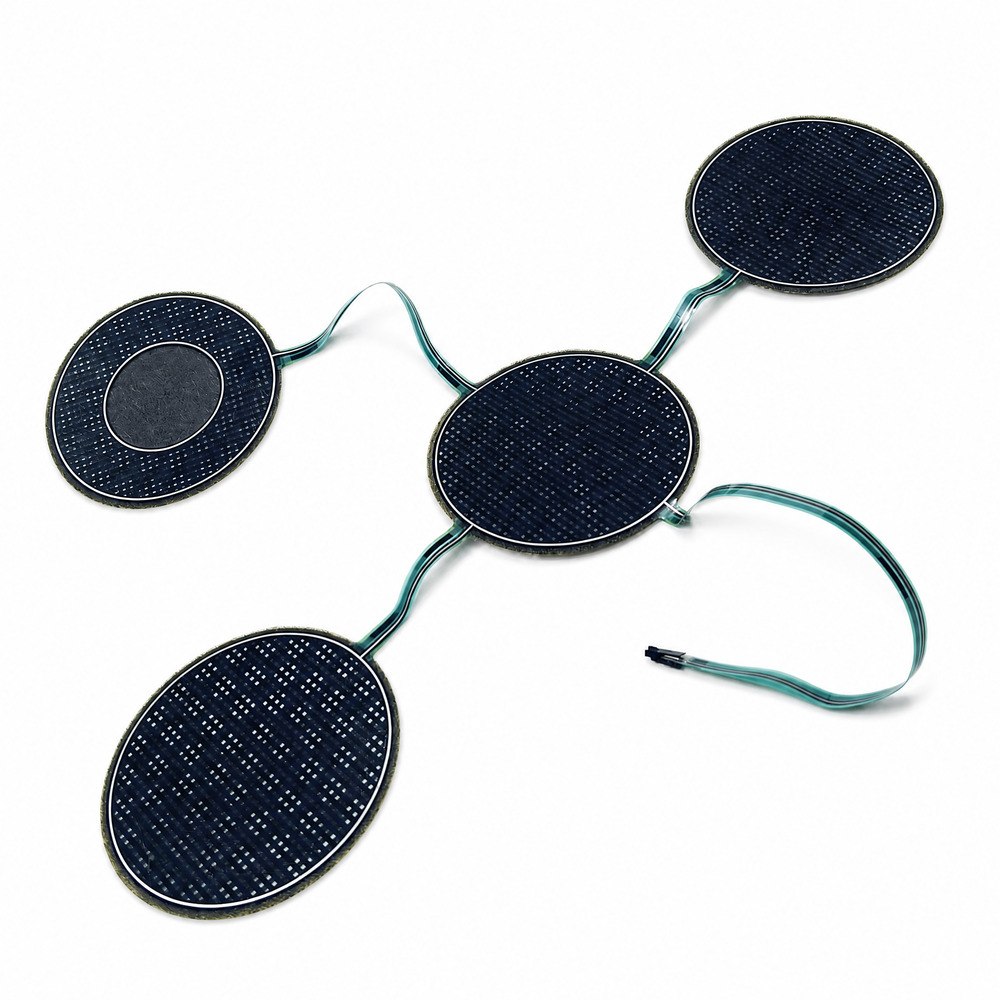
Printed conductive aluminum foil or grid-printed silver paste layers disperse static charges up to 15kV, protecting delicate microcontroller PCBs from electrostatic discharge.
State-of-the-art CCD automatic visual alignment screen printing paired with spectrophotometers guarantees 100% color matching to Pantone (PMS) and RAL design standards.
Evaluate substrate specs before submitting your CAD/DFM files to ensure optimal structural performance in Tauranga's coastal climate.
| Substrate Material | UV Resistance Index | Chemical & Solvent Resistance | Flexural Fatigue Life | Recommended Applications |
|---|---|---|---|---|
| Autotex XE Polyester (PET) | Outdoor Grade (10+ Yrs) | Excellent (Alcohols, Acids, Detergents) | > 5,000,000 actuations | Marine dashboards, Kiwifruit packhouses, Outdoor agritech |
| Standard Matte PET | Moderate (Indoor/Shielded) | High (Industrial Solvents) | > 5,000,000 actuations | Industrial inverters, indoor controllers, medical keypads |
| Polycarbonate (PC - Lexan) | Fair (Requires UV Hardcoat) | Moderate (Sensitive to Ketones) | ~ 100,000 actuations | Heavy impact structural covers, non-tactile display panels |
| PMMA (Acrylic Overlays) | High (Clear optical clarity) | Moderate | Rigid (No flex fatigue) | High-translucency display windows, sleek touch-screen borders |
| Silicone Rubber Overlays | Excellent | Good (Water/Oils) | > 1,000,000 actuations | Ruggedized hand-held terminals, marine remote controllers |
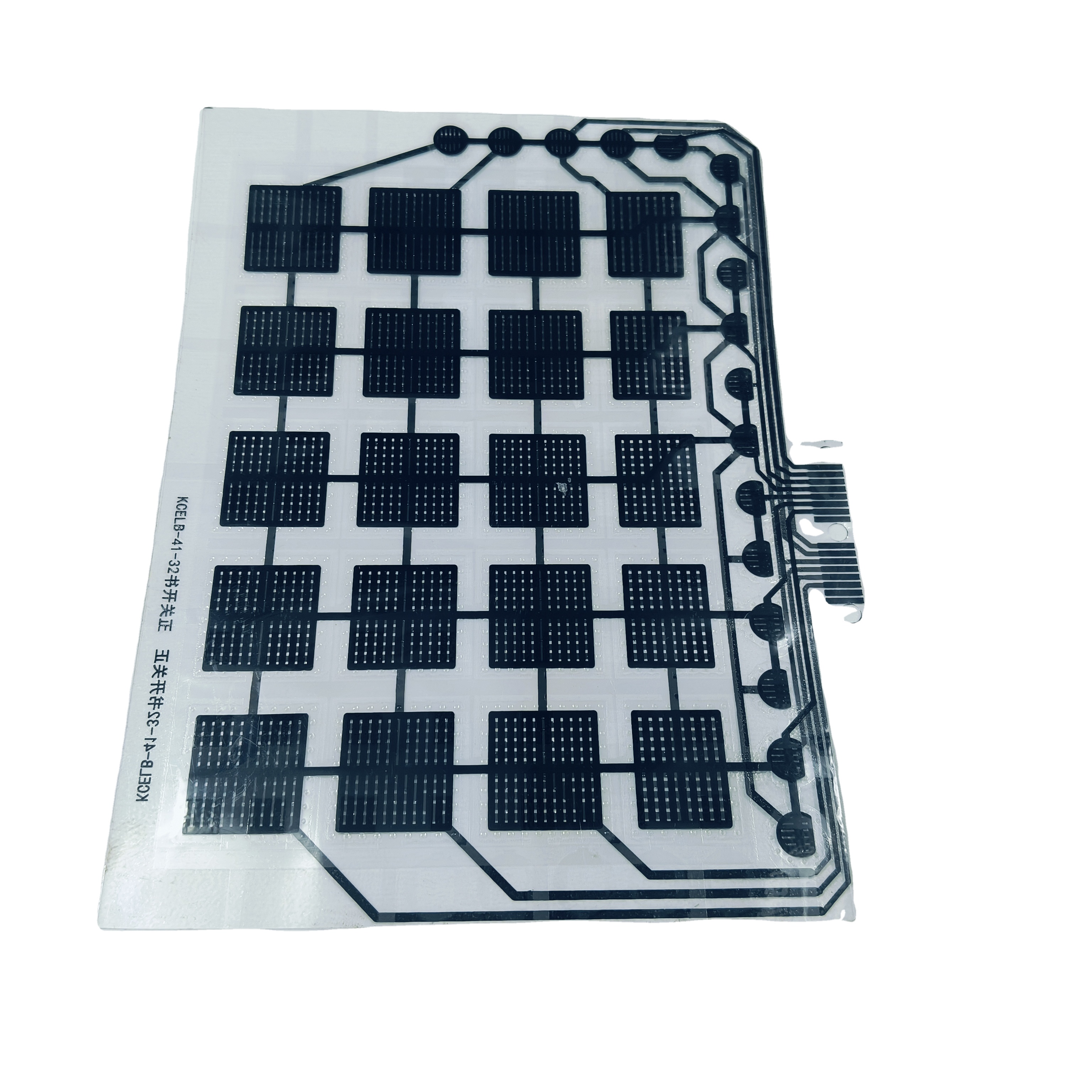
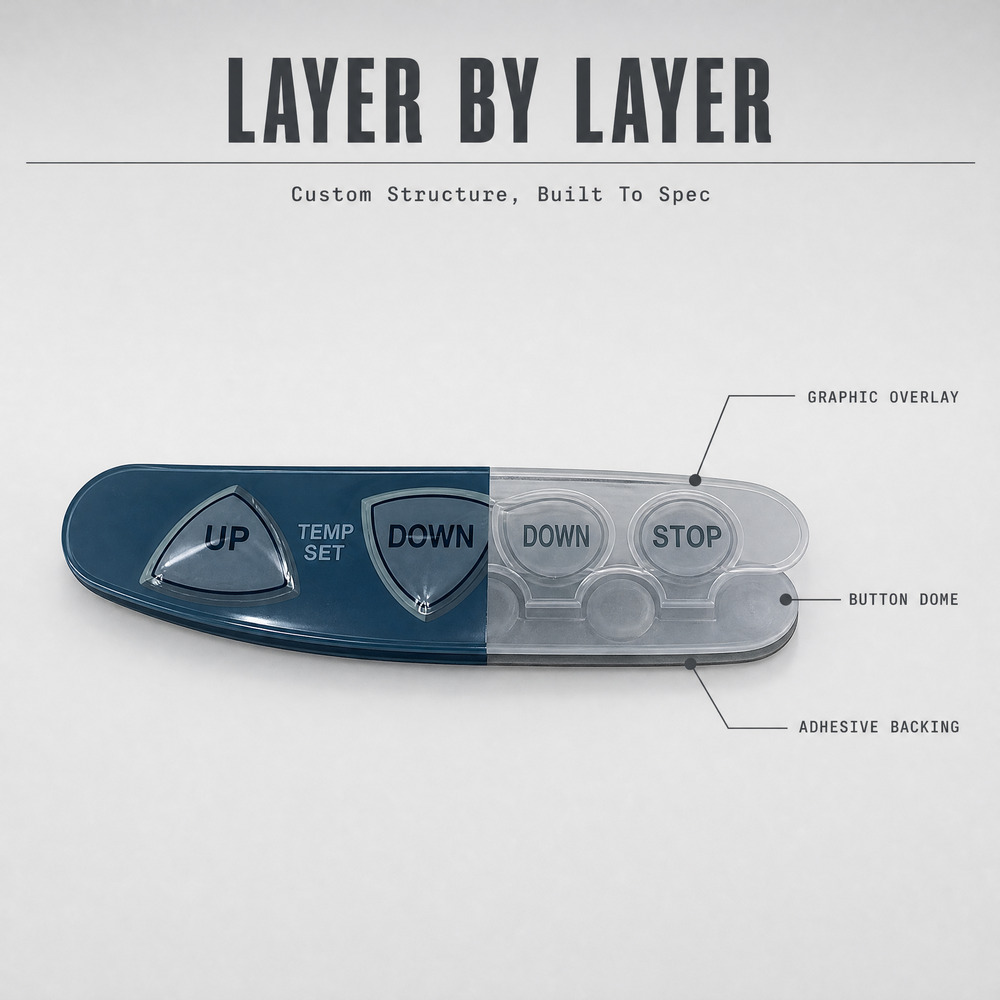
A precision membrane switch or printed front graphic overlay is not merely a single sheet of printed plastic; it is a meticulously engineered multi-layer laminate designed to isolate electronic circuits from mechanical wear, fluid contamination, and thermal expansion. Our Dongguan engineering team designs customized layer stack-ups tailored to your enclosure mechanics:
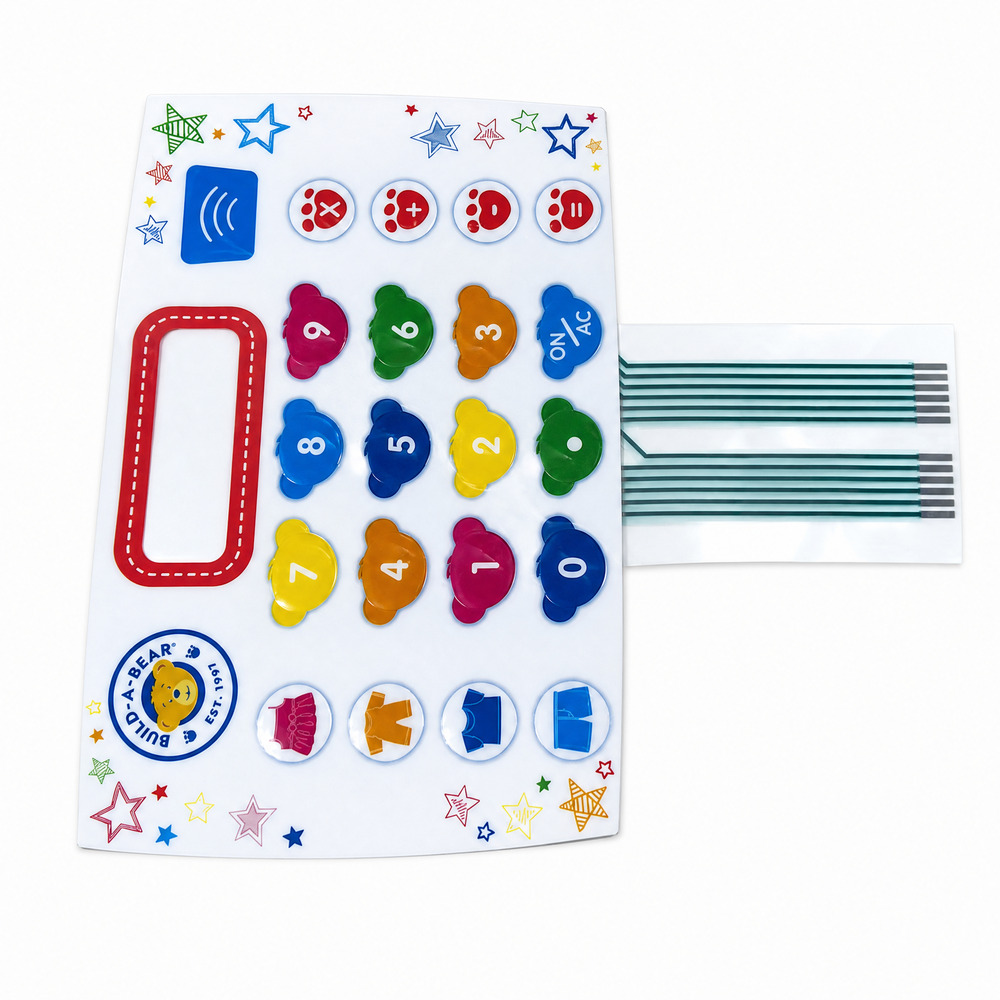
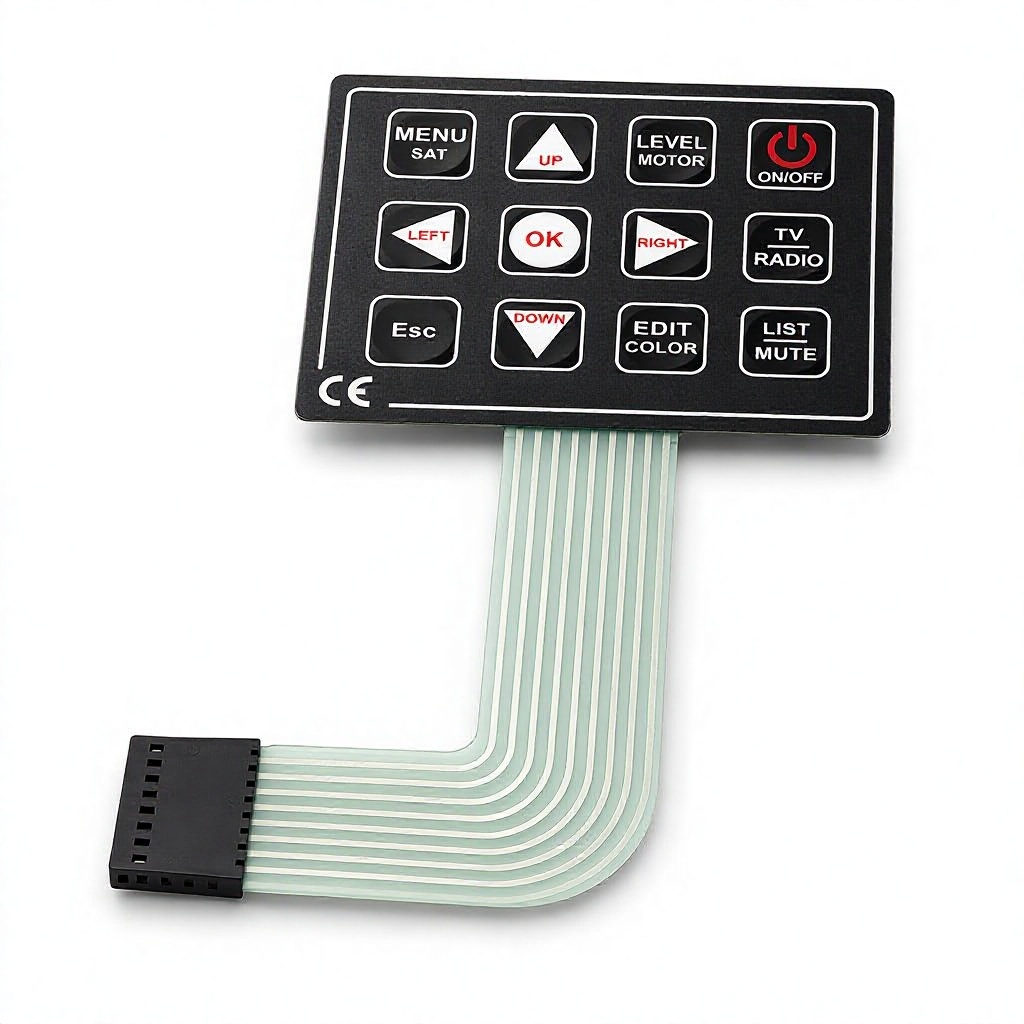
Interfacing the membrane overlay circuit to your underlying motherboard is executed through customizable tail exits. We offer standard 2.54mm pitch crimped female connectors (FCI/Amphenol-compatible), 1.0mm/1.25mm pitch ZIF (Zero Insertion Force) tail ends, or direct board-soldered polyimide FPC tails with protective stiffeners.
Established in 2003 in Fenggang Town, Dongguan—the global core of precision electronics manufacturing—Dongguan Ravo Electronics Co., Ltd. operates a modern 12,000 m² production center equipped with Class 10,000 cleanrooms, high-speed automated CCD registration screen printing lines, and laser die-cutting machines.
With 20+ years of direct OEM export experience serving clients across North America, Europe, Australia, and New Zealand, our engineering department provides standard Design for Manufacturability (DFM) reviews within ≤ 2 hours of drawing receipt. We review Gerber, DXF, DWG, Step, and AI files to catch mechanical interferences, pinout mismatches, and material incompatibilities before tooling begins.
Answers to common questions regarding customs, prototyping, UV resistance, and shipping logistics to New Zealand.
Once CAD artwork and DFM stack-ups are approved, prototype runs (1 to 10 pieces) are typically manufactured within 5 to 7 working days. Air express delivery via DHL, FedEx, or UPS to Tauranga takes an additional 3 to 5 business days, allowing you to test physical prototypes on your enclosure within two weeks.
We accept vector artwork in Adobe Illustrator (.AI), CorelDraw (.CDR), vector PDF, DXF, or DWG formats. Please specify Pantone (PMS) or RAL color codes for silkscreen printing. If you only have a rough sketch or physical sample, our design team can vectorize and generate technical DFM drawings for your approval.
New Zealand experiences high levels of solar UV radiation. For outdoor applications, we strictly mandate MacDermid Autotex XE outdoor-grade polyester. Unlike standard polycarbonate which degrades and turns brittle under direct UV, Autotex XE incorporates a cross-linked UV-stabilized structure tested to withstand thousands of hours of intense solar exposure without yellowing or cracking.
Yes. For kiwifruit and dairy packhouse automation equipment subjected to frequent sanitation, we utilize textured polyester overlays resistant to IPA (Isopropyl alcohol), mild acids, alkalis, bleach, and industrial degreasers. Sub-surface printing ensures cleaning agents never come into contact with the ink layer.
For smooth bare metals and high-energy plastics (ABS, PC), 3M 467MP (2 mil thickness) is recommended. For textured surfaces, cast aluminum, or low-surface-energy (LSE) powder-coated steel enclosures common in heavy industrial machinery, we recommend 3M 468MP (5 mil thickness) or 3M 9448A tissue tape to ensure aggressive high-tack adhesion that prevents edge-lifting.
We support growing OEMs with flexible order quantities. While prototype orders can start at 1 to 5 pieces, volume production runs typically range from 100 to 1,000+ pieces. Tooling charges (die-cut steel rules and printing screens) are one-time costs and are retained for future repeat production runs.
Send us your 2D/3D CAD drawings, vector artwork, or technical specifications today. Our engineering team will return a complete DFM analysis and competitive factory-direct quote within 2 hours during business hours.
Contact Us