EN
 DE
 FR
 ES
 RU
 JA EN DE FR ES RU JA
Engineered to exact CAD specifications with RoHS compliant materials, IP67 sealing, and custom graphic overlays.
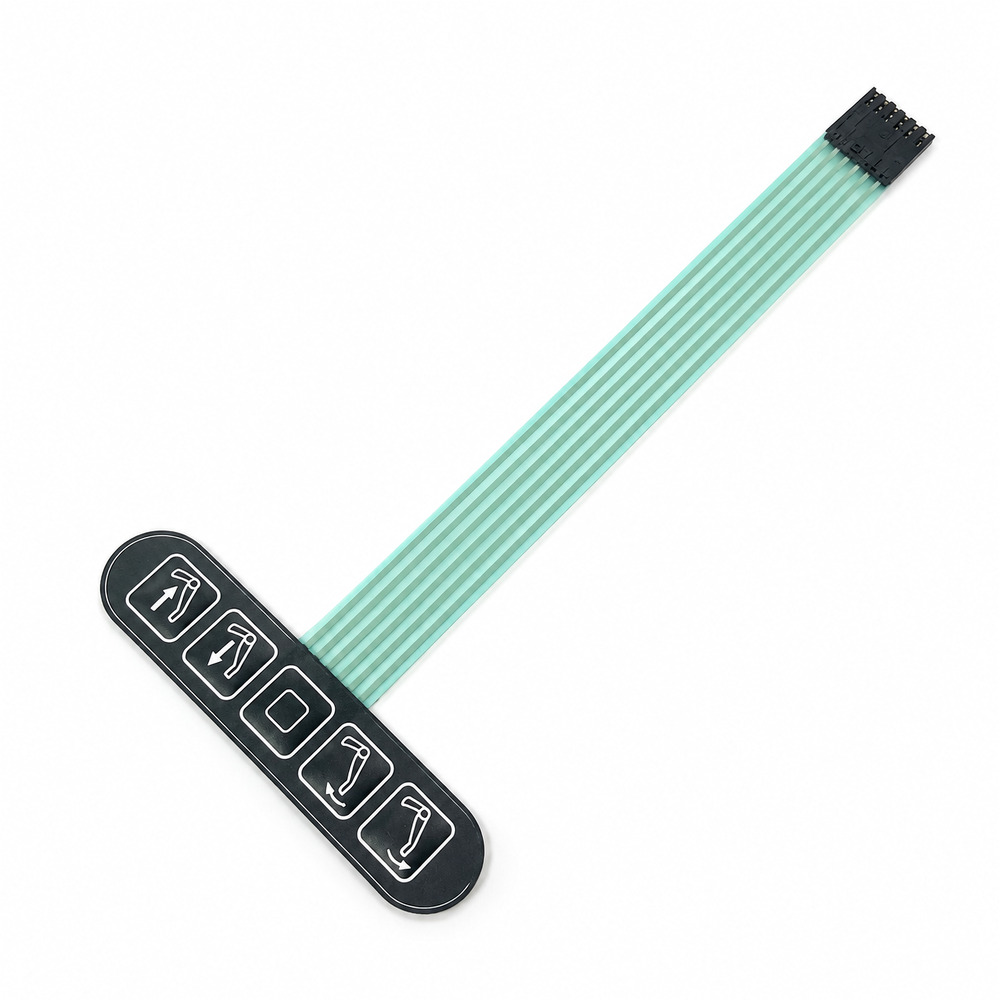
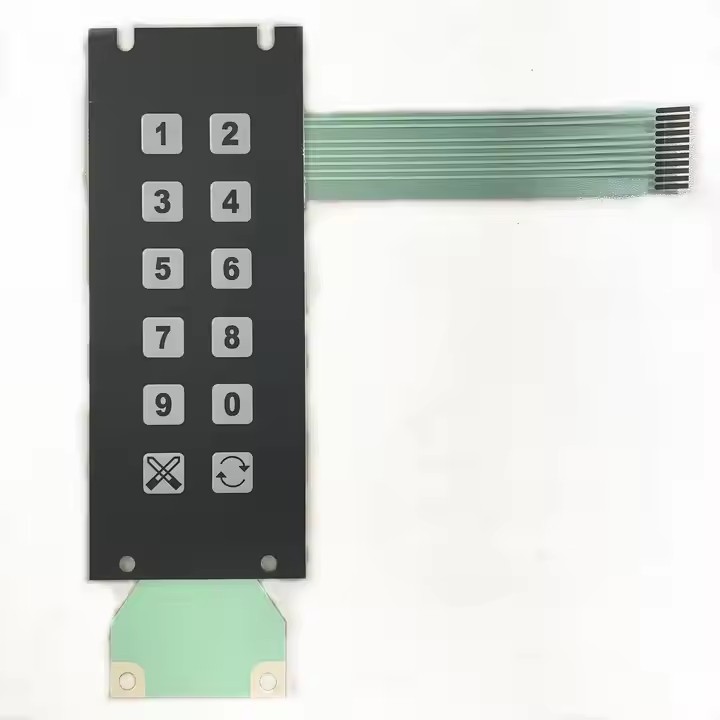
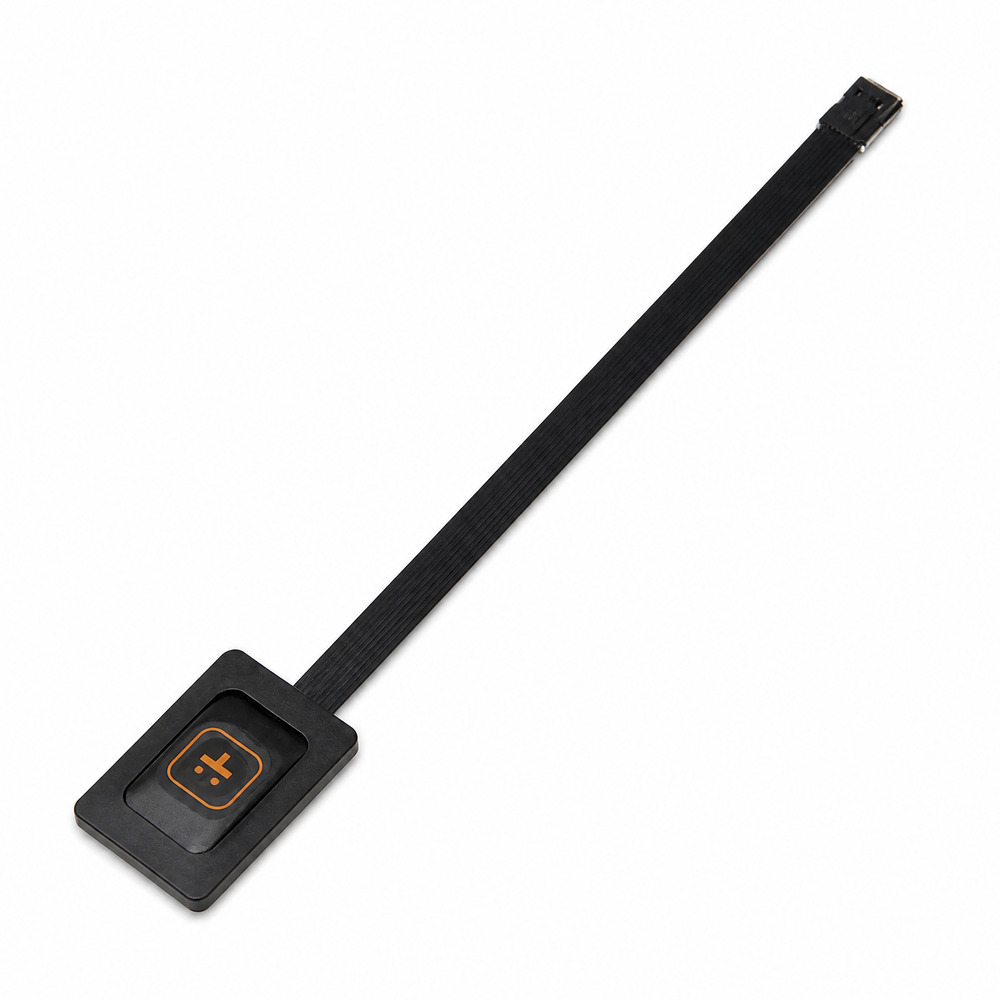
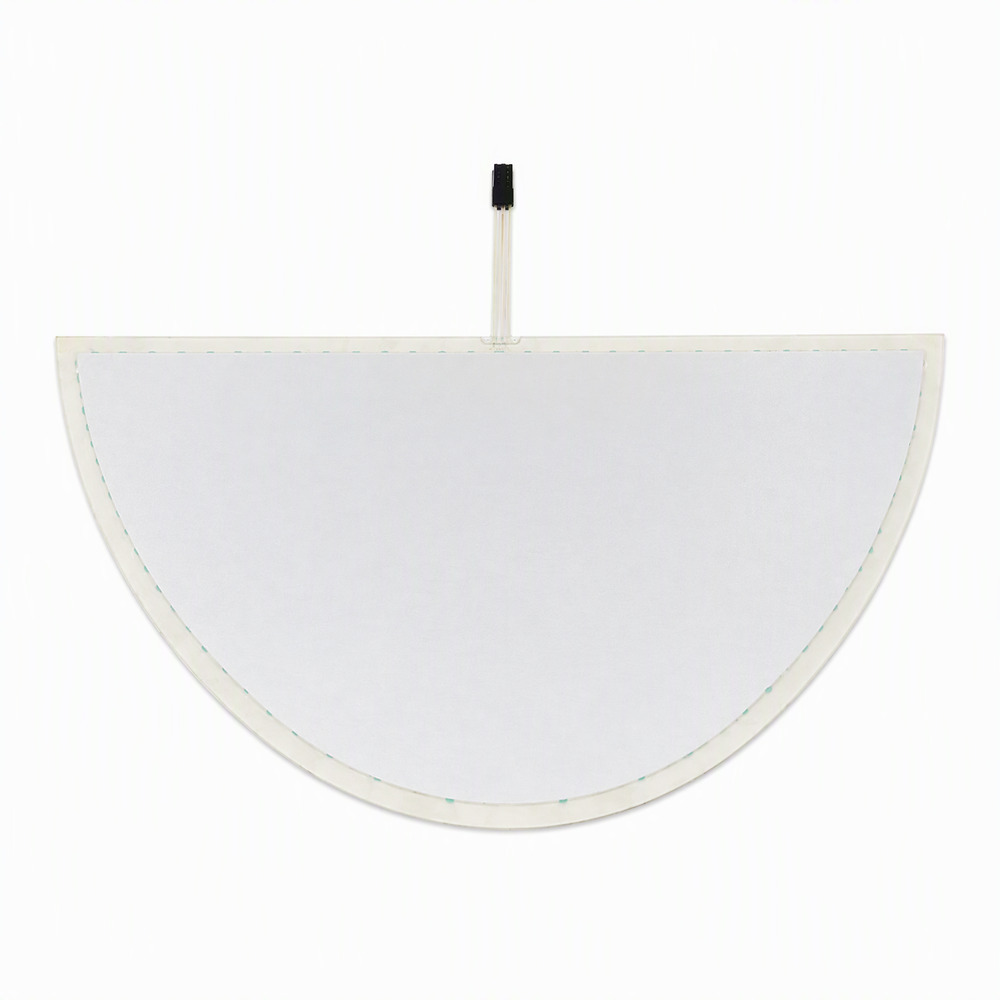
In the global landscape of Human-Machine Interface (HMI) design, Swiss industrial manufacturers, OEM equipment builders, and medical technology pioneers demand an uncompromising standard of spatial efficiency, chemical cleanability, and structural longevity. A non-tactile membrane switch keypad—defined by its flat, multi-layer printed PET/PC substrate construction operating without mechanical spring domes or tactile metallic snaps—represents the pinnacle of smooth, low-profile interface technology.
While tactile membrane switches rely on stainless steel metal domes or thermoformed plastic polydomes to impart snap-ratio haptic feedback, non-tactile membrane switches prioritize zero mechanical fatigue, ultra-thin footprint (<0.8mm stack height), and seamless surface hermeticity. Operating through lightweight contact closure under direct force (typically 0.5N to 1.5N), these flat keypad assemblies rely on auditory or visual device confirmation (such as integrated SMD LEDs, LCD screen changes, or audible system beeps). For original equipment manufacturers across Zurich, Basel, Lucerne, Bern, and Winterthur, partnering with a specialized manufacturer like Dongguan Ravo Electronics Co., Ltd. guarantees European regulatory compliance, precision silk-screen registration, and tailored Design-for-Manufacturability (DFM) support.
Information Gain Insight: Non-tactile membrane switch assemblies eliminate the primary point of mechanical failure found in physical switches—metal dome fatigue under high-frequency operation or severe vibration environments. This yields a operational lifespan exceeding 5,000,000 to 10,000,000 actuations per key position.
A non-tactile membrane switch is a precision-laminated composite structure composed of multiple functional thin-film layers bonded together with pressure-sensitive adhesives (PSA). To maintain optimal mechanical stability across fluctuating operating temperatures (-30°C to +85°C), every material layer must be selected based on tensile strength, dielectric resistance, and thermal expansion matching.
Engineered from Autotex Polyester (PET) or Lexan Polycarbonate (PC). Printed on the reverse side (second surface) to prevent graphic abrasion, harsh solvent deterioration, and chemical staining.
High-performance acrylic adhesive (typically 3M 467MP or 3M 200MP) with precision laser die-cut clearance windows around active contact zones.
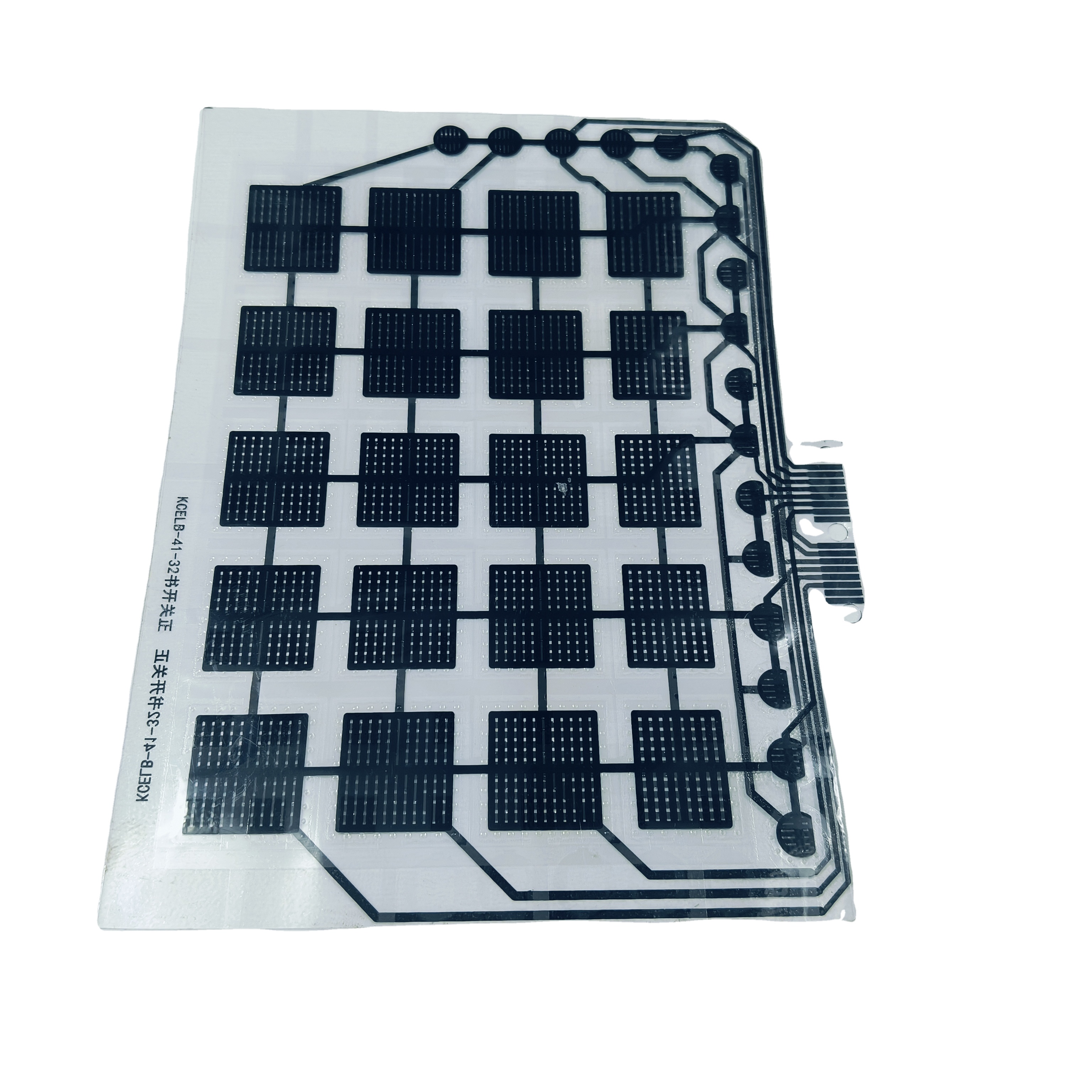
Stabilized heat-treated PET film (0.10mm to 0.125mm) screen-printed with micro-conductive silver paste traces and over-printed graphite carbon pads to inhibit silver migration.
Diecut double-coated polyester spacer defining the precise air gap clearance (0.075mm to 0.15mm) between upper and lower contacts, ensuring zero accidental activation.
Matching silver/carbon printed PET film or rigid Printed Circuit Board (PCB/FPC backer) completing the open-switch circuit matrix upon surface pressure application.
Heavy-duty pressure-sensitive adhesives tailored specifically to the host substrate (e.g., 3M 9448A for textured ABS, 3M 300LSE for powder-coated aluminum, or 3M 468MP for smooth steel).
To assist Swiss hardware engineers and procurement managers in selecting the optimal HMI topology, the following matrix compares the core physical, electrical, and environmental characteristics across key switch technologies:
| Engineering Attribute | Non-Tactile Membrane Switch | Tactile Metal Dome Switch | Capacitive Touch Sensor Panel |
|---|---|---|---|
| Tactile Response | Flat / Smooth (No mechanical feel) | Crisp snap (300g–500g force) | Zero physical movement / Proximity |
| Actuation Lifespan | > 5 Million to 10 Million Cycles | 1 Million to 2 Million Cycles | Infinite (Solid-state electronics) |
| Total Stack Thickness | 0.5mm – 0.8mm (Ultra-thin) | 1.0mm – 1.6mm | 1.2mm – 3.0mm (Includes cover glass/PC) |
| Surface Sealing (IP Rating) | IP65 / IP67 / IP68 (Fully sealed) | IP65 (Pillow embossing required) | IP67 / IP69K (Full glass panel option) |
| Glove Operation | Excellent (Heavy leather, rubber, latex) | Good (Requires tactile tactile displacement) | Limited (Requires specialized capacitive gloves) |
| Unit Production Cost | Most Economical (High Volume Friendly) | Moderate (Dome placement assembly cost) | Higher (Requires controller IC & firmware) |
| Chemical & Washdown Resistance | Superior (Seamless polyester surface) | High (Subject to dome air relief paths) | Superior (Glass or PMMA front panel) |
Switzerland’s industrial sector is world-renowned for high value-add manufacturing, micro-technology, medical diagnostics, laboratory automation, and heavy industrial machinery. Non-tactile membrane switch keypads are custom-engineered by Dongguan Ravo Electronics to address specific regional application requirements across Switzerland’s premier industrial sectors:
In sterile clinical environments, medical centrifuges, patient blood-gas analyzers, surgical control consoles, and pharmaceutical filling lines require continuous surface wipe-downs with aggressive disinfectants such as Isopropyl Alcohol (IPA), Hydrogen Peroxide vapor, and bleach solutions. Non-tactile membrane keypads provide a completely continuous, flat barrier surface without crevices, ridges, or mechanical key caps where bio-contaminants or bacteria could settle. When combined with MacDermid Autotex AM (Antimicrobial Film) containing built-in silver ion technology, the interface actively inhibits microbial growth, fulfilling stringent Swiss ISO 13485 hygiene protocols.
In Swiss precision metalworking, micro-milling, and automated watchmaking equipment, HMIs are constantly exposed to synthetic cutting coolants, lubricating oils, metal chips, and particulate debris. Non-tactile membrane switches featuring full perimeter gasket seals and 3M 300LSE low-surface-energy adhesives prevent fluid ingress into sensitive internal microelectronics, maintaining IP67/IP68 structural integrity under harsh workshop washdowns.
Outdoor self-service terminals installed across Swiss alpine transit points, EV charging kiosks, and fuel stations experience extreme environmental fluctuations—from harsh winter freezes (-25°C) to intense solar UV exposure in high-altitude alpine regions. Ravo utilizes UV-stabilized Autotex XE Polyester films paired with non-tactile silver-ink circuits. Because there are no metallic domes to flex or suffer hydrogen embrittlement in sub-zero alpine conditions, switch responsiveness remains completely stable across decades of public operation.
From alpine slope grooming equipment to specialized agricultural harvesters, control panels must withstand high mechanical vibration, direct mud splash, and rain. Non-tactile membrane switches, backed by rigid FR-4 PCB bases or flexible polyimide (FPC) tail connectors, provide an ultra-durable, solid-state input mechanism unaffected by engine harmonic resonance.
As Swiss engineering firms transition toward Industry 4.0 and Smart Factory standards, several key trends govern the specification of non-tactile human-machine interfaces:
Since 2003, Dongguan Ravo Electronics Co., Ltd. (located in Fenggang Town, Dongguan, Guangdong, China) has established itself as an authoritative leader in OEM/ODM membrane switch and keypad manufacturing. Spanning over 12,000 square meters of cleanroom production space and employing over 300 skilled technician specialists, Ravo delivers end-to-end interface manufacturing with dedicated engineering support tailored for international B2B clients.
Our experienced DFM engineering team evaluates CAD drawings (DXF, DWG, STEP, AI, PDF), returning detailed material stack-up proposals and cost optimizations within two hours during business hours.
We support Swiss R&D innovation with ultra-fast prototyping capabilities from as low as 1 piece, utilizing laser cutting and digital silk-screen printing to eliminate initial tooling delay.
Every non-tactile switch panel undergoes 100% automated electrical continuity testing, insulation resistance checking, and optical alignment verification prior to anti-static vacuum packaging.
Non-tactile membrane keypads feature a completely flat, non-embossed graphic surface that eliminates microscopic gaps, seams, or key caps. This allows medical personnel to execute thorough chemical disinfection using alcohol or peroxide sprays without liquid pooling or damaging mechanical components. Furthermore, with an actuation life exceeding 5 million cycles, non-tactile switches offer zero risk of dome displacement or metal fatigue under continuous hospital bed or monitor operation.
We achieve complete IP67/IP68 ingress protection by engineering a continuous perimeter adhesive ring surrounding the active circuit area and implementing sealed tail exit channels (such as top/bottom egress or internal gasket loops). Utilizing high-tack, water-impermeable adhesives like 3M 468MP or 3M 300LSE, moisture, oil mist, and dust are completely prevented from reaching conductive silver traces.
To provide an accurate engineering quote and material stack-up, please provide: 1) A 2D vector drawing or 3D CAD file showing outer dimensions, key layout, and window placements; 2) Graphic artwork files indicating Pantone/RAL colors; 3) Circuit tail length, pitch (e.g., 2.54mm or 1.0mm ZIF), and preferred connector; 4) Operating environment details (indoor/outdoor, chemical contact, temperature bounds); and 5) Estimated sample and mass production quantities.
To protect internal microcontrollers from static electricity generated by operator touch (especially in low-humidity Swiss winter environments), we incorporate an integrated ESD shield layer directly beneath the graphic overlay. This layer consists of a full-surface printed silver grid or aluminum foil laminate connected to a dedicated ground trace in the flexible tail, safely discharging up to 15kV ESD pulses away from active logic circuits.
Following CAD drawing and artwork approval, prototype samples for standard non-tactile membrane switches are typically manufactured within 7 to 10 working days. Production parts ship directly from our Dongguan facility to Zurich Airport (ZRH), Geneva Airport (GVA), or Basel via express air freight (DHL, FedEx, UPS) with transit times of only 3 to 5 business days.
Yes. All raw materials—including Autotex/Lexan films, 3M pressure-sensitive adhesives, conductive silver and carbon inks, and tail crimp connectors—are fully certified compliant with EU RoHS 3 (Directive 2015/863) and REACH SVHC regulations. Material safety data sheets (MSDS) and certificates of compliance are provided with every shipment.
Get immediate technical assistance, DFM reviews, and competitive direct factory pricing from our senior engineering team.
Get a Quote