EN
 DE
 FR
 ES
 RU
 JA EN DE FR ES RU JA
Custom-engineered flat and tactile membrane switches, graphic overlays, and capacitive keypads built to ISO 9001 and marine-grade specifications.
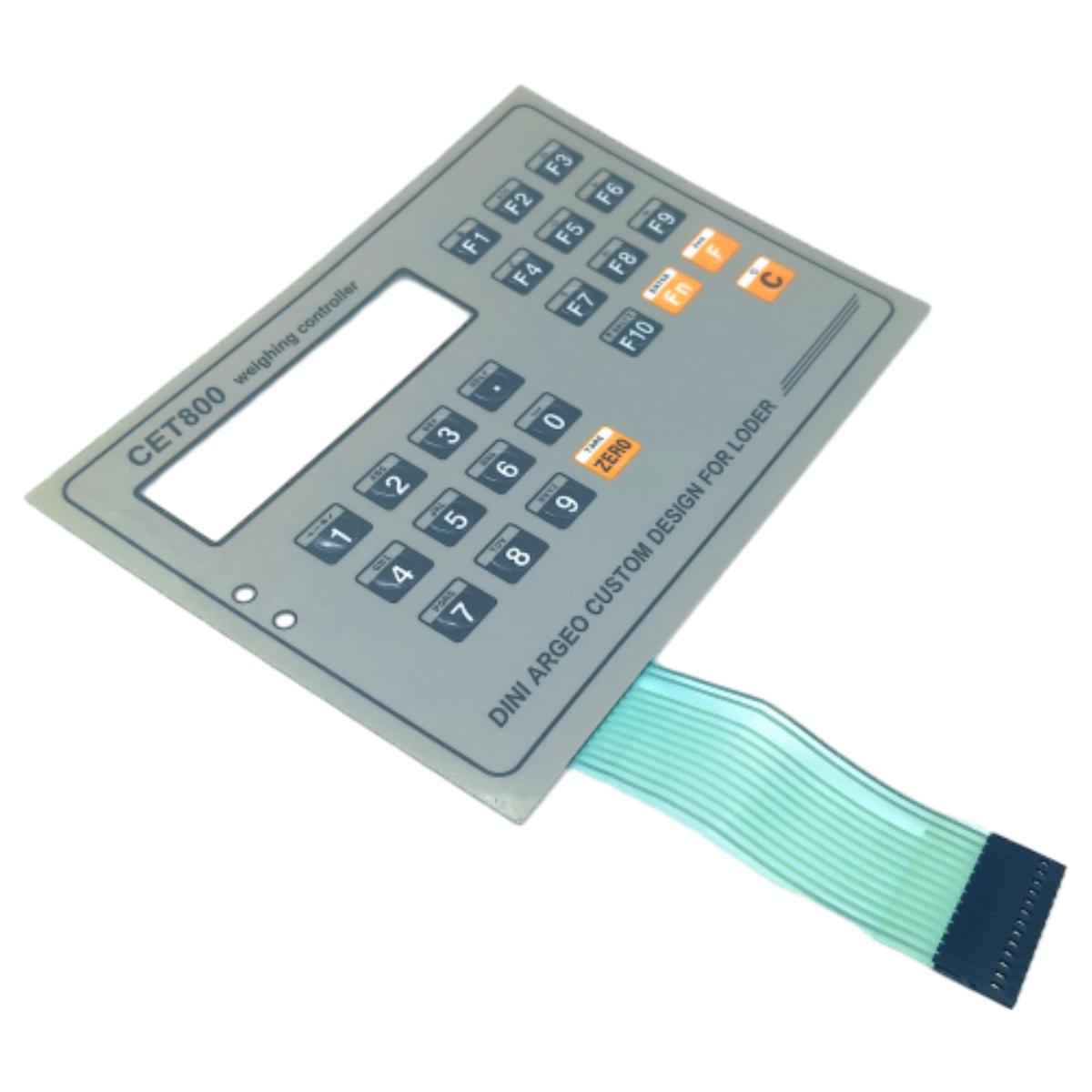
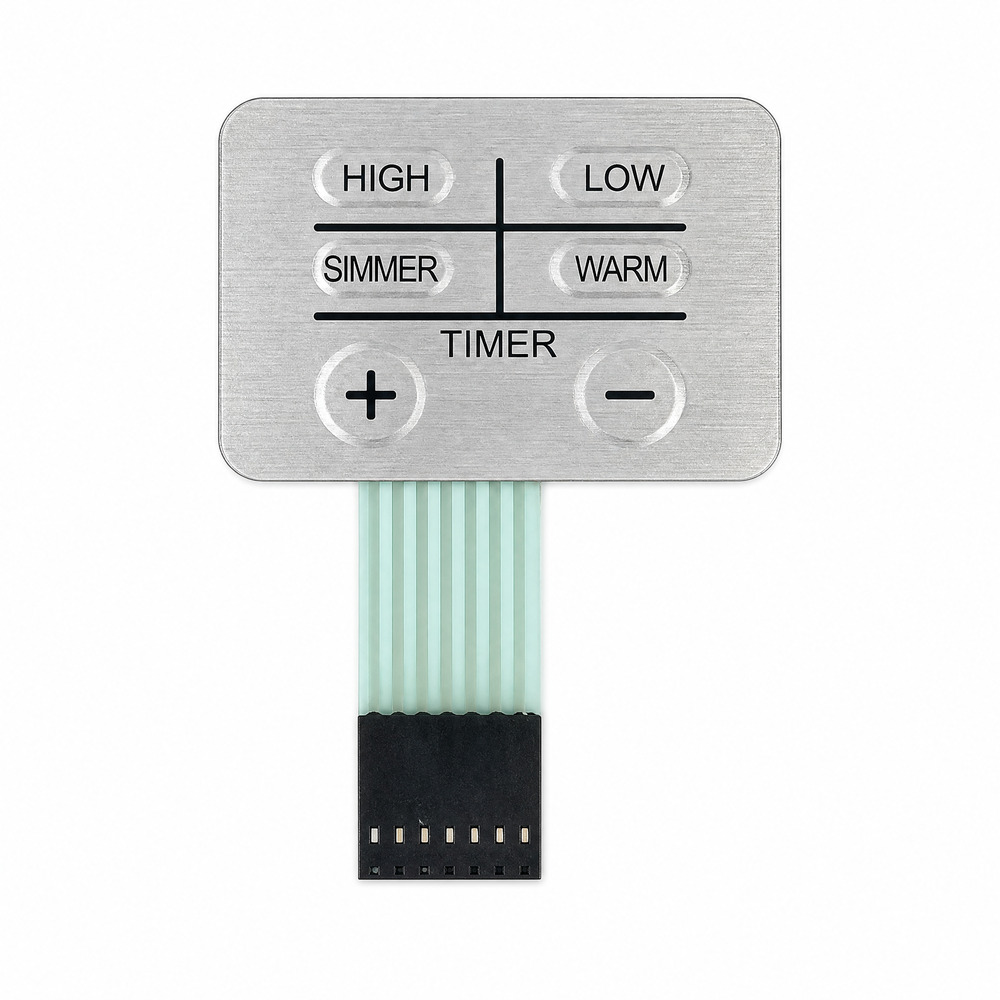
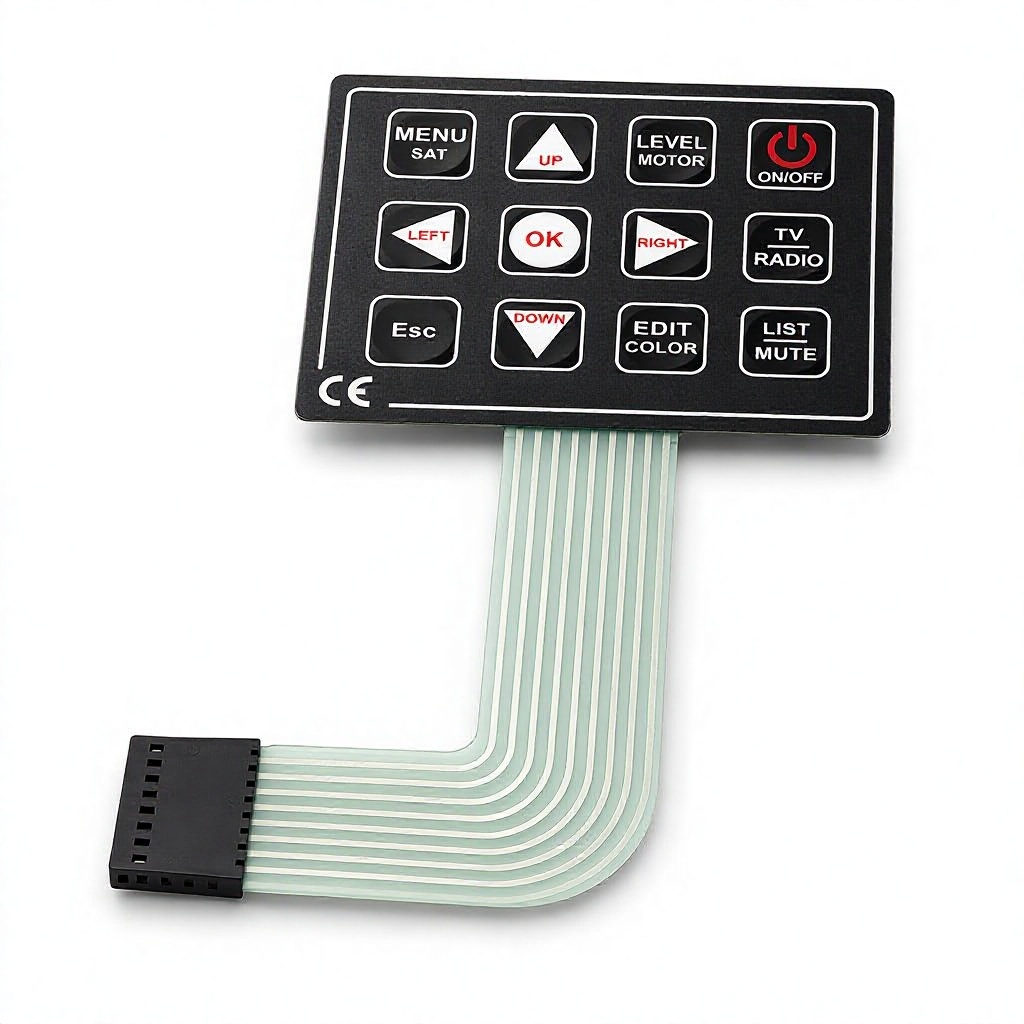
As Western Norway’s primary maritime hub and an internationally recognized center for subsea technology, marine aquaculture, and specialized industrial equipment, Bergen demands human-machine interface (HMI) controls engineered to survive extreme operational stresses. Flat non-tactile membrane switches represent a vital component within this industrial ecosystem. Unlike mechanical switches featuring moving mechanical parts prone to mechanical wear, ingress of ocean spray, and physical degradation, flat membrane switches provide a completely sealed, low-profile, multi-layer control surface that isolates critical microelectronics from external environmental exposure.
At Dongguan Ravo Electronics Co., Ltd. (established in 2003 in Fenggang Town, Dongguan), we design, engineer, and export custom flat membrane switches, graphic overlays, flexible printed circuits (FPC), and thin-film pressure sensors directly to original equipment manufacturers (OEMs), engineering design firms, and system integrators throughout the Greater Bergen region, including coastal marine technology corridors across Vestland county.
Technical Information Gain: Standard membrane switches often fail prematurely in North Sea marine deployments due to salt-fog oxidation, dielectric tracking across silver tracks, and sub-zero flexible circuit cracking. Ravo’s marine-grade flat membrane switches utilize Autotex XE UV-resistant polyester substrates combined with sealed perimeter 3M 200MP/9448A adhesives and carbon-capped conductive traces to ensure zero silver migration and over 5 million operation cycles even at -40°C.
Understanding the internal material stack-up of a flat membrane switch is fundamental for Bergen engineers designing interfaces for subsea telemetry units, commercial vessel bridge controls, or outdoor processing equipment. A flat non-tactile membrane switch eliminates tactile metal domes or thermoformed plastic domes, resulting in an ultra-thin profile (typically between 0.5mm and 1.2mm overall thickness) that relies on visual or auditory feedback from the host electronics.
A standard high-durability flat membrane switch manufactured by Ravo Electronics consists of six precision-laminated functional layers:
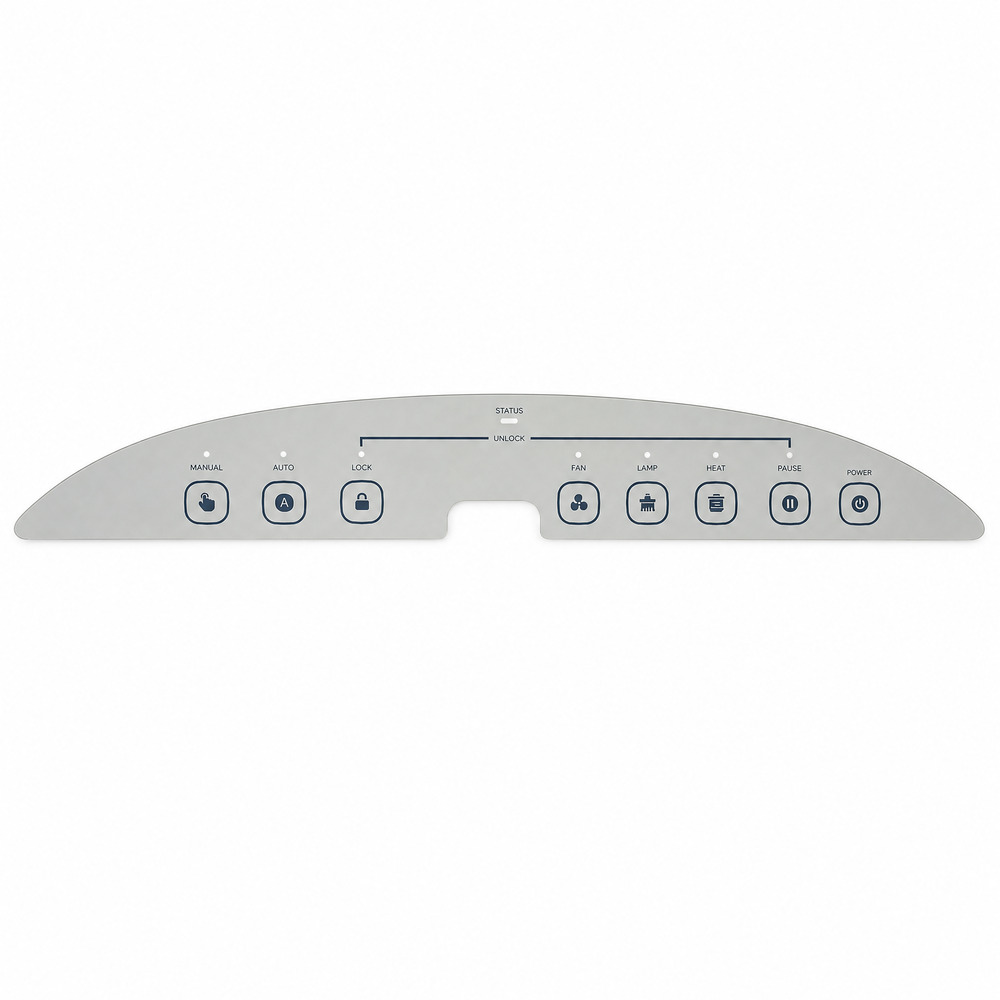
Autotex XE or MacDermid Autotype Polyester (PET) and Polycarbonate (PC). Features reverse-screen printing, textured/fine-matt finishes, and anti-glare display windows transparent to LCD/LED screens.
High-performance acrylic adhesives (3M 467MP, 3M 200MP, or 3M 300LSE for low surface energy plastics). Features laser-cut cutouts for LED indicators and display windows.
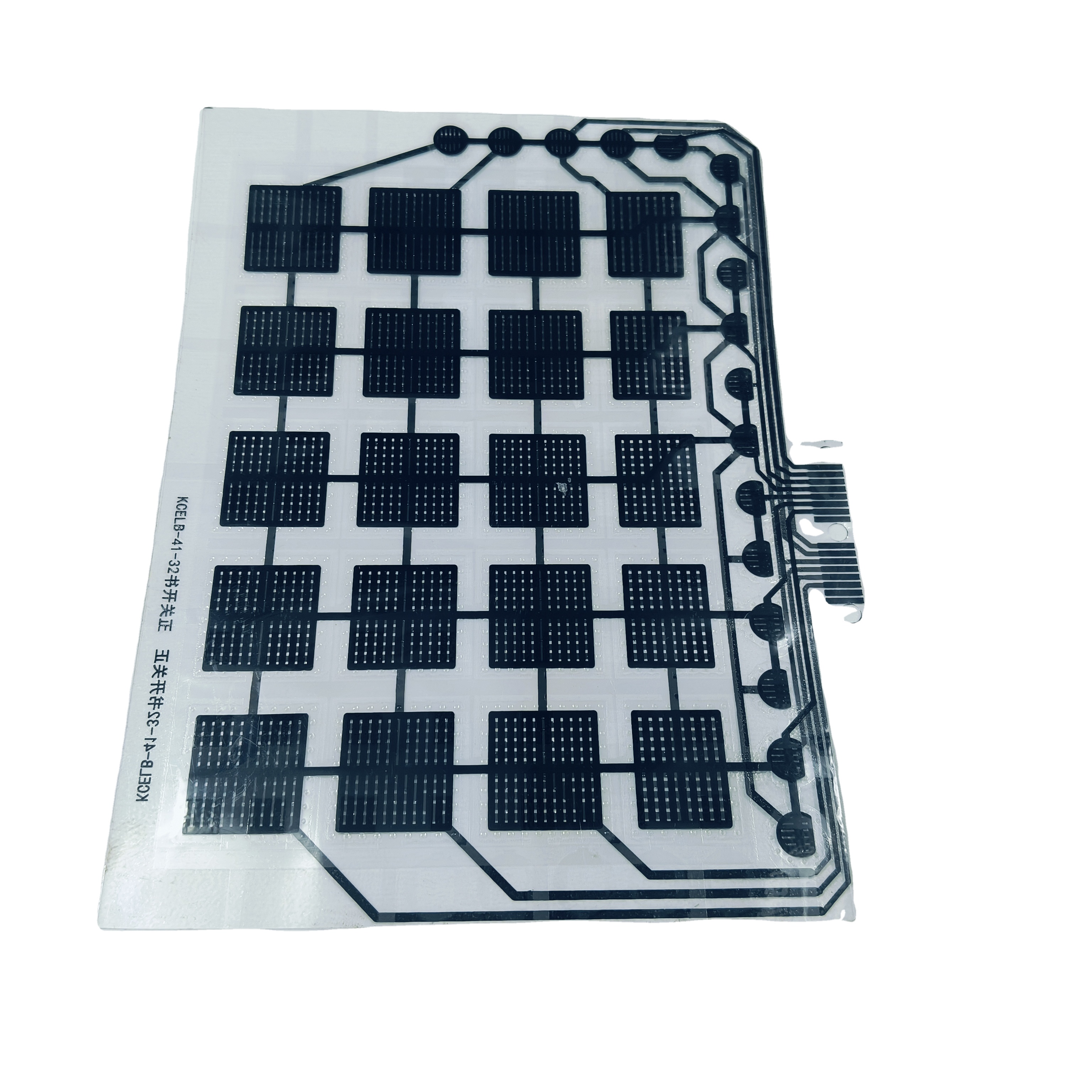
Heat-stabilized PET film screen-printed with highly conductive micro-silver ink or carbon paste. Configured with lower-contact finger patterns that complete the circuit upon finger pressure.
Precision polyester spacer film with engineered air chambers/wells corresponding to button positions. Controls the actuation distance (typically 0.15mm to 0.3mm) between upper and lower circuit contacts.
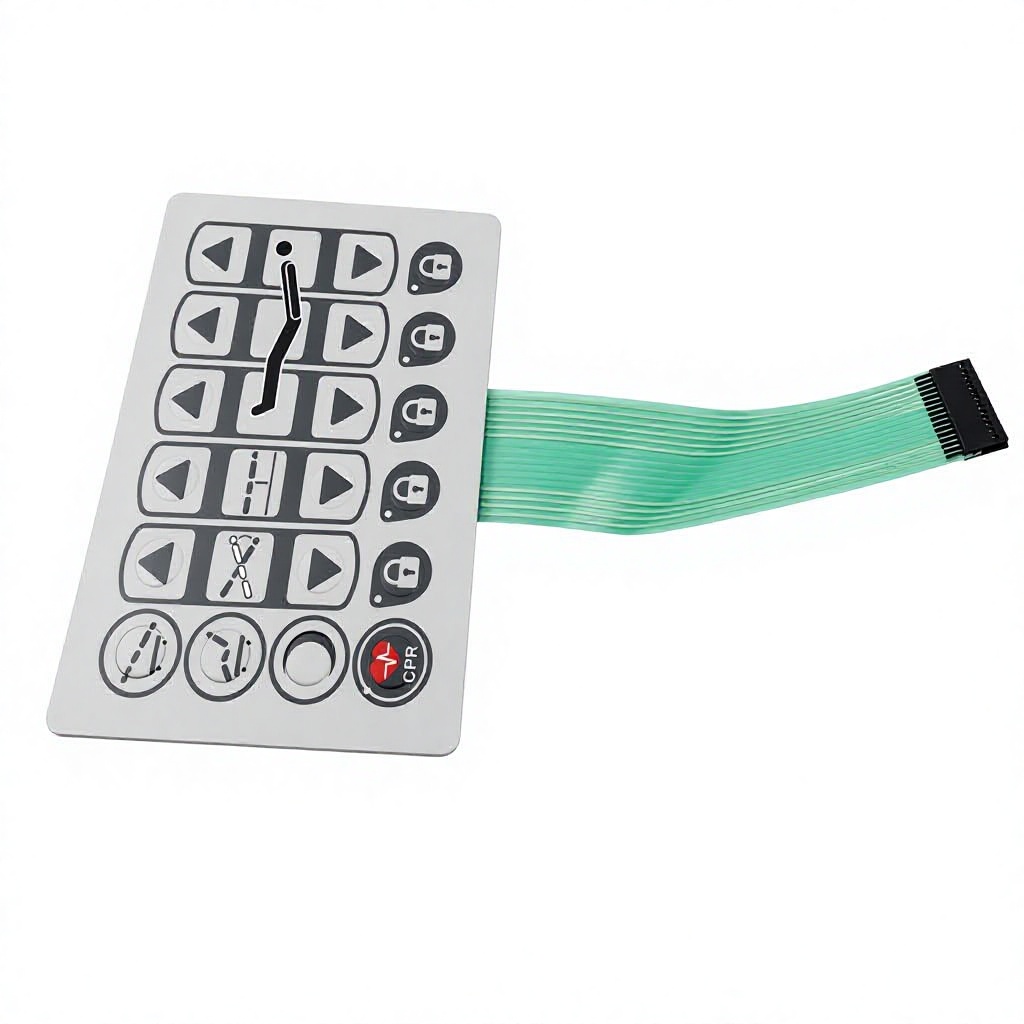
Features printed silver trace pathways or polyimide FPC traces. Optional continuous printed grid of conductive aluminum foil or conductive grid ink serves as an Electrostatic Discharge (ESD) shield up to 15kV.
Full-coverage 3M adhesive lining engineered to bond permanently to aluminum cast enclosures, stainless steel panels, ABS, or powder-coated metal sub-assemblies.
A primary failure mode of cheap membrane keypads in maritime regions like Bergen is silver migration—an electrochemical phenomenon where silver ions travel between adjacent energized conductive lines under moisture condensation and DC bias, causing short circuits. Ravo Electronics resolves this by implementing a dual-pass over-printing technique using specialized conductive carbon ink over silver trace tracks, combined with perimeter gas-gasket sealing techniques that achieve IP67 and IP68 moisture protection standards.
To serve OEMs operating in Bergen, interface hardware must be designed around specific local operating conditions: sub-zero Scandinavian winter temperatures, persistent rain and high humidity, direct salt spray, chemical washdowns, and heavy gloved-hand interaction.
Flat membrane switches integrated into deck winches, bow thruster control panels, bridge telemetry consoles, and electric ferry battery status monitors. Resists salt-fog corrosion (ISO 9227 tested) and continuous sea-spray exposure.
Bergen’s salmon farming and feed barge operations rely on automation terminals exposed to caustic cleaning agents, organic sludge, and high-pressure hose-downs. Sealed flat membrane surfaces eliminate crevices where bacteria or saline deposits accumulate.
In subsea power distribution modules and explosion-proof (Ex-d) intrinsically safe control housings, flat membrane switches offer minimal gas volume displacement, preventing hazardous gas pocket buildup inside control interfaces.
The industrial market in Bergen is undergoing rapid modernization driven by green maritime mandates, zero-emission passenger ferries (such as electrifying coastal routes across the Vestland fjords), and digitalized fish farming operations. Interface component selection is shifting towards three primary technological innovations:
| Interface Type | Actuation Feedback | Operating Temp Range | Ingress Rating | Primary Bergen Application |
|---|---|---|---|---|
| Flat Non-Tactile Membrane Switch | Visual (LED) / Audio Beep | -40°C to +85°C | Up to IP68 (Sealed Tail) | Maritime Deck Winches, Medical Sterilization Units, Food Processing |
| Tactile Metal Dome Switch | Crisp Tactile Snap (160g-450g) | -30°C to +75°C | IP65 / IP67 | Industrial Inverters, Handheld Diagnostic Tools, Crane Controls |
| Capacitive Touch Panel | Zero Pressure / Haptic Vibration | -20°C to +70°C | IP68 / Glass Flush | Smart Ferry Bridge Displays, Cleanroom Interfaces, High-End Appliances |
| PCB/FPC Backed Assembly | Variable (Tactile / Non-Tactile) | -40°C to +105°C | IP67 Integrated | Subsea Power Control Units, Heavy Industrial Automation, Military Gear |
Sourcing custom electronic hardware from international exporters requires total confidence in engineering rigor, material authenticity, and delivery predictability. Ravo Electronics offers comprehensive design-for-manufacturability (DFM) support tailored specifically to European engineering workflows.
Operates under strict ISO 9001:2015 quality control systems. Every material batch—from 3M pressure-sensitive adhesives to Dupont conductive silver pastes—includes RoHS, REACH, and UL compliance certificates.
Our dedicated engineering team reviews DXF, DWG, STEP, or Gerber files and returns comprehensive DFM suggestions within 2 hours. Rapid prototype tooling allows 1-piece to 10-piece prototype deliveries in days.
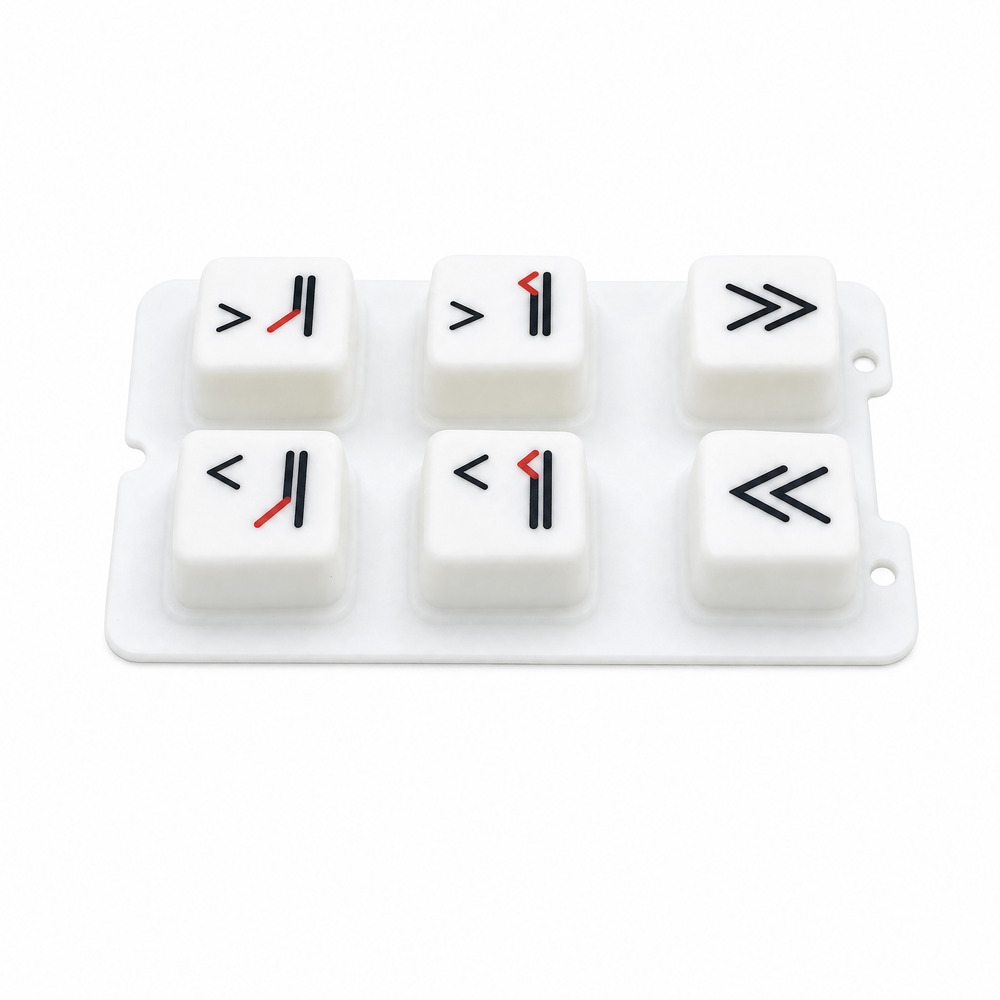
Beyond printing membrane circuits, Ravo integrates surface-mount LEDs, crimped Nicomatic/AMP connectors, rigid FR4 backing plates, aluminum support frames, and silicone rubber keypad overmolding.
Direct answers to common technical, logistics, and compliance questions raised by procurement managers and R&D engineers in Norway.
We apply closed-loop perimeter sealing using 3M high-cohesion acrylic adhesives combined with a hydrophobic breath-vent system. Conductive traces are protected with carbon encapsulation, preventing silver migration even under 95% continuous non-condensing relative humidity.
We specifically recommend Autotex XE (Extra Environment) polyester film. Unlike standard polycarbonate which yellow and embrittle when exposed to UV radiation, Autotex XE resists solar degradation, chemical exposure, and cracking down to temperatures of -40°C.
We support engineering R&D with prototype MOQs starting from 1 piece. Standard prototype lead time is 7 to 10 working days following artwork and stack-up sign-off. Bulk production orders ship via express air freight directly to Bergen Airport (BGO) or sea freight to Bergen Port.
Yes. Ravo frequently builds graphic overlay assemblies and flat switches backed with high-tack 3M 300LSE adhesive designed specifically to bond tightly to brushed marine-grade 316L stainless steel or anodized aluminum housings.
Fully. All materials, adhesives, inks, and electronic components supplied by Dongguan Ravo Electronics are 100% compliant with EU RoHS 3 (Directive 2015/863) and REACH regulation (EC No 1907/2006). Full compliance certificates are provided with first-article inspection reports.
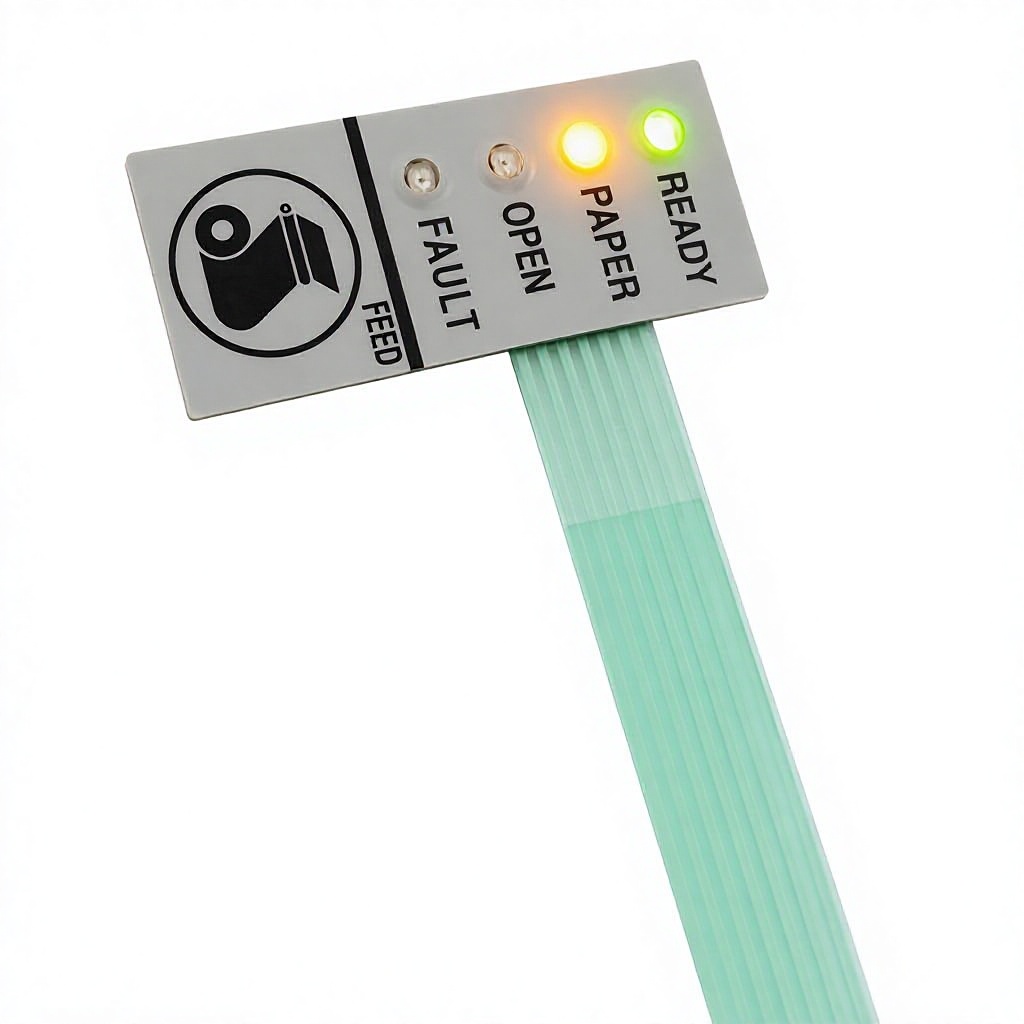
Since flat switches lack physical dome travel, activation feedback is handled electronically via embedded surface-mount status LEDs, backlighting illumination, or acoustic prompts from the system PCB. Flat overlays can also be selectively embossed (rim or pillow embossing) to guide gloved fingers to button centers.
Submit your 2D/3D CAD drawings, vector artwork, or technical specifications today. Our engineering team will deliver a comprehensive DFM evaluation and custom quotation within 2 hours.
Inquire Now