 EN
 DE
 FR
 ES
 RU
 JA EN DE FR ES RU JA
From non-tactile ultra-thin flat consoles to tactile metal dome keyboards and thin-film pressure sensors, our hardware is precision-printed using automotive-grade PET/PC foils and advanced conductive inks to withstand severe industrial cycles.
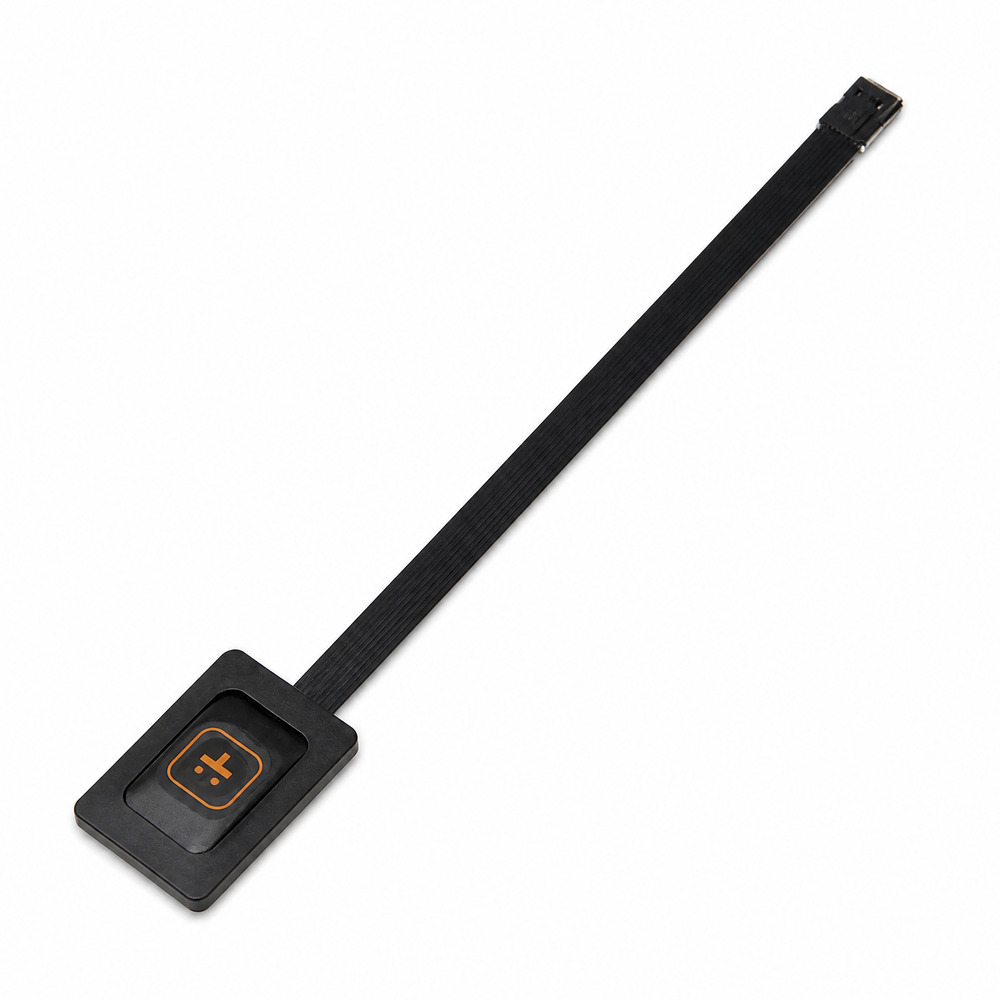
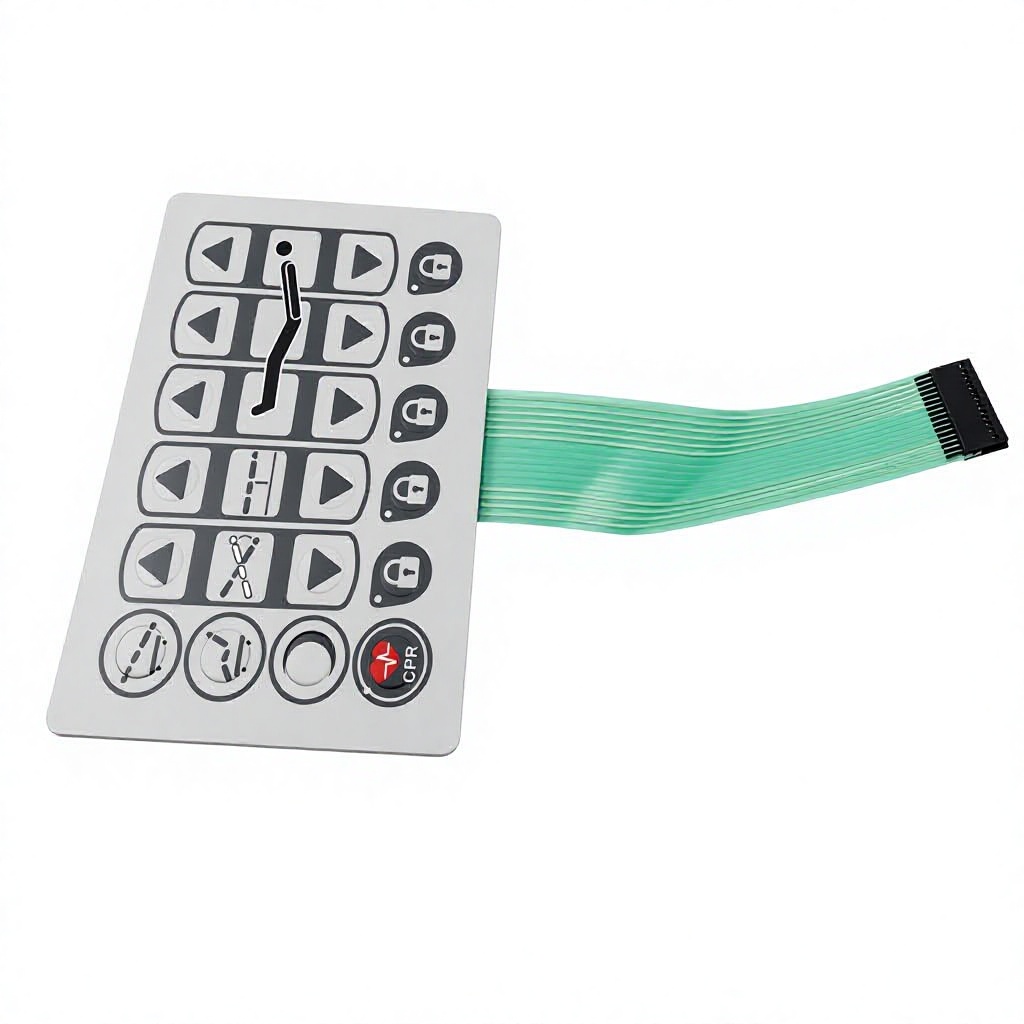
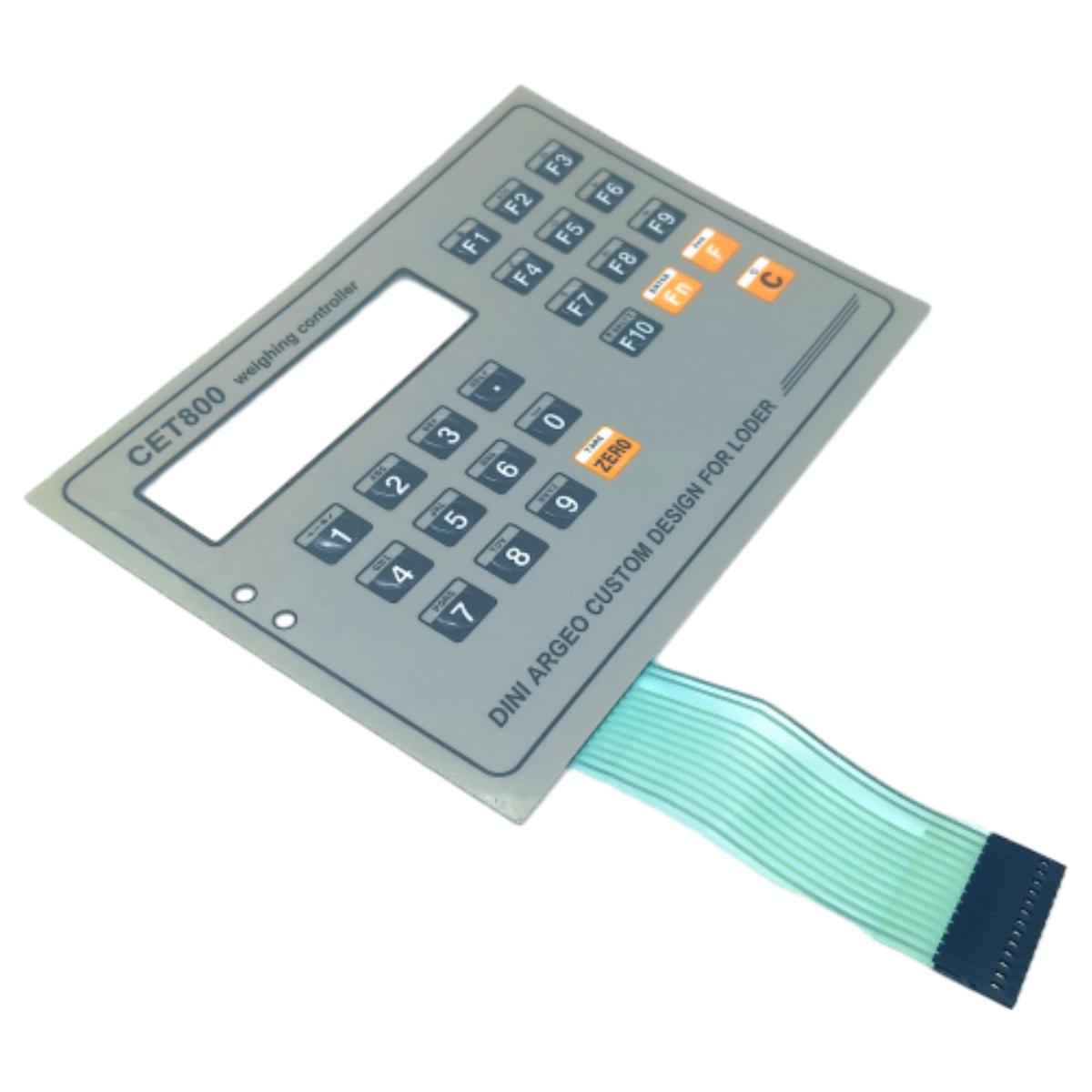
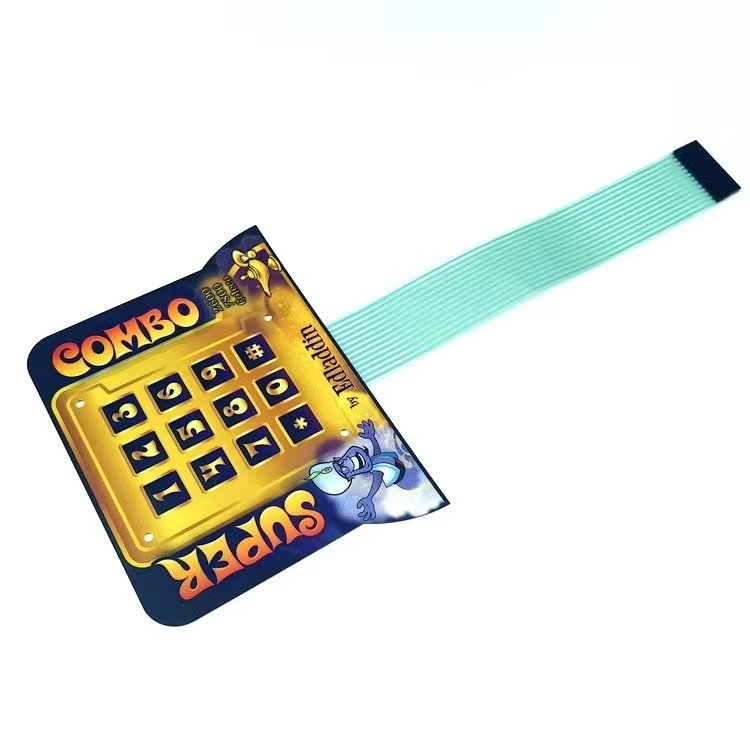
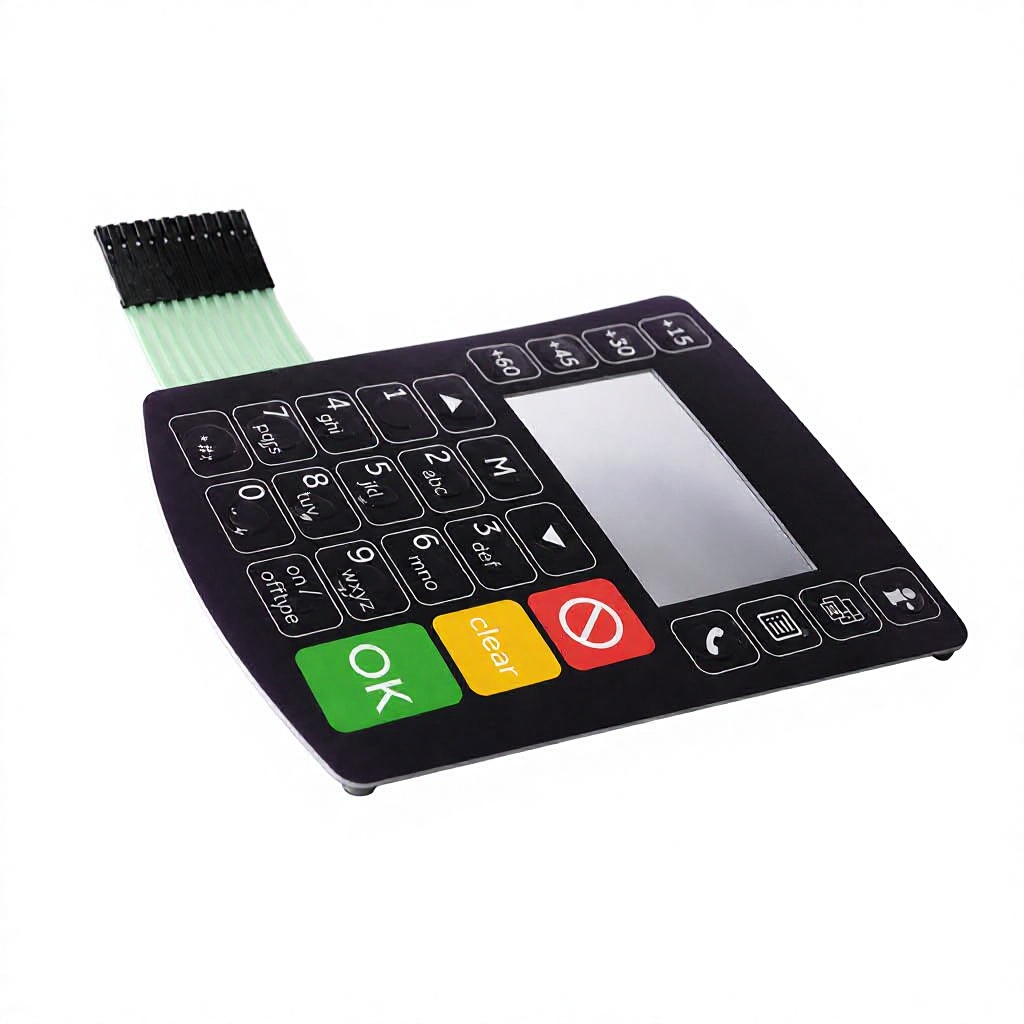
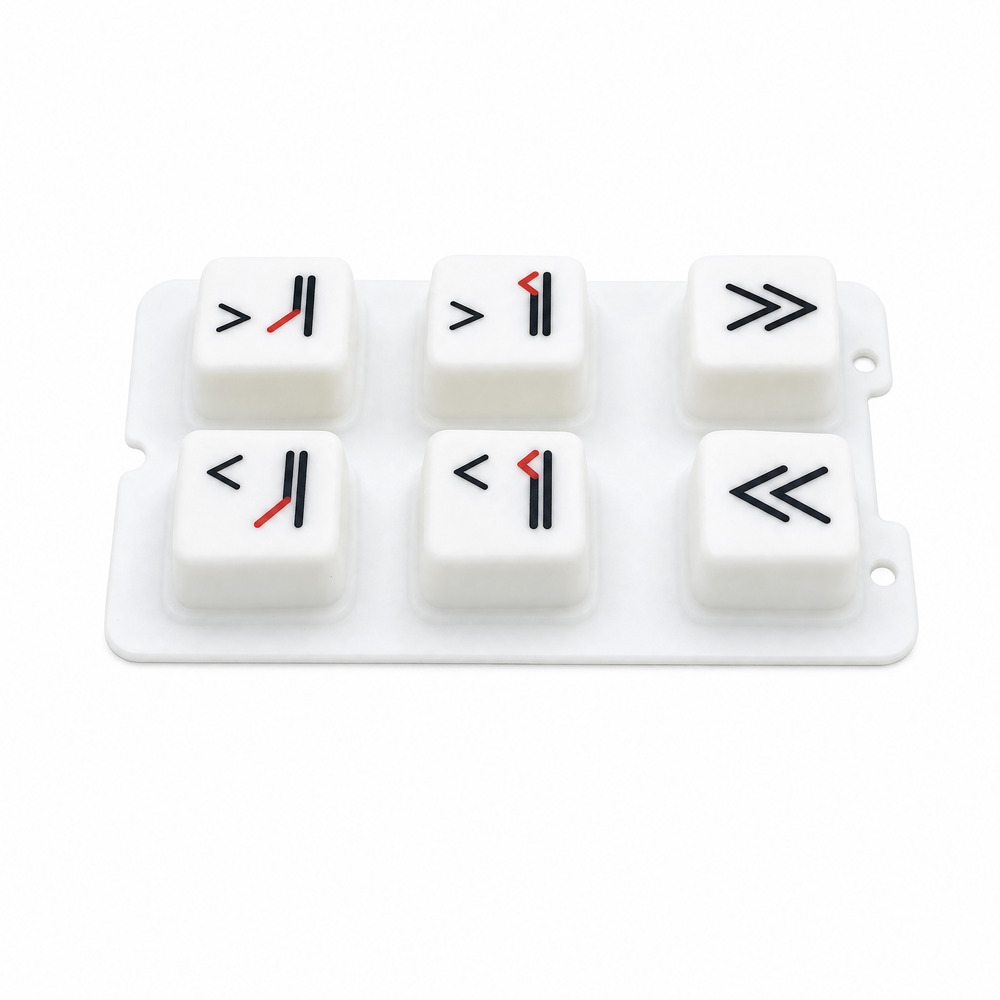
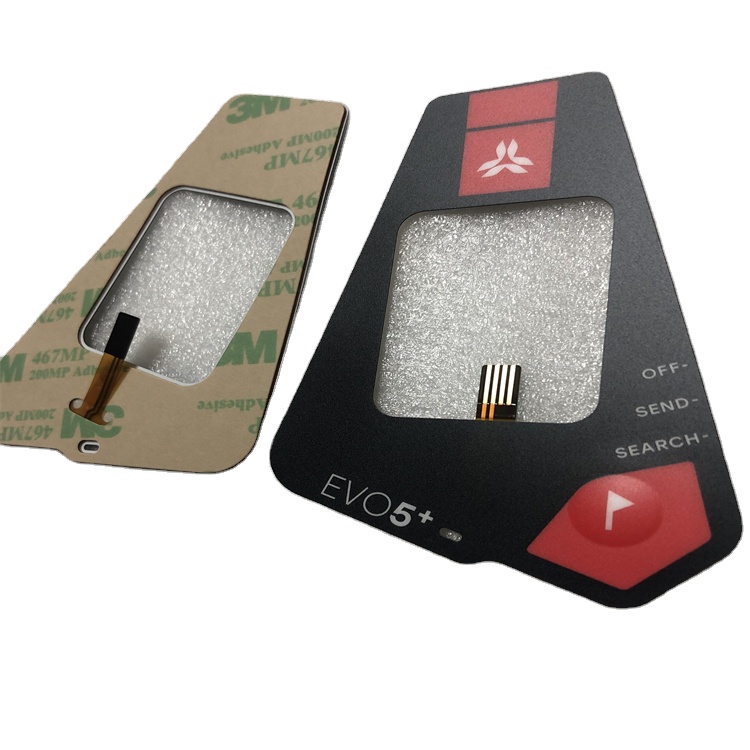
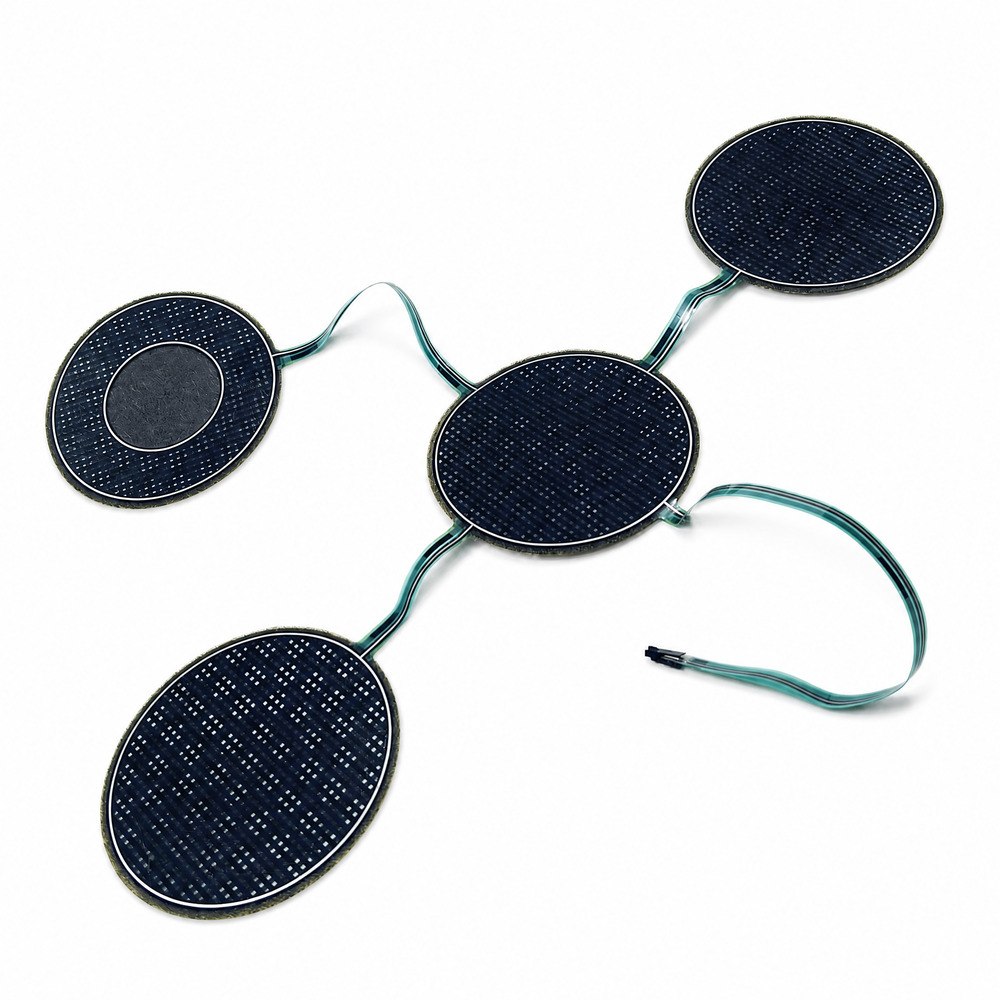
In the high-density manufacturing landscapes of Stuttgart, Sindelfingen, Esslingen, and the wider Baden-Württemberg region, human-machine interface (HMI) modules are subjected to punishing operational demands. Equipment builders in machine tooling (Werkzeugmaschinenbau), automotive manufacturing, automation robotics, and specialized laboratory medical hardware require interface panels that resist hydrocarbon cutting fluids, aggressive chemical wash-downs, high electrostatic discharge, and millions of actuations without signal deterioration.
As a vertically integrated flat membrane switch factory and seasoned exporter, Dongguan Ravo Electronics Co., Ltd. supplies direct OEM-level engineering solutions to European engineering departments. We bridge the gap between custom development and volume manufacturing, offering precision tolerances (±0.1 mm), cleanroom multi-pass silkscreen printing, and fully sealed multi-layer sandwich constructions compliant with CE, RoHS, and REACH directives.
A standard 6-layer industrial flat membrane switch stack engineered by Ravo:
Stuttgart is the epicenter of German precision manufacturing. Our membrane switches, silicone keymats, and flexible circuits are custom-engineered for specific mechanical and environmental challenges across the regional industrial sectors.
Deployed throughout Zuffenhausen and Sindelfingen automotive development corridors, our switches run in dynamic dynamometer consoles, powertrain diagnostic units, and end-of-line testing benches where tactile confirmation and oil resistance are mandatory.
Serving machinery builders around Göppingen and Esslingen. Panels feature IP67-rated perimeter gaskets, embossed rims for gloved operators, and impervious polyester facings resistant to synthetic lubricants, chips, and cooling emulsions.
Tailored for the Neckar-Alb and Stuttgart medical technology clusters. Anti-microbial graphic overlays survive repeated wipe-downs with isopropyl alcohol, hydrogen peroxide, and hospital disinfectants without micro-cracking or ink delamination.
In logistics centers and conveyor automation systems, our flat non-tactile keyboards and tactile remote pendants endure continuous multi-shift usage, high vibration, and wide operational temperature gradients from -20°C to +70°C.
Selecting the correct carrier materials, conductive traces, and tactile dome dynamics prevents early field failure in demanding European deployments.
| Parameter / Layer | PET Polyester (Autotex / MacDermid) | Polycarbonate (Lexan / Covestro) | Polyimide Flexible Circuit (FPC) |
|---|---|---|---|
| Flexural Endurance (Actuation Life) | > 5,000,000 cycles without fatigue | Approx. 100,000 cycles (ideal for flat panels) | > 10,000,000 cycles (dynamic flex) |
| Chemical Resistance | Outstanding (Brake fluid, alcohols, fuels, solvents) | Moderate (Vulnerable to aromatic hydrocarbons) | Superior (Full resistance to industrial chemicals) |
| Operating Temperature Range | -40°C to +85°C continuous | -30°C to +105°C heat deflection | -50°C to +125°C extreme industrial |
| Circuit Pitch Capability | Standard 1.0mm to 2.54mm pitch | N/A (Primarily used as graphic overlay) | Ultra-fine down to 0.5mm / 0.3mm ZIF pitch |
| Component Integration | Silver epoxy bonding for SMD LEDs & resistors | Window filter overlay only | Standard reflow soldering of active/passive parts |
| Target Stuttgart Application | Machine tools, industrial handhelds, medical beds | Instrument bezels, domestic displays, flat badges | High-density automotive controllers, avionics |
As German OEMs migrate toward connected cyber-physical systems and sleek hygienic designs, membrane switch architecture is undergoing major technical evolutions.
Stuttgart designers increasingly eliminate mechanical seams to prevent particulate traps. We integrate printed capacitive touch matrices behind flush acrylic or glass fronts with "dead-front" icons that remain invisible until illuminated by selective LEDs.
With electrical drives and high-frequency inverters common in Baden-Württemberg automation cells, electromagnetic compatibility (EMC) is critical. Our switches incorporate vacuum-sputtered aluminum or selective printed carbon/silver ground planes exceeding 15 kV ESD isolation.
Beyond digital on/off signaling, modern controllers leverage Ravo’s printed carbon-paste pressure sensors for proportional speed control, seat occupancy verification in smart automotive interiors, and multi-stage grip sensing on robotic end-effectors.
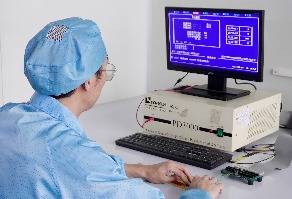
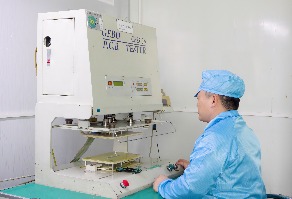
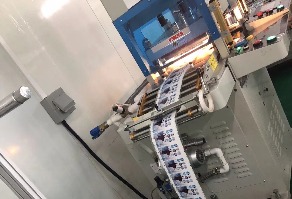
Established in 2003, our 12,000 square meter production complex in Fenggang, Dongguan unites all tooling, precision printing, laser routing, cleanroom lamination, and automated electrical inspection under one roof.
Procuring membrane switches via multiple tiers of trading intermediaries adds cost, miscommunication, and weeks of delay. By working directly with our factory, German purchasing and R&D teams achieve substantial technical and commercial advantages:
Answers to common logistical, regulatory, and engineering questions asked by procurement teams and technical buyers across Germany.
We routinely ship to Baden-Württemberg via express air couriers (DHL Express, FedEx, UPS) with transit times of 3 to 5 business days to Stuttgart Airport (STR) or direct to factory doors in surrounding areas. For recurring production, we handle Delivered Duty Paid (DDP) shipments with complete commercial invoices, HS code classification (8537.10), and German import clearance support.
Yes. All our raw materials—including Autotype PET films, Henkel conductive silver pastes, Acheson carbon overcoats, silicone compounds, and genuine 3M adhesives (such as 467MP, 468MP, 300LSE)—fully comply with EU Directives (RoHS 2011/65/EU and REACH (EC) No 1907/2006). Complete material declaration certificates and laboratory safety data sheets (MSDS) are provided with first-article inspection reports (FAIR).
Absolutely. We maintain a dedicated fast-turn prototyping cell. Using precision digital UV flatbed printing and plotter/laser knife cutting, we supply functional engineering prototypes from as low as 1 to 5 pieces without upfront steel punch tooling investments. This enables Stuttgart design engineers to validate tactile feel, dome snap ratio, and ribbon tail routing in prototype enclosures.
For CNC machinery and grinding tool consoles common in Esslingen and Göppingen, we specify textured polyester overlays (such as Autotex Steel or Hardcoat PET) rather than polycarbonate. Polyester delivers superior chemical resistance against mineral oils, synthetic cutting emulsions, and aromatic solvents. In addition, we utilize closed-loop continuous perimeter gasket adhesives (IP67 sealed) to stop fluid ingress along the edge.
We support standard 2.54mm (.100") pitch female crimp housings (compatible with Amphenol FCI / Nicomatic), 1.0mm and 0.5mm Zero Insertion Force (ZIF) tails with laminated stiffeners, as well as solder-tab pins. If your control system requires surface-mount board-to-board connectors or direct soldering, we can engineer the circuit using an FPC (polyimide copper) or rigid-flex PCB backing.
We accept standard CAD and graphic files: DXF, DWG, and STEP for mechanical dimensions and spacer die-lines; and vector PDF, Adobe Illustrator (.AI), or CorelDraw for silkscreen artwork and Pantone / RAL color definitions. Our engineering department returns a detailed DFM checklist within 2 hours covering trace widths, key embossment heights, dome travel clearance, and tail bend radii.
Whether you are developing a next-generation automotive test console in Sindelfingen, an ergonomic medical patient interface in Tübingen, or an ultra-rugged machine controller in Stuttgart, our engineering team is ready to review your specifications.
